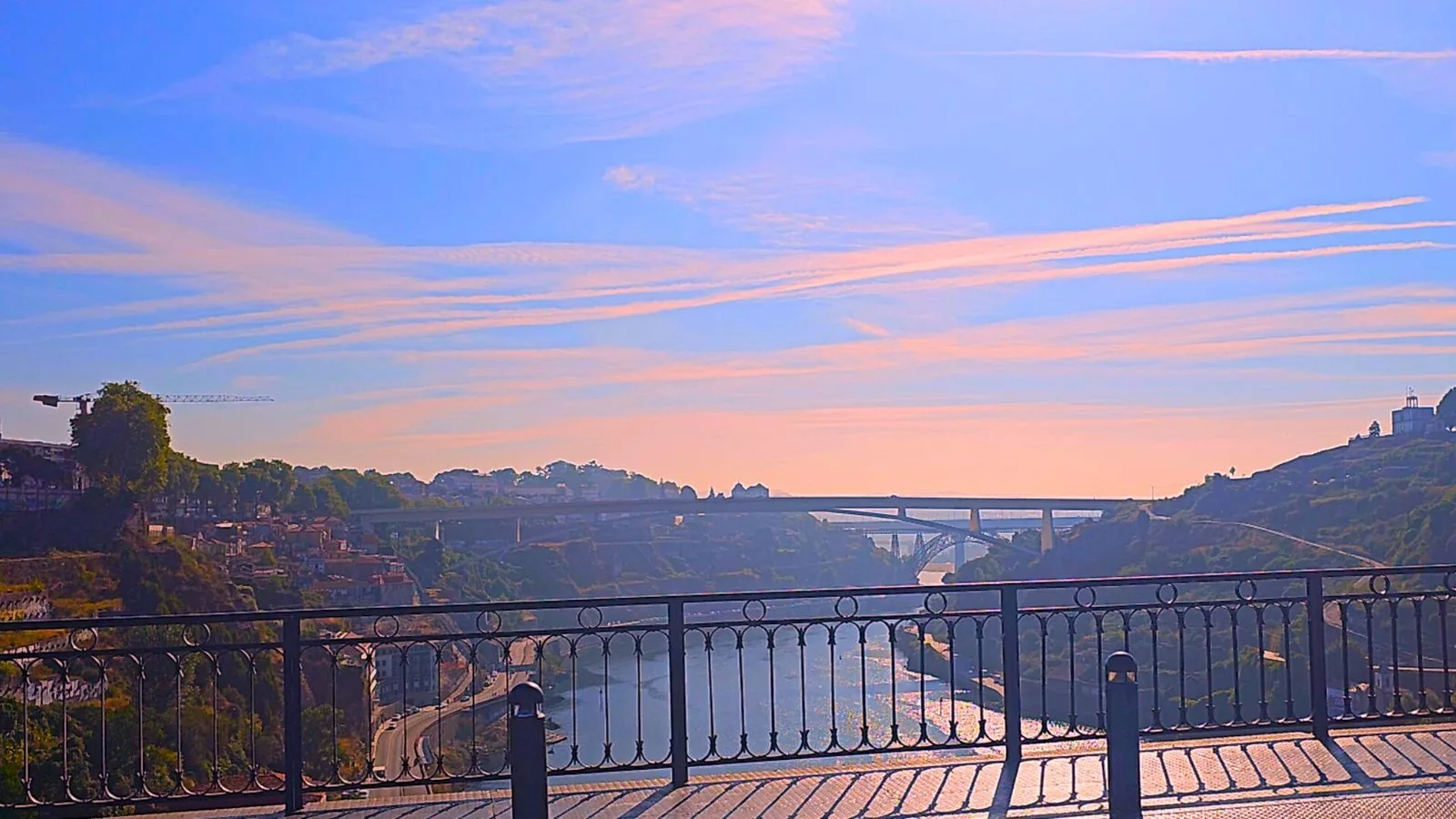
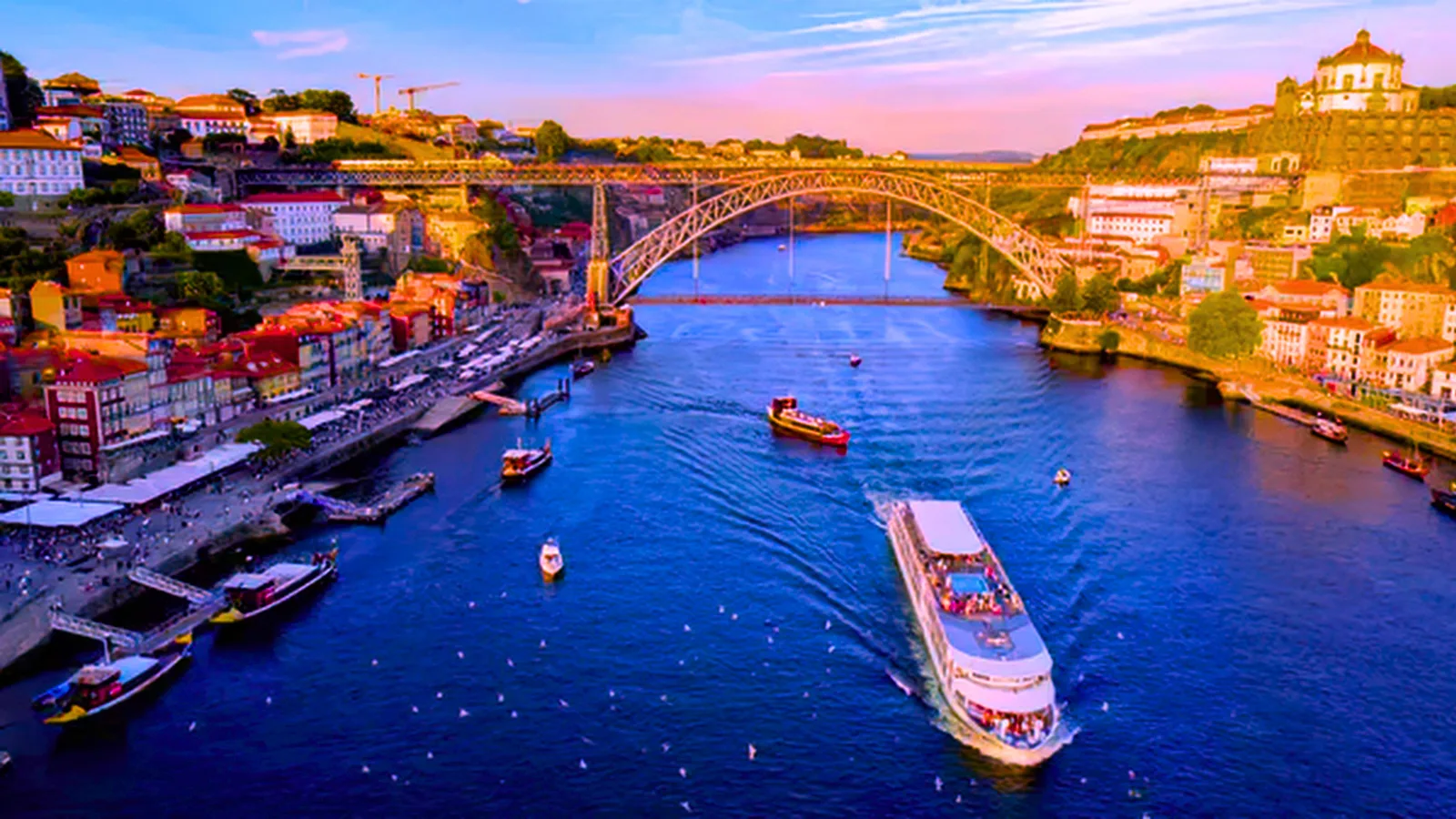

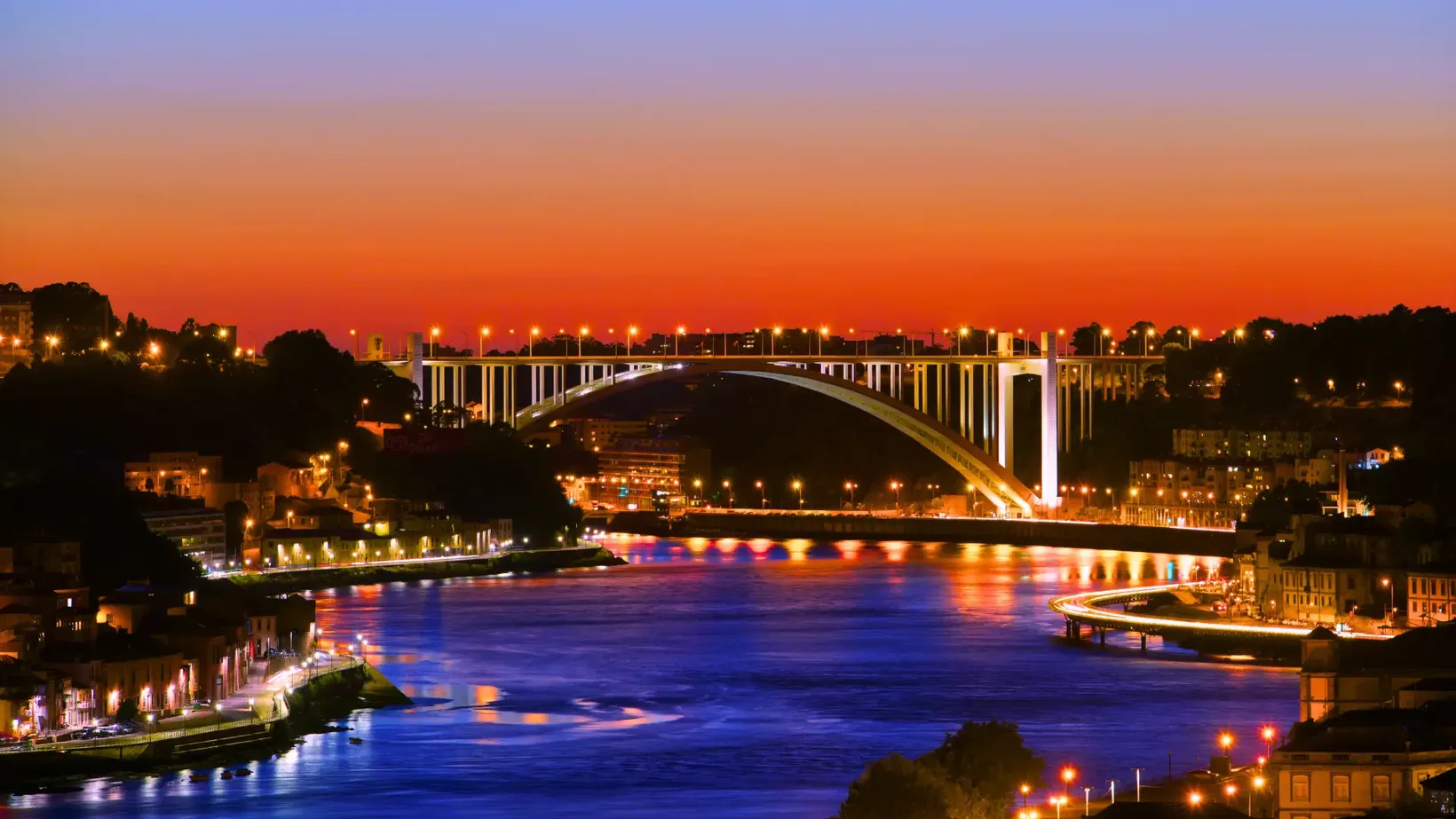

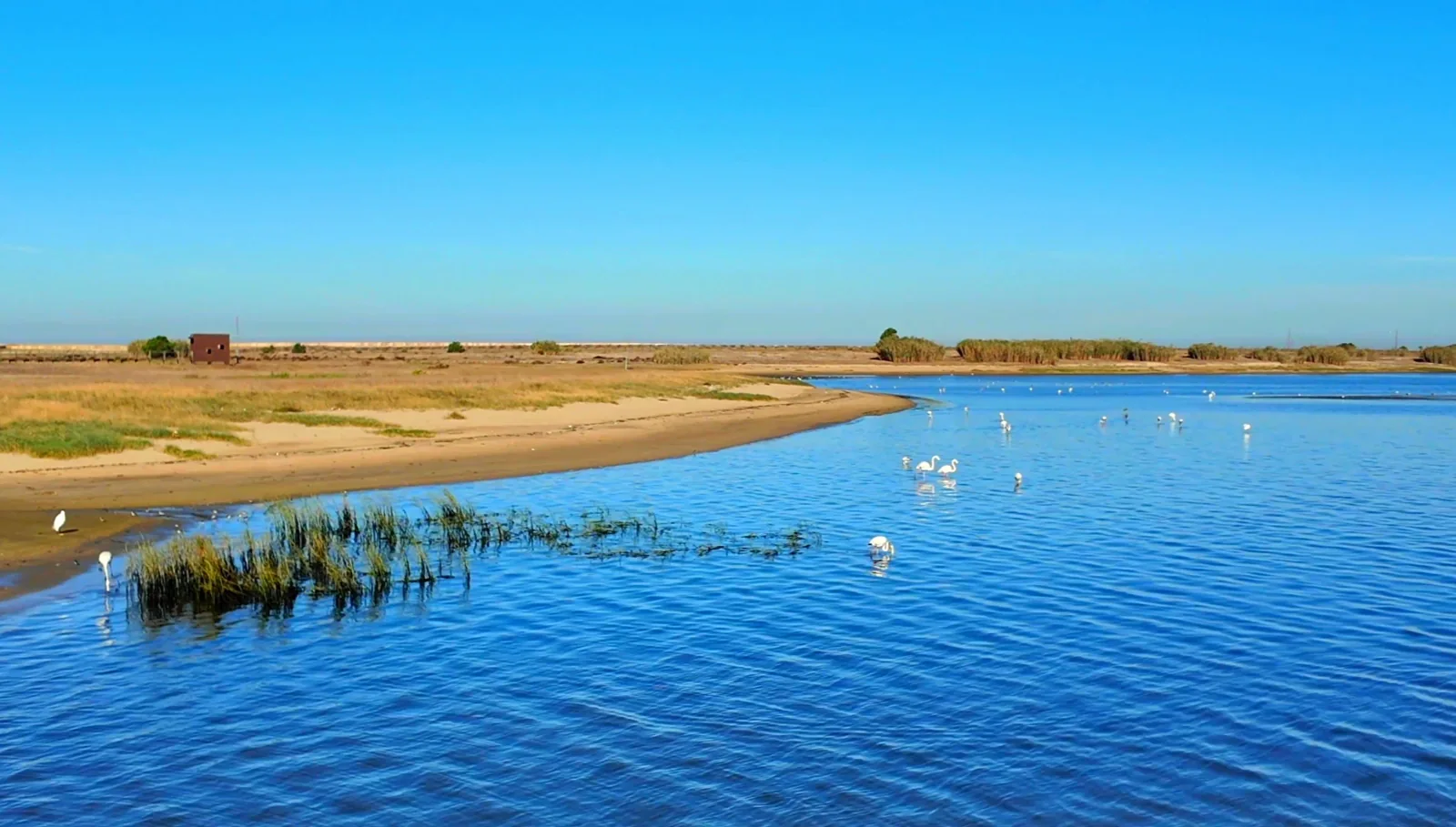
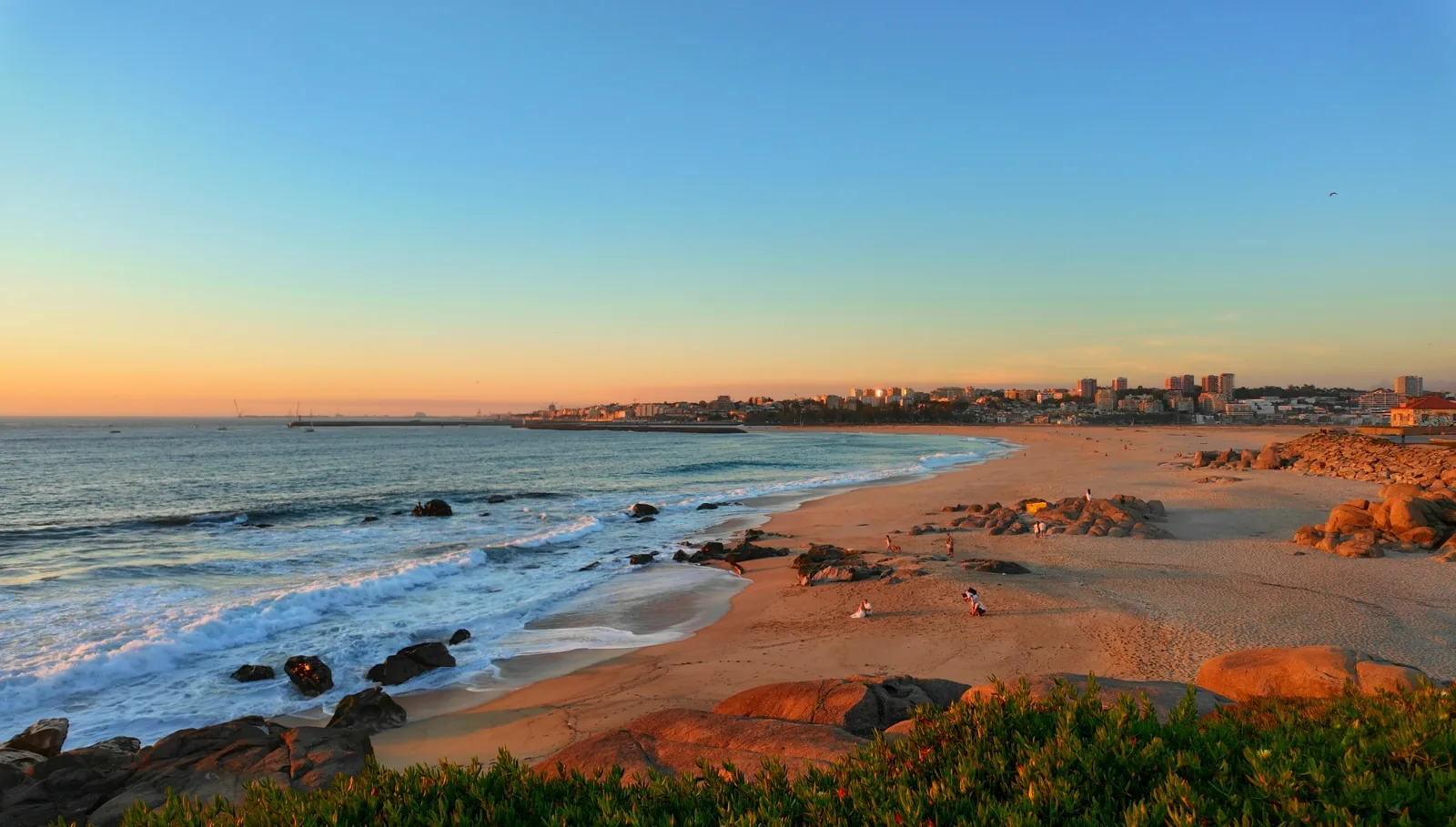
The six bridges cruise
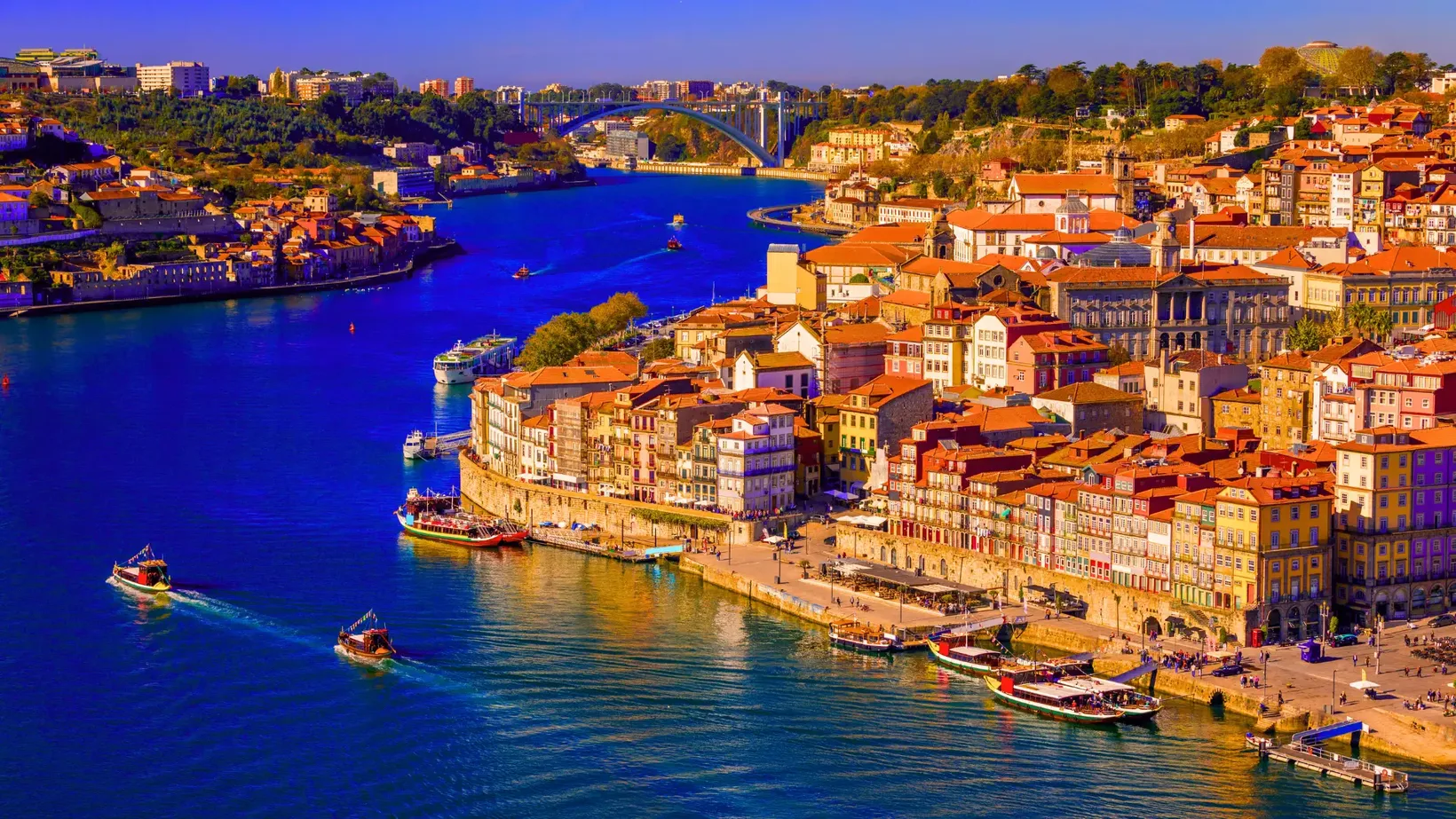
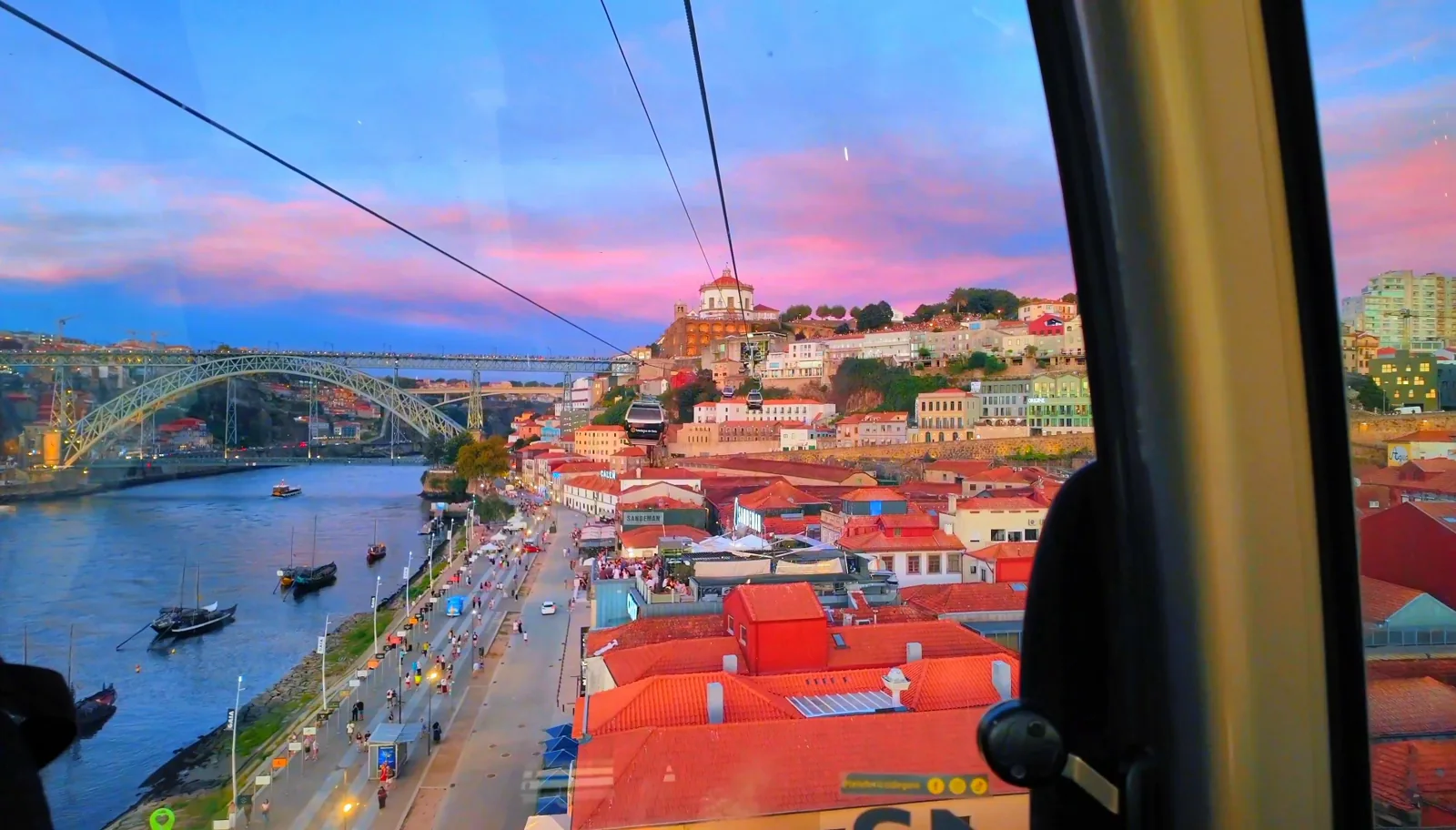
A way to see Porto and Gaia from the river. Douro Acima publishes a 50-minute trip departing from Porto's Ribeira. Check the pier, departure and what your chosen option includes.
Check the cruise and boarding point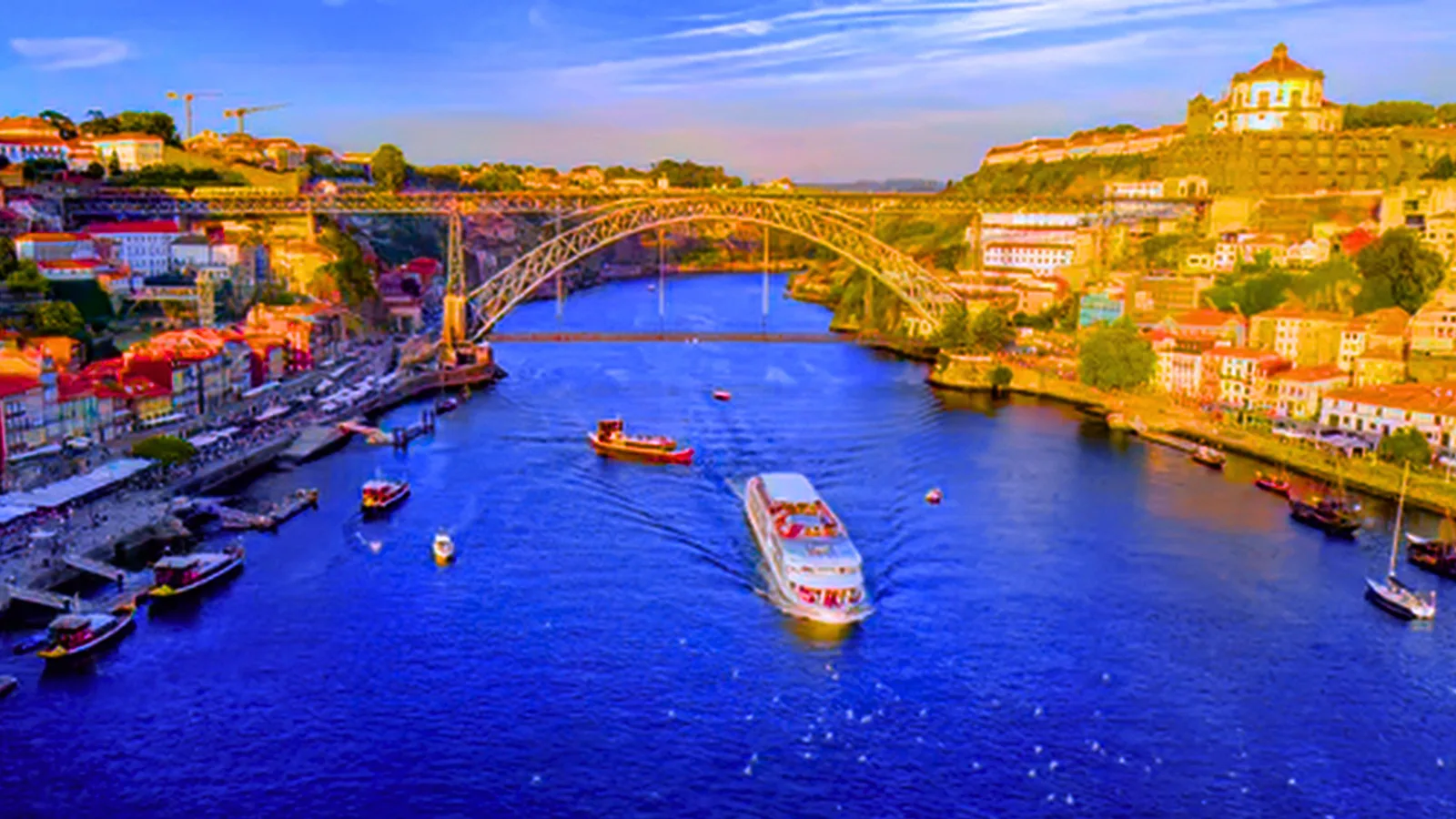
Walks, photographs and local stories
From Ribeira to Foz, or along the Gaia bank to Afurada. Choose a walk, discover its stops and open the stories that catch your curiosity.
Where shall we go today?
A short stroll between the banks, a walk to Foz or an outing to Afurada. Each has a clear start, finish and time for stops. Pick the one that fits your day.
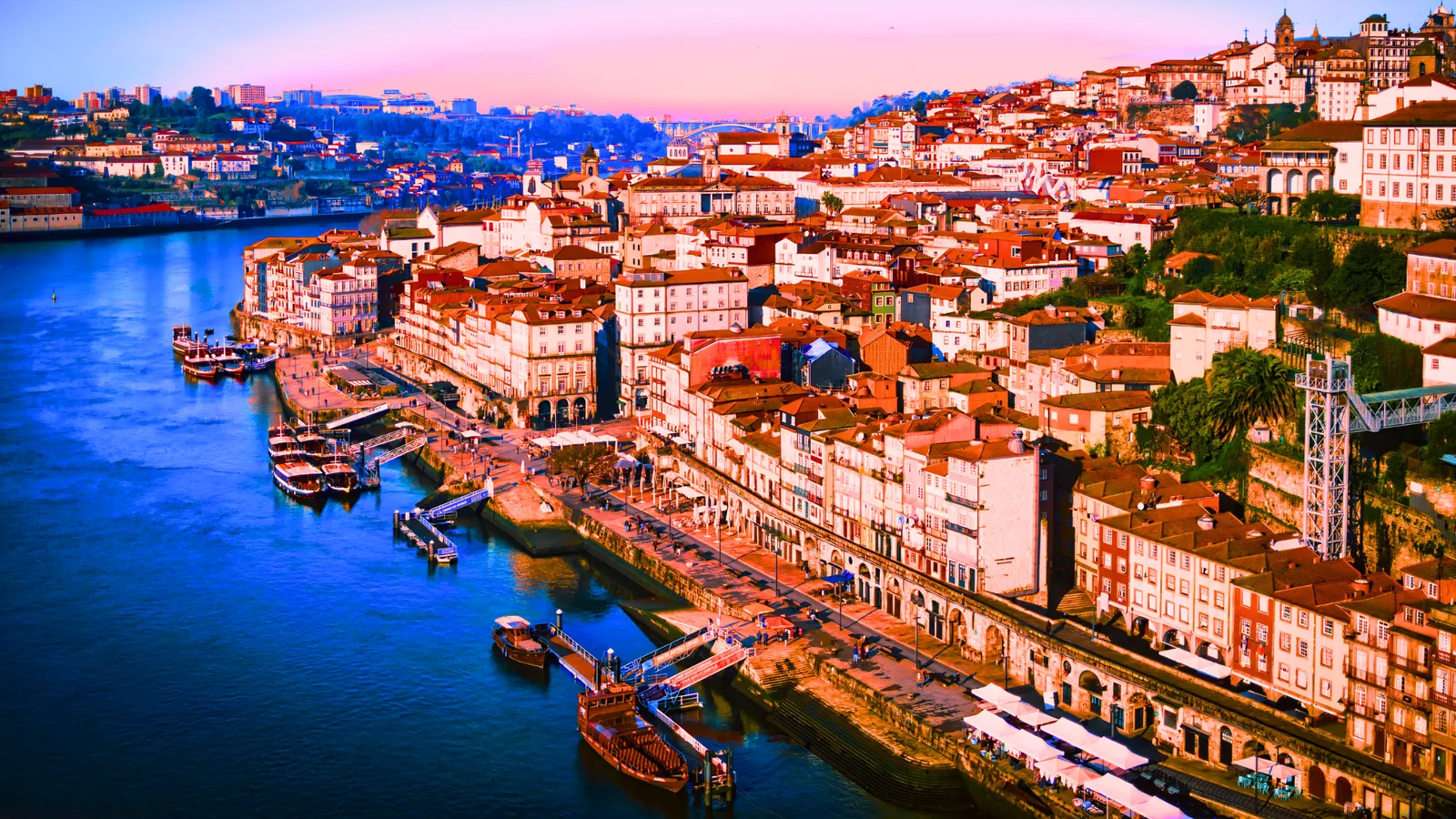
The bridge, the boats and Porto from the opposite bank.
See this walk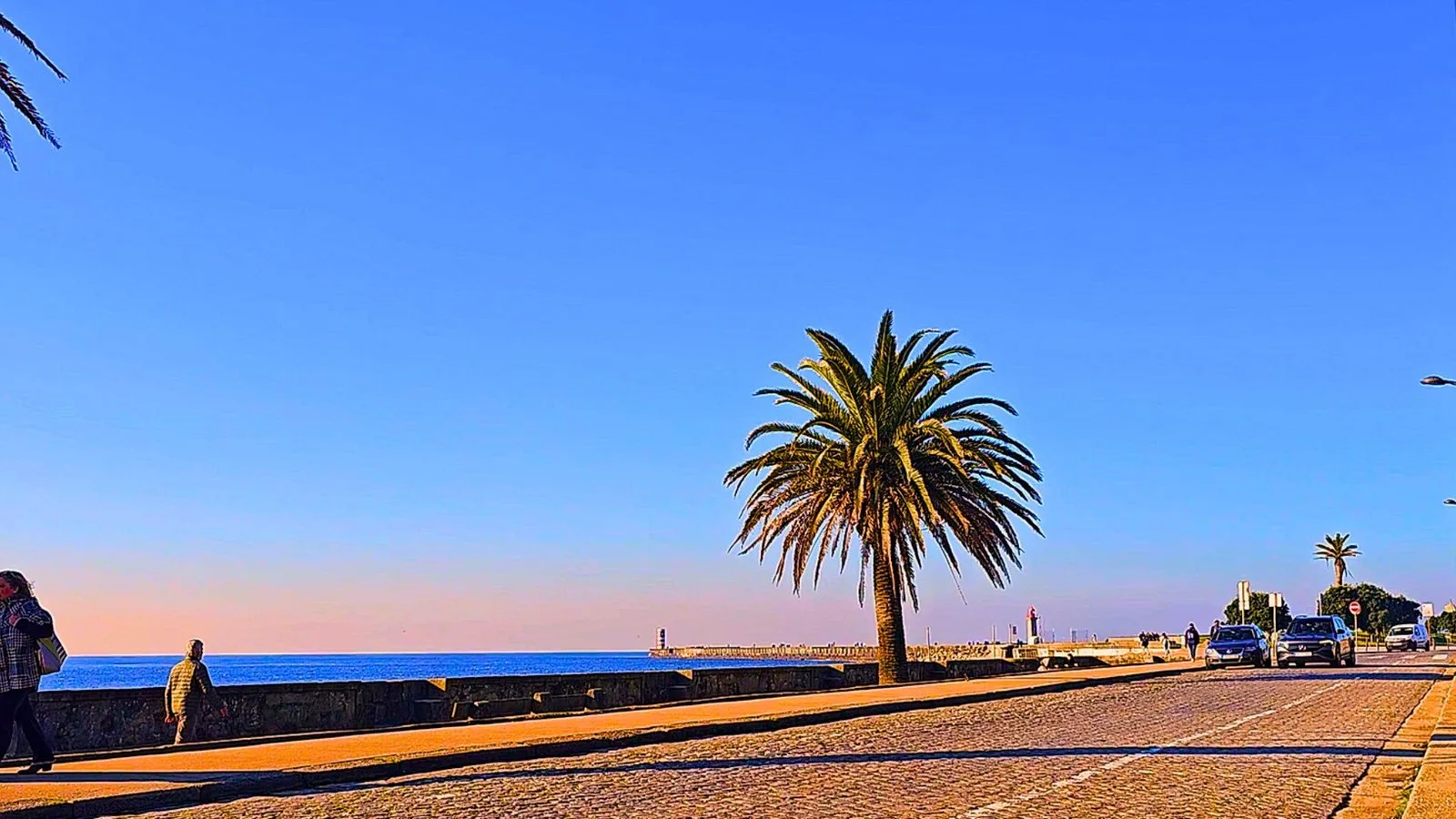
Miragaia, Massarelos and Passeio Alegre, following the river.
See this walk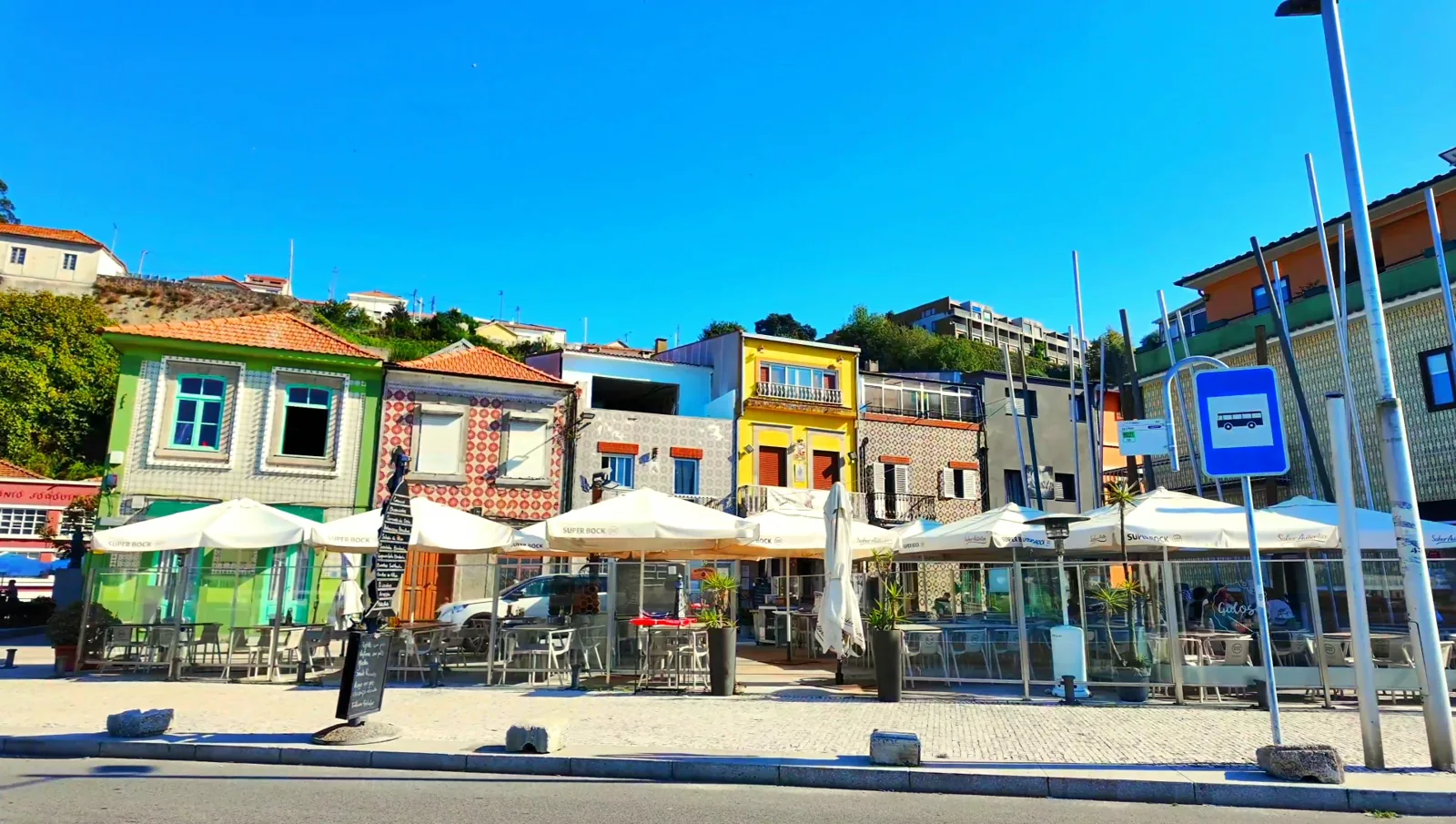
Gaia’s riverfront and the streets of a fishing community.
See this walkDistances are one way. Suggested time with stops is for an unhurried walk; meals and indoor visits may need longer.
The shortest walk
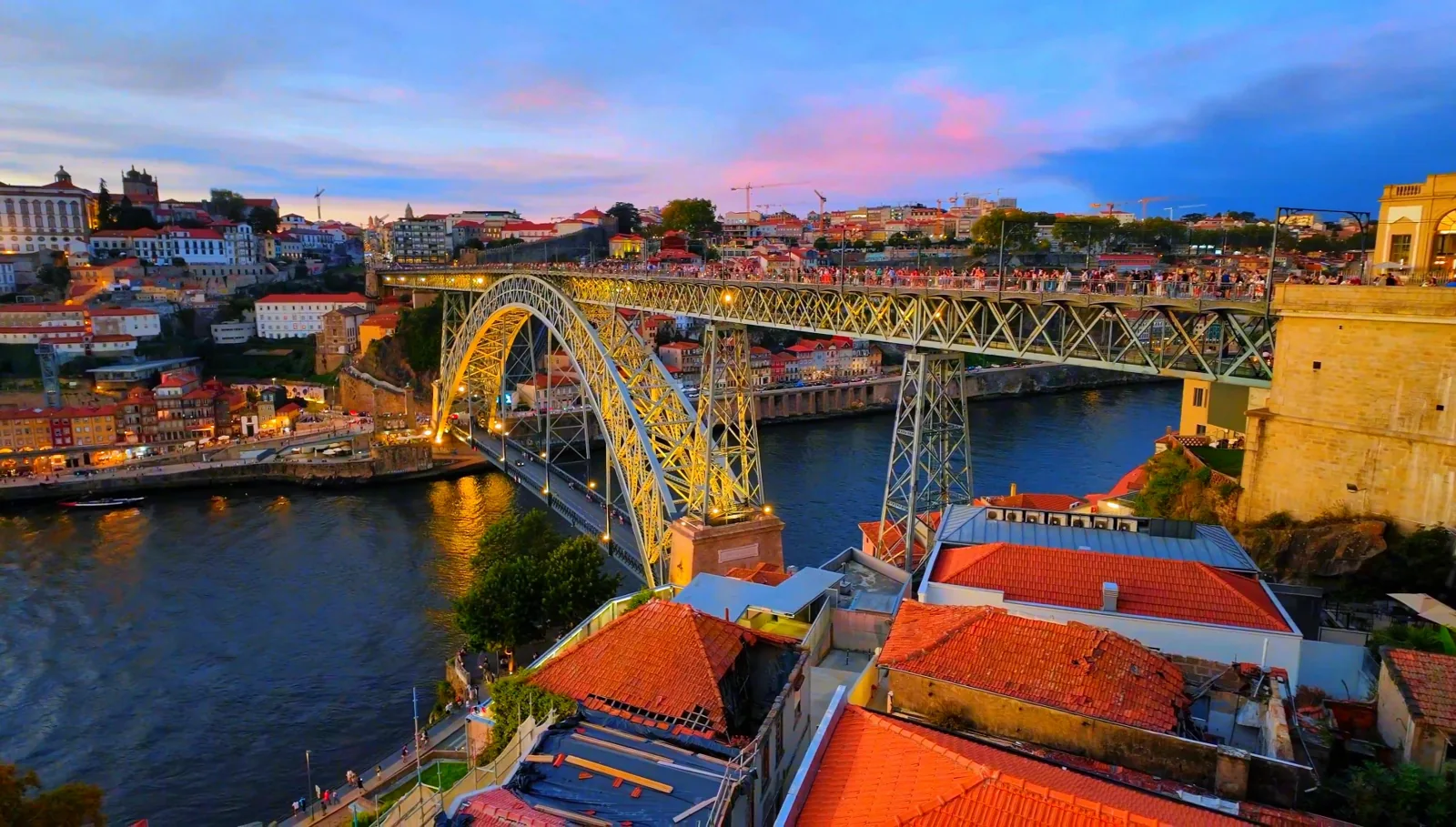
Start beside Ribeira's colourful houses, cross the bridge at river level and look back at Porto from the opposite bank. A good choice for a first visit or an unhurried stroll.
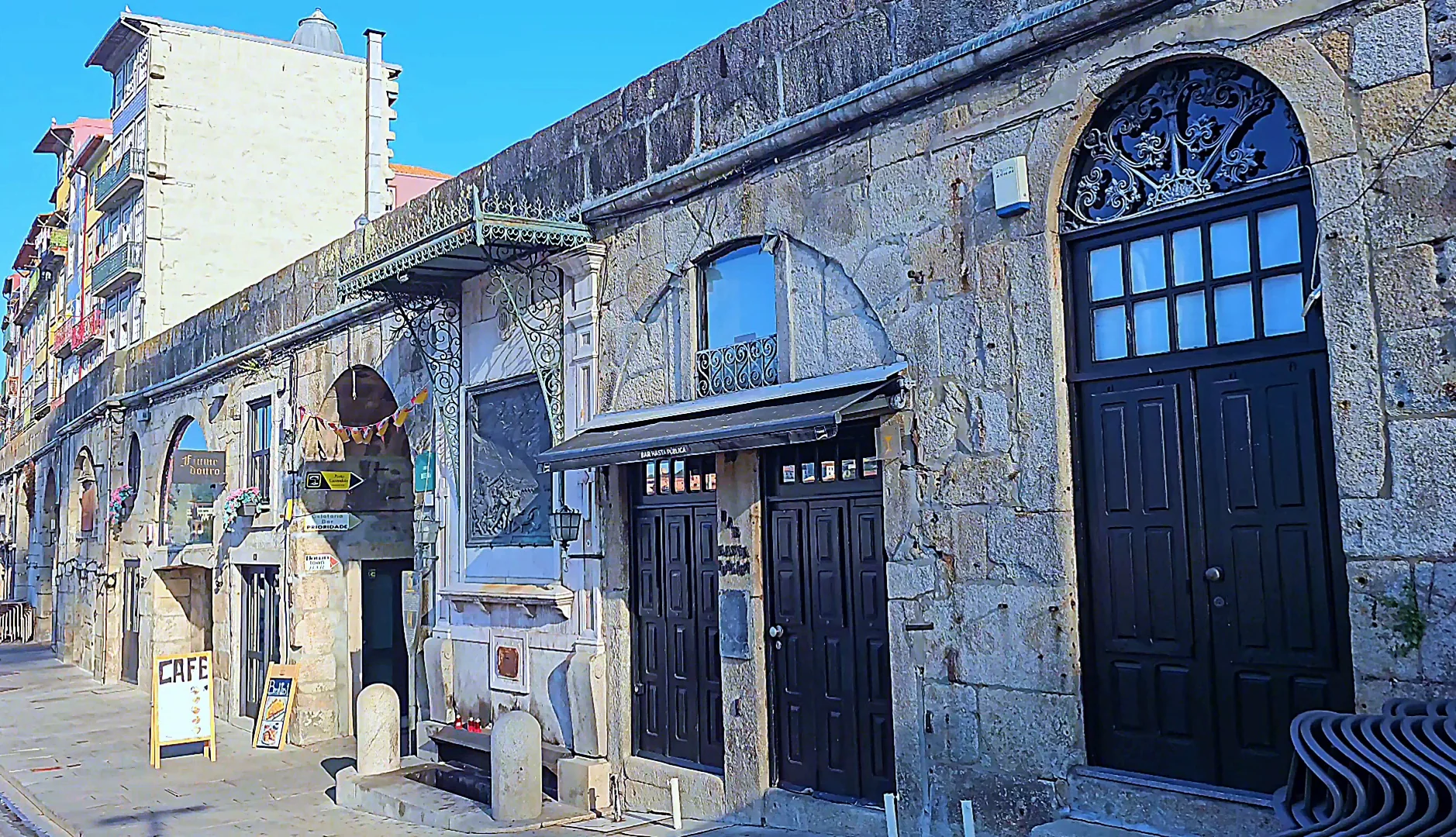
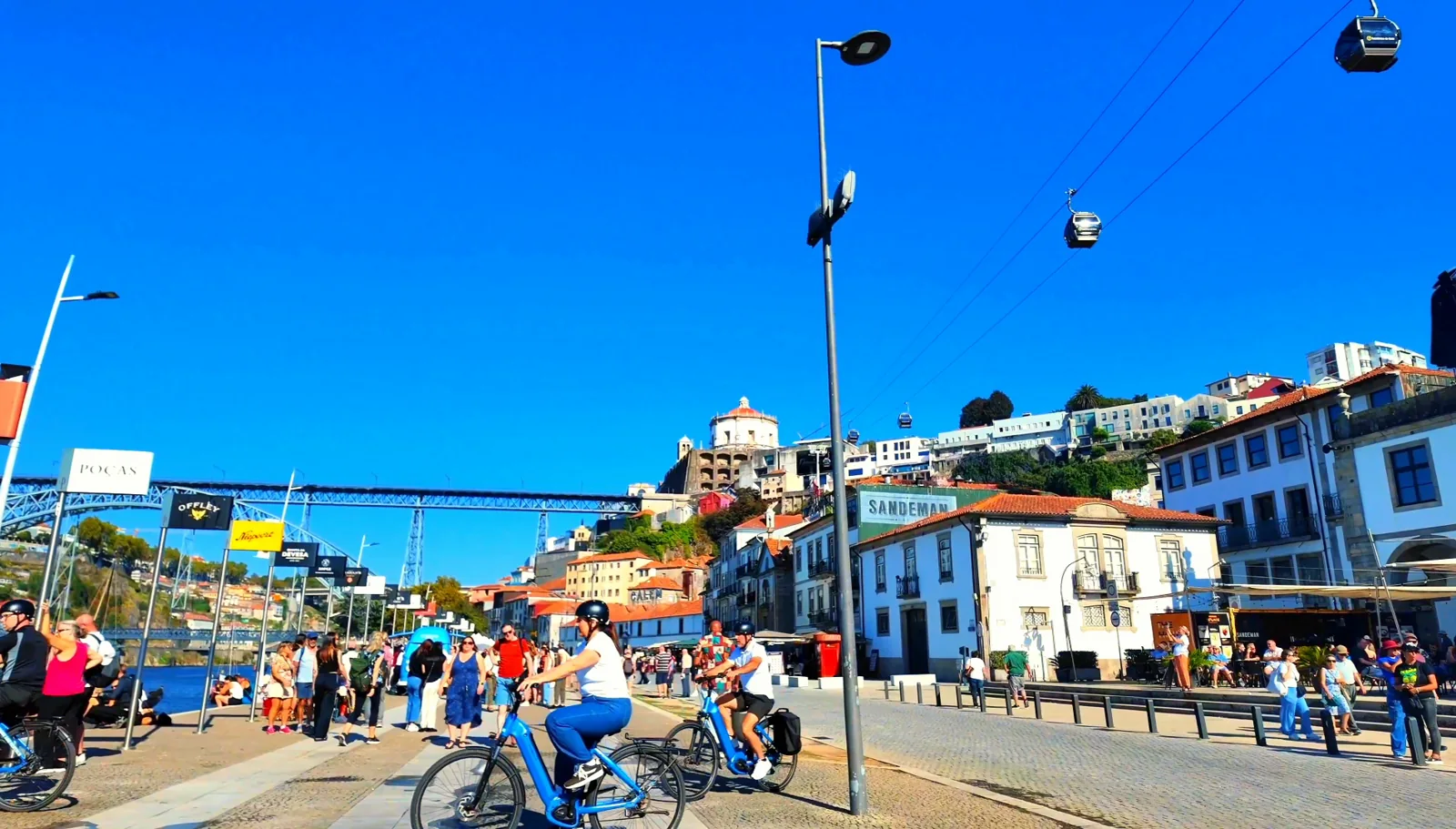
Follow Cais da Ribeira towards Luís I Bridge. Before crossing, look for the small bronze Alminhas memorial beside the river. This is a place worth pausing.
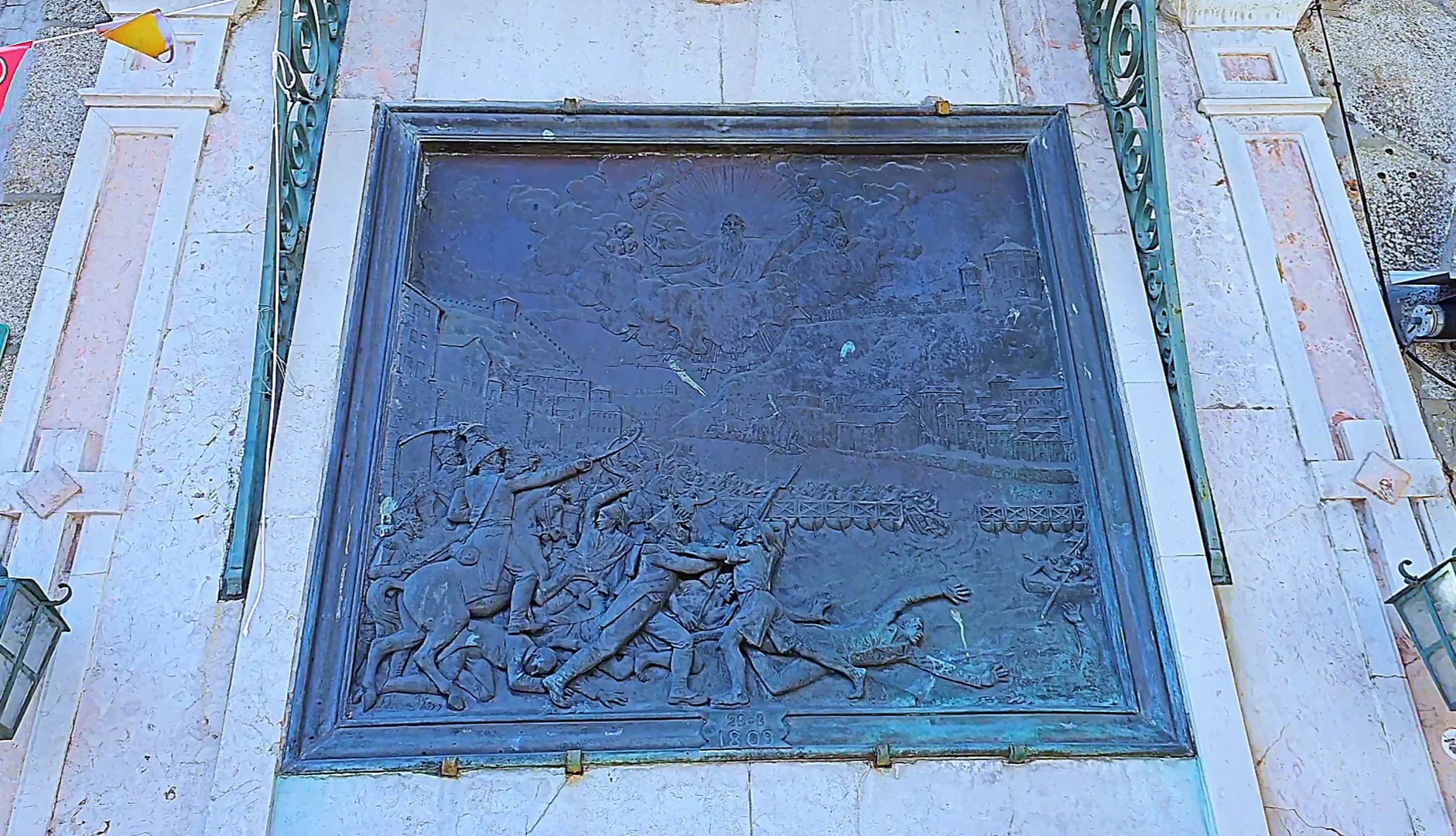
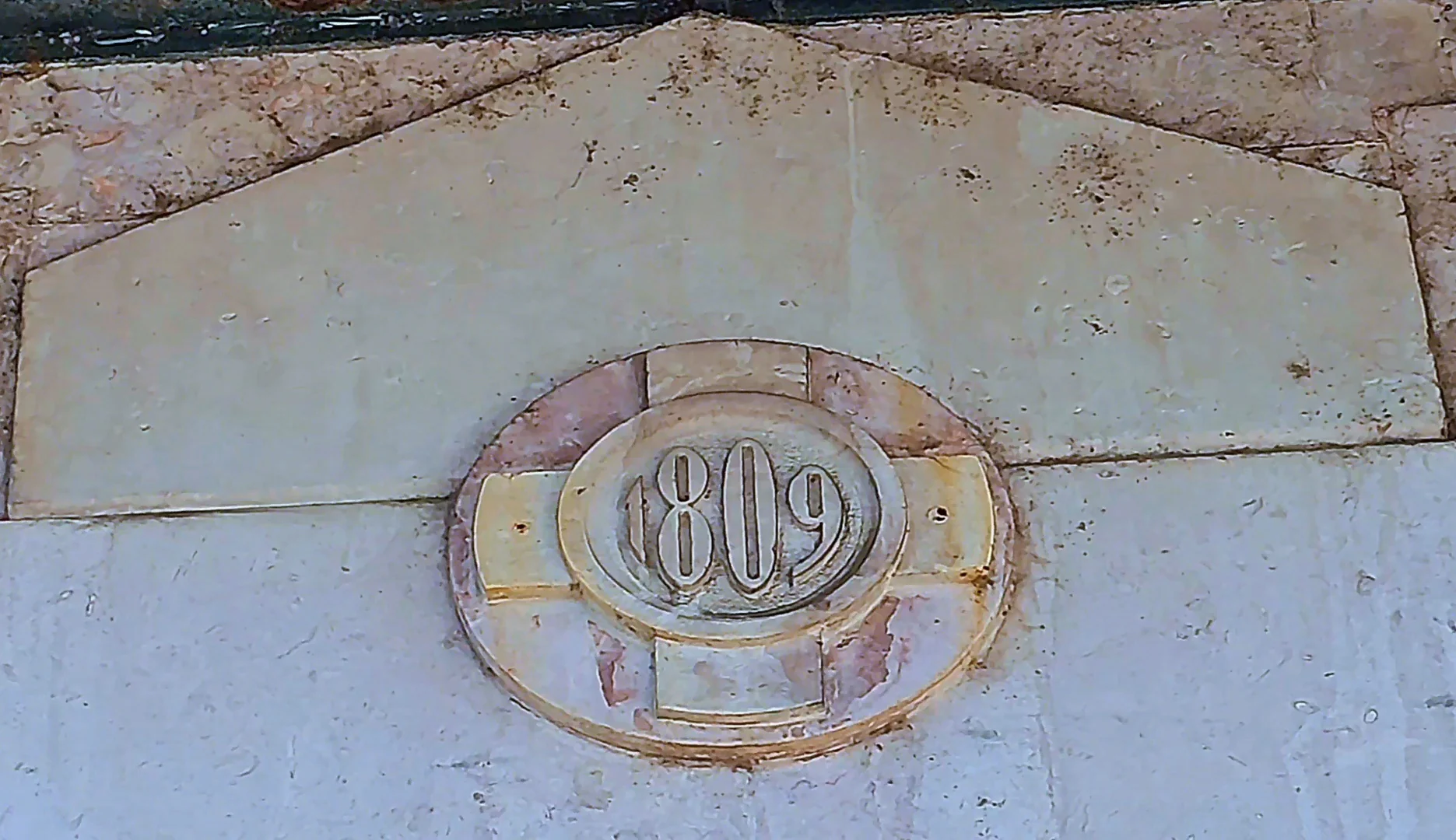
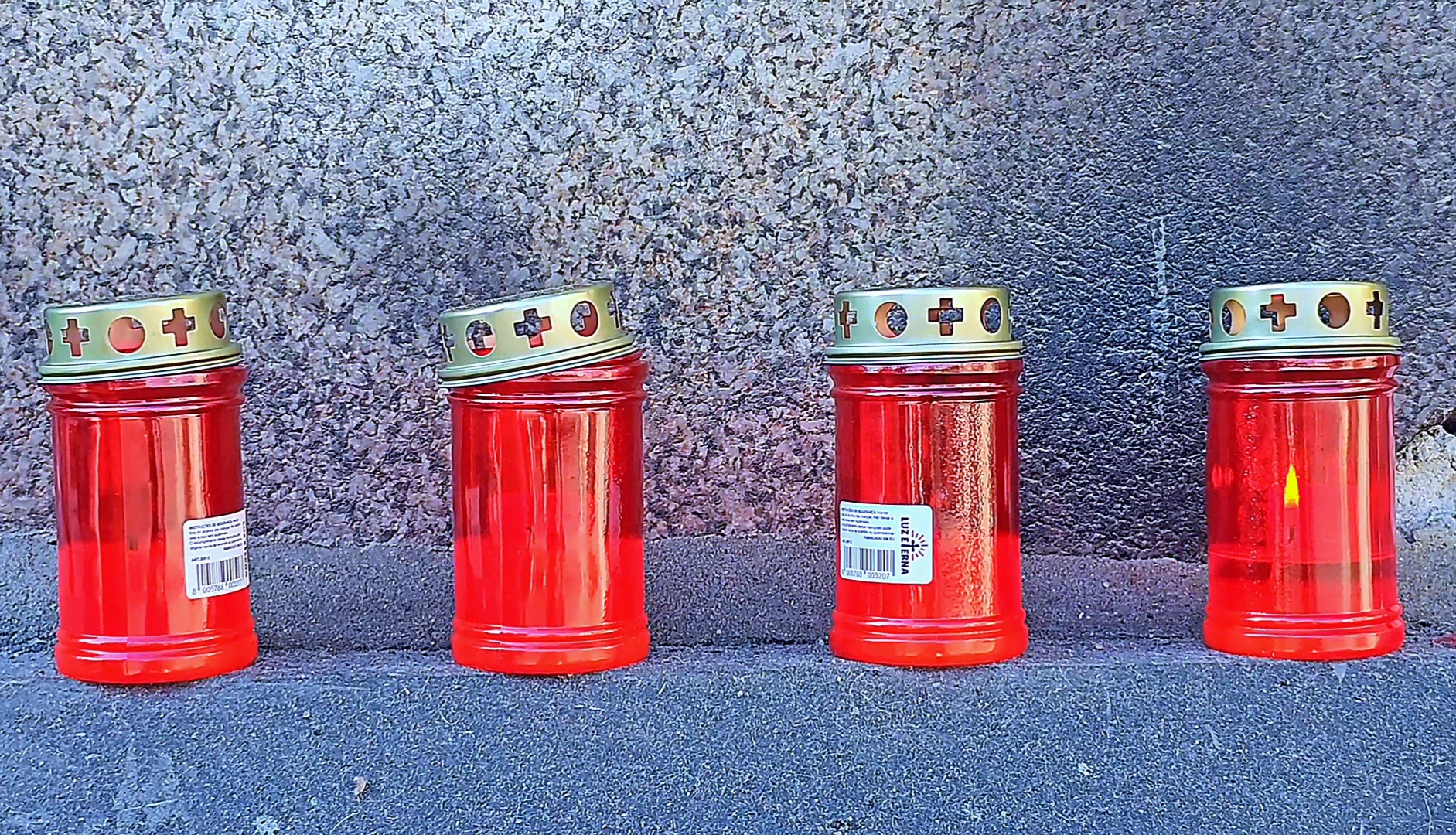
This small panel recalls an escape that ended in tragedy. When French troops invaded Porto in 1809, people tried to cross the Douro on the Ponte das Barcas, a bridge supported by boats. It gave way and many died in the river. The relief was made in 1897 by the sculptor known as the elder Teixeira Lopes. Candles beside the image continue to remember the victims.
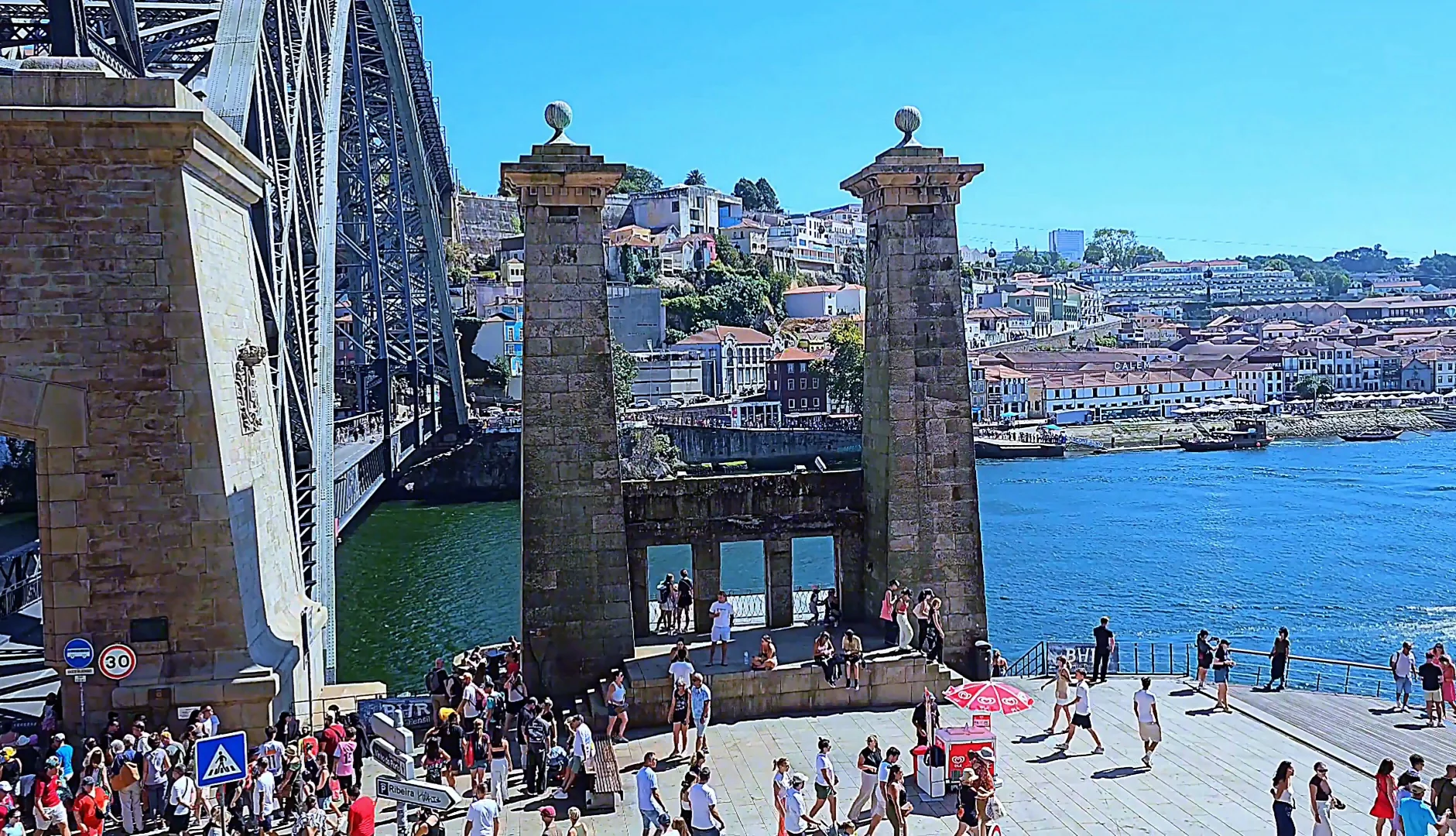
Alminhas and the suspension bridge remainsOpen a photograph to see it larger.
The bridge of boats collapsed in 1809. The pillars beside Luís I Bridge belonged to the later suspension bridge, which opened in 1843.
Story sourceThis walk uses the crossing at waterfront level. The upper deck takes you to the higher part of Gaia and is also used by the metro.
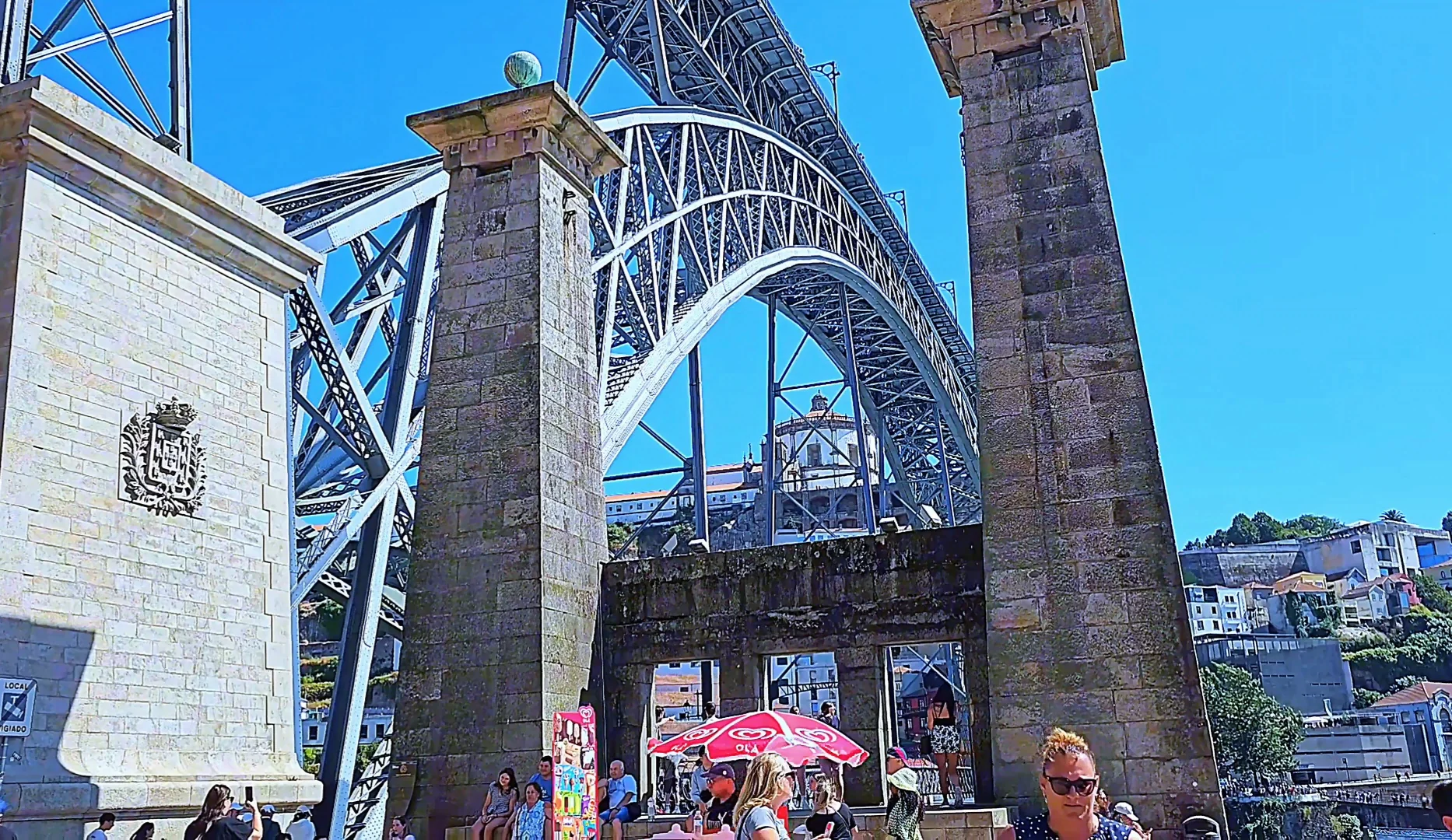
Today you can cross on foot without buying a ticket. When the bridge opened, pedestrians paid five réis to pass. Tolls continued until 1944. Its designer was Théophile Seyrig, an engineer who had worked with Gustave Eiffel. That collaboration explains the Eiffel connection; this bridge’s design belongs to Seyrig.
Luís I BridgeOpen a photograph to see it larger.
Turn onto Avenida de Diogo Leite and continue to Largo Miguel Bombarda, where this short route ends. Take time for the view of Porto and the rabelo boats. Further along, Mercado Beira-Rio offers an extra stop.
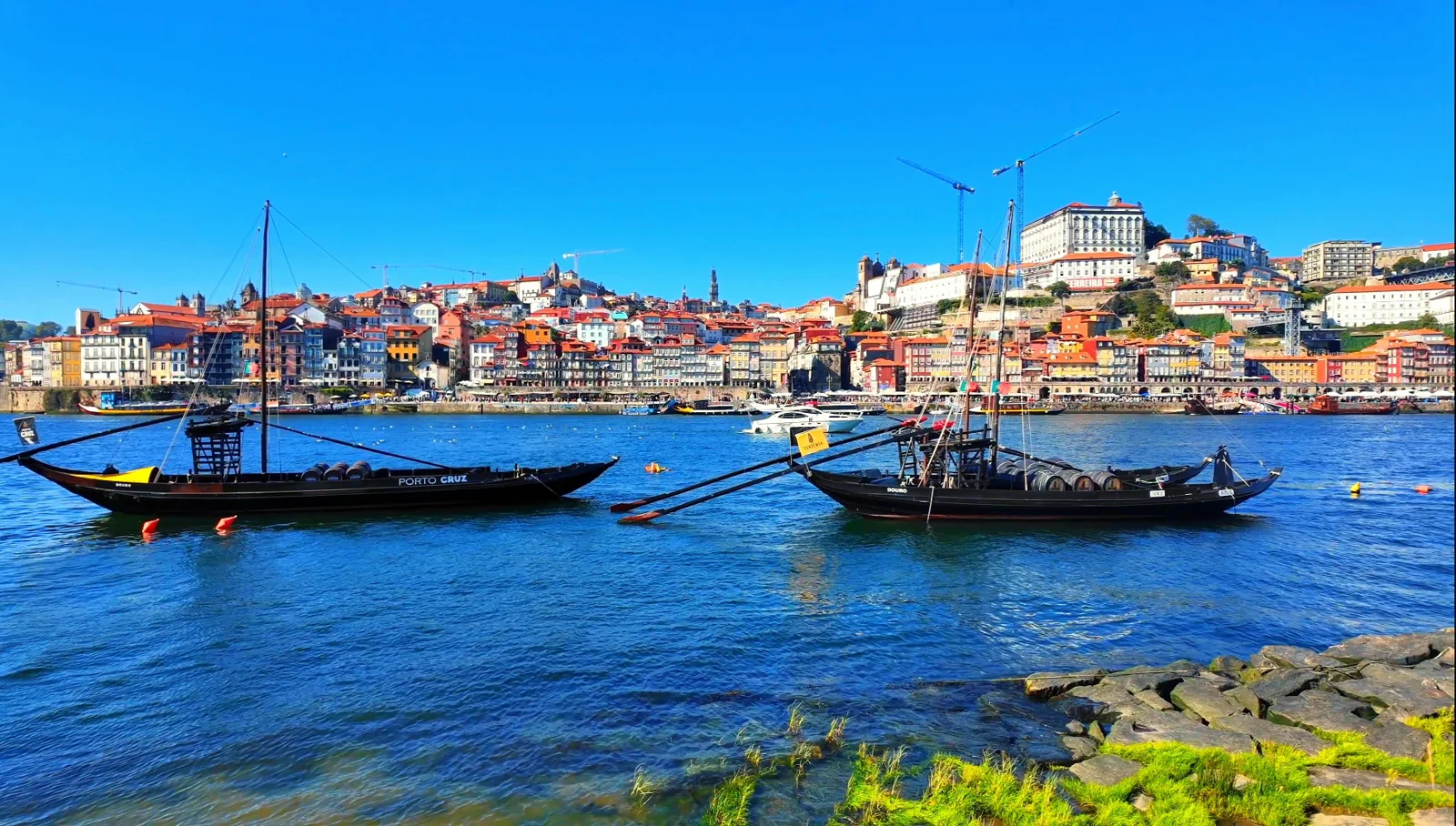
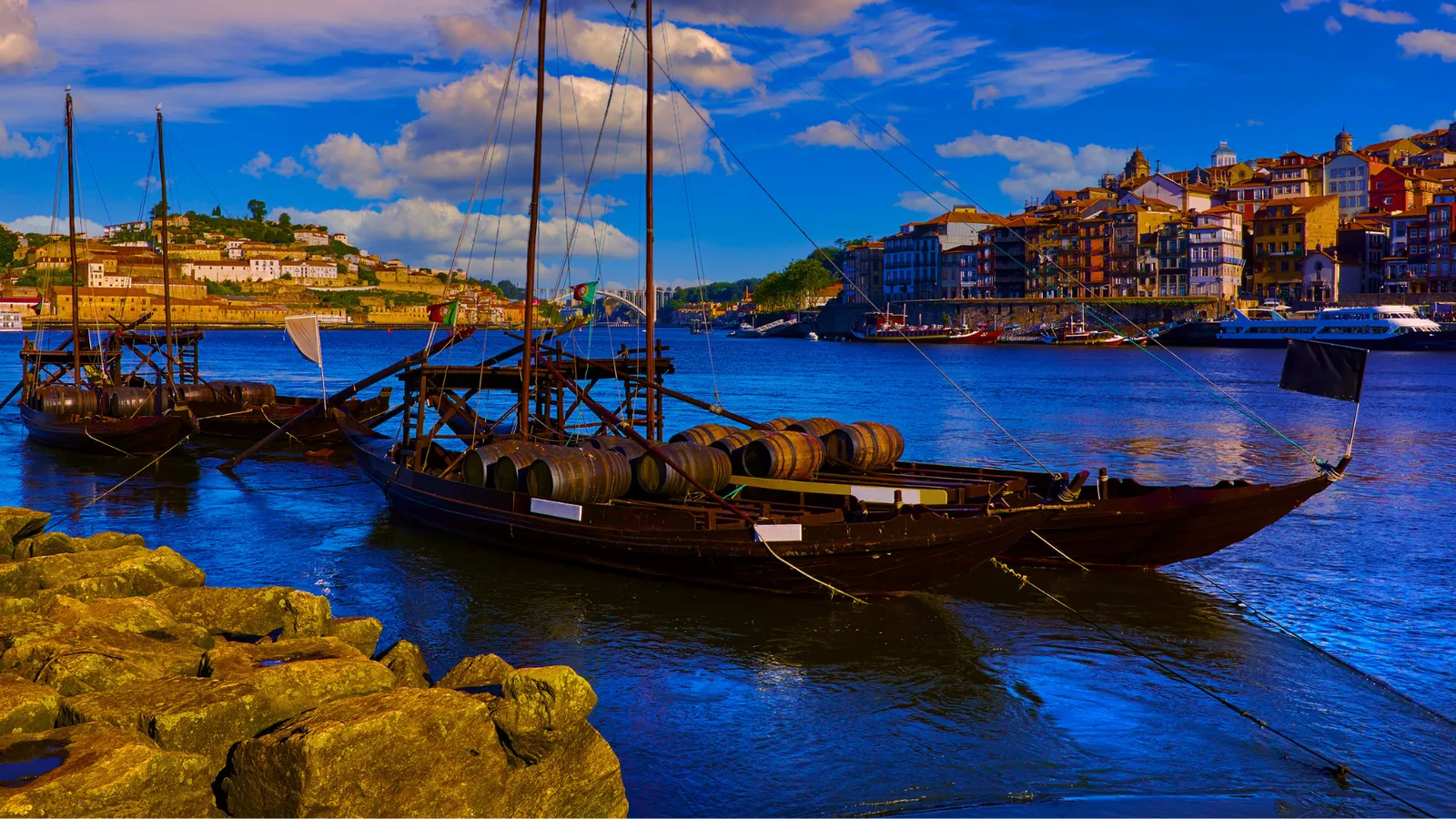
The rabelo boats beside the quays recall a working connection between the valley and the city. These vessels carried wine casks down the Douro to Gaia. The person in charge was the arrais, or skipper. Looking at the boats and waterfront warehouses helps explain why the river and wine so often belong to the same story.
A rabelo boat on the DouroOpen a photograph to see it larger.
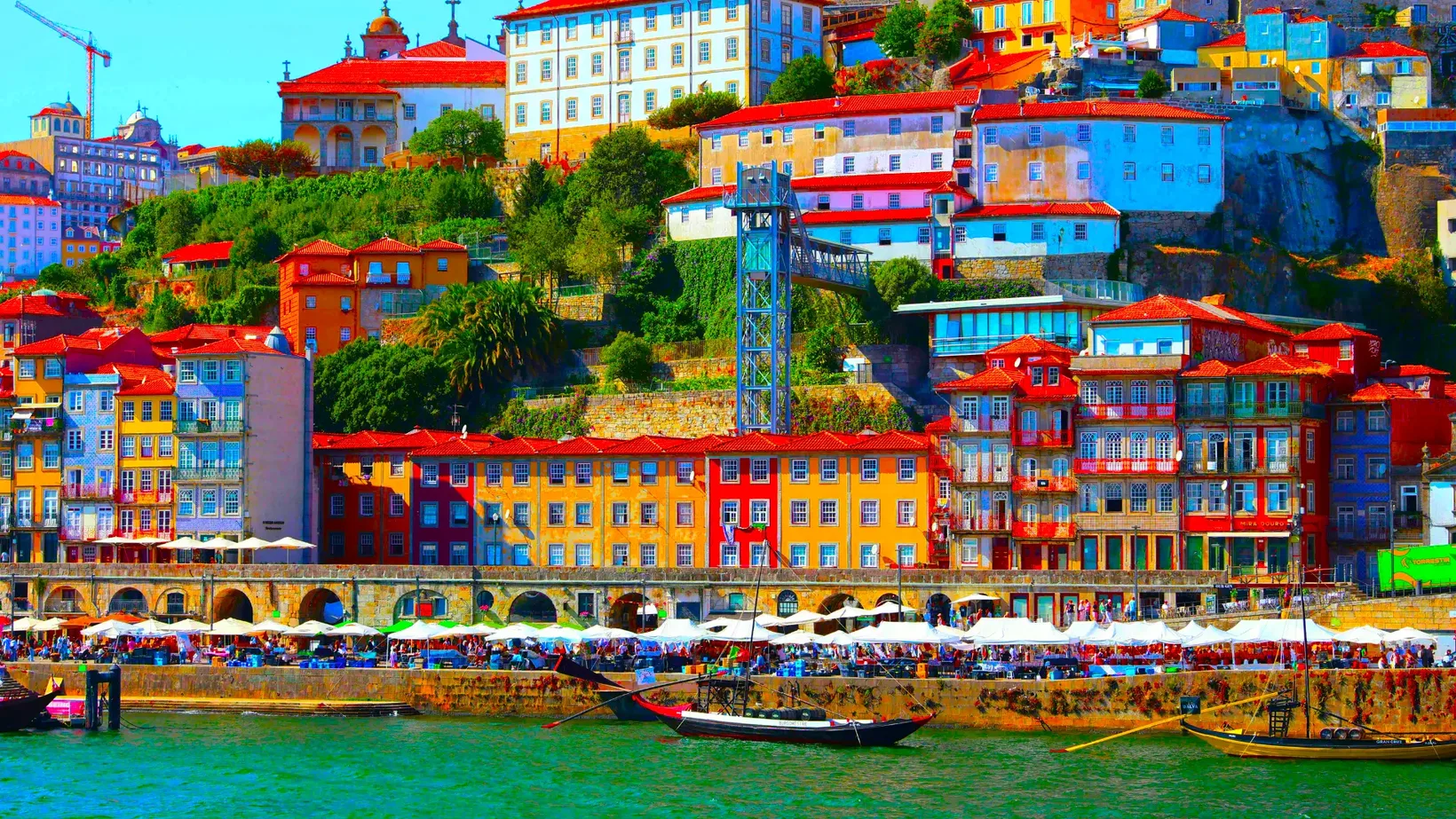
Ribeira and Gaia from different anglesOpen a photograph to see it larger.
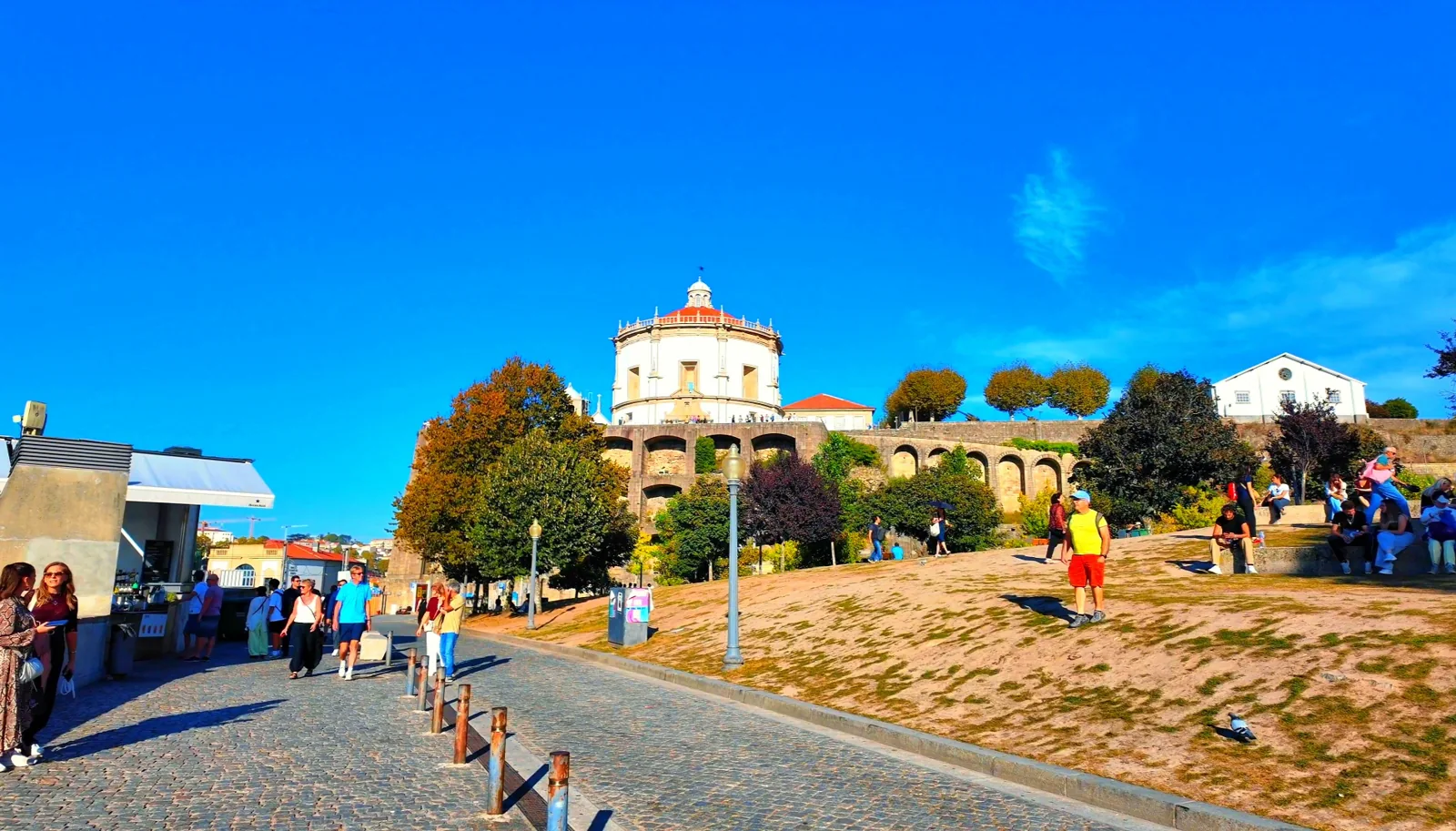
Choose a visit rather than trying to fit everything in. For cellars, museums and WOW, open the Gaia guide. Jardim do Morro and Serra do Pilar involve a steep climb from the waterfront; give the upper part of Gaia its own time.
A look at upper GaiaOpen a photograph to see it larger.
Along the Porto bank
Follow the Douro west through Miragaia and Massarelos to Foz. Leave time to stop beside the water and choose a visit along the way.
Start at Praça da Ribeira and head west along Rua Nova da Alfândega. Notice Miragaia's façades and the scale of the old customs house, the Alfândega.
Imagine a sandy beach in place of this building. This was Miragaia beach, chosen for the new customs house whose construction began in 1859. Goods entering and leaving the city by river were handled here. A railway connection followed later. The waterfront you walk along was once a meeting place for cargo, boats and trains.
Story sourceContinue to the former power station, now a museum. If you enjoy transport history or have curious children with you, this could be your main visit.
Before preserving trams, this building helped set them in motion. It housed the Massarelos thermoelectric station, producing electricity for the network. Coal powered the machinery and the river supplied water for the process. A visit brings together two connected stories: the vehicles and the energy that kept them moving.
Story sourceKeep following the Douro past the Arrábida Bridge area. Cais do Ouro has a ferry to Afurada, useful if you would like to end your outing on the opposite bank.
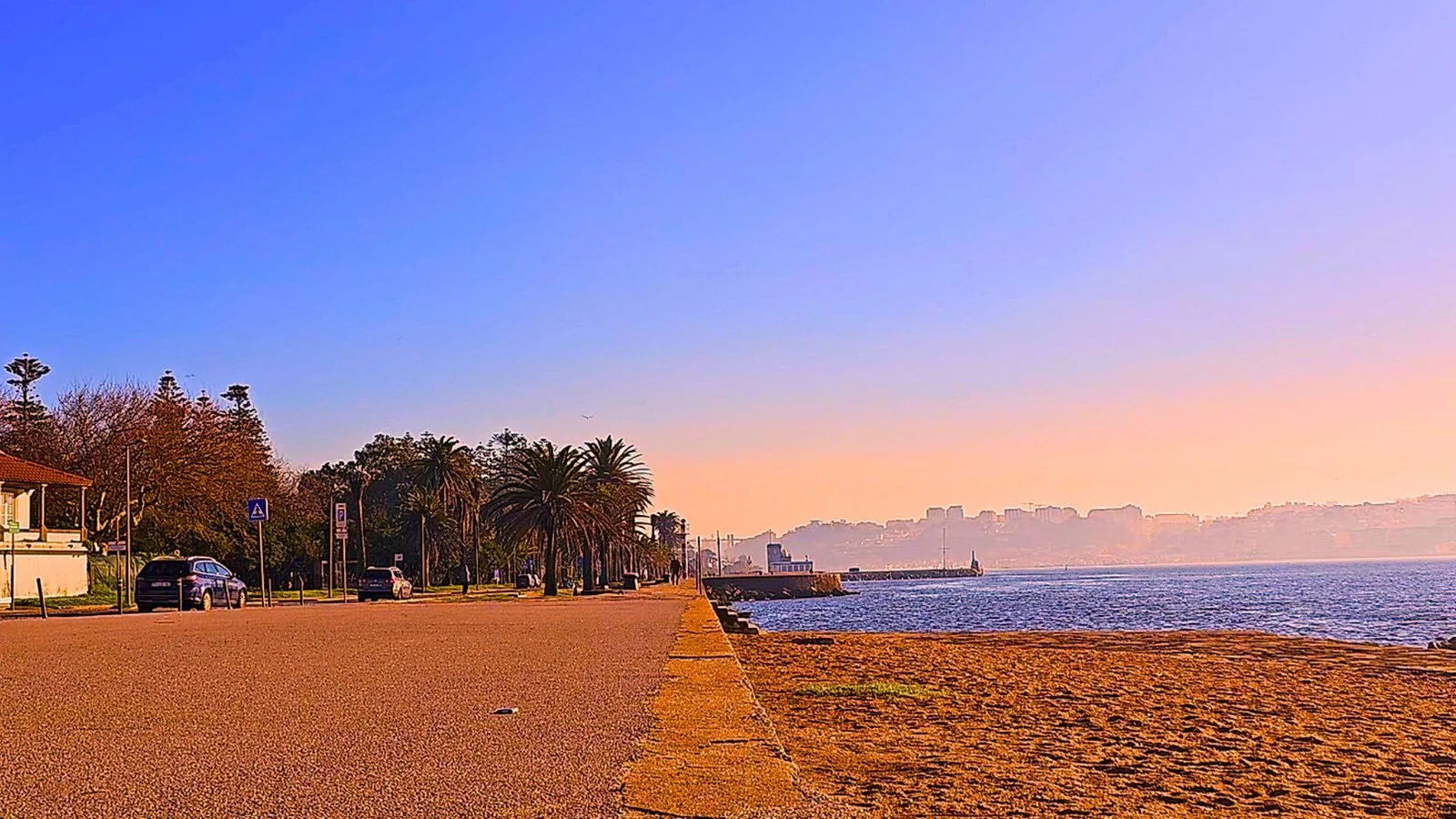
Look for the small São Miguel-o-Anjo lighthouse at Cantareira and finish in Passeio Alegre garden. To continue to the breakwaters, beaches and Atlantic coast, use the Foz guide.
Building a lighthouse was only the beginning: someone also had to pay for its light. D. Miguel da Silva, who administered Santo Tirso Monastery, commissioned this tower in 1527. The monastery then held the Foz territory. An inscription records that income from fields he purchased was assigned to keep fires burning at night. Land helped guide those arriving from the sea.
Story sourceAlong the river to FozOpen a photograph to see it larger.
São Francisco Church: an option close to the start. Find context and links in the churches guide.
Alfândega: the Transport and Communications Museum's building tour depends on staff availability and events. Check the tour before planning around it.
Tram Museum: Tuesday–Sunday, 10am–6pm; last entry at 5.30pm. Holiday exceptions apply. Opening times and tickets.
An indoor visit and a meal can take up much of the day. Adjust your return plans accordingly.
Along the Gaia bank
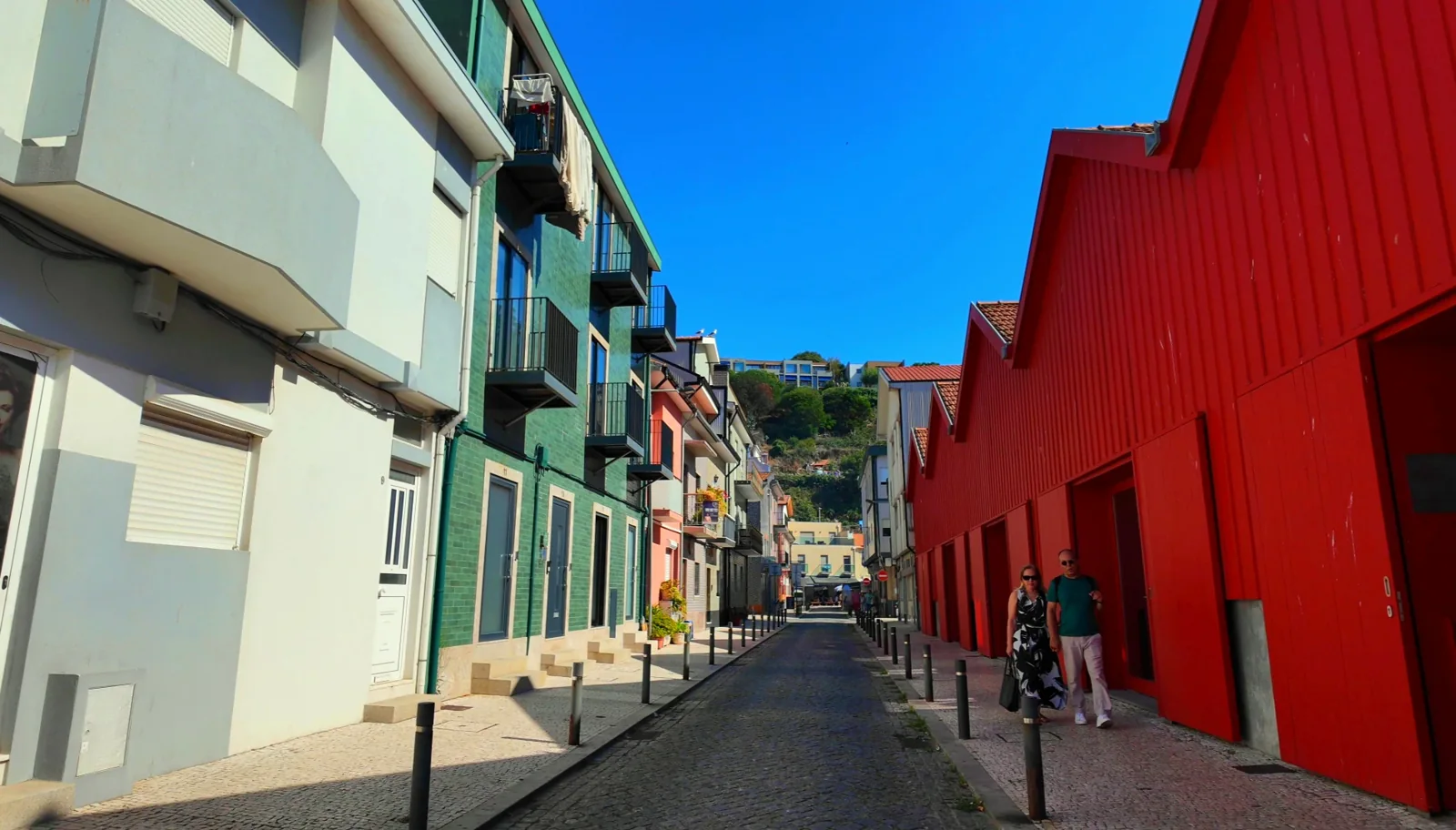
Leave the busiest stretch of the waterfront and follow the river to Afurada. This walk ends in a fishing community with small streets, colourful façades and a close relationship with the sea.
Begin outside the market and head west along the riverfront. If you have not had lunch, you can choose an informal meal here before setting off.
Stay on the riverside route, seeing Porto from a different angle as you approach Arrábida. Keep the waterfront waypoints in your directions to avoid inland shortcuts through Gaia.
On arrival, leave the promenade for the streets beside the quay. The Interpretation Centre offers a closer look at the community behind the scenery.
Fishing history was made on land too. While men went to sea, many women sold fish, washed clothes, raised children and worked in canning factories. Women selling fish were known as varinas. The Interpretation Centre preserves interviews, photographs and objects that introduce these lives beyond the attractive façades.
Afurada’s streetsOpen a photograph to see it larger.
From the waterfront to Afurada’s streetsOpen a photograph to see it larger.
Published hours are 10am–12.30pm and 1.30–6pm, with Christmas and New Year closures. Visitor information and contacts.
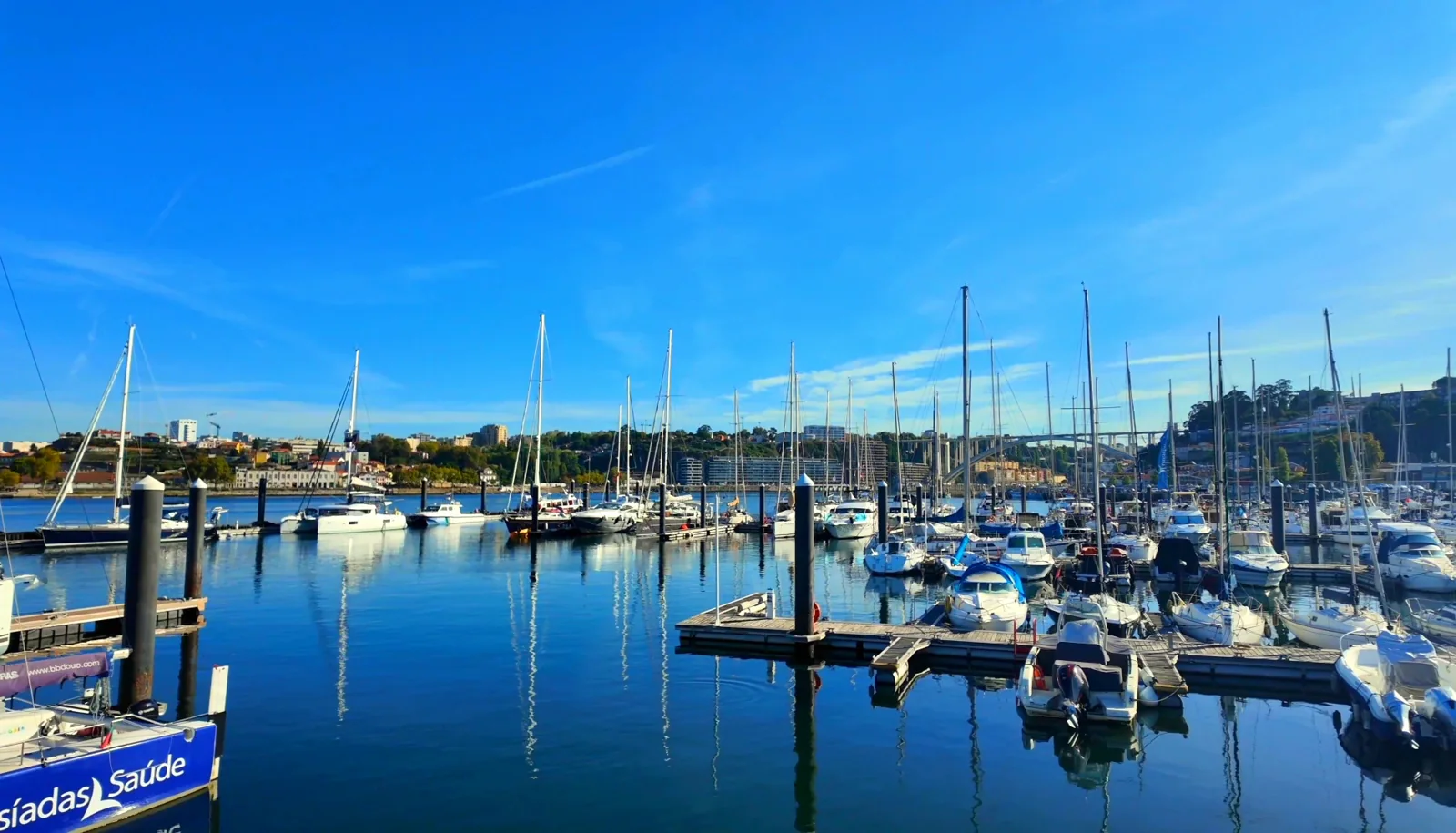
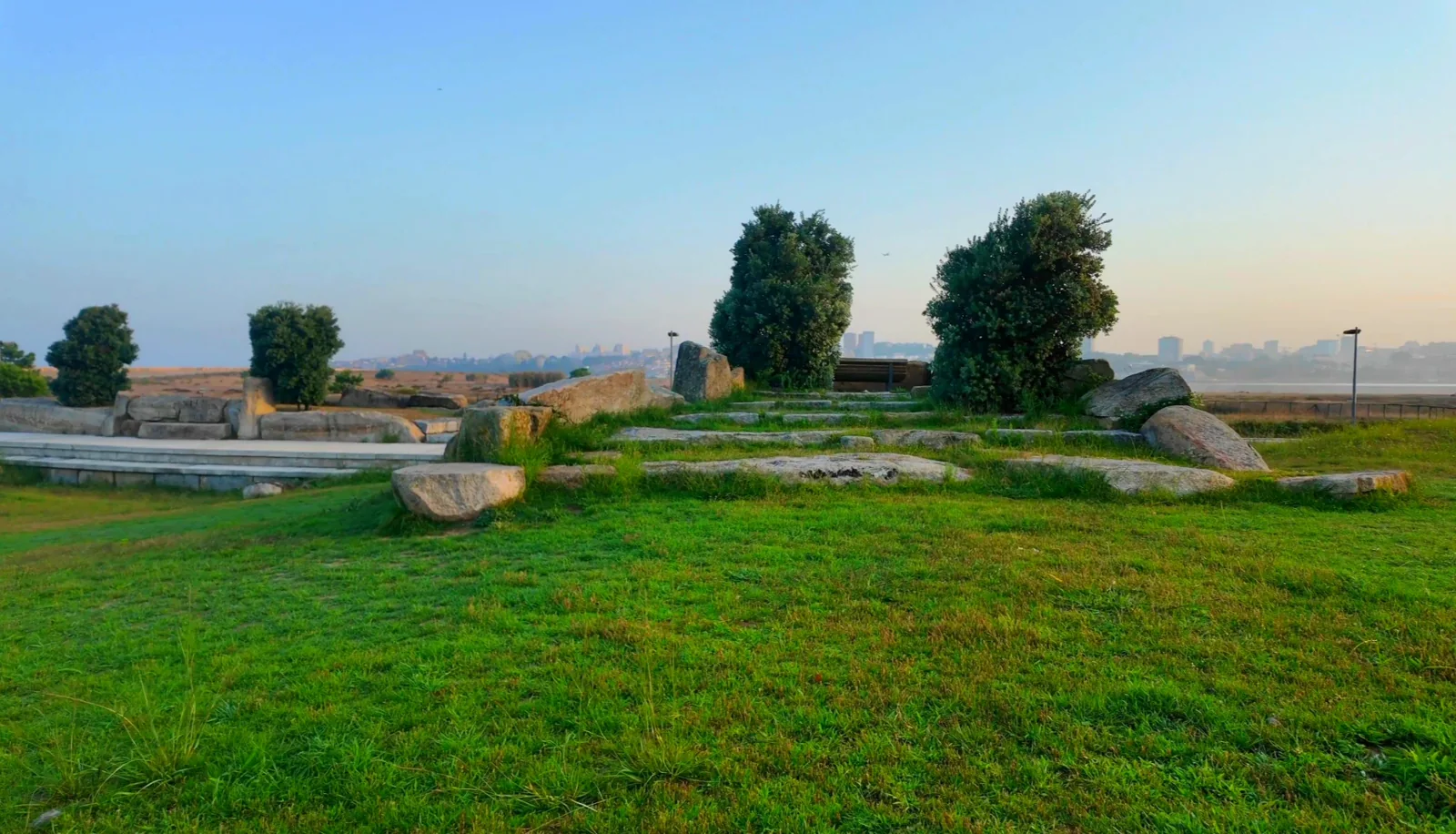
The reserve's public entrance is about another 1.9–2 km from Afurada, around 30–40 minutes on foot. Pass the Douro Marina area and follow public access routes. This extension ends at the reserve entrance.
Inside the reserve, use the boardwalks and observation points. Published closing time is 5pm in winter and 6pm in summer. Leave time to get out and travel back.
Take to the water too
Choose a sightseeing trip to enjoy the city or a short ferry crossing to change banks during your walk.
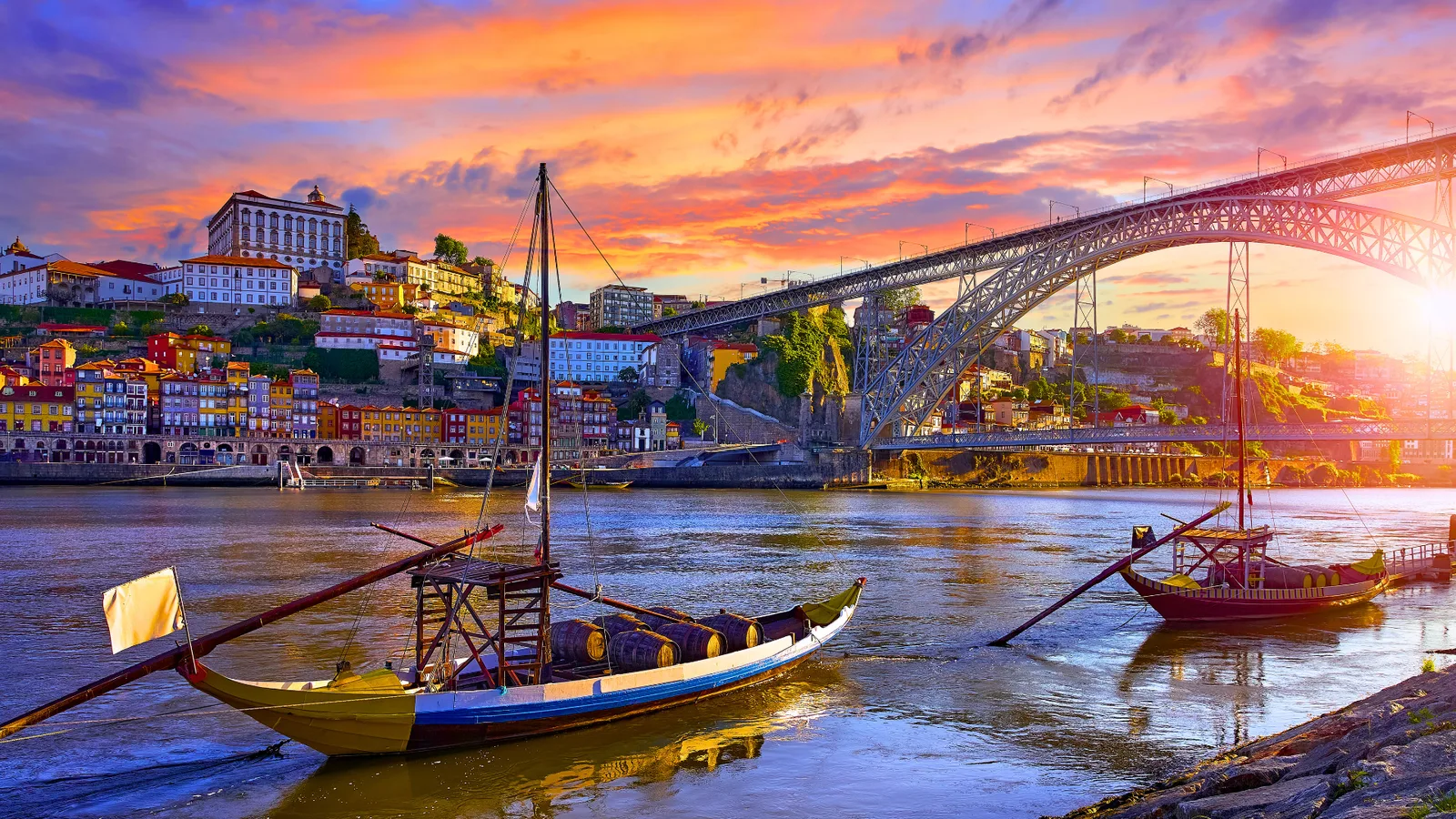
A way to see Porto and Gaia from the river. Douro Acima publishes a 50-minute trip departing from Porto's Ribeira. Check the pier, departure and what your chosen option includes.
Check the cruise and boarding pointThese regular ferries take you between the two banks. Published crossing time is about seven minutes, with departures every half hour.
Published onboard fares are €3 one way or €5 return on the same day. Andante tickets covering the required zones are also accepted. Last departures vary by pier and day of the week.
Timetables and conditions for each pier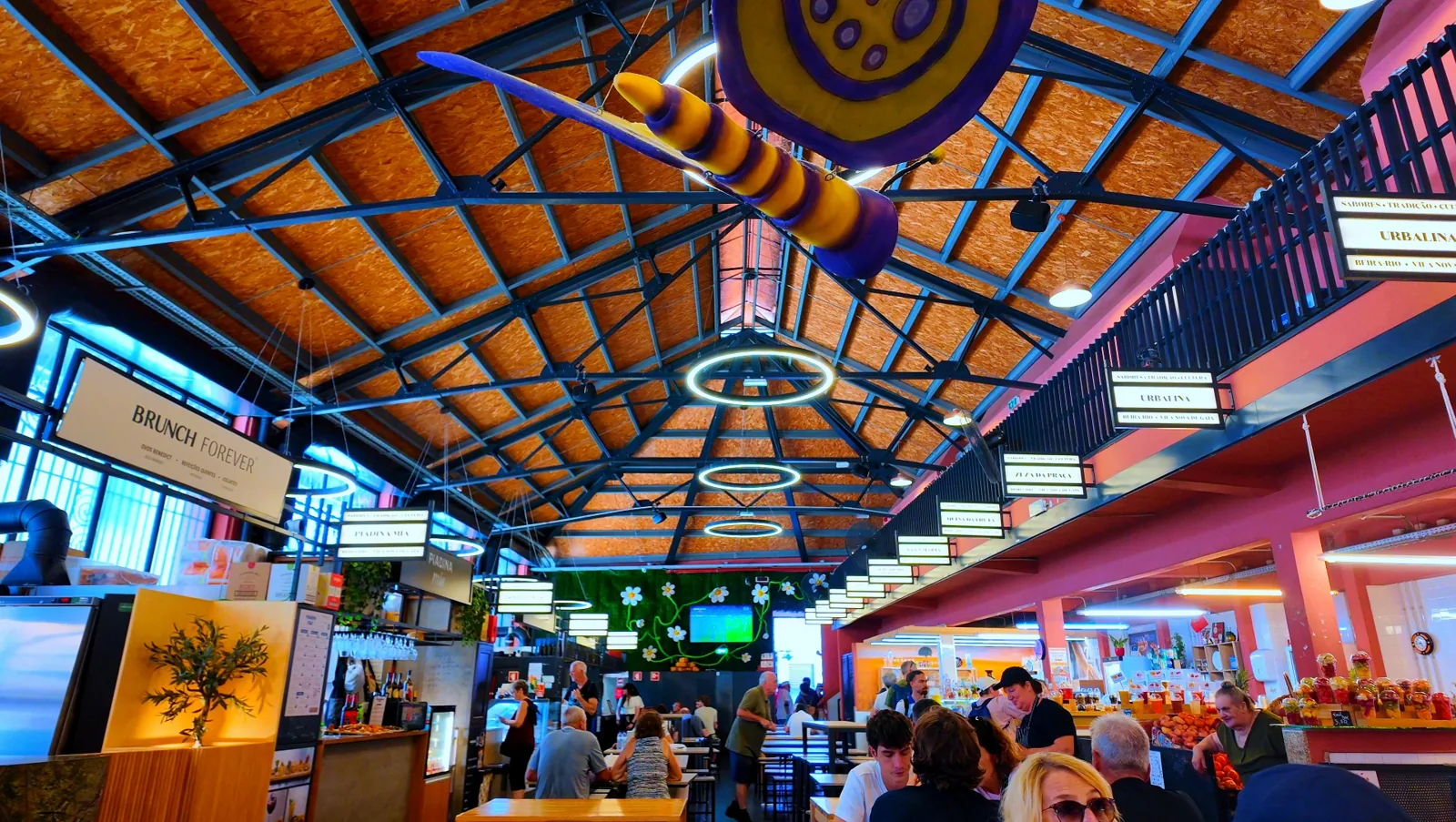
A break along the way
Choose a table on the bank you are exploring and leave time for your return. There are ideas for an informal meal, lunch in Afurada or a stop in Foz.
Gaia waterfront: Mercado Beira-Rio brings several food businesses together, so you can choose when you arrive. See more options in the Gaia guide.
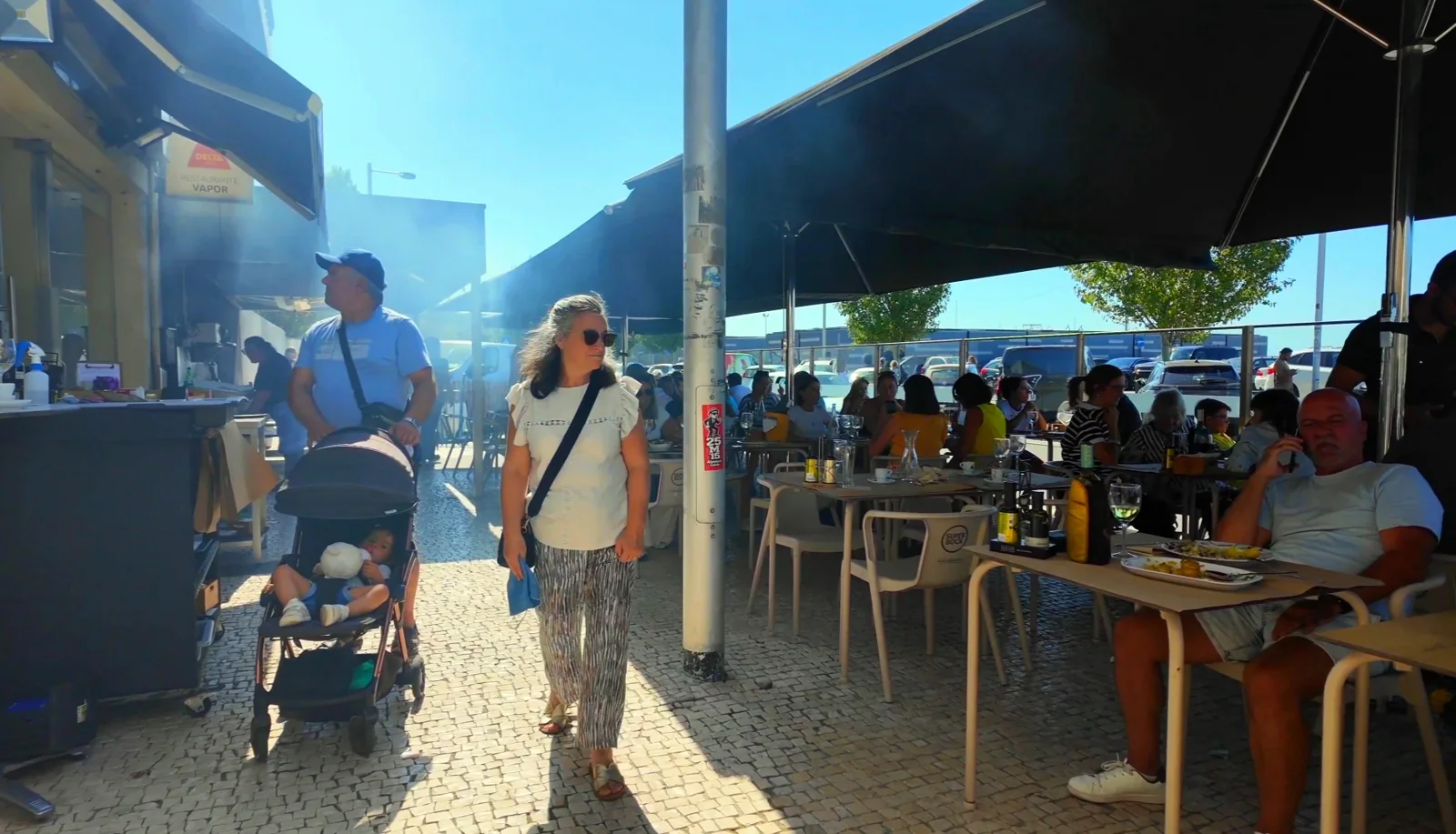
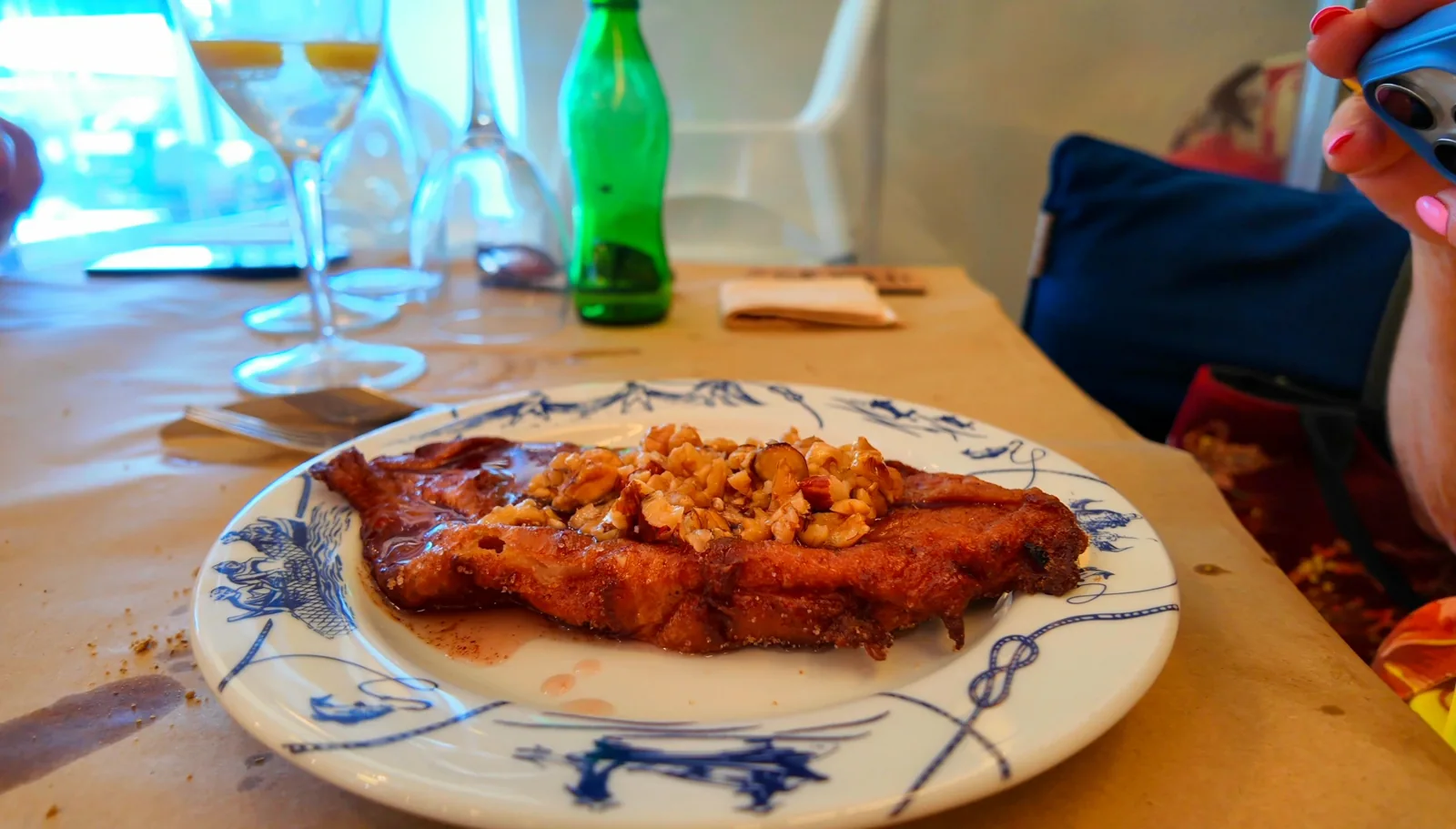
Afurada: Vapor is a suggestion from my family. Check opening, menu and reservations; find more context and its location in the Afurada and Gaia guide.
Passeio Alegre and Foz: choose from the places in the Foz guide, fitting your meal around your route.
A break in AfuradaOpen a photograph to see it larger.
For exploring on foot, compare the address and actual access: Porto's hillside and Gaia's climb make a difference with luggage. The where to stay guide helps you choose the area before the hotel.
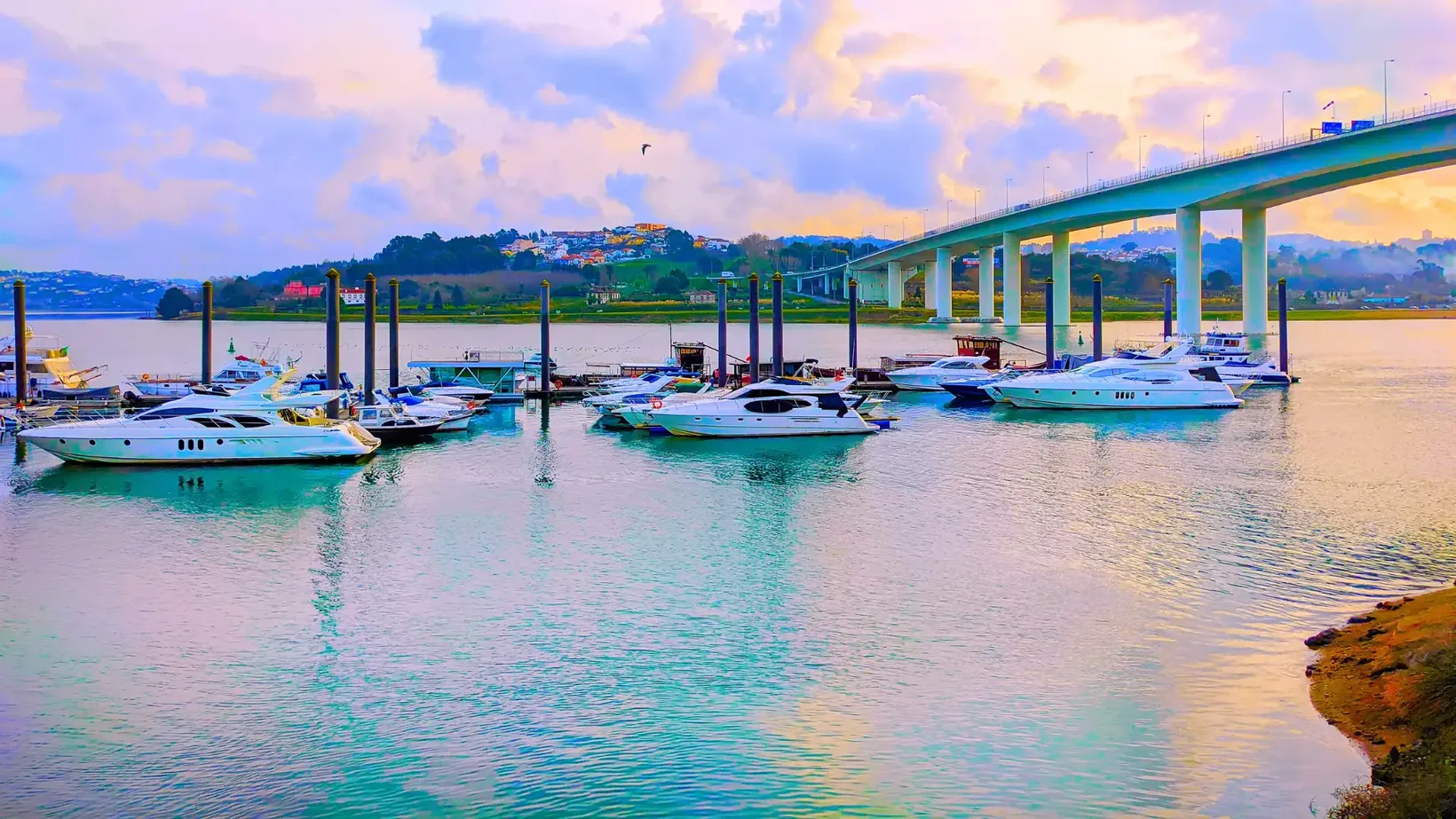
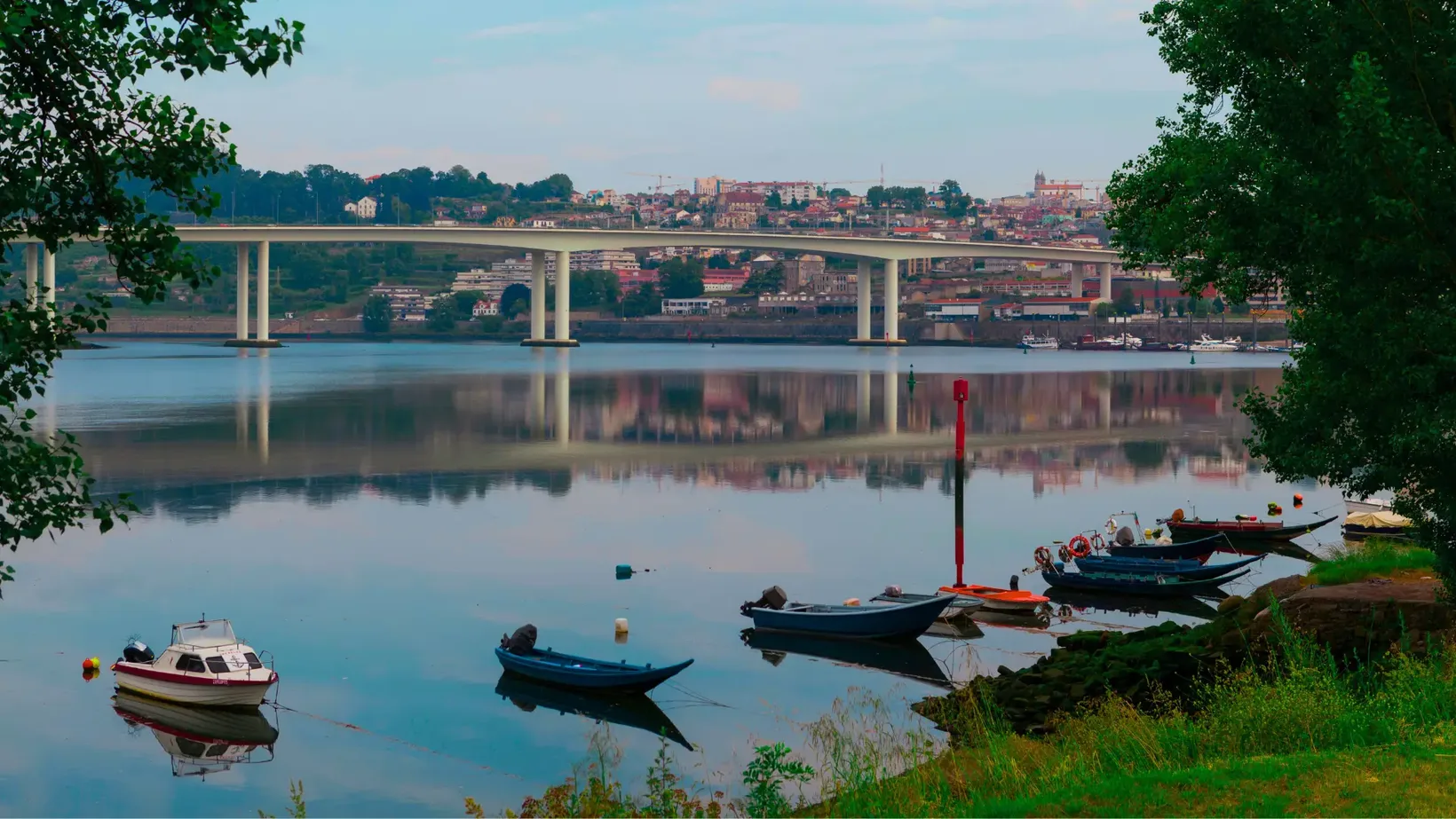
The marina and upstream bridges reveal another stretch of the Douro. Treat this as a separate outing, in the opposite direction from Foz. Browse the photographs to see the area and plan your transport before adding it to your day.
Find Freixo MarinaThe Douro to the eastOpen a photograph to see it larger.
Before you set off
Choose a walk for the time you have, check your return and save the directions on your phone.
With an hour, stay around Ribeira and the crossing to Gaia. With a morning or afternoon, choose Foz or Afurada. Add time for meals and indoor visits.
The routes follow the river but include cobbles, crossings and sections with different conditions. Jardim do Morro and Serra do Pilar are above the quays. For wheelchairs or pushchairs, check access and suitable transport before setting off.
Bring water and sun protection. In rain, shorten the walk and choose a visit that is open. Foz and the estuary are more exposed to wind. Respect barriers and notices beside the water.
Distances are approximate, using OpenStreetMap mapping between the stated points. Times are estimates affected by your pace, surfaces and stops. Routes are one way; maps cannot guarantee unobstructed access or the absence of works.
Lines show the calculated walking routes; markers locate stops. Use each walk’s directions links to follow the route.
Information reviewed on .
By Renata Silva · GoldenPorto
Each story links to its source inside its panel. Check opening times, prices and services for your visit date.