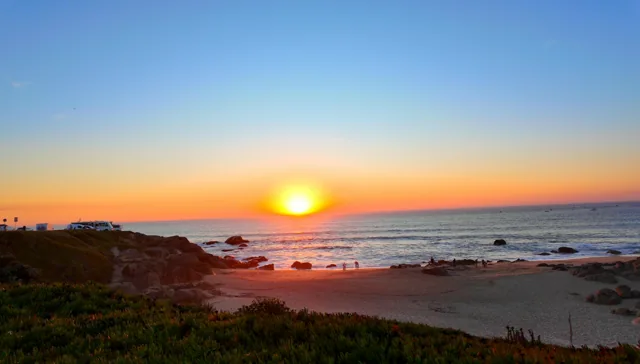
The quayside, Port wine lodges and rabelo boats sit beside the Douro. Higher up, Jardim do Morro and Serra do Pilar overlook Porto. Head west and the riverside walk leads to Afurada, the estuary and the Atlantic. Pick an area to start with, then add more depending on your time and how far you want to walk.
Which walk fits your day?
Choose what you feel like doing. These are planning suggestions; timings depend on your stops.
Half a day, allowing for stops
The quayside and the classic views
Cross the lower deck of Luís I Bridge and walk along Gaia’s quayside.
Explore Mercado Beira-Rio and the nearby streets.
Take the cable car uphill during operating hours, or walk up.
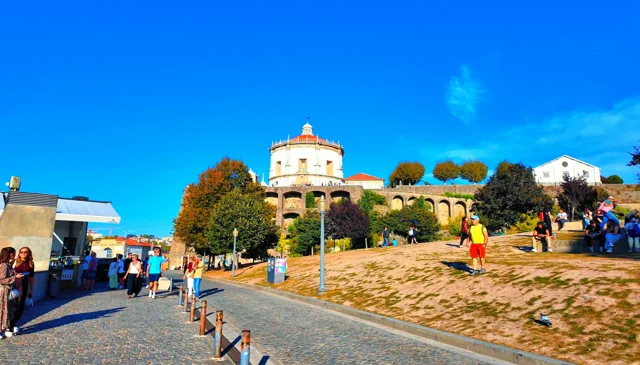
Finish at Jardim do Morro and outside Serra do Pilar Monastery.
This walk changes elevation. To start at the top instead, take the metro to Jardim do Morro and reverse the route.
A full day, choosing your visits
A Port lodge, WOW and the evening light
Book a Port lodge visit and check the language and inclusions.
Take a break on the waterfront or at Mercado Beira-Rio.
Choose a museum or experience at WOW and look for Half Rabbit in the nearby streets.
Save the evening for Jardim do Morro or Serra do Pilar.
A lodge visit and a museum already take up a substantial part of the day. Pick the experiences that interest you most.
A long walk; set aside several hours
From the quayside to Afurada and the estuary
Head west with the Douro on your right.
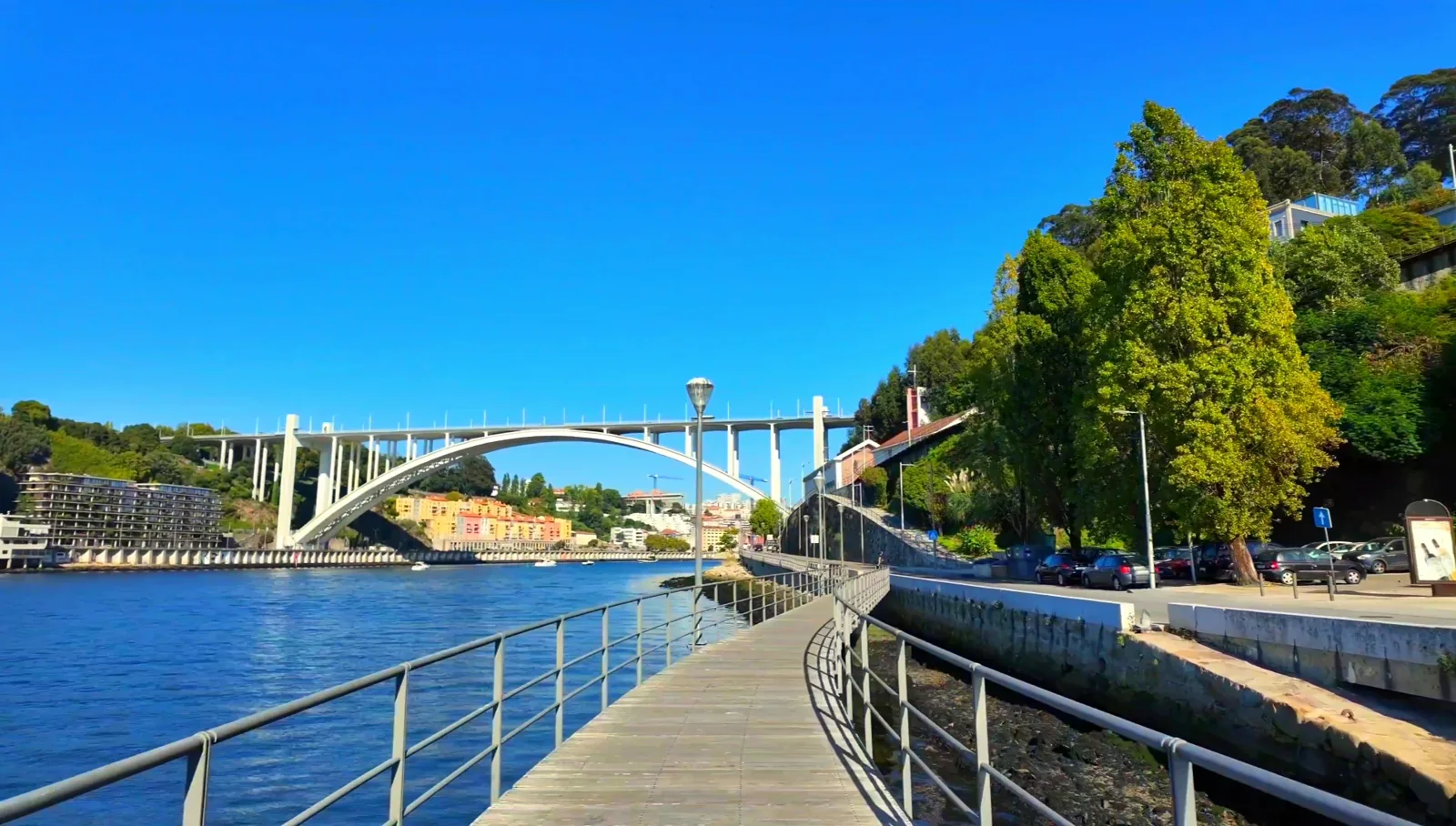
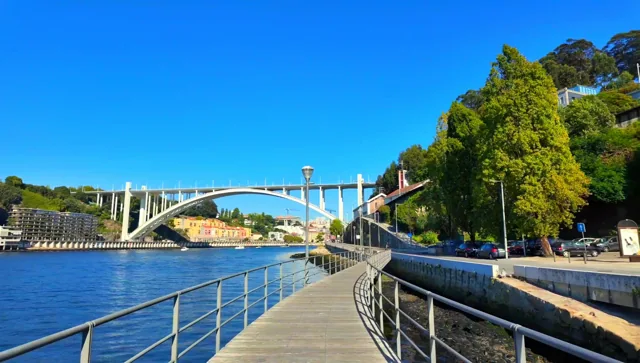
Pass Arrábida Bridge and continue to Afurada.
Stop to explore the streets or have lunch.
Continue towards São Paio, beside the nature reserve, and the Cabedelo area.
This is a long walk rather than a quick waterfront detour. You can start in Afurada, walk just one stretch and arrange your return by bus, taxi or ride-hailing service.
Gaia
See Gaia before choosing your route
From the quayside to the sea, through streets, viewpoints and Afurada. Photographs by Renata Silva.
Open a photograph for a larger view. You can pause the moving gallery.
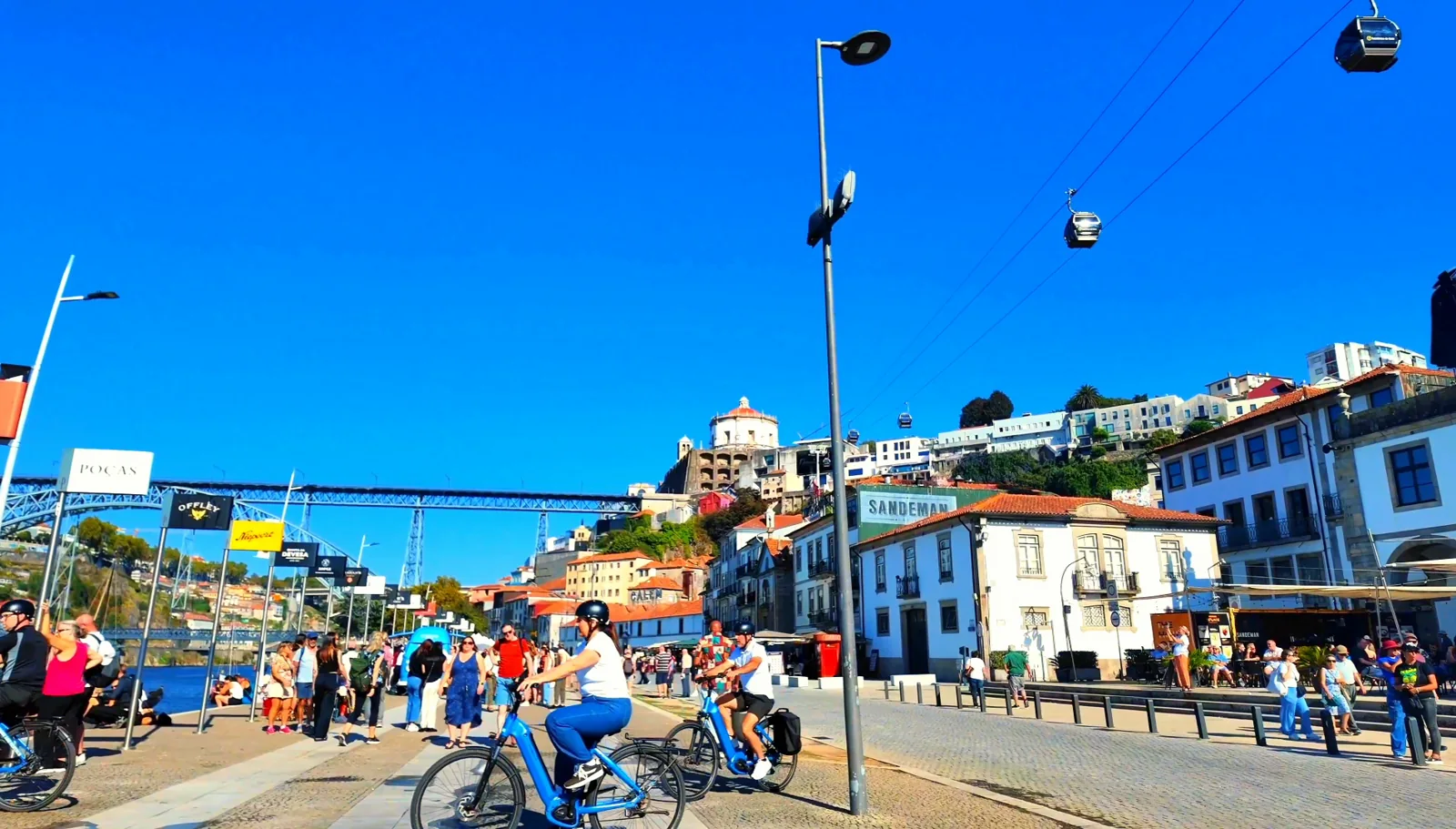
Gaia waterfront with the cable car and Serra do Pilar
Follow Avenida de Diogo Leite and Avenida de Ramos Pinto past boats, Port lodge façades and outdoor cafés. Across the Douro, Ribeira and the cathedral hillside form one of Porto’s best-known views.
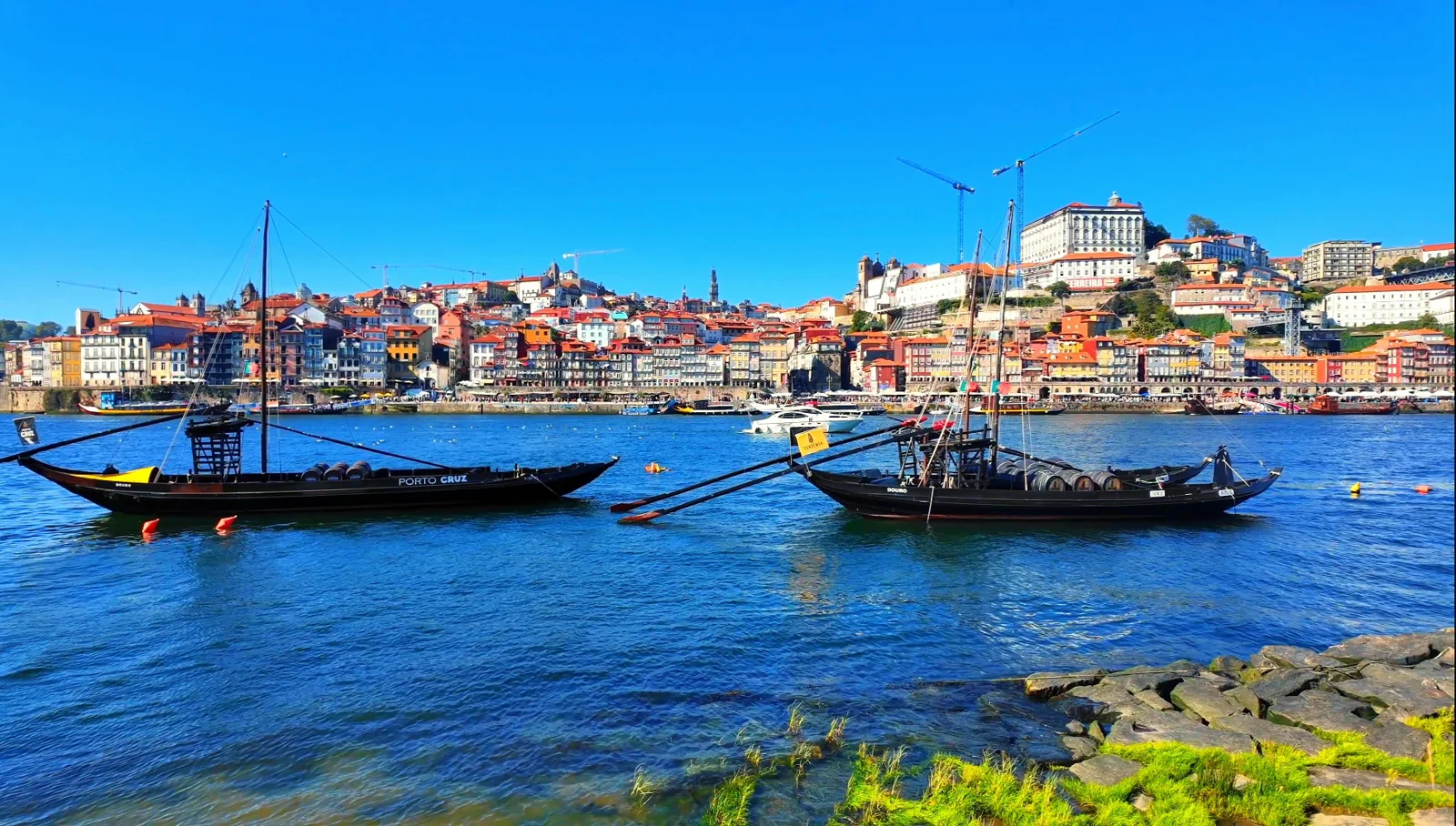
Long before they appeared in visitors’ photographs, rabelo boats carried barrels of wine down the Douro to Gaia. Their story connects the wine-producing region with the warehouses and trade near the river mouth. Today’s sightseeing boats should not be confused with the wine transport of the past.
Mercado Beira-Rio
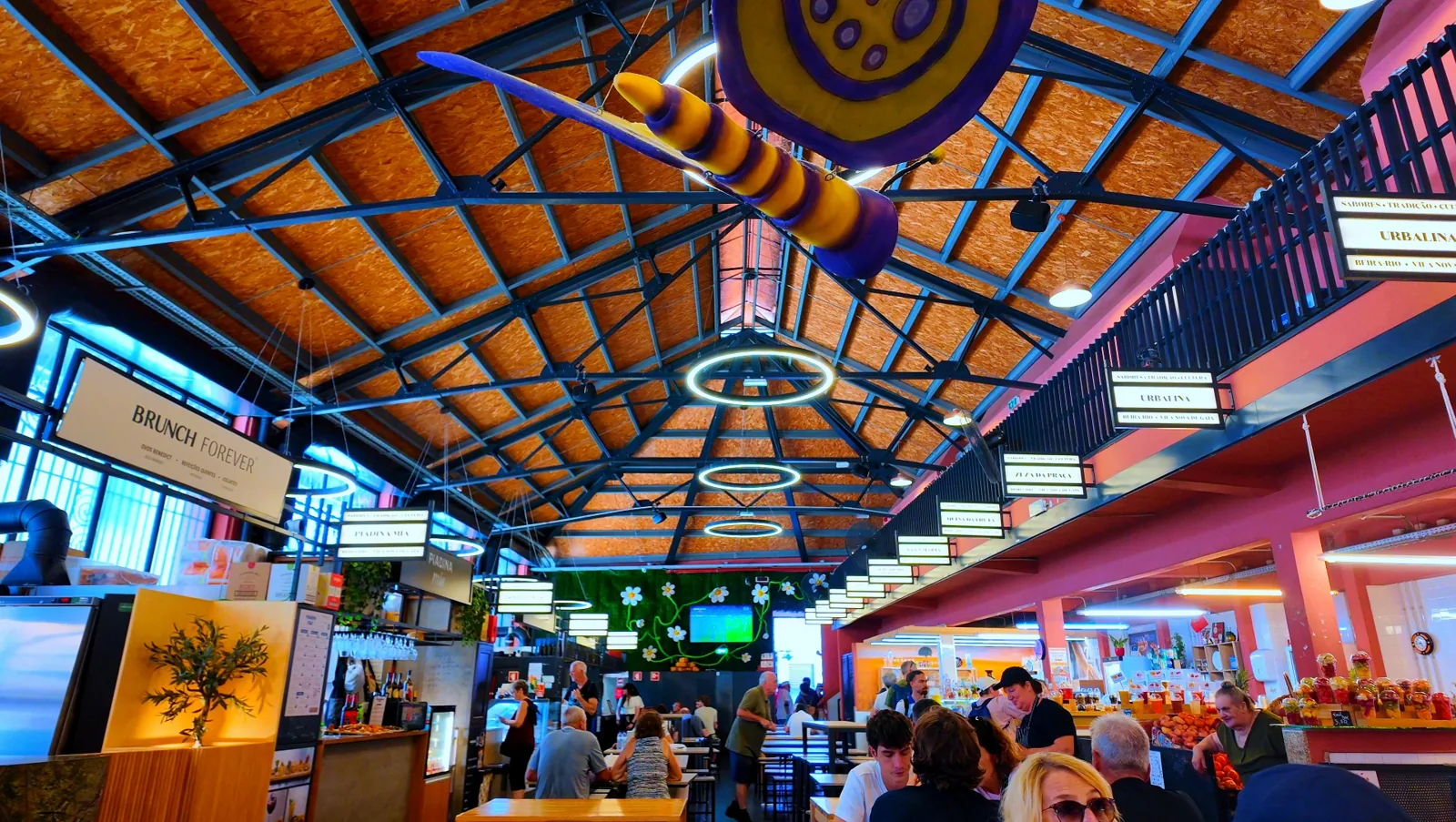
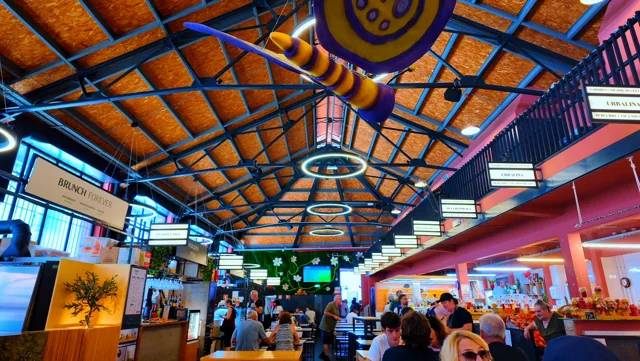
A convenient stop to choose between different food stalls or take a break. The market’s history began with outdoor trading by the quayside. The space went through several changes before reopening with its current concept in 2017.
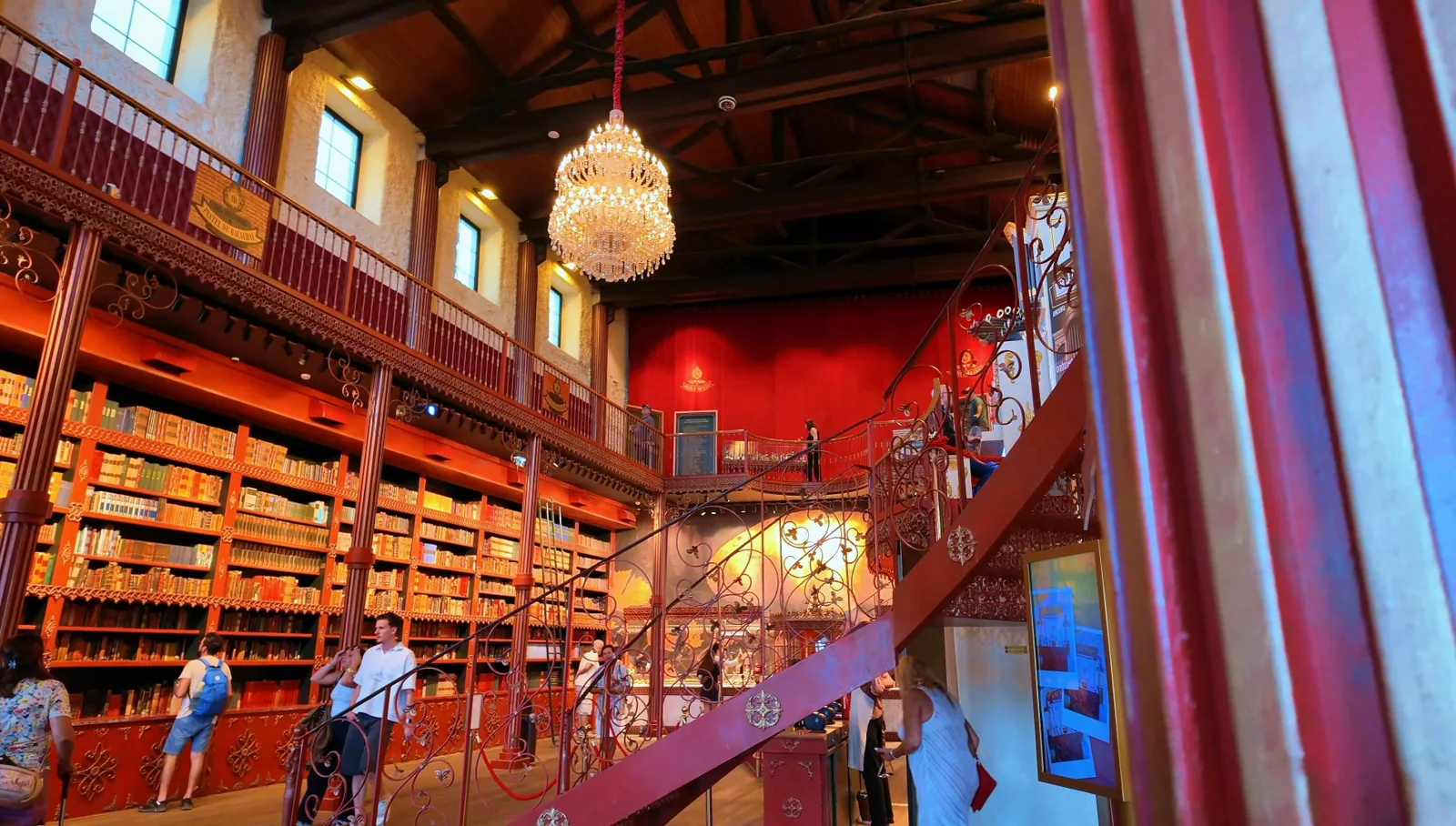
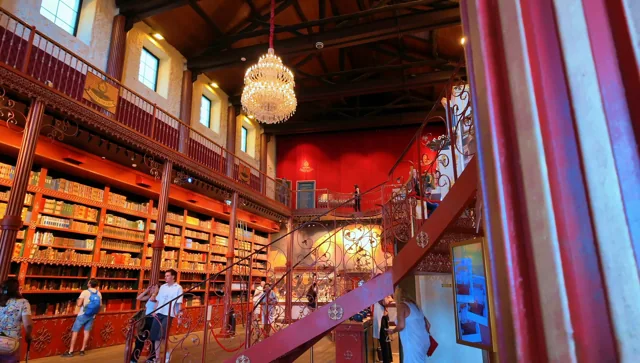
The theatrical interior, with woodwork, books and an organ, is part of the appeal of this waterfront stop. It is a commercial food venue. The brand’s cheese-filled codfish cake is a variation on the traditional Portuguese pastel de bacalhau.
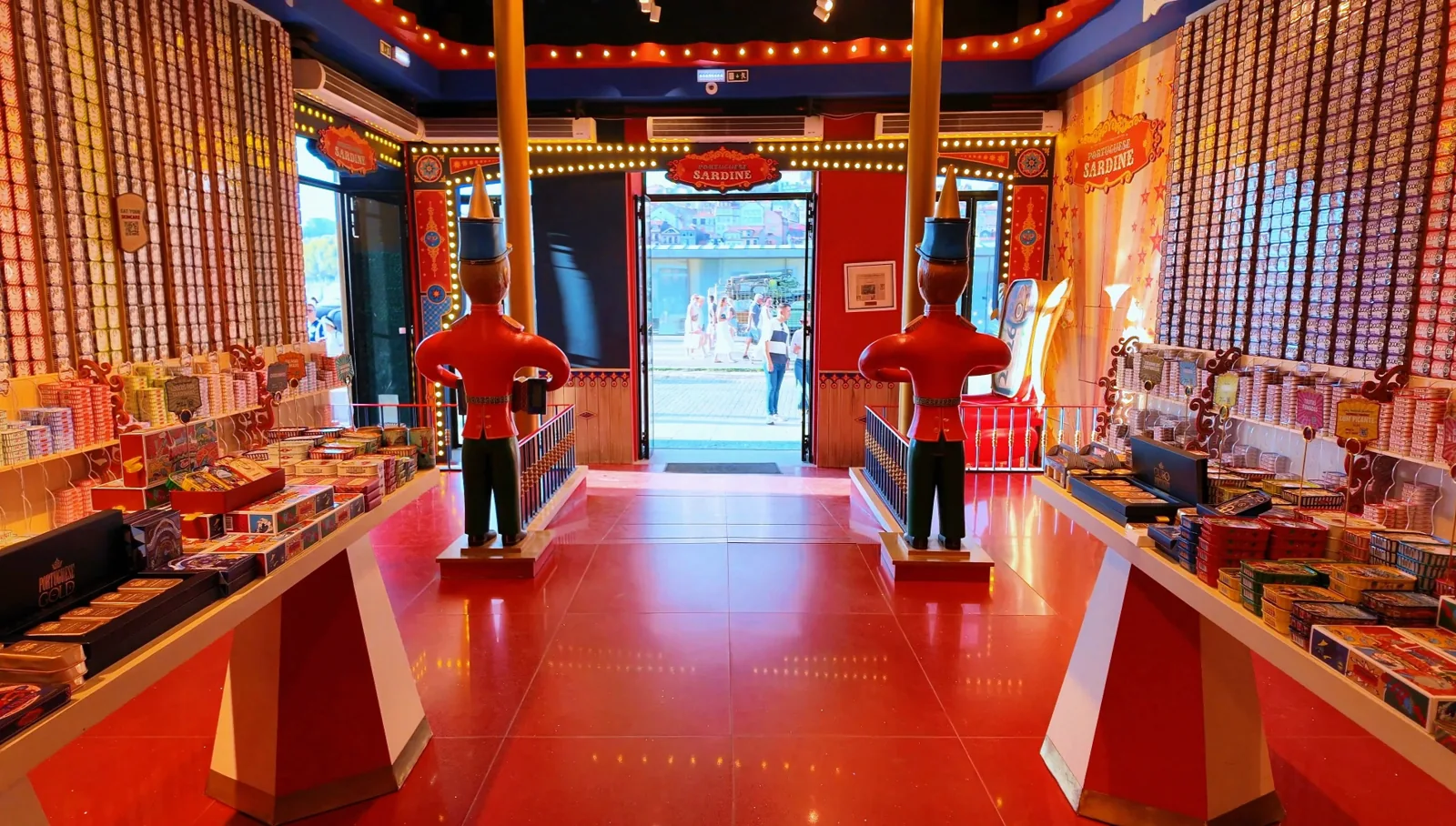
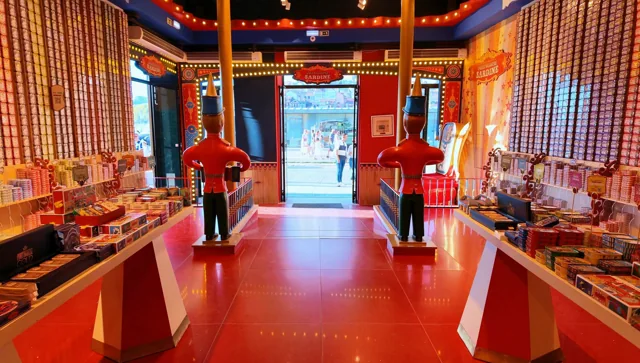
A tinned-fish shop with a colourful interior and tins presented as souvenirs. Take a look at the decoration and compare products and prices if you want to bring something home.
Rabelo boats on the Douro with Porto’s Ribeira behind them
Port wine
Choose a lodge and discover the story inside
The wine comes from the Douro Demarcated Region. Gaia is historically associated with its storage, ageing and export. A lodge visit helps explain that connection and the different styles of Port.
Before booking, check the language, duration, access and included tastings. If you do not drink alcohol, ask about the available options; conditions vary between producers.
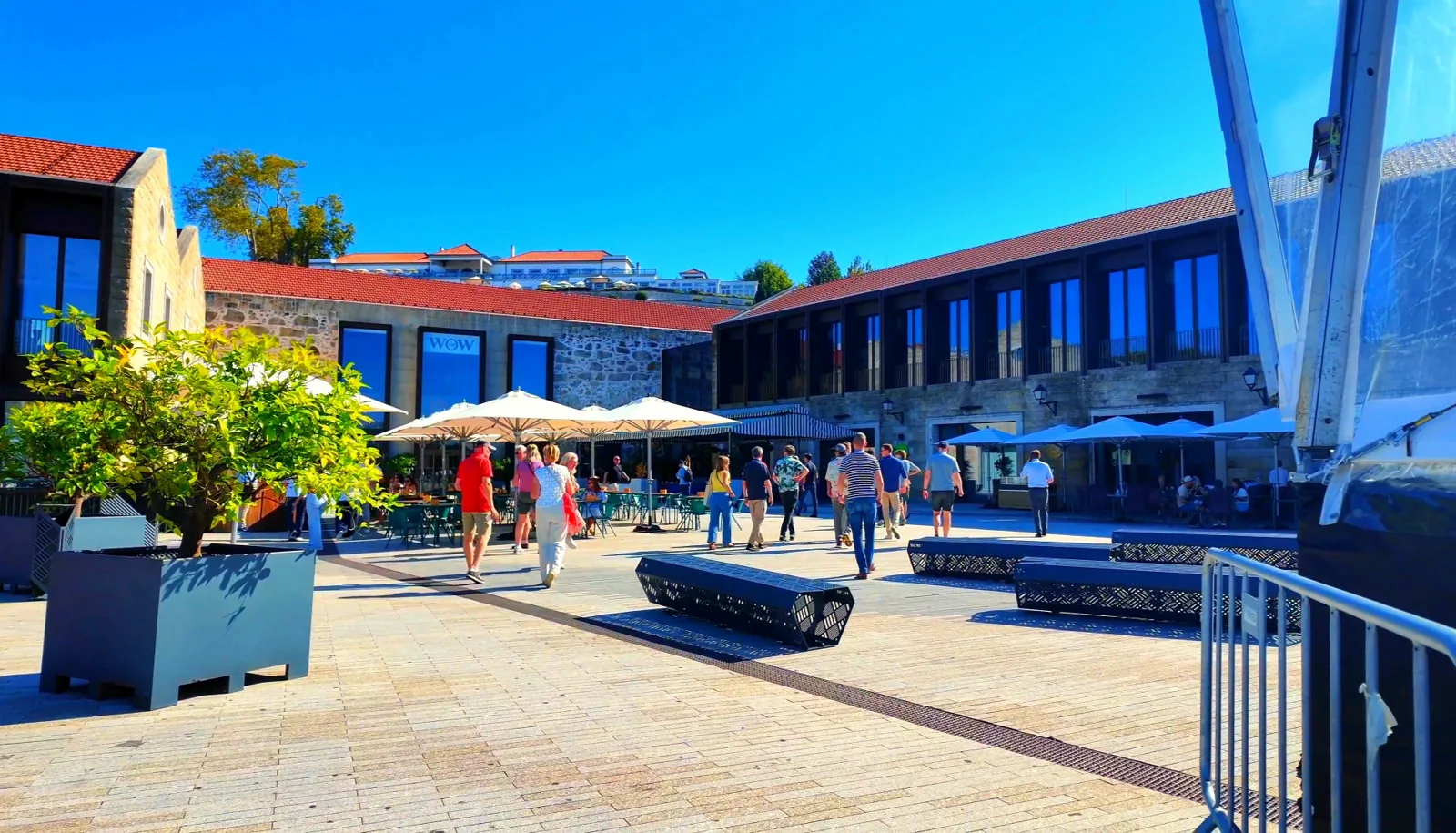
Square and outdoor seating in the WOW cultural district
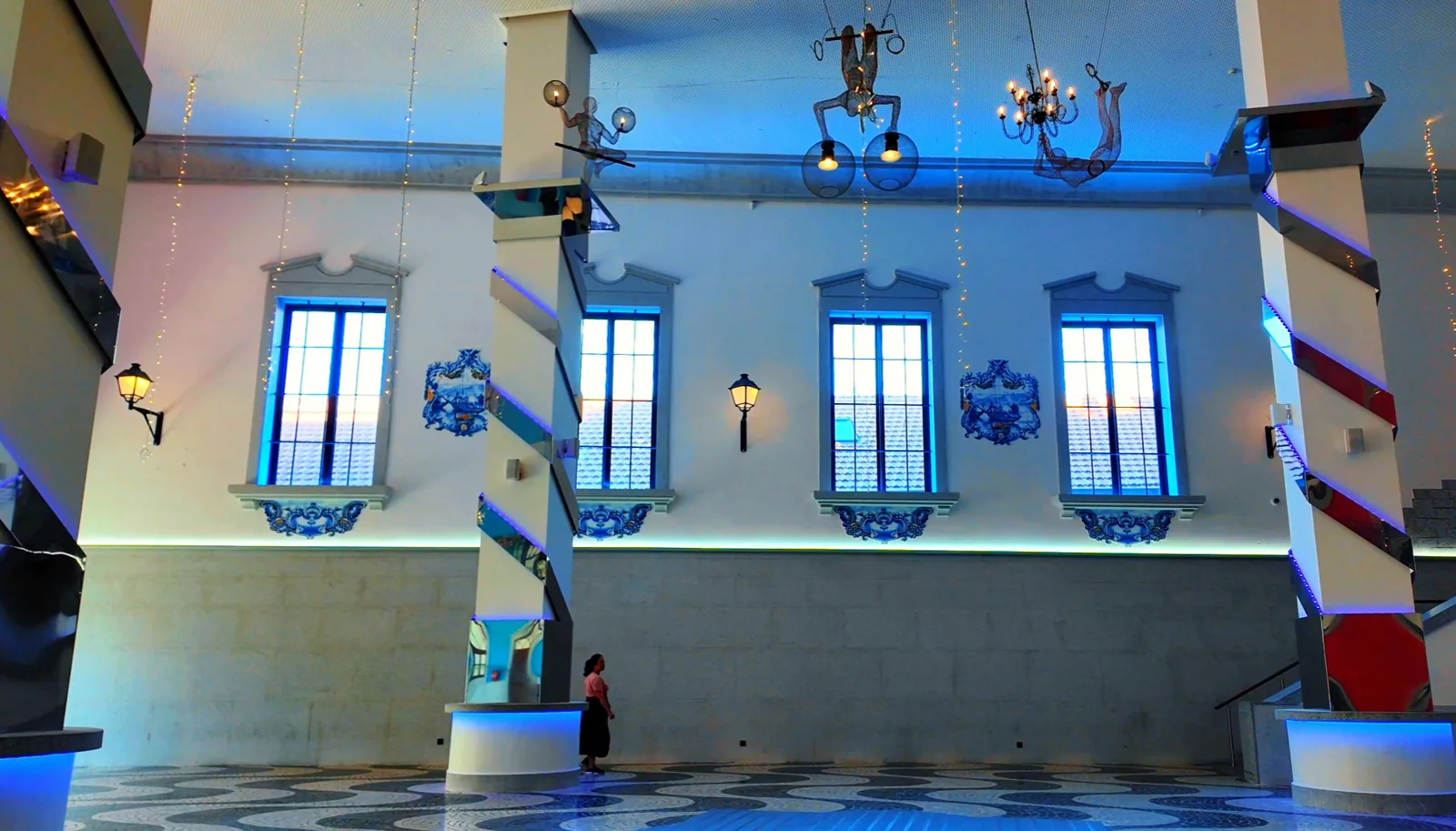
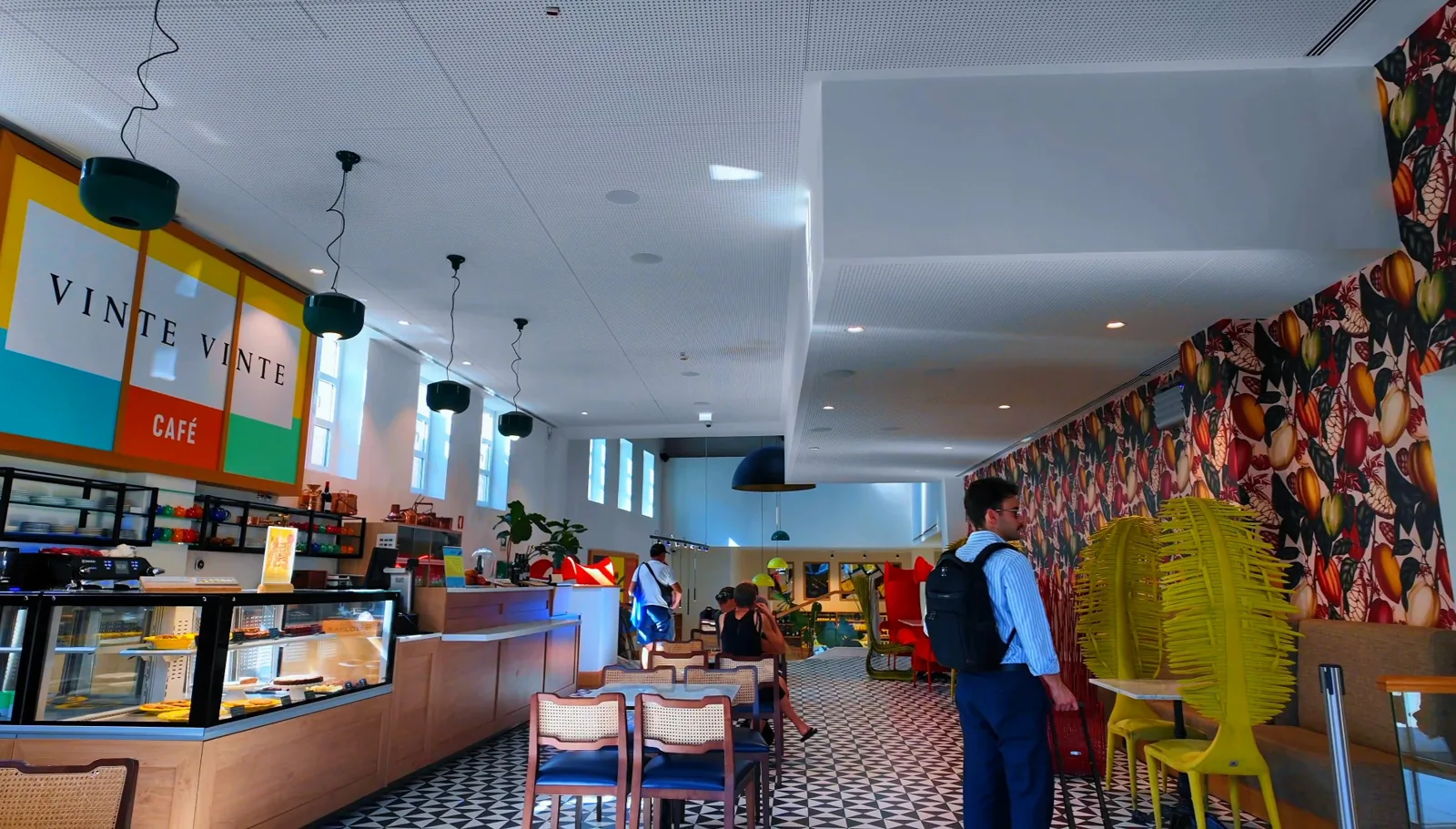
This cultural district brings together museums, experiences, shops and places to eat among its buildings and squares. Subjects include wine, chocolate and the region’s history. Combine a visit with a break at an outdoor café rather than trying to fit everything into one afternoon.
Museums and experiences have their own tickets and conditions. Check the programme and access arrangements for each space.
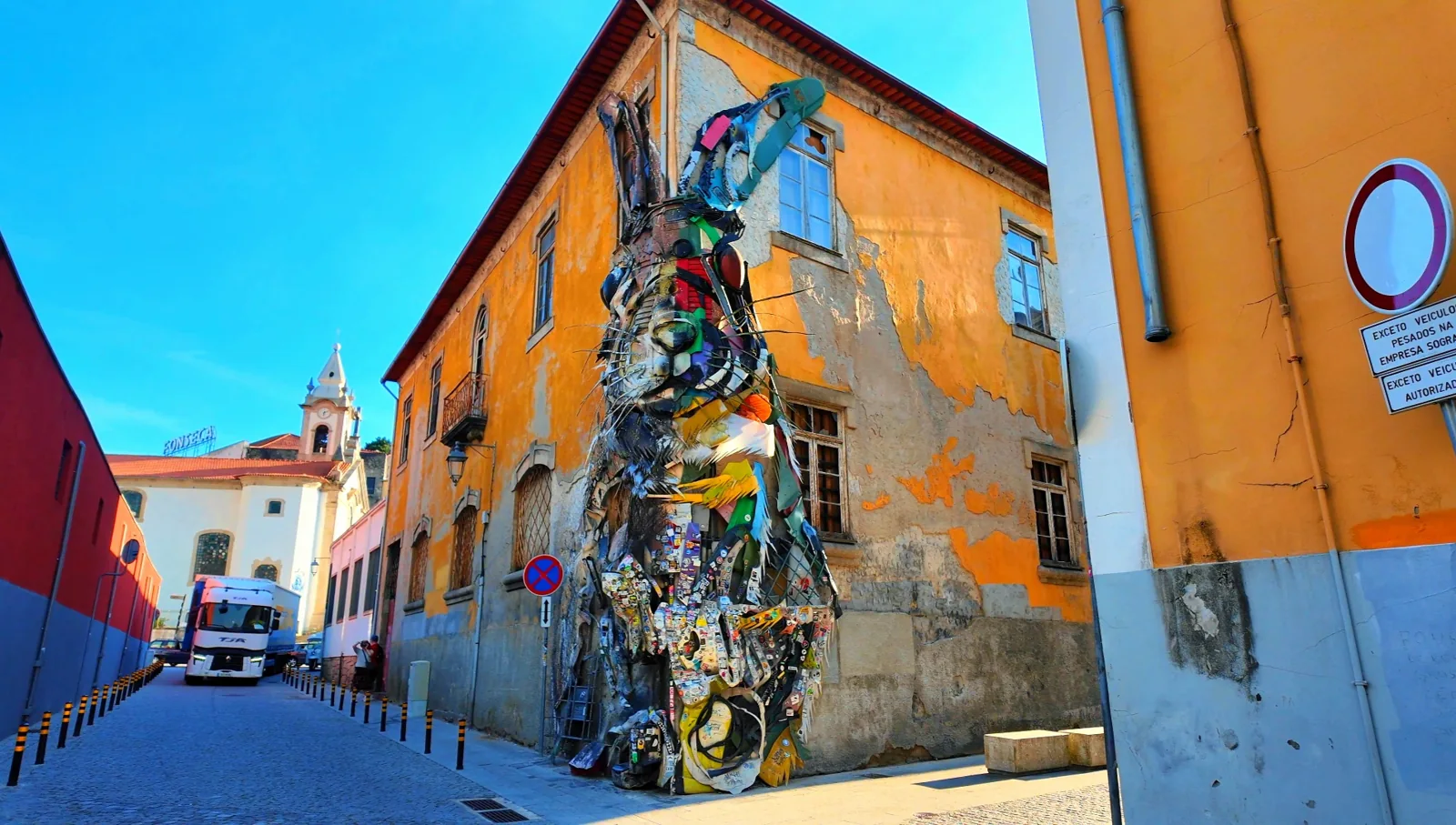
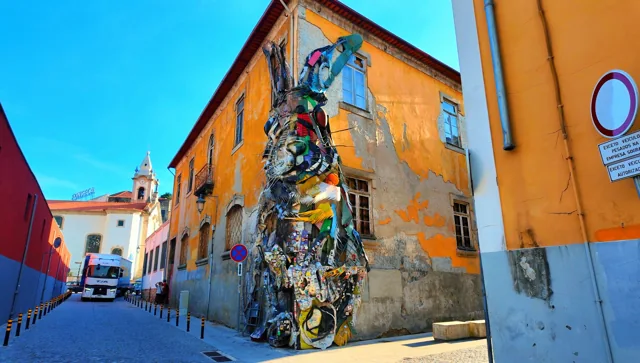
Look for the rabbit on the corner of Rua de Guilherme Gomes Fernandes and Rua de Dom Afonso III. It belongs to the Big Trash Animals series: animals made from discarded objects that draw attention to consumption and waste. Up close, try to recognise the materials.
These neighbouring stops offer different perspectives. Arrive via Luís I Bridge or Jardim do Morro metro station, then choose where to watch the changing light over the river.
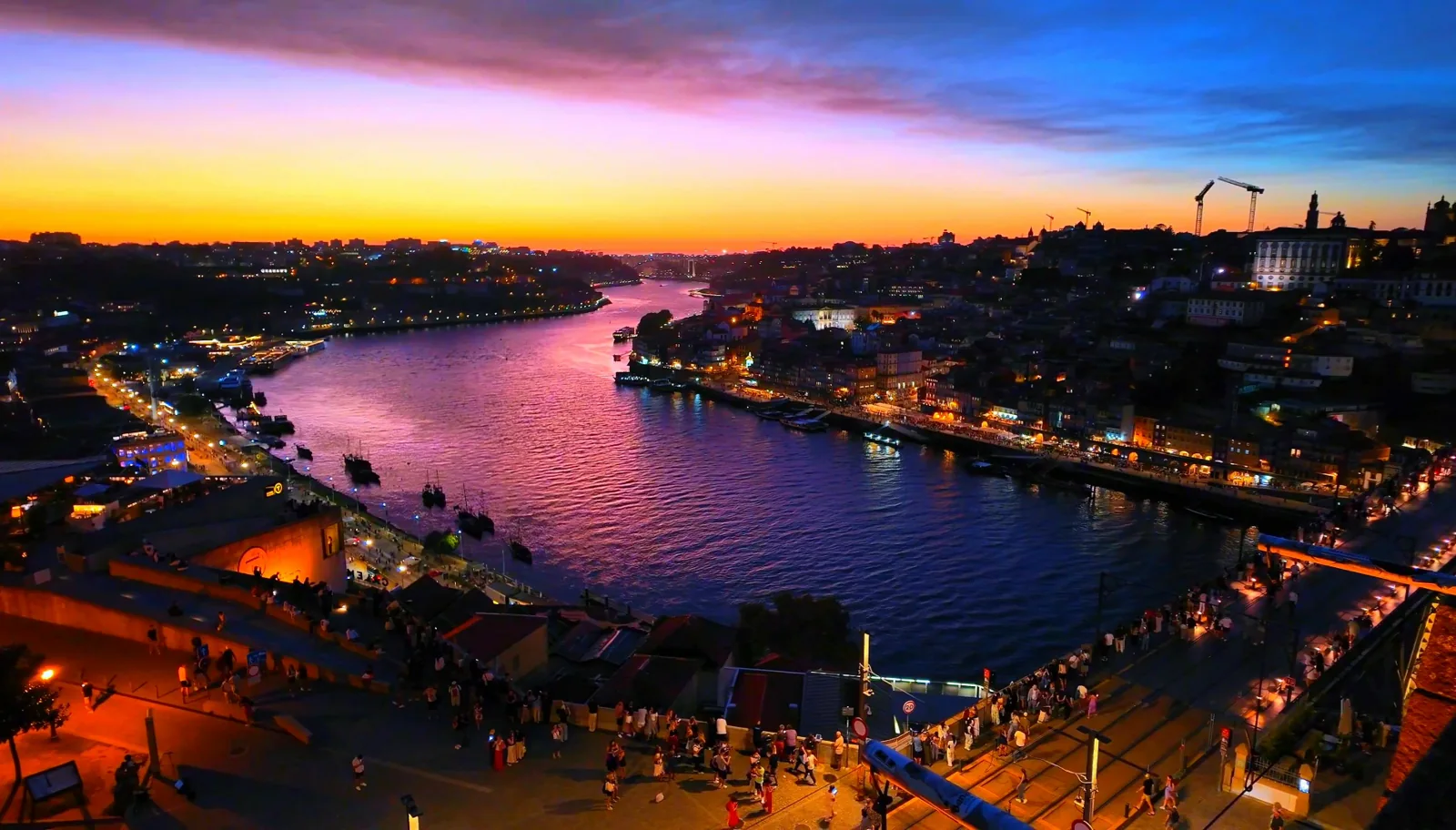
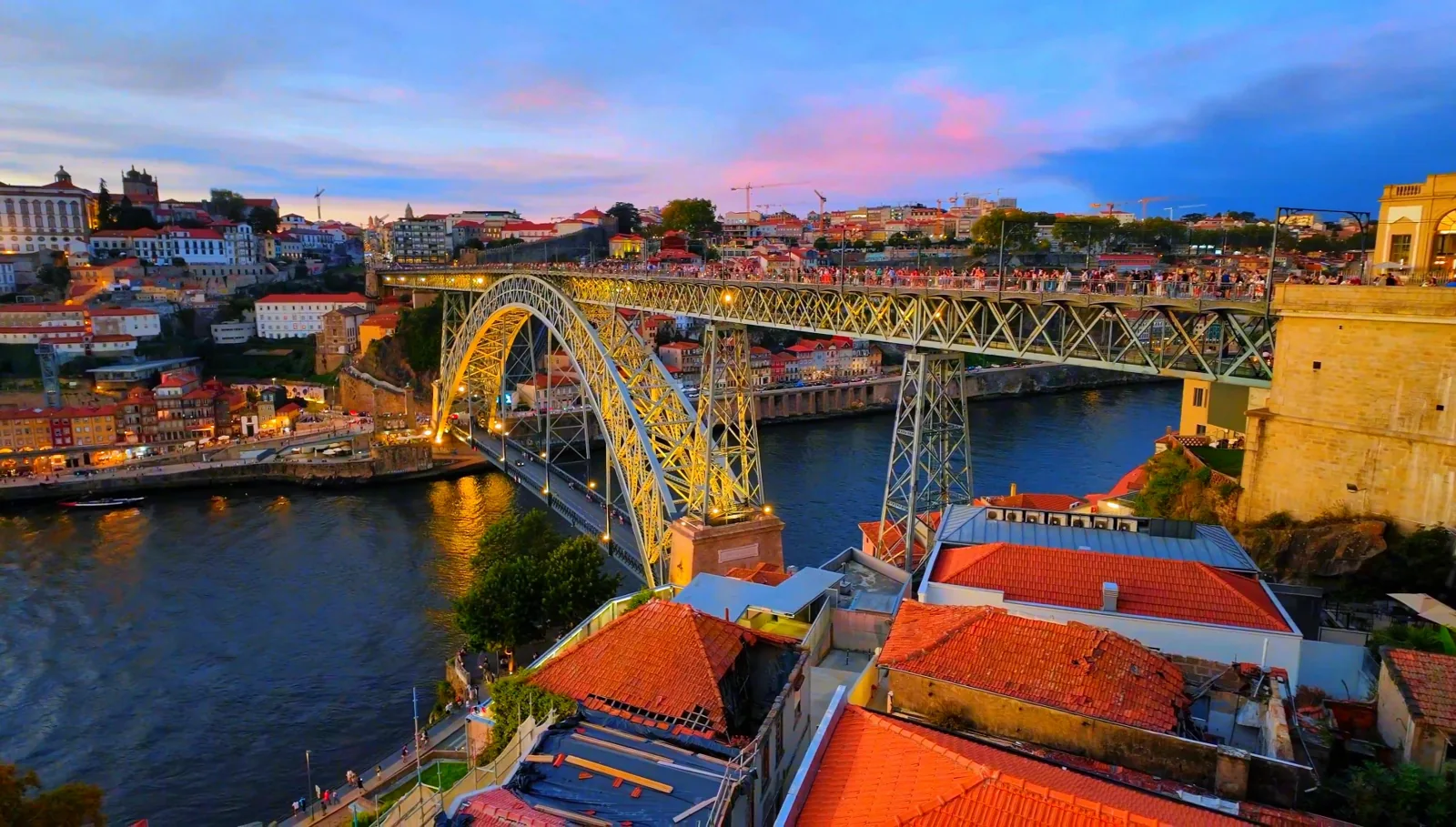
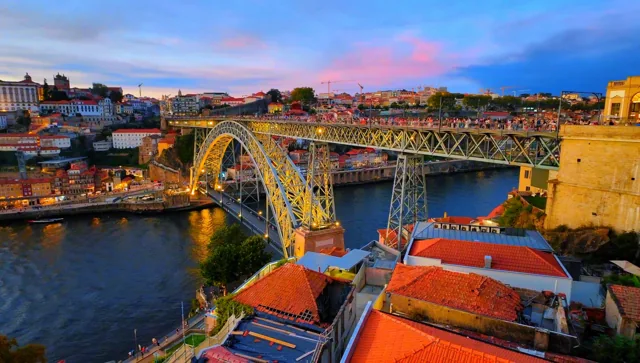
A garden beside the bridge’s upper deck, overlooking Ribeira and Gaia’s rooftops. It is usually busy around sunset; mornings and earlier afternoons have a different atmosphere.
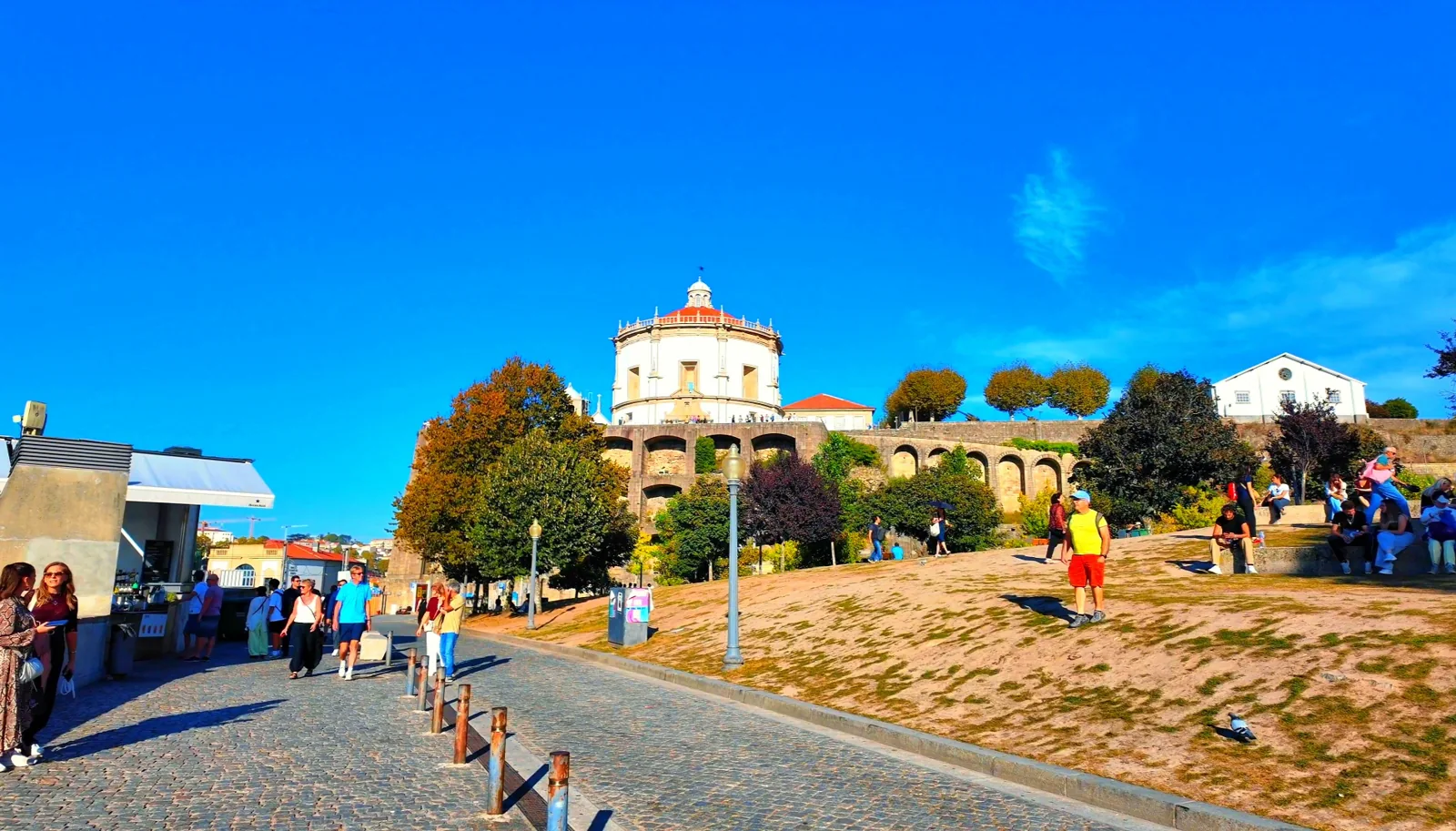
Walk up to the outdoor area beside the monastery for a broad view of the bridge and both riverbanks. Allow for an additional uphill walk from Jardim do Morro.
Both the church and the cloister at Serra do Pilar Monastery have circular plans. During the 19th-century Siege of Porto, the monastery was turned into an improvised fortress. Its commanding position above the river helps explain the site’s military importance.
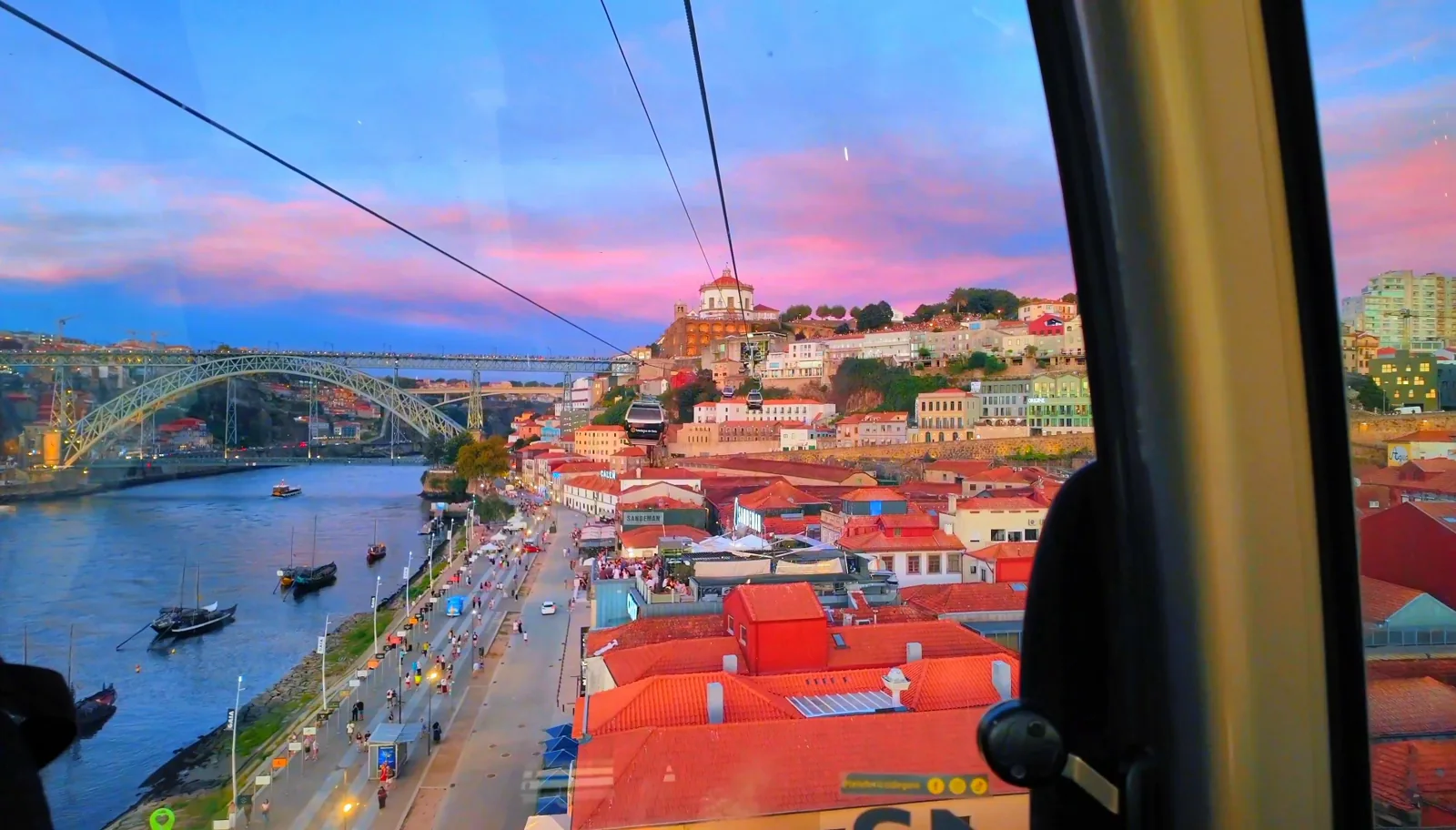
View from a Gaia cable car cabin over the Douro and rooftops
Cable car: between upper Gaia and the quayside
The ride takes approximately five minutes between the station near Jardim do Morro and the station beside Mercado Beira-Rio. It travels above Gaia, overlooking the rooftops and Douro. It does not cross the river.
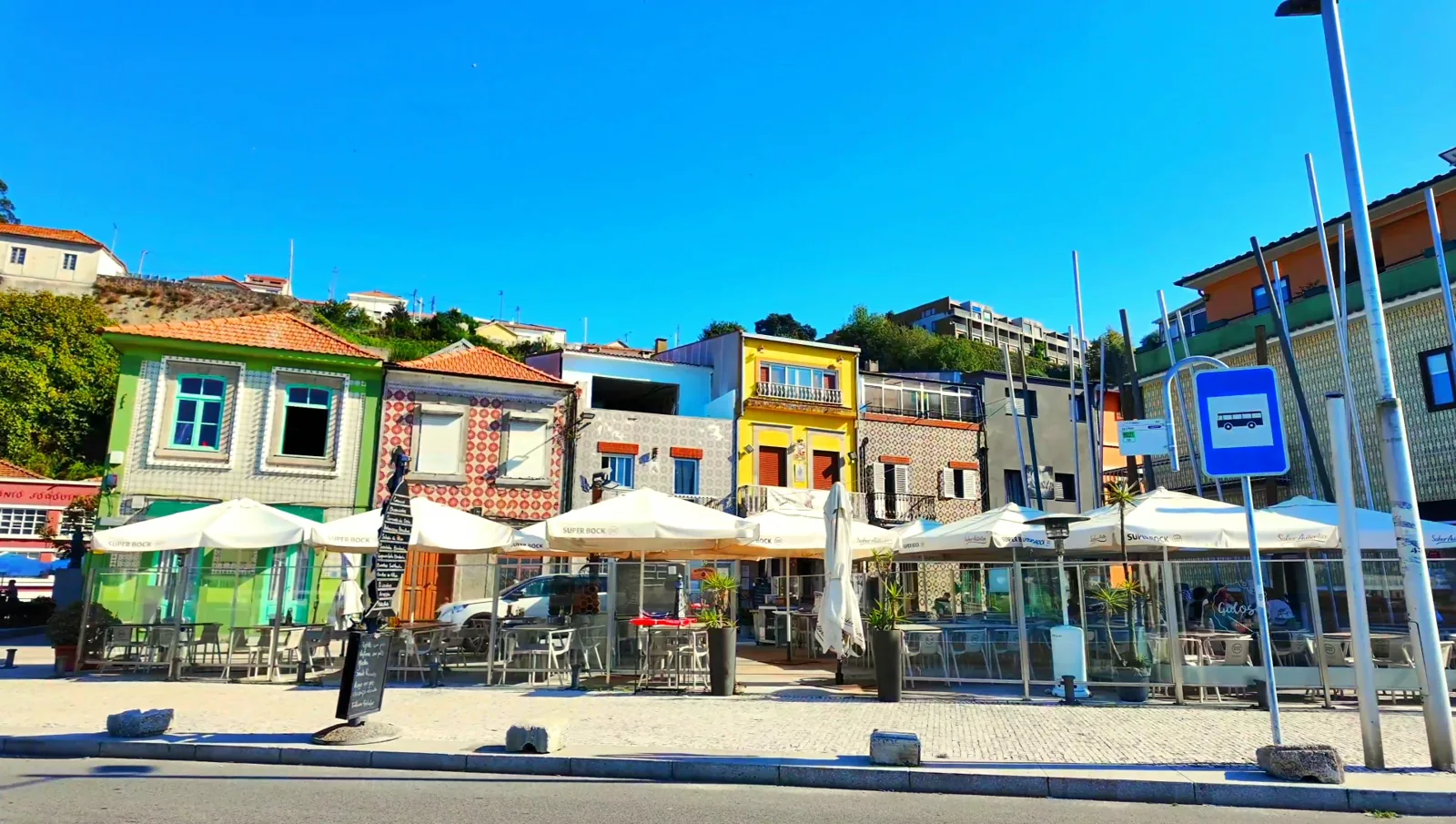
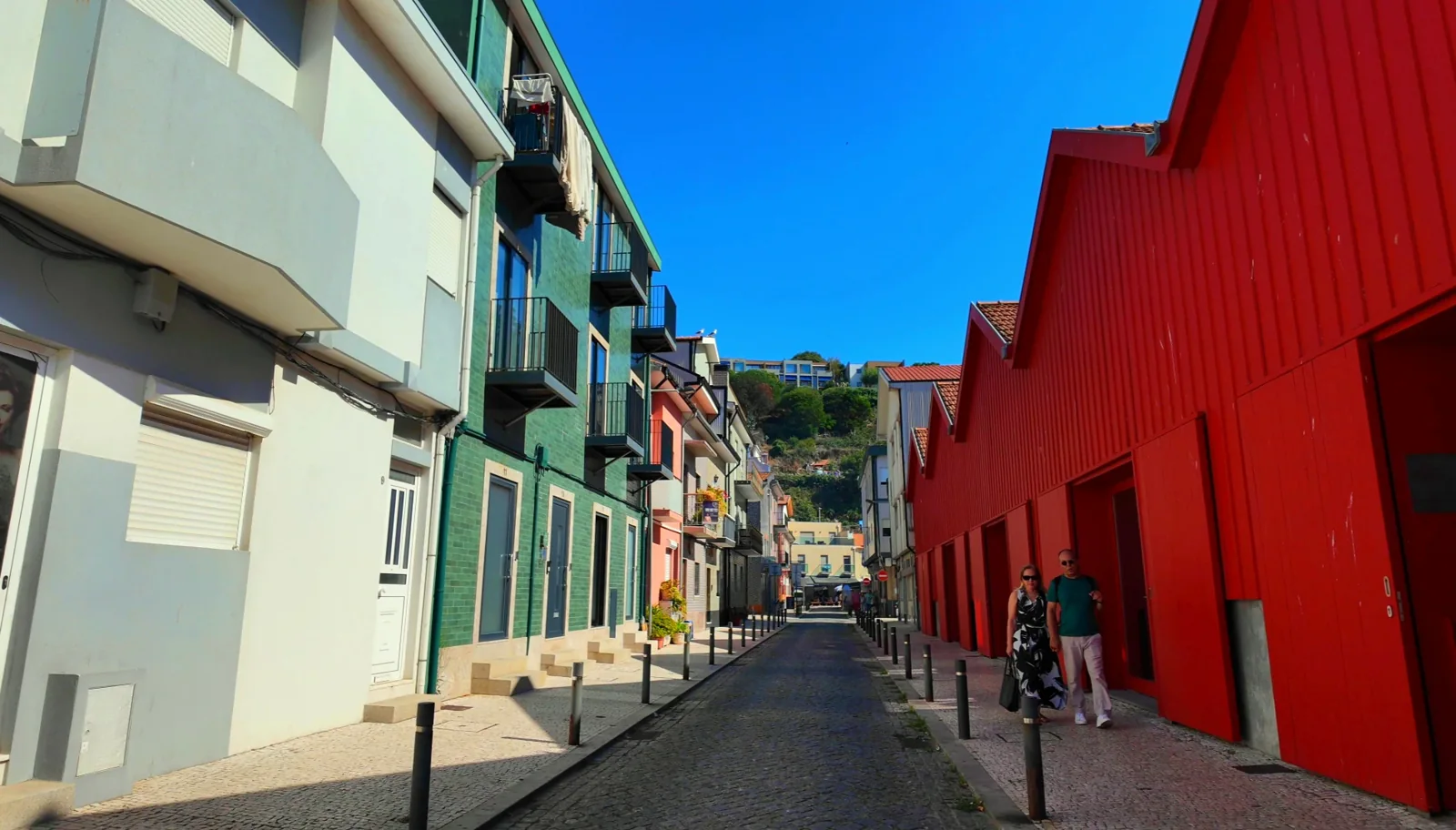
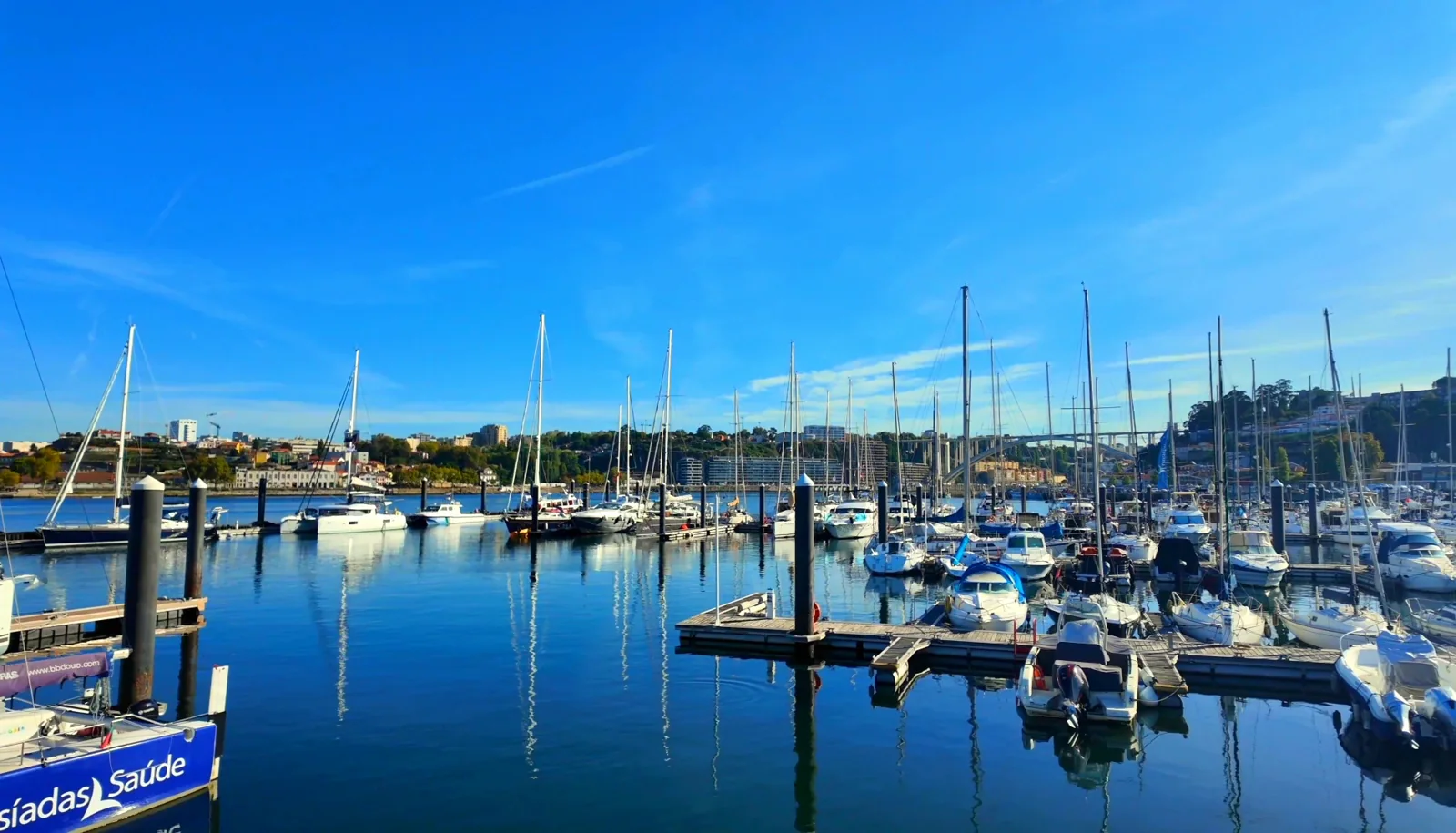
Give Afurada a stop of its own. Explore the streets between the houses, look at the boats and walk along the riverfront and marina. It offers a different experience from the central quayside and combines well with São Paio and the estuary.
The settlement of fishermen from other coastal communities gained momentum in the second half of the 19th century. As the village grew, land was reclaimed from the river. Daily life linked to fishing helps explain Afurada’s identity and street pattern.
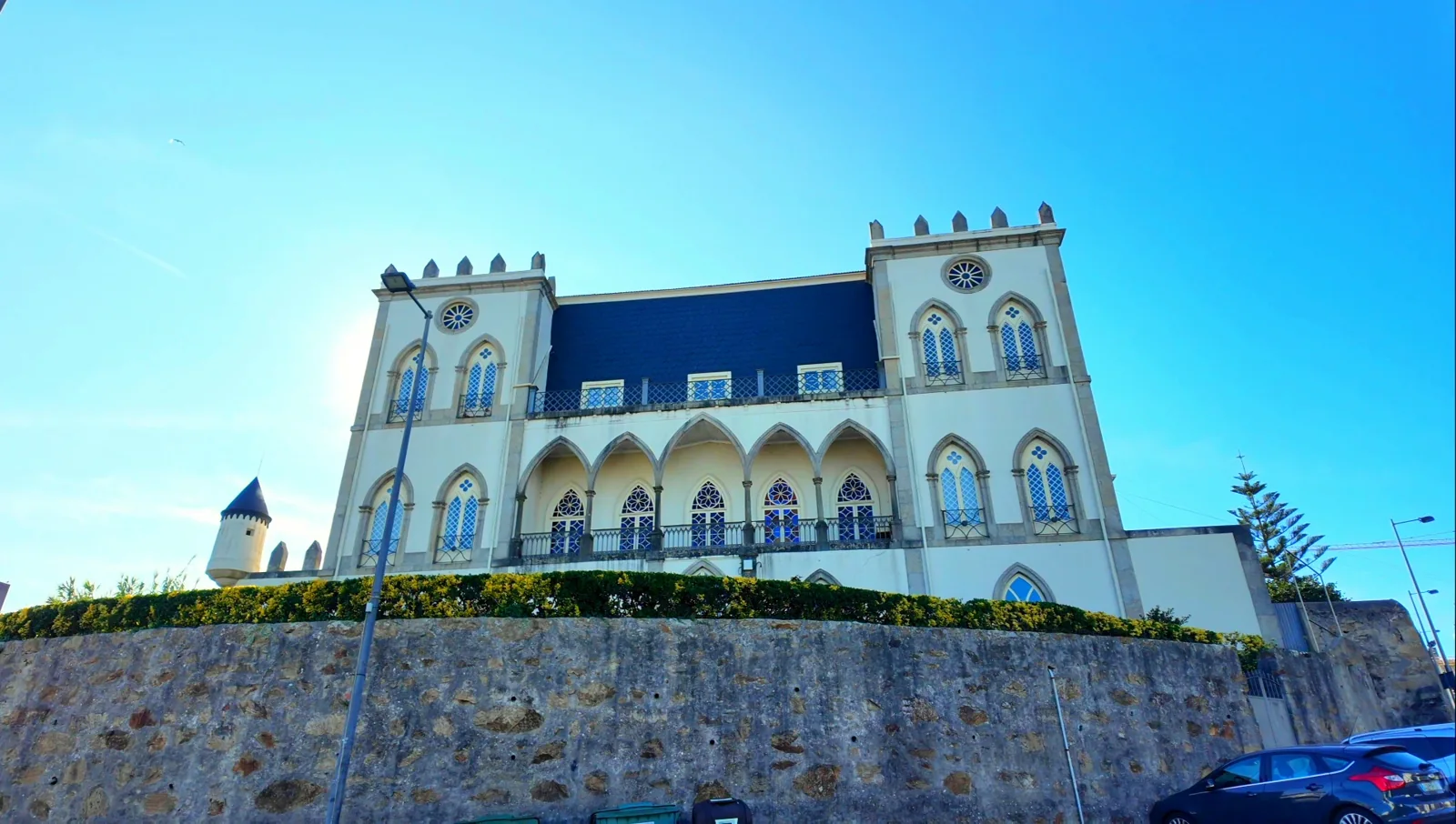
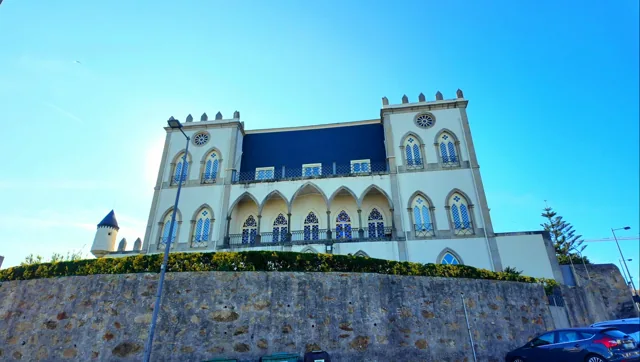
Palacete de São Paio
Also known as Casa de Santa Isabel, this mansion stands out for its towers and Gothic-inspired windows. Built in the 19th century, it appears in a work by Camilo Castelo Branco, a major Portuguese writer of the period. Its façade makes a photo stop on the walk between Afurada and São Paio.
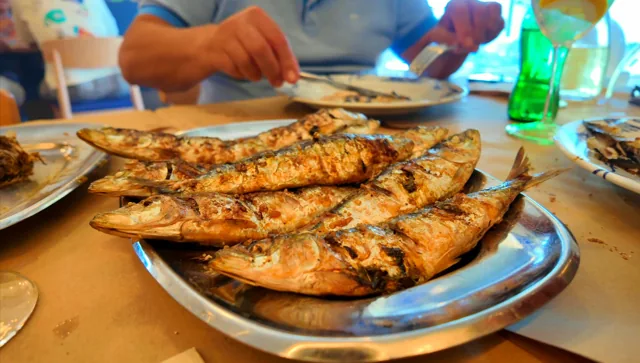
Where to eat: Vapor da Afurada
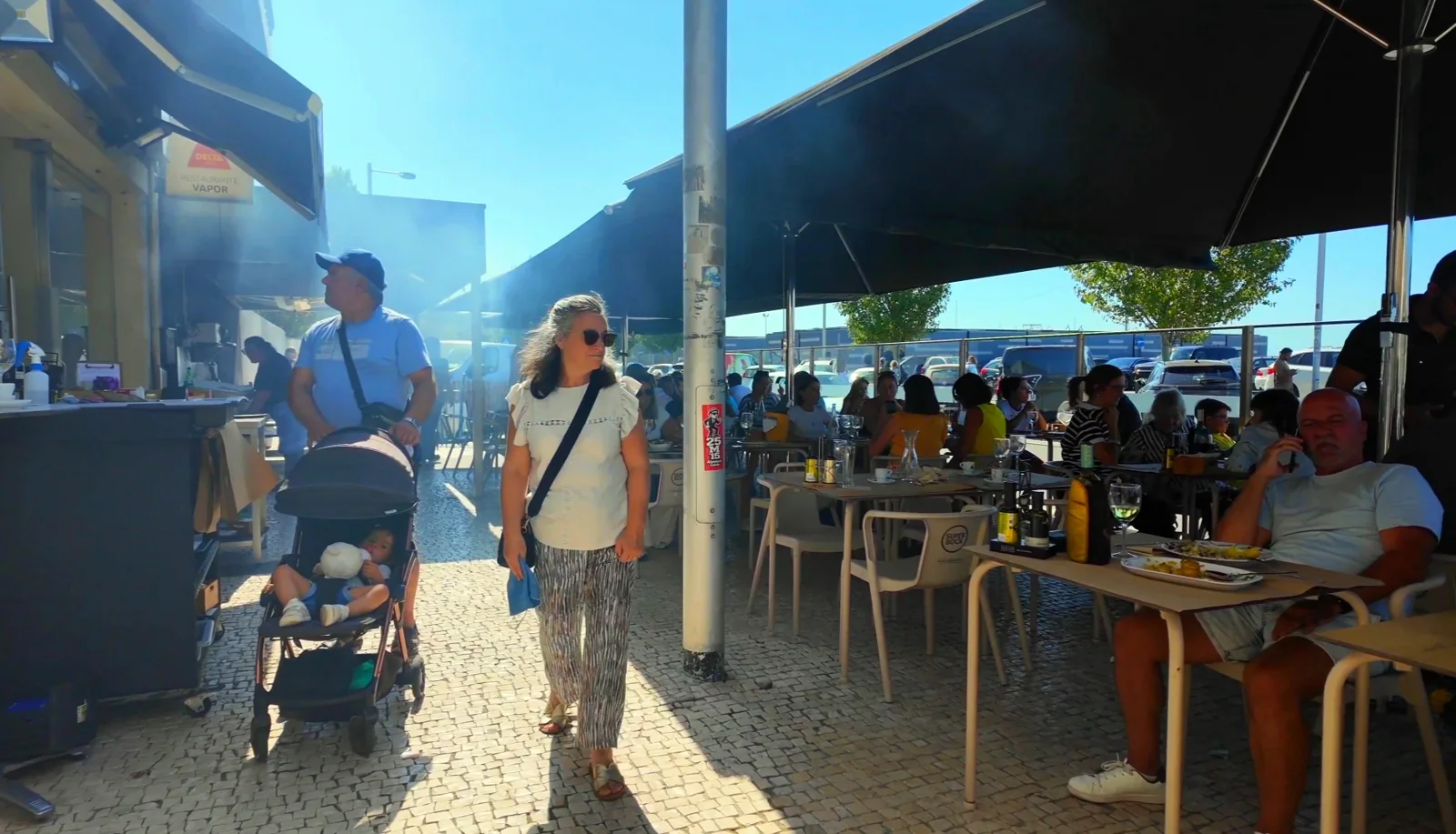
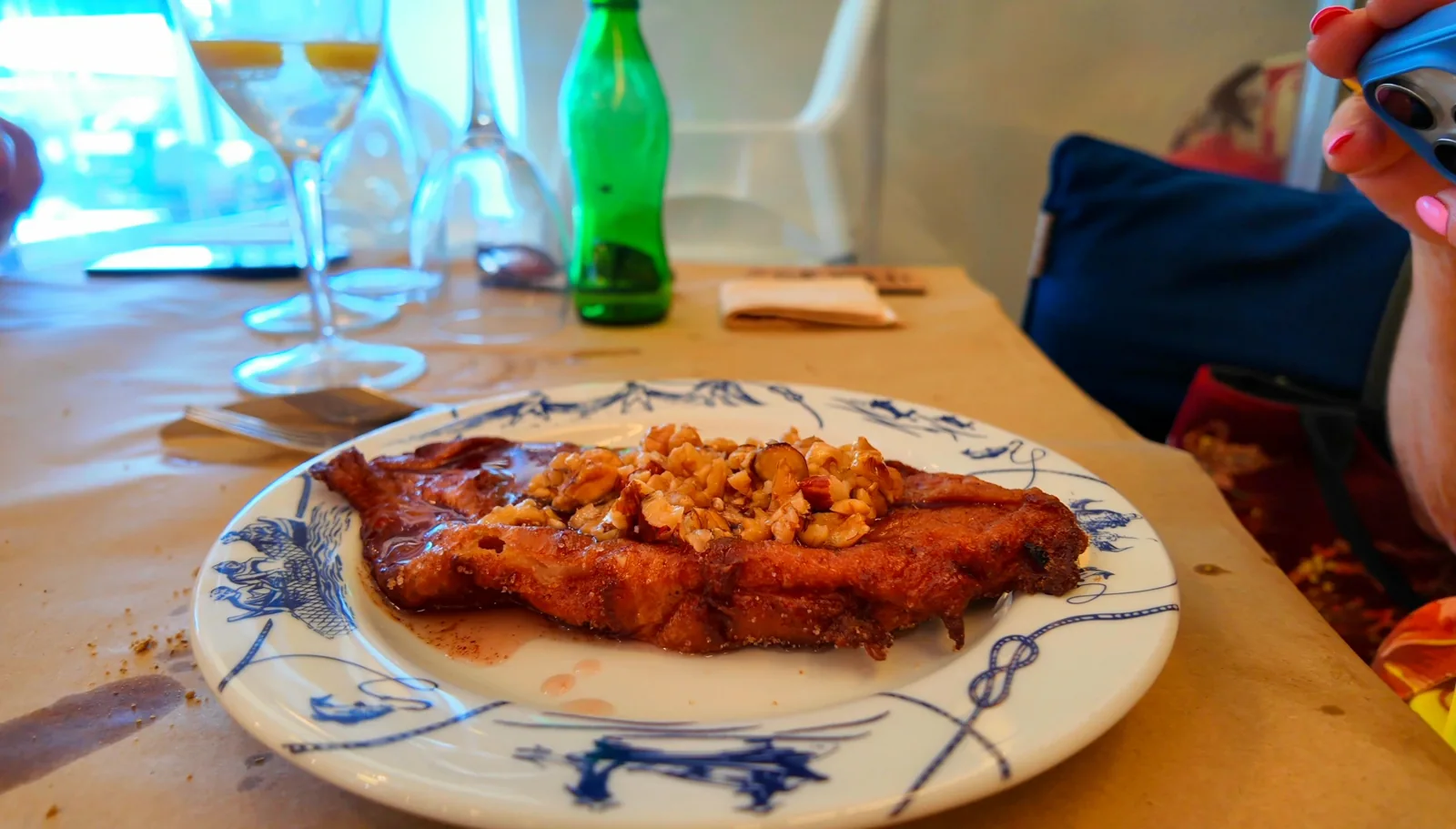
On Rua da Praia, beside the fishing area, this restaurant has an indoor dining room and outdoor seating. It is a suggestion for a meal during your Afurada walk, with grilled fish among the choices. Check the day’s menu and availability before visiting.
The Afurada Heritage Interpretation Centre, on Rua António dos Santos, brings together material about local work and community life. It gives useful context to the places you see on your walk.
When it opened in 1963, its 270-metre reinforced-concrete arch set a world record. The bridge also had four lifts connecting the riverbanks with the deck; they stopped operating in the 1990s.
Where the river meets the Atlantic
São Paio, the estuary reserve and Cabedelo
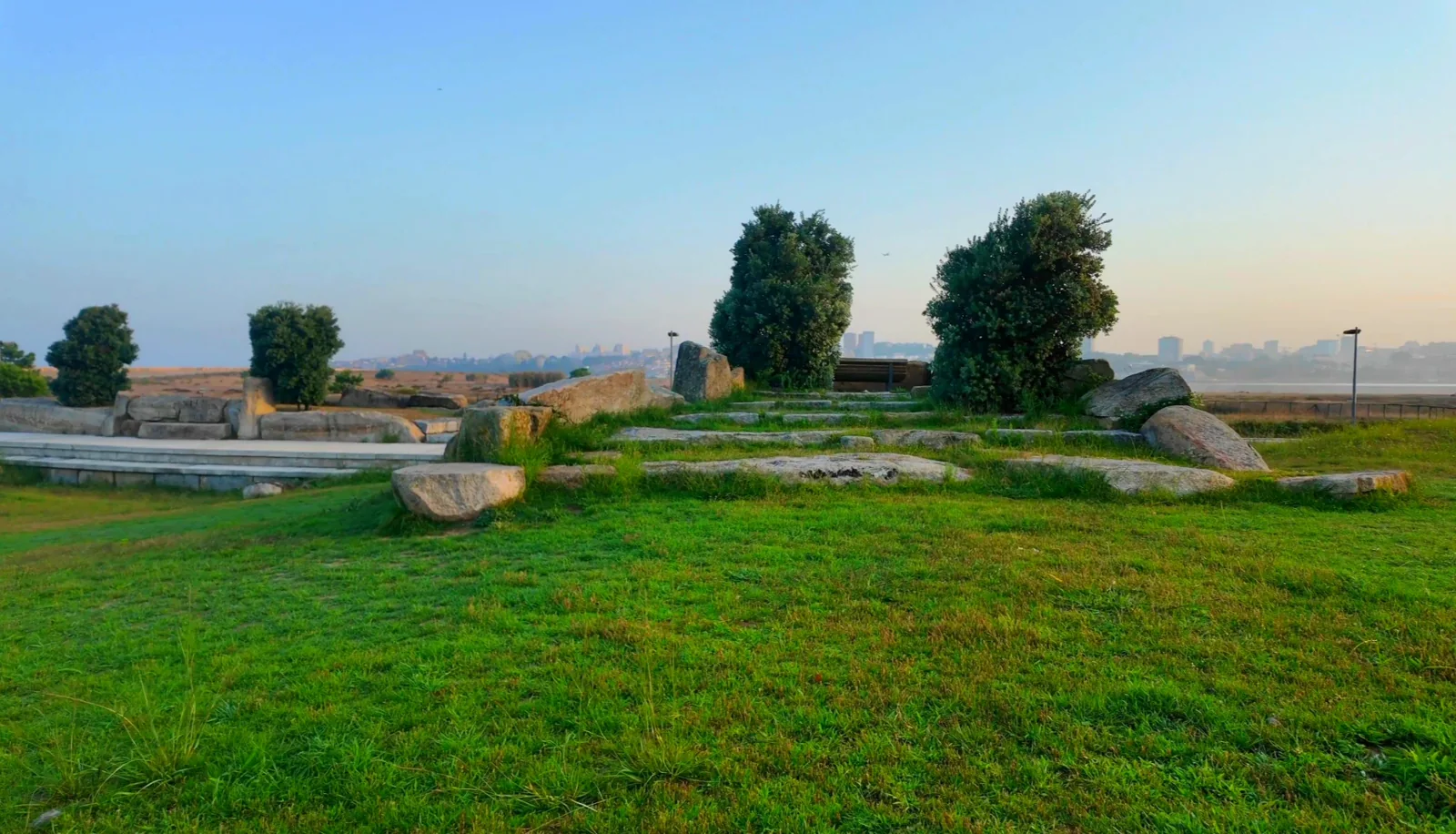
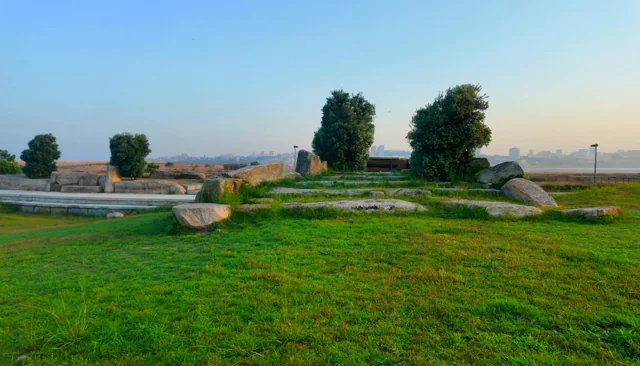
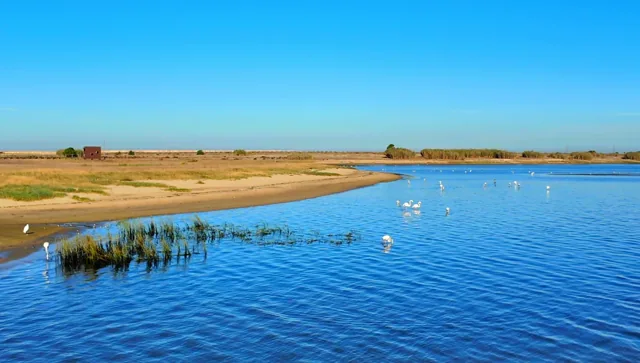
Beyond Afurada, continue along the river towards São Paio. The landscape opens out towards the estuary, sandbanks and coast. It is a rewarding extension for walking, cycling on designated routes or enjoying the scenery.
Vale de São Paio Park
A riverside leisure park designed by Sidónio Pardal, who also designed Porto’s City Park. It adjoins the nature reserve, but the two are separate spaces.
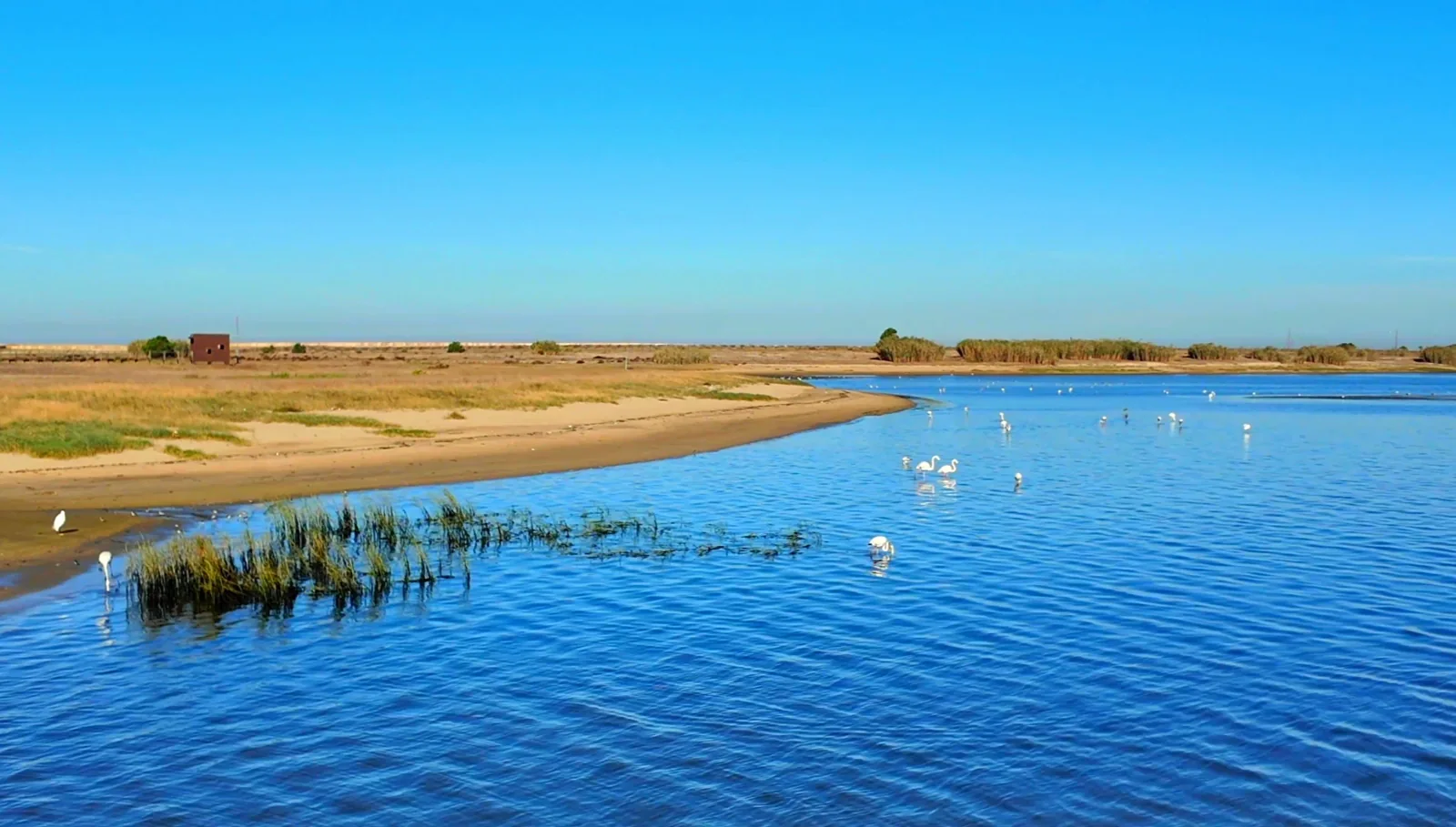
A resting, feeding and sheltering area for migrating birds. Use the observation points and marked access routes, respect restricted areas and avoid entering the dunes or approaching birds.
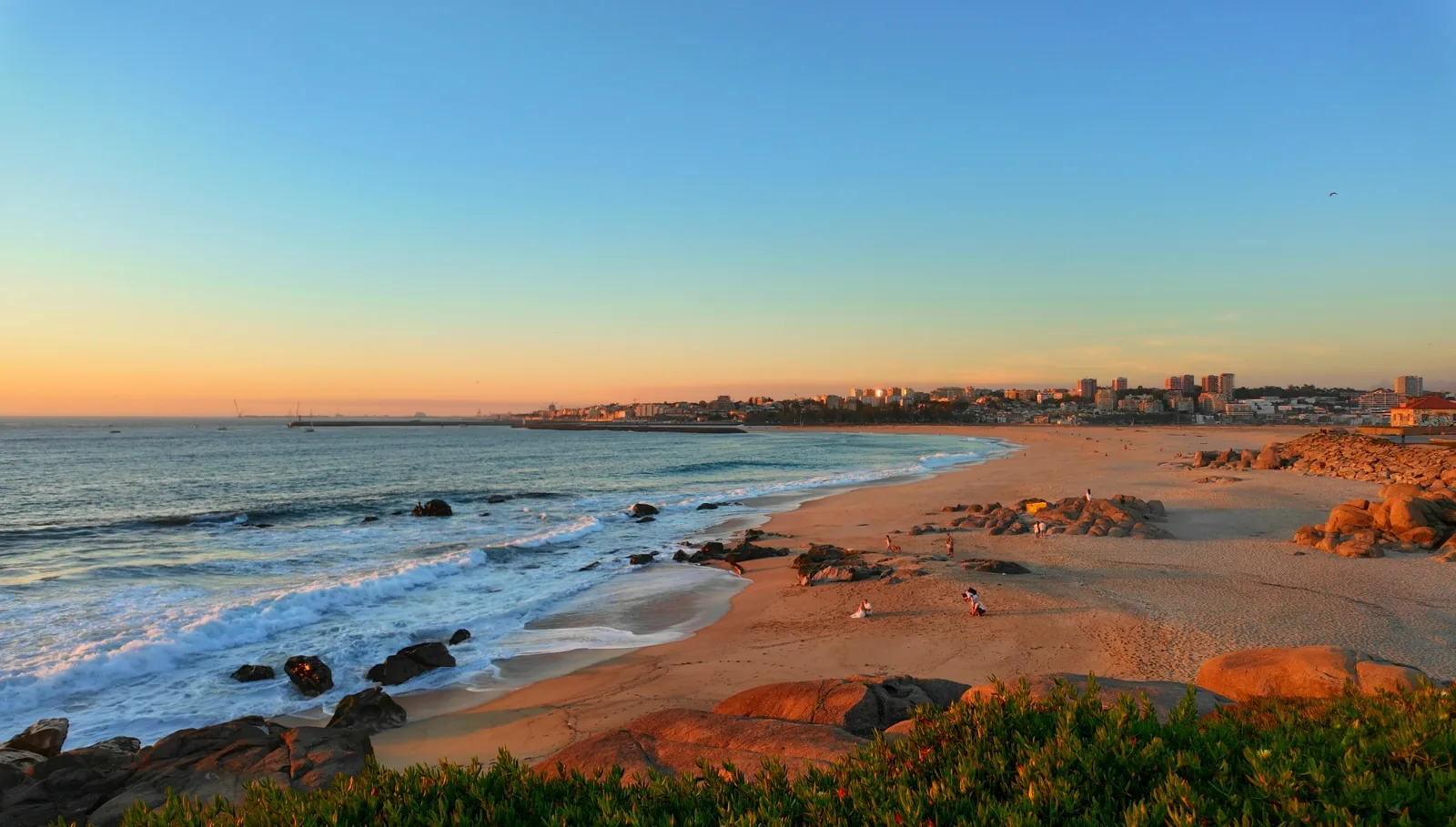
Coast beside Cabedelo with Porto’s Foz in the distance
More of Gaia by the sea
Lavadores, Miramar and Atlantic walks
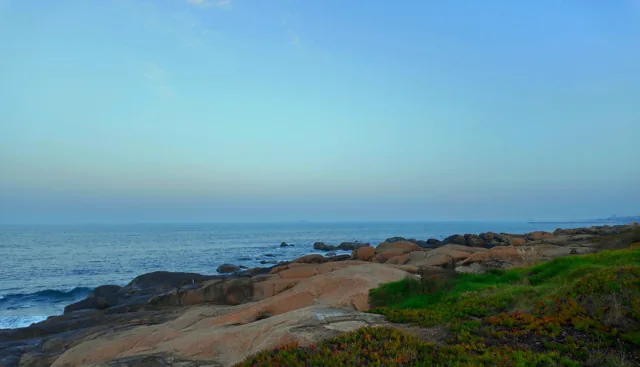
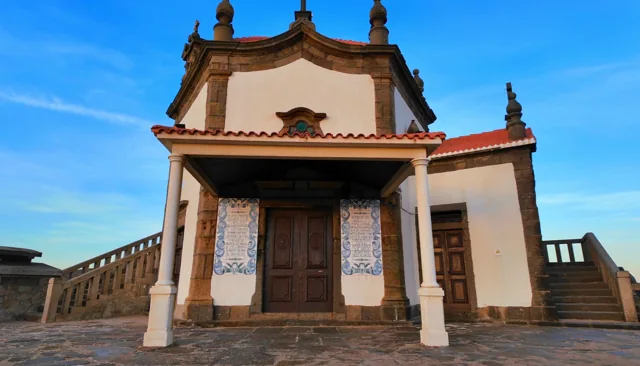
Make separate time for the coast. Lavadores extends the walk from the river mouth; further south, Miramar is known for Senhor da Pedra Chapel. Choose a stretch of beach and boardwalk according to how far you want to walk.
Rocks and beach at LavadoresSenhor da Pedra Chapel on the rocks in Miramar
The quayside, Afurada and Miramar are not all a short walk apart. Plan the coast as another stage of your visit.
The lower deck brings you to the quayside; the upper deck leads to Jardim do Morro. Use the pedestrian paths and watch for metro services on the upper deck.
By metro to upper Gaia
Line D stops at Jardim do Morro. It is a practical way to start with the viewpoints before walking down towards the river.
Plan separately for Afurada and the coast
To walk only one stretch or avoid returning on foot, check public transport routes and timetables or arrange a taxi or ride-hailing trip.
Half a day allows you to combine the quayside with a viewpoint and a few stops. For a Port lodge, WOW and a meal, set aside a day and choose your visits. Afurada, the estuary and the beaches deserve additional time.
Will I enjoy Gaia if I do not drink wine?
Yes. Walk along the quayside, visit viewpoints, find street art, choose a museum or head to Afurada and the river mouth. If you want to visit a lodge without a tasting, check the conditions directly with the producer.
Is the walk suitable if I struggle with hills?
There is a substantial change in elevation between the quayside and upper Gaia. The metro reaches Jardim do Morro and the cable car links the two levels during operating hours. Expect steep streets, cobbles and steps; check access at the individual places you want to visit.
Can I combine Afurada and the viewpoints in one day?
Yes, but allow for the long riverside walk and the climb to the viewpoints. Using transport for part of the journey or splitting the visit across two days leaves more time to stop.
What if it rains?
A Port lodge or a WOW museum can fill part of the day. Check tickets and opening arrangements; the estuary walks and viewpoints depend on the weather and visibility.
Keep exploring both riverbanks
Sources and visitor information
Historical details and visitor information are based on the sources below. Confirm opening times, tickets and access with each organisation.