How long to stay
Spend your first day in the historic centre and beside the Douro. With two days, include Bolhão and choose the coast or another neighbourhood. A third day gives you time for Serralves, museums or more of Gaia.
Choose your itinerary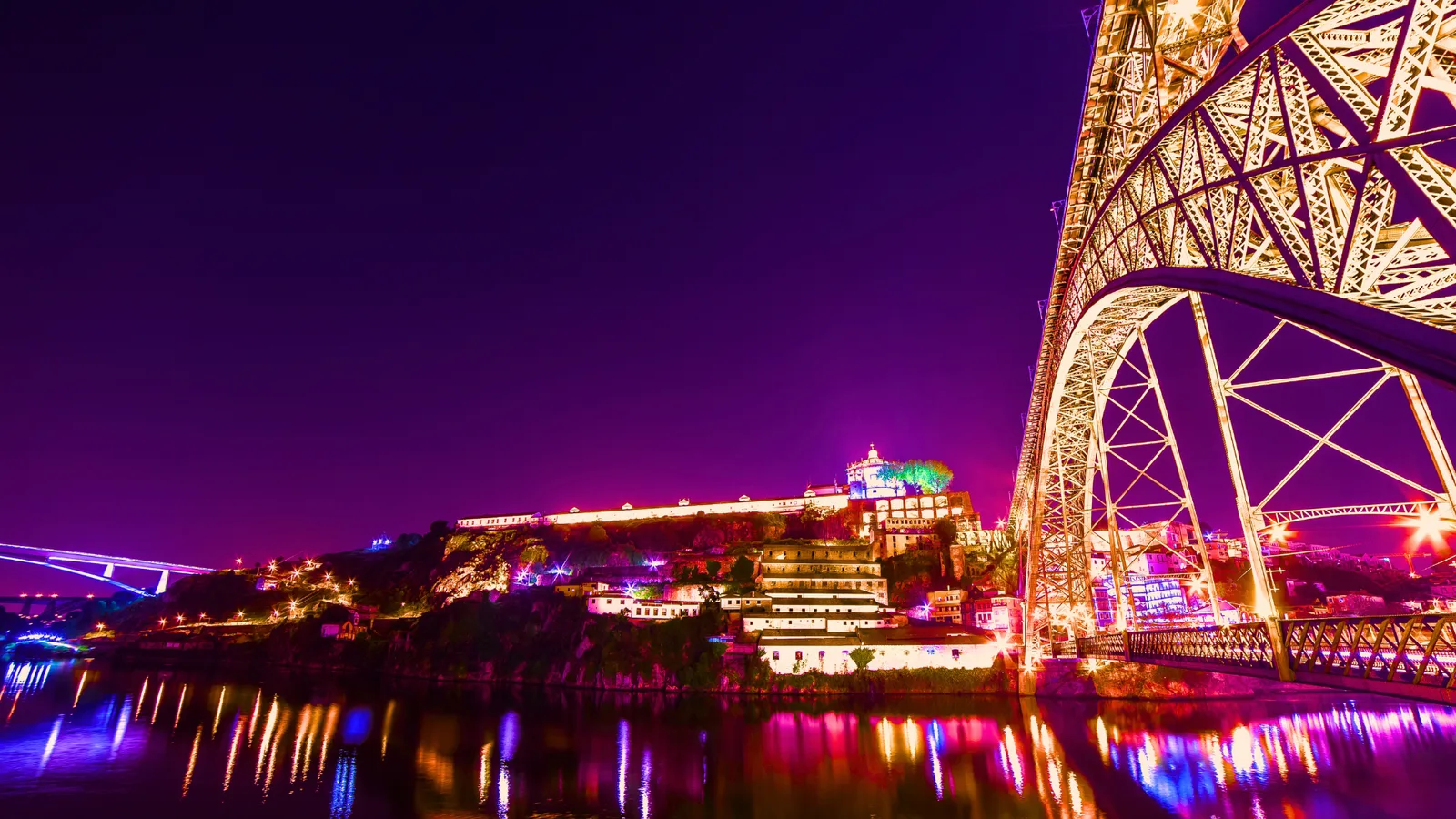
Porto travel guide
Plan a visit to Porto and Gaia: when to go, where to stay, how to get around and which itineraries fit your trip.
Start here
Spend your first day in the historic centre and beside the Douro. With two days, include Bolhão and choose the coast or another neighbourhood. A third day gives you time for Serralves, museums or more of Gaia.
Choose your itineraryCompare the city centre, Ribeira, the Gaia waterfront, Boavista and Foz. Check the hills and access to public transport before booking.
Compare where to stayStart with the airport guide and choose the option that suits your arrival time, luggage and accommodation.
See airport connectionsPorto is compact, walkable and full of character, but it is not a flat or predictable city. Streets rise and fall, weather can change quickly, and some of the best moments happen when you slow down instead of trying to see everything at once. This guide is designed to help you make simple decisions before your trip: when to visit, how to move around, where to stay and how many days you need.
Choose your starting point
Choose the type of visit you are planning. The cards highlight the most useful guides, and you can open any guide directly.
For a first visit, choose an itinerary to suit your available time, look through the main attractions and decide where to stay. Add transport, restaurants and viewpoints afterwards.
Video stories
Watch Porto and Gaia through filmed walks, historic streets, Douro views and Atlantic scenery.
The videos offer a useful preview of places to include in your itinerary.
Before you go
Much of the historic centre is best explored on foot, but expect steep streets, steps and stone paving. Comfortable footwear makes a difference.
You do not need to schedule every minute. Just choose where to stay, how much time you have and whether you prefer the main sights or a slower exploration.

When to visit
Porto is a year-round destination. Spring and autumn often bring comfortable walking weather. Summer has long days and busy streets, while winter brings shorter days, more rain and generally fewer visitors.

Generally mild days and flowering gardens, although rain is still possible.
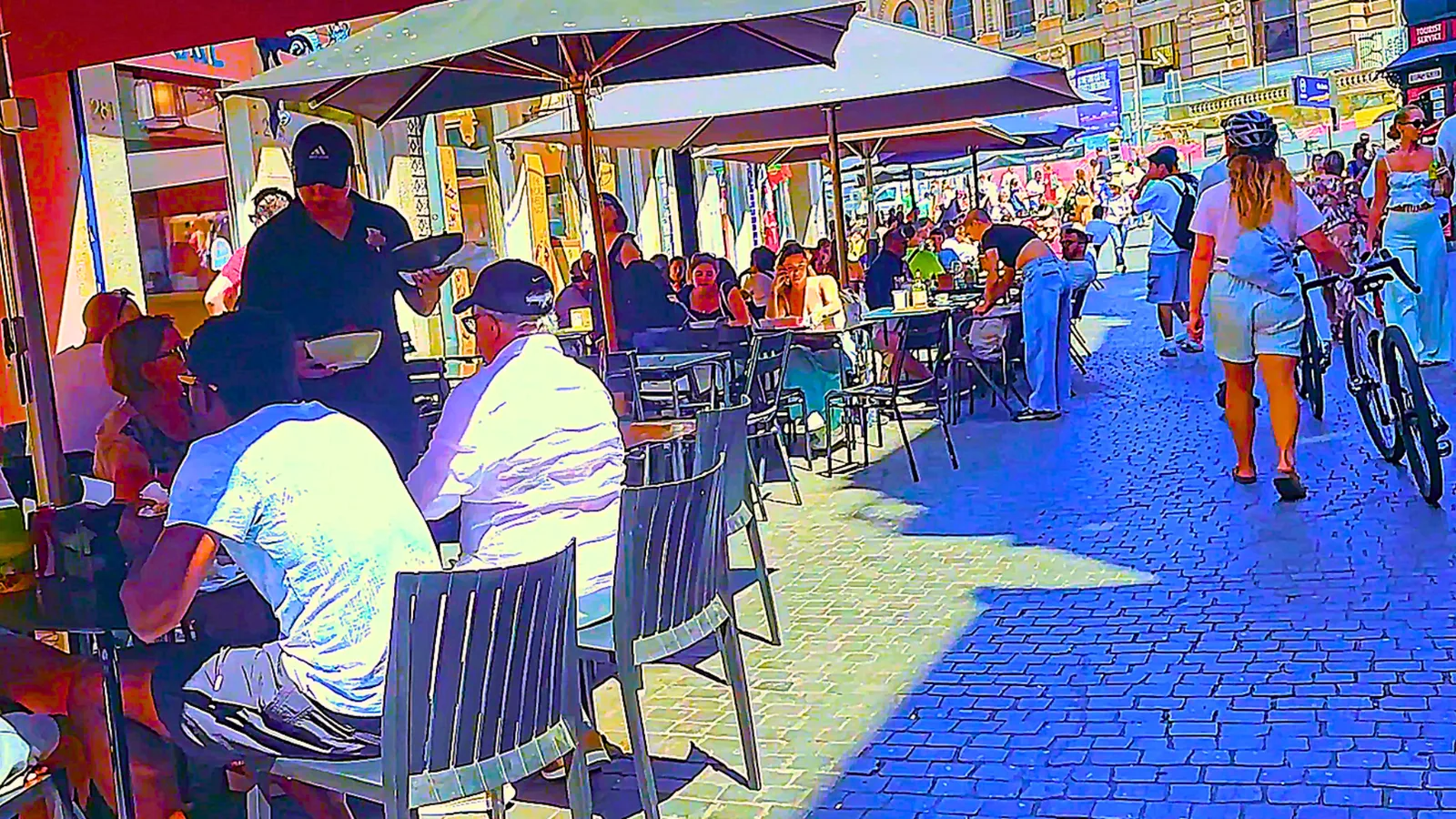
Long days, busy terraces and more visitors around the river and major sights.
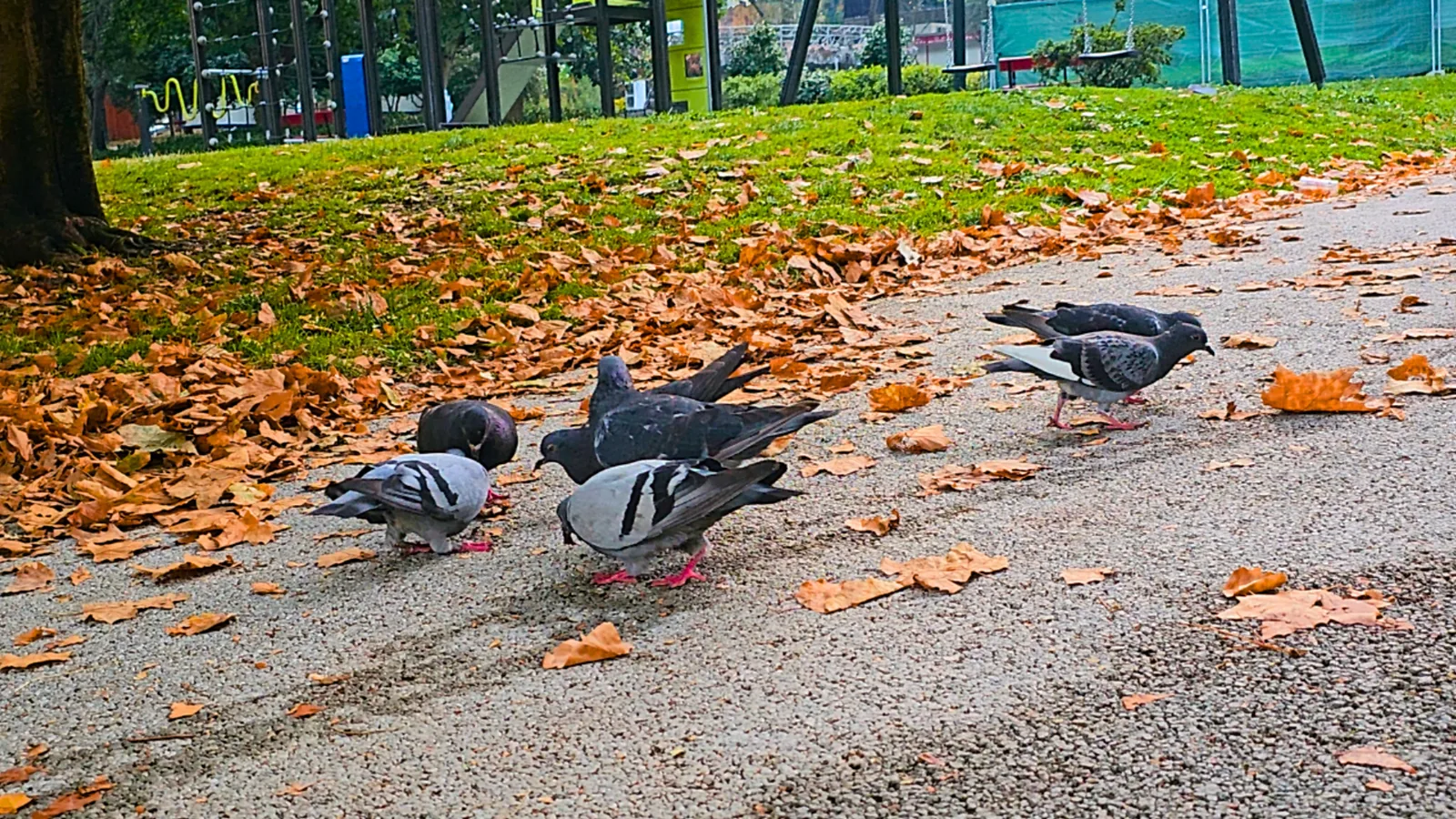
Often a pleasant season for city walks, especially early in autumn. Pack for possible rain.
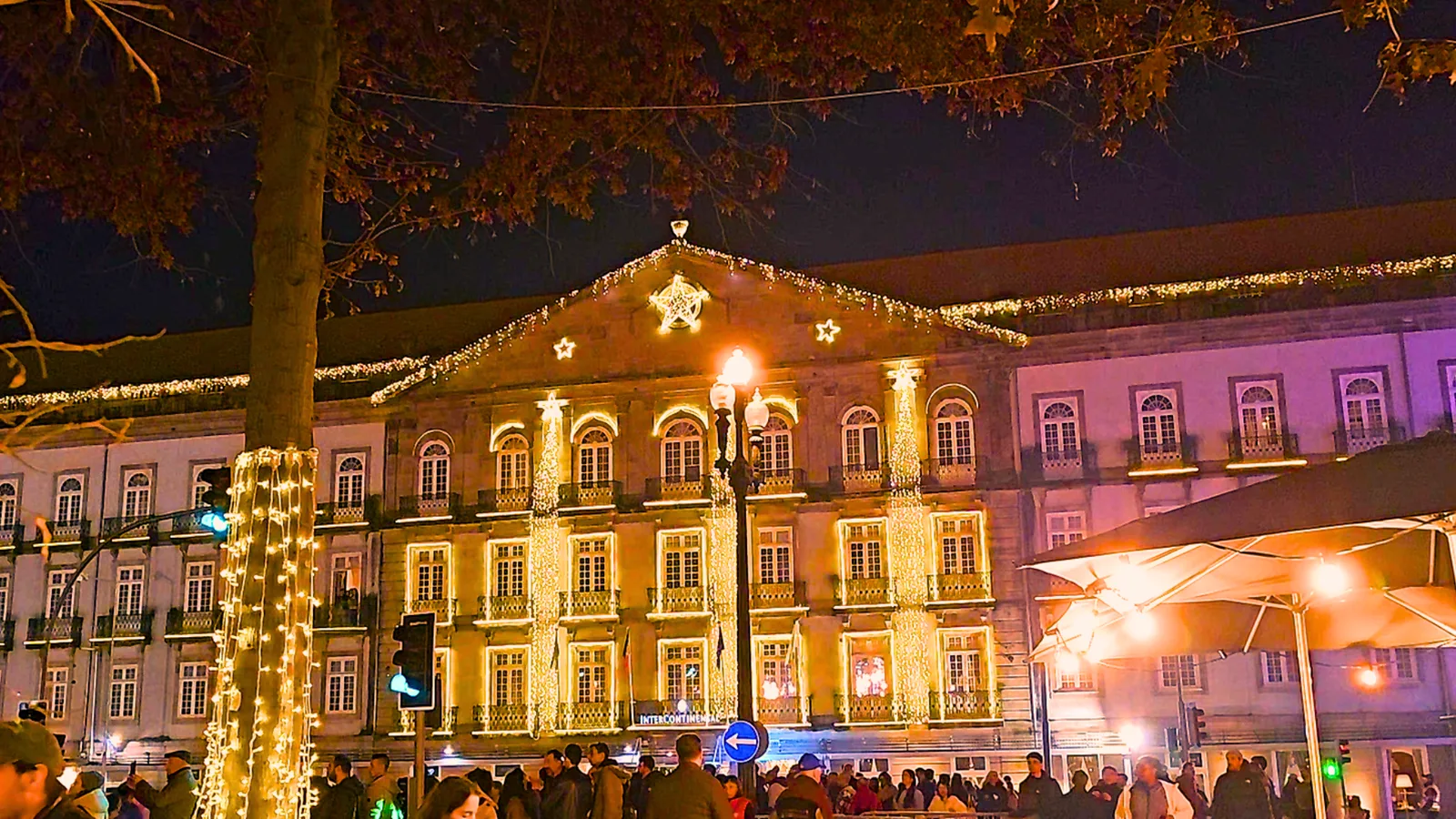
Expect rain, wind and cooler temperatures. Museums and historic cafés make good indoor options, with Christmas lights in December.
For one of the city’s biggest celebrations, visit during São João, on the night of 23 to 24 June. Expect large crowds in the streets.
Arrival
Porto can be reached by plane, train, coach or car. From there, metro, bus, taxi and ride-hailing services can help you reach your accommodation.

Metro line E connects Francisco Sá Carneiro Airport with Trindade, where you can change to other services. Taxis and ride-hailing services are alternatives. Check the timetable for your travel date.
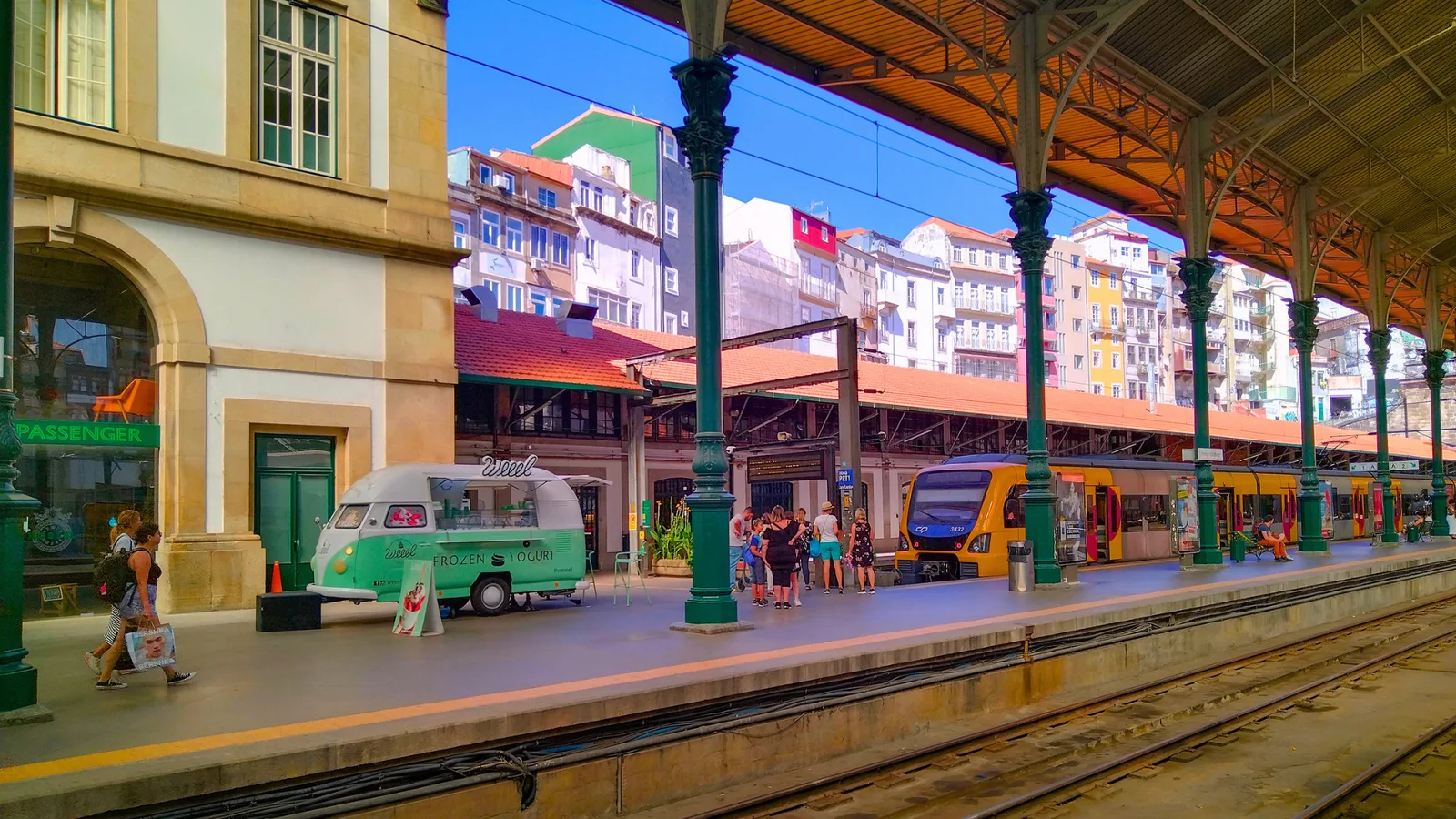
Campanhã is the main station for long-distance trains. São Bento is in the historic centre and mainly serves urban and regional connections. Check which station is printed on your ticket.

A car can be helpful for exploring northern Portugal, but is rarely needed to visit central Porto. Check parking options and access restrictions before driving into the centre.
Official information: Porto Airport · CP Portuguese Railways
Getting around
The historic centre is compact, but steep streets can make short journeys surprisingly tiring. Walk between nearby sights and use public transport for longer distances.
Check the elevation of walking routes, particularly between Ribeira, the Cathedral, Clérigos and the upper parts of Gaia.
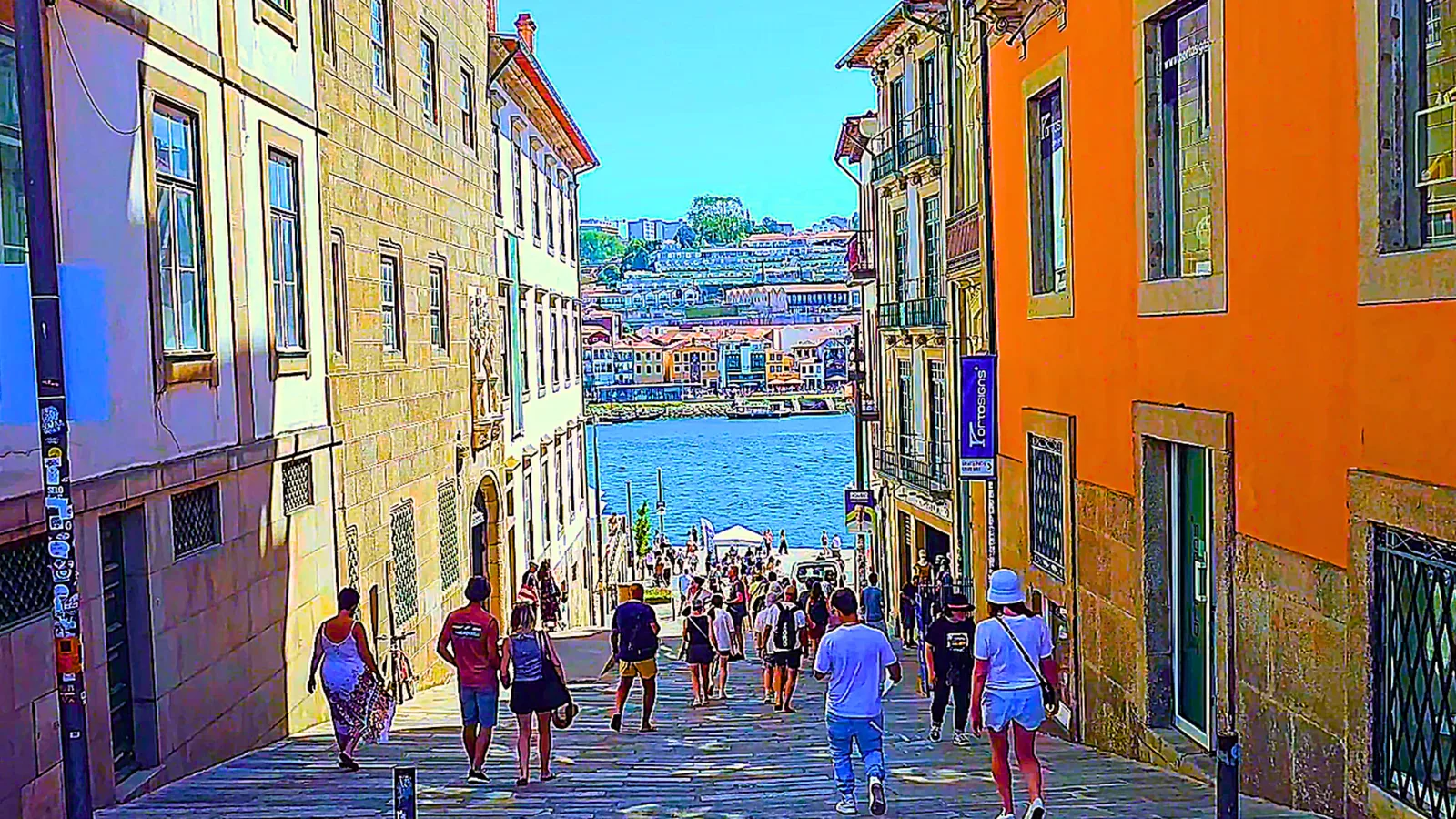
Walking is ideal around Ribeira, the Cathedral, São Bento and Rua das Flores, provided you allow for hills and uneven paving.

The metro is useful for the airport, Campanhã, Casa da Música and Matosinhos, as well as connections across the metropolitan area.

A taxi or ride-hailing service can help when you have luggage, are tired or face a steep climb. Check the fare and pickup location beforehand.
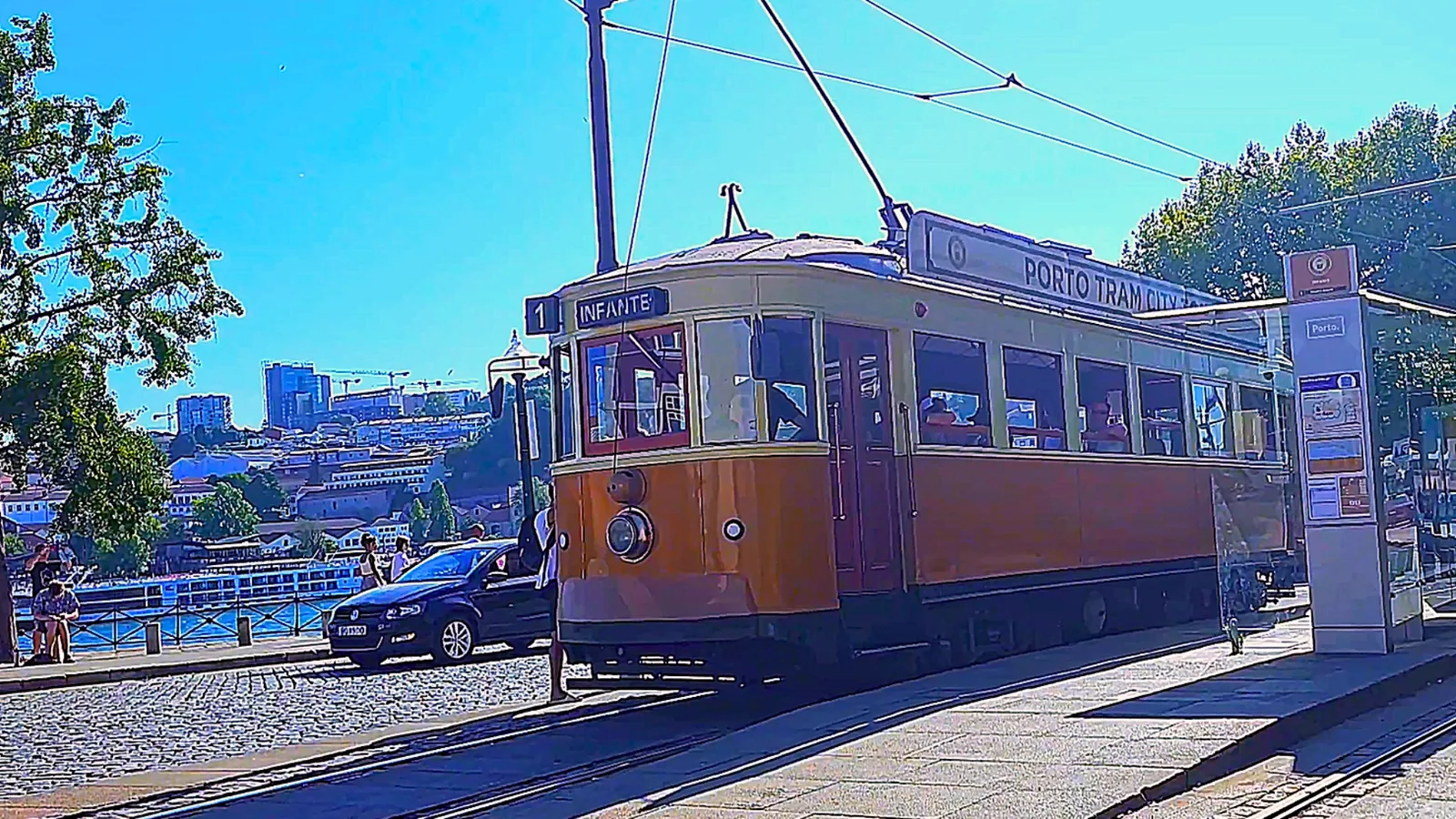
Porto’s historic trams are an experience in themselves, but do not replace the metro or buses. Check routes and timetables before adding one to your day.
Official information: Metro do Porto · STCP
Where to stay
Your choice of accommodation affects the entire trip. The centre makes sightseeing on foot easier; Ribeira and the Gaia waterfront offer river views; Boavista has good connections; and Foz suits those who prefer to stay near the Atlantic.
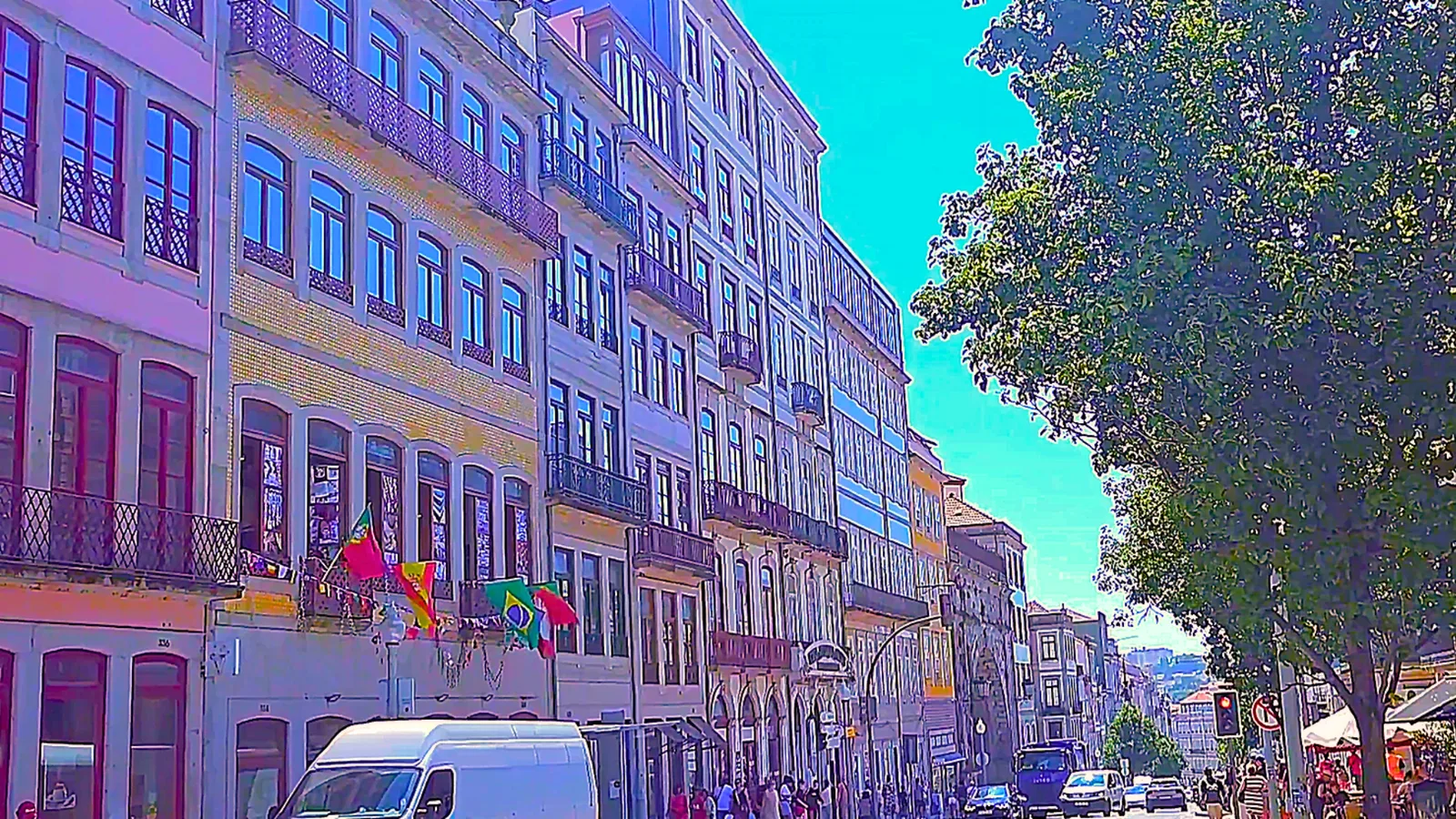
Choose the centre if you want to walk to major landmarks. Check the hills, nightlife noise and access to your accommodation before booking.
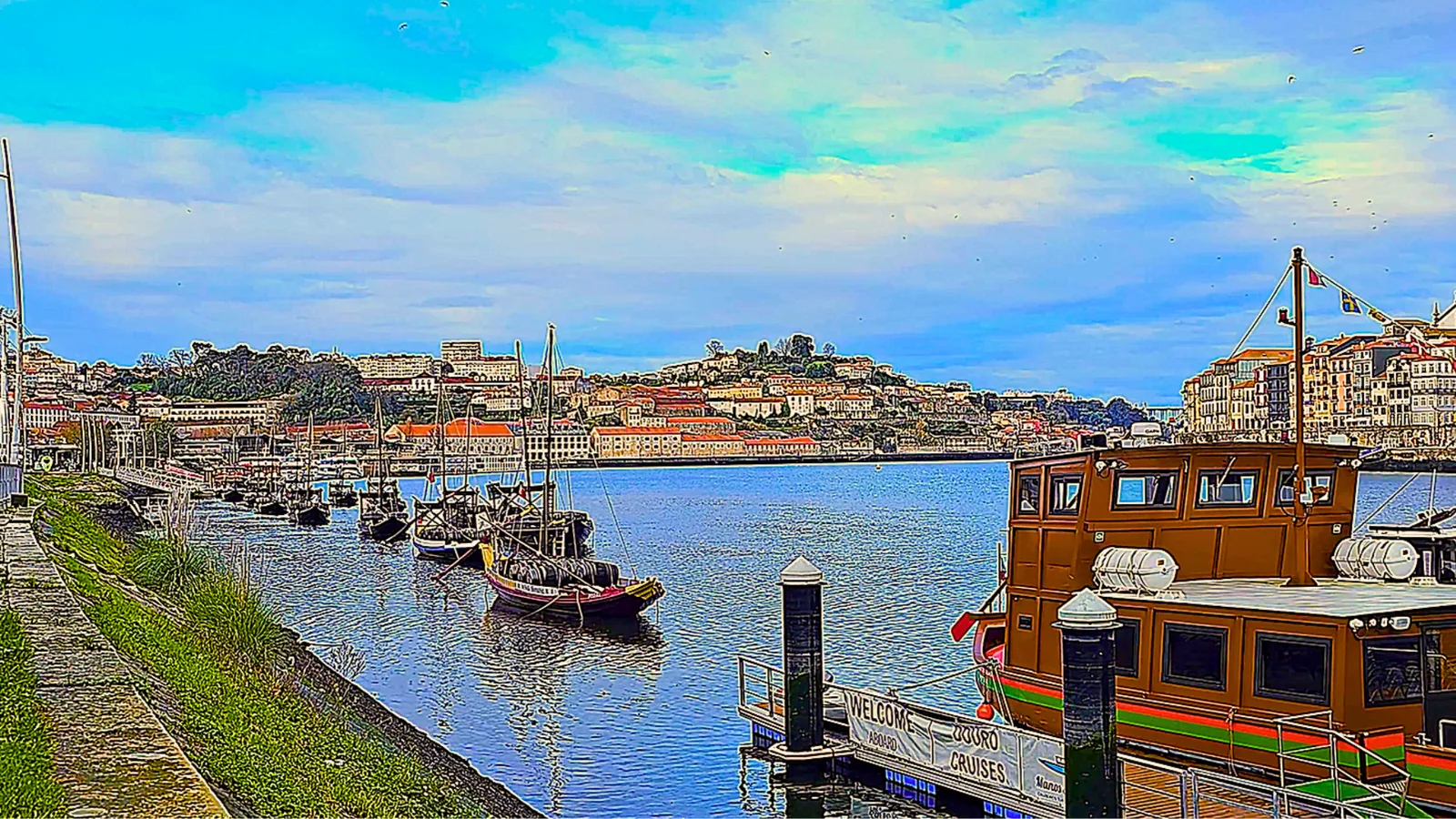
Stay here for riverfront walks and Douro views. Some streets are steep, and the busiest areas can be crowded.

Boavista has hotels, restaurants and connections to different areas of Porto. Check walking distance to the nearest metro station.
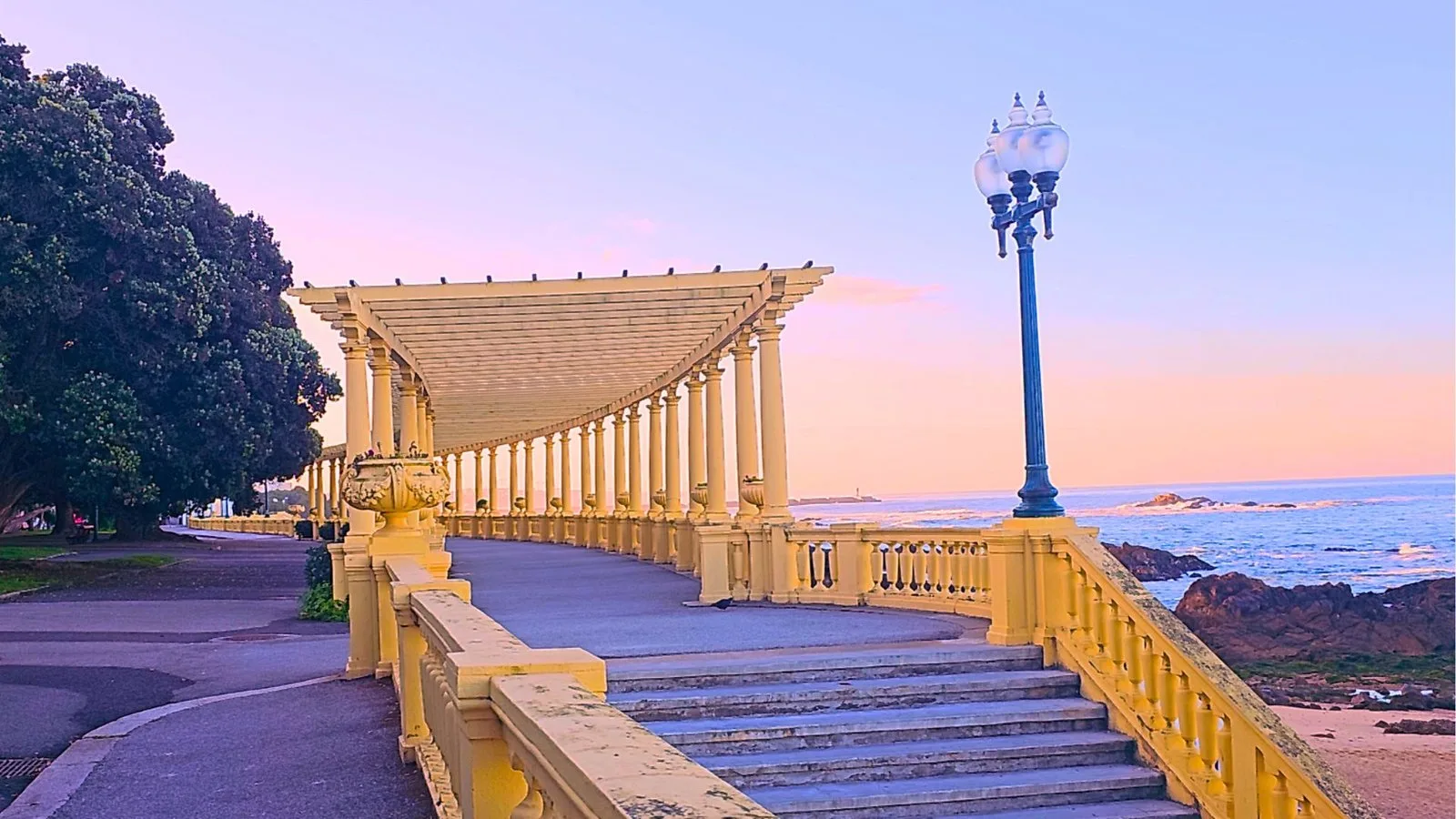
Foz is a good choice for seafront walks and a residential atmosphere, but it is further from the main central landmarks, so plan your transport.
Porto at a glance
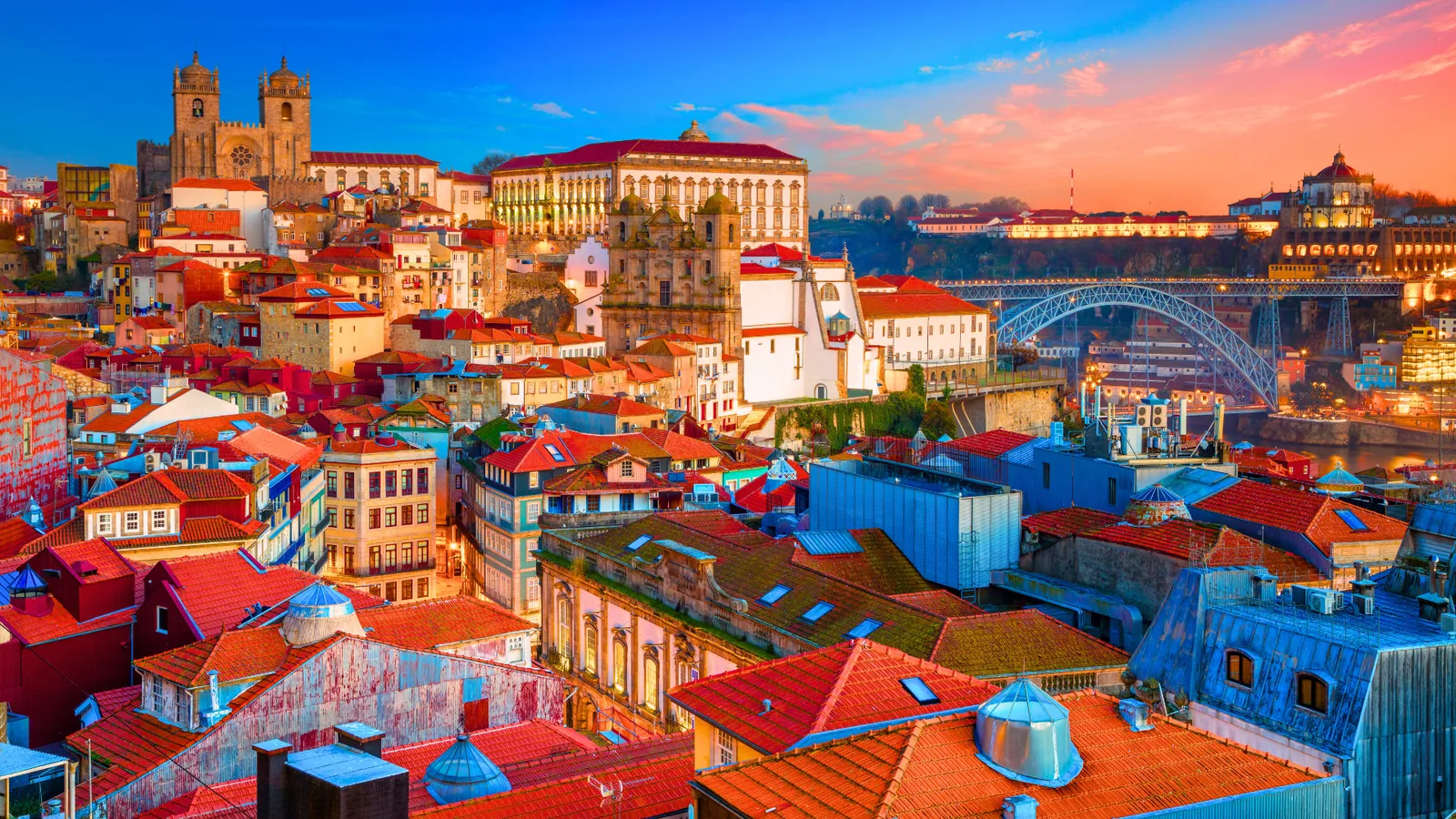
A selection of images from Porto and Gaia: stations, historic streets, tiled churches and Douro scenery.
 Historic tram
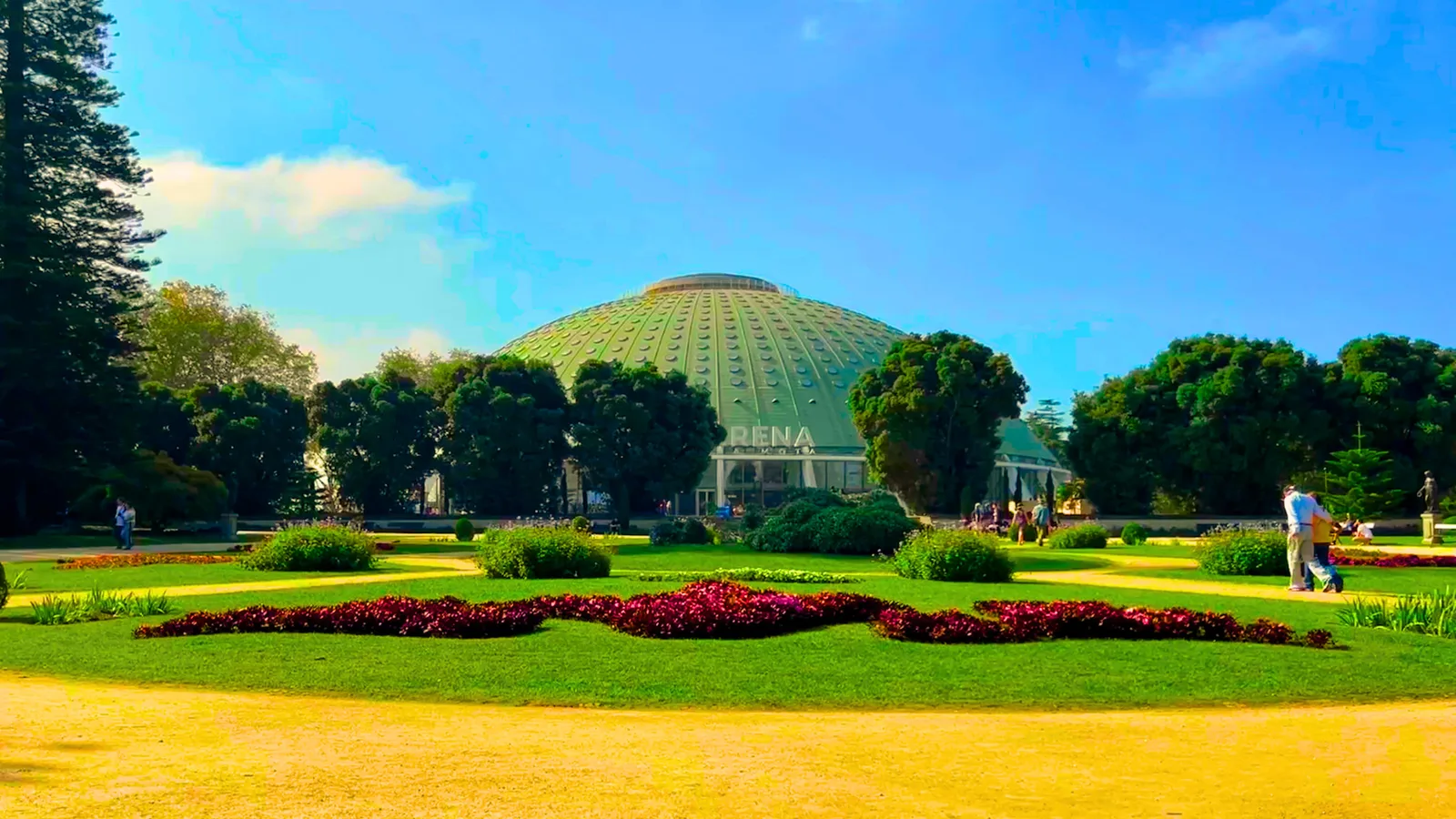 City gardens
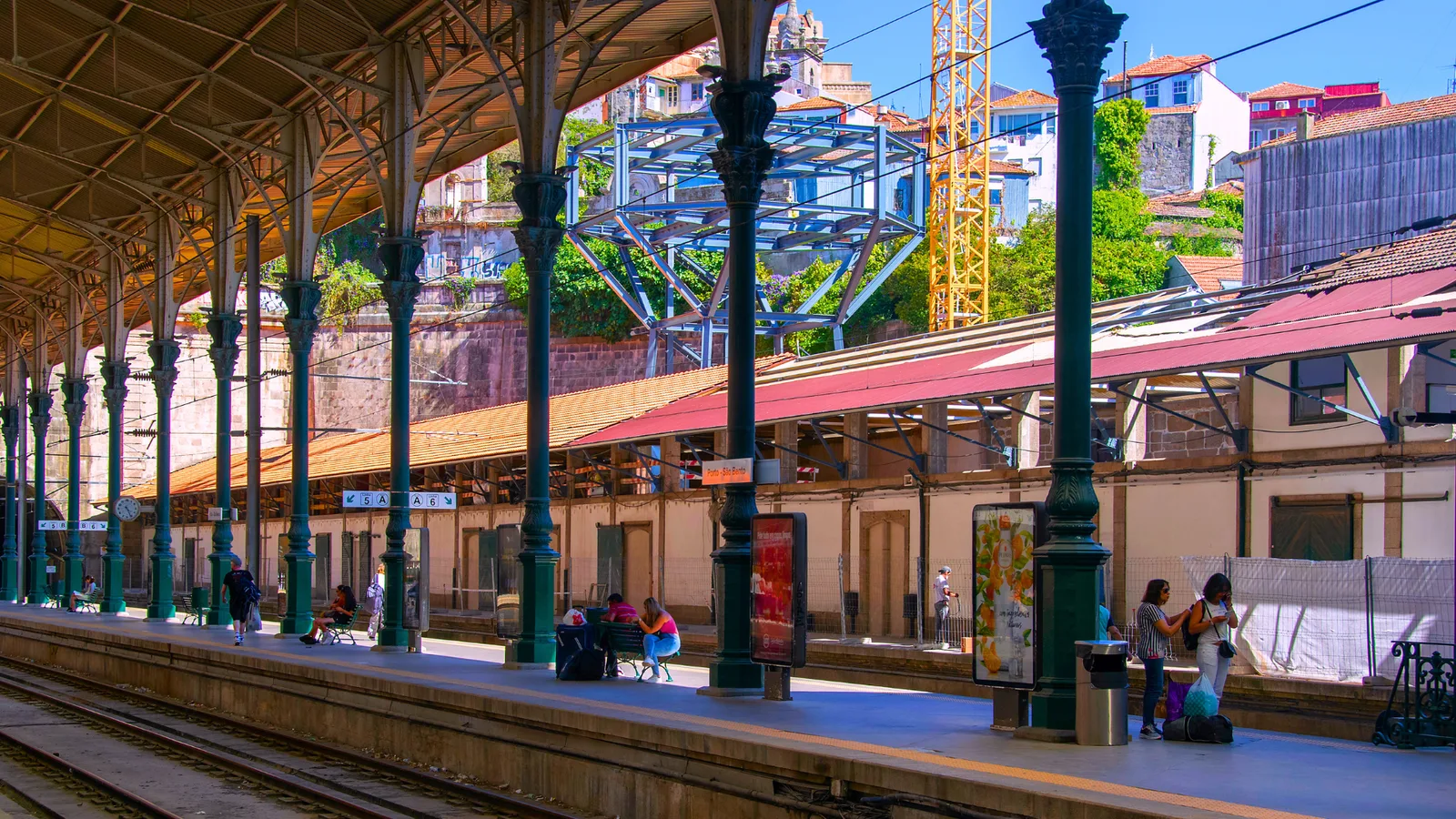 São Bento
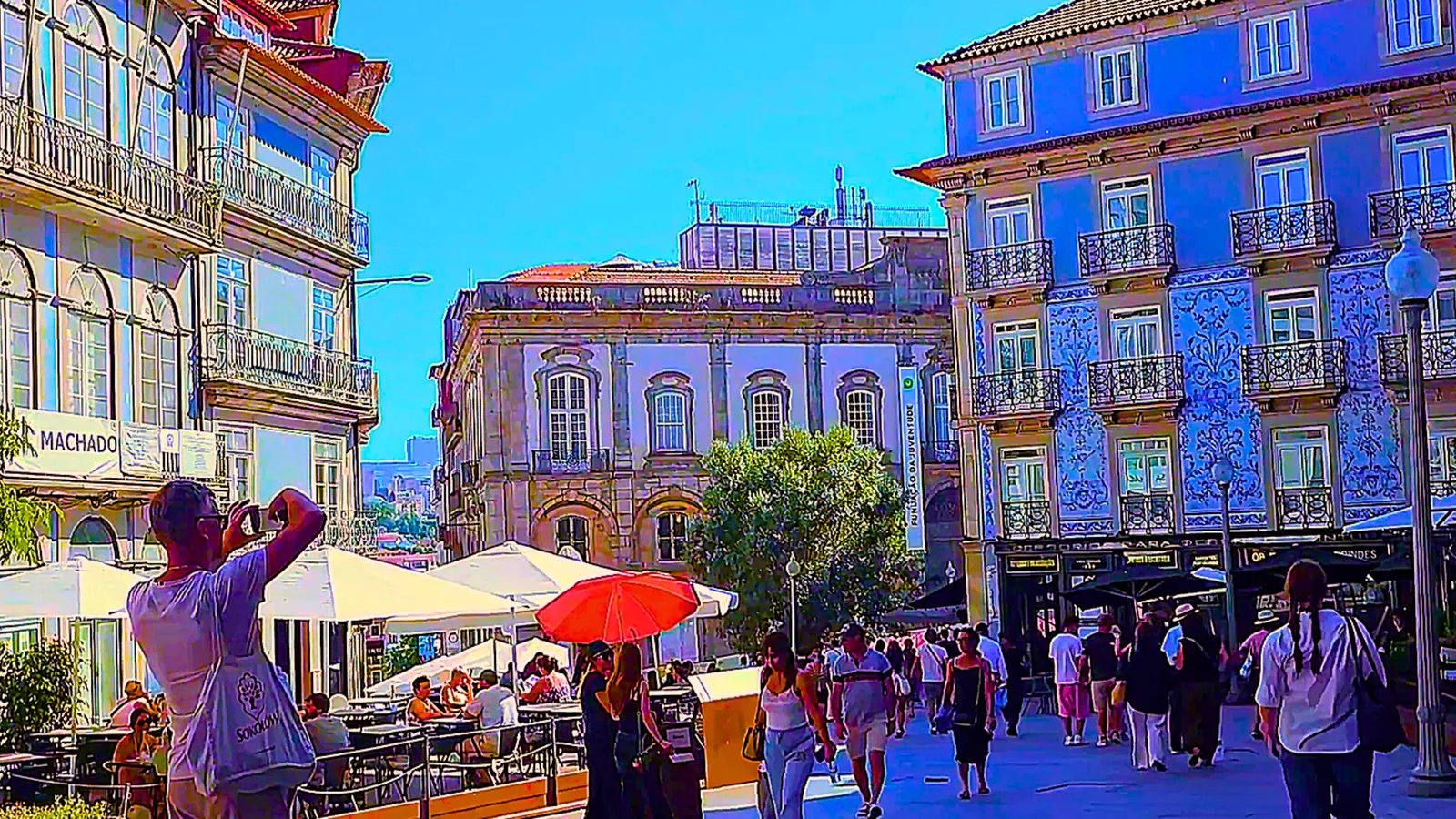 Historic squares
 Old façades
 Douro views
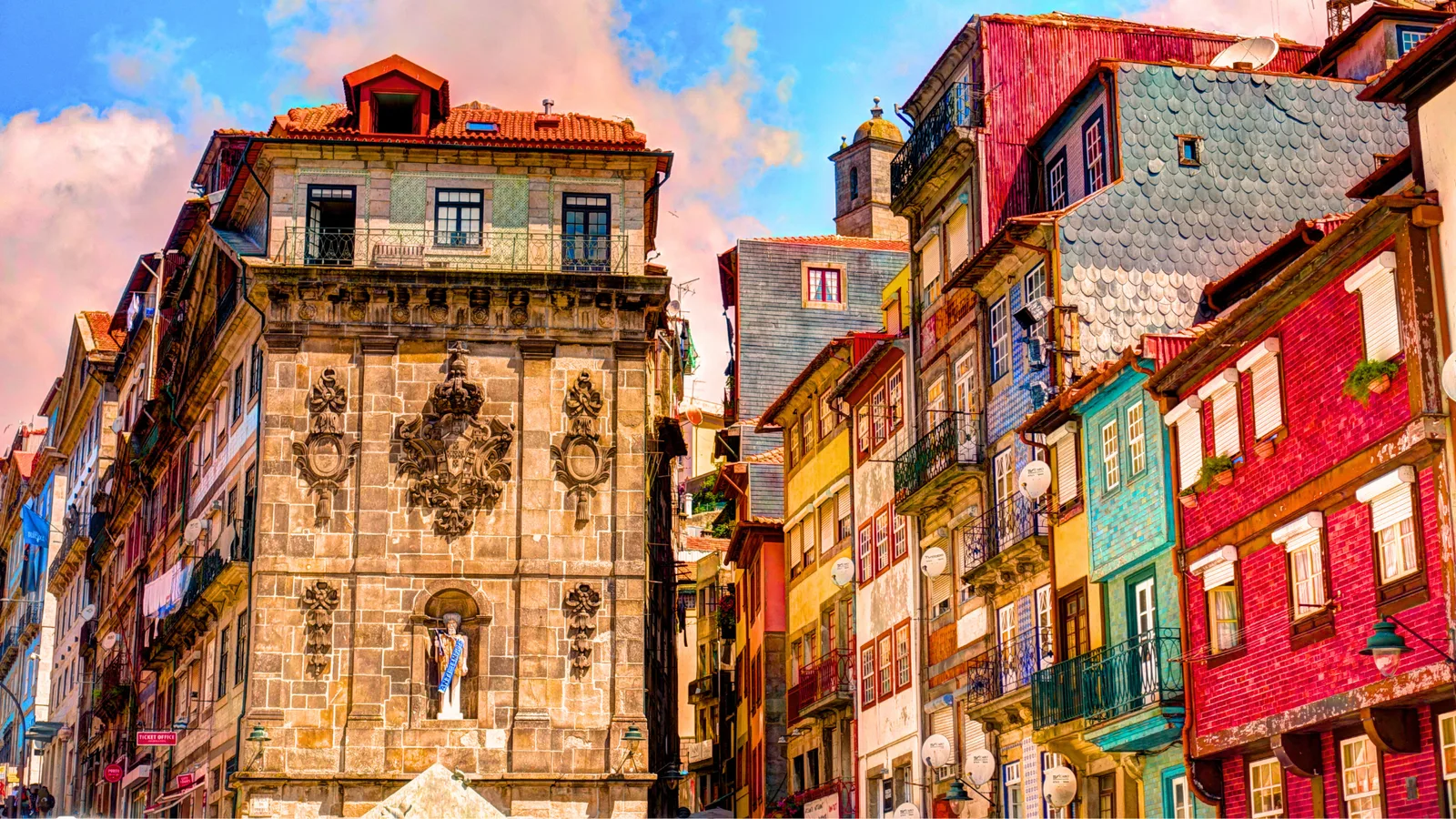 Ribeira corners
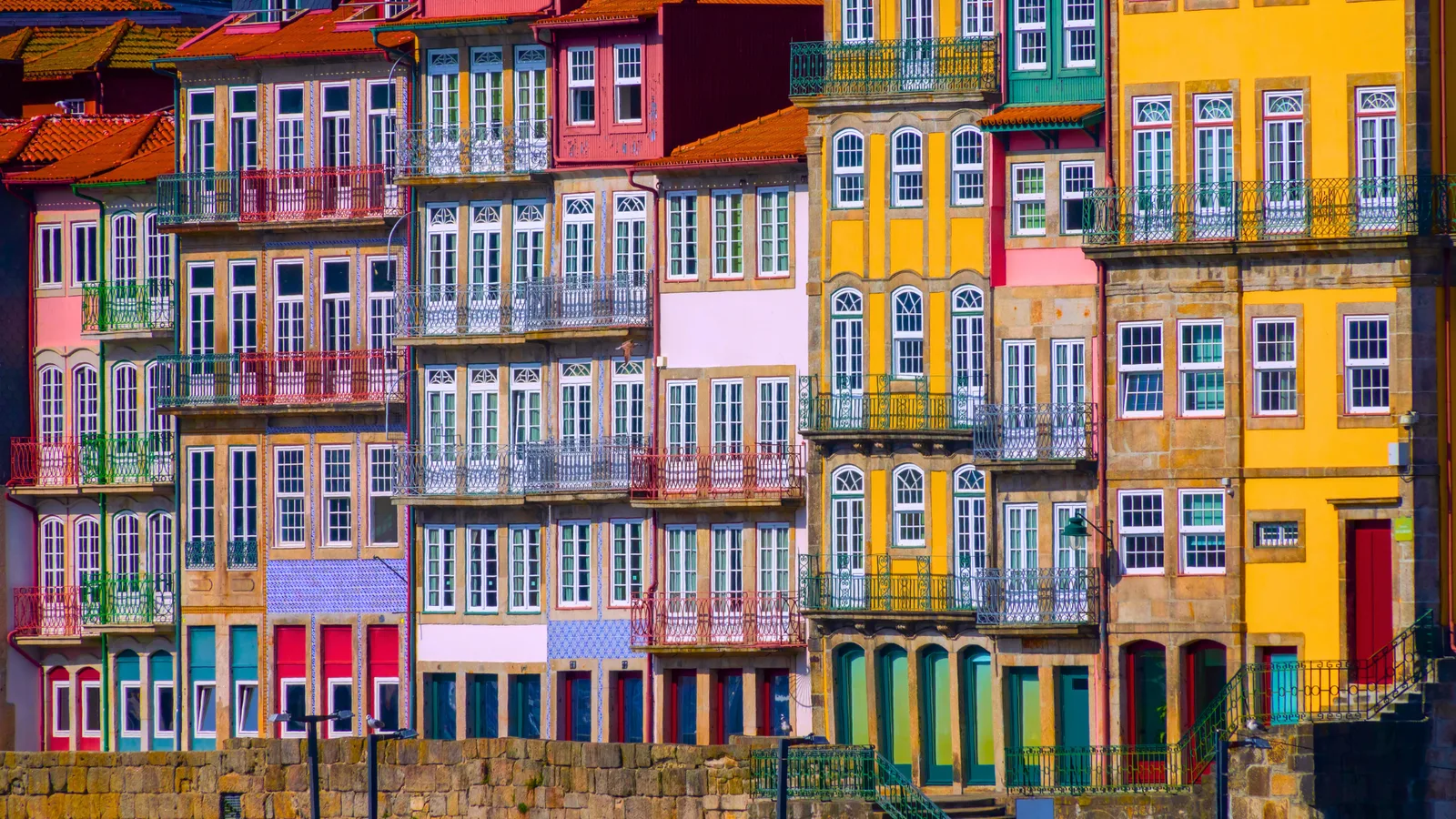 Colour details
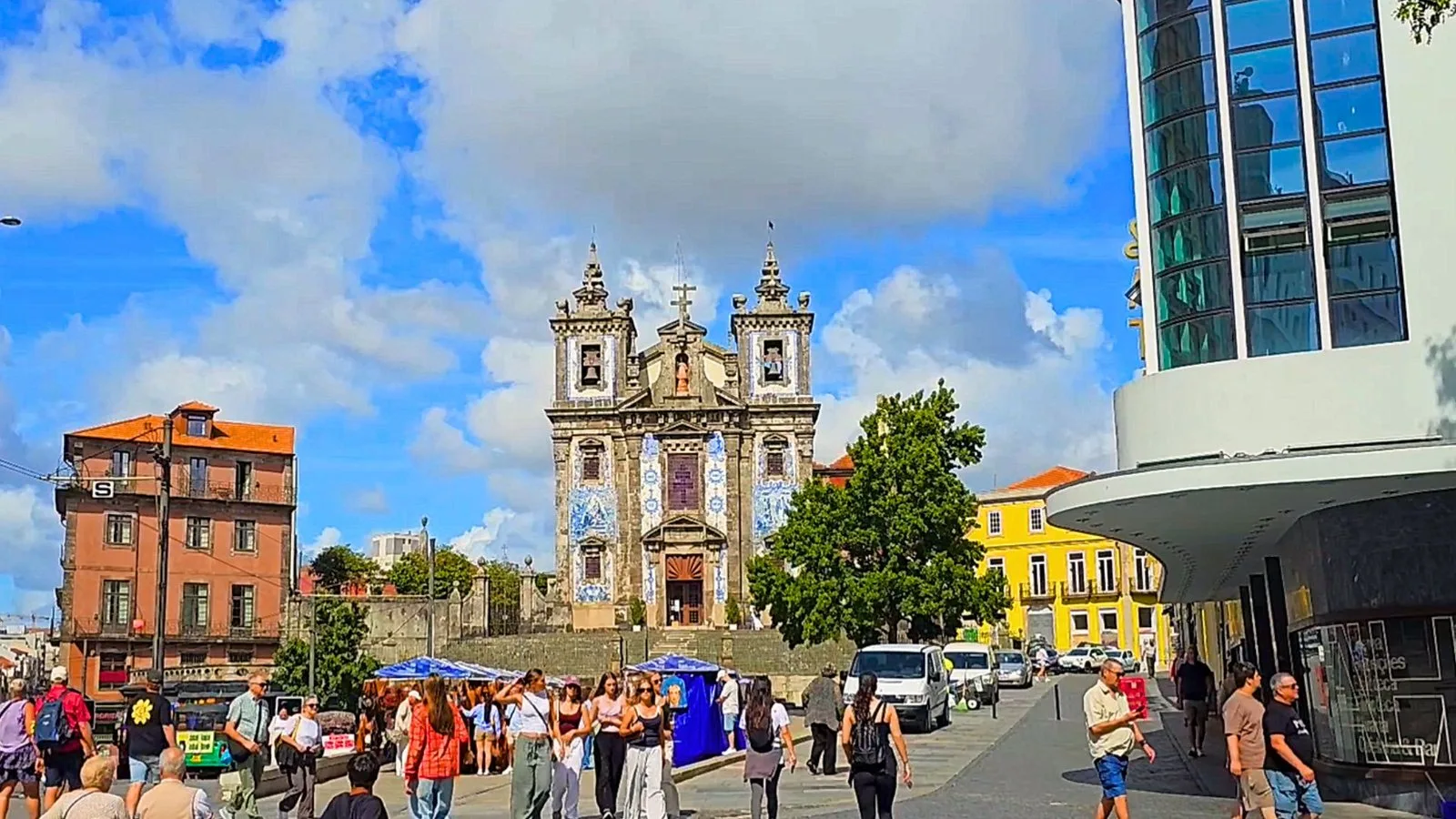 Tile churches
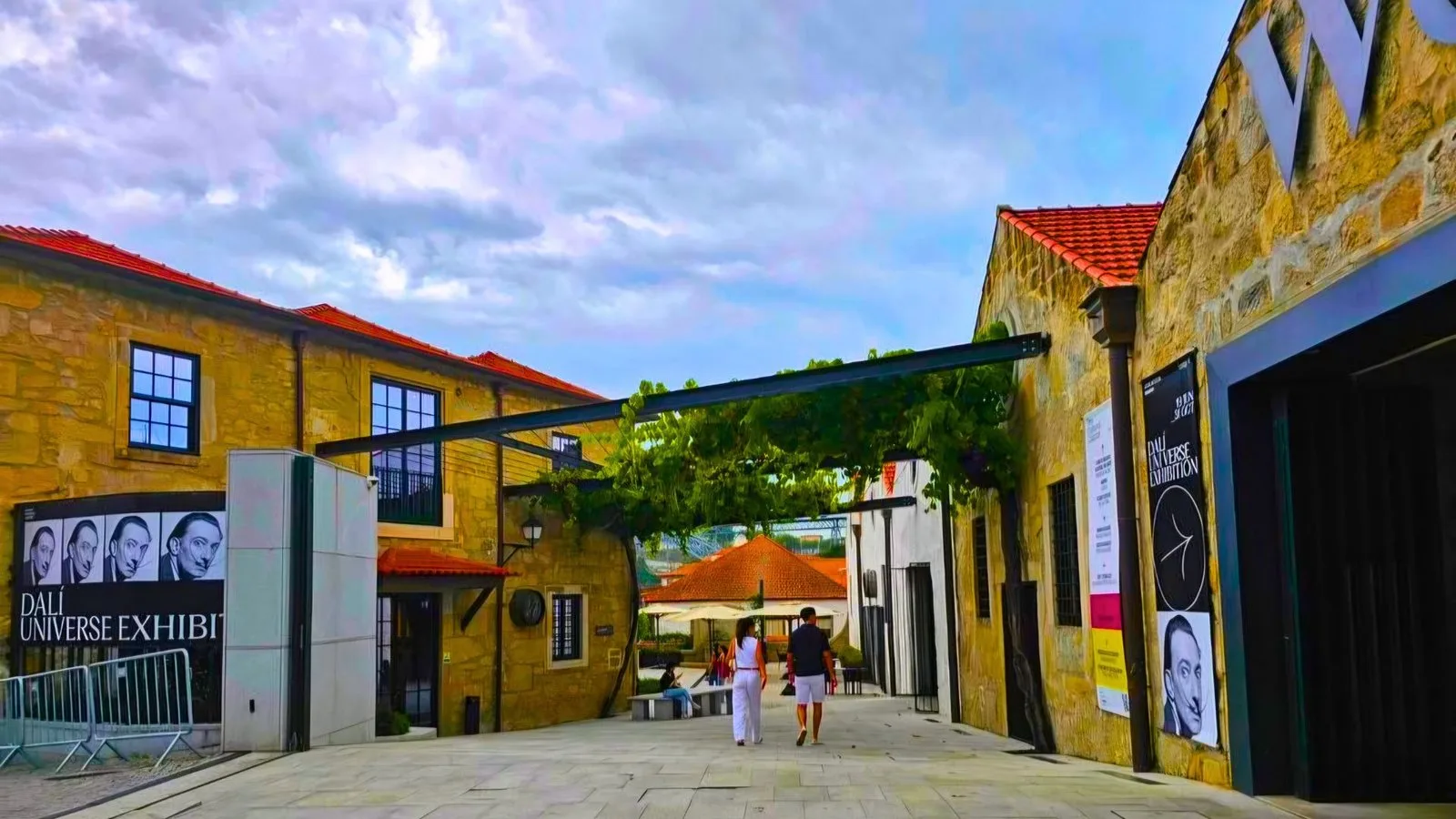 Gaia riverside
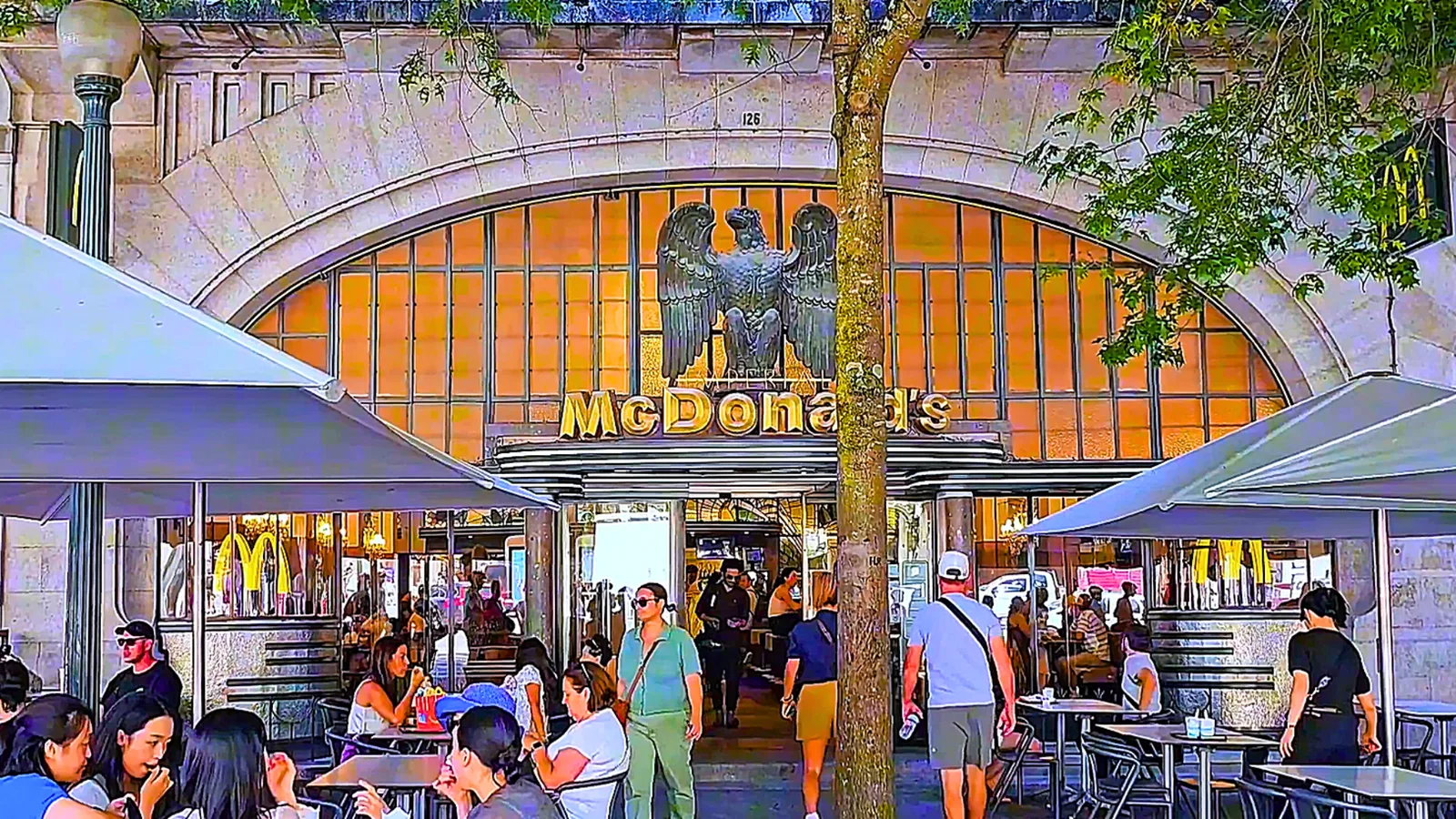 Aliados detail
 Gaia streets
 Bolhão market
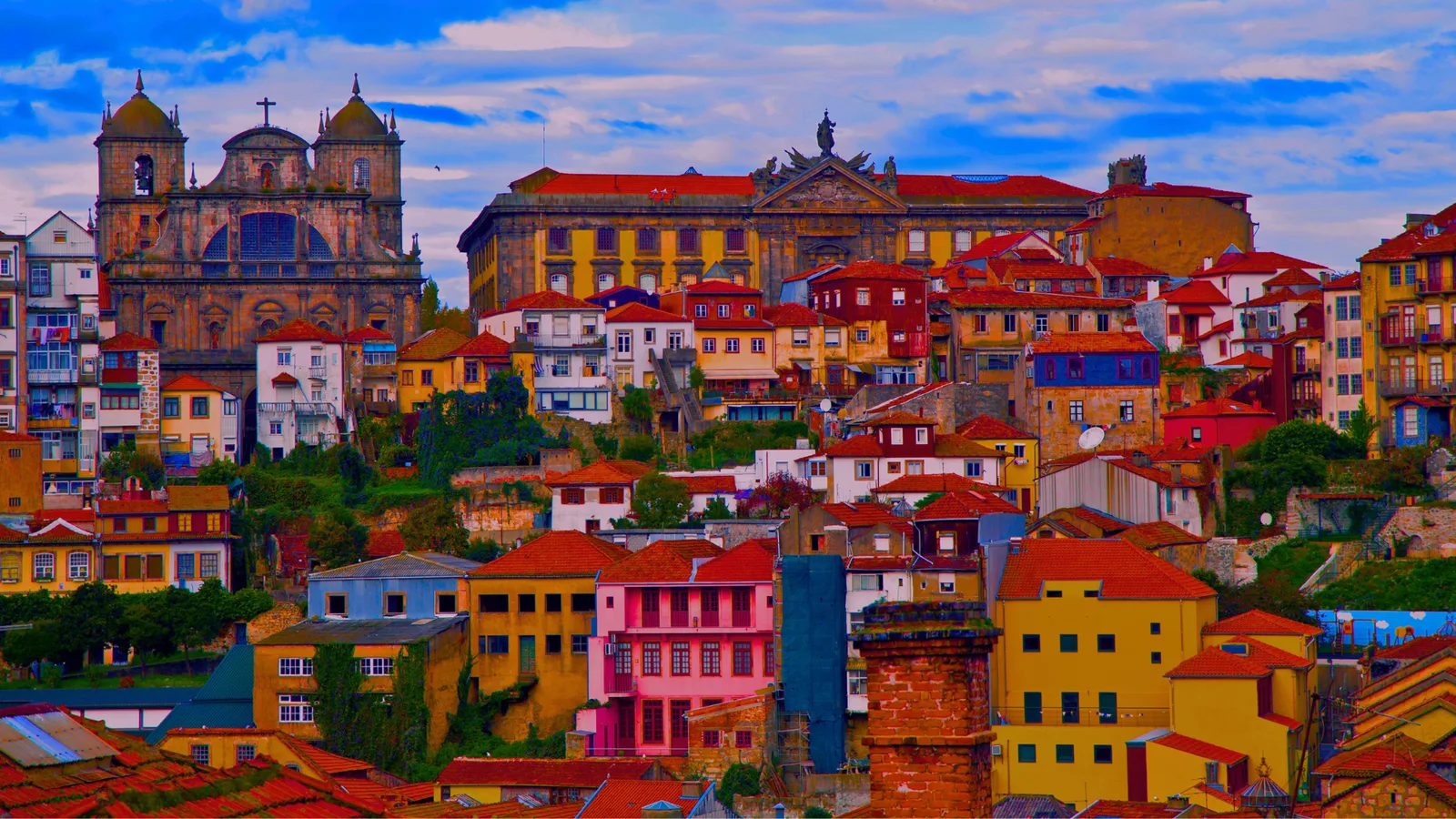 Colourful houses
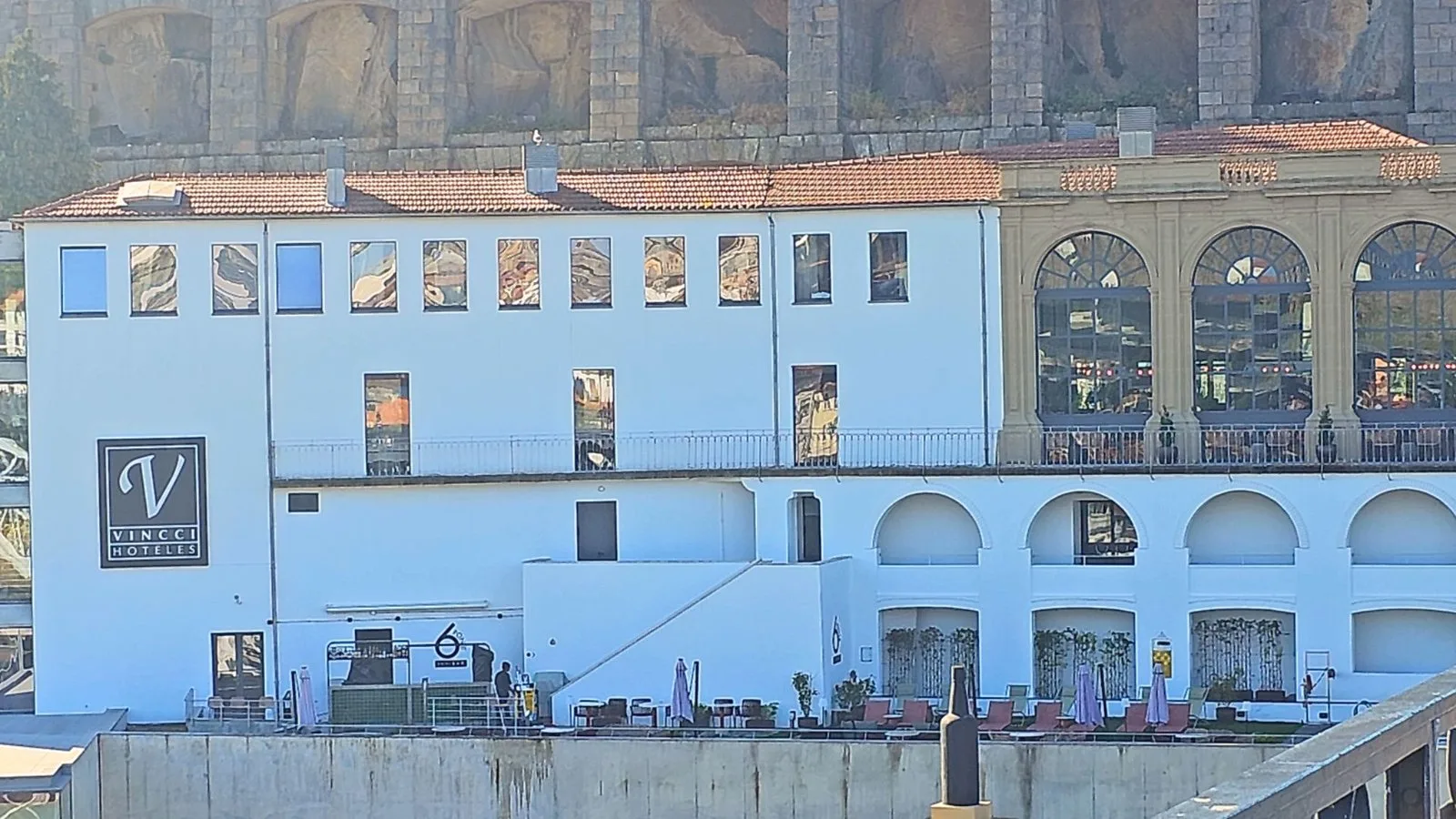 River architecture
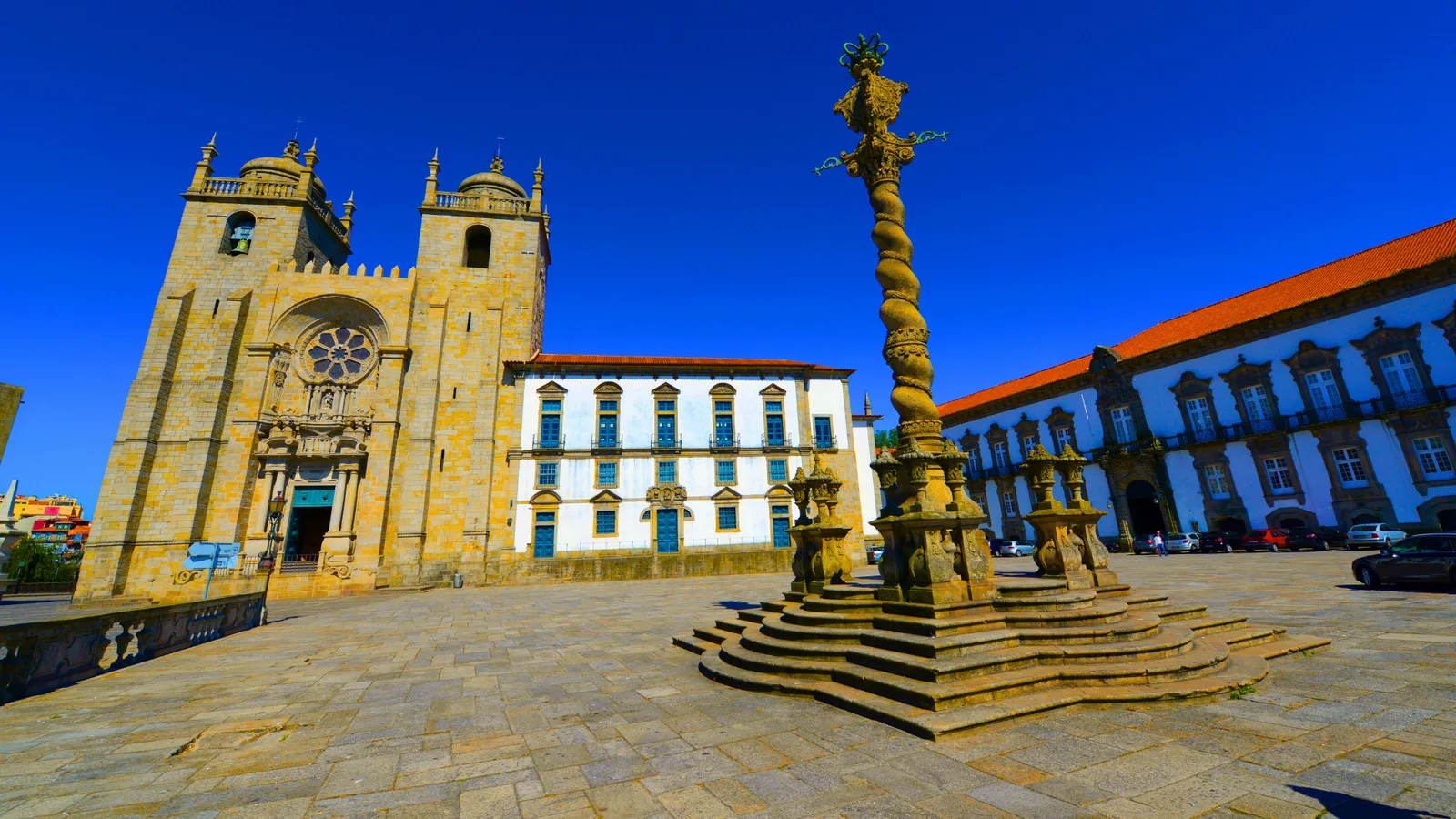 Porto Cathedral
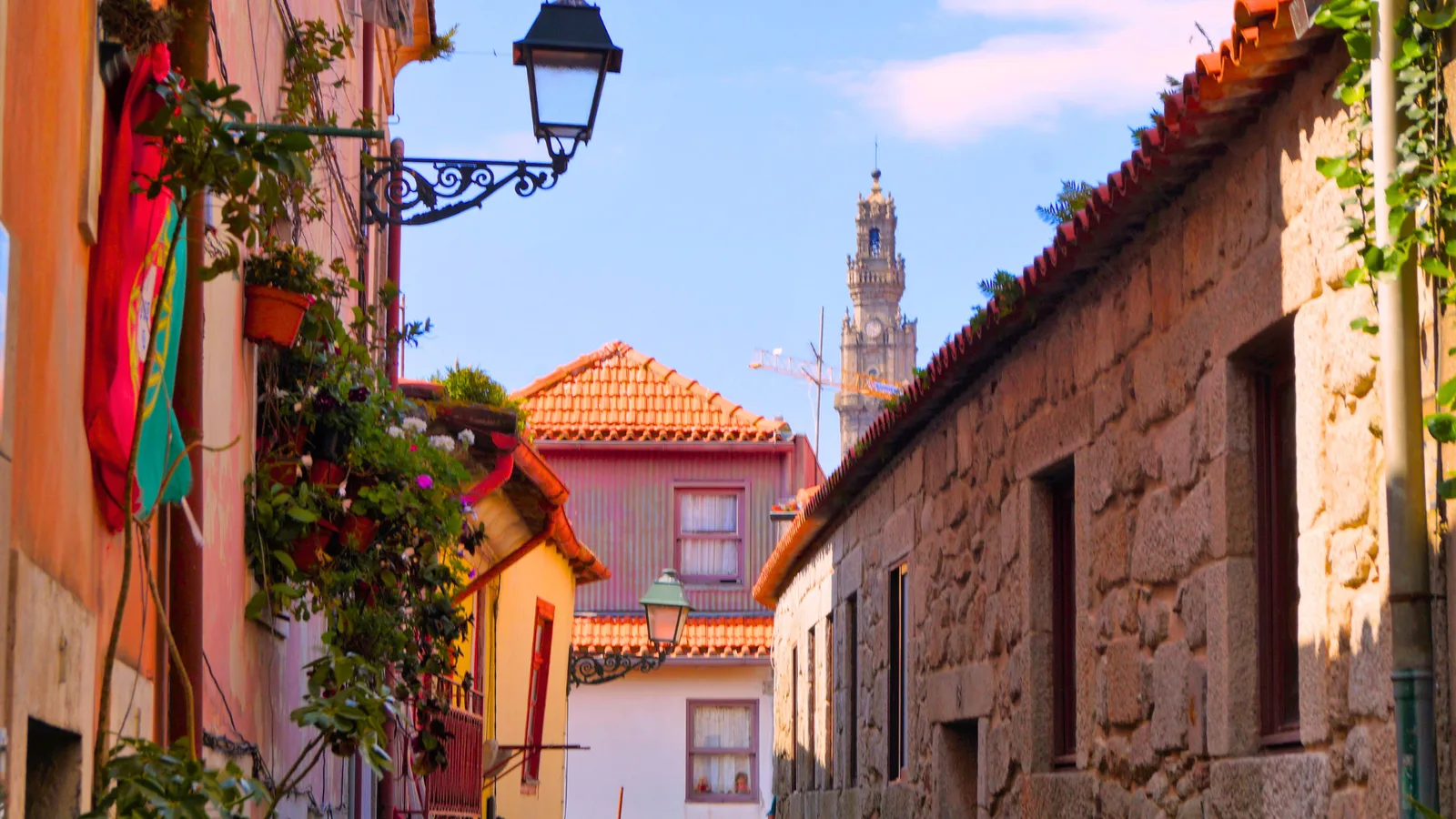 Clérigos skyline
Local tips
A few useful details can help you enjoy Porto without unnecessary journeys.
Central Porto is walkable, but expect hills, steps and uneven paving.
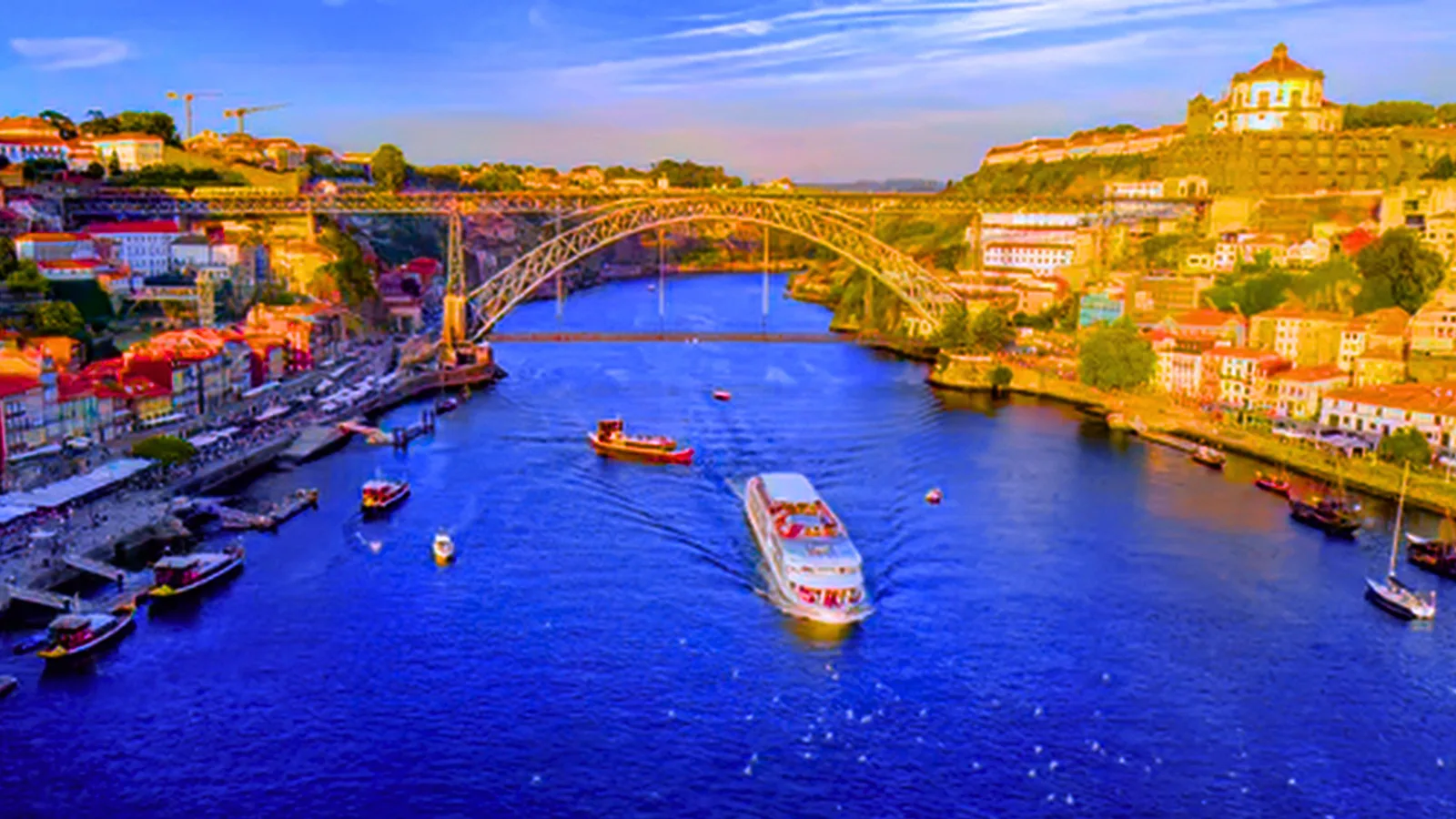
Walk beside the river, notice the colourful façades and cross the bridge to Gaia if you have time.
Look for patterned tiles, wrought-iron balconies and architectural details above street level.
A stop at a historic café can be as worthwhile as another monument.
The Gaia waterfront and Jardim do Morro offer very different views of Porto’s historic skyline.
Distances on a map can be misleading. Group nearby sights to avoid repeating steep climbs.

First step
Choose somewhere convenient to stay and an itinerary that fits your time. Leave room for discoveries along the way.