First-time visitors
On a first visit, start here to understand how Porto developed around its hills, trading streets and riverfront.
Classic Porto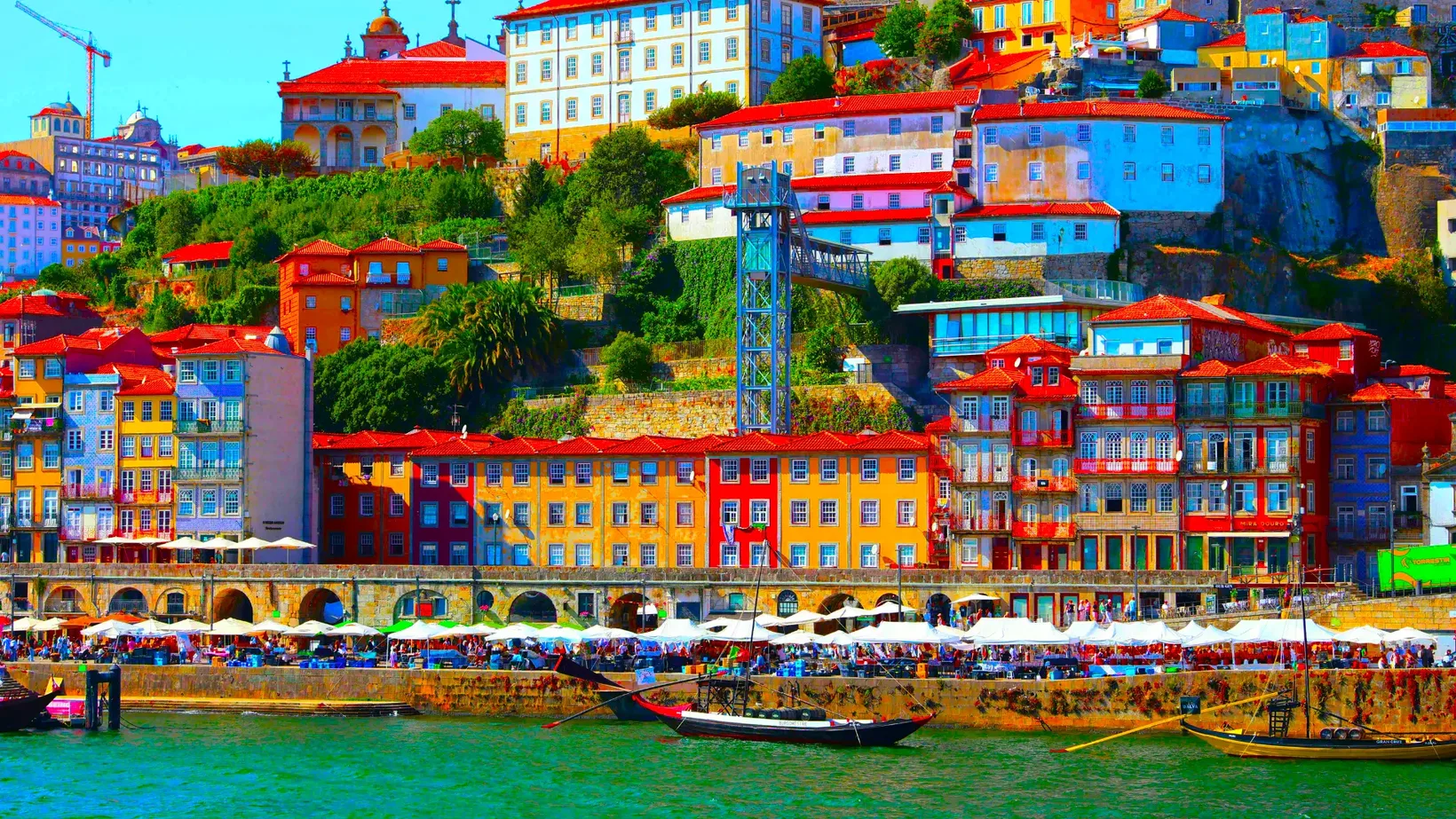
Historic Porto
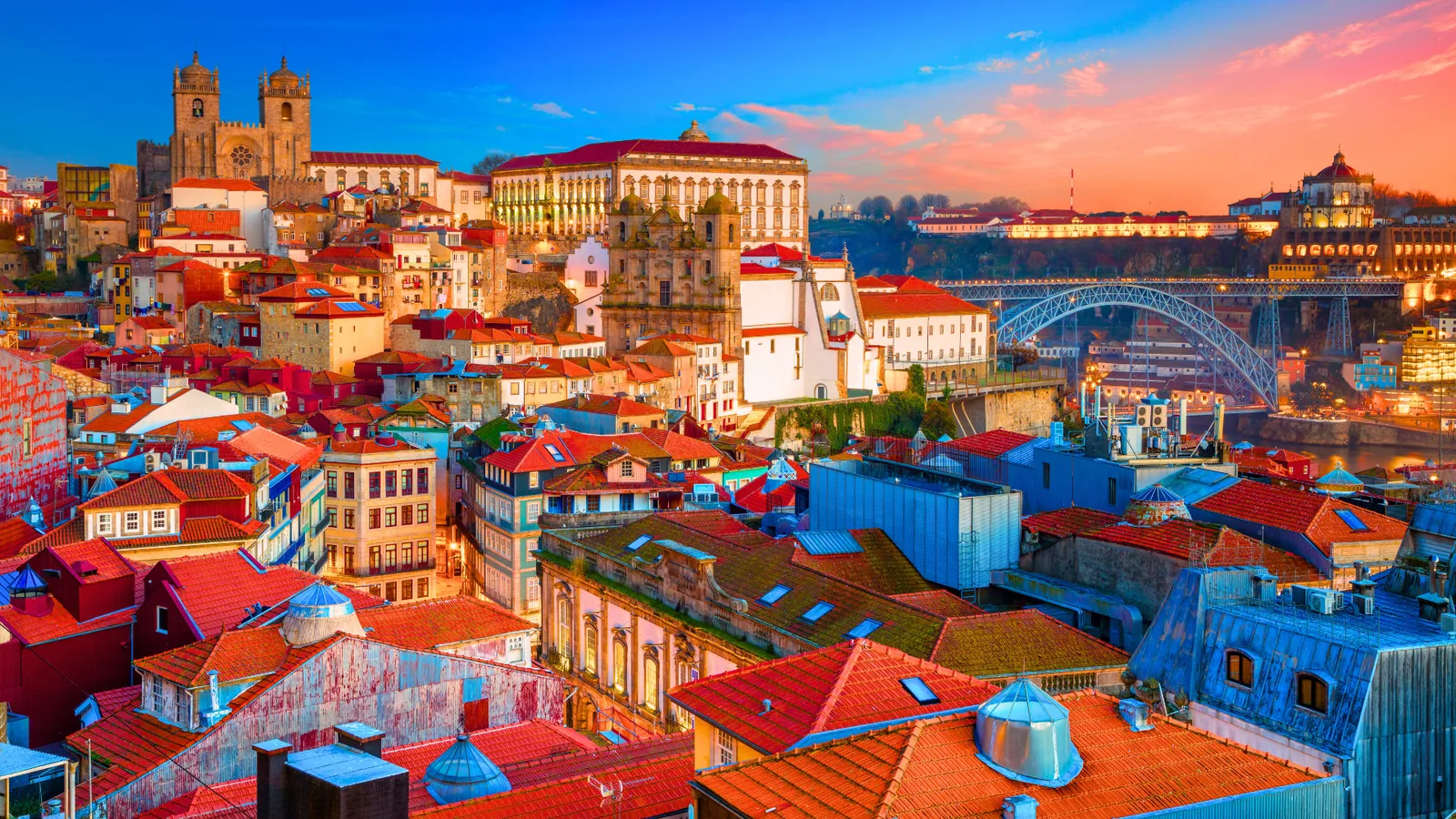
From São Bento’s tiled entrance hall to the Cathedral, Rua das Flores and the Ribeira waterfront, explore Porto’s old streets and the views across the Douro to Gaia.
Quick answer
Absolutely. São Bento, the Cathedral, Rua das Flores, Ribeira and Luís I Bridge make this one of the best places to start. The Historic Centre, Luís I Bridge and Serra do Pilar Monastery have been on the UNESCO World Heritage List since 1996.
On a first visit, start here to understand how Porto developed around its hills, trading streets and riverfront.
Classic PortoWalking reveals tiles, old balconies, shopfronts and small lanes that are easy to miss when you focus only on the famous landmarks.
Do not rush itWalk from Aliados to São Bento, then uphill to the Cathedral. Return towards São Bento to take Rua das Flores downhill to the river. The Cathedral is a worthwhile uphill detour, rather than a direct stop along the descent.
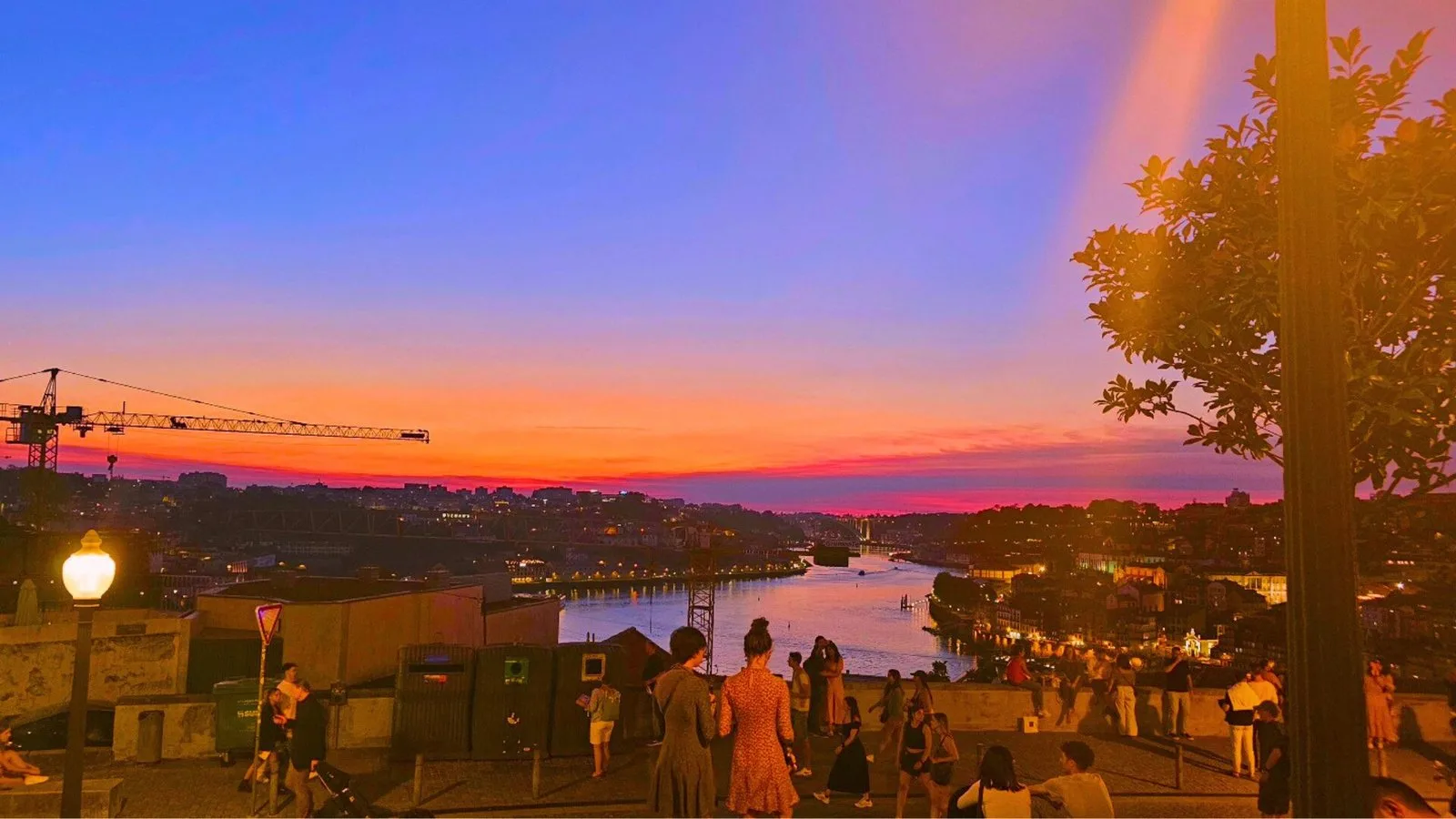
Natural routeMornings are often quieter. In the late afternoon, the light changes across the waterfront; decide which bank you would like to end on.
Best lightSimple answer
Allow time for São Bento, the Cathedral and the old streets between the upper city and the river. Steep slopes and uneven paving can make the walk slower than the map suggests.
Suggested route
Begin on Avenida dos Aliados, step inside São Bento Station and climb to the Cathedral square. Return towards São Bento, then follow Rua das Flores towards Praça do Infante and Ribeira. Finish beside the lower deck of Luís I Bridge if you would like to cross to Gaia.
Allow around two to three hours for the walk and short stops. A guided visit to Palácio da Bolsa or a visit to the Cathedral cloisters will need extra time and may require tickets.
Start on Porto’s main civic avenue, with the City Hall at its upper end and Praça da Liberdade to the south.
Inside the entrance hall, Jorge Colaço’s tile panels depict episodes from Portuguese history and scenes of life in northern Portugal.
Climb to the Cathedral square for views over the rooftops and the Douro. The cloisters are a separate visit, subject to admission and opening hours.
Follow this historic street past shops, cafés and restored façades, then continue towards Praça do Infante and the waterfront.
Arrive at Praça da Ribeira, framed by tall buildings and streets shaped by trade along the Douro.
Cross the lower deck to reach Gaia’s waterfront. The upper deck is a different crossing, linking the Cathedral area to Jardim do Morro high above the river.
Route tip
Ribeira lies well below São Bento and the Cathedral, so walking back means a steep climb, sometimes with steps. If you cross to Gaia via the lower deck, remember that Jardim do Morro is much higher than the quay.
Video stories
Explore Ribeira, Luís I Bridge, Rua das Flores, Mouzinho da Silveira and the area around Palácio da Bolsa through walks filmed in Porto.
Our Porto and Gaia videos help you recognise the streets and views before exploring them yourself.
Main places
From the hilltop Cathedral to the old riverside trading quarter, these places reveal the different layers of Porto’s history.
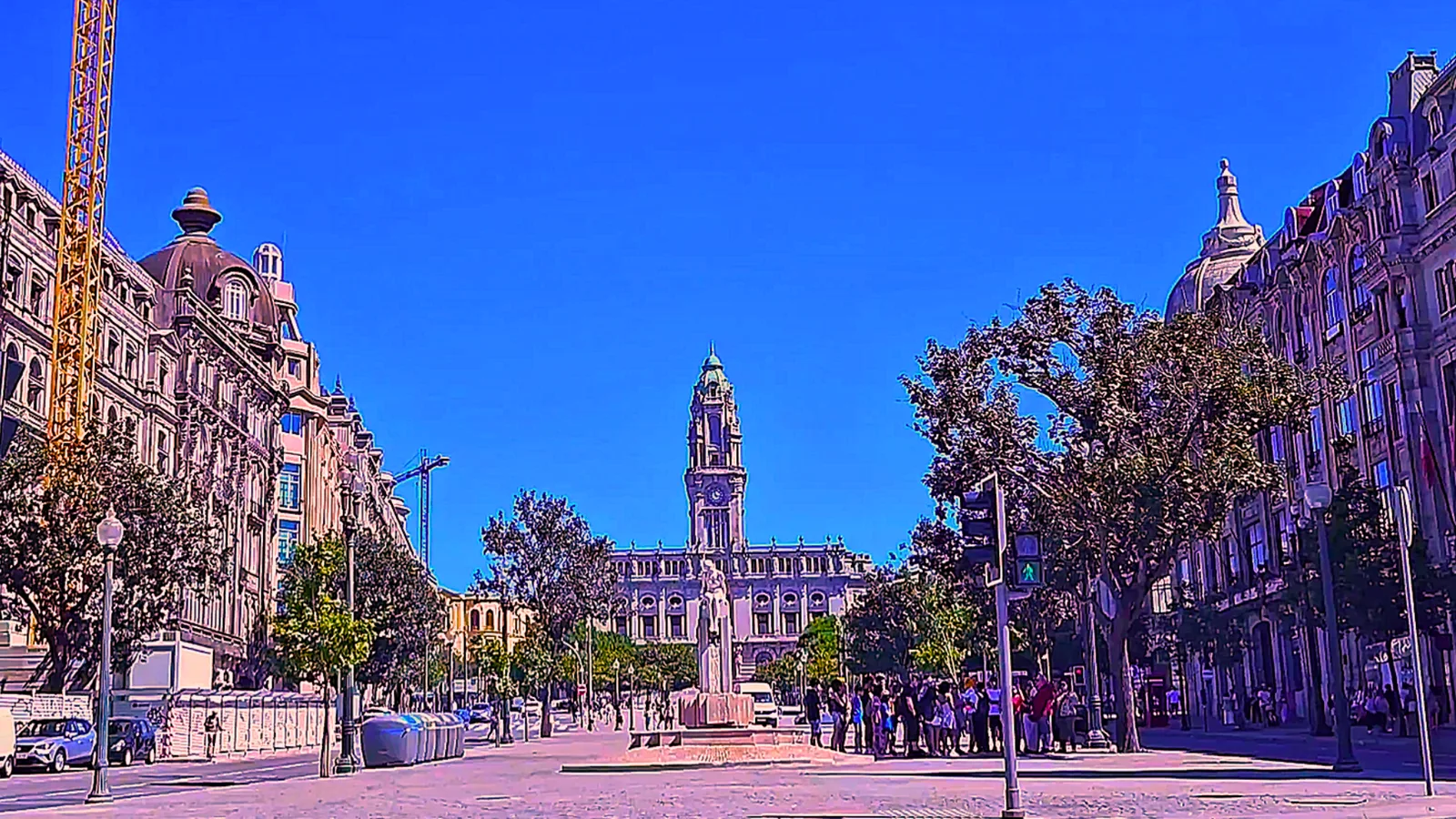
The open avenue makes an easy starting point, with Porto City Hall at the top and Praça da Liberdade at the southern end.
Best starting point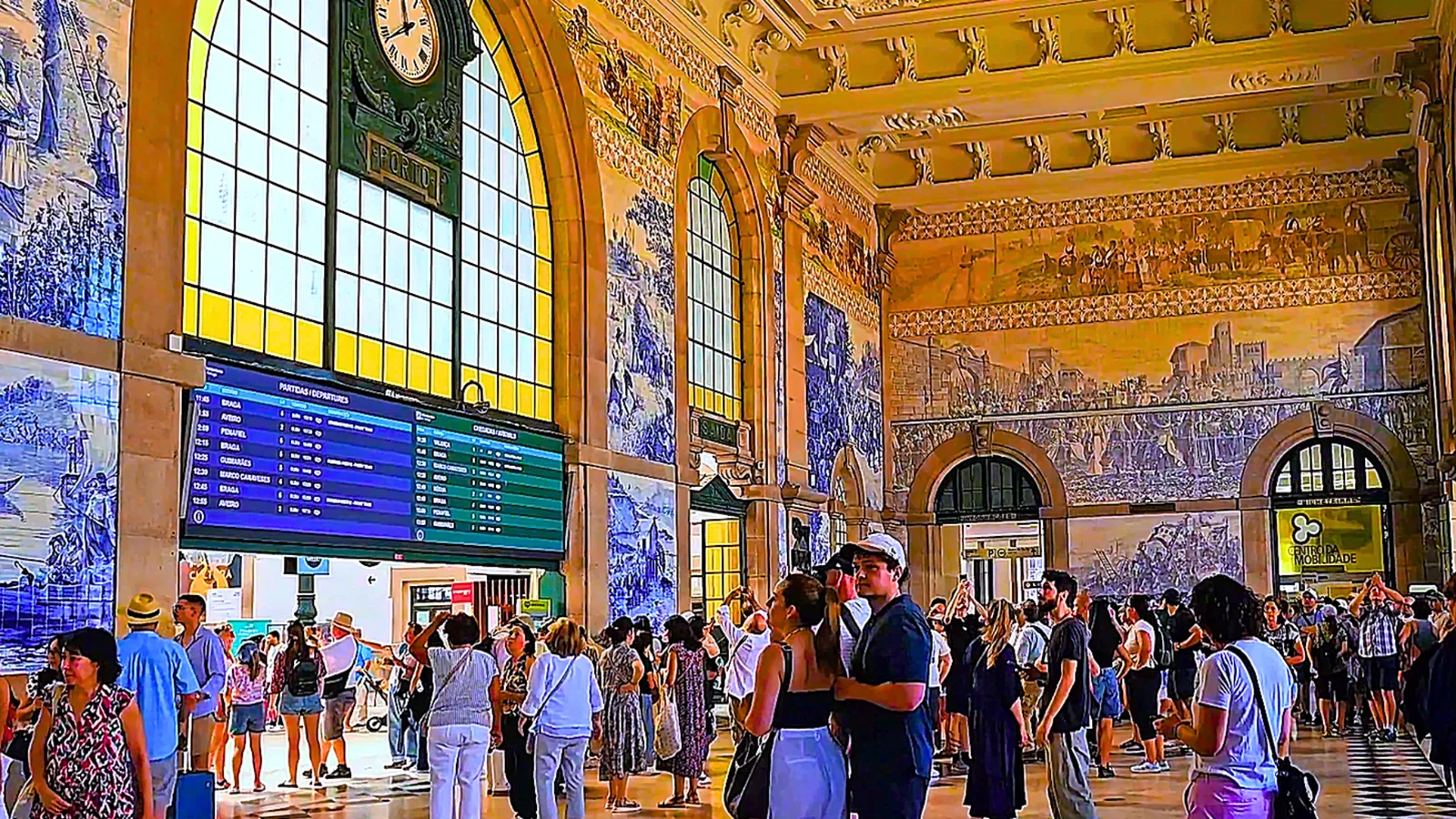
The entrance hall is famous for Jorge Colaço’s tile panels. São Bento remains a working station, so keep circulation areas clear.
Best interior stop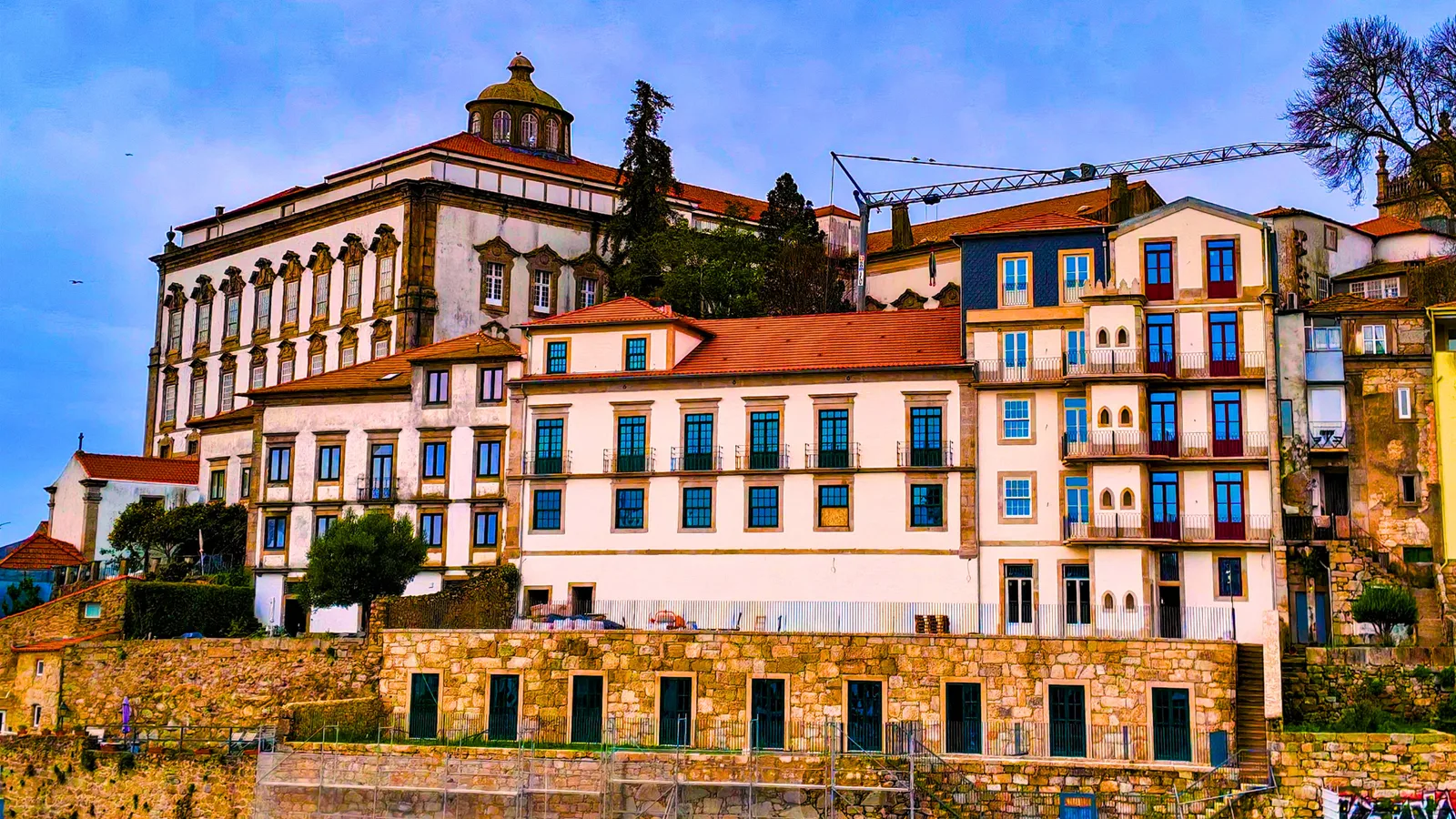
The Cathedral combines Romanesque, Gothic and Baroque elements. Its square also reveals how steeply the old city descends towards the river.
Best historic mood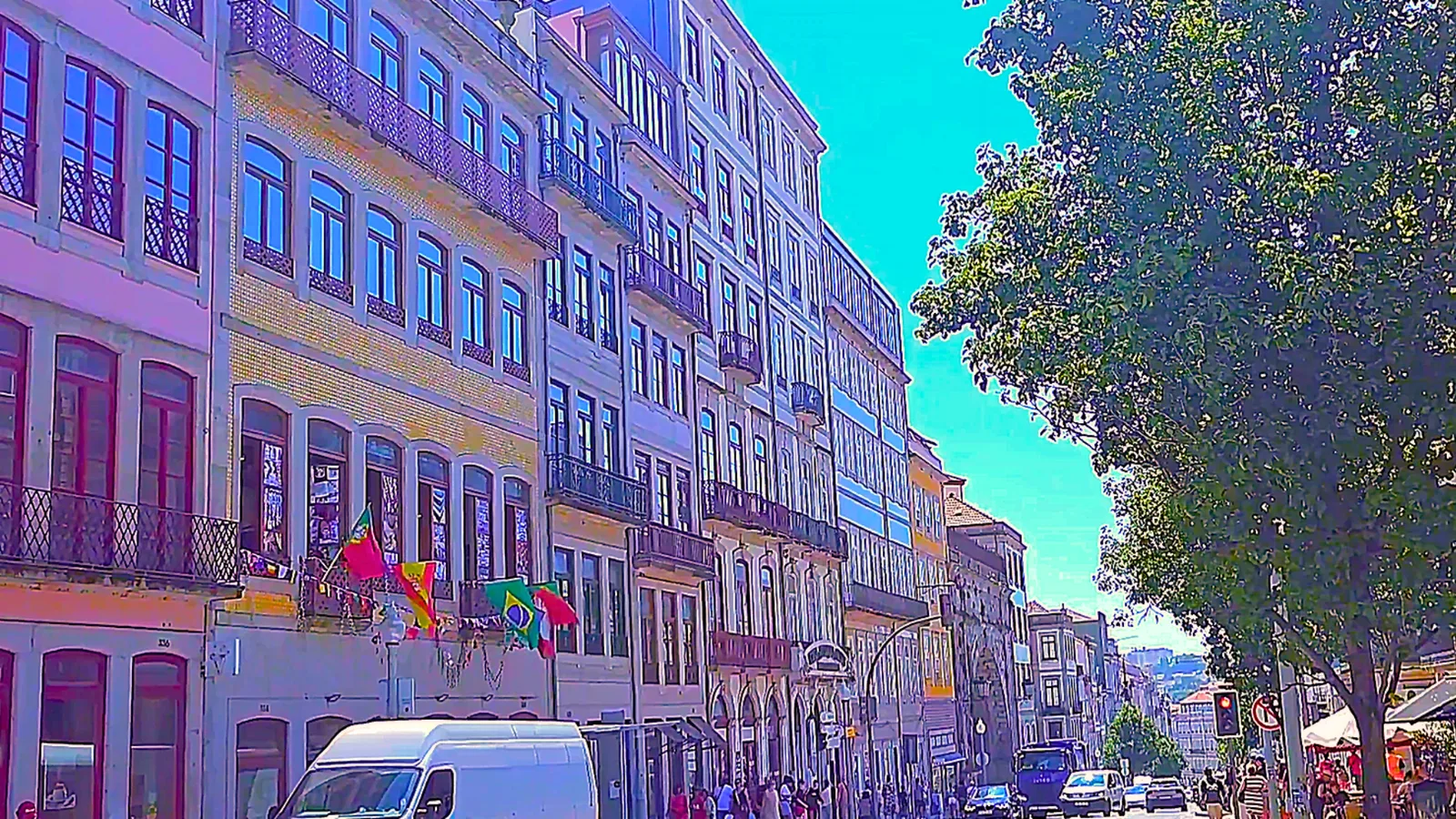
A historic shopping street linking the upper centre to the Infante area. Look at the façades and the narrow side streets along the way.
Best slow walk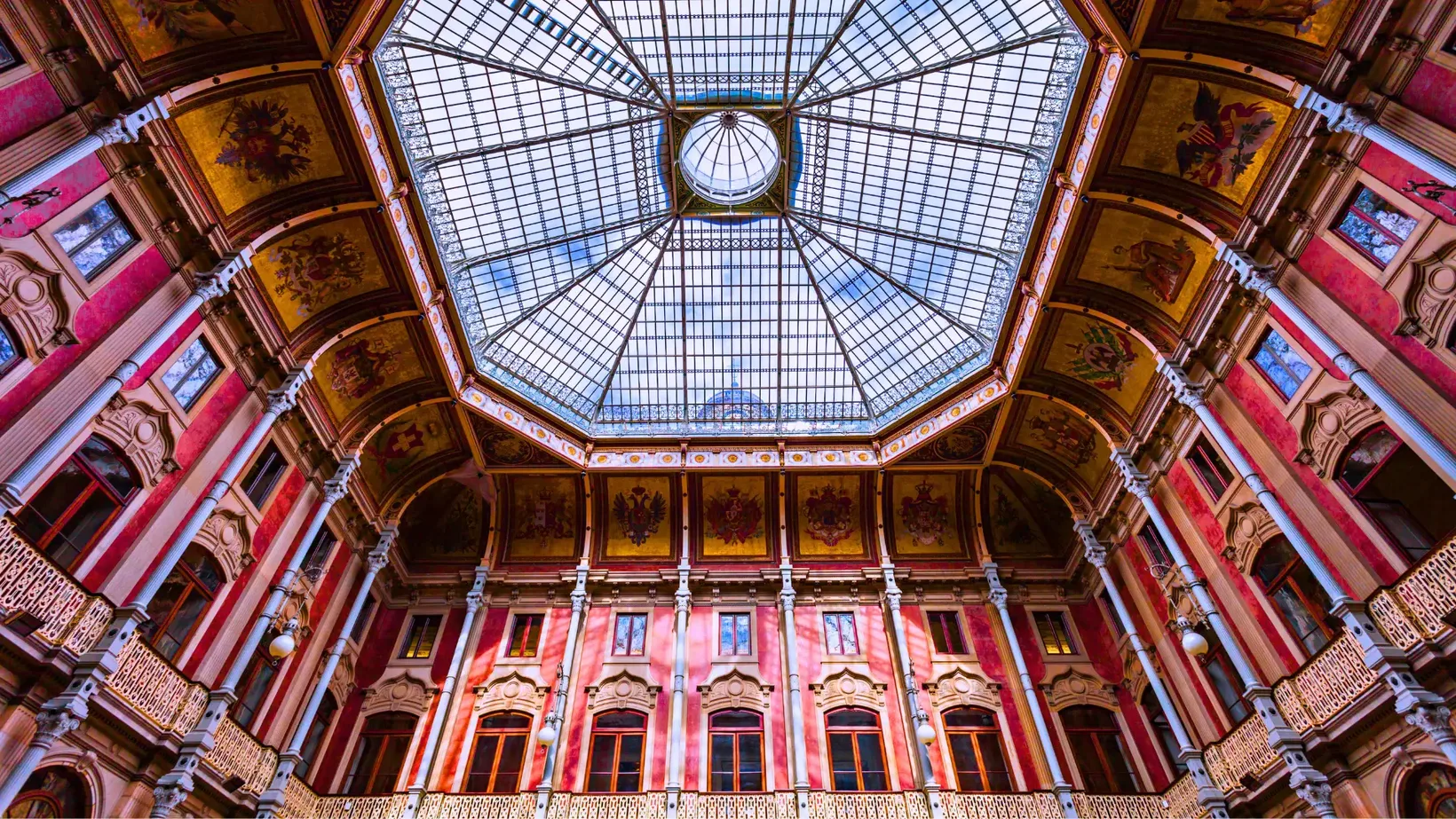
Built for Porto’s Commercial Association in the 19th century, this landmark can be visited on a guided tour. Check ticket availability and tour times before you go.
Check guided visits Best for architecture
This former iron market now serves as a cultural venue and houses Hard Club. Despite its name, it is not an everyday food market.
Best nearby stop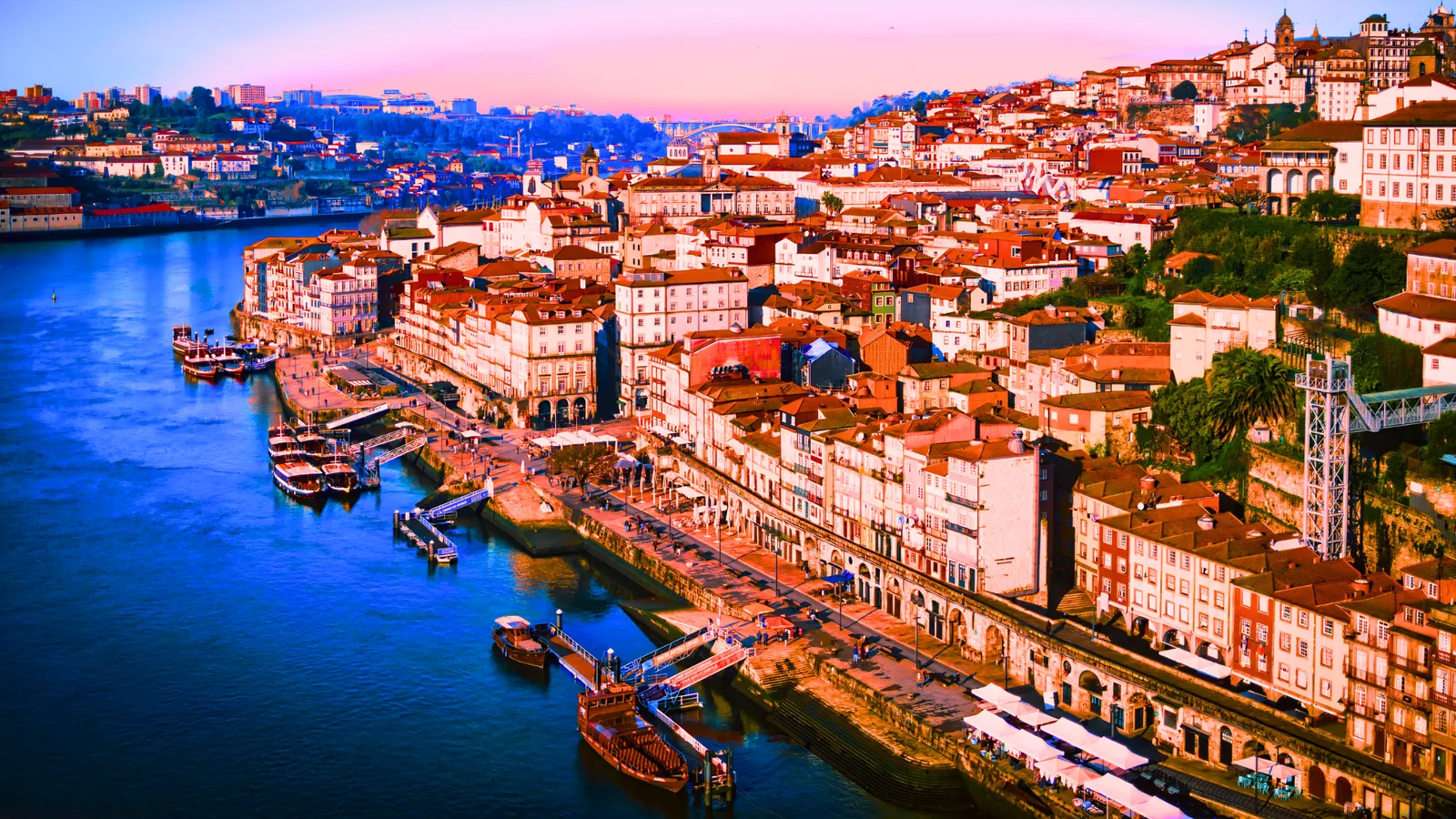
Praça da Ribeira and the riverfront reflect Porto’s long history of river trade. Expect more visitors later in the day.
Best atmosphere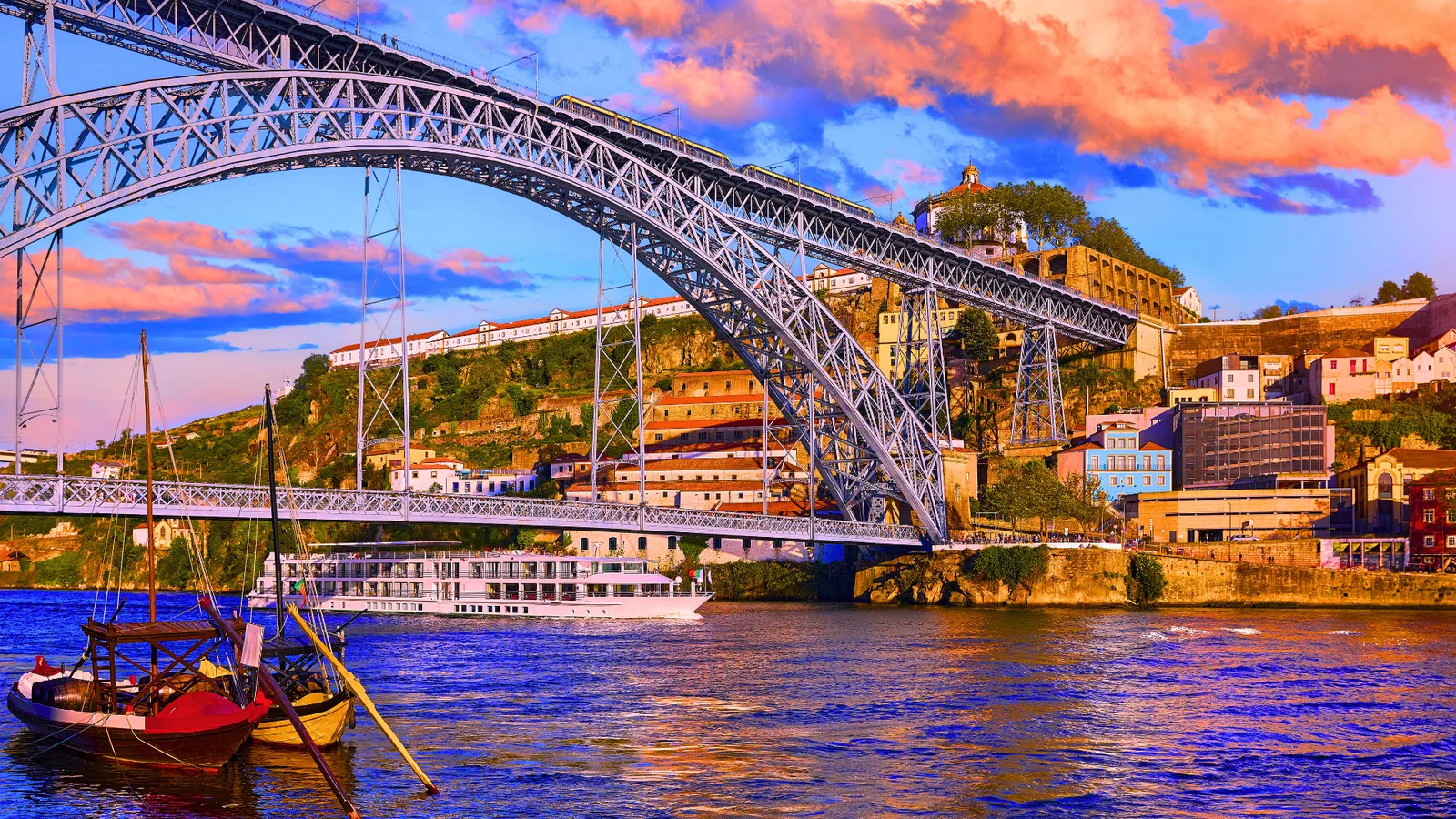
The bridge has two levels. The lower deck joins the waterfronts of Porto and Gaia; pedestrians and the metro use the upper deck between the higher parts of the two cities.
Best crossing
Ribeira
Along the waterfront, narrow façades, riverboats and views towards Gaia recall Porto’s long commercial relationship with the Douro.
Today it is a lively visitor area. Look behind the waterfront terraces to find narrow lanes and details that reveal another side of the old neighbourhood.
Explore Praça da Ribeira, the tall riverside buildings and the lanes climbing towards Rua dos Mercadores.
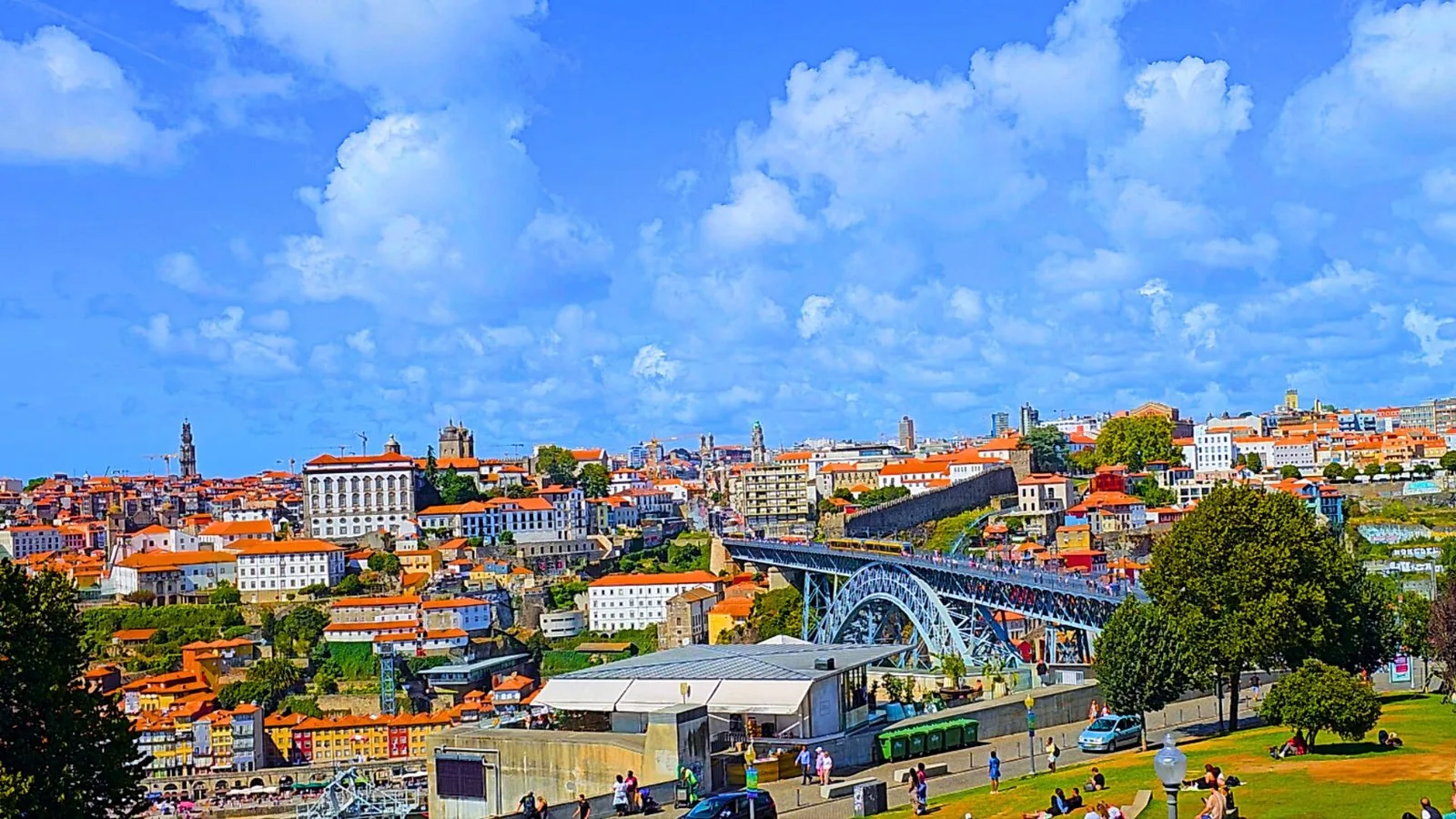
Cross the lower deck of Luís I Bridge and look back from Gaia to see the Ribeira houses climbing the hillside towards the Cathedral.
Mornings can be quieter, while late-afternoon light changes the appearance of both riverbanks. The popular viewpoints are often busy.
Local perspective
Beyond the restaurant terraces, Ribeira’s lanes, old trading streets and riverboats help explain the importance of the Douro to Porto.
Practical tips
The distances look short on a map, but this area has steep slopes, steps and uneven stone paving. Allow extra time and check access conditions for indoor visits.
The cobbled surfaces and steep lanes can be slippery when wet. Comfortable shoes with a good grip are a sensible choice.
It is much easier to walk downhill from São Bento or the Cathedral to Ribeira than to climb back up. Plan a suitable return if mobility is limited.
For quieter streets, start in the morning. Ribeira and the bridge tend to be busier later in the day.
Give yourself time for São Bento, the streets near the Cathedral and the Infante area. You do not need to visit every monument in one day.
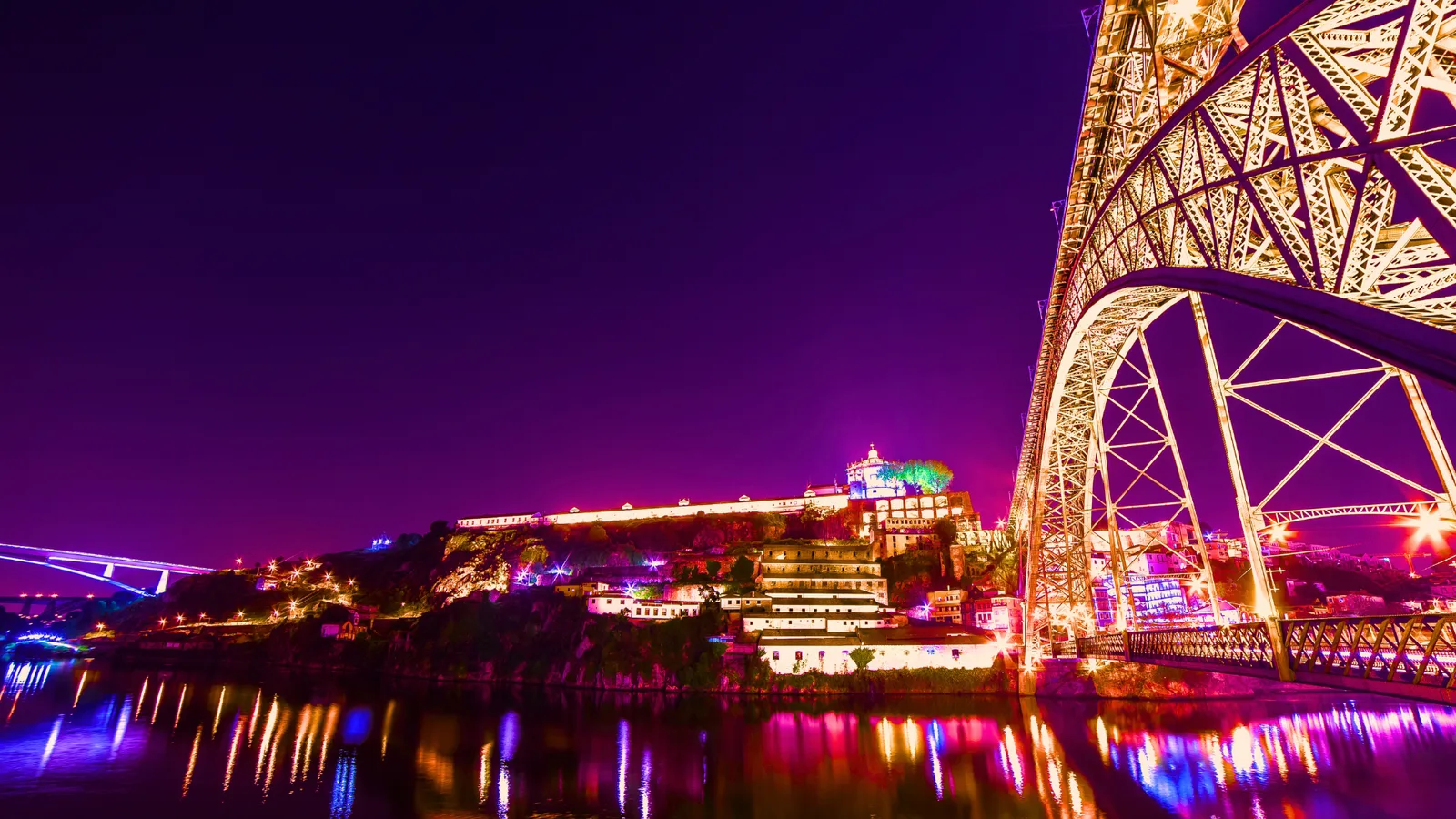
The lower deck of Luís I Bridge takes you to Gaia’s waterfront. The upper deck connects the Cathedral area to Jardim do Morro. Moving between the two levels involves a substantial change in height.
In busy areas, keep your phone and wallet secure. Avoid stopping in the middle of narrow passages to take photographs.
Best advice
The tiles at São Bento, the stonework of the Cathedral, old trading streets and the waterfront each tell a different part of Porto’s story.
Historic Porto
Start on Aliados, visit São Bento and the Cathedral, then head down to Ribeira. If you have time, cross to Gaia for views back towards Porto.