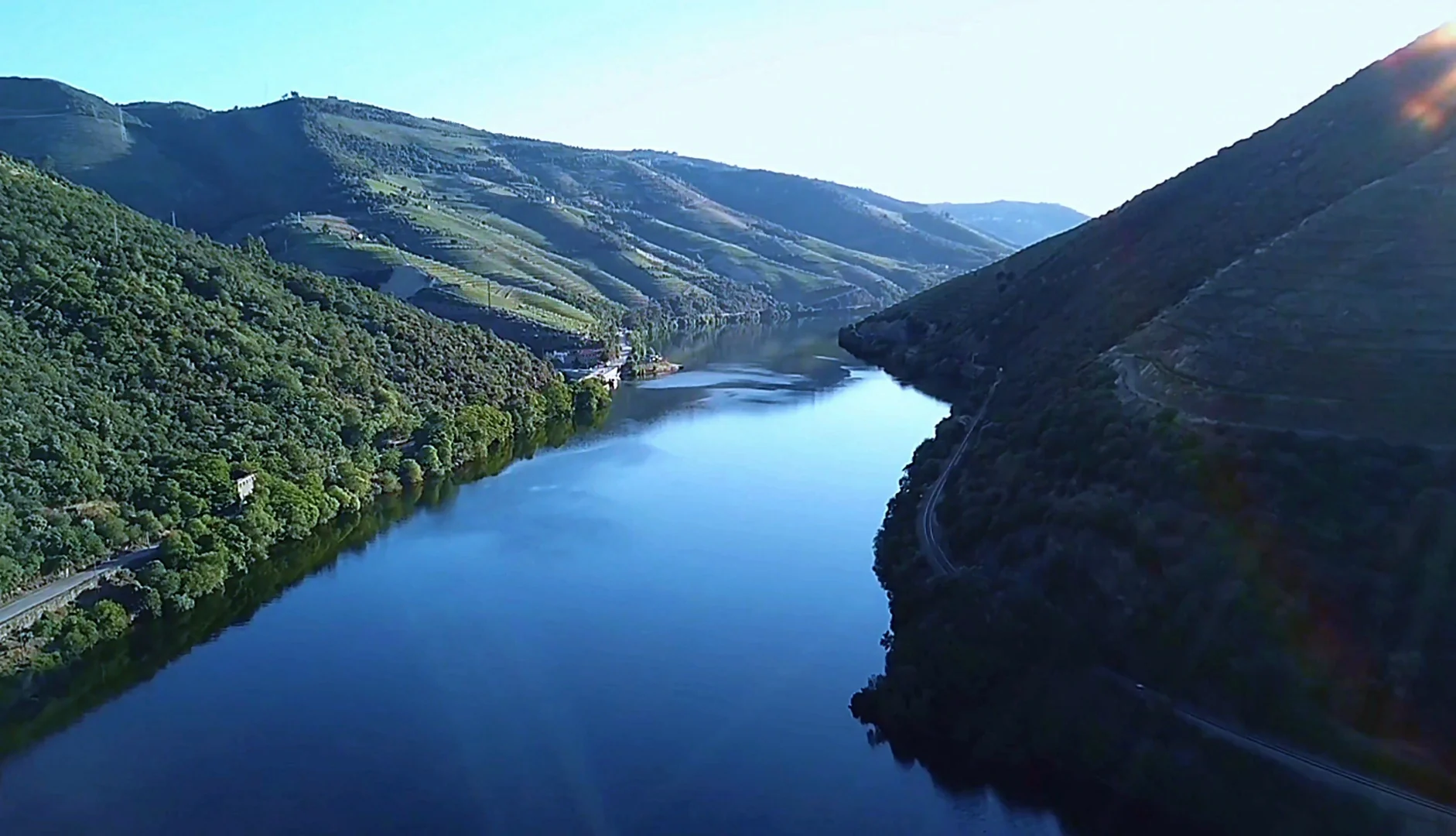
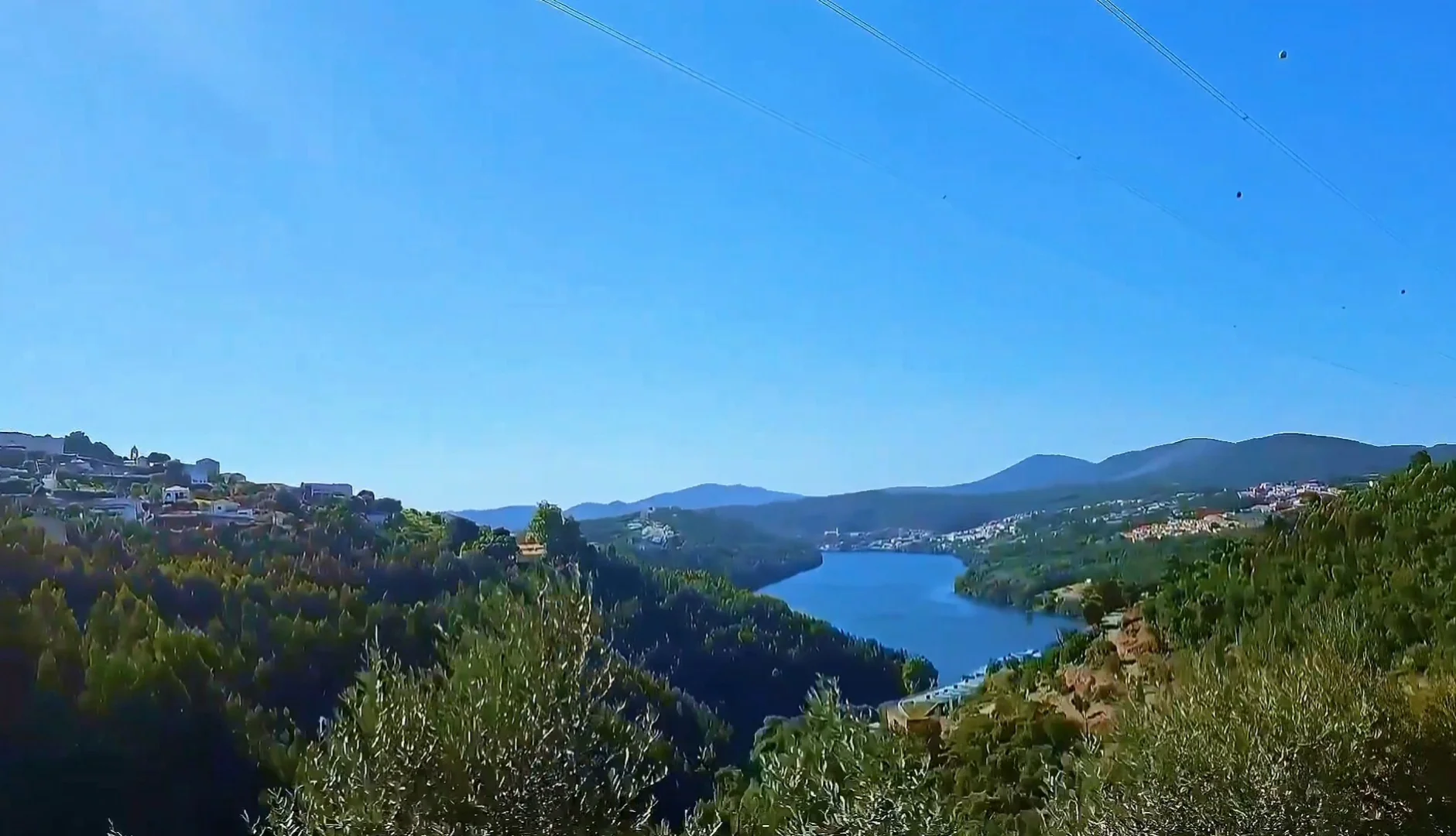
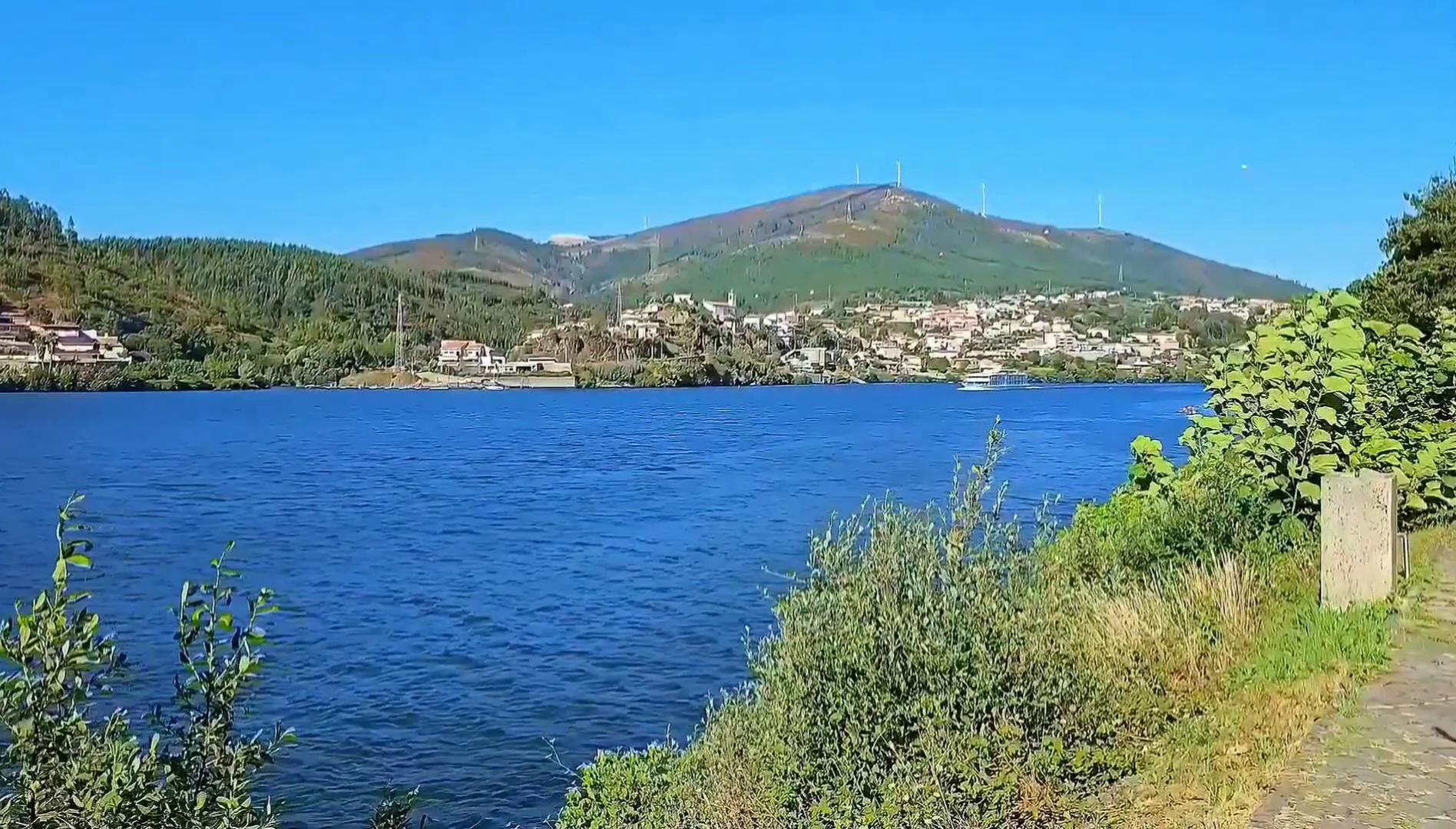
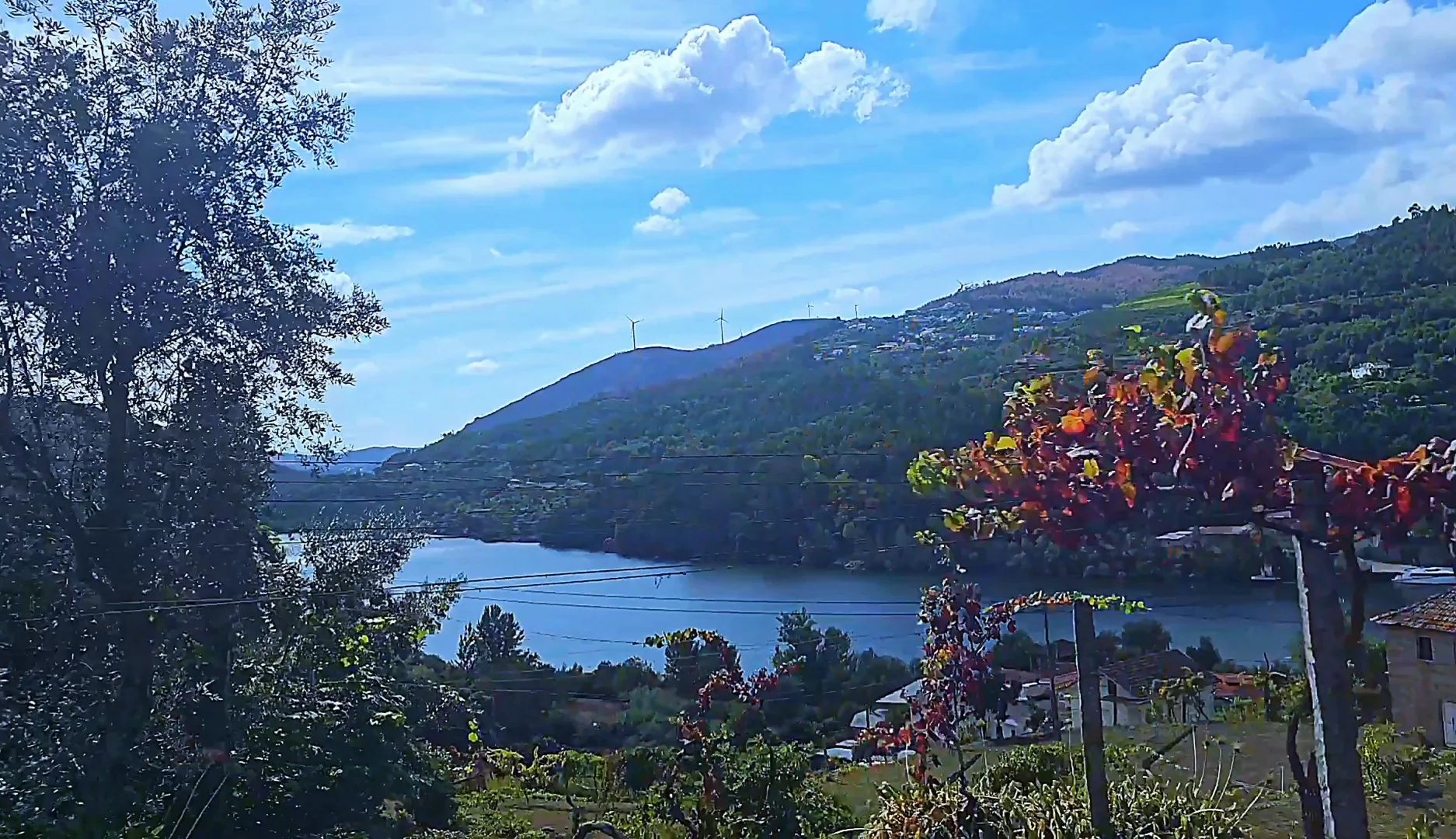
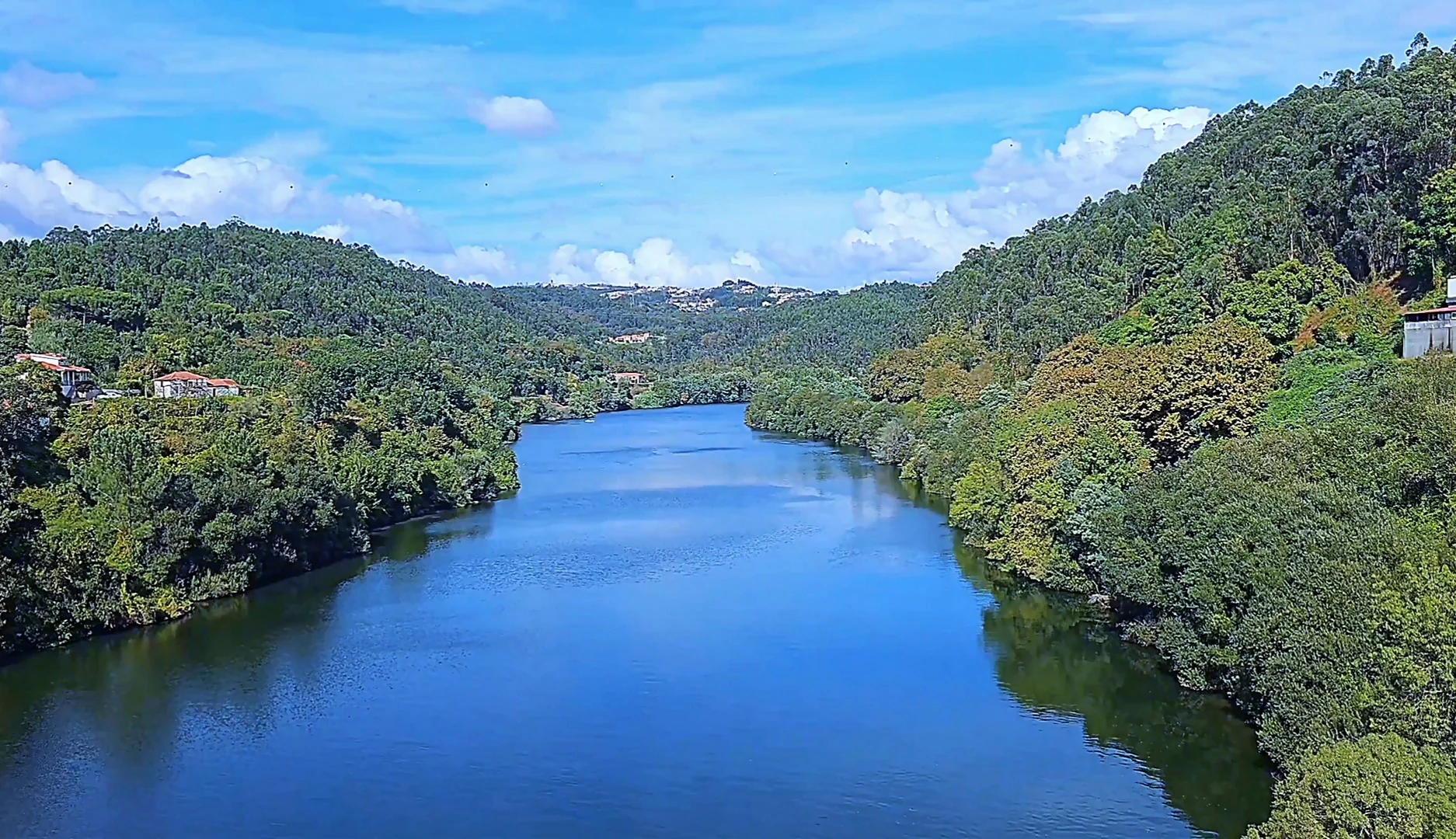
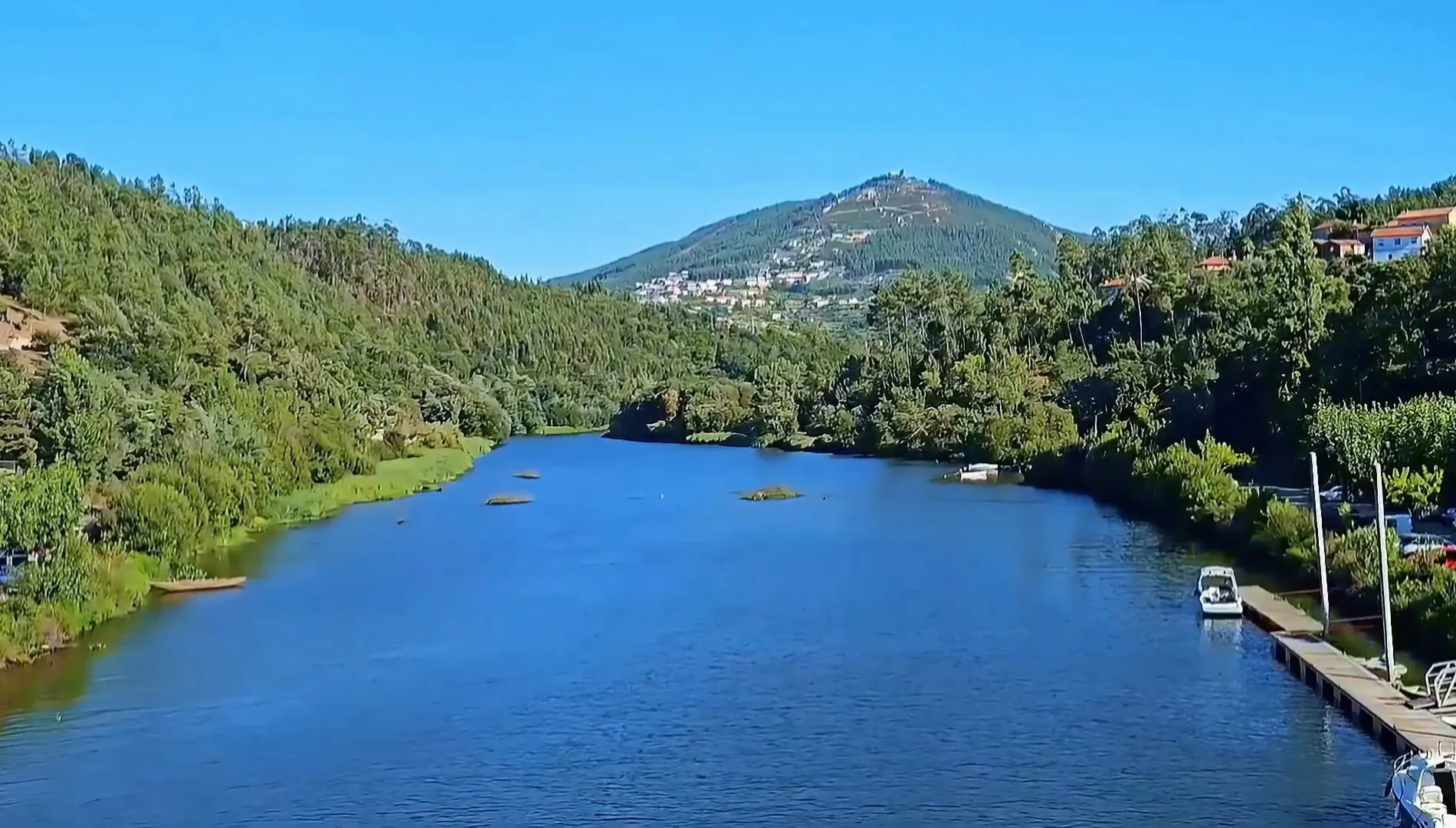
Close to Porto, into the wine-growing valley or as far as the Côa. These are separate outings, each with its own time and transport needs. Open the one that fits your trip.
Start here for riverside villages and a leisurely lunch. Choose three or four stops. If you want a long beach break or more time in the museum, shorten the circuit.
Suggested time
A full day
Getting around
Car or organised tour
Suggested final stop
Pedorido, before returning
Gramido: the river and filigree
Leave Porto along the right bank, on the Gondomar side. At Casa Branca de Gramido, combine a riverside stroll with the Municipal Filigree Museum. It is a good first stop to discover the delicate craft of working gold and silver wire.
For the curiousA riverside house where peace was signed
This house holds more than filigree. In 1847, it hosted the signing of the Convention of Gramido, intended to end the Patuleia, a civil war dividing Portugal. When you stop outside Casa Branca, you are standing where a national conflict reached a settlement. The building that welcomes visitors today once found itself at the centre of Portuguese history.
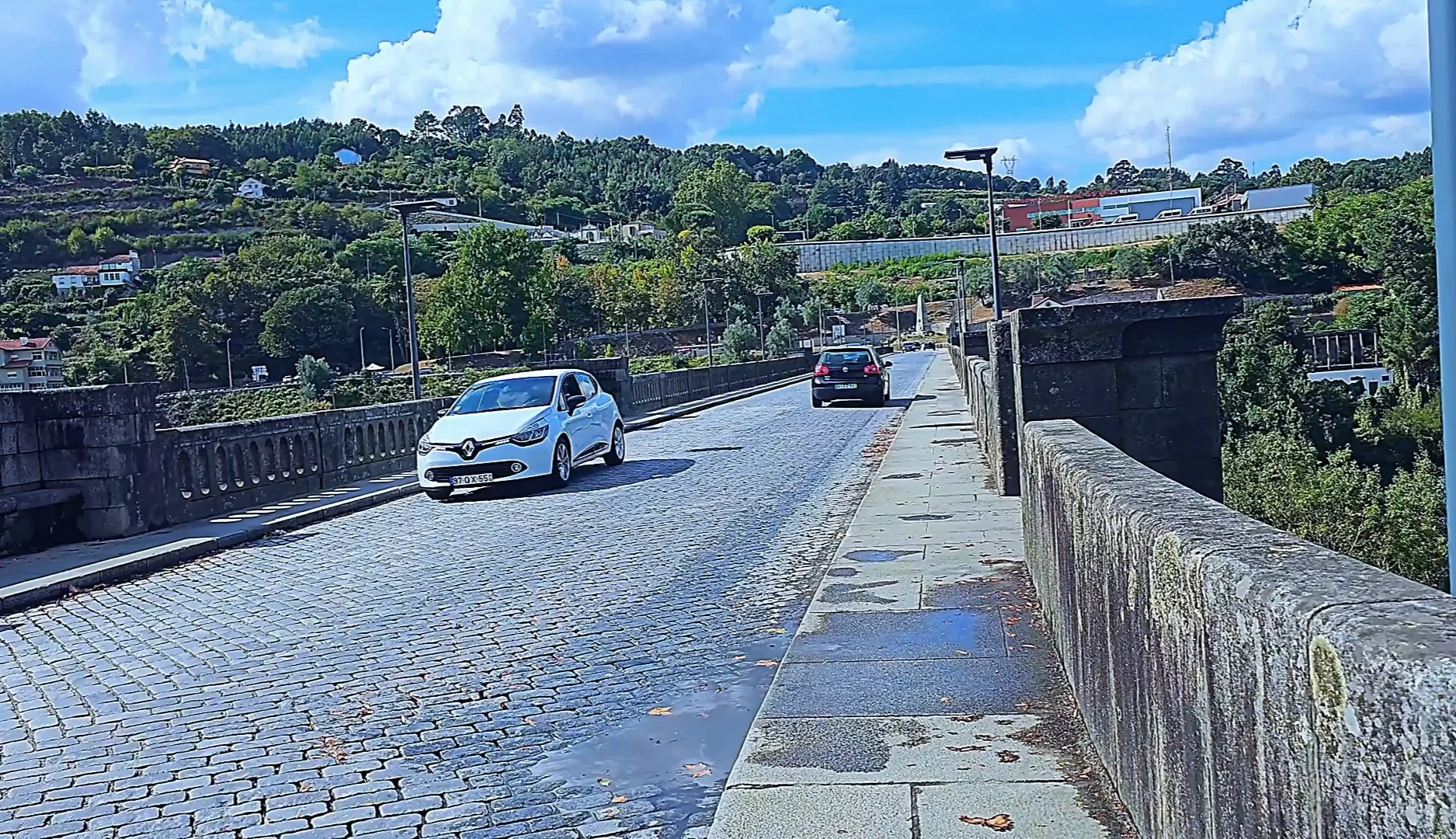
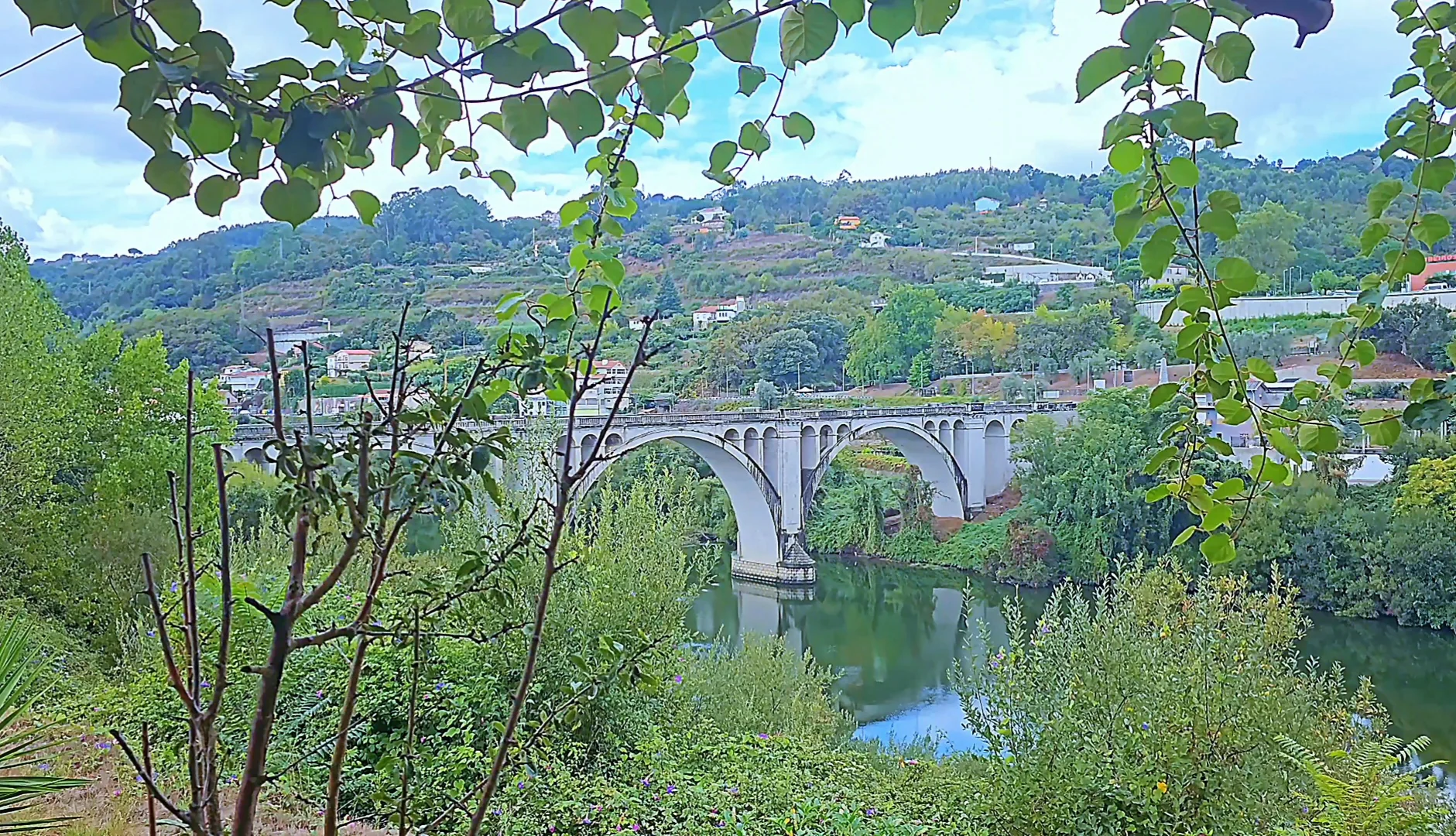
Continue along the N108, allowing time for a break in Melres. At Entre-os-Rios, the Tâmega meets the Douro. Duarte Pacheco Bridge crosses the Tâmega to the Torrão side, in Marco de Canaveses.
If you stop here for lunch, leave Pedorido for the afternoon. Melres and Zebreiros beaches are alternatives if you prefer a longer break beside the water.
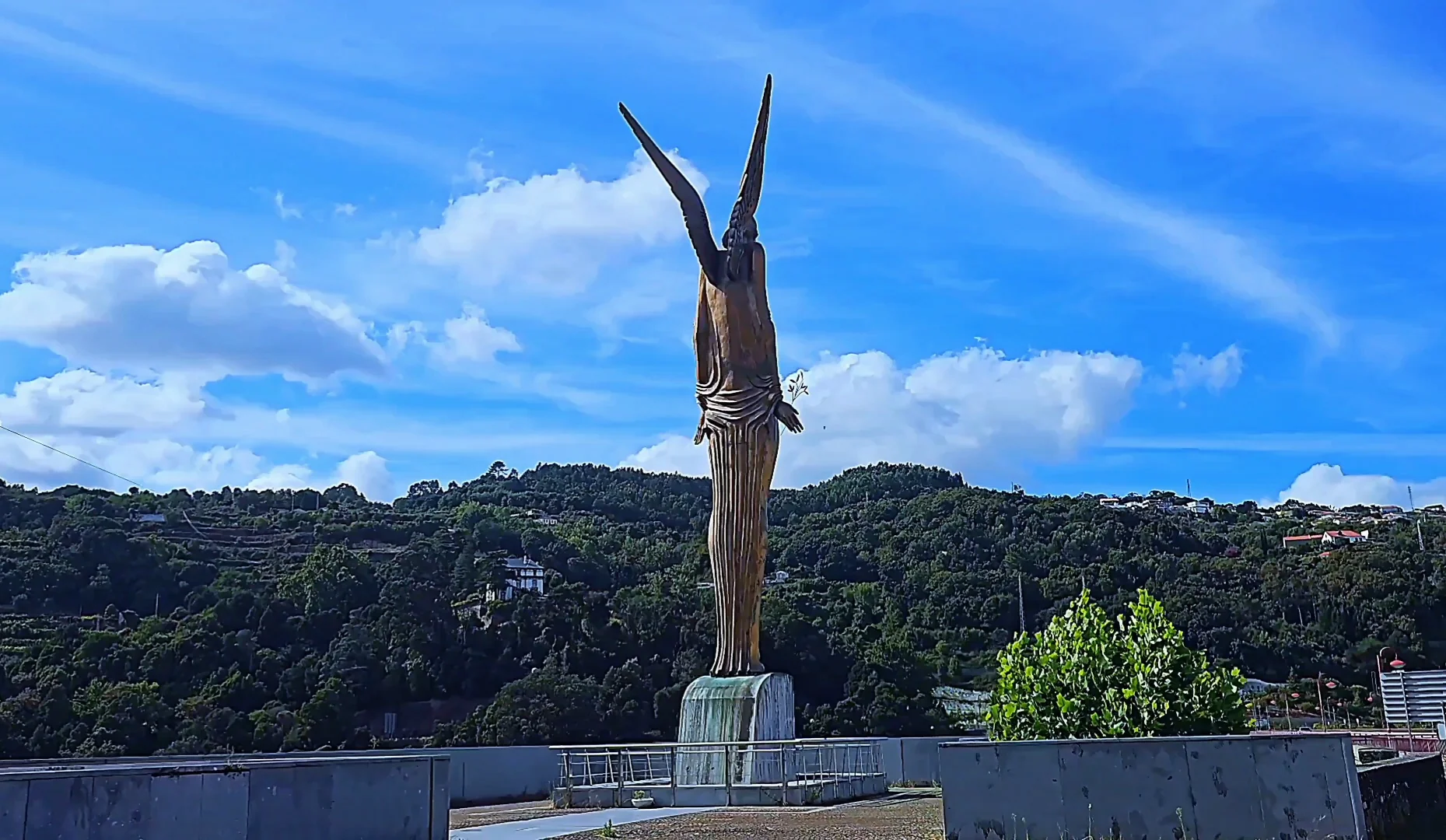
Anjo de Portugal memorial
After crossing the Douro towards Castelo de Paiva, you can stop at the memorial beside the former Hintze Ribeiro Bridge. The angel overlooking the river remembers a tragedy that deeply affected these communities.
For the curiousThe angel that remembers a fallen bridge
Anjo de Portugal is a memorial to the victims of the Hintze Ribeiro Bridge collapse on 4 March 2001. That night, a bus and cars fell into the Douro. This is not an old legend: the loss remains part of family and community memory. The sculpture and riverside memorial invite a quiet, respectful pause.
Anjo de PortugalOpen a photograph to see it larger.
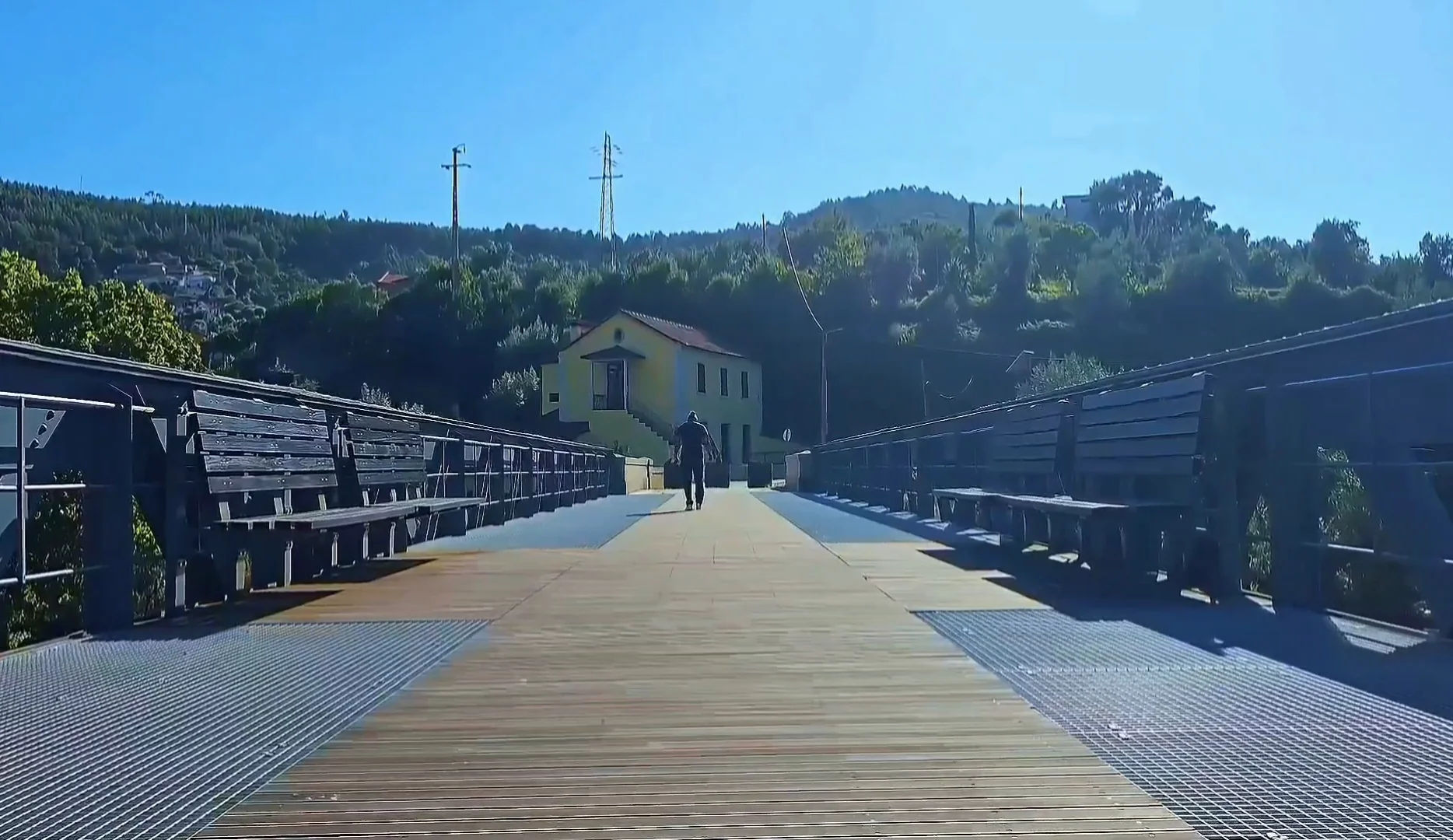
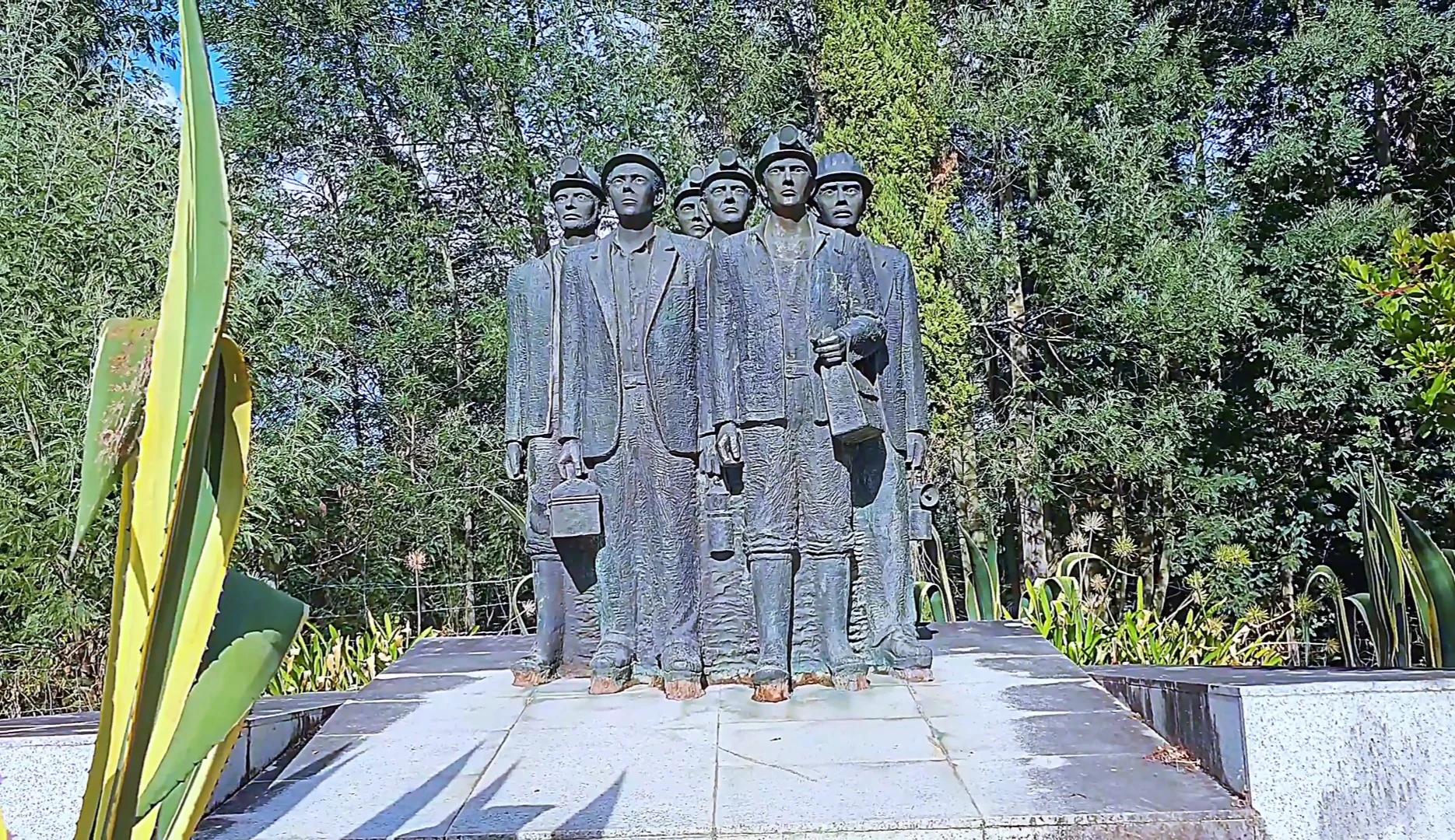
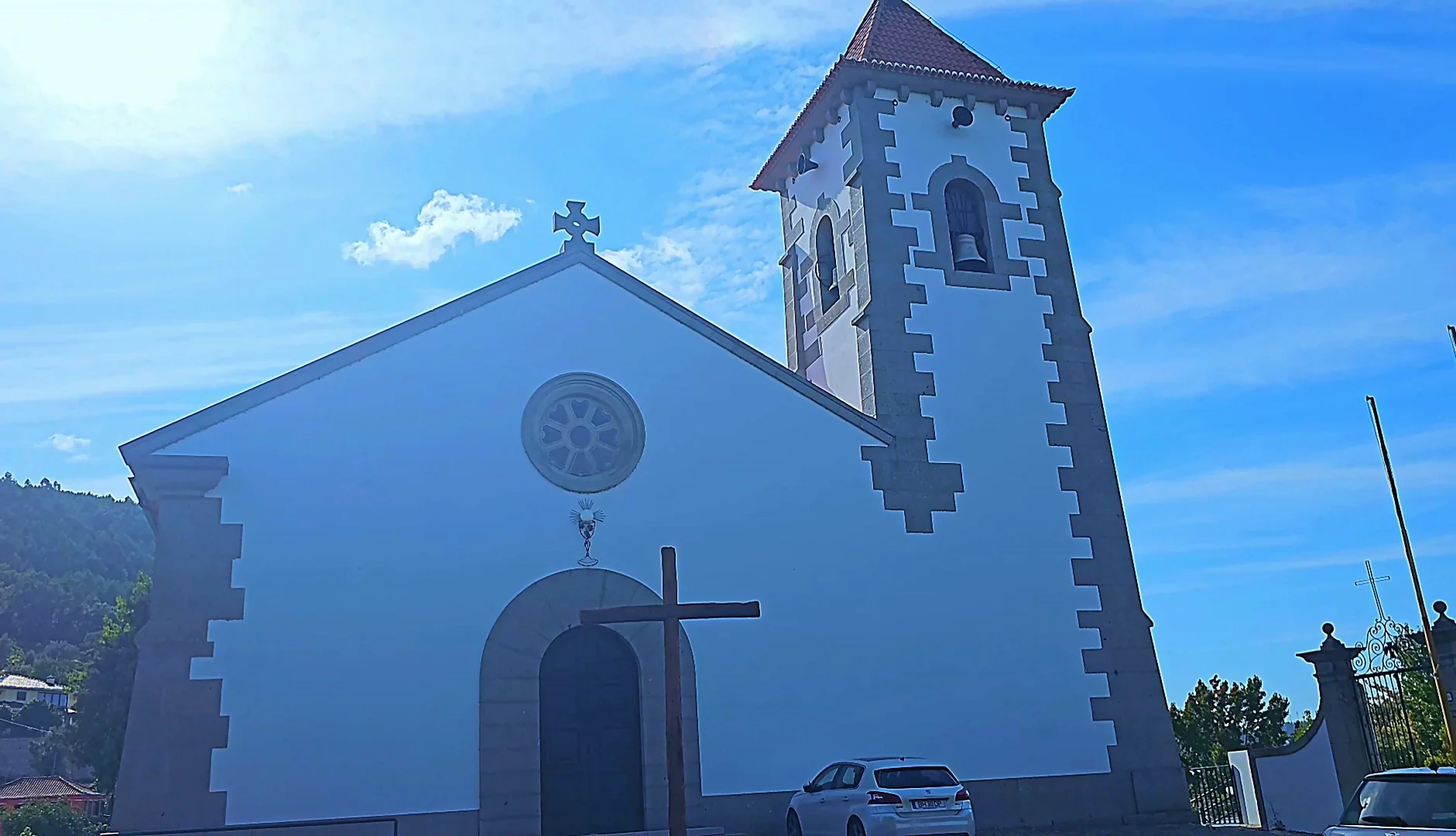
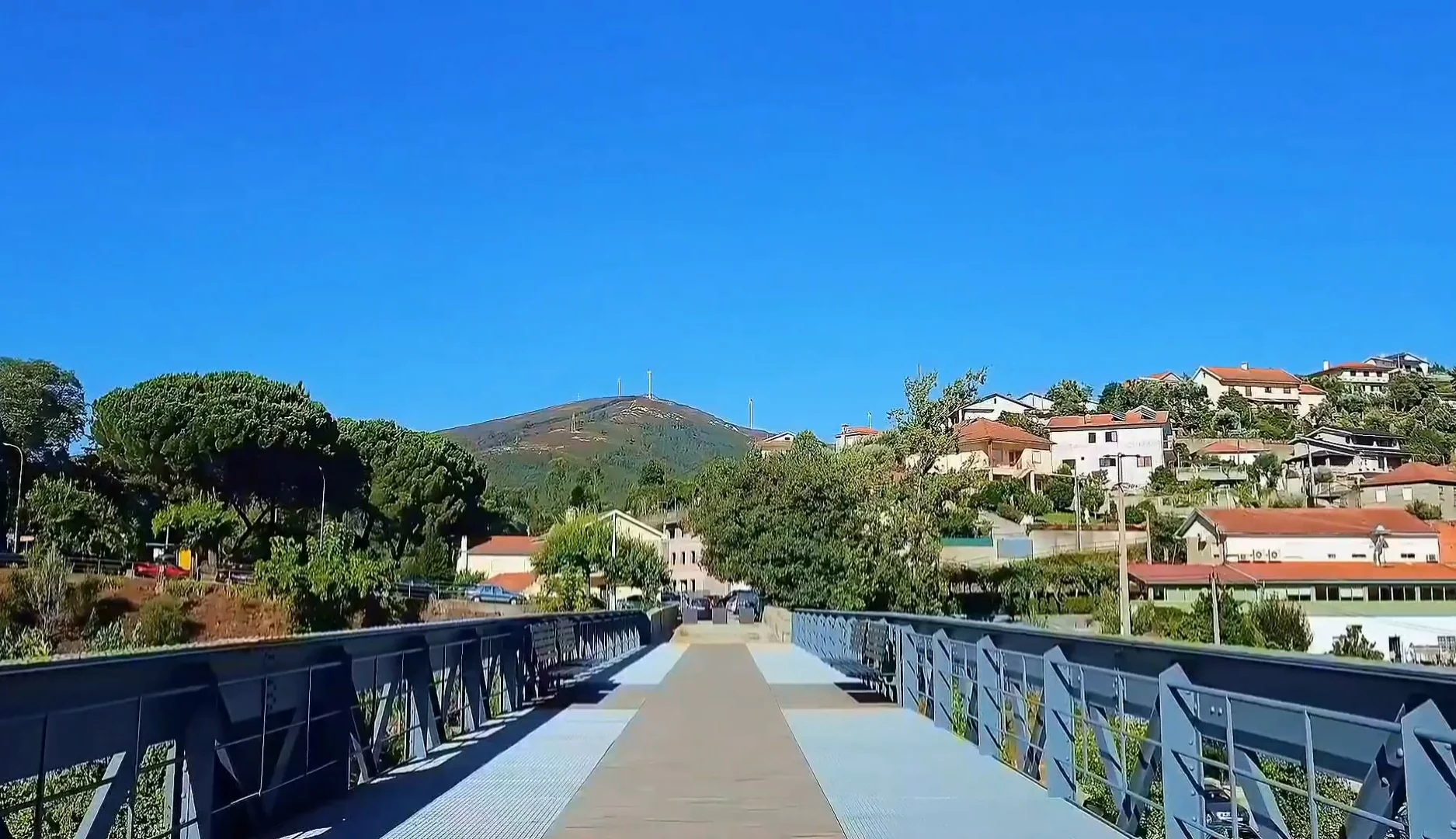
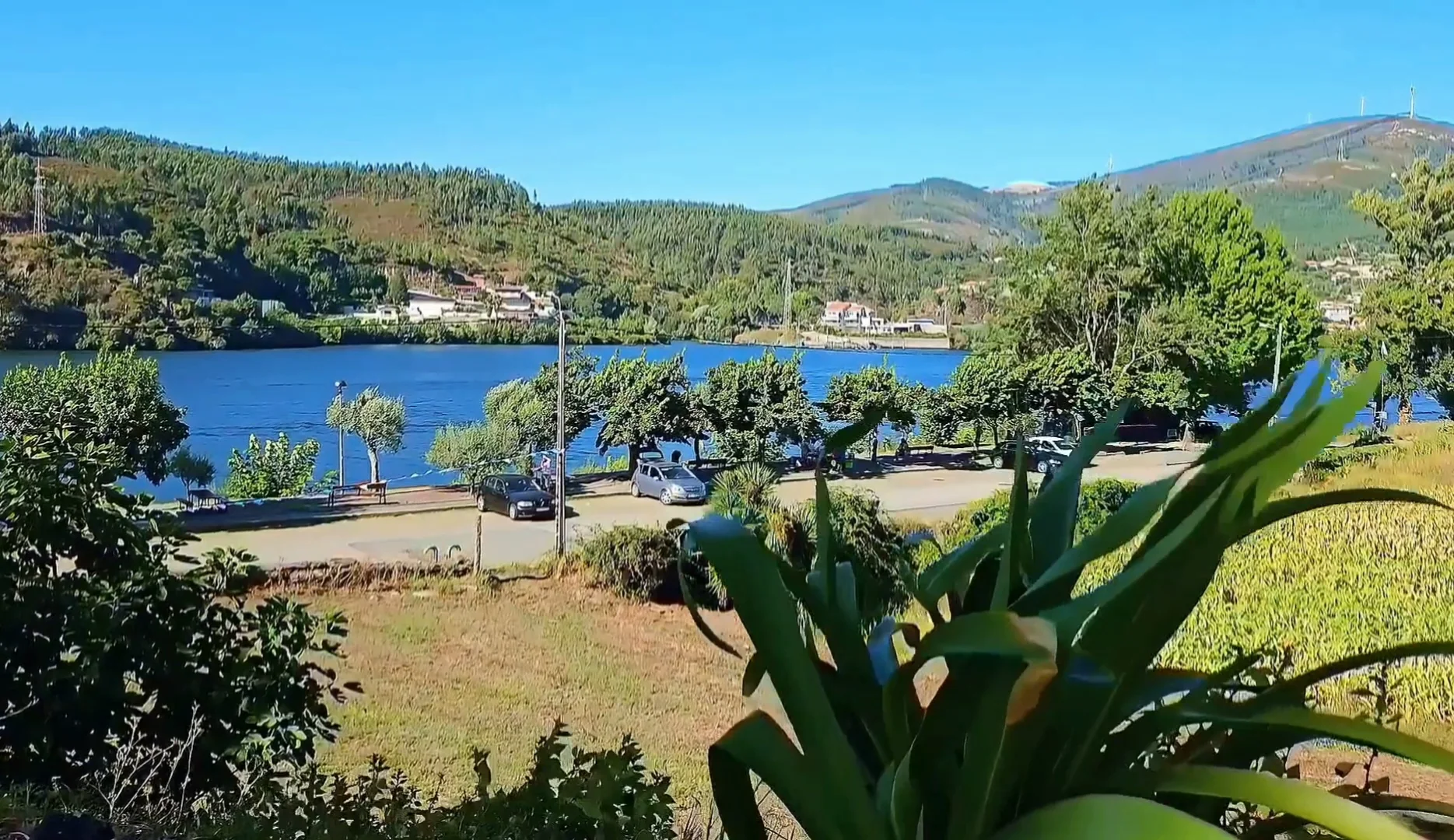
Continue to Pedorido, where the Arda joins the Douro. Walk beside Santa Eulália Church, cross the historic bridge and look for the monument to the miners. The waterfront makes a pleasant final stop before heading back.
For the curiousThe Pejão miners and Pedorido’s bridge
The miners’ monument remembers lives spent working underground. At the Pejão mines, coal was extracted from galleries using tools such as picks and hammers, then carried in small wagons. Some supplied electricity production at Tapada do Outeiro and the cement industry.
Mining shaped these communities for more than a century before ending in late 1994. The bridge you can walk across today belongs to that history: built in 1893 for the Pejão mining railway, it carried small locomotives, ox carts and people over the Arda.
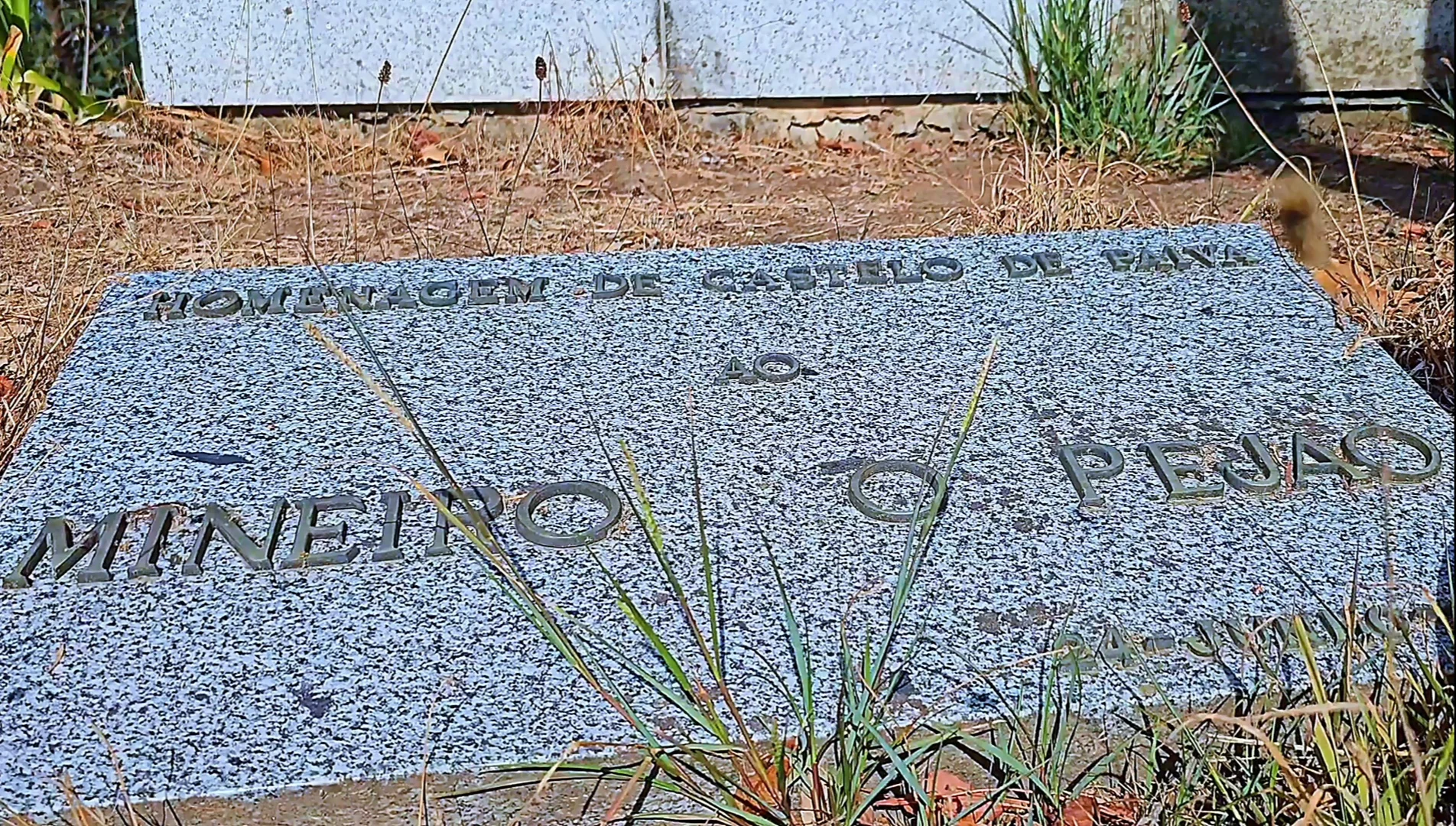
Visiting the bridge, monument and memorial plaque together introduces some of the work that shaped this community.
Remembering Pedorido’s minersOpen a photograph to see it larger.
Gramido: the municipality announced daily opening, 9am–6pm, for the Filigree Museum and tourist office. Check municipal information.
Pedorido Church: the churchyard and waterfront are part of the outing; entering the church requires permission from those responsible. Church information.
Lunch: open the food suggestions. Allow separate time for a meal and indoor visits.
Longer walks: the region has marked walking routes, but this driving circuit is not one continuous footpath. Do not treat the N108 or N222 as riverside promenades.
A museum, station tiles, vineyards and a boat trip: this is my suggested introduction to the valley without rushing through it. With two days, add a hillside visit and stay in the region.
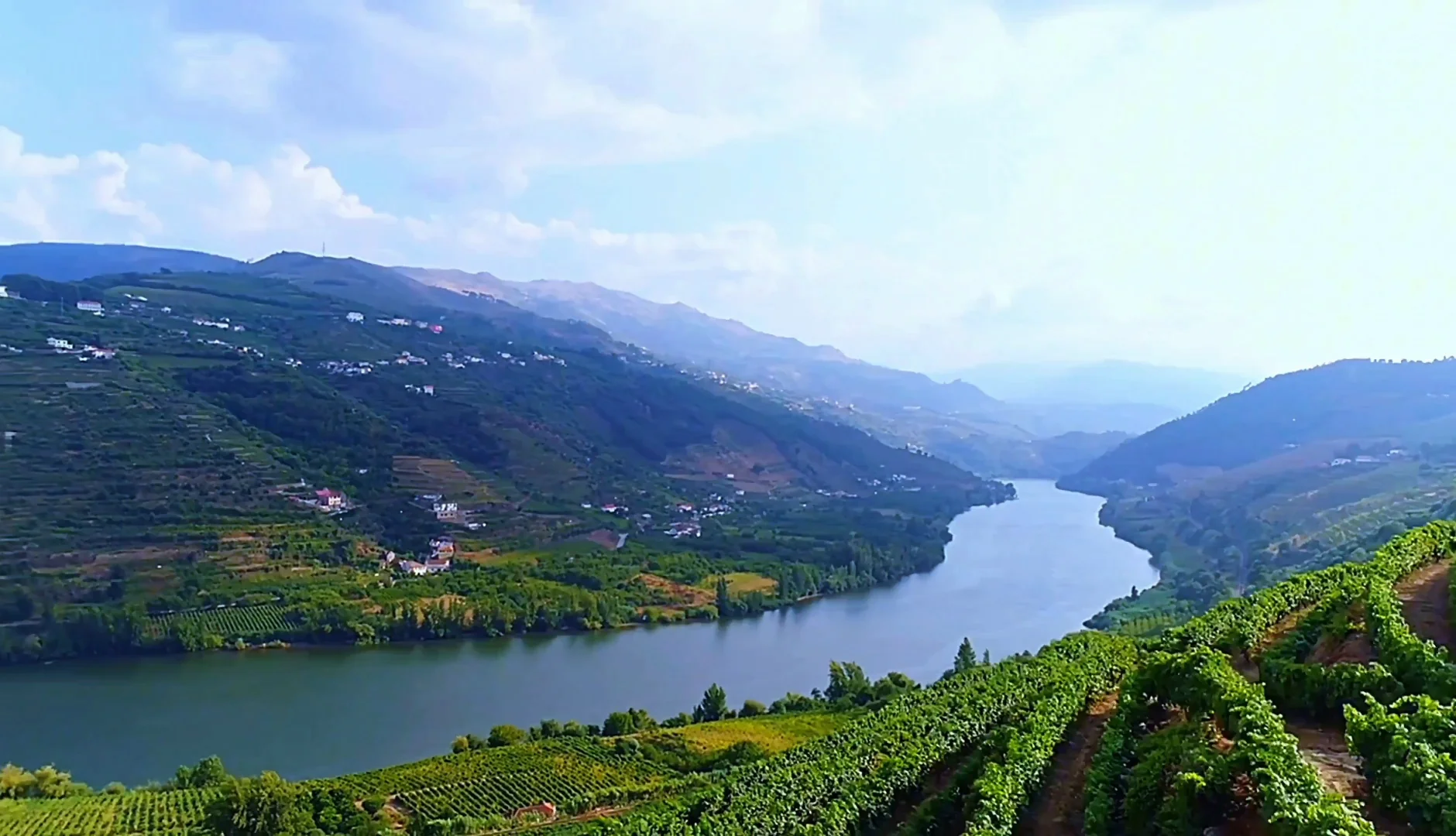
Start at the museum to understand the landscape ahead: vineyard work, wine and the valley’s relationship with the river. Then walk along the waterfront. If your transport schedule is tight, choose this visit or the boat trip in Pinhão.
For the curiousWhy did a wine region need boundaries?
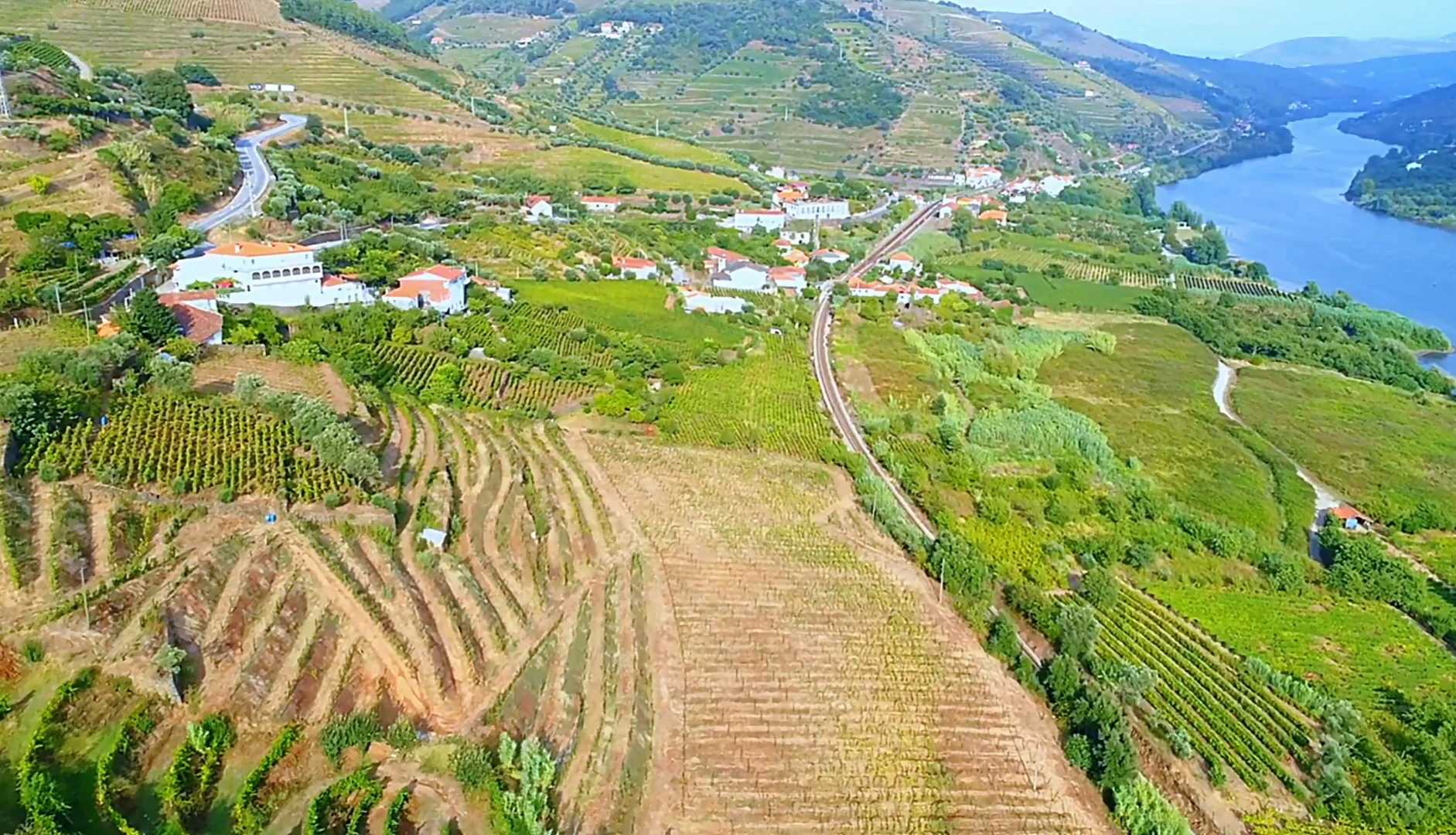
Port wine had a valuable reputation to defend. In 1756, the Companhia Geral da Agricultura das Vinhas do Alto Douro was established with rules governing origin, quality and production. Demarcation helped define where the wine could come from. Looking at the hillsides, remember that this landscape also has a history of boundaries, trade and regulation.
The vineyards shaping the valleyOpen a photograph to see it larger.
Allow time for the station’s tile panels, then head to the river. It is an easy combination for train passengers: explore the village, have lunch and take a short boat trip returning to the same quay.
For the curiousThe tiles show the people behind the vineyards
Pinhão station’s 24 tile panels show regional landscapes, customs and work. They were produced by the Aleluia factory in Aveiro. Before heading to the quay, look at the figures: they help explain that these hillsides are more than scenery. The landscape we come to enjoy was shaped and maintained by generations of workers.
For a view over the valley, add the Casal de Loivos viewpoint. It is up on the hillside and needs its own journey; it is not a short extension of the quayside walk. Without a car, arrange a taxi and the return journey, or spend longer in Pinhão.
With another day: Lamego, Mateus, Favaios and the Varosa Valley
Lamego: the sanctuary and cathedral
Choose the Sanctuary of Nossa Senhora dos Remédios, its staircase and Lamego Cathedral. You can arrange to reach the sanctuary by road rather than climbing the whole staircase. This is a separate outing from Régua for visitors who enjoy churches and heritage.
An alternative for architecture and garden lovers. Choose a visit covering the house, chapel or park and coordinate your road transfer with the entry time. Ticket types do not necessarily include the same spaces.
Favaios: bread, moscatel and an unfinished building
From Pinhão, drive up to Favaios. The Bread and Wine Museum introduces traditions that are interesting even if you do not drink alcohol. Its building became known as “a Obra”, or “the building works”: it belonged to a grand residential complex that was never completed.
The Varosa Valley: São João de Tarouca, Ucanha and Salzedas
Plan a separate outing to the monasteries of São João de Tarouca and Santa Maria de Salzedas. São João de Tarouca was one of Portugal’s early major Cistercian centres and retains its church and remains of the monastery complex.
At Ucanha, the bridge and tower over the Varosa recall the tolls charged at the entrance to the Salzedas monastery’s lands. These visits need road transport; choose one or two if your day already includes Lamego.
If you are following the river by road over several days, Caldas de Aregos, in Resende, offers a south-bank break beside its quay and marina. It also appears as a stop in cruise itineraries.
The municipality reports renovation work at the thermal baths. Confirm any use of the spa before including it in your plans.
Quinta do Bomfim, in Pinhão: guided visits, vineyard walks and other experiences by reservation. Consider it when staying in the village.
Quinta do Seixo, in Valença do Douro: on the south-bank hillside, with a winery and valley views. Arrange road transport and choose your programme before setting out.
If you do not drink alcohol, ask about available visit types and alternatives. The landscape and vineyard work are part of the interest too; your whole journey need not revolve around tastings.
If you are already staying in the region, consider continuing east. Pocinho is today’s railway terminus; the Côa Museum and rock-art sites are beyond the station and need road transport.
Suggested plan
An extra day in the region
Train terminus
Pocinho
Rock-art visits
Guided; book ahead
Continue by train beside the river
Check services from Pinhão to Pocinho, passing through the Tua area. Plan your return train before getting off: do not assume frequent connections or quick sightseeing stops before boarding again.
If the railway scenery is your main interest, you can make a return journey without adding the Côa.
The Côa Museum or a rock-art visit
Choose the museum, a guided rock-art visit, or both if the schedules work. Arrange transport from Pocinho in advance, including the return. This is not a practical walking connection.
For the curiousThe engravings that helped stop a dam
These figures were engraved into open-air rock thousands of years ago. Protecting them was central to the decision to cancel the Baixo Côa dam and preserve the engravings where they had been made. In 1998, the valley’s art joined the World Heritage list. A guided visit introduces the figures in their original setting; the museum helps explain them.
Official visits to Canada do Inferno and Ribeira de Piscos depart from the Côa Museum; Penascosa visits leave from the reception centre in Castelo Melhor. Capacity is limited and visits use four-wheel-drive vehicles.
The museum closes on Mondays from November to March; rock-art visits may still operate on those days. The services follow separate schedules.
Another Upper Douro option: Castelo Rodrigo and Barca d’Alva
Castelo Rodrigo is a historic village with stone lanes, walls, a parish church and the ruins of Cristóvão de Moura’s palace. It features as an excursion in cruise programmes travelling through the Upper Douro.
For a day from Pocinho, choose Castelo Rodrigo or the Côa and arrange road transport. If you continue to Barca d’Alva, organise the return too: trains finish at Pocinho.
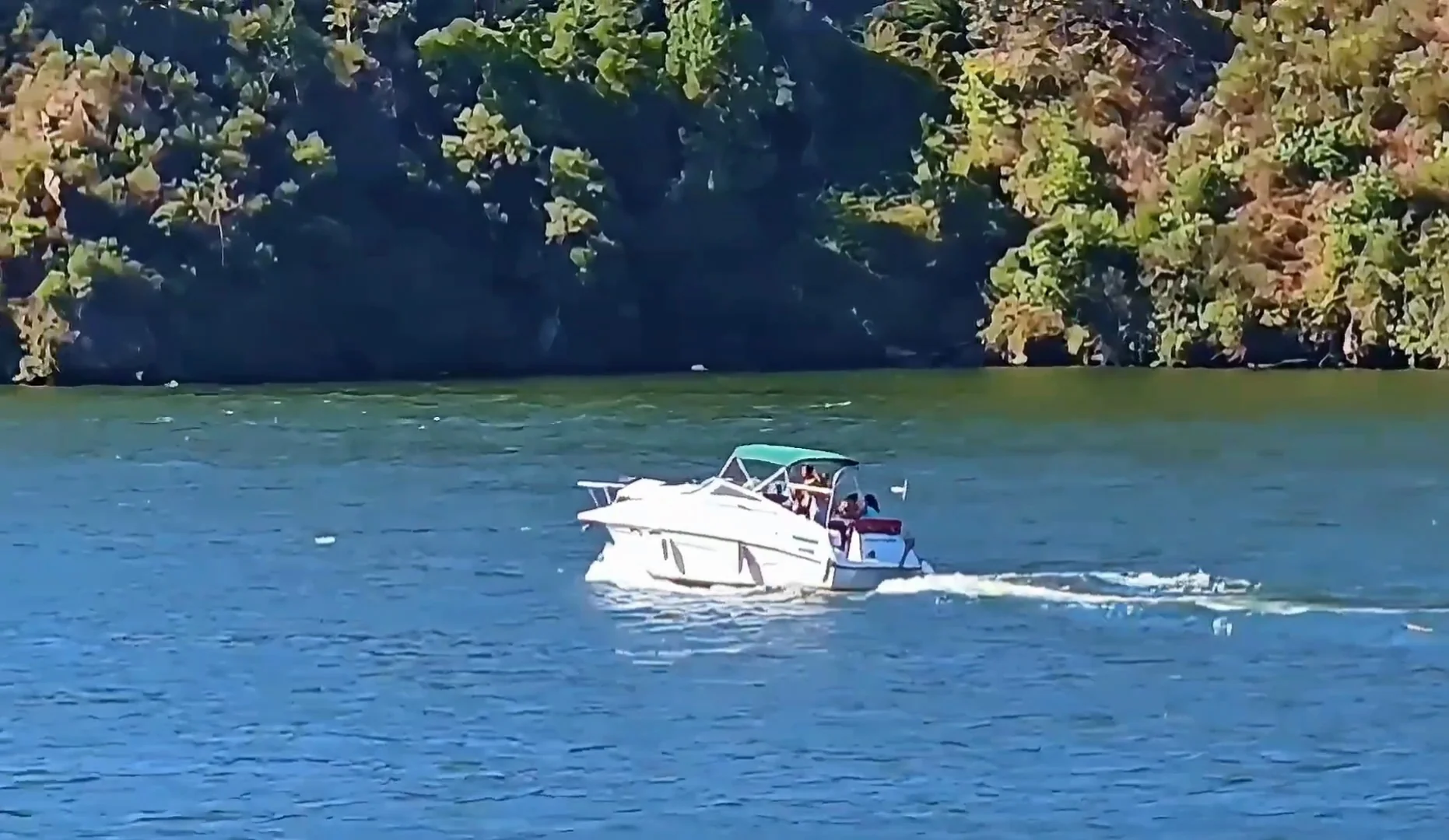
First decide how long you want to spend on the water. Check the departure quay, return transport and any included visits ashore.
Beside the water on a Douro outing
A short trip from Pinhão
This is the easiest option to combine with the station, lunch and a stroll around the village. Magnífico Douro publishes trips from 50 minutes to around two hours, returning to Pinhão.
Choose this when cruising is your main experience for the day. Compare upstream and downstream trips, departure quays and return transport. Passing Régua or Pinhão does not mean there will be time ashore to explore.
Some programmes offer excursions to Lamego, Mateus and other places. Many involve coach journeys from the quay. Check which visits are included and which are optional before booking.
Departures depend on your date, navigation conditions and the operator. In winter, confirm availability and whether the boat has a sheltered area.
What do the cruise stops let you visit?
The programmes reviewed offer ideas for visits ashore. The quay and the place visited may be a coach journey apart; excursions vary by operator and departure.
Régua and hillside heritage
The Douro Museum, Lamego and Casa de Mateus feature in programmes. Some excursions continue to São João de Tarouca and Ucanha. Travelling independently, plan road transport and separate days for these visits.
Visits combine the valley with wine estates and, in some programmes, Favaios, bakeries, the Bread and Wine Museum and Quinta da Avessada. A demonstration or meal included in a cruise needs a separate arrangement when travelling independently.
Pocinho and the Upper Douro
Some programmes offer a choice between Castelo Rodrigo and the Côa rock art. These are road excursions with time set aside, and help explain why the area merits a longer stay.
The Douro Line serves Régua, Pinhão and Pocinho. When planning, distinguish the riverside section from the journey out of Porto, and choose your return service first.
Works scheduled until 24 March 2027
From 3 November 2026 until the announced end date, CP reports suspension between Marco de Canaveses and Régua, with replacement buses. Journeys from Porto involve transfers.
For riverside scenery, consider Régua–Pinhão and, with more time, the continuation to Pocinho. Read the full timetable, including replacement buses, and check that your service reaches your intended destination.
Travelling east from Régua, the river is on the right for much of the route; bends and train layout can change the view. A window seat does not guarantee uninterrupted views or reflection-free photographs.
CP’s announced replacement buses do not carry bicycles, scooters or wheelchairs. Contact CP before finalising your plans if you need mobility assistance.
Today trains finish at Pocinho, but the line once continued through Barca d’Alva to Spain. Wine entrepreneur Antónia Adelaide Ferreira, known as Ferreirinha, helped press for its extension. Passenger railway service beyond Pocinho ended in 1988.
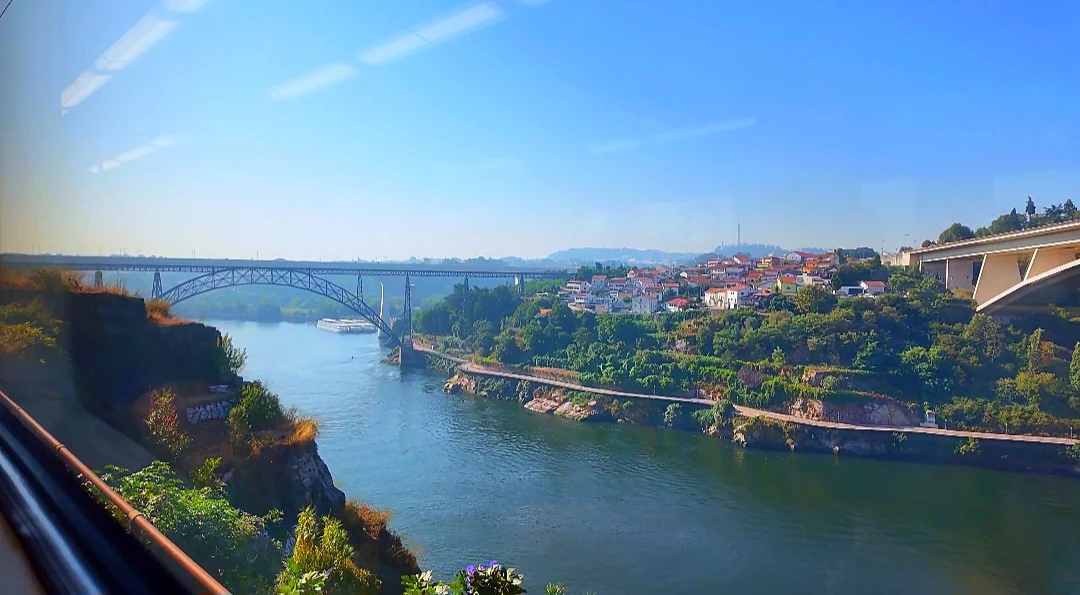
The river seen from a trainOpen a photograph to see it larger.
Open what interests you and add a break to your chosen route.
Which river beach fits your outing?
Zebreiros and Melres: on the right bank, on the Gondomar side, convenient for an outing along the N108.
Lomba: on the left bank. Although it also belongs to Gondomar, it needs a different road approach; it is not a walk across from Melres.
Bitetos: on the right bank, in Várzea do Douro, Marco de Canaveses. It is an alternative near the Entre-os-Rios area: replace another stop if you want an afternoon at the beach.
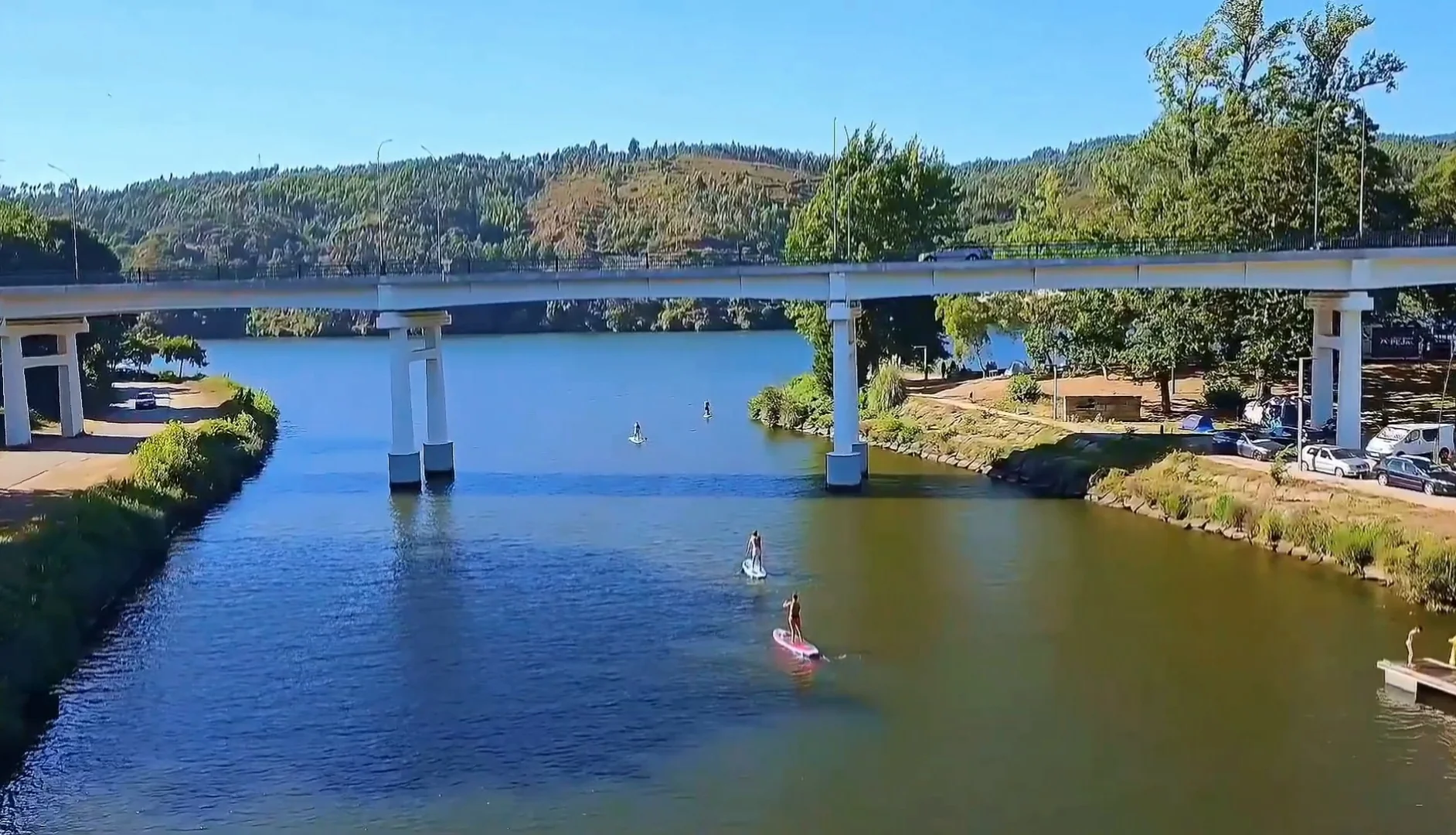
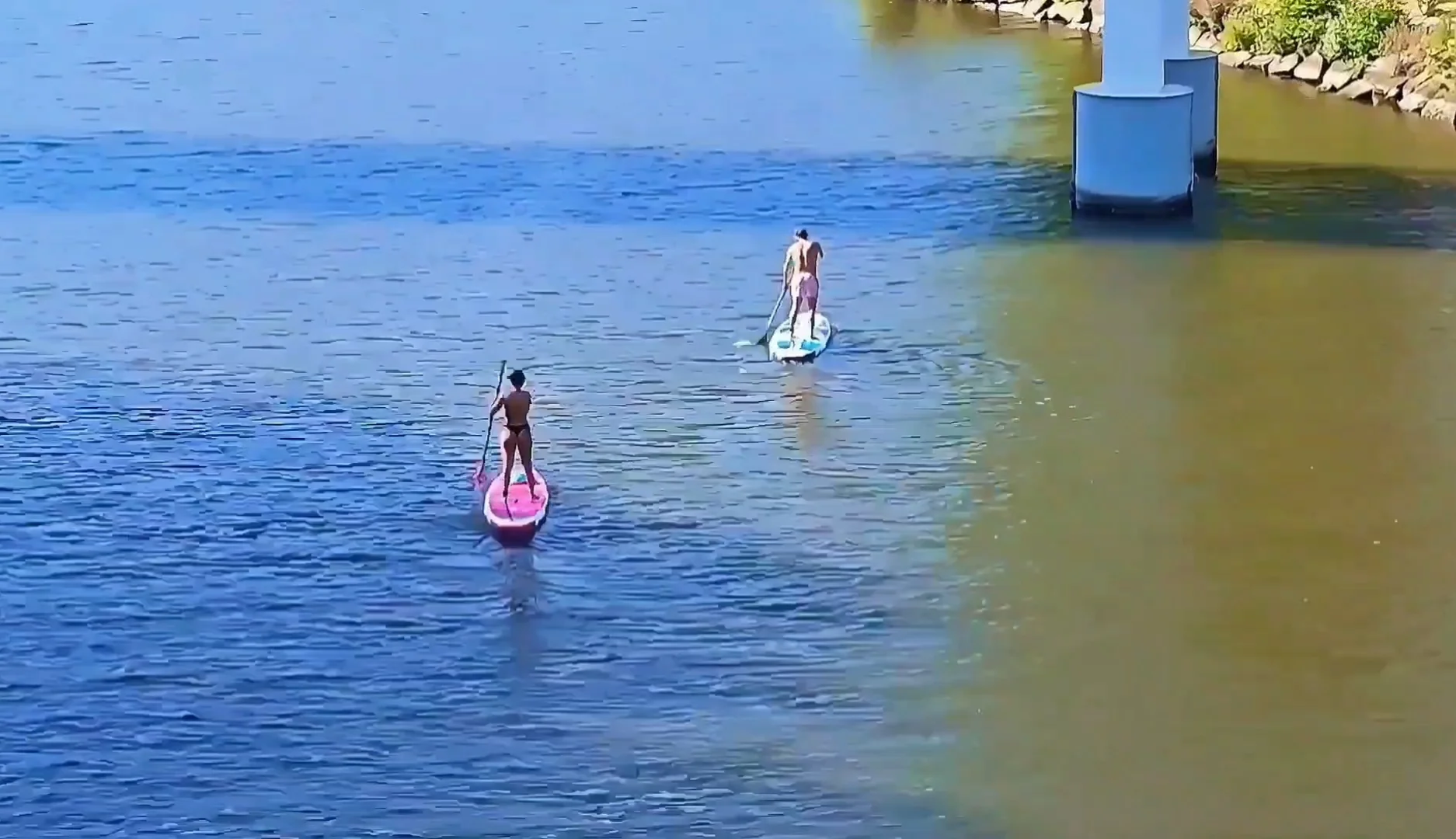
Check lifeguard cover, facilities and bathing-water status for your season. A winter riverside walk does not mean a supervised swimming area. The paddleboarding photographs at Pedorido show an activity observed that day, not a confirmed hire service.
For the curiousBefore beach towels, the rabelo boats arrived
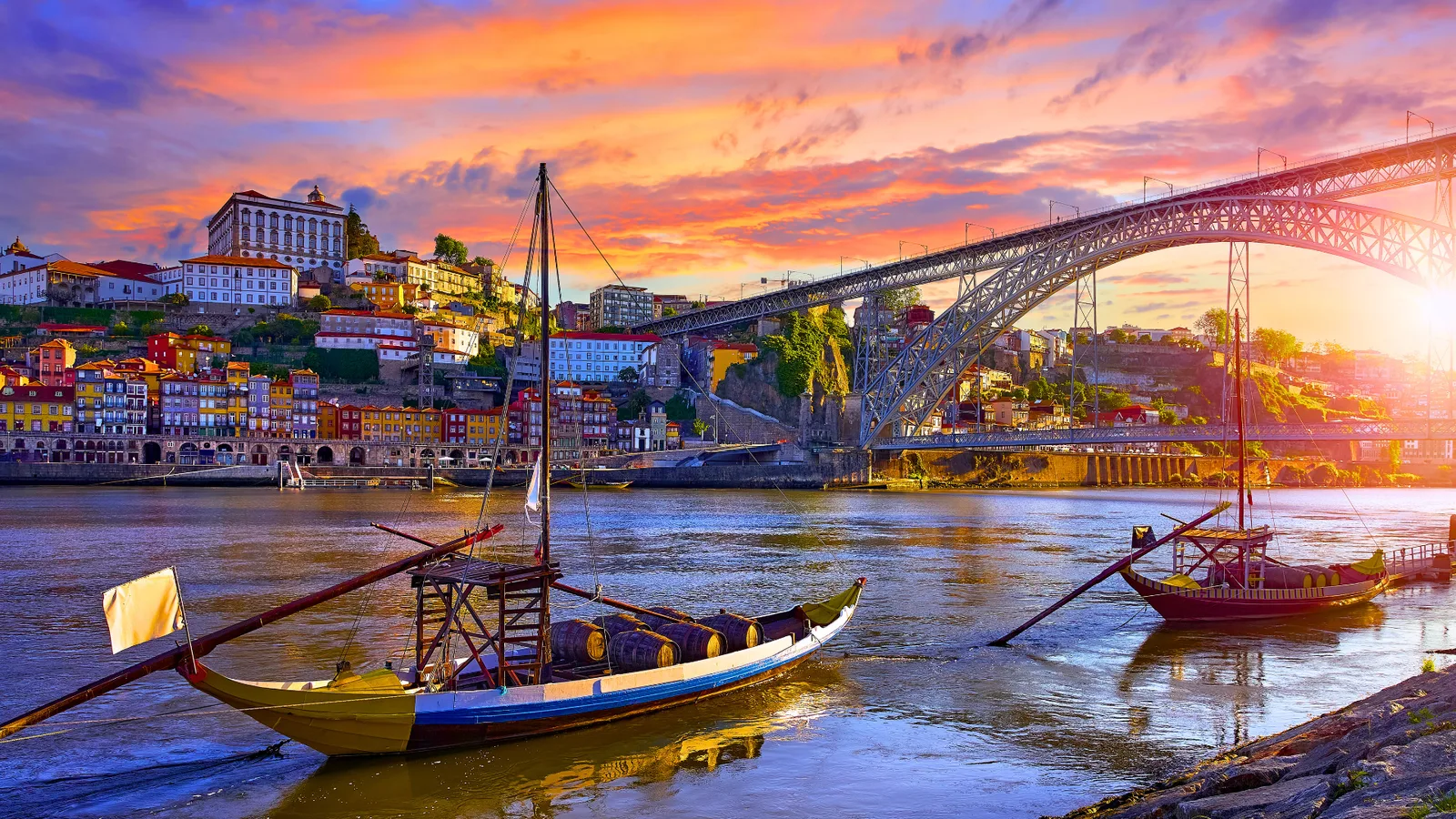
Bitetos was once a quay for rabelo boats carrying wine casks between the valley’s estates and the cellars of Gaia. Today’s place for a waterside break belonged to that working route. This small piece of history connects the beach with the boats you see along Gaia’s waterfront.
The boats linking the valley to GaiaOpen a photograph to see it larger.
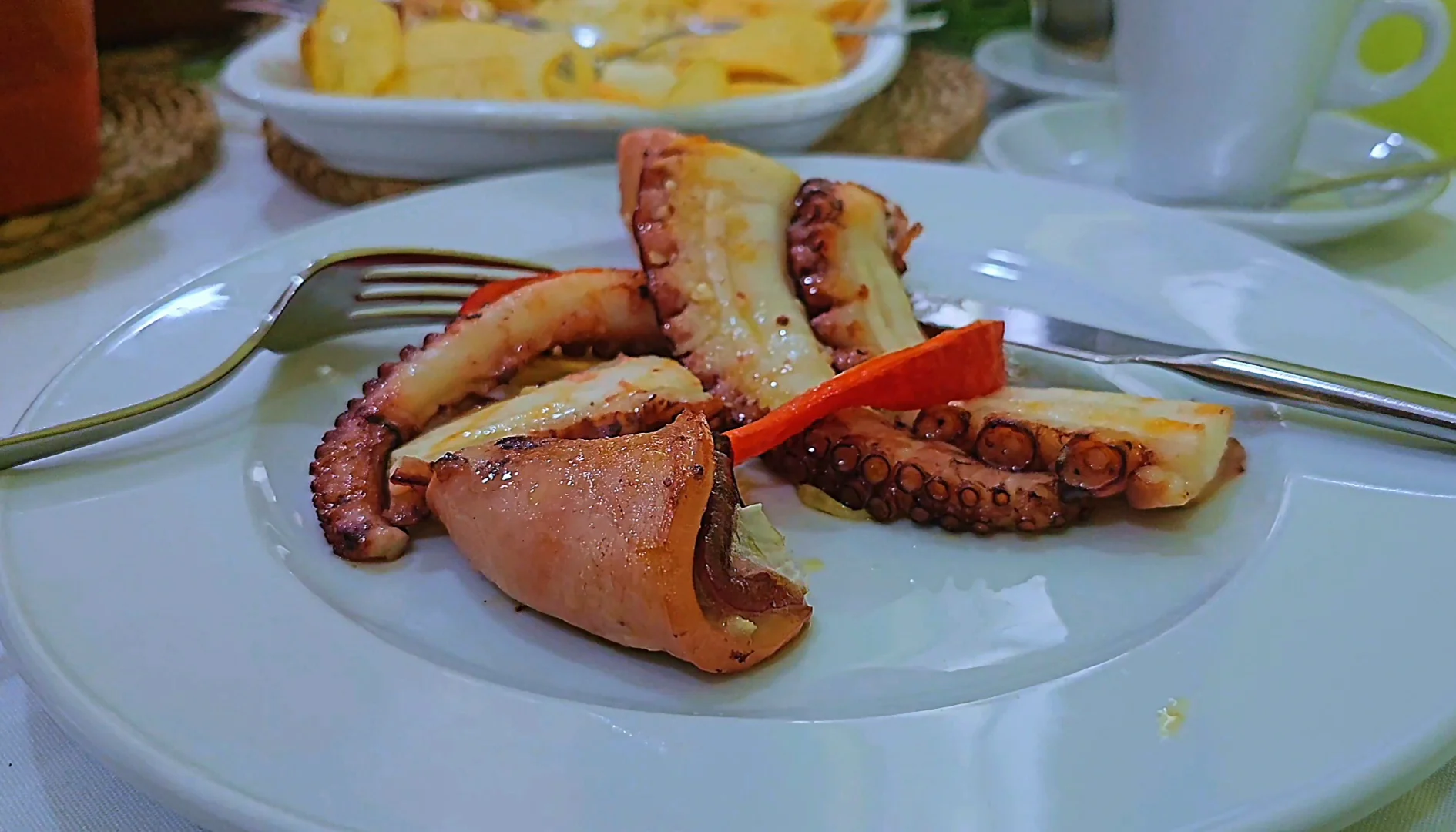
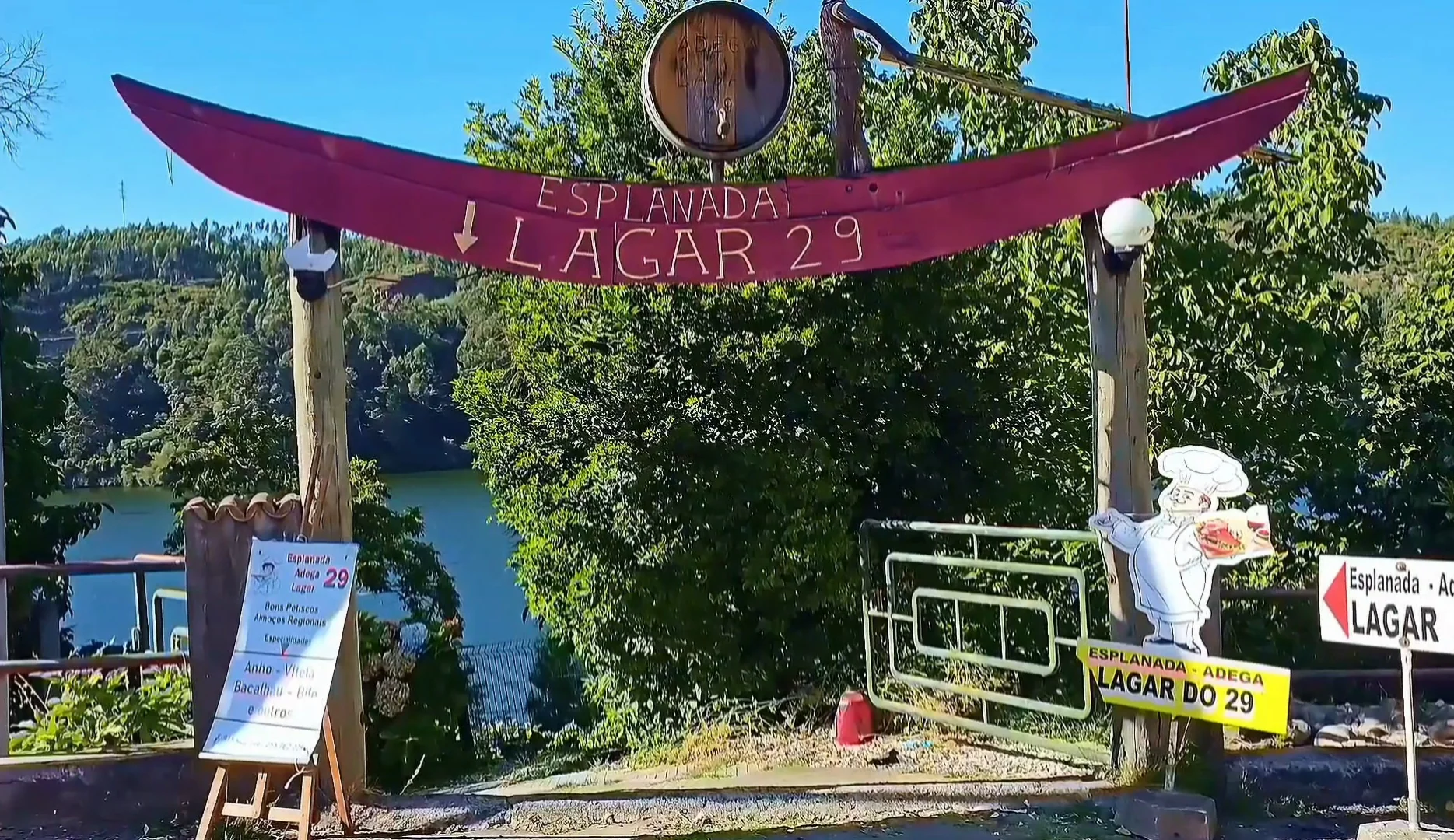
On the Torrão side, in Marco de Canaveses, this is a regional-cuisine option for a stop around Entre-os-Rios. It can fit between visiting the bridge and continuing to Pedorido. Check the menu, opening and reservations before setting out.
Pinhão: for the quayside and valley train journey, compare dormitory beds and private rooms at Douro Backpackers with the higher-end The Vintage House.
Foz Côa:HI Foz Côa Youth Hostel is an option for a longer Côa visit. You still need to arrange transport.
These are researched options, not my own stays. Compare the total for your dates and room type. Without a car, confirm actual access to hillside properties, including meals and the return journey.
Put the plan together
How far should you follow the Douro?
Your finishing point depends on the experience: close to Porto, Pinhão, or a longer journey east.
Where does each journey end?
In this guide: Pedorido finishes the nearby circuit; Pinhão finishes the first valley trip; the Côa is a separate extension.
By train: today’s terminus is Pocinho. The river continues east.
By boat: longer programmes can reach Barca d’Alva/Vega Terrón. The Portuguese navigable waterway is 208 km long and has five locks. Check the endpoint and onward transport in your chosen programme.
Choose Régua and Pinhão, coordinating trains, transfers and a short boat trip. For Mateus, Lamego or hillside viewpoints, arrange transport or an organised tour. Do not expect one regular transport service to connect every stop on the Gramido–Pedorido circuit.
When should you go, and how much time do you need?
Spring and autumn generally bring milder temperatures for exploring; summer can be very hot, especially inland. Winter brings shorter days and seasonal services. Choose one main visit and a long break each day, leaving room for road journeys and schedules.
Times in this guide are planning suggestions rather than guaranteed durations. In rain, reduce detours and check museum opening and navigation.
What should you book first?
Start with the experience that has a fixed time: Côa rock art, a boat or a guided visit. Then organise outward and return transport, accommodation and your meal. Avoid a lunch reservation that leaves you relying on a tight connection.
Information reviewed on .
By Renata Silva · Photographs from my outings, complemented by research for places I have yet to visit.
Sources and practical information
Each story has a source within its expandable section. Check opening times and bookings with the relevant organisation before travelling.