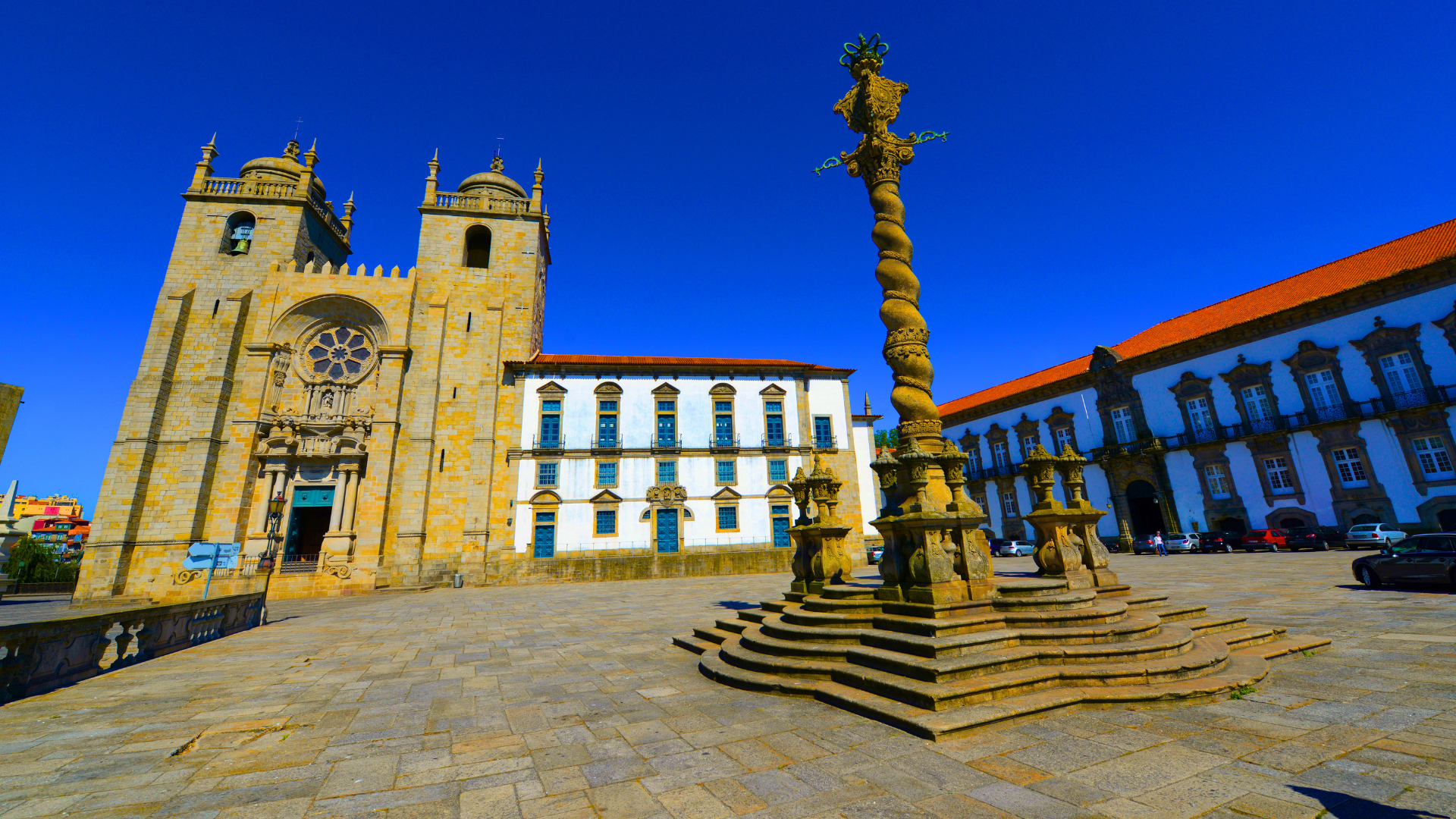
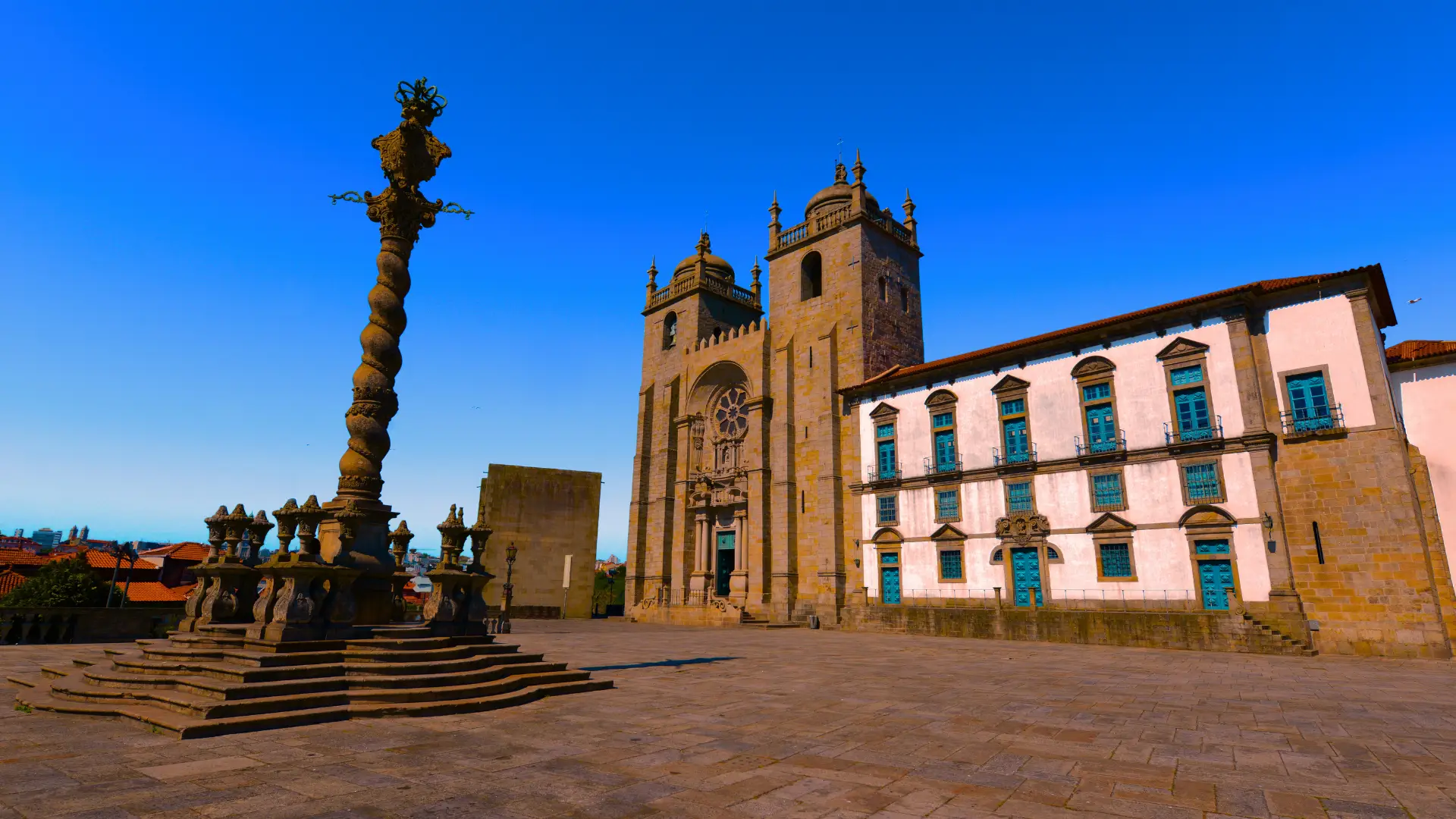
Porto Cathedral, the city’s main historic cathedral.
The stone core
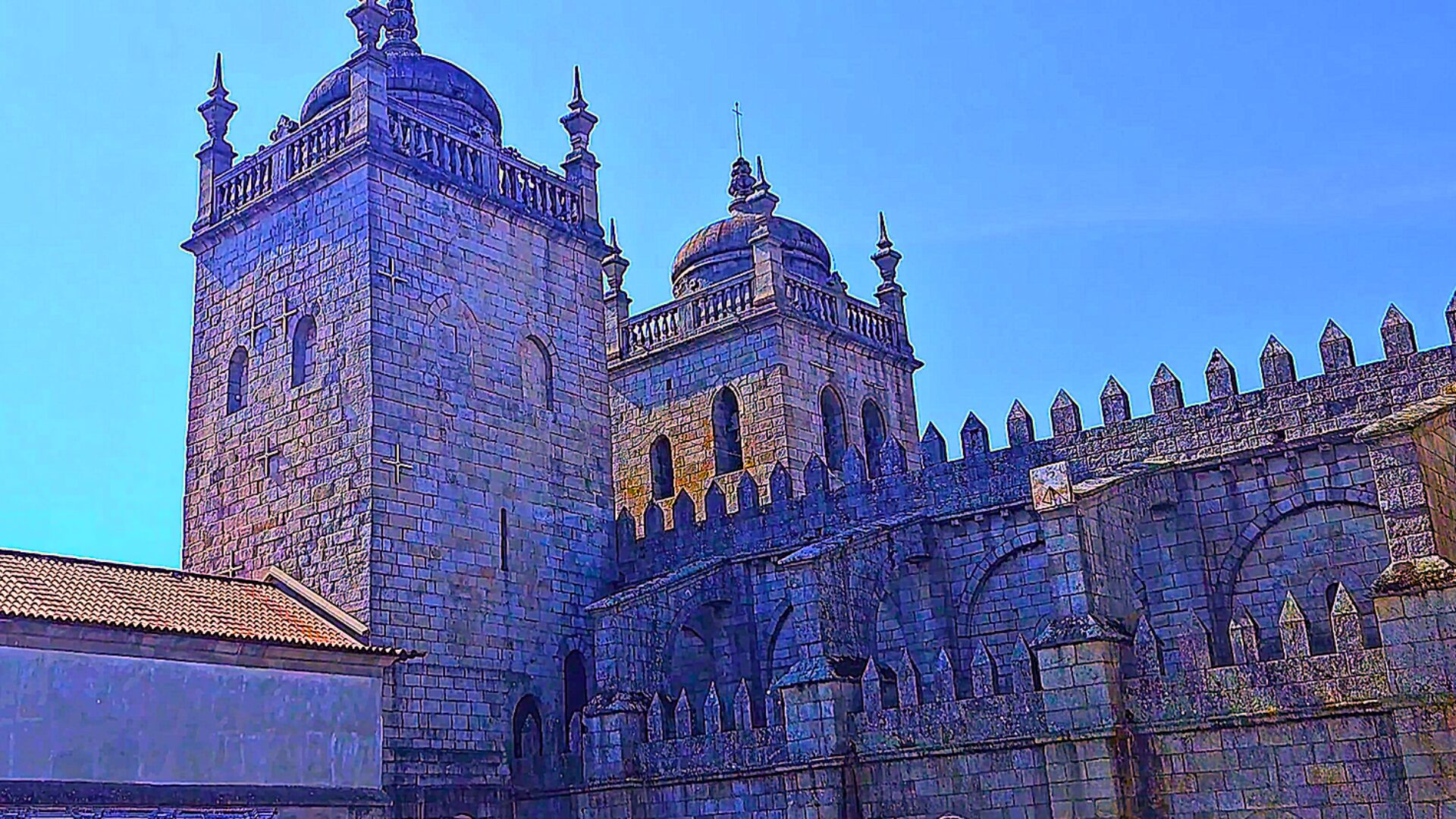
The cathedral keeps a strong Romanesque feeling, especially in its heavy structure, towers and fortress-like presence above the city.
Porto landmark guide
A guide to Sé do Porto, the fortified cathedral above the old city, with Romanesque stone, Gothic cloisters, sacred art and one of Porto’s most powerful viewpoints.
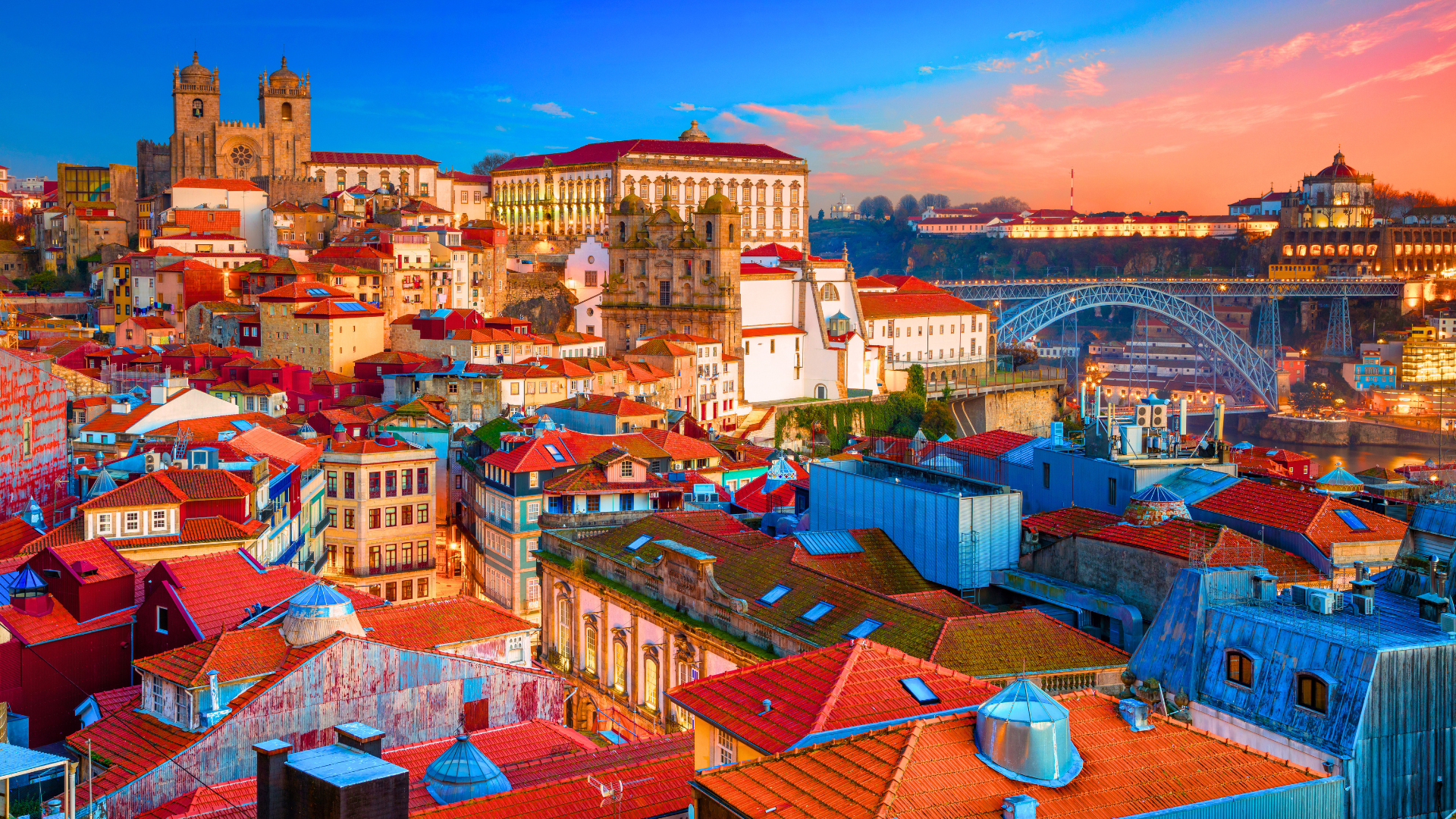
More than a church, Porto Cathedral feels like a stone memory of the city. It stands above the historic centre, watching over narrow streets, rooftops and the Douro.
Porto Cathedral, known in Portuguese as Sé do Porto, is one of the city’s great historic landmarks. Its fortress-like towers, heavy stone walls and hilltop position make it feel older, stronger and more solemn than many other places in Porto.
The building carries several centuries inside it: Romanesque origins, Gothic cloisters, Baroque additions, sacred art, museum rooms and views over the old city. It is one of the best places to understand Porto’s medieval core before walking down towards Ribeira.
Porto Cathedral, the city’s main historic cathedral.
A powerful mix of architecture, sacred space and city scenery.
The cathedral grew and changed across several centuries.
Arches, tiles, sacred atmosphere and quiet corners.
Video stories
Watch Porto Cathedral as part of a filmed walk through the historic centre, including Avenida dos Aliados, Sé Cathedral, Bolhão, São Bento and nearby streets shaped by stone, history and local memory.
The Porto and Gaia video collection brings together landmarks, cultural walks, historic streets, river views and local stories filmed on location.
Why it matters
The first thing many visitors notice is the strength of the building. Porto Cathedral does not feel delicate from the outside. Its towers, stone walls and elevated position give it a defensive, medieval character.
That is part of what makes it so special. The Sé is not just another beautiful church. It is a landmark that helps you feel the older Porto: steep streets, stone, power, religion, city defence and river views all meeting in one place.
History and architecture
The cathedral’s origins go back to the early history of Portugal. Over time, new layers were added: Romanesque stone, Gothic cloisters, Baroque decoration and museum spaces that reveal the religious and artistic history of the city.
The cathedral keeps a strong Romanesque feeling, especially in its heavy structure, towers and fortress-like presence above the city.
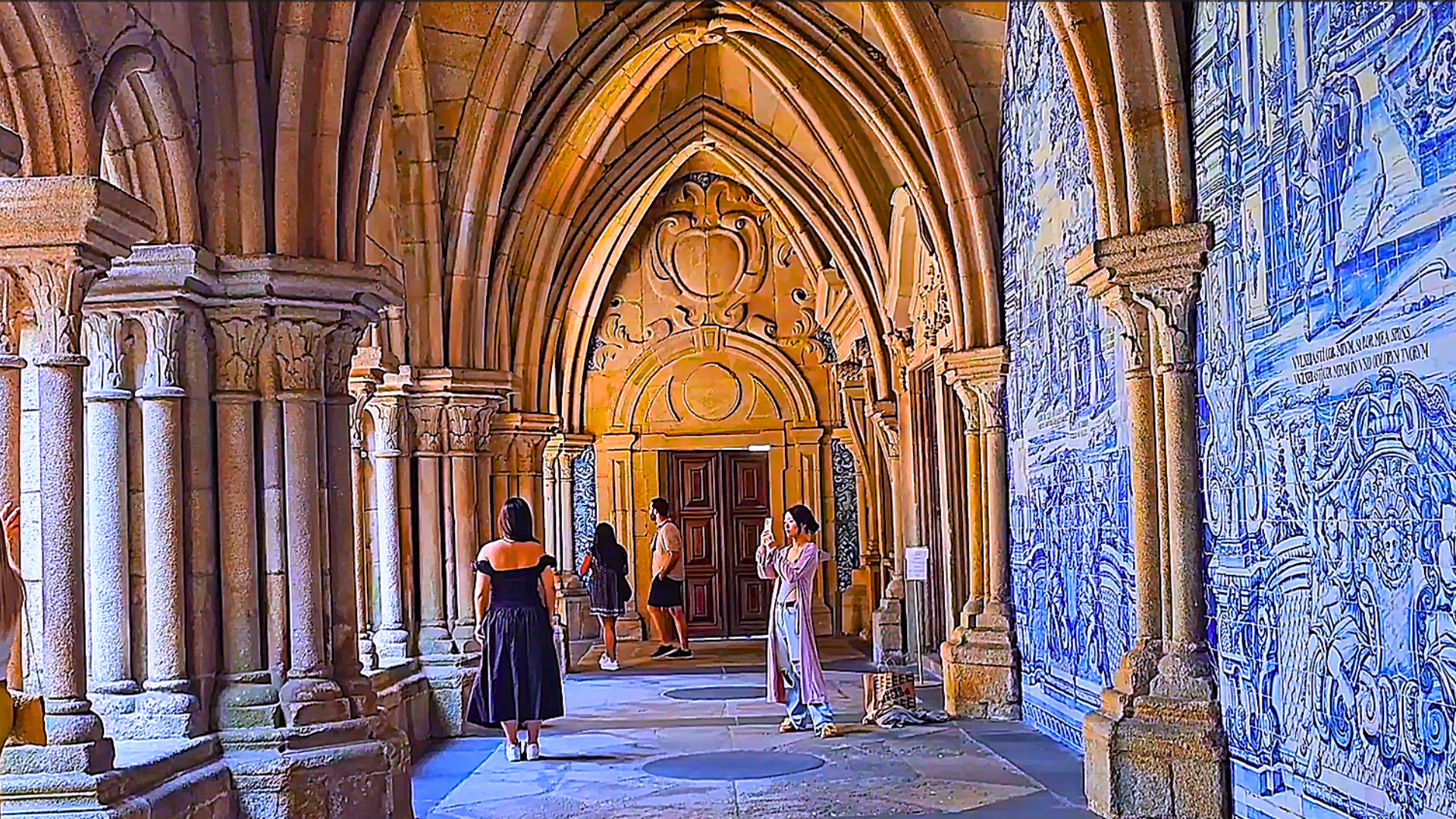
Inside, the atmosphere is darker, quieter and more serious than many decorative churches. It feels ancient, ceremonial and deeply rooted.
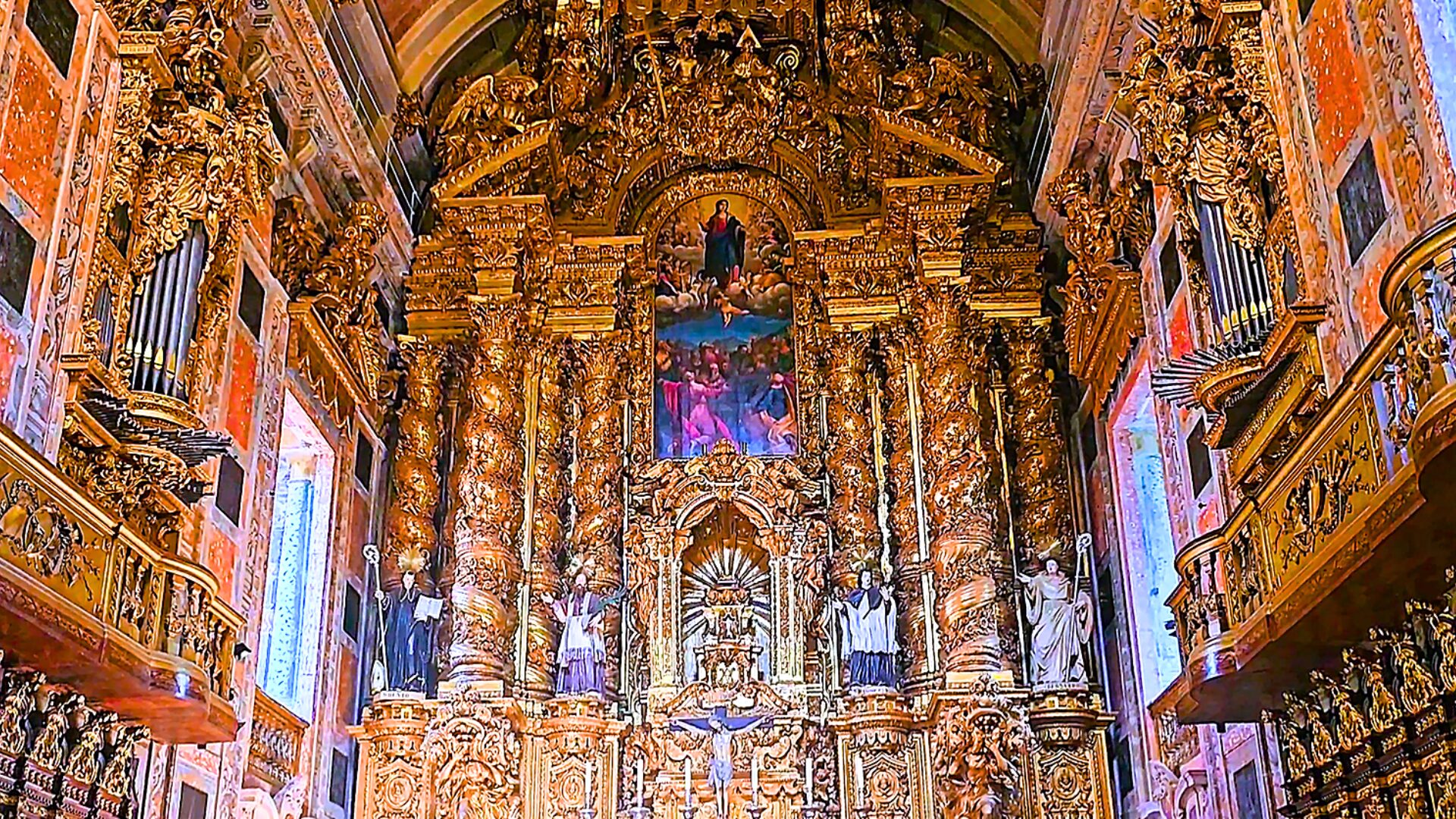
Later additions brought richer decoration, sacred artworks and baroque details that contrast with the cathedral’s austere stone body.
The cloisters
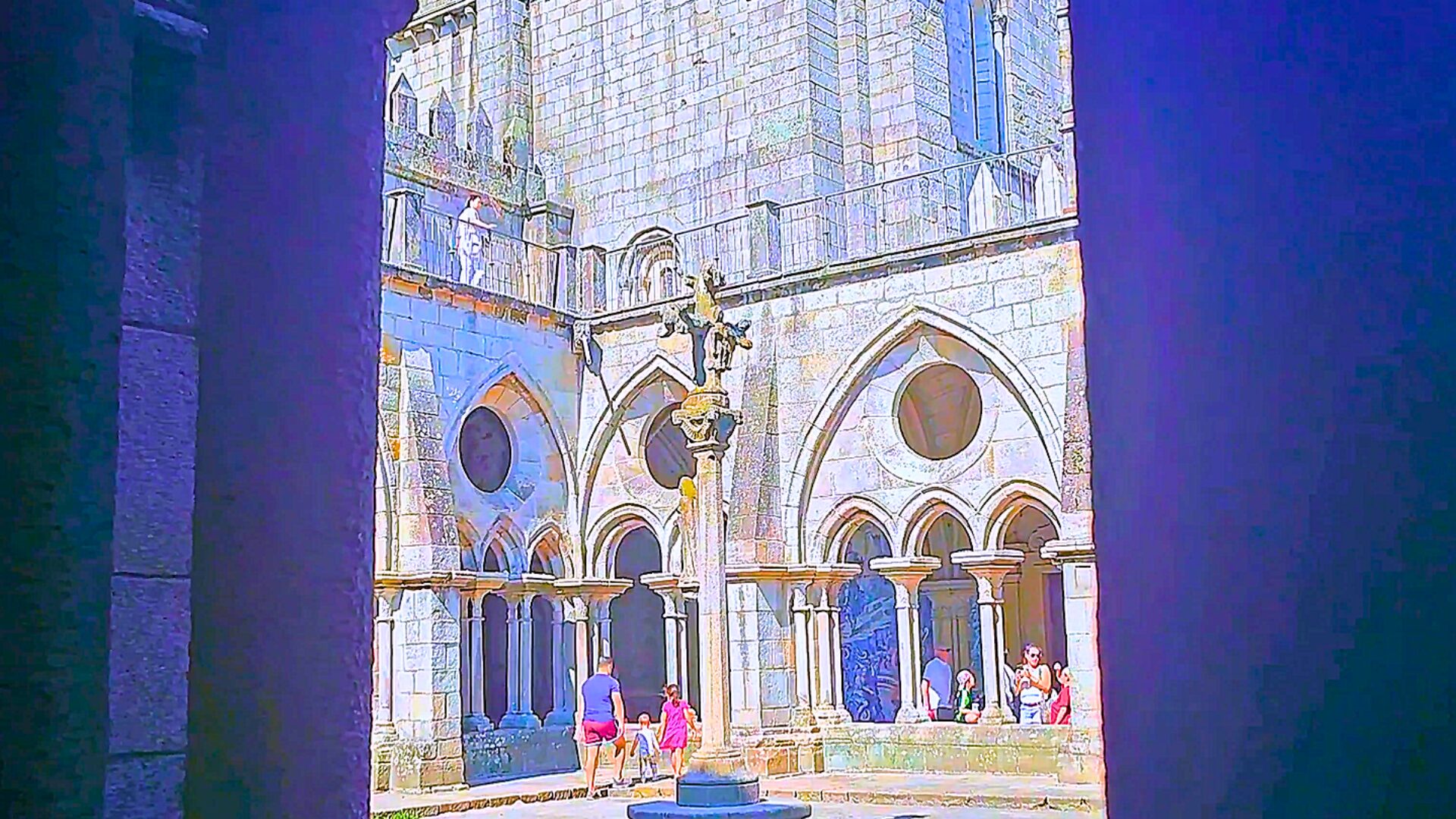
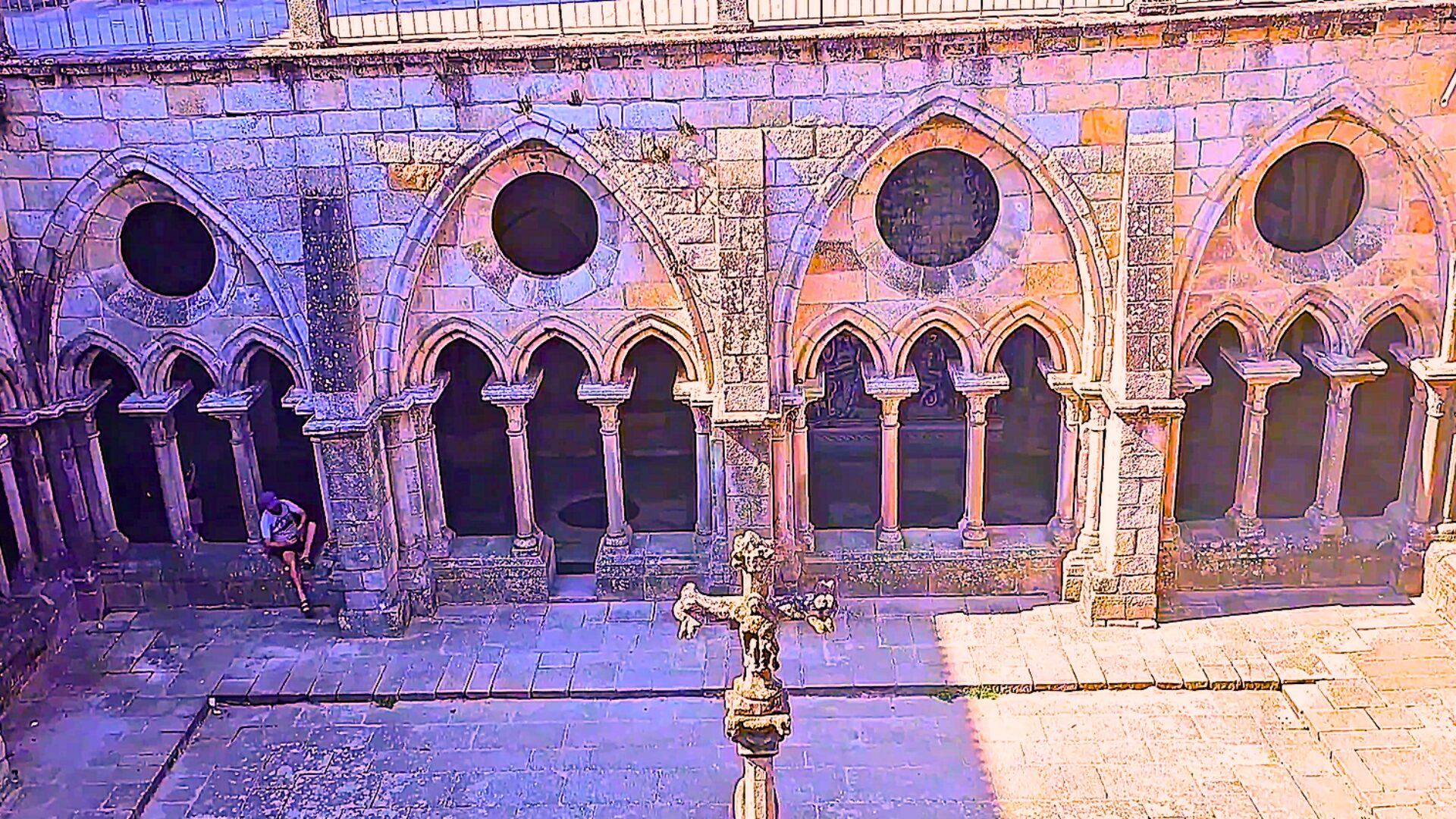
The cloisters are one of the most beautiful reasons to enter the cathedral complex. Here, the atmosphere changes: arches, corridors, stone, blue-and-white tile panels and sacred silence create a more intimate experience.
If the outside of the cathedral feels powerful, the cloisters feel reflective. This is the part of the visit where it is worth slowing down, looking at the arches, noticing the details and letting the light guide the space.
Inside the cathedral
Porto Cathedral rewards slow looking. Beyond the main façade and the terrace views, the visit is full of small sacred details, museum corridors, sculptures, vestments and quiet architectural moments.
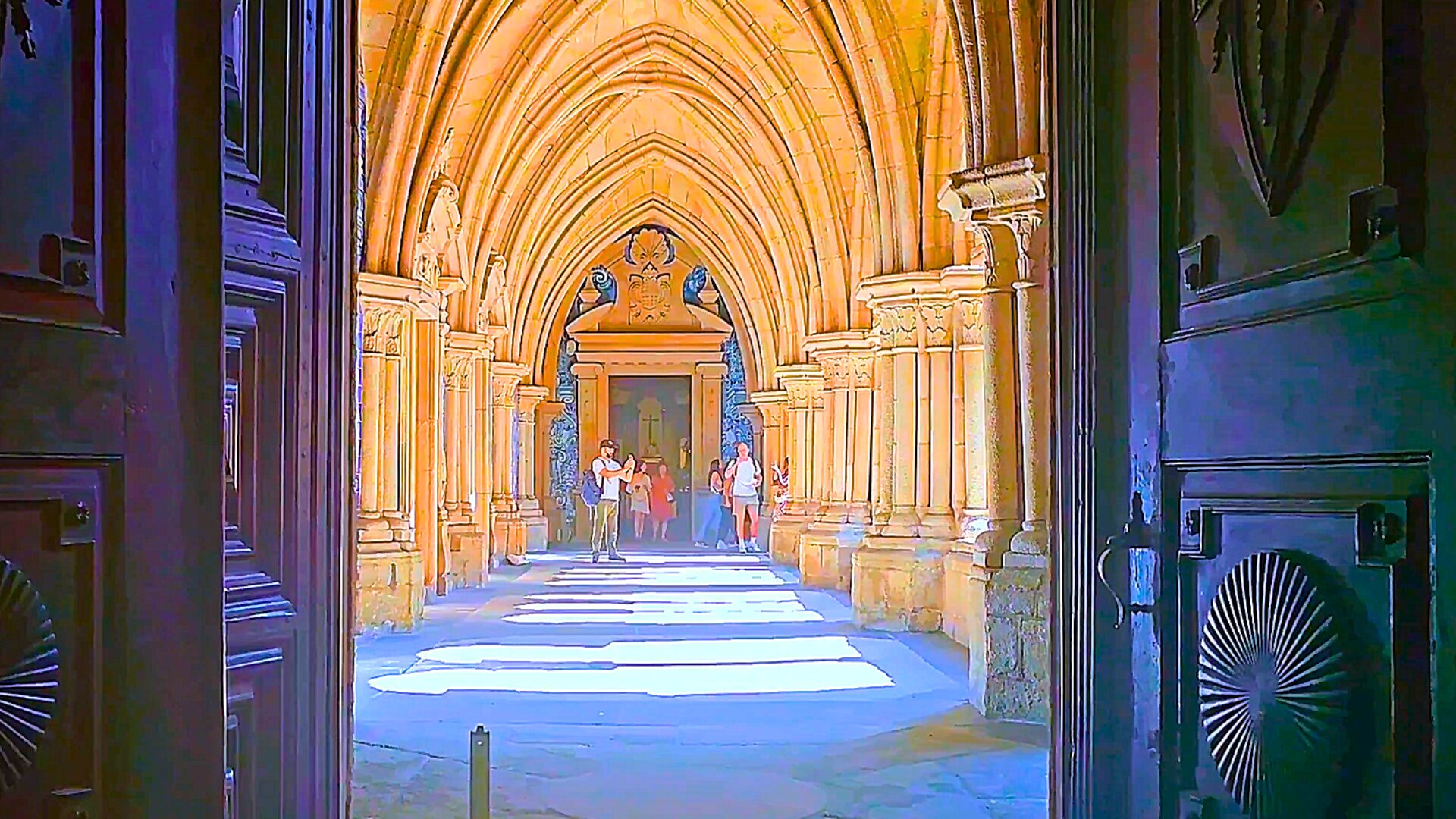
The cathedral complex has beautiful corridors and vaulted spaces that make the visit feel like a walk through centuries.
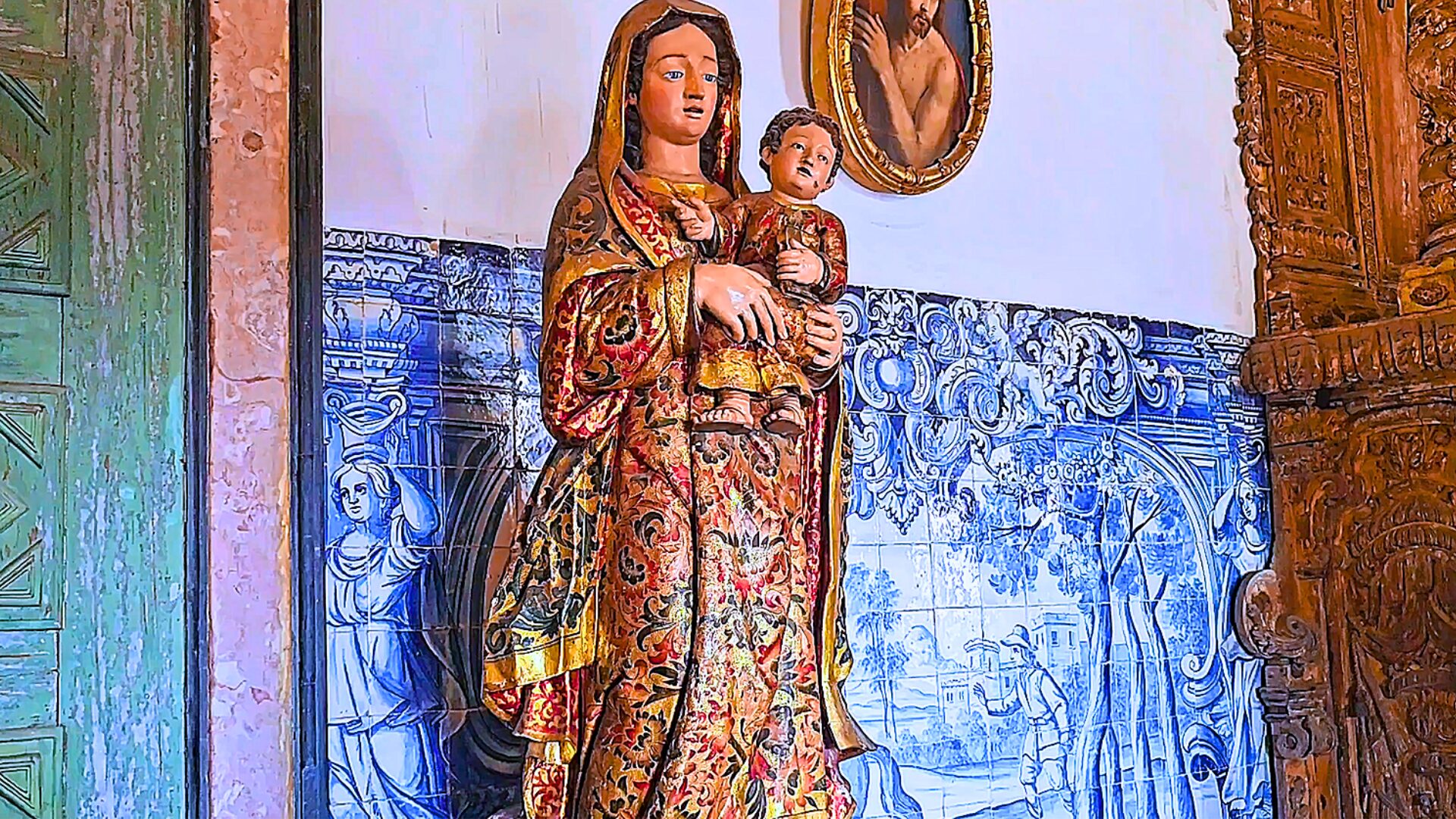
Look for statues, angels and religious details that add tenderness to the cathedral’s strong stone atmosphere.
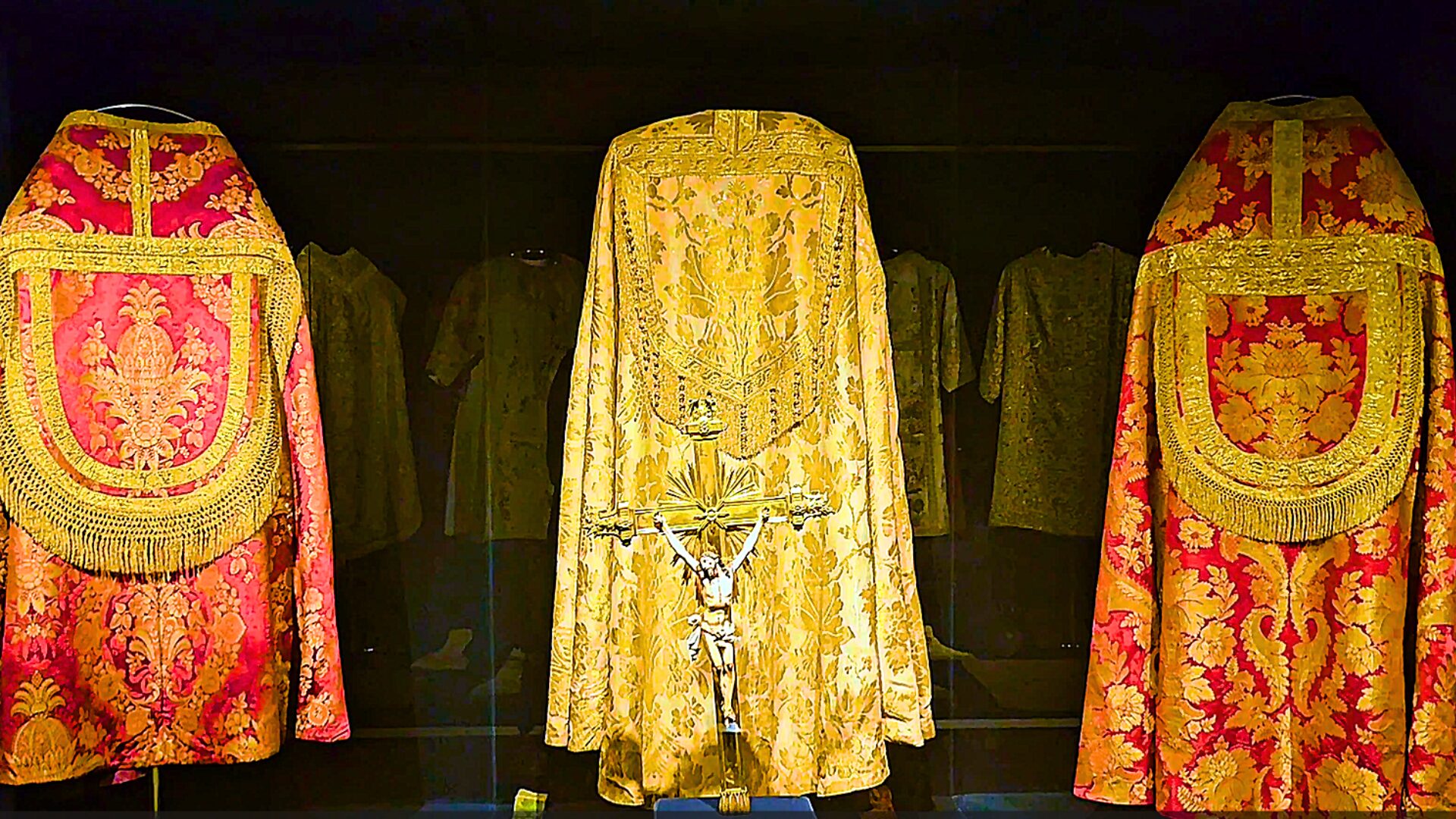
The museum areas help visitors understand the ceremonial, artistic and religious life connected to the cathedral.
Visual gallery
A moving gallery through exterior walls, cloisters, arches, statues, museum rooms, vestments and the solemn interior of Sé do Porto.
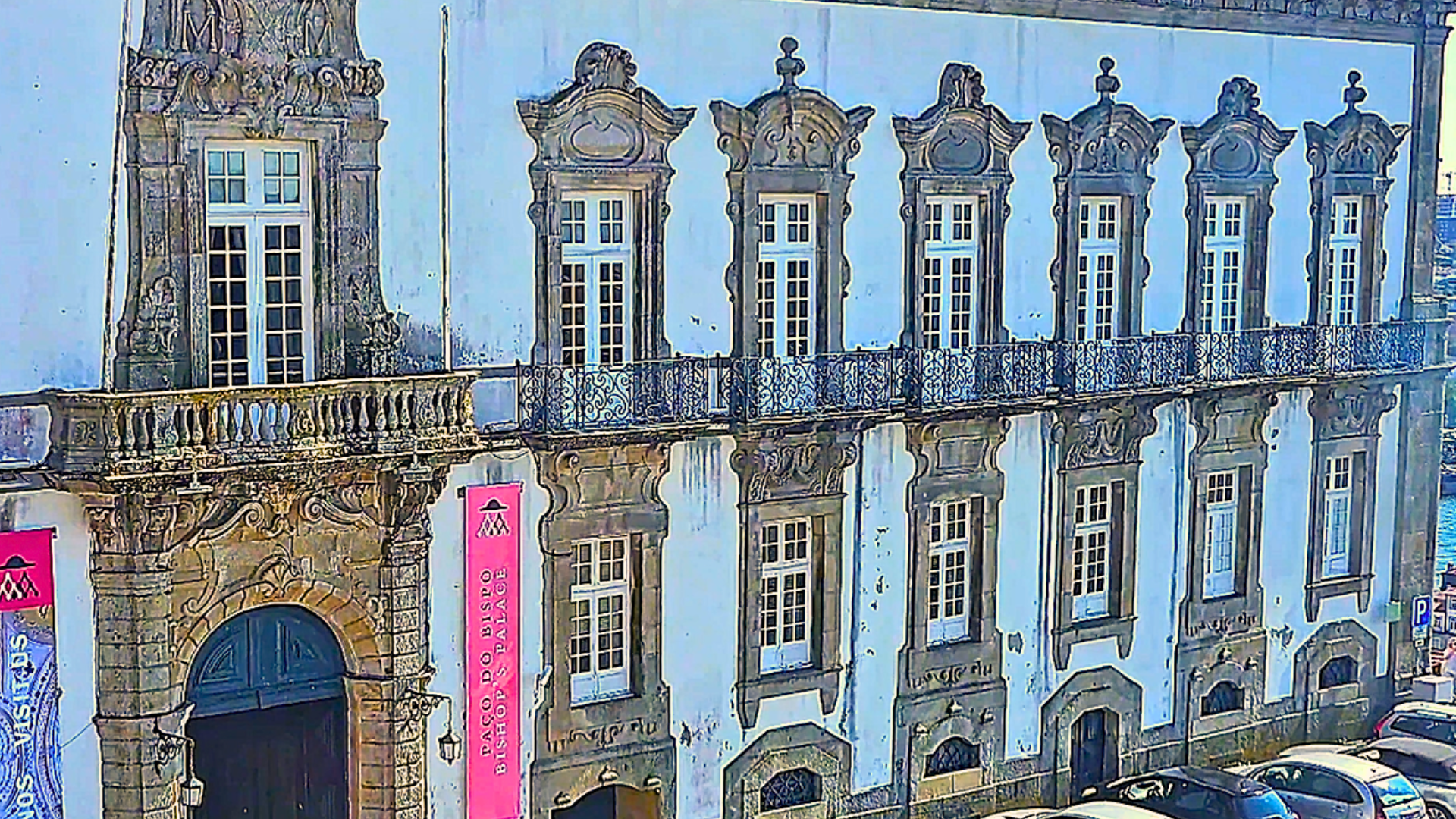 Stone windows
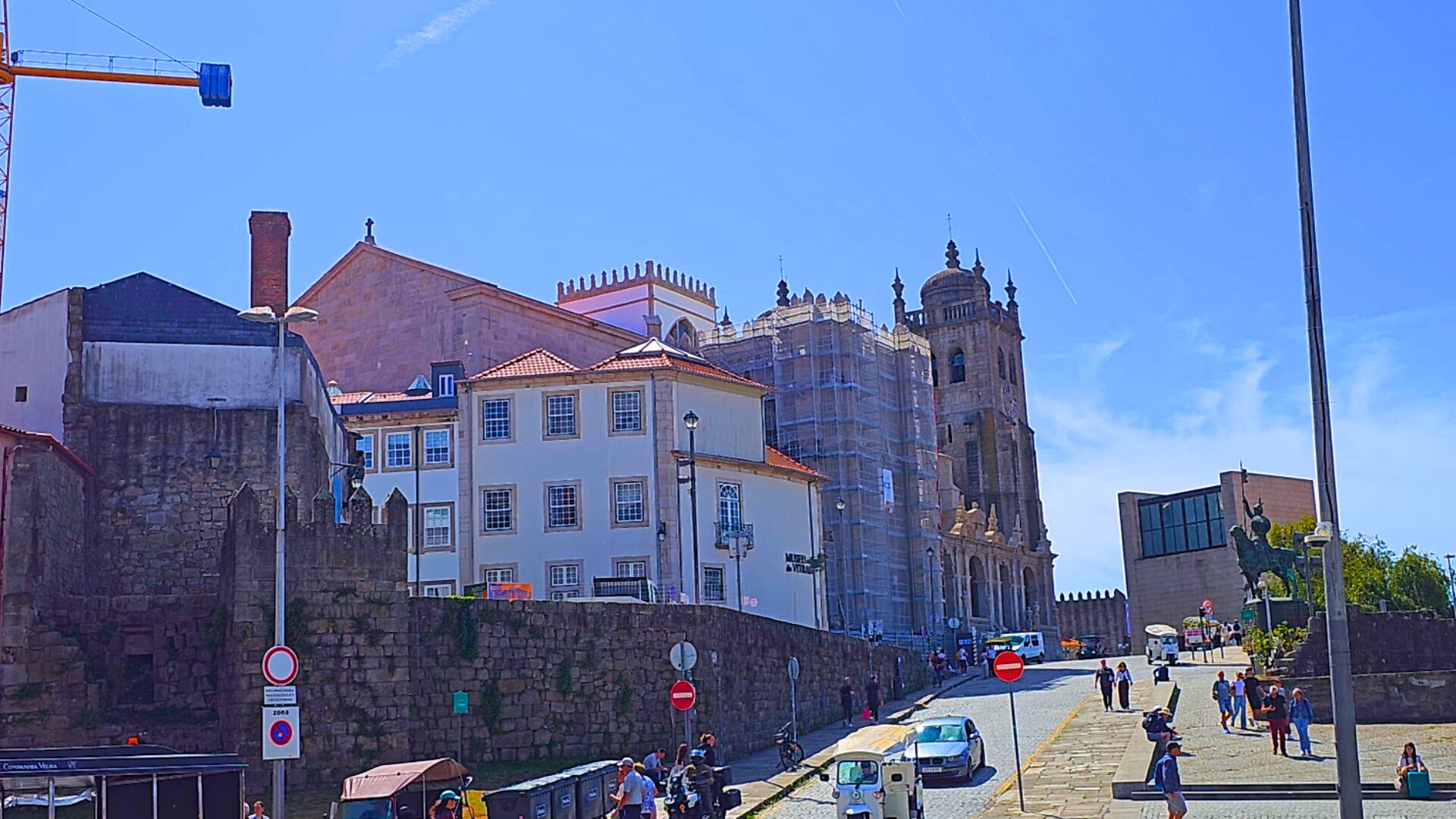 Old streets
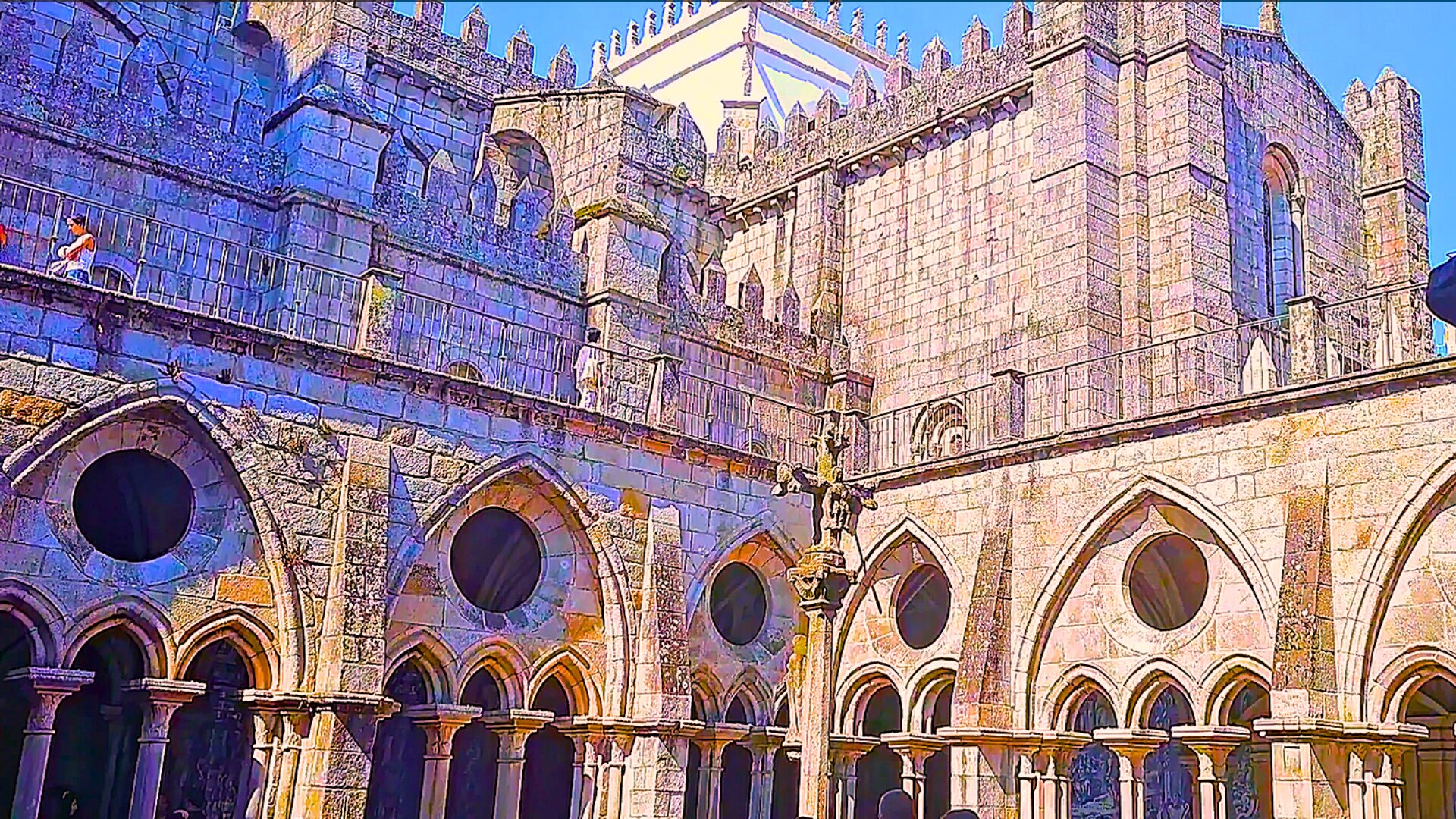 Arches and walls
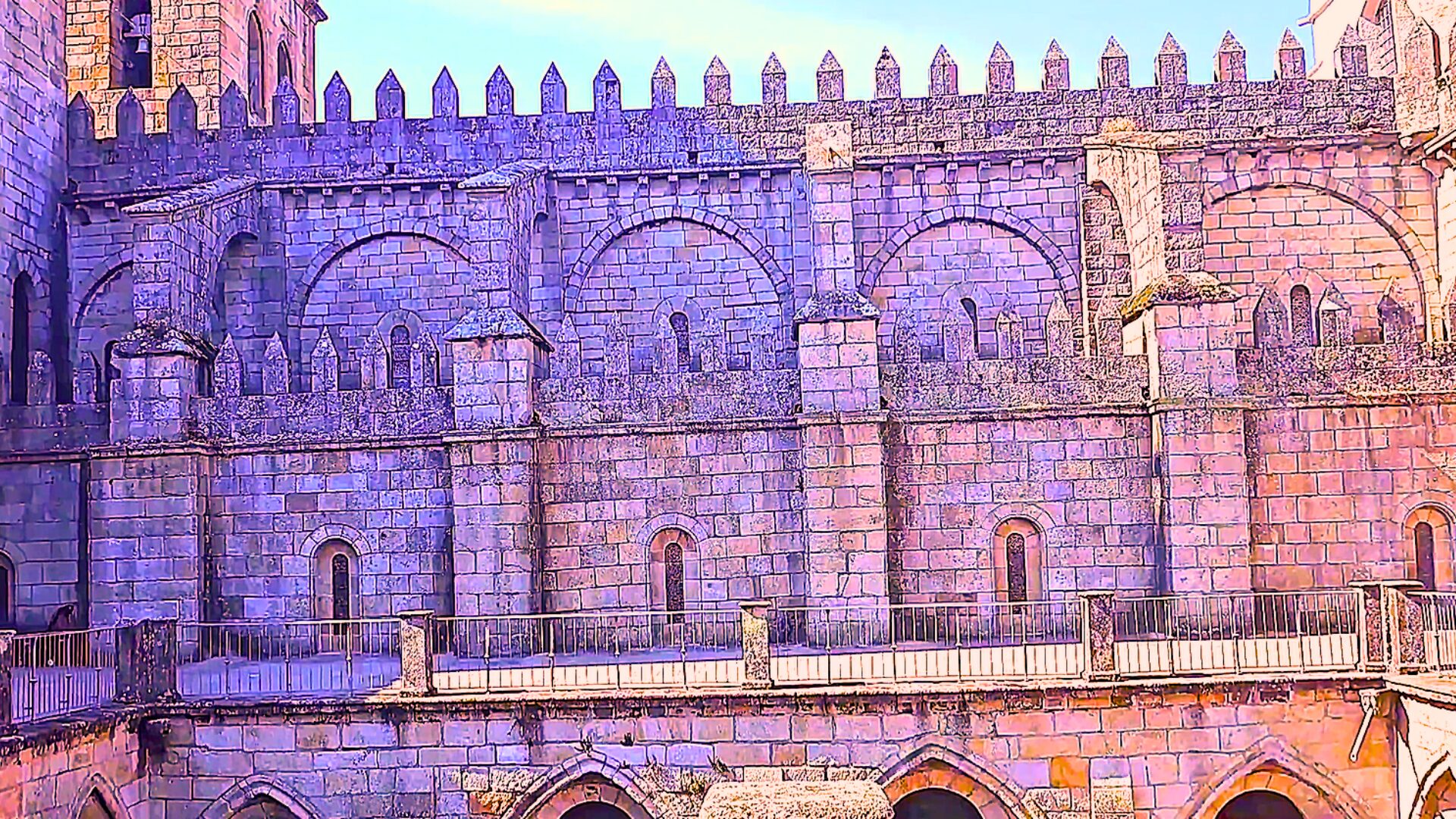 Fortified walls
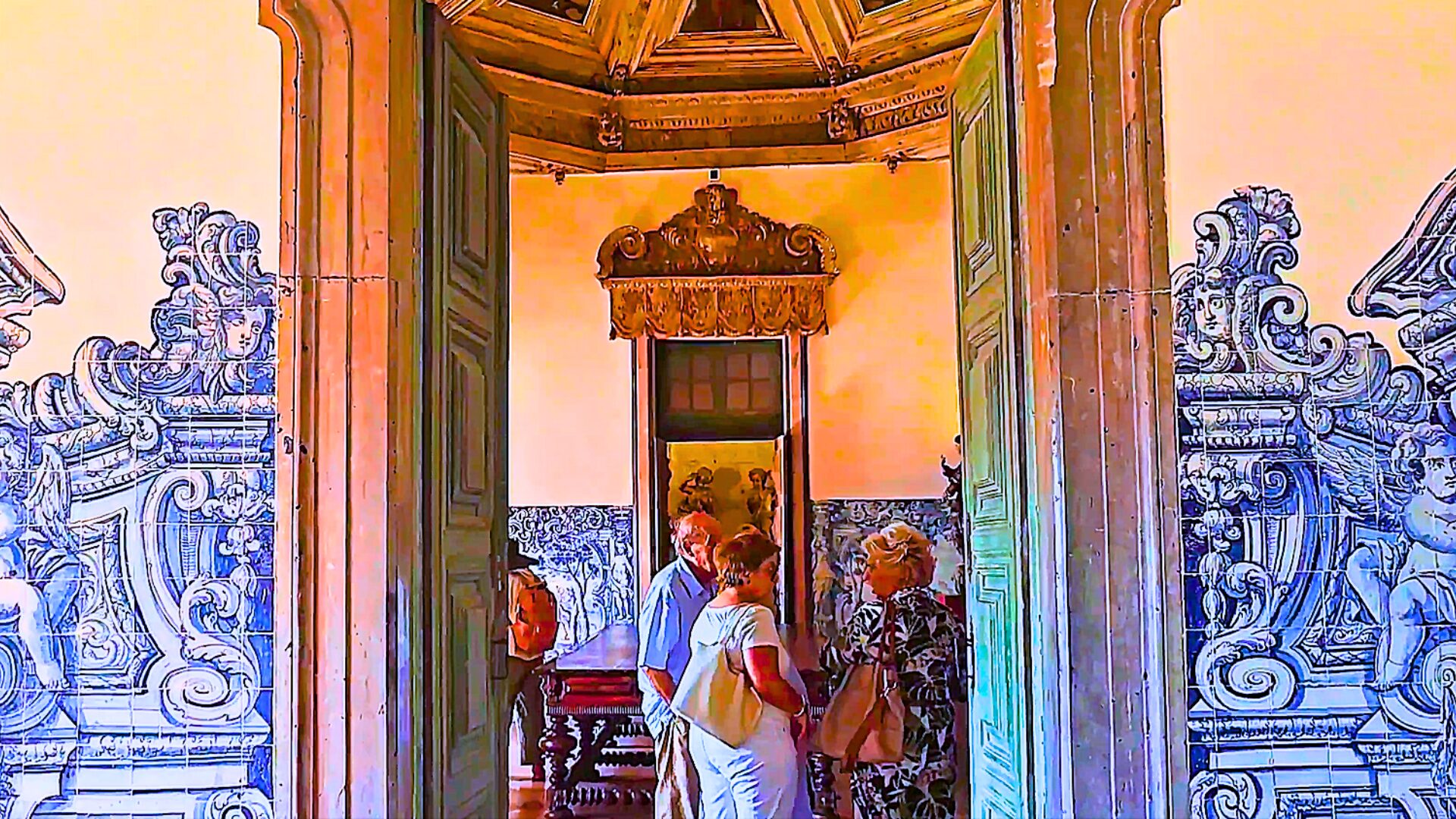 Museum corridor
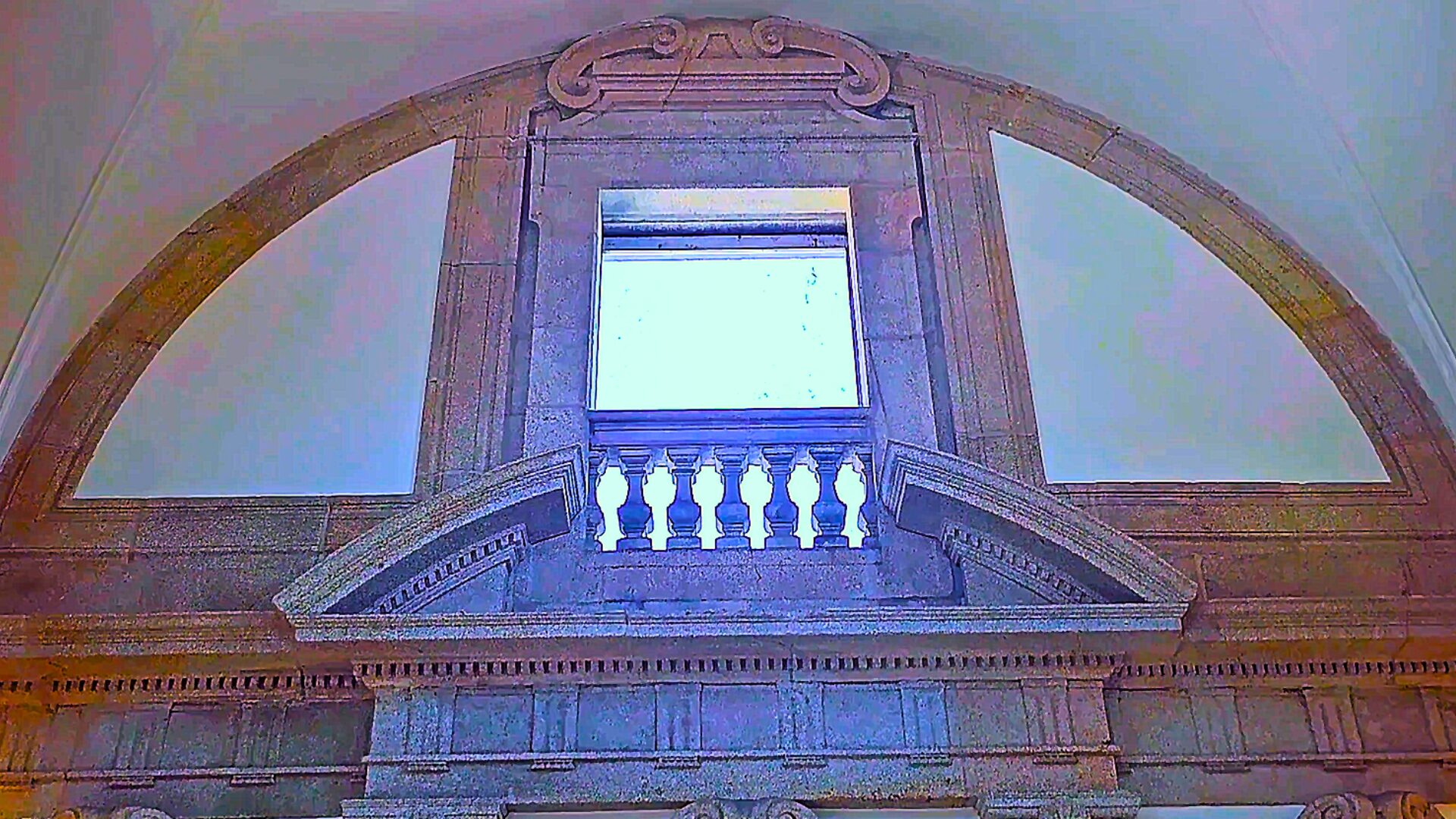 Interior light
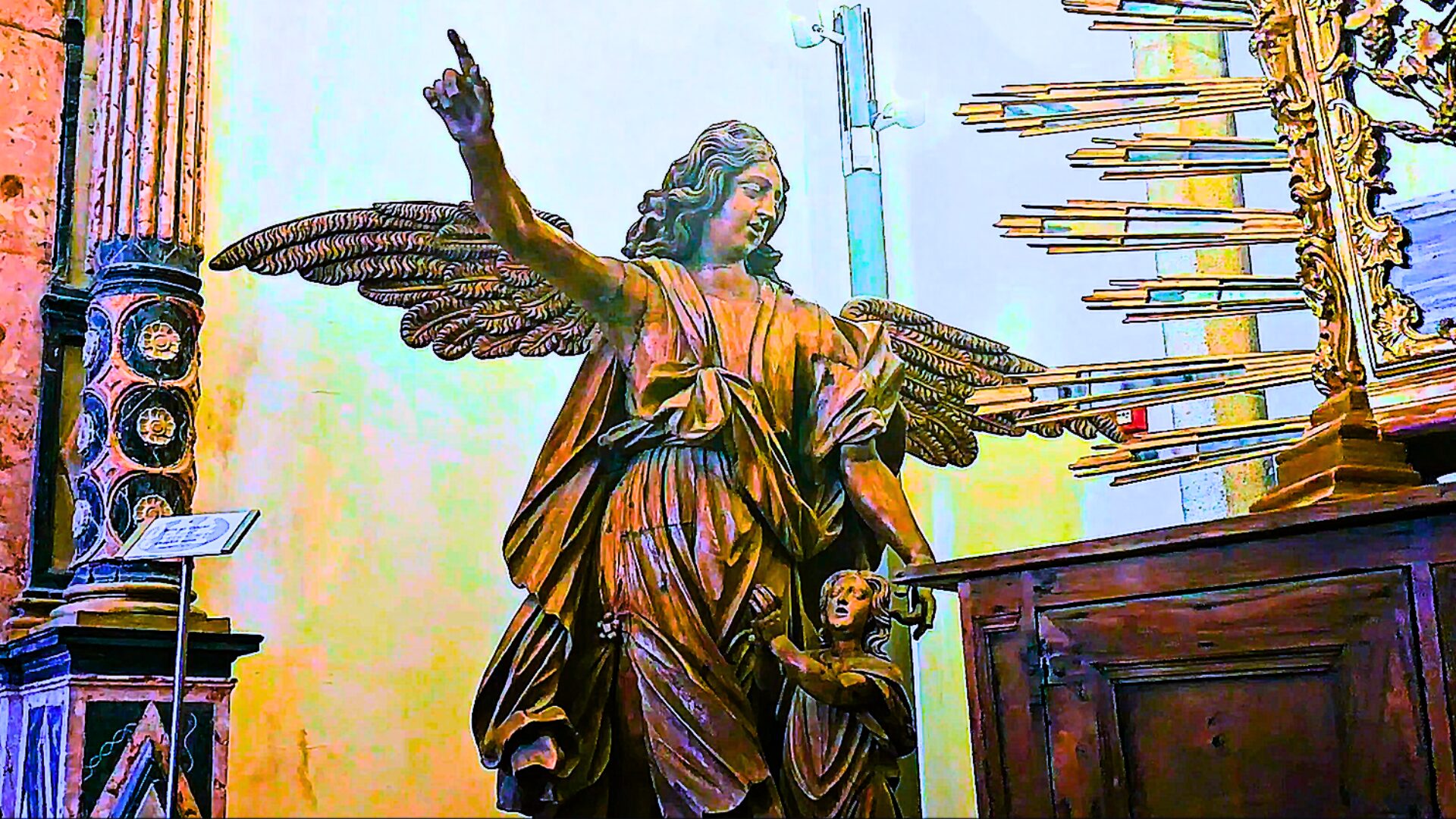 Angel detail
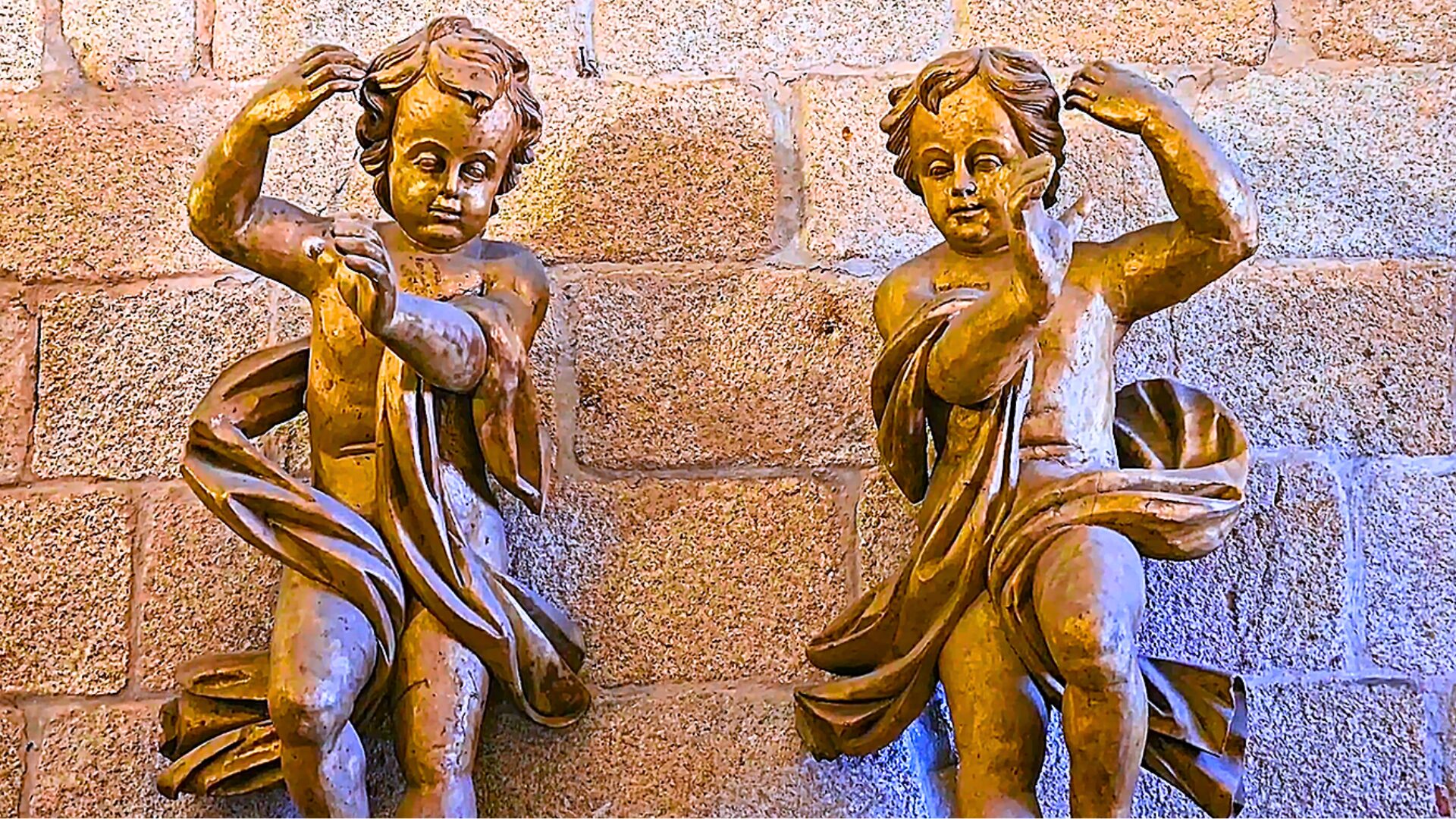 Sacred figures
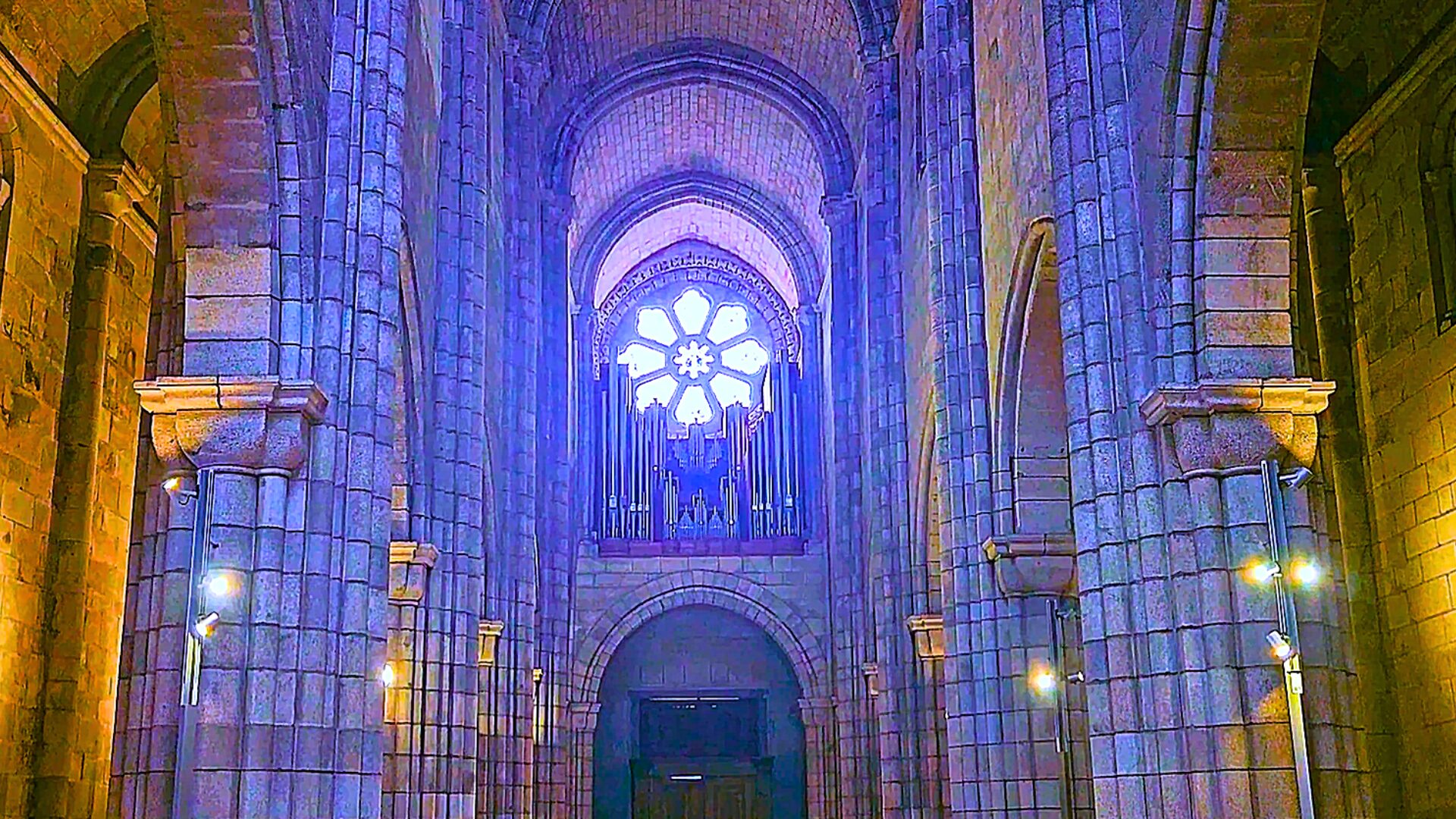 Church interior
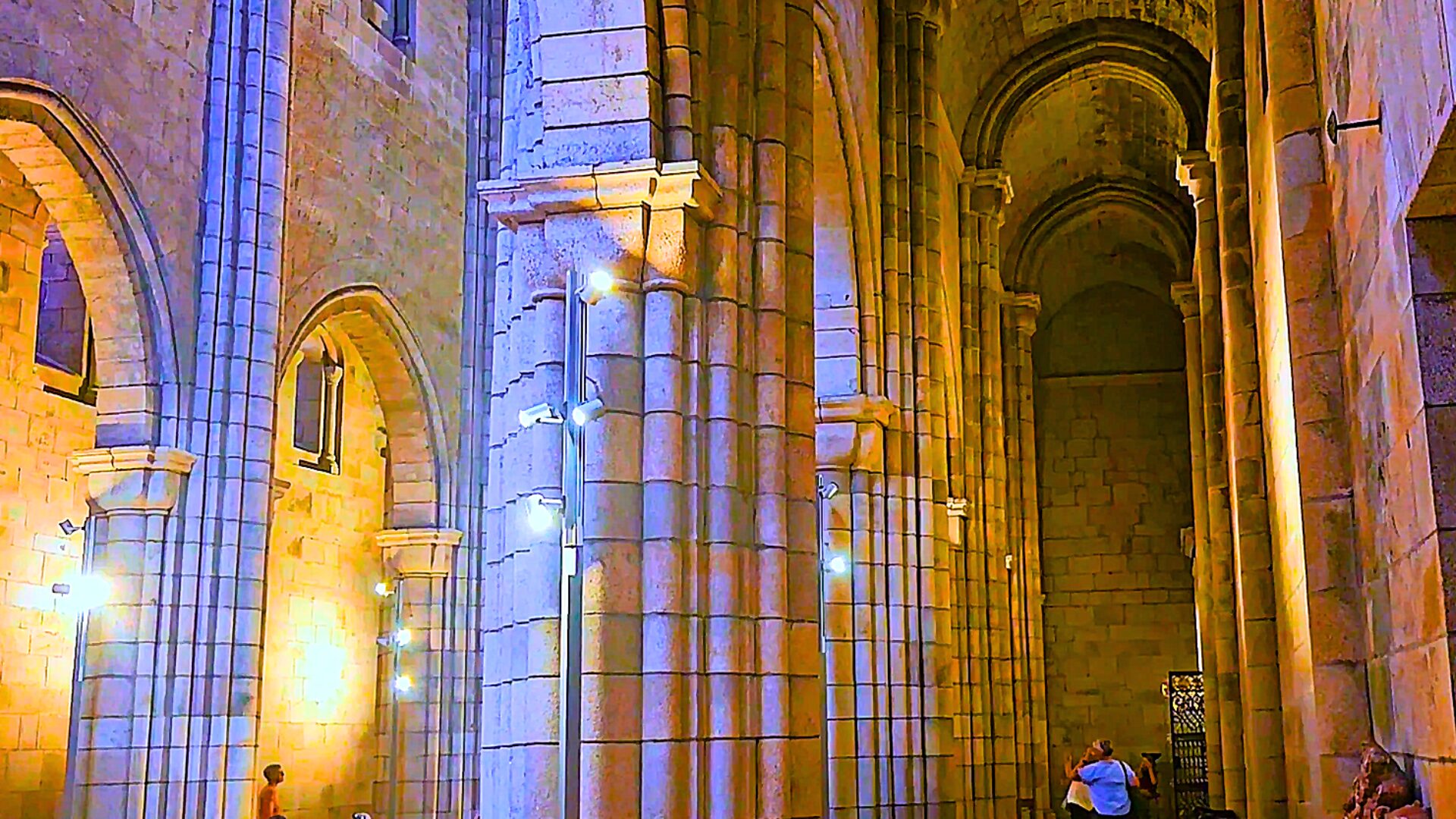 Interior corridor
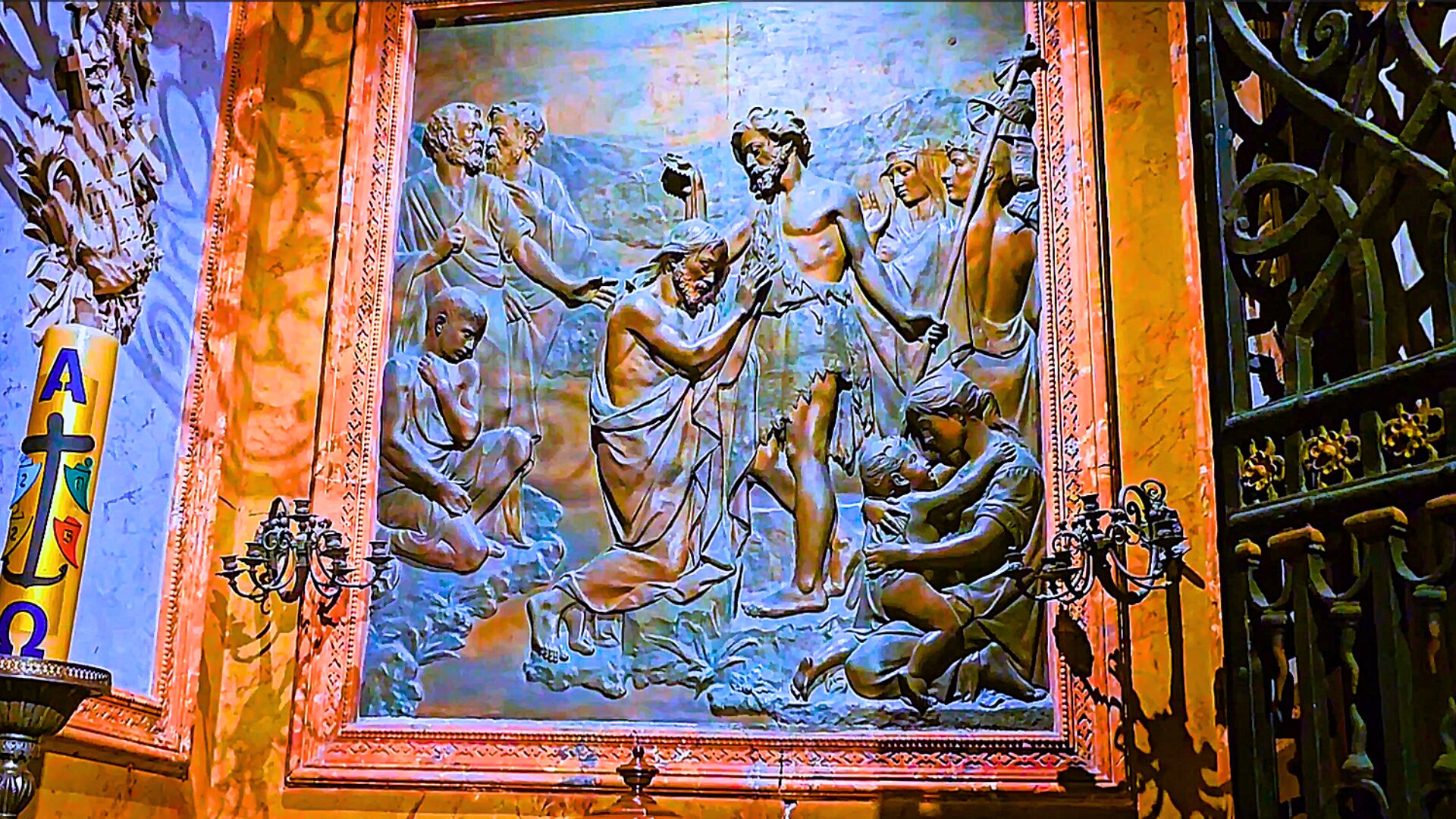 Sacred art
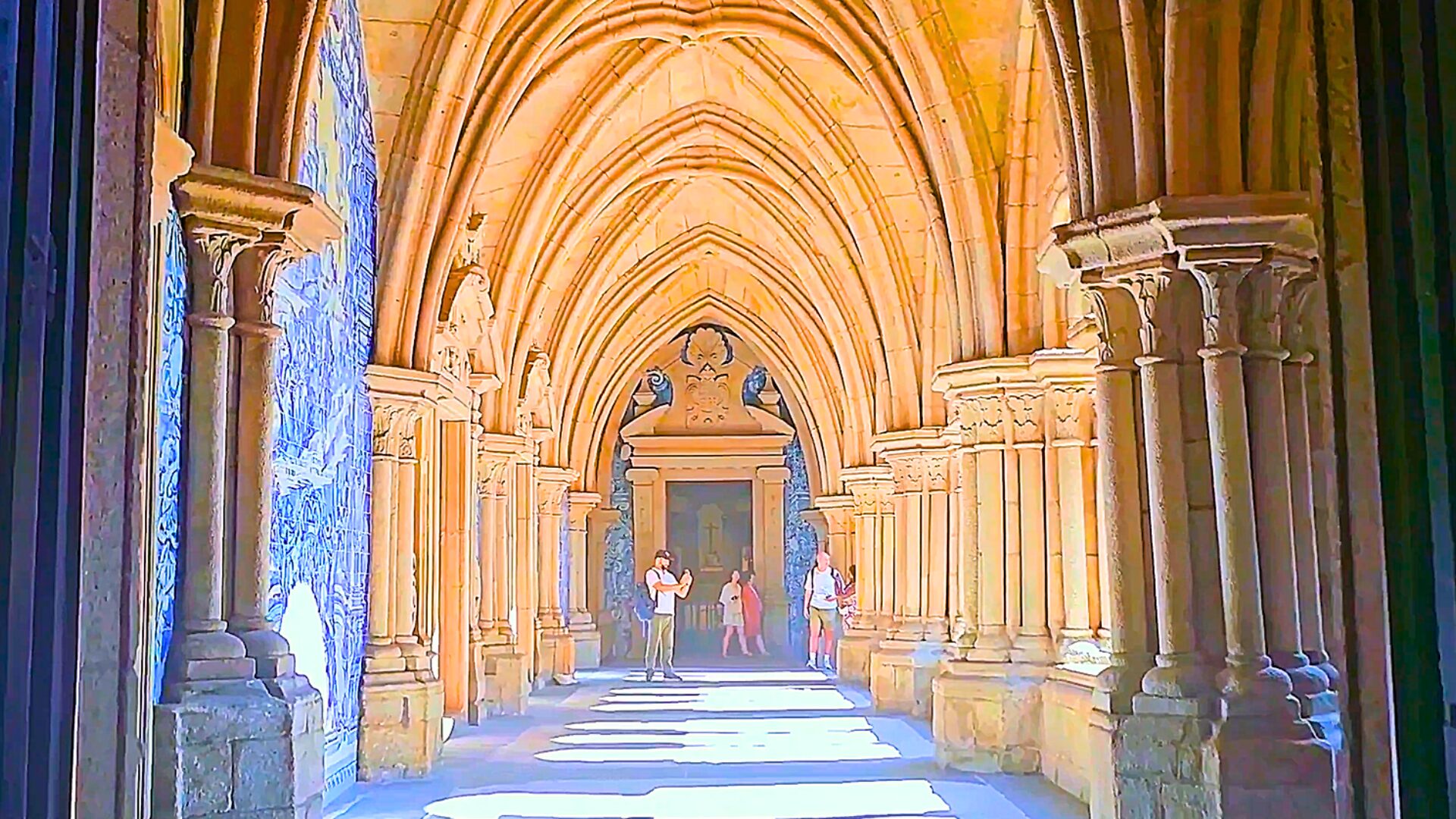 Vaulted paths
How to visit
Because the cathedral is both a monument and a place of worship, it is worth visiting with a little time, respect and patience.
A quick visit is possible, but the cloisters, museum details and views deserve more than a rushed stop.
The cathedral sits above the old city. Walking from Ribeira or São Bento is beautiful, but the streets are steep.
The main church may be accessible separately, while cloisters and museum areas can require a ticket. Check current details before visiting.
Mornings are usually better if you want fewer people, softer light and a quieter atmosphere.
It is still a religious site. Dress respectfully, keep your voice low and avoid interrupting services or ceremonies.
From the Sé, you can walk down towards Ribeira, cross to Gaia, or continue through the historic centre towards São Bento and Aliados.
Nearby
The Sé is one of the best places to start exploring Porto’s historic centre because so many important streets and views are close by.
Walk down to one of Porto’s most beautiful interiors, famous for its blue-and-white azulejo panels.
Open guideDescend through old streets towards the river and Porto’s most recognisable waterfront.
Open guideThe cathedral area is naturally connected to viewpoints, rooftops and dramatic perspectives over the old city.
Open guideUse the Sé as a starting point for exploring churches, towers, sacred interiors and azulejos around Porto.
Open guideHistoric Porto
Visit Porto Cathedral, then follow the streets down towards São Bento, Rua das Flores, Ribeira and the Douro. This is one of the most natural ways to feel the old city unfold.