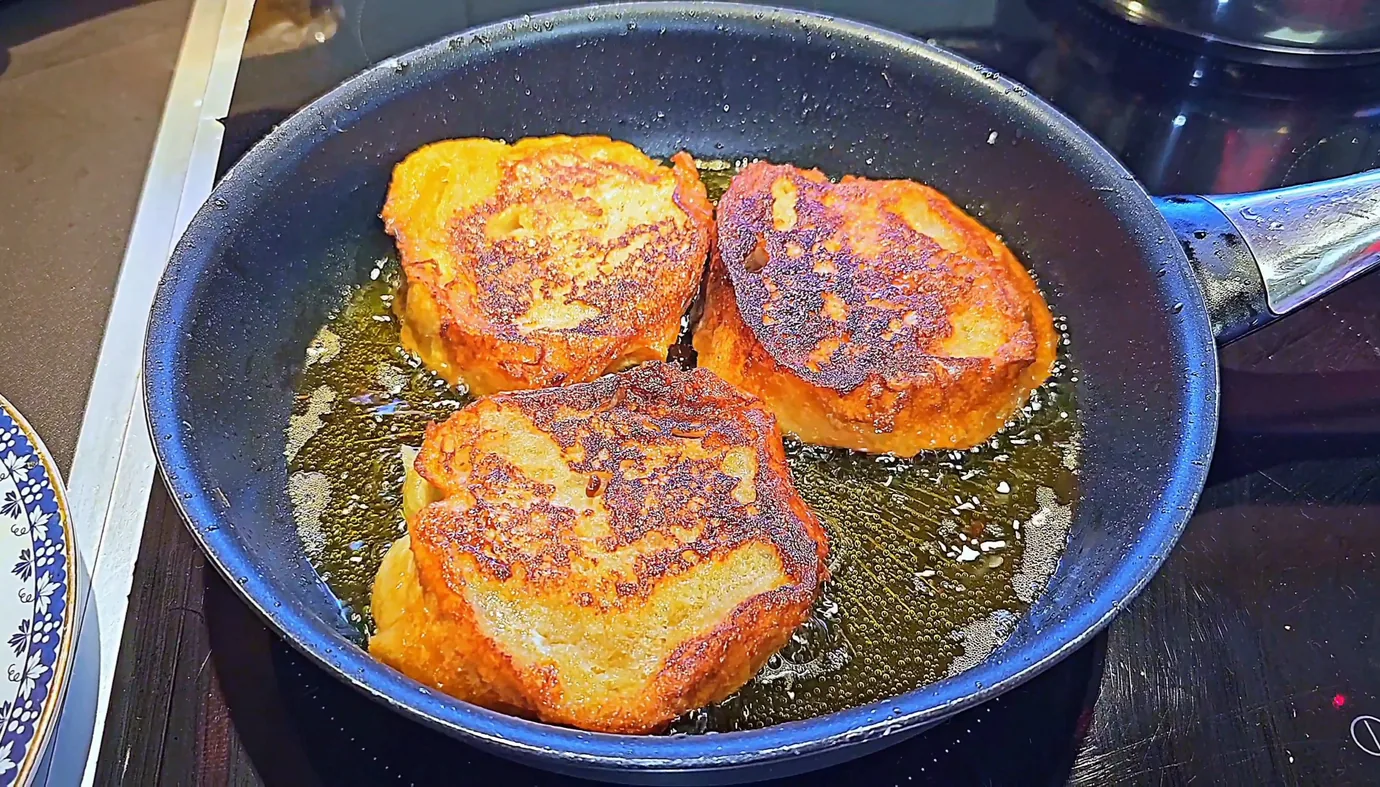
Rabanadas
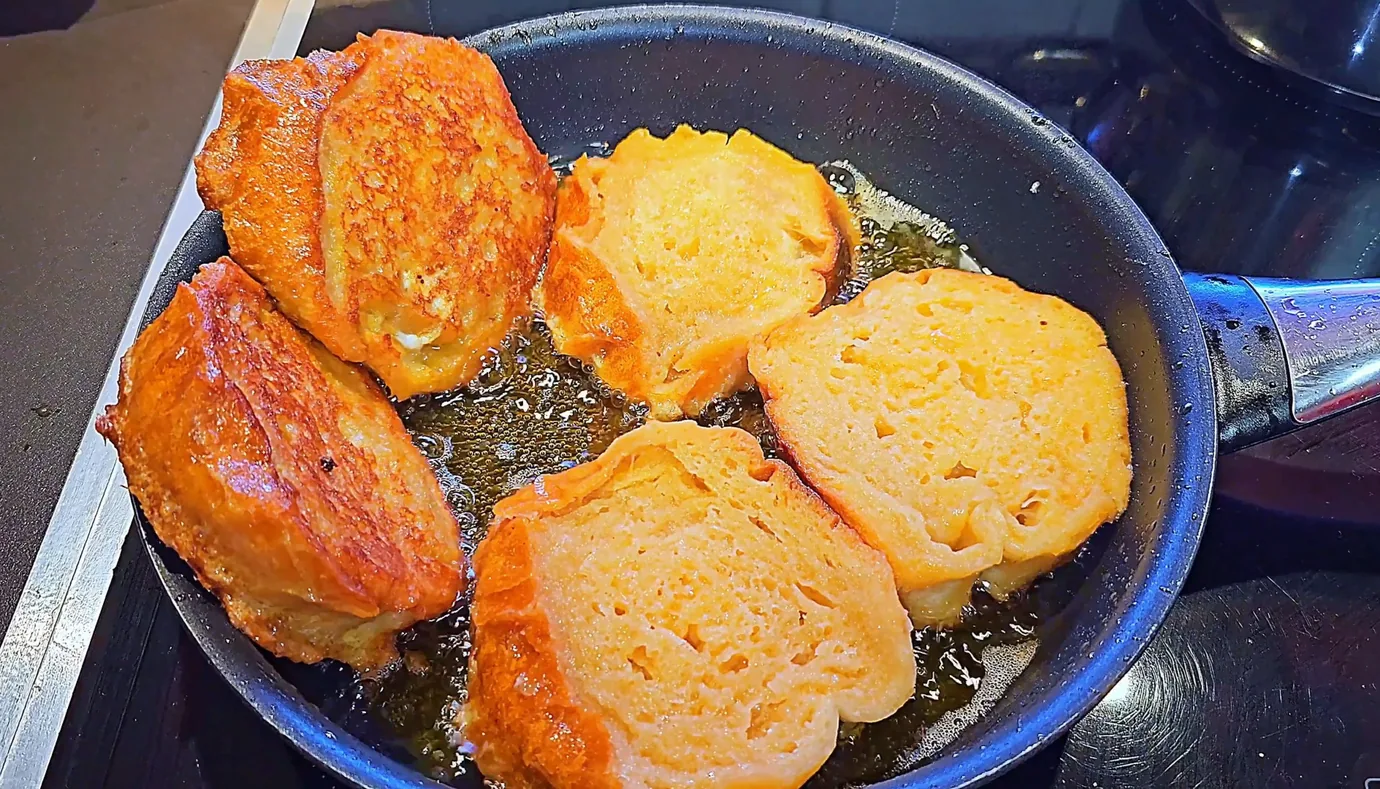
Slices of bread soaked in a flavoured liquid, dipped in egg, fried, then finished with cinnamon sugar or a syrup.
GoldenPorto | Culture & traditions
Why do Portuguese families eat salt cod on Christmas Eve? How did bolo-rei reach Porto? And where do nativity scenes and the shoe by the fireplace come from? Discover the stories behind Christmas in Portugal.
Before Christian Christmas
Long before Christians marked the birth of Jesus on 25 December, the Roman calendar already had festivals at this time of year. During the Saturnalia, dedicated to the god Saturn, Romans feasted, exchanged gifts and temporarily turned some social roles upside down. The festivities began on 17 December and, in some periods, lasted until the 23rd.
The Roman cult of Sol Invictus, the Unconquered Sun, also became associated with the symbolism of light in winter. Yet an important distinction matters: historians have not established that Christmas was simply invented to replace Saturnalia. Scholars continue to discuss several explanations for 25 December, including calculations made by early Christian thinkers.
Roman culture reached the Iberian Peninsula, including the territory that is now Portugal. This does not mean every community celebrated the same festivals in exactly the same way.
24 and 25 December
On the evening of 24 December, many Portuguese families gather for Consoada, their Christmas Eve supper. Salt cod with potatoes, cabbage and olive oil is the best-known dish, but some households serve octopus or other regional favourites. There is no single menu followed everywhere.
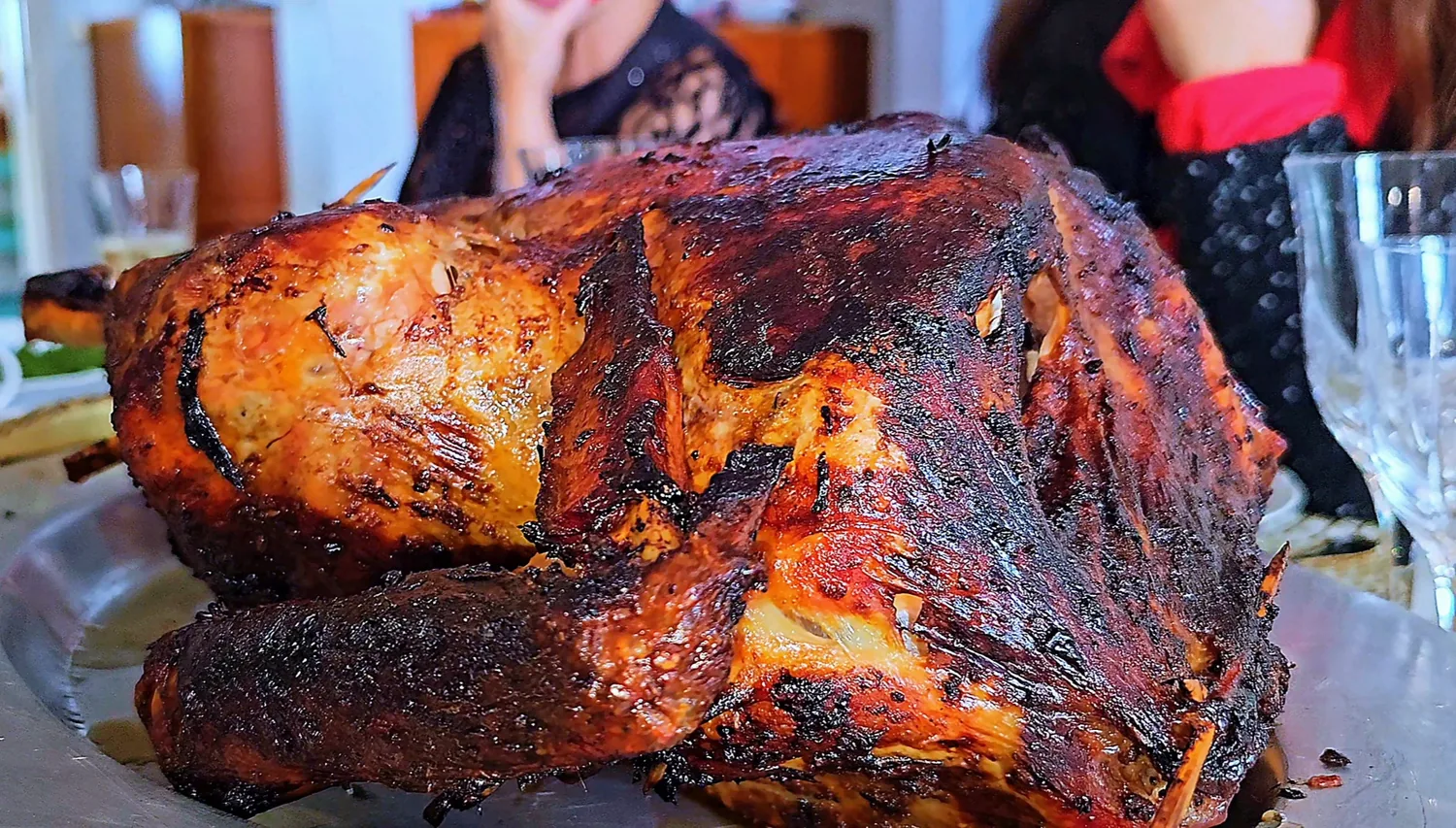
The historical preference for fish is connected to Catholic traditions of abstaining from meat on certain vigils. On Christmas Day, meat dishes often take centre stage: roast turkey and kid goat are among the options, depending on the region and family.
After dinner, the evening may continue with games, conversation, desserts and presents. Some families exchange gifts at midnight; others wait until Christmas morning. Missa do Galo, the Christmas Eve Mass, also remains important in many communities.
Festive flavours
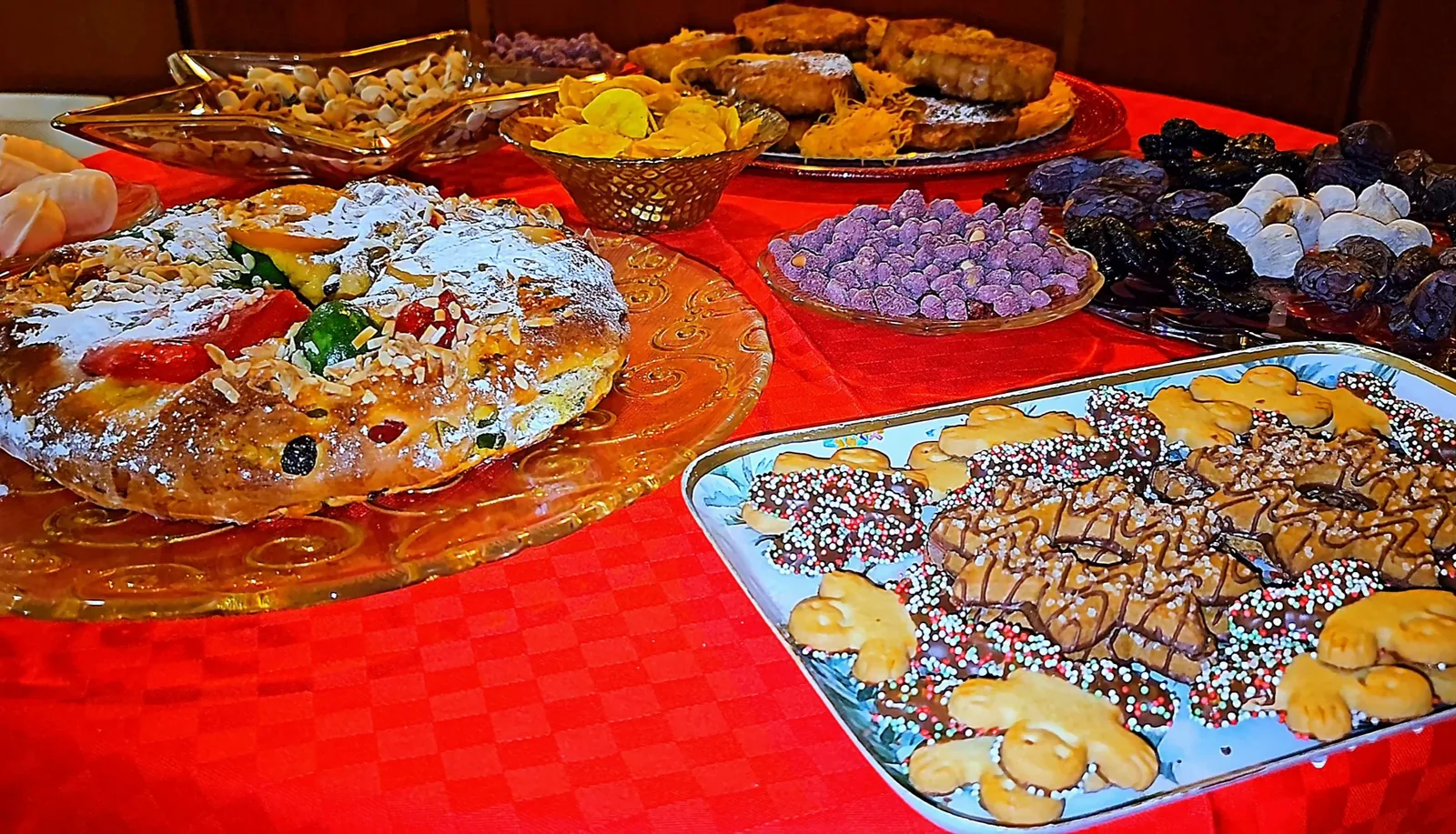
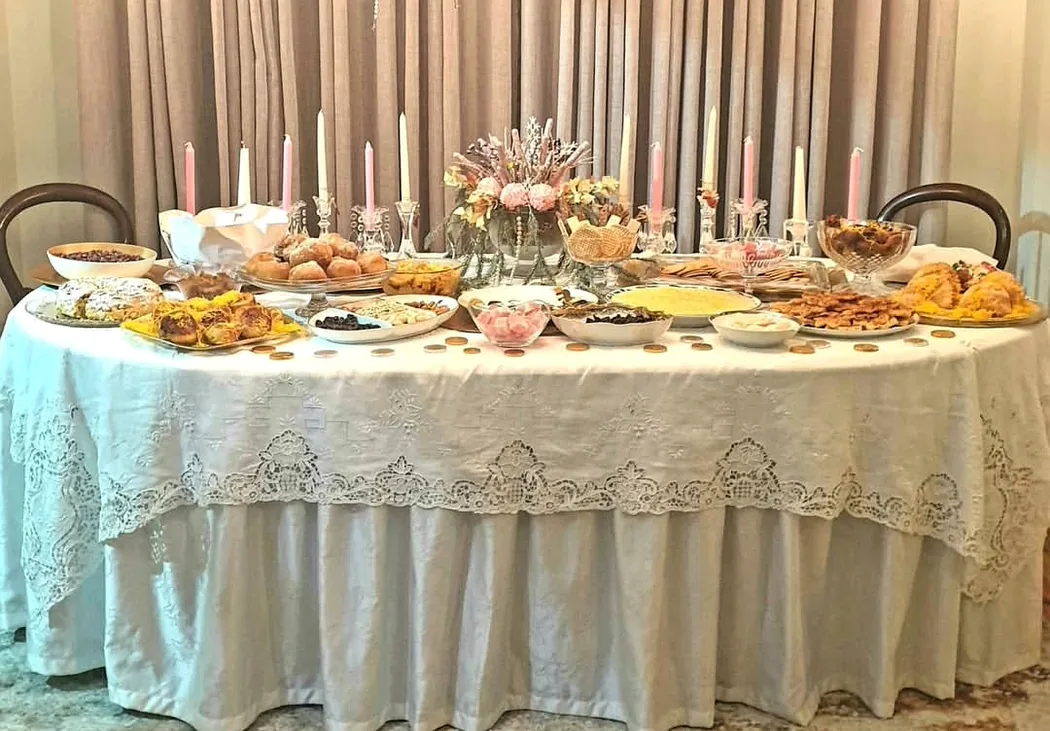
A Portuguese Christmas table can bring together many different recipes. Some are homemade, others come from the bakery, and nearly all have local or family variations. The photographs below show tables and preparations from different Christmases.
Slices of bread soaked in a flavoured liquid, dipped in egg, fried, then finished with cinnamon sugar or a syrup.
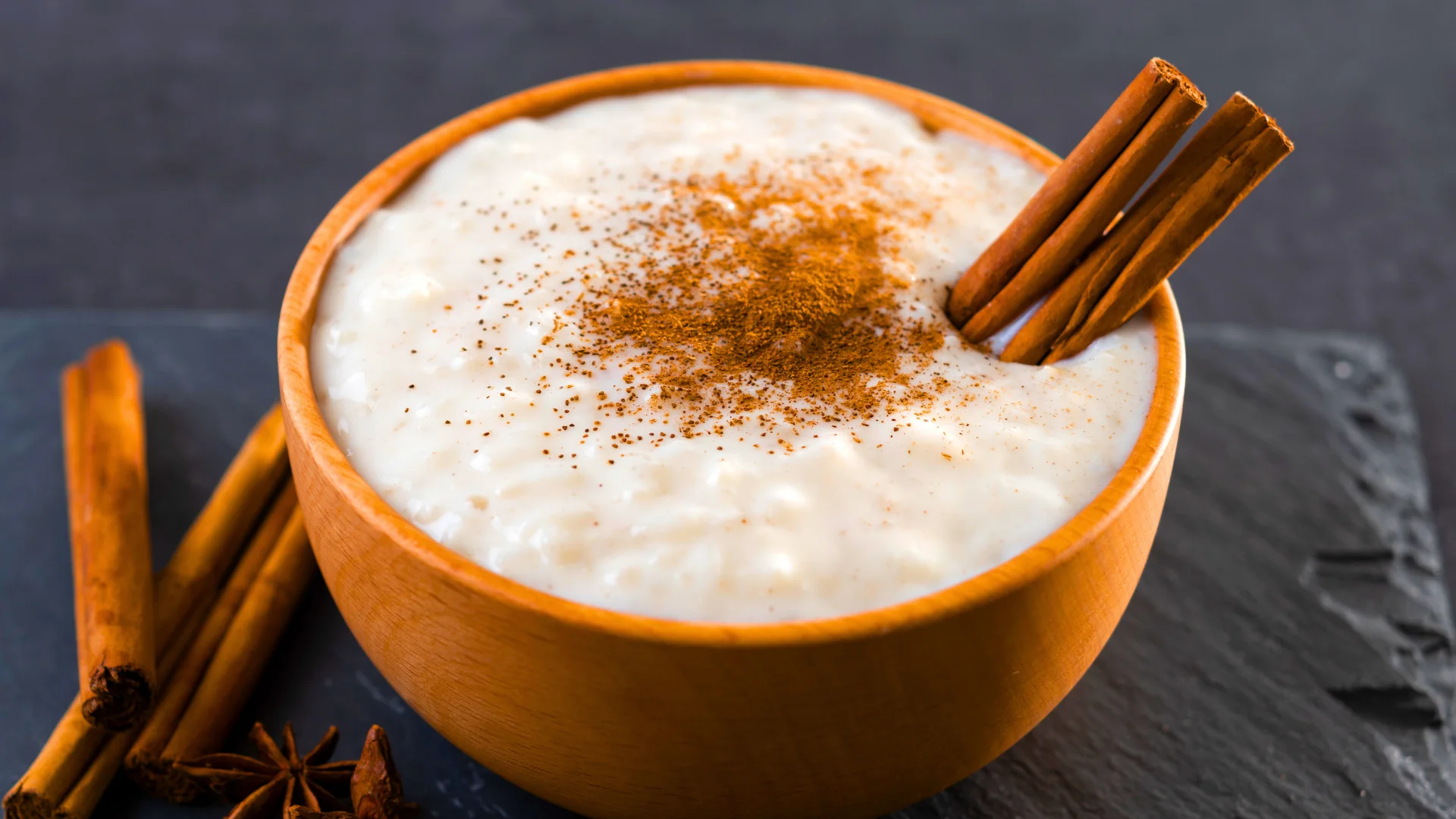
Arroz-doce is creamy rice pudding; aletria is a sweet made with very fine noodles. Both may be decorated with cinnamon patterns.
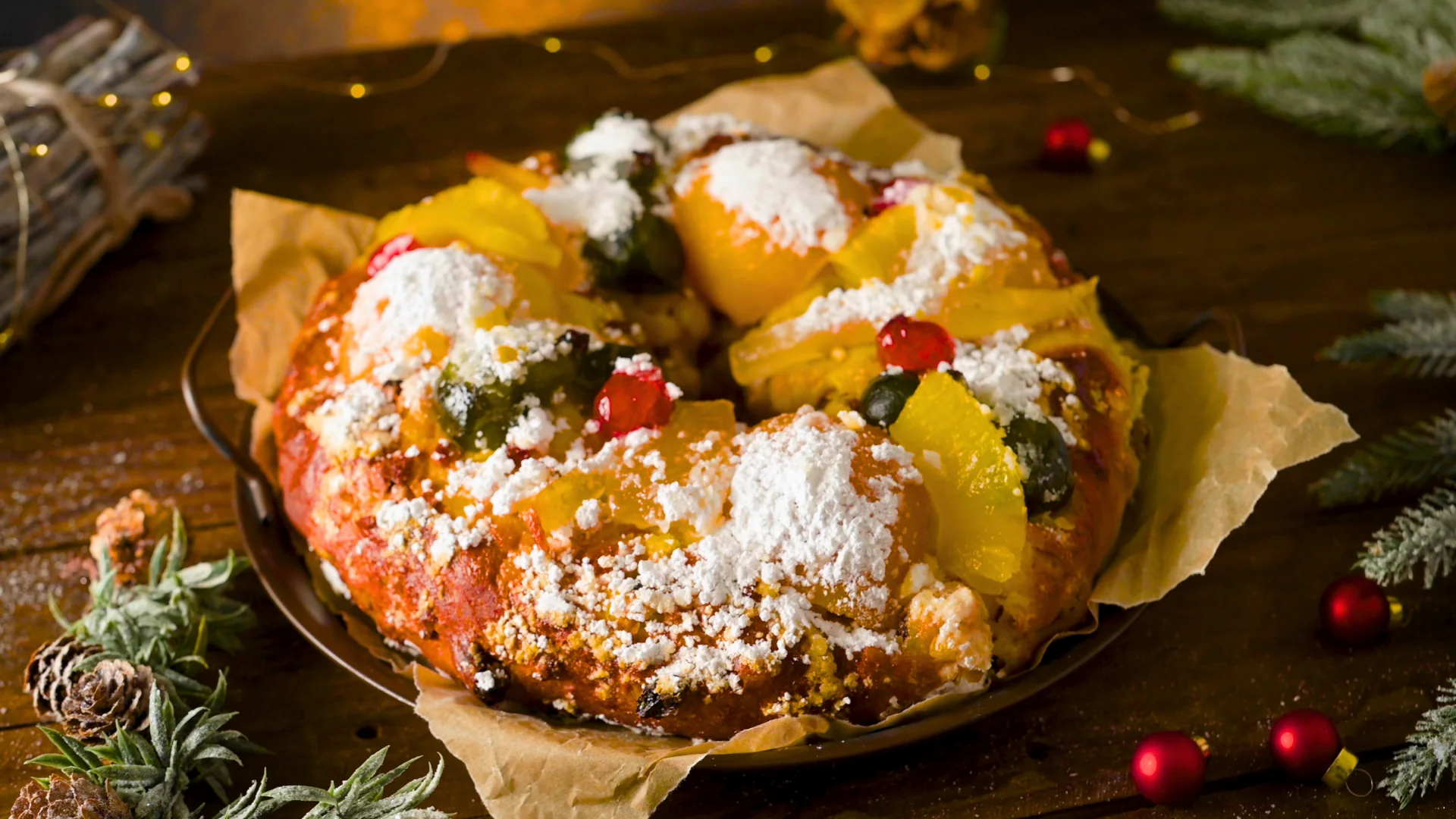
A crown-shaped cake covered in candied fruit and nuts, one of the most recognisable Portuguese festive cakes.
Filhoses, sonhos, coscorões, azevias and Christmas biscuits also appear on many tables. But each family has its favourites: nobody needs to make every dessert.
A Porto story
Portugal's bolo-rei has French roots. According to the history documented by Visit Porto, it appeared in Porto's pastry shops in the late 19th century, introduced by the Confeitaria Portugueza, later known as Confeitaria Cascais. There is no certainty over the precise year: accounts suggest 1887, 1888 or 1890.
At first it was called Bolo-Rei à Parisiense and was sold mainly on the eve of Epiphany. The tradition of hiding a dried bean and a small trinket became associated with the cake, although such practices have changed.
Then came an unexpected twist. After Portugal became a republic in 1910, names such as Bolo-Presidente and Bolo-Nacional were tried. Yet the name bolo-rei, literally “king cake”, survived.
Watch and try
There is no single rabanadas recipe. Some families use milk, while others favour a syrup made with water, cinnamon and lemon. This short video shows a traditional homemade preparation. The full written recipe is directly below it.
A short homemade cooking video, without on-screen quantities. Follow the written recipe below for the steps.
Traditional recipe
Thick-cut bread dipped in fragrant syrup and beaten egg, then fried.
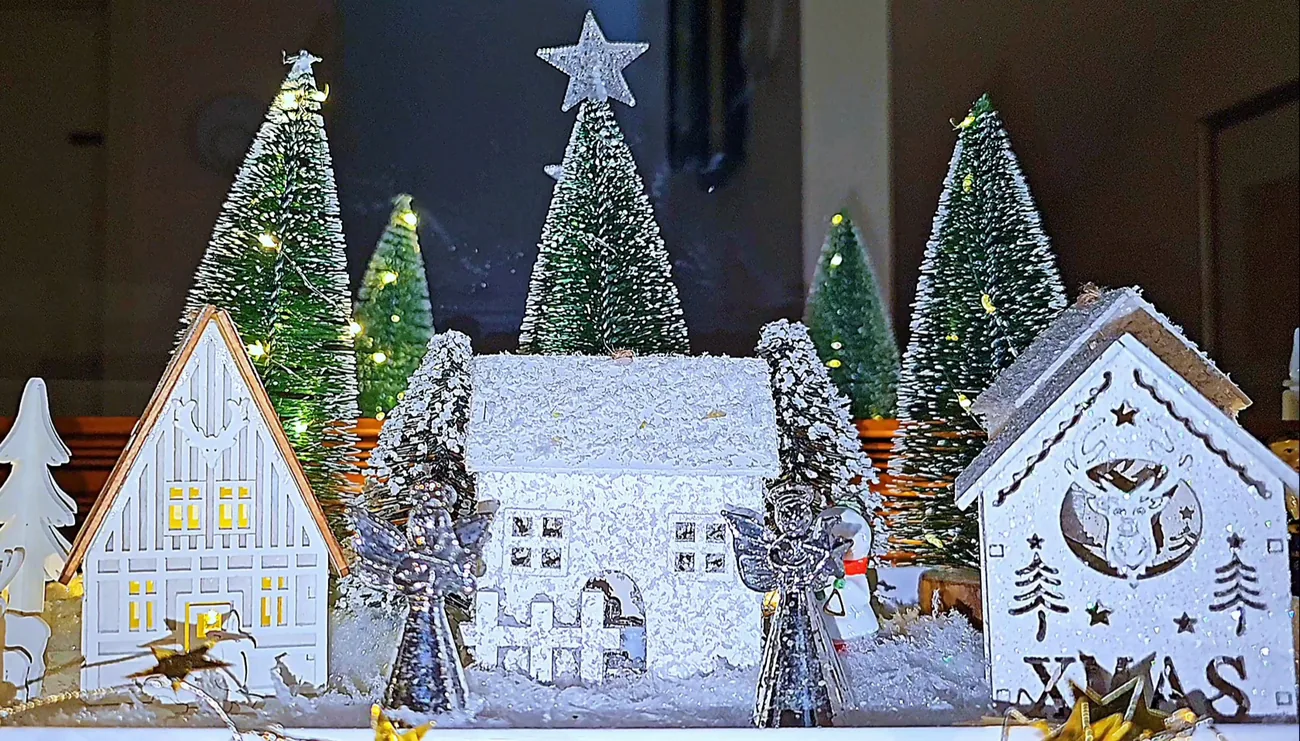
Craft and devotion
Nativity scenes depict the birth of Jesus. The custom received a major boost when Saint Francis of Assisi organised a Christmas celebration in Greccio, Italy, in 1223. Franciscan friars helped it spread.
Some of Portugal's elaborate 18th-century Baroque nativity scenes feature shepherds, clothing, trades and moments of daily life. Look beyond the central religious scene: these miniature worlds also preserve glimpses of the society that made them.
Portugal is also known for folk clay figures from places such as Barcelos and Estremoz. In many homes, by contrast, the nativity scene is modest and rearranged a little differently each year.
Changing traditions
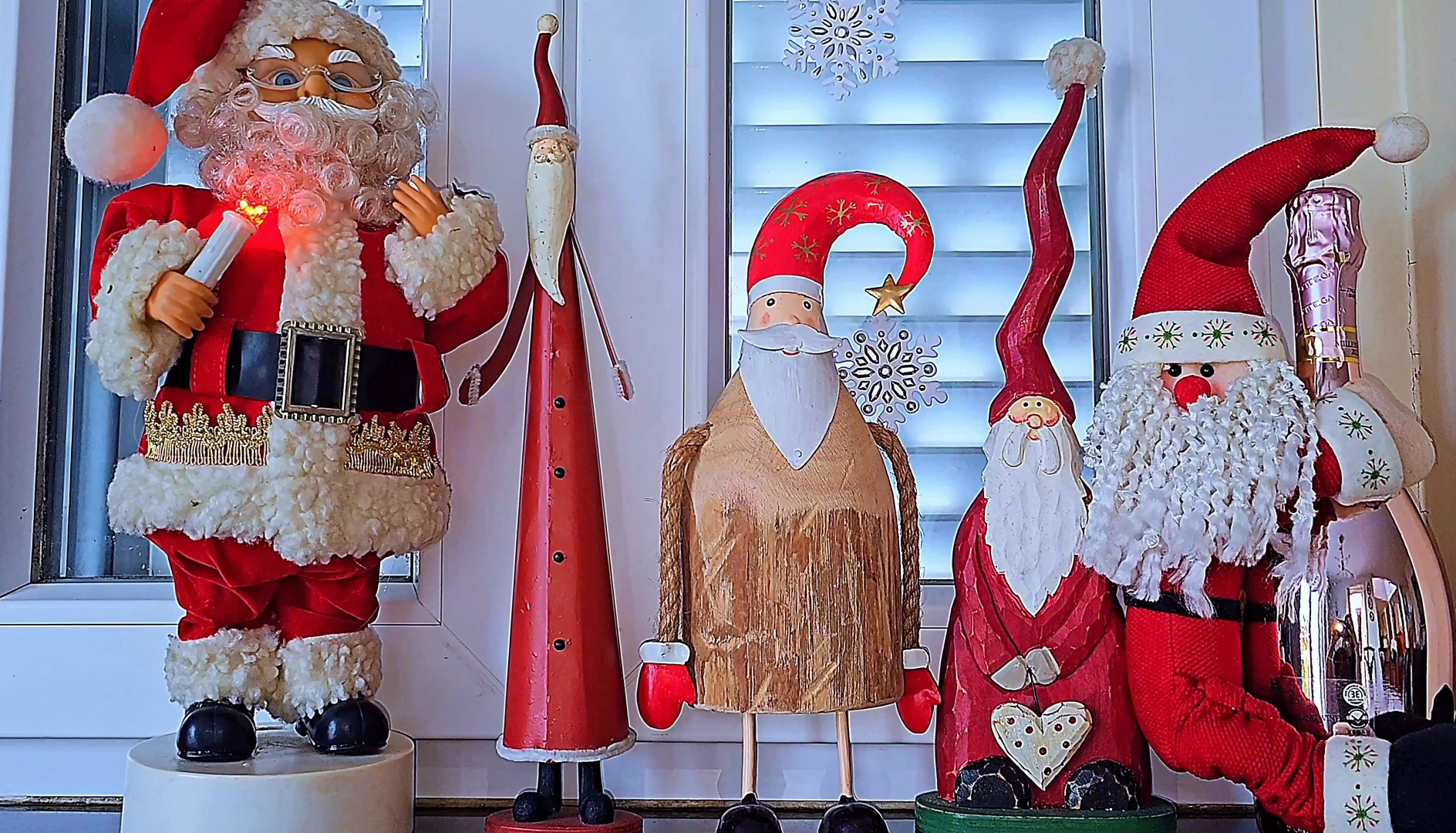
Before Santa Claus became such a familiar figure in Portuguese Christmas celebrations, many children were told that their presents came from the Baby Jesus, or Menino Jesus. A shoe could be left beside the fireplace or chimney in anticipation.
Today, some families exchange gifts at midnight on Christmas Eve, others wait until Christmas morning, and many combine the two. There is no universal Portuguese timetable for opening presents.
Christmas continues beyond 25 December
6 January is Epiphany, or Dia de Reis, traditionally associated with the end of the Christmas season. Around this time, communities may perform Janeiras: groups sing songs offering wishes for a good new year. The lyrics and customs vary widely by region.
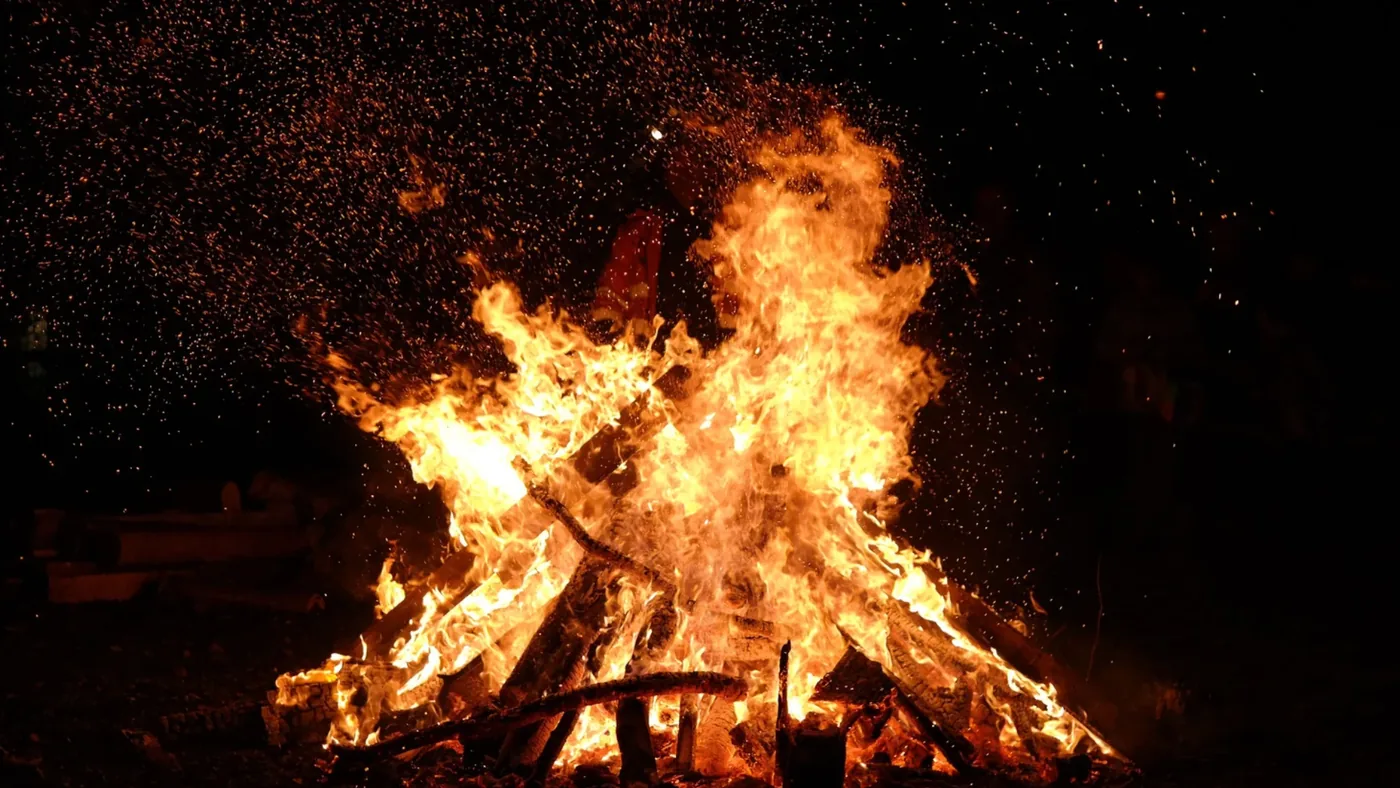
Other parts of Portugal have their own winter festivities, including large communal madeiro bonfires and some masked celebrations. These traditions belong to specific communities and should not be mistaken for practices shared identically across the country.
Traditions explain part of the story. To choose Christmas markets, concerts, walks and meals, explore our practical guide, with dates and details updated for each season.
Explore Christmas in Porto and GaiaScholars disagree about how 25 December became the date of Christmas. Older customs also varied by region and period; they should not be described as universal practices in modern Portugal.