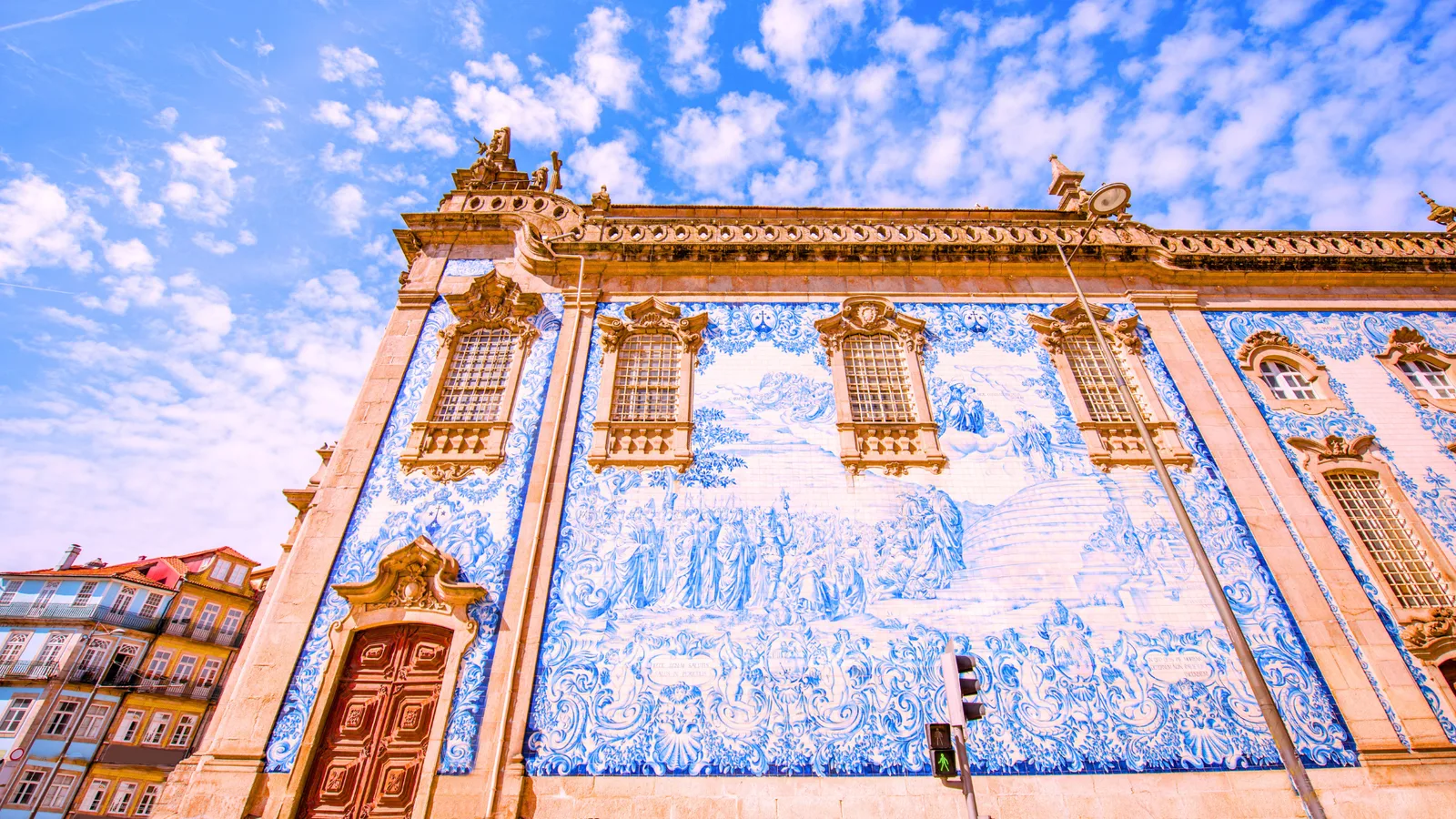
Tiled side wall of Carmo Church in Porto

Porto visual guide

Porto Tiles and Textures

Discover large azulejo panels and street details: granite, iron balconies, carved doors and colourful façades.

Compare blue-and-white scenes with repeating patterns on houses. This guide helps you choose places to visit and understand what you are looking at.

What Porto’s façades reveal

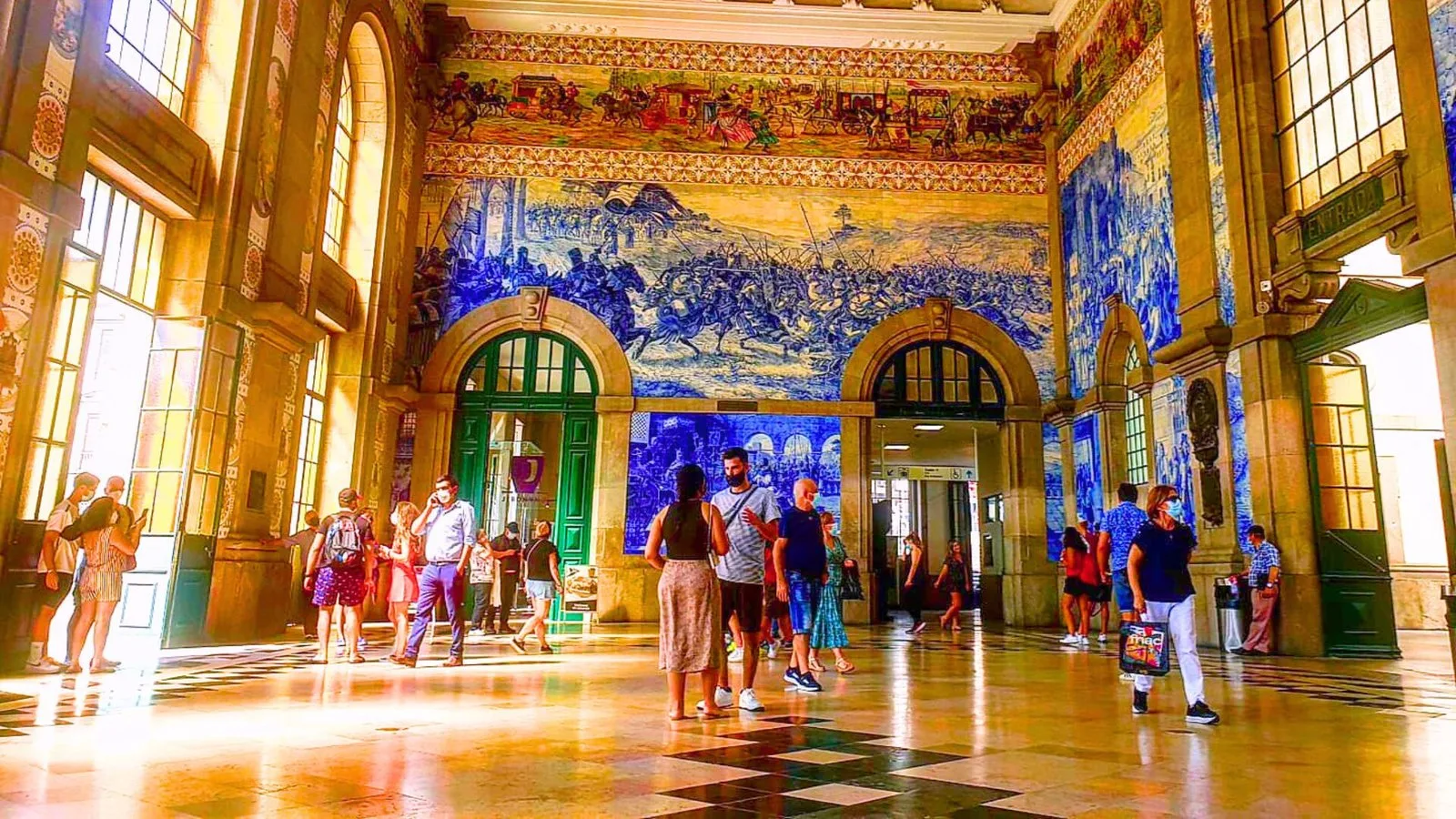
In São Bento’s entrance hall, tiles depict historical events and scenes of Portuguese life. Churches feature religious themes. On houses, many tile coverings form repeating patterns.

Choose some of the places below and notice what lies between them: the design of a balcony, a granite window surround, a door or an old sign. These details fit naturally into a walk through the centre.

Where to start

Where can you see tiles in Porto?

For large panels, start with São Bento, Carmo, Capela das Almas, Santo Ildefonso and Congregados. Add a cathedral visit if you would like to see tiled cloisters.

For doors, balconies, stonework and house façades, include Rua das Flores and Ribeira. Much of the walk is outdoors; the cathedral cloisters and other interiors have their own visiting arrangements.
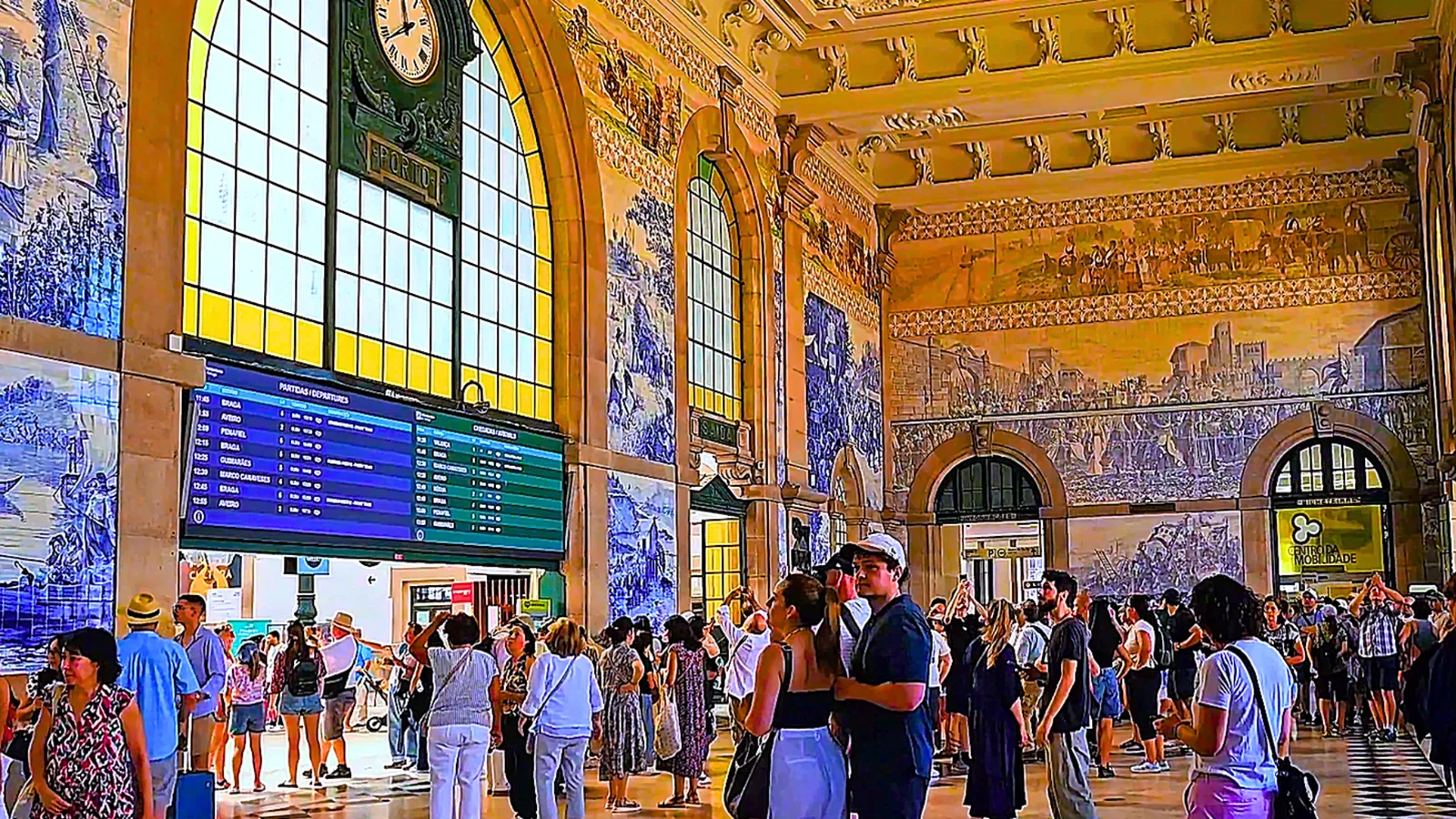
Tile panels in São Bento’s entrance hall
São Bento Station tiles
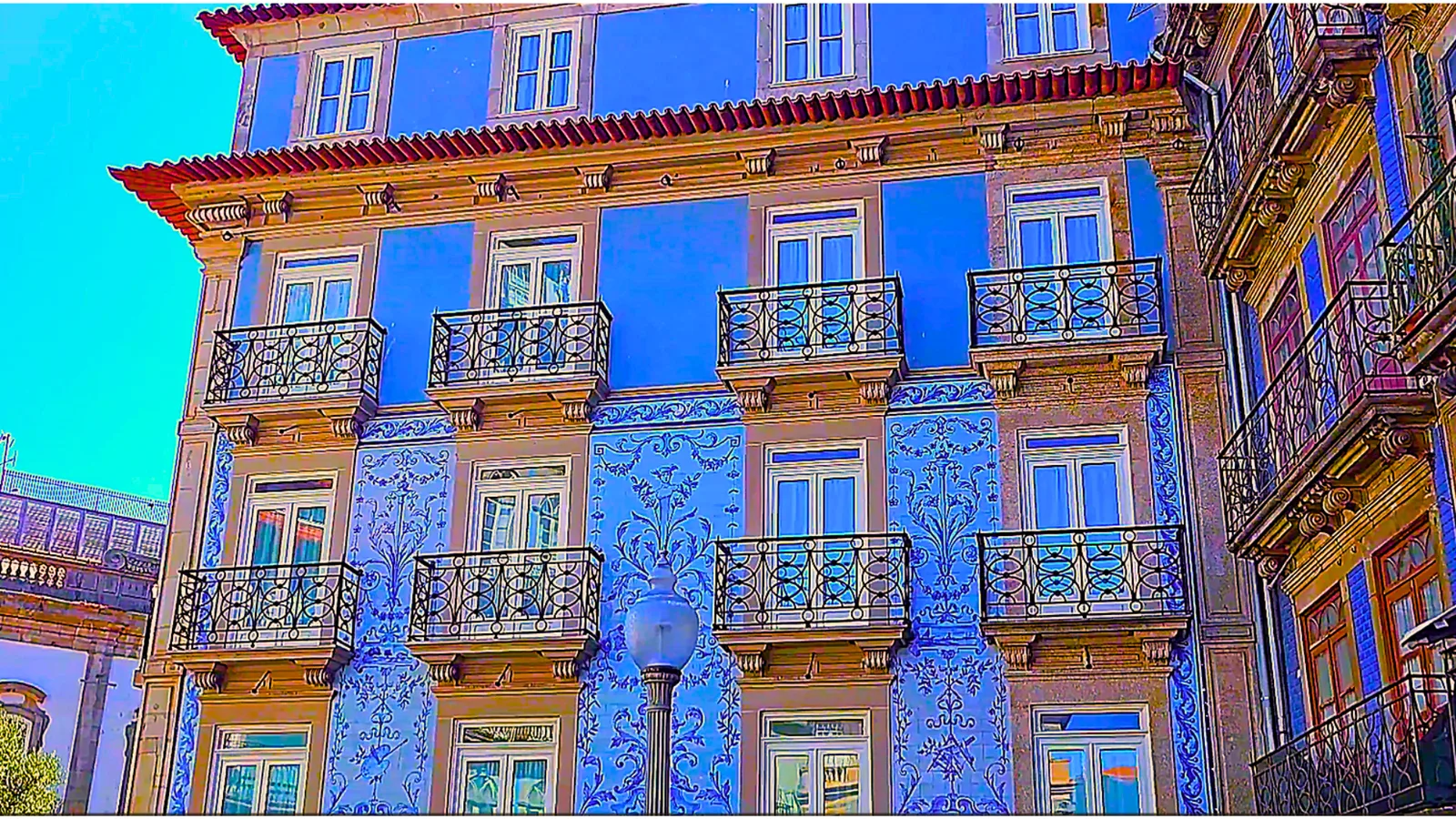
Blue house with balconies in Porto

Materials and patterns

How to look at a façade

A figurative panel creates an image of people, landscapes or episodes in a story. A patterned covering repeats geometric or floral motifs, forming a larger design as tiles join together.

Look at surrounding materials too: granite door and window surrounds, iron railings, wooden doors and wall colours. The building and its tiles may date from different periods, as at Carmo and Capela das Almas.

Tiles Iron Granite Wood Colour

Places to visit

Tile panels, churches and streets to explore

Each stop offers different details. The notes below distinguish outdoor façades, the station entrance hall and areas visited as part of an interior tour.

Tiles in São Bento Station’s entrance hall
Station entrance hall

São Bento Station

The hall has around 20,000 tiles by painter Jorge Colaço, depicting Portuguese history, everyday life and a frieze about the development of transport. Look at whole panels before studying their details. The station remains in railway use.

Open the São Bento guide
Congregados Church and buildings in central Porto
Beside São Bento

Congregados Church

Very close to the station, Santo António dos Congregados Church offers another set of religious tiles to compare. The façade includes scenes from Saint Anthony’s life and a niche with his statue. Add this stop before continuing through Baixa.

Opening hours and location
Tiles on the side wall of Carmo Church
Side wall

Carmo Church

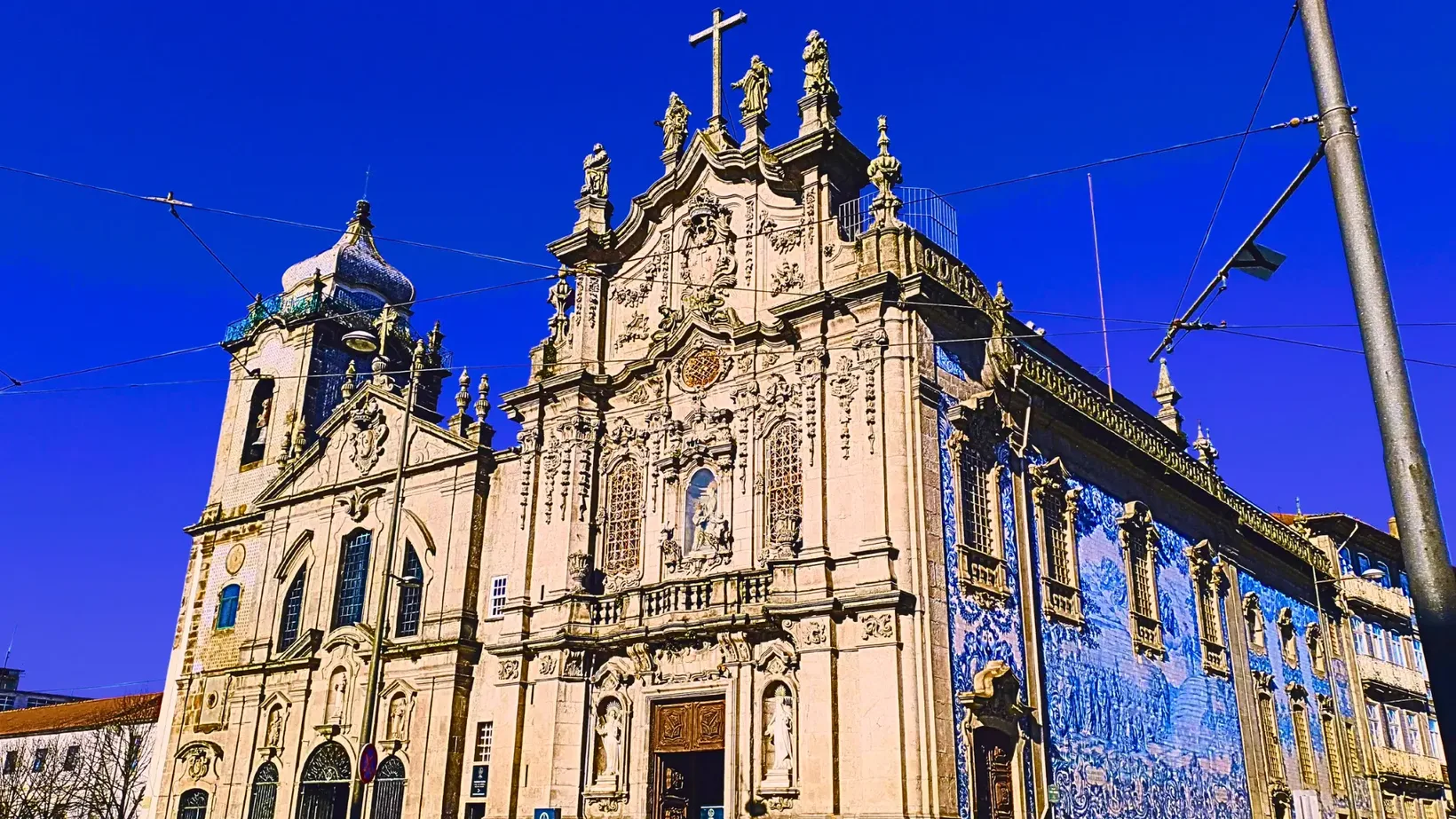
The large blue-and-white panel covers the side wall facing Rua do Carmo. It was added in 1912 to an eighteenth-century church, with a design by Silvestre Silvestri. You can view the exterior from the street; the interior visitor circuit is separate.

See the churches route
Tiled façades of Capela das Almas
Rua de Santa Catarina

Capela das Almas

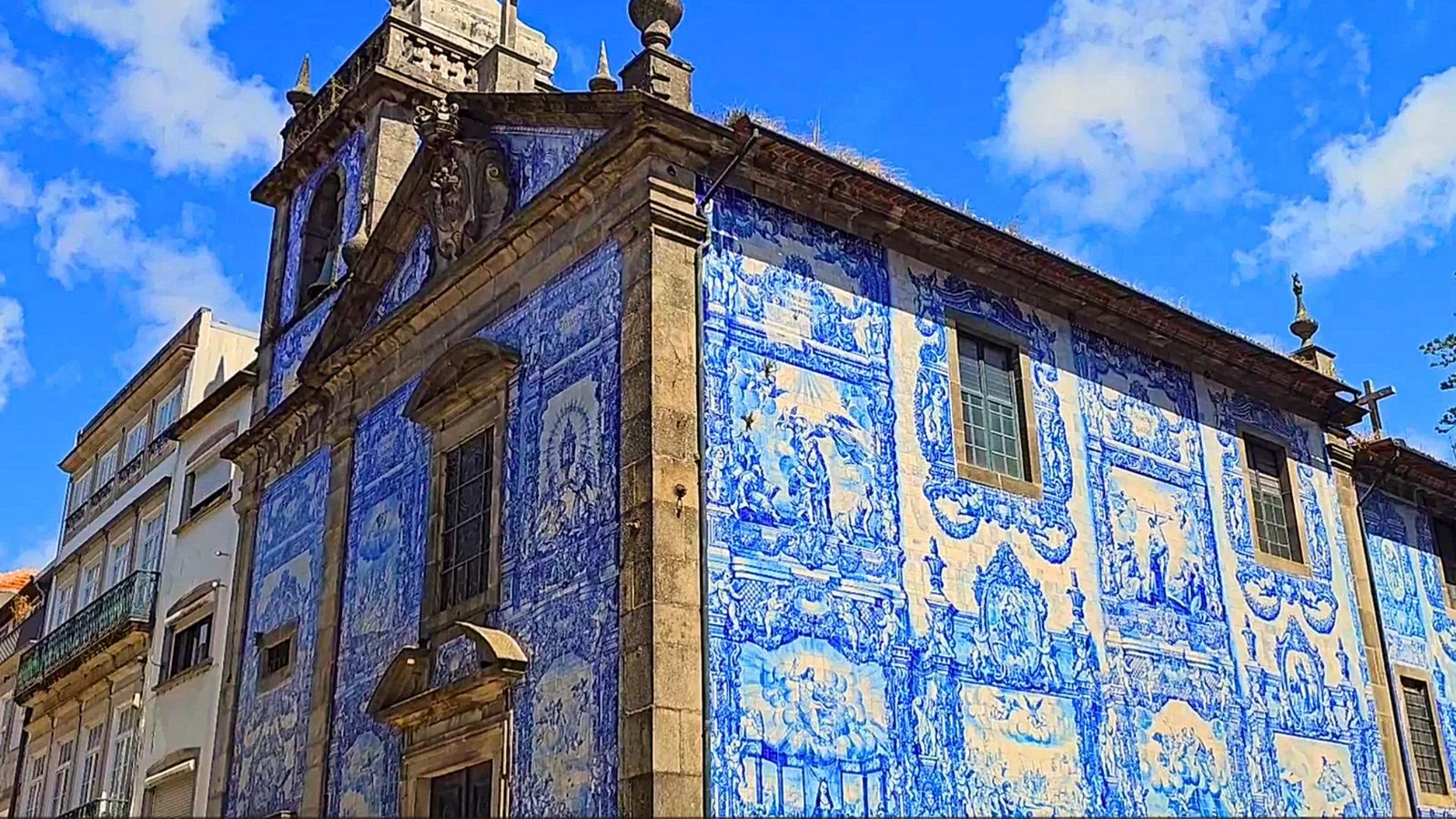
At the corner of Rua de Fernandes Tomás, façades tiled in 1929 depict Saint Francis of Assisi and Saint Catherine. The panels are by ceramic artist Eduardo Leite. Notice how the images extend across the front and side walls.

Opening hours and location
Façade of Santo Ildefonso Church
Praça da Batalha

Santo Ildefonso Church

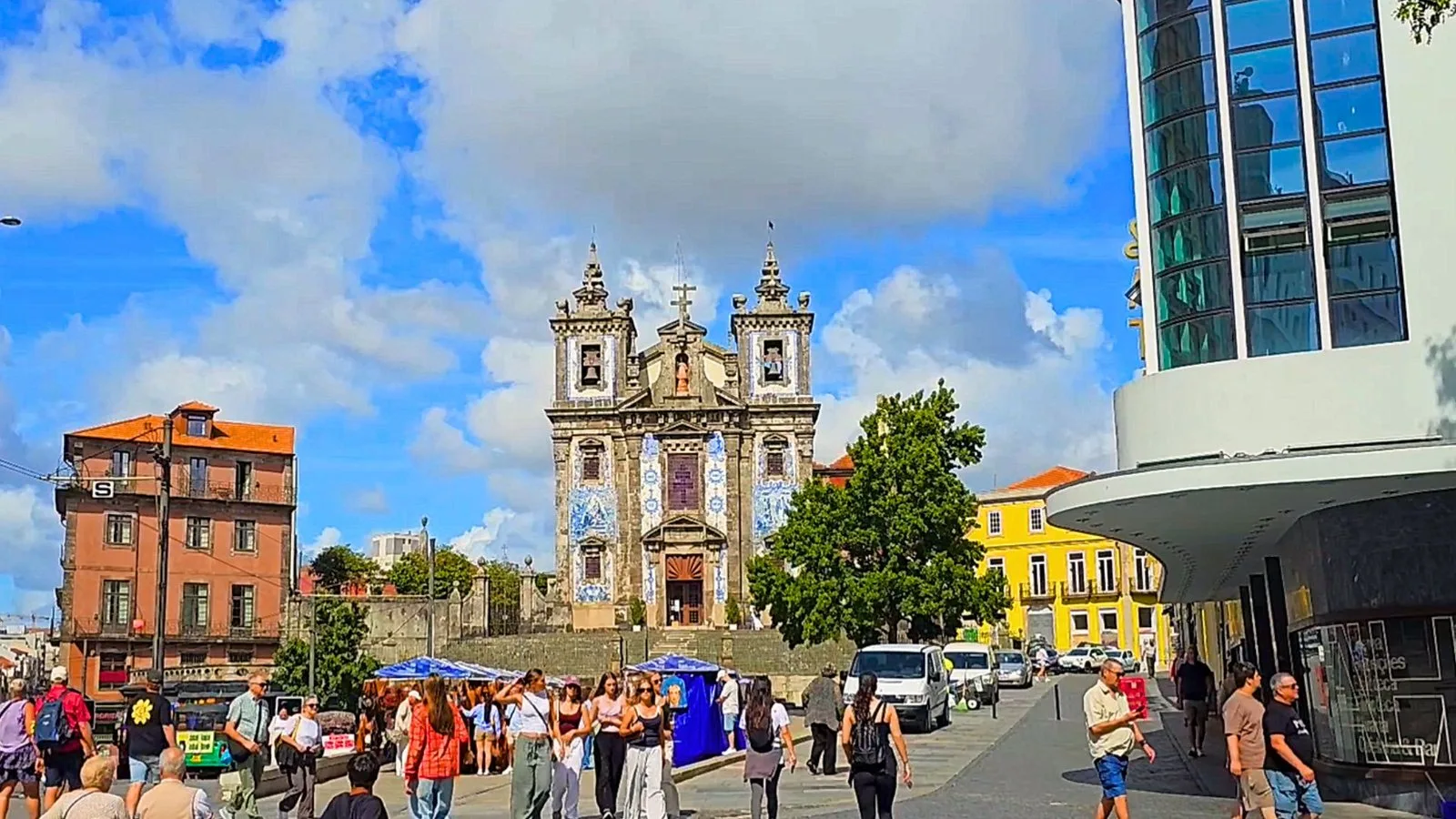
The façade’s tiles are also by Jorge Colaço, the artist behind São Bento’s panels. They depict the life of Saint Ildefonso and themes associated with the Eucharist. The raised forecourt and steps offer different distances from which to study the composition.

Opening hours and location
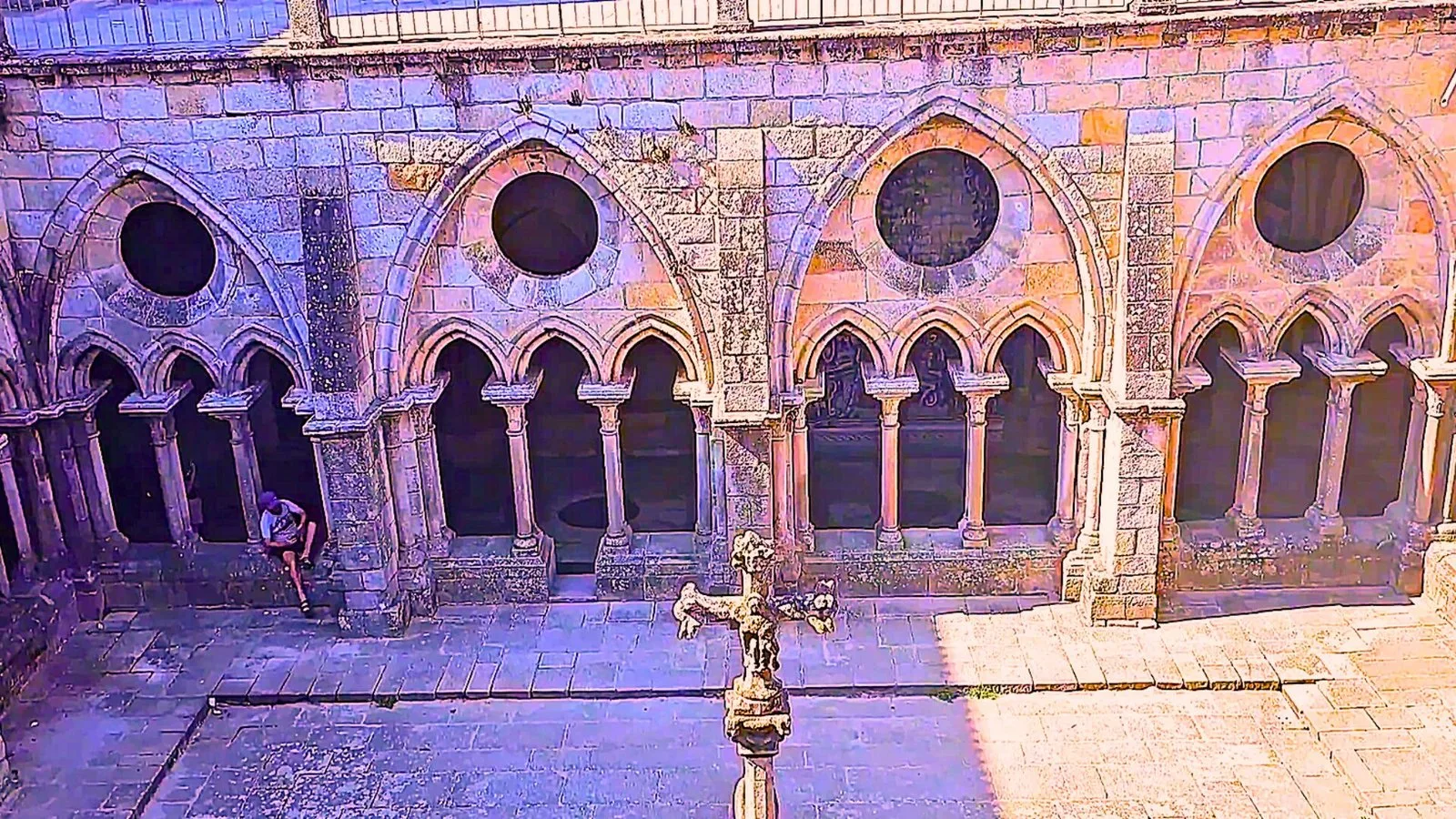
The Gothic cloister at Porto Cathedral
Cloister visit

Porto Cathedral

The Gothic cloister has large eighteenth-century panels depicting the Song of Songs, a book of the Bible. Here, tiles sit alongside stone and Gothic arches. Include an interior visit to see them and check ticket arrangements and opening hours.

Open the cathedral guide
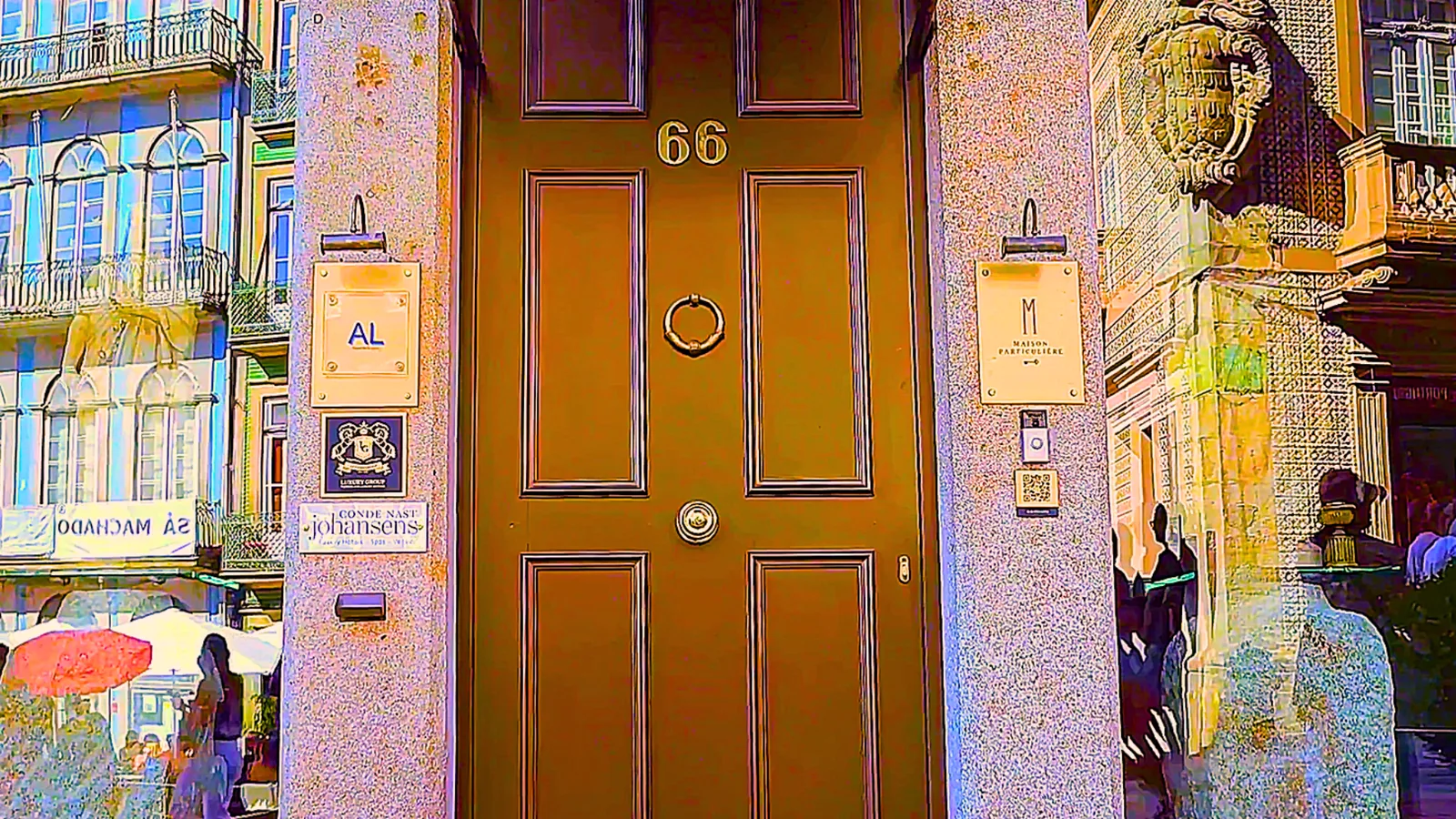
Old blue door on Rua das Flores
Doors and stonework

Rua das Flores

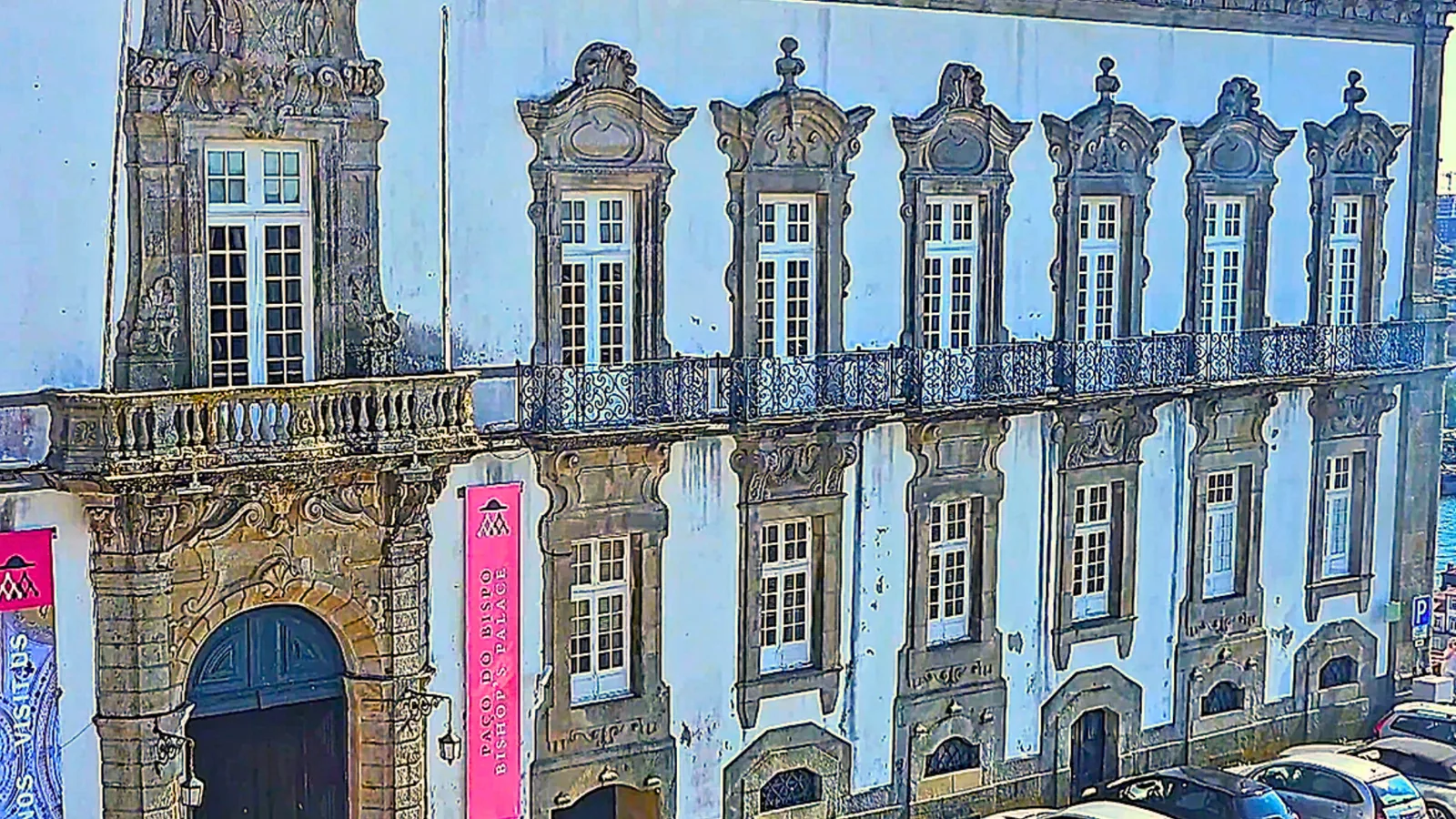
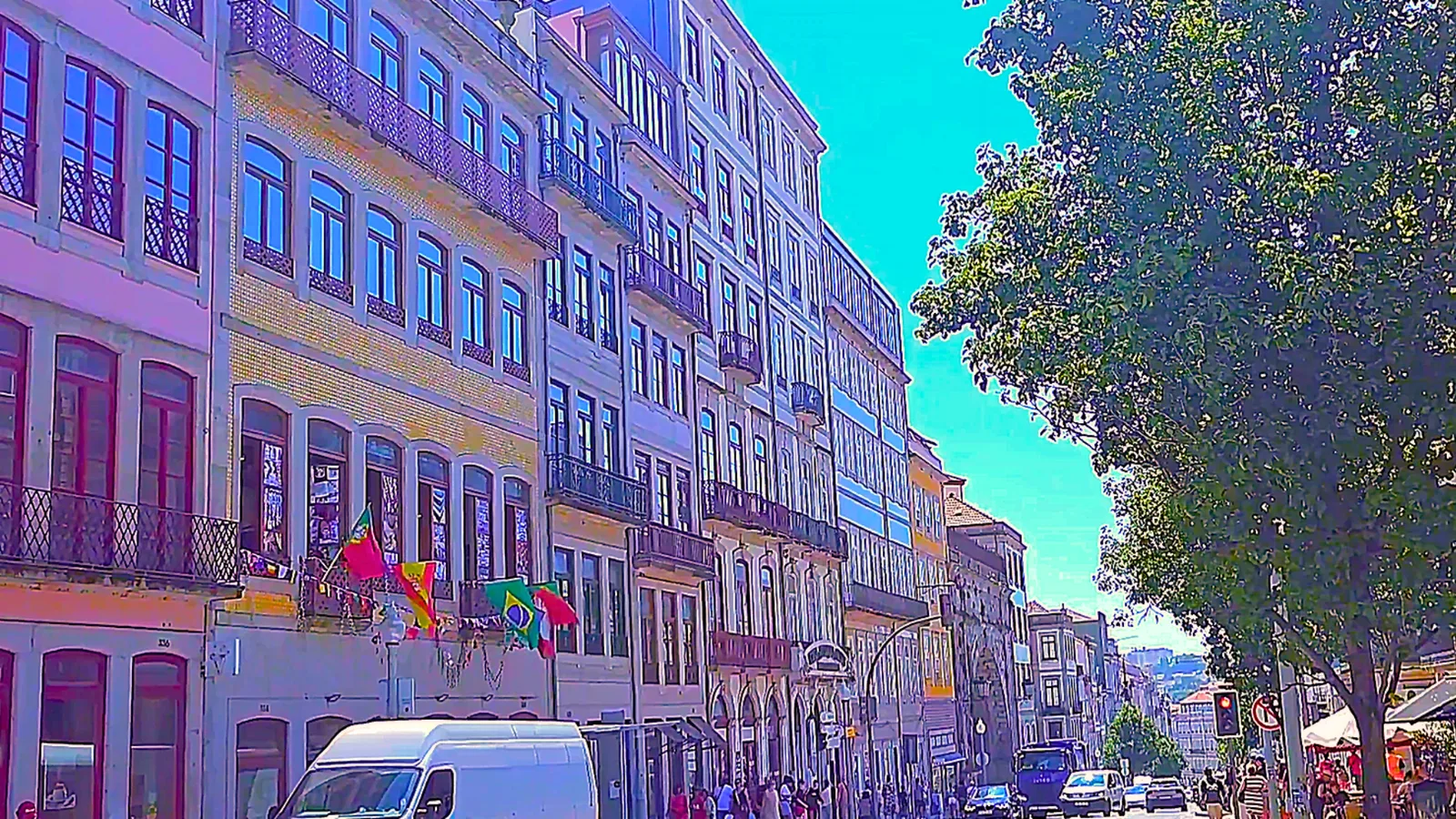
Walk between São Bento and Largo de São Domingos. Look for stone surrounds, wooden doors, iron balconies and shopfront details. These façades reflect different uses and alterations; an old detail alone does not date an entire building.

Explore the historic centre
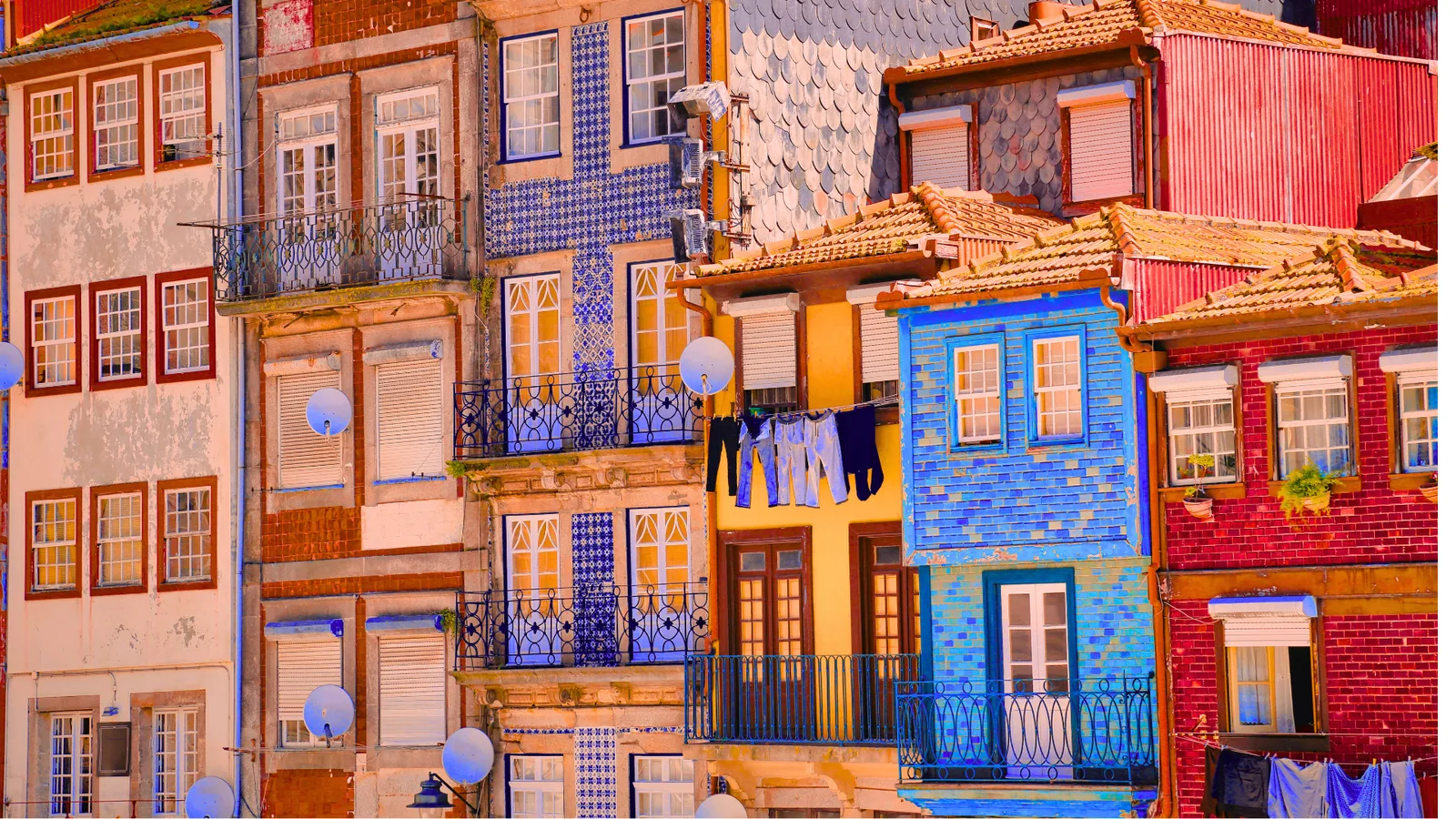
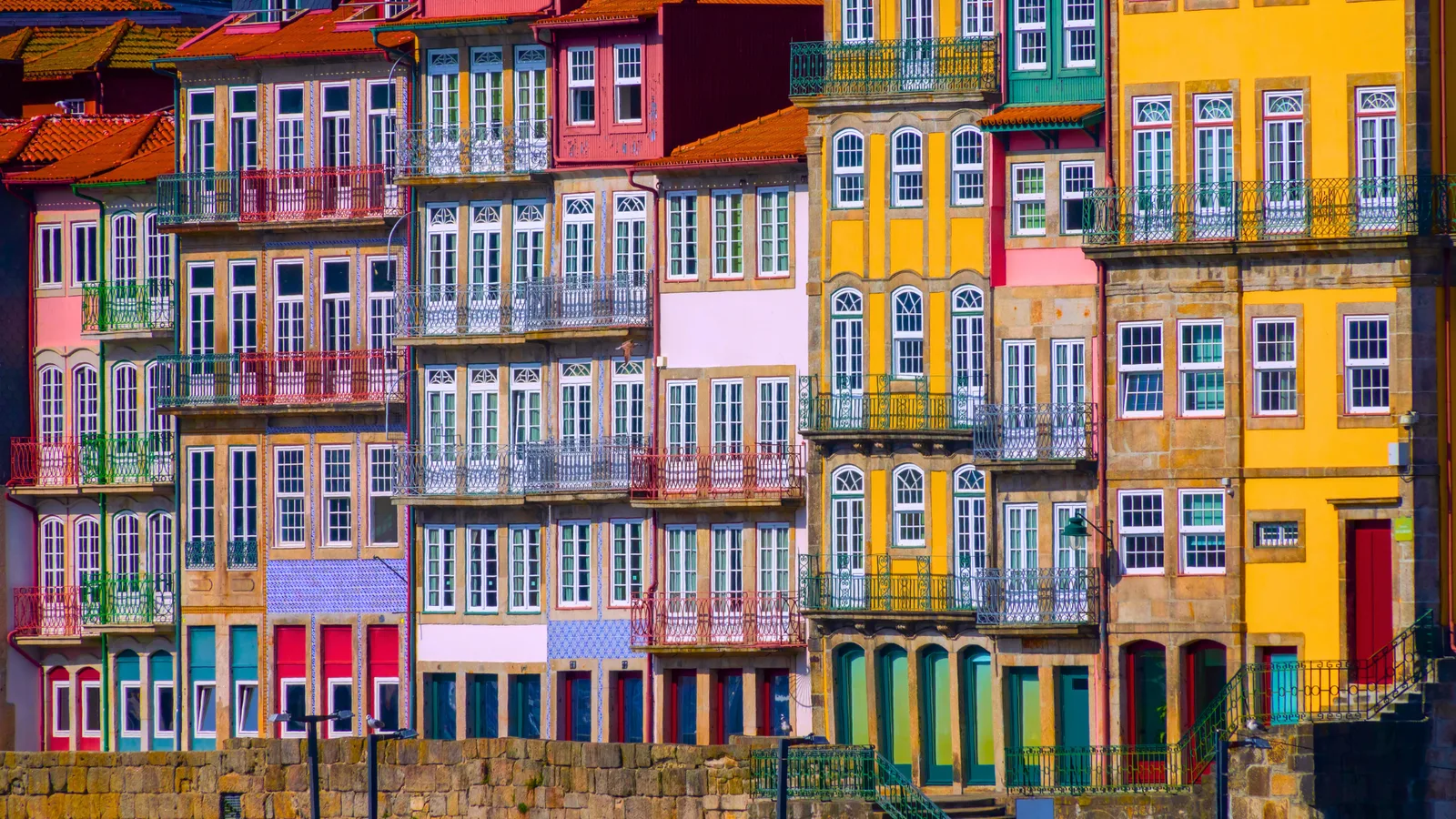
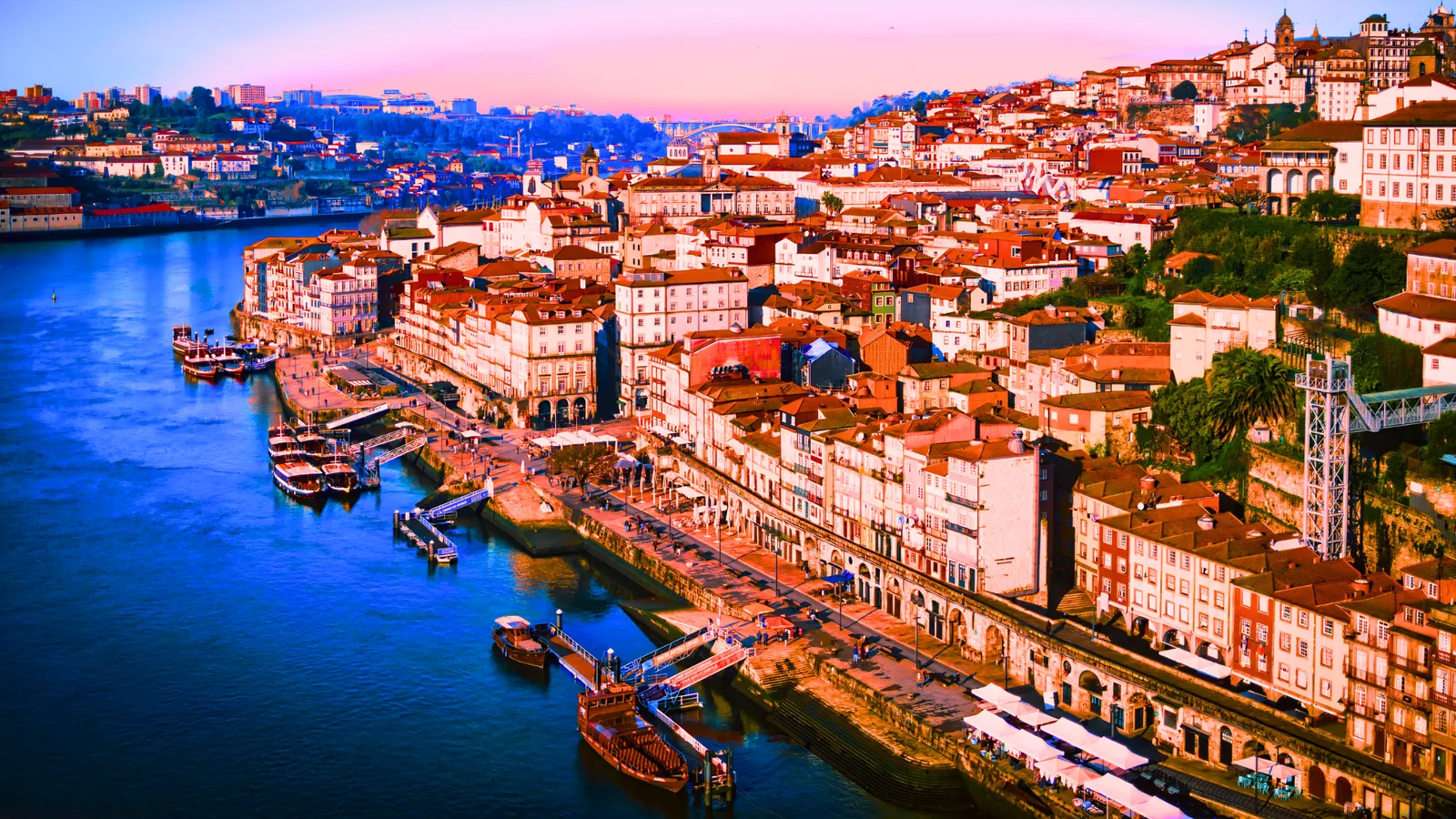
Colourful houses in Porto’s Ribeira
Douro façades

Ribeira

Around Praça da Ribeira and nearby streets, compare house colours, window alignments and balconies. This is a stop for looking at whole façades and their materials, complementing the large panels at the churches and station.

See the Ribeira guide
Banco de Materiais, Praça de Carlos Alberto

At Palacete dos Viscondes de Balsemão, Praça de Carlos Alberto 71, this municipal project collects and preserves building materials for reuse in the city. Its exhibition shows patterned tiles, plasterwork and other façade elements. It is an option to add near Carmo. Check opening hours and visiting arrangements.
Banco de Materiais visitor information

What to notice

Four kinds of details to look for

Alternate an overall view of the building with a closer look. Compare designs, repetition, materials and how each element fits into the façade.

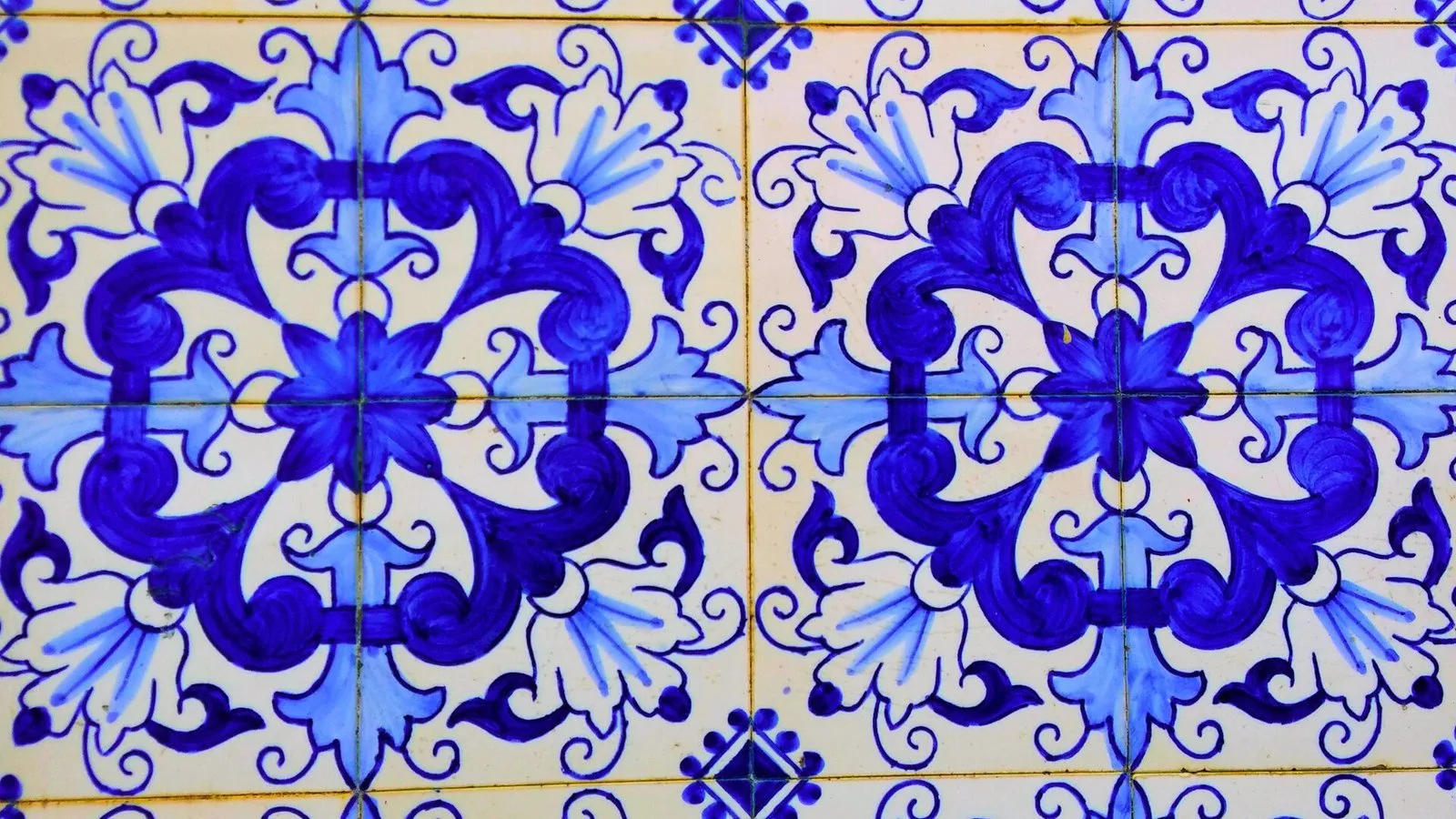
Blue-and-white patterned tiles in Porto
Tiles

Panels and patterns

In a figurative panel, look for characters, scenery and the borders around a scene. In patterned tiles, see how neighbouring pieces join to create flowers, stars or other motifs.

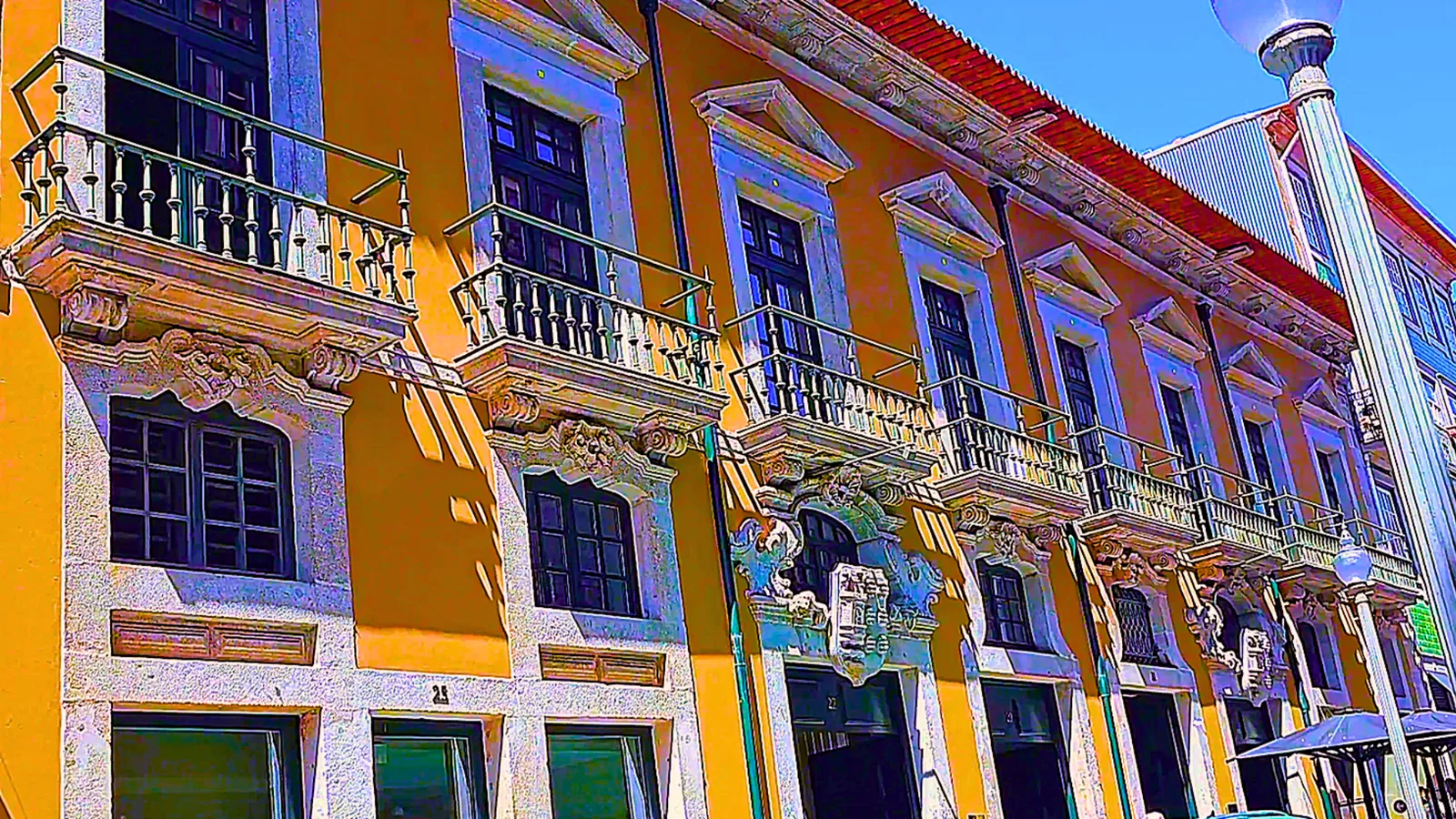
Yellow balconies in Porto
Balconies

Iron railings

Compare curves, geometric shapes, leaves and repeating designs in railings. Look at their stone supports too and how balconies align with windows.

Old brown door on Rua das Flores
Doors

Wood, stone and metalwork

Look for wooden panels, glass overdoors and handles. Then study the stone surround and how the entrance relates to the rest of the façade.

Colourful windows in Porto
Windows

Frames, shutters and colour

Look at window shapes, glass, shutters and surrounds. A wider photograph can show how these features repeat across the storeys.

Walking route

A walk through Porto’s main tile landmarks

Start at Carmo Church, walk through the Clérigos area and continue to São Bento. Combine the entrance hall panels with nearby Congregados Church. Then walk uphill to Batalha for Santo Ildefonso and along Rua de Santa Catarina to Capela das Almas.

Allow around two to three hours for walking, looking and photographs as a planning estimate. Interior visits and meal stops add time. The route includes hills, particularly between São Bento and Batalha.

Carmo Clérigos São Bento Congregados Santo Ildefonso Capela das Almas

Another walk: cathedral, Rua das Flores and Ribeira

Start at the cathedral, including the cloisters if you would like to see the panels, then head to Rua das Flores and Largo de São Domingos. Continue to Ribeira to finish beside the Douro. Expect slopes and, depending on your chosen route, steps. This can be a separate morning or afternoon outing.

What you can see from the street

The exteriors of Carmo, Capela das Almas, Santo Ildefonso and Congregados can be viewed from public streets. São Bento’s tiles are in its entrance hall. The cathedral cloisters form part of the monument visit, with their own ticket and opening arrangements. Allow for worship times when entering churches.

Windows and stonework at Porto Cathedral

Practical tips

How to make the most of the walk

Choose the stops that interest you and allow time to notice buildings between them. Check opening hours before planning interior visits.

01

Look at the whole and then the detail

Begin with the full façade. Then move closer to a panel, surround or balcony to see how the detail fits into the building.

02

Compare different places

São Bento, churches and house façades show different uses of tiles. Look for painted scenes, repeated patterns and ways of framing doors and windows.

03

Choose your light for photographs

Diffused light on a cloudy day can reduce strong shadows. When photographing glazed tiles, shift position slightly to reduce reflections.

04

Plan interior visits

Seeing a façade from the street differs from entering a church or cloister. Check opening hours, tickets and photography rules for the places you want to visit.

05

Include the streets between landmarks

On Rua das Flores, around Clérigos or in Ribeira, look at doors, windows, balconies and signs. These streets connect the better-known panels.

06

Photograph without blocking the way

Choose somewhere with room to stop. Respect entrances and privacy on residential streets, and keep passenger routes clear in São Bento.

In photographs

Tiles, façades and details

Patterns, wood, iron, lace, interiors and coloured glass found around Porto.

Blue-and-white patterned tiles in Porto Blue tiles
Tile detail in Porto Tile detail
Old blue door on Rua das Flores Old doors
Yellow balconies in Porto Balconies
Colourful windows in Porto Windows
Lace detail Lace
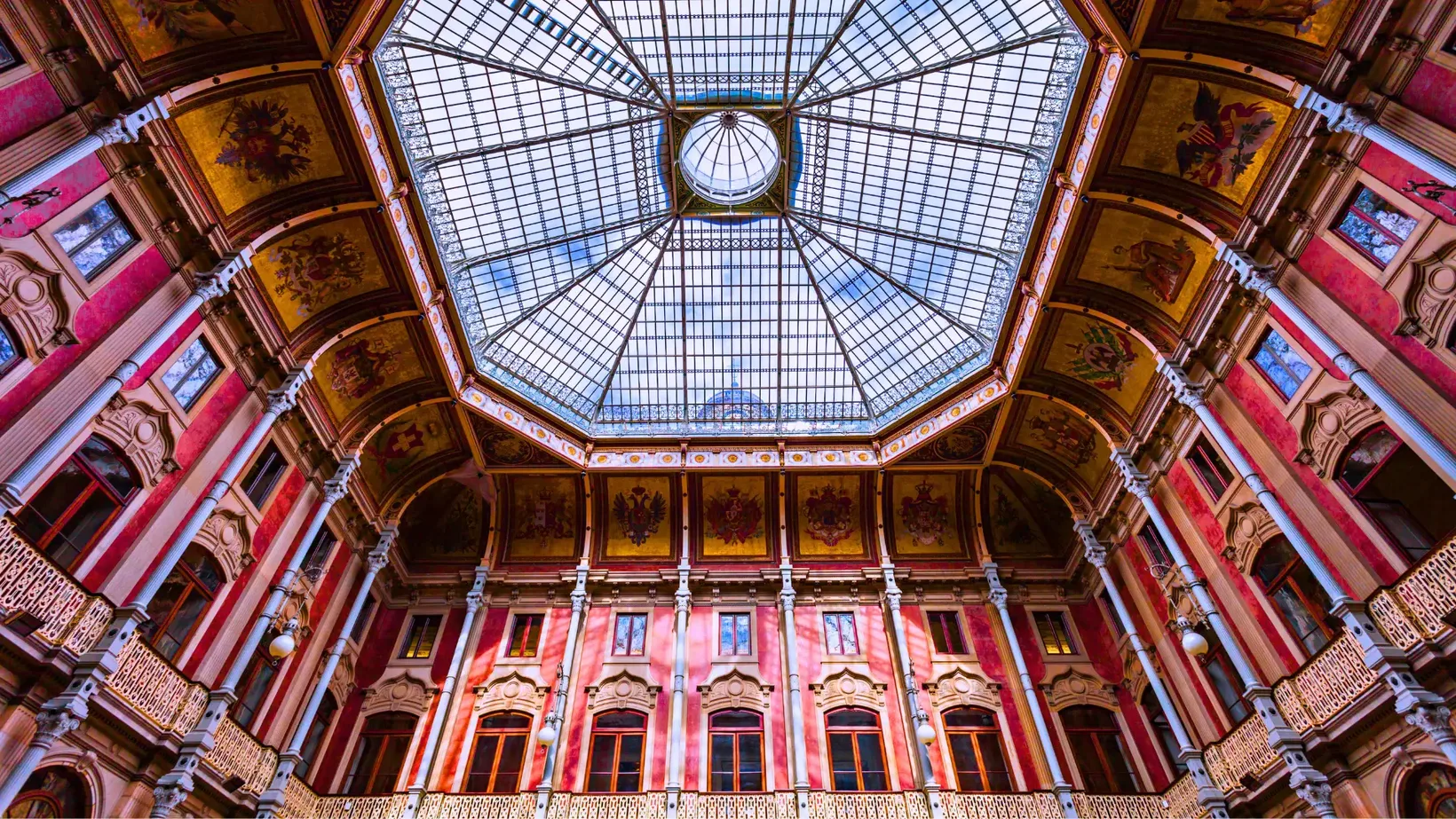
Interior detail of Palácio da Bolsa in Porto Interiors
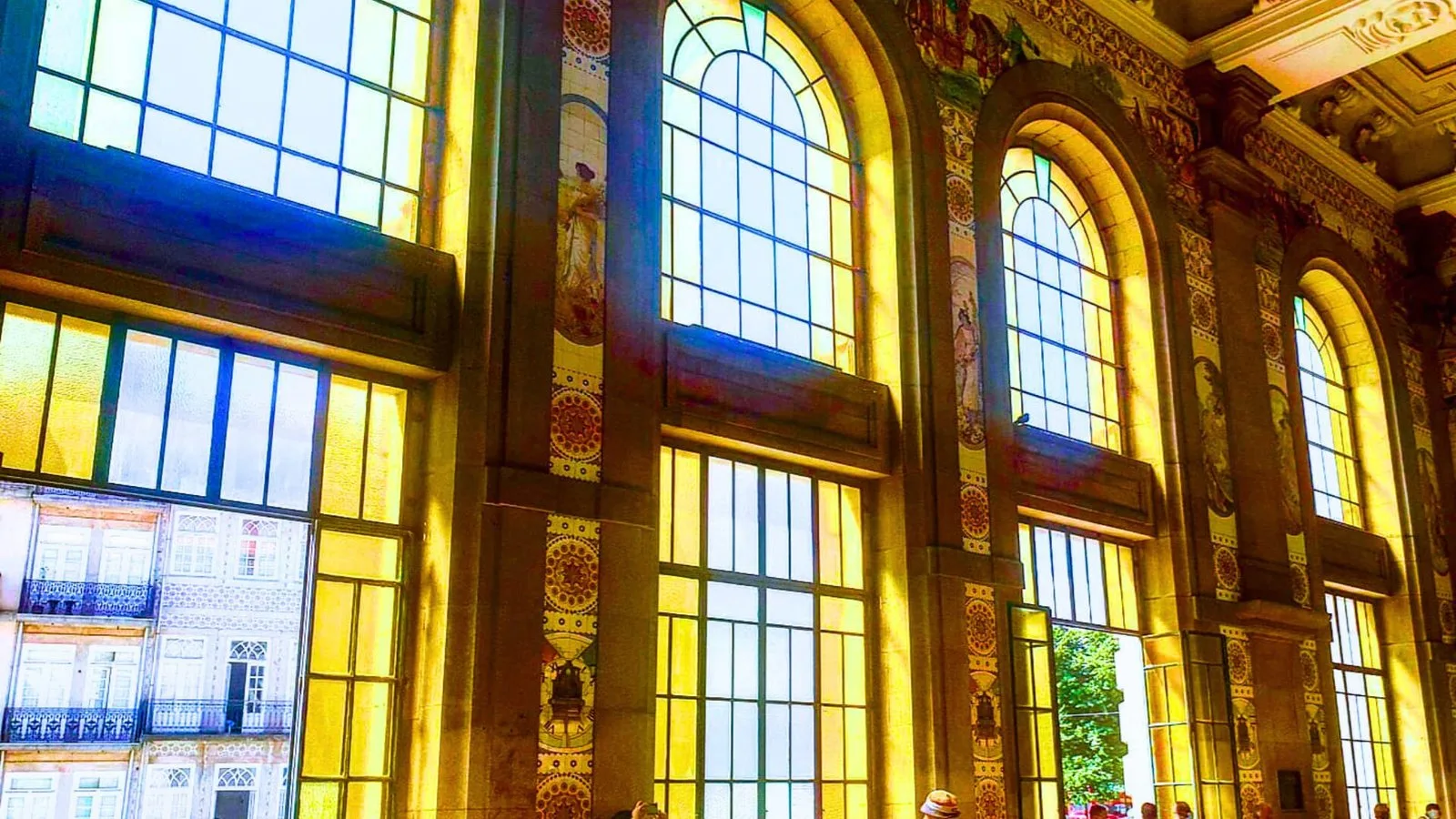
Windows with coloured glass at São Bento Station Coloured glass
Blue-and-white patterned tiles in Porto

Explore up close

Include the details in your walk around Porto

Choose a few panels and leave time for details along the way: a door, a balcony, a window design or a repeating tile pattern.