Serralves
Serralves is one of Porto’s strongest cultural experiences, combining contemporary art, gardens, architecture and a slower, more elegant side of the city.
Best museum experience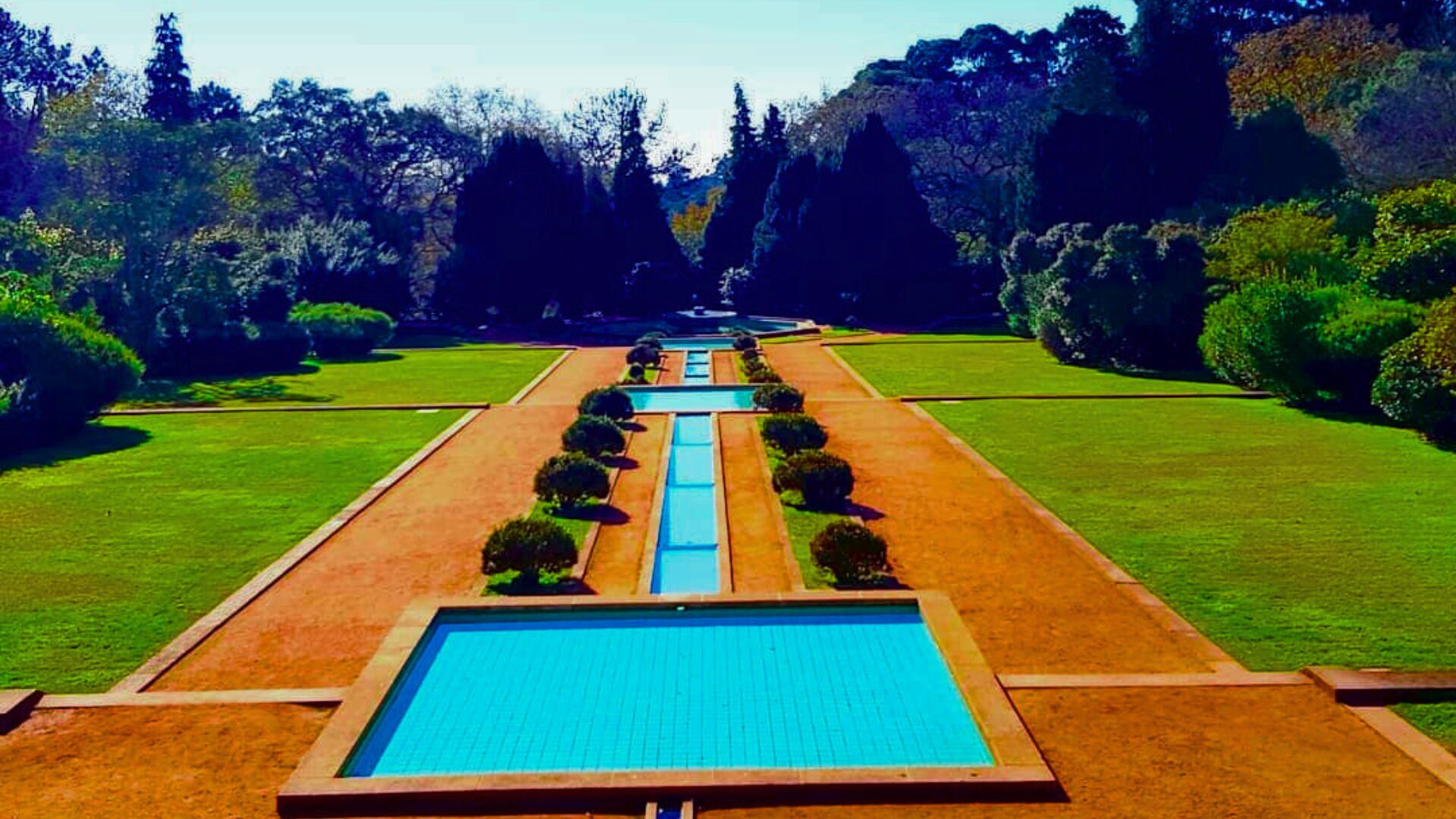
Porto travel guide
Porto’s culture is not only inside museums. It lives in gardens, theatres, tiled stations, churches, galleries, historic buildings, wine heritage and streets where the city’s past and creativity meet.
Quick answer
If you want a balanced cultural experience in Porto, combine one major museum, one historic interior, one tiled or architectural landmark, one creative neighbourhood and one cultural moment in Gaia. That gives you a richer view of the city without trying to see everything.
Serralves is one of Porto’s strongest cultural experiences, combining contemporary art, gardens, architecture and a slower, more elegant side of the city.
Best museum experienceSão Bento is not just a station. Its tile panels make it one of the most memorable places to understand Porto’s visual and historic identity.
Best tiled landmarkOne of Porto’s grand cultural landmarks, especially interesting for travellers who enjoy theatre, architecture and historic city spaces.
Best theatre landmarkThis area is ideal for galleries, independent shops, cafés and a more contemporary creative rhythm away from the most obvious tourist route.
Best creative areaCasa da Música brings a more modern architectural side to Porto and works well with a Boavista or Serralves-focused cultural route.
Best modern iconAcross the river, Gaia adds wine heritage, museums, views and cultural spaces that help complete the Porto experience.
Best across the riverSimple choice
Porto is better when you do not rush from museum to museum. Choose a few strong cultural stops and leave time for the streets, tiles, cafés, views and neighbourhoods around them.
Museums & cultural spaces
Porto’s cultural side can be classic, contemporary, architectural or completely unexpected. These are some of the strongest places to include if you want more than viewpoints and food stops.
Serralves is one of the most elegant cultural experiences in Porto, combining contemporary art, architecture, gardens and a calmer rhythm away from the historic centre.
Best full cultural stop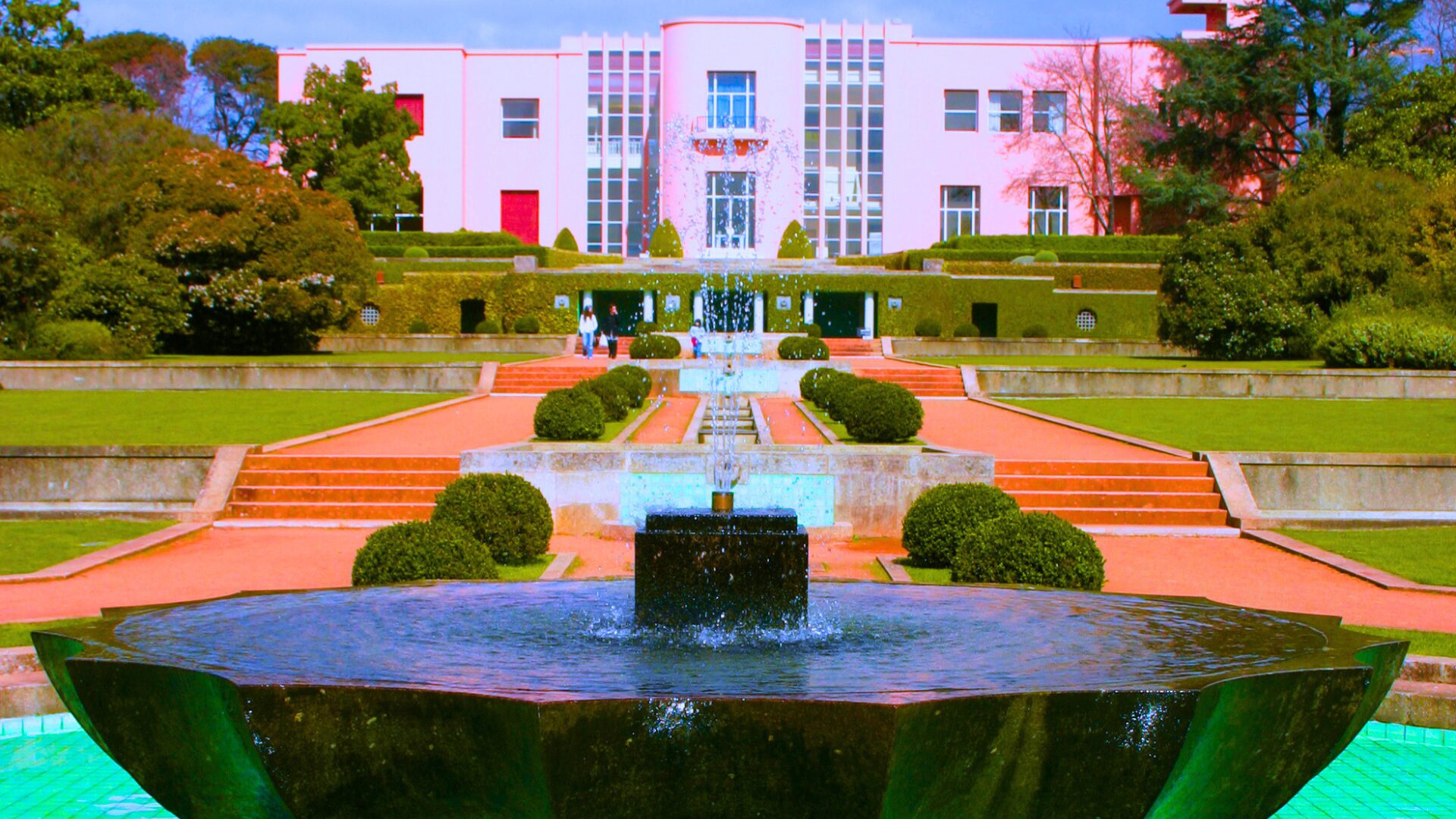
Casa de Serralves adds a refined architectural and historic layer to the museum experience, especially if you enjoy interiors, gardens and visual details.
Best elegant detail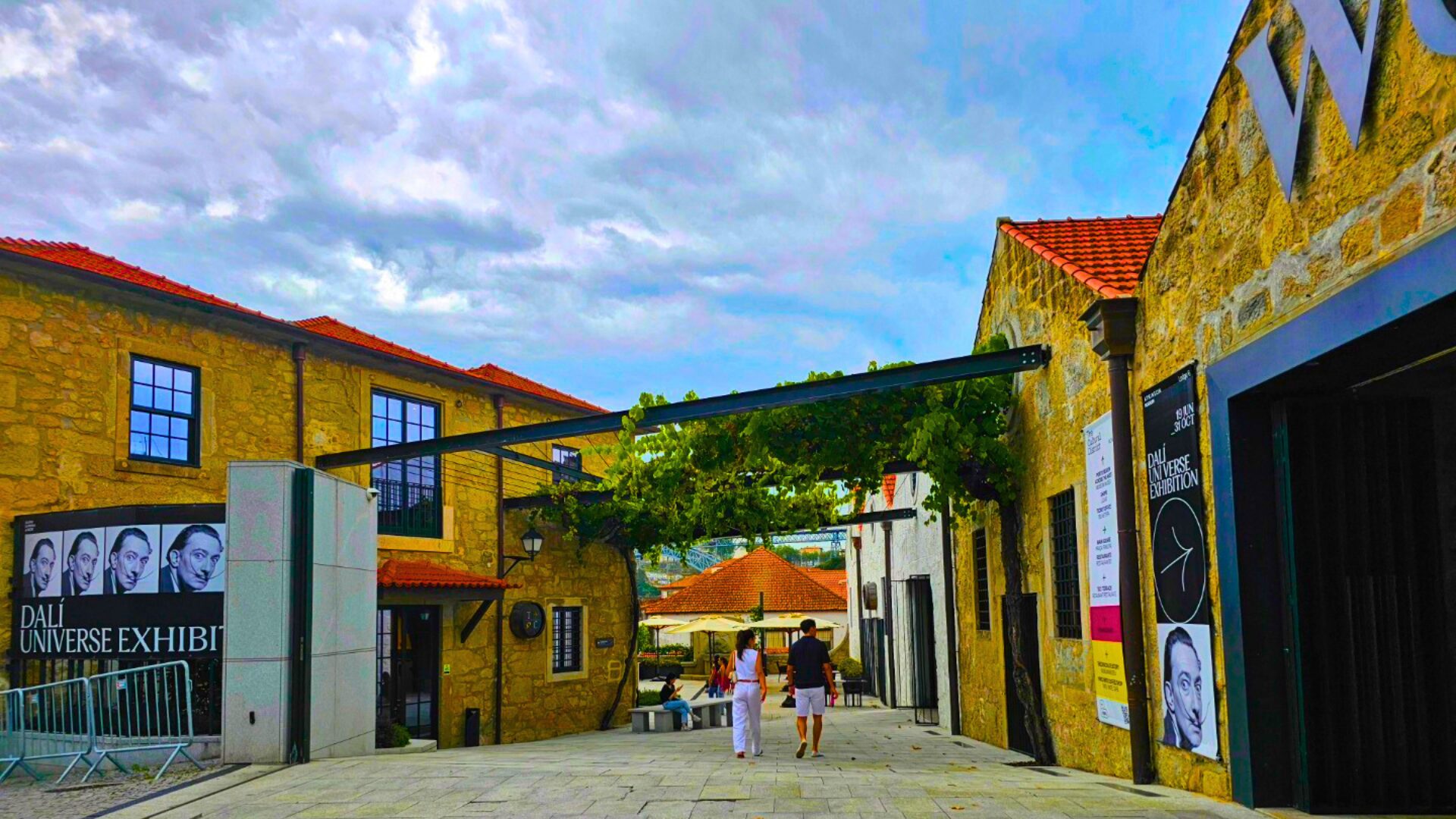
WOW brings together museums, restaurants, wine culture and views in Gaia. It is a good option if you want a more modern cultural stop across the river.
Best across the river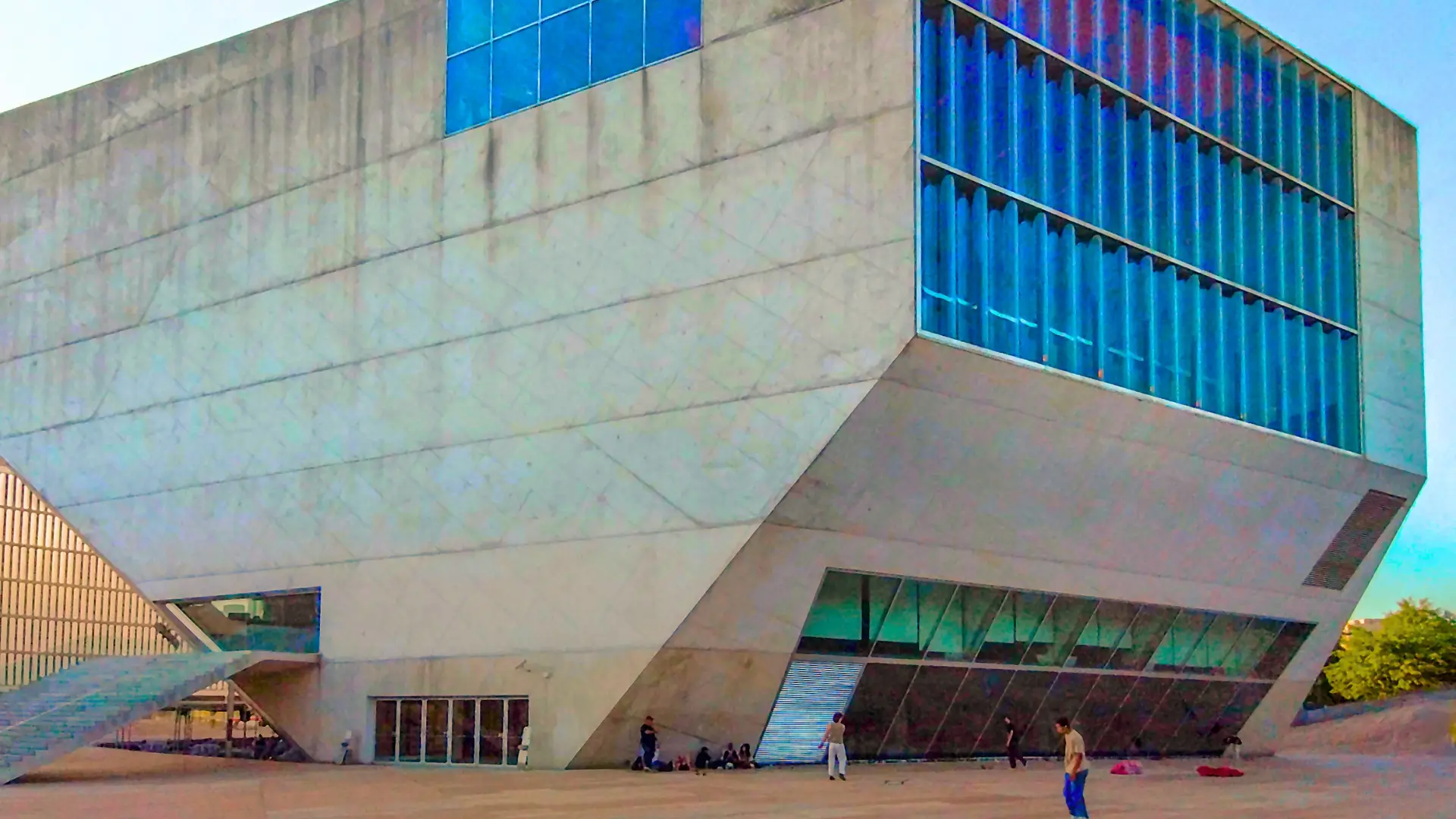
Casa da Música is one of Porto’s most recognisable modern buildings and an important cultural venue, especially interesting for architecture and music lovers.
Best modern icon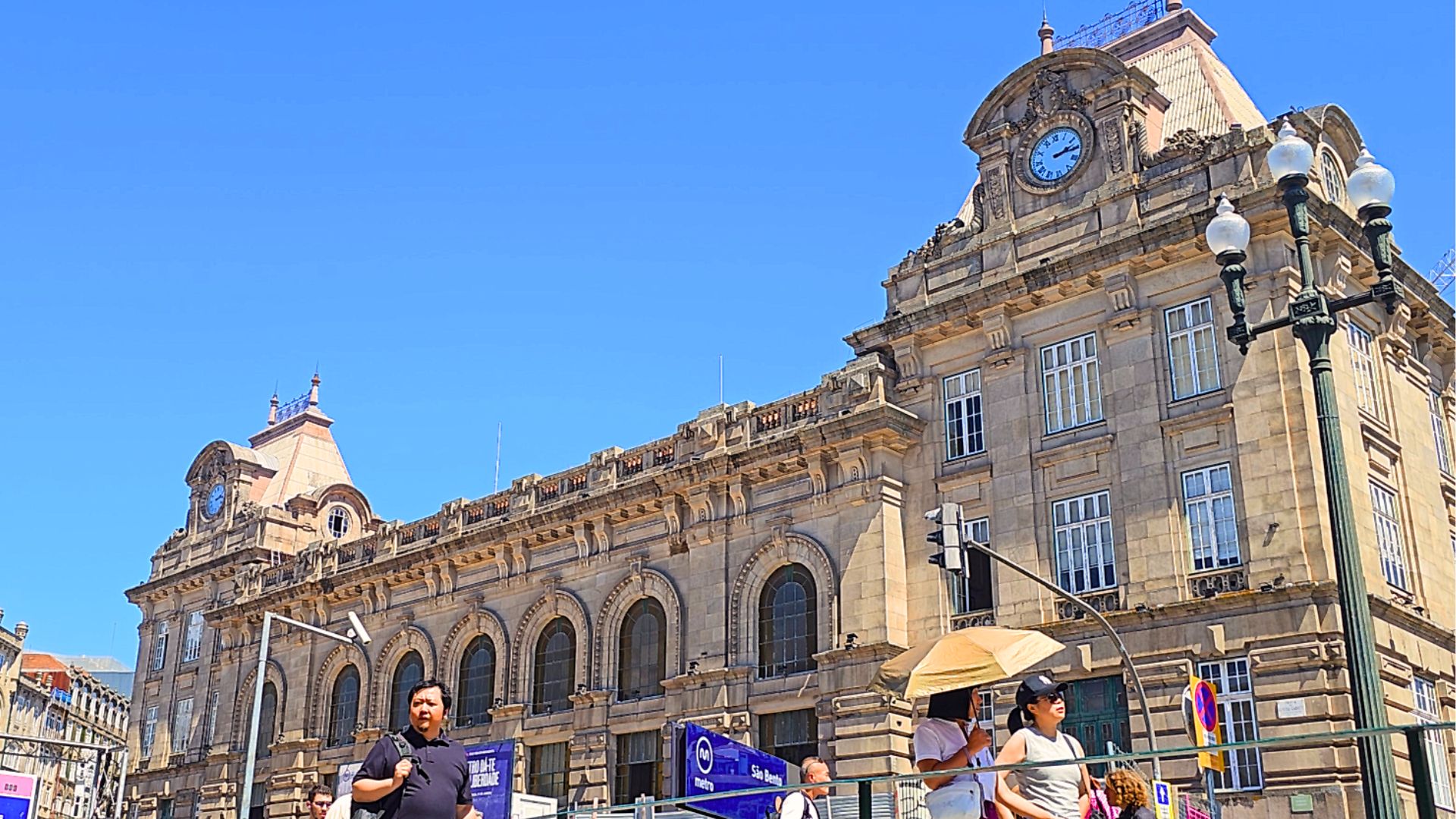
São Bento is a working station, but also one of Porto’s most important visual landmarks, with tile panels that many visitors remember as a cultural highlight.
Best free cultural stop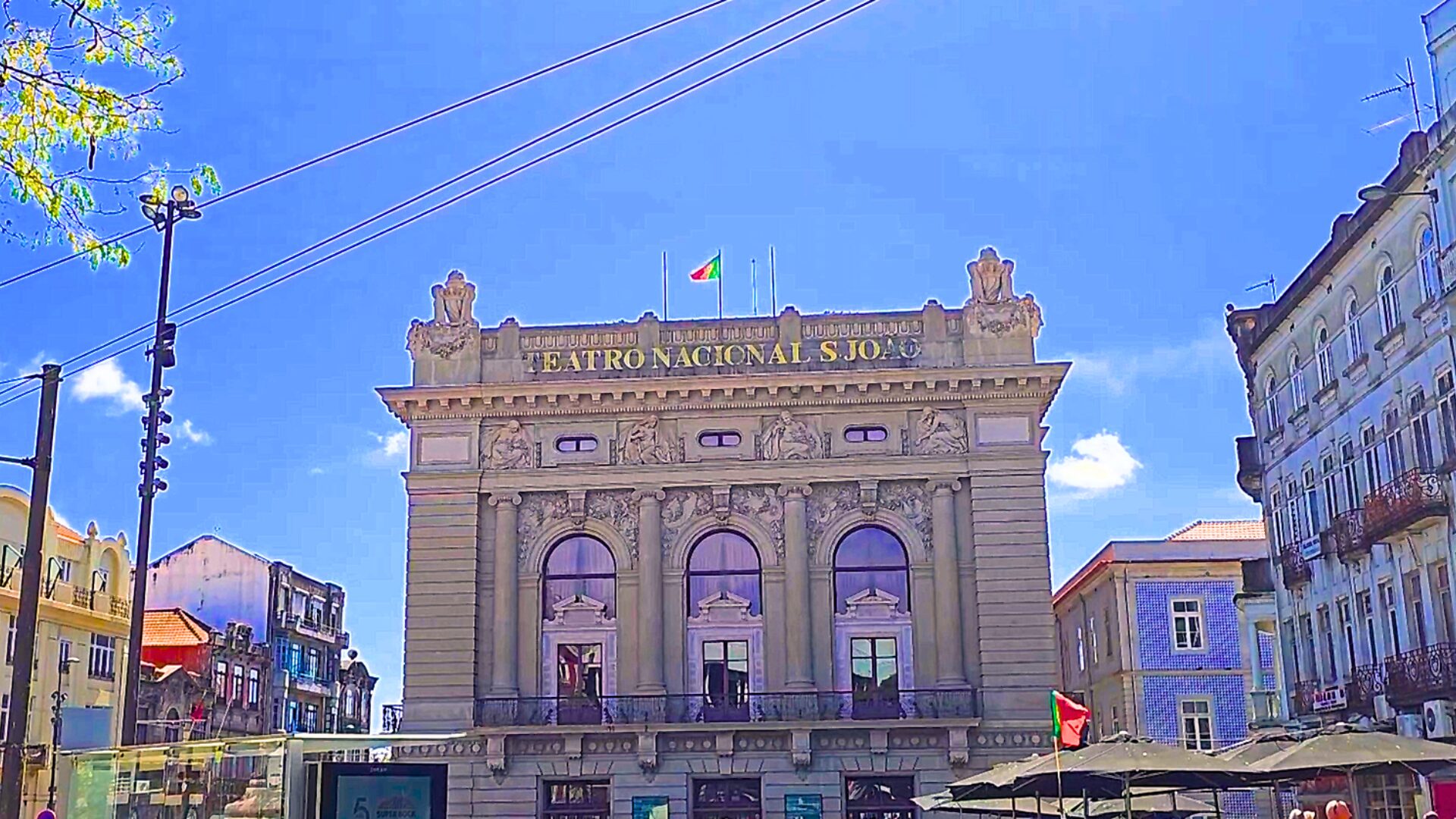
Teatro Nacional São João is one of the city’s grand cultural landmarks, adding theatre, architecture and historic atmosphere to the Porto experience.
Best performance landmark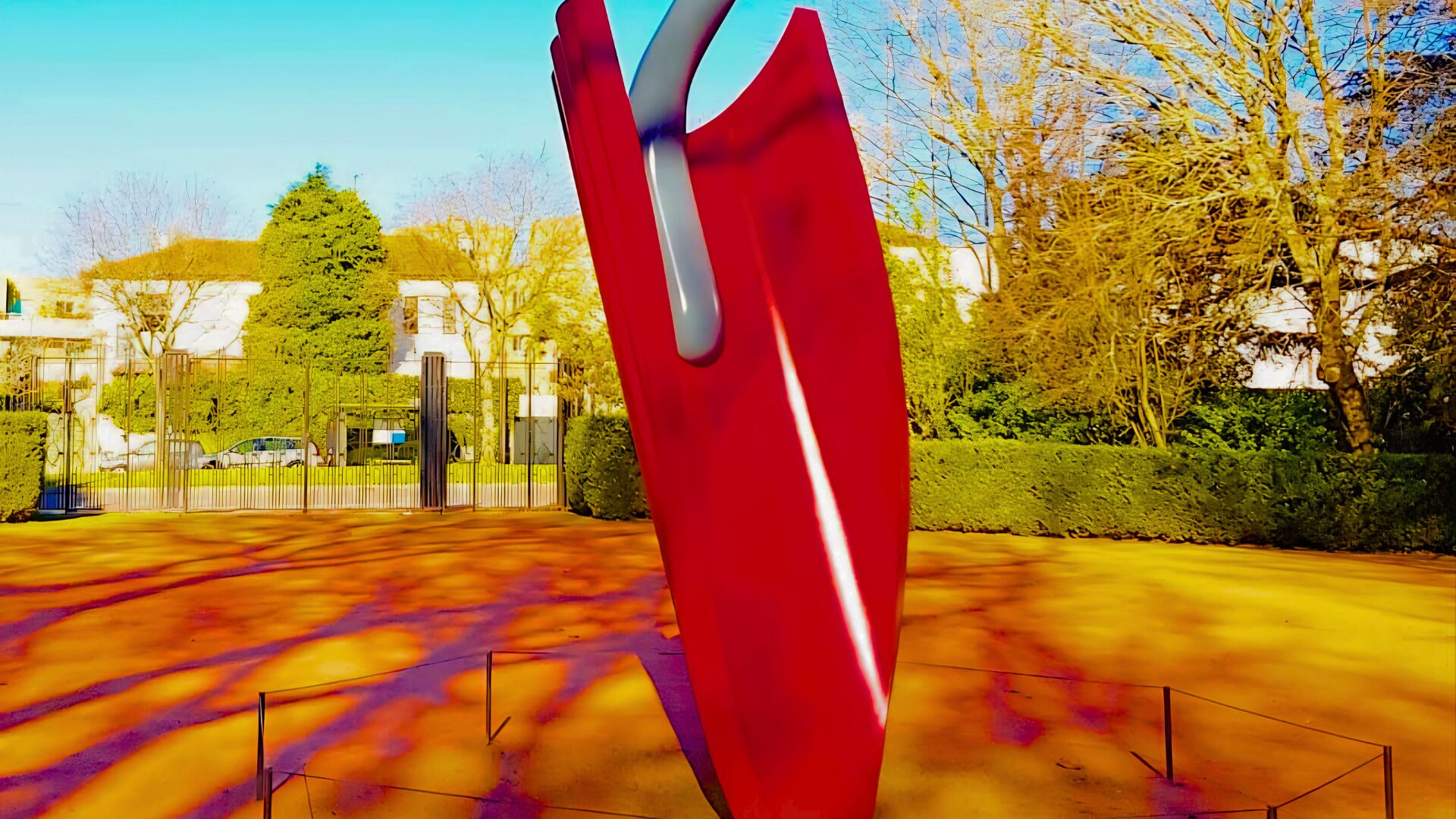
Best cultural rhythm
Porto’s cultural value is also in the transitions between places: walking from a theatre to a tiled station, from a museum garden to a café, or from a gallery street to a viewpoint.
Simple advice
Serralves is ideal for a slower art and garden experience. WOW works well if you are already exploring Gaia. Casa da Música is best if you enjoy architecture, music and the Boavista side of Porto.
Architecture & historic interiors
Some of Porto’s most powerful cultural experiences are not traditional museums. They are churches, stations, theatres, tiled façades, old markets, university squares and historic interiors that tell the city’s story visually.
São Bento is one of Porto’s most memorable interiors, especially because of its blue and white tile panels. It is practical, beautiful and completely part of daily life.
Best tiled interior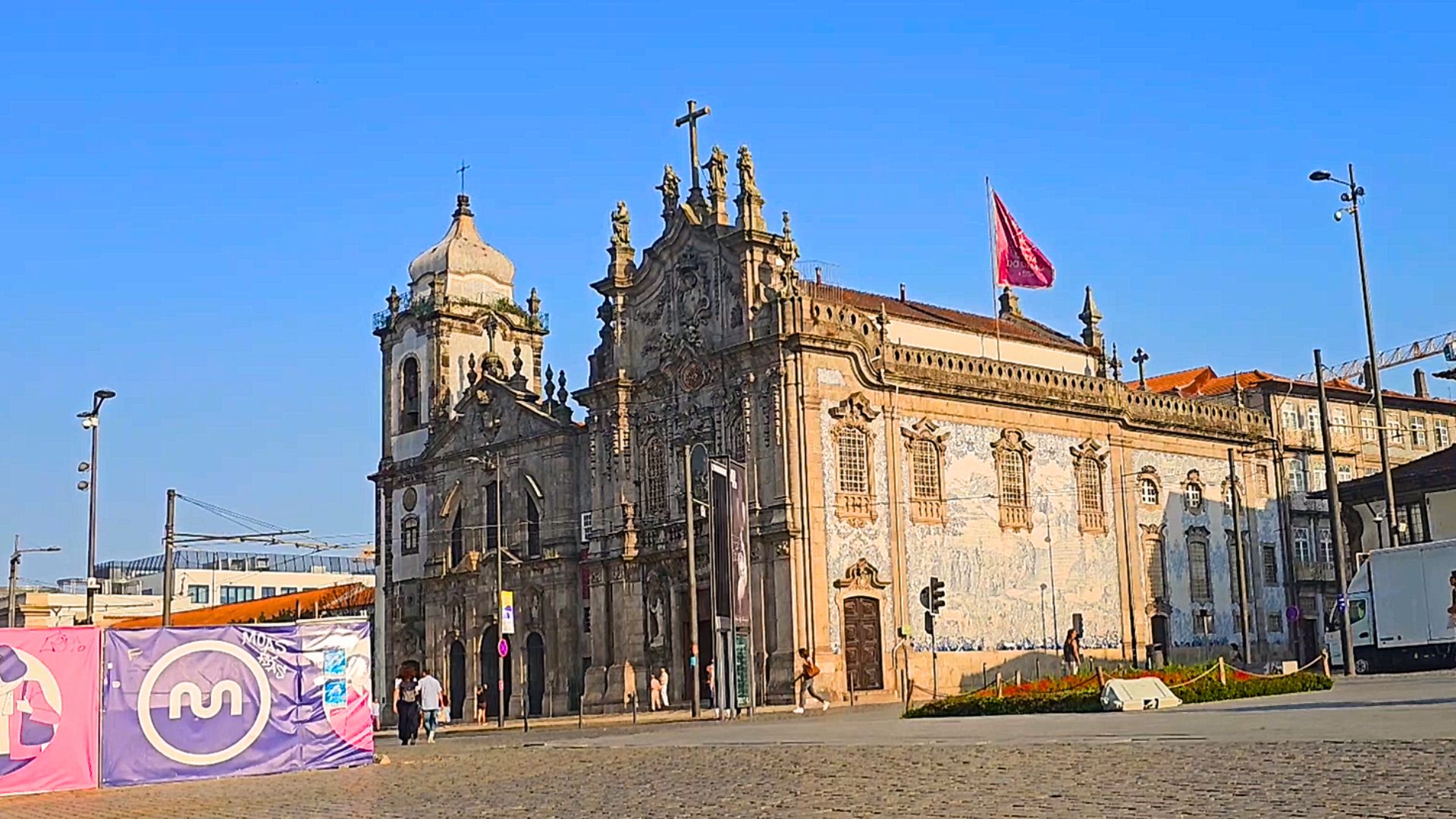
Carmo is one of the most photographed churches in Porto, especially for its side façade covered in tiles. It is a strong example of how religious architecture shapes the city’s visual identity.
Best tiled façade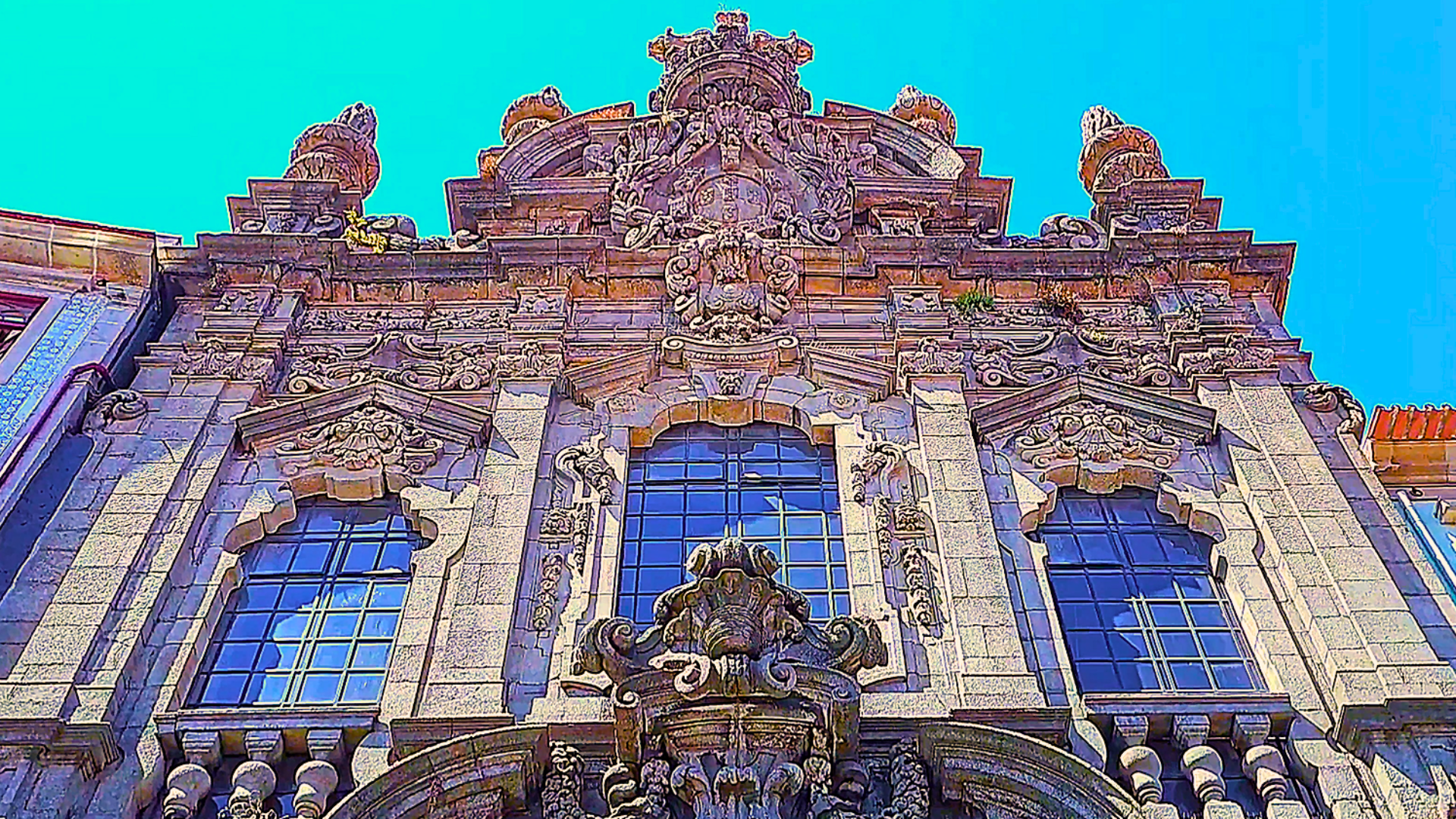
Around Rua das Flores, Misericórdia Church adds another layer to Porto’s historic centre, connecting religious heritage, old streets and the elegant side of the city.
Best hidden detailTeatro Nacional São João brings a grand cultural presence to the city centre. Even from the outside, it gives the area a strong theatrical and historic atmosphere.
Best theatre landmark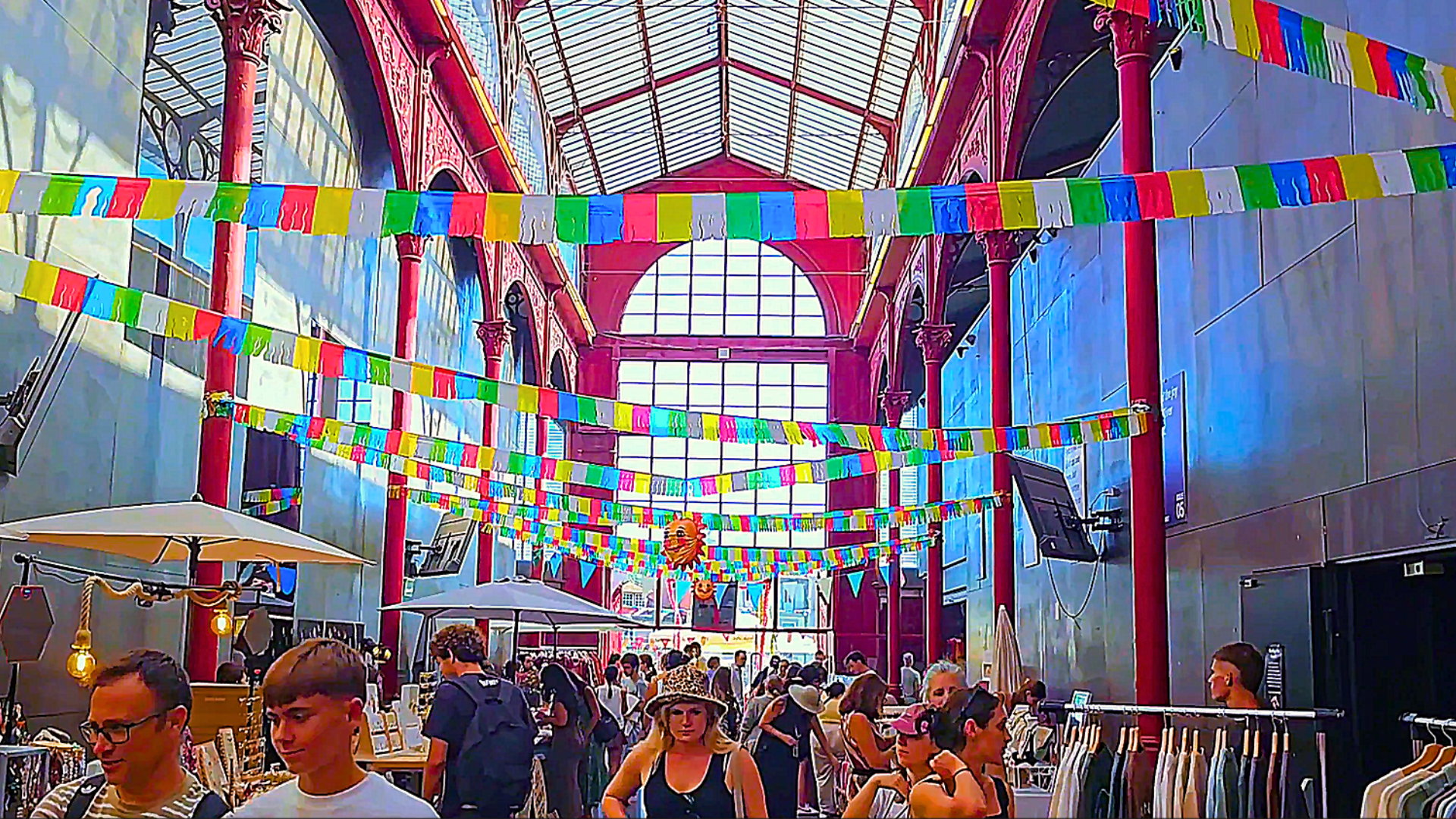
Ferreira Borges Market adds a different architectural texture to the historic centre, with iron structure, cultural uses and a location close to Ribeira and Palácio da Bolsa.
Best market structure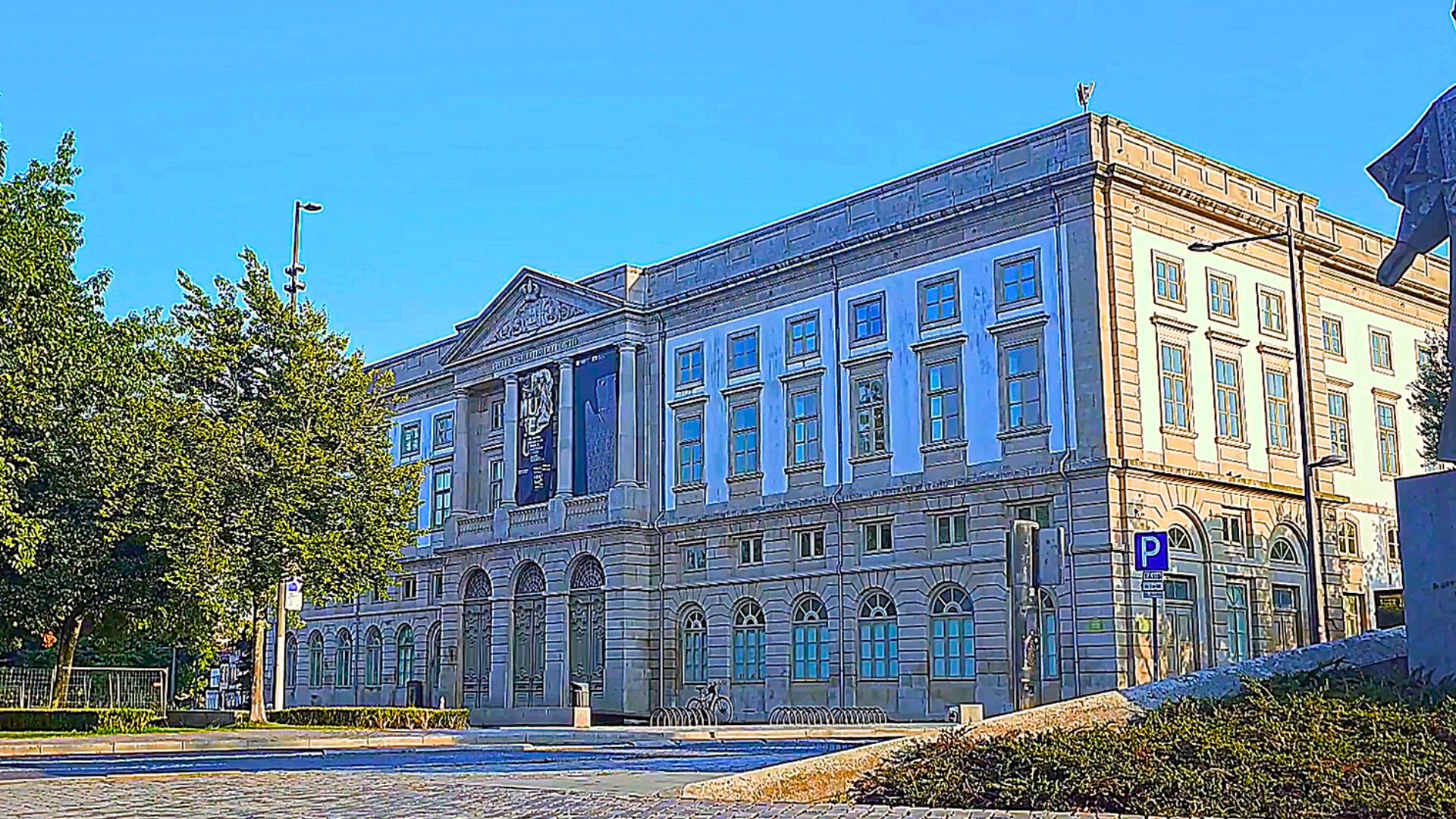
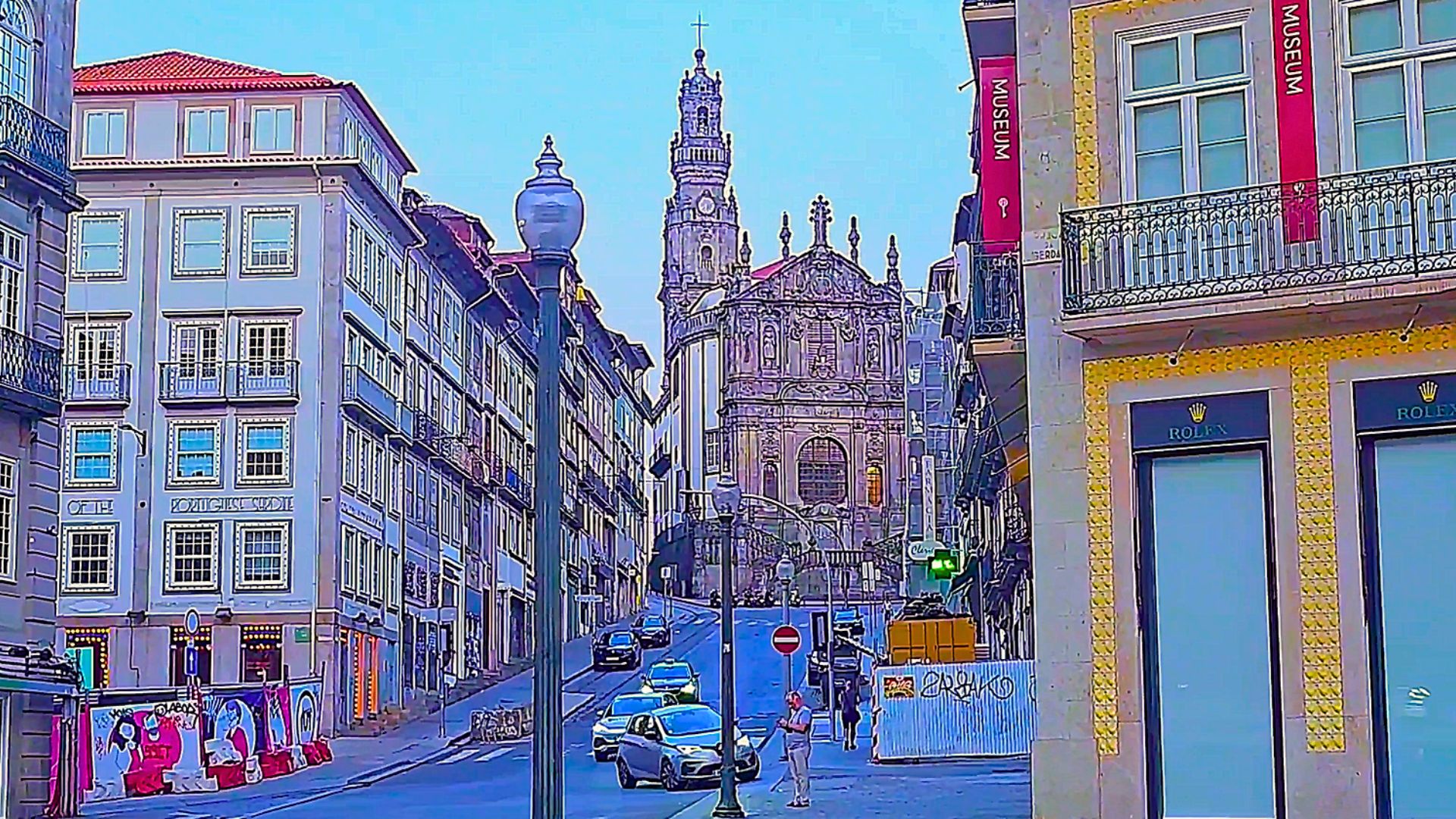
Around the university, Carmo, Clérigos and Cordoaria, Porto feels elegant, intellectual and historic, with buildings and squares that are ideal for slow wandering.
Best academic mood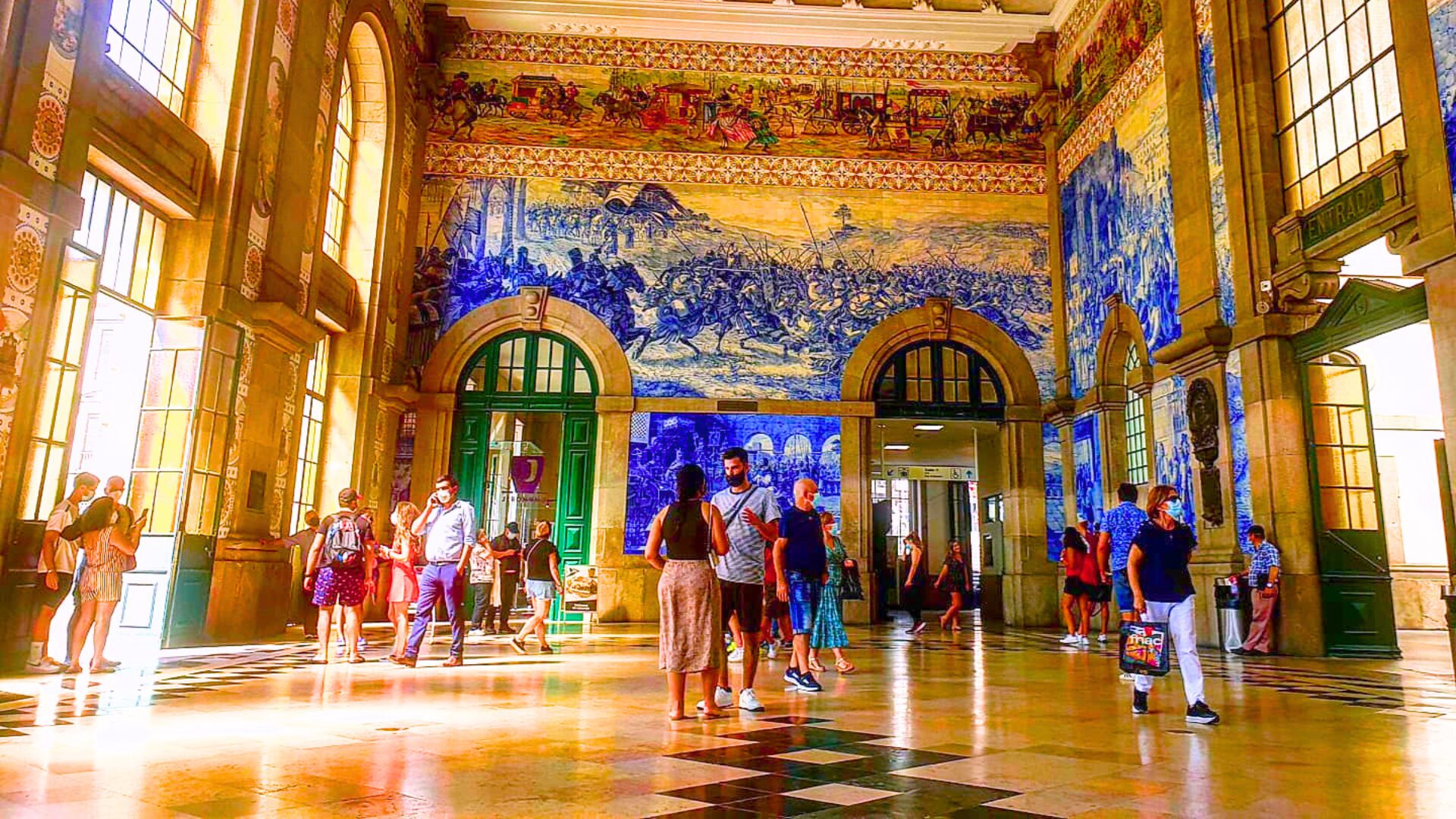
Visual culture
Tiles are part of the way Porto tells stories. You see them on stations, churches, façades and interiors, turning ordinary routes into visual cultural moments.
Best advice
Porto’s architecture is part of daily life. A station, a church façade, an old market or a theatre can be just as important to the feeling of the city as a formal museum visit.
Creative Porto
Porto is not only historic. The city also has a creative side shaped by contemporary art, galleries, independent shops, street art, design spaces, cafés and cultural neighbourhoods with a more local rhythm.
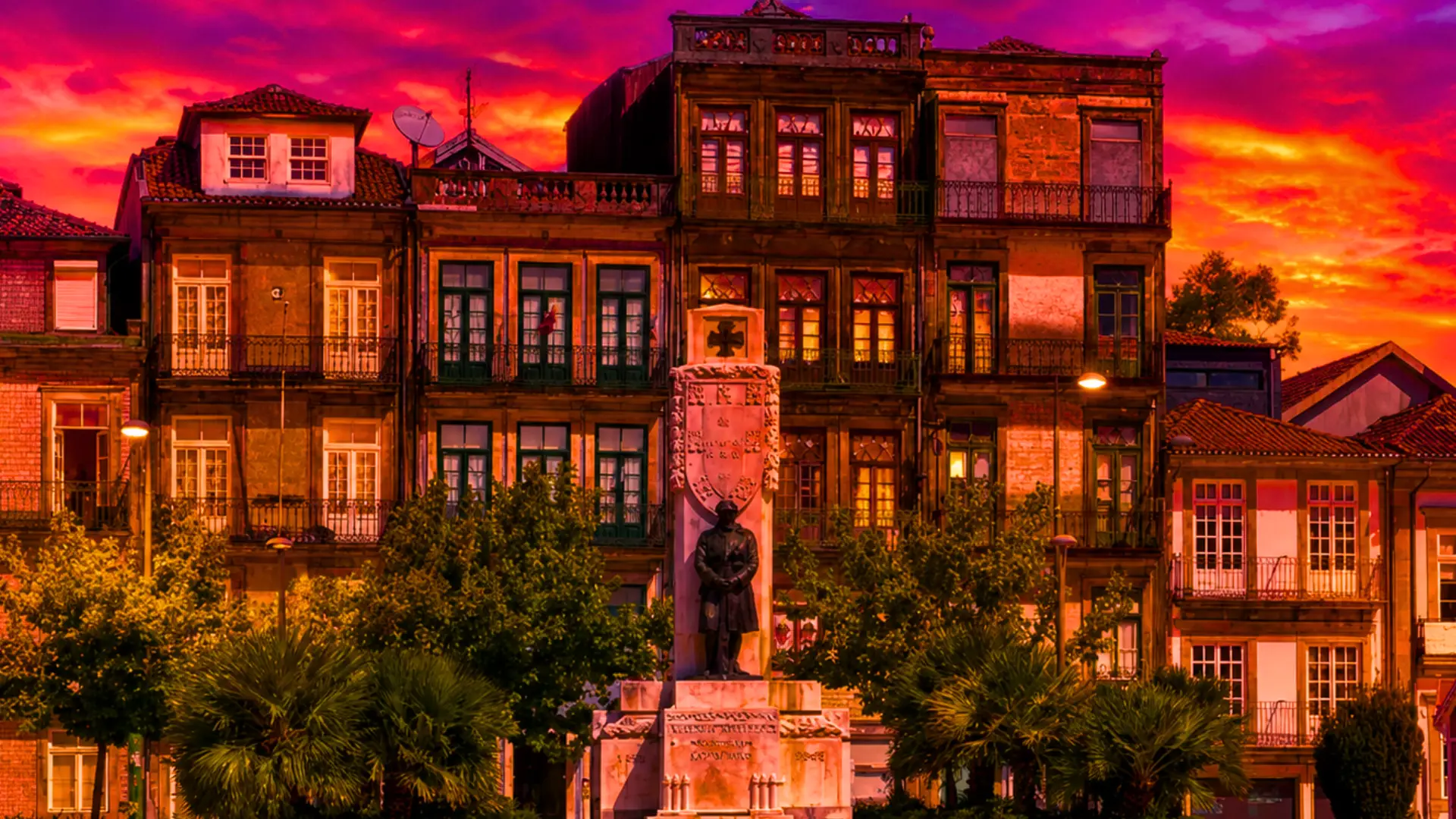
Cedofeita is one of the best areas to feel a more creative and local Porto, with cafés, independent shops, galleries and streets that feel calmer than the main tourist centre.
Best creative base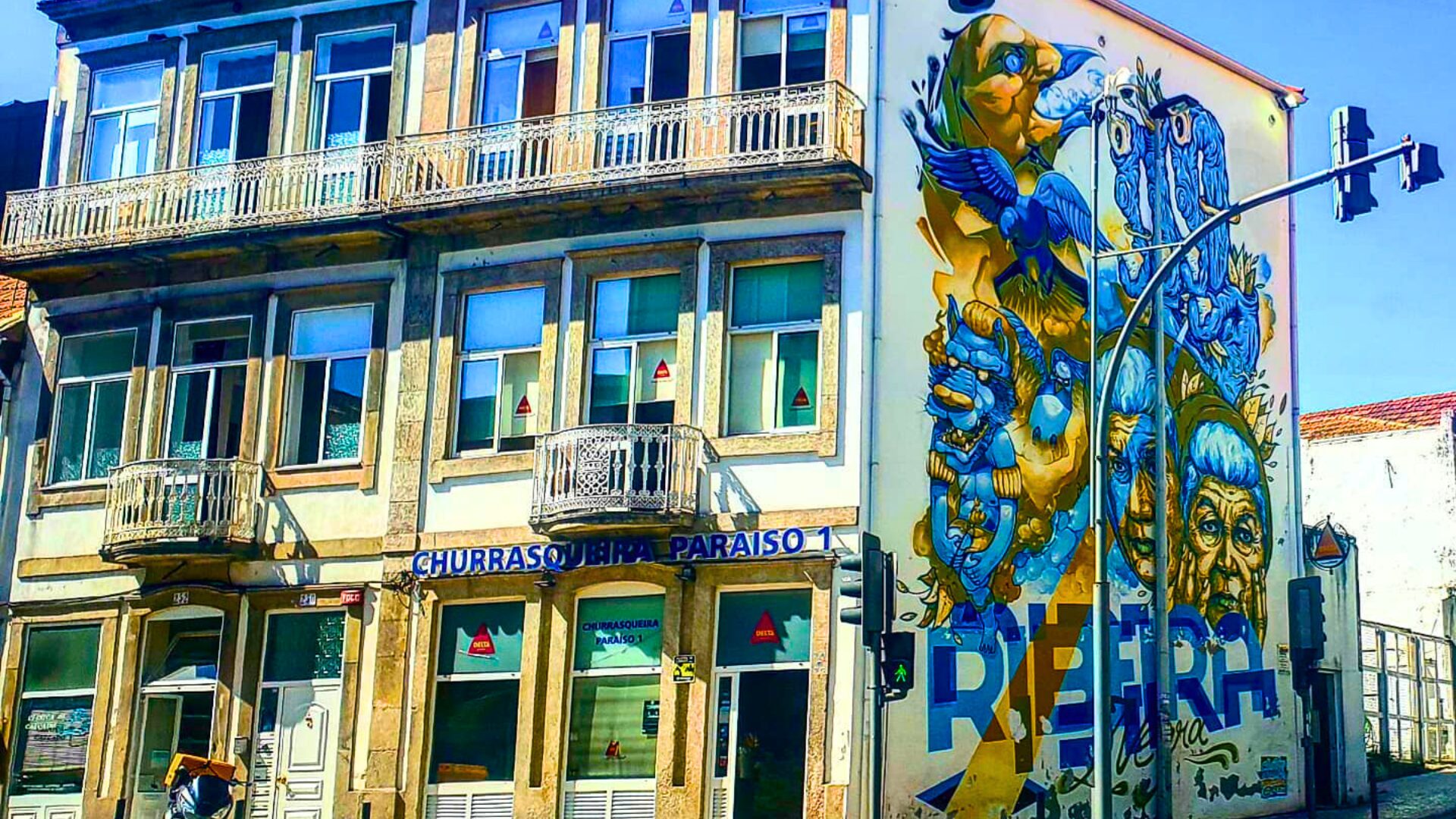
Porto’s creative side also appears on walls, façades and unexpected corners. Street art adds contrast to the historic architecture and gives the city a more contemporary voice.
Best urban detail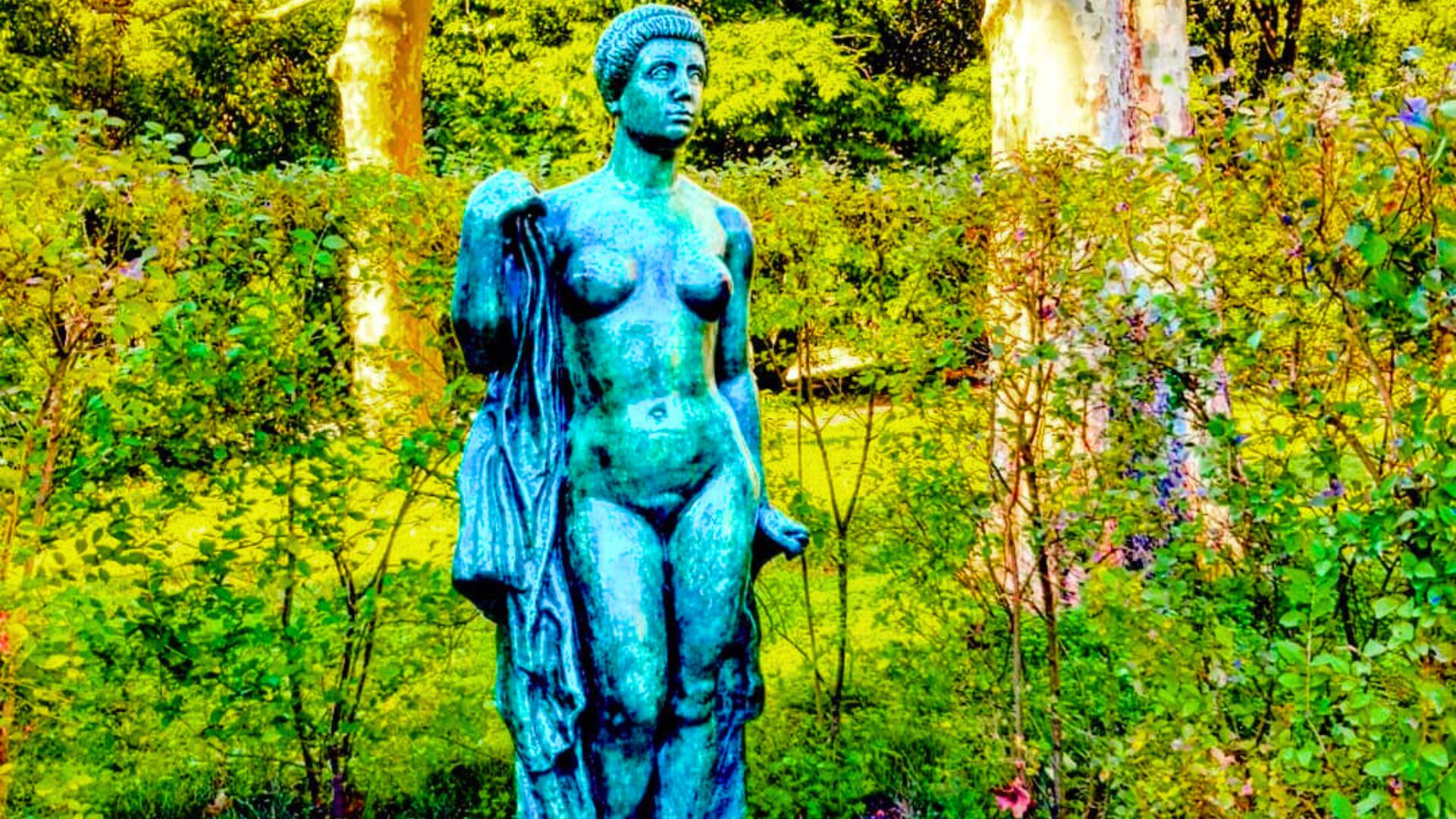
Serralves is ideal if you want contemporary art without feeling trapped indoors. The gardens, sculptures and museum spaces create a slower and more visual cultural experience.
Best art and gardensBoavista brings a more modern rhythm to Porto, with wider avenues, cultural venues and architecture that feels very different from the narrow historic centre.
Best modern Porto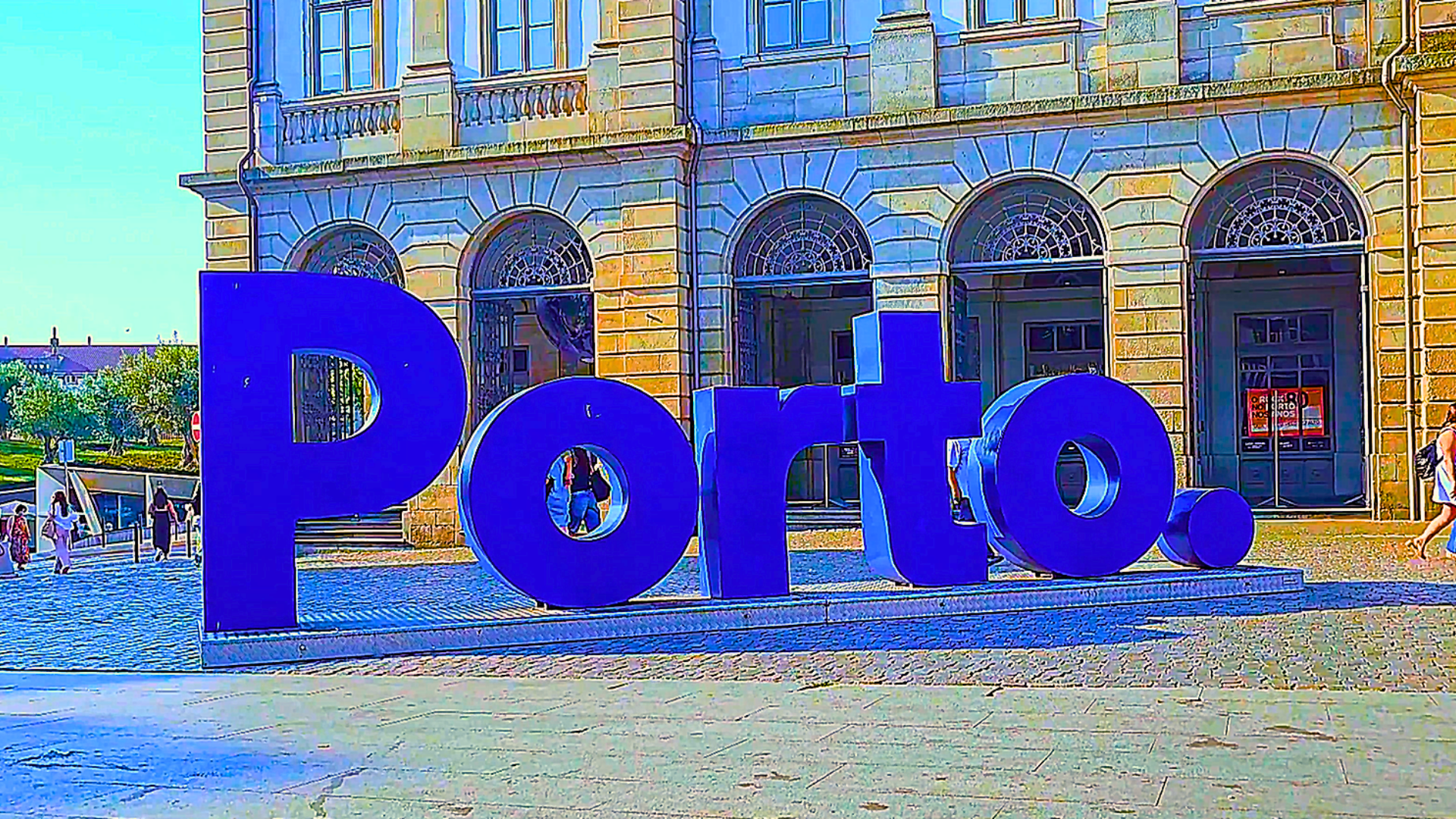
Porto’s culture is also in small visual moments: signs, sculptures, façades, public art, old lettering and details that make the city feel distinctive.
Best slow lookingOne of Porto’s best cultural rhythms is mixing art with nature, especially in places where gardens, architecture and contemporary pieces create a calmer experience.
Best calm cultureCreative route idea
If the historic centre feels too busy, move towards Cedofeita and Miguel Bombarda. This side of Porto is better for galleries, independent shops, cafés and a more everyday creative rhythm.
Best advice
Porto’s creative side often appears between landmarks: in a mural, a small gallery, a shop window, a café, a sculpture or a street that does not look important on a map.
Gaia culture
Across the Douro, Vila Nova de Gaia adds another cultural layer to Porto. It brings Port wine heritage, riverside cellars, rabelo boats, museums, viewpoints and a more scenic way to understand the city.
WOW brings museums, restaurants, wine culture and viewpoints together in Gaia. It is one of the easiest ways to add a modern cultural stop to a day across the river.
Best modern Gaia culture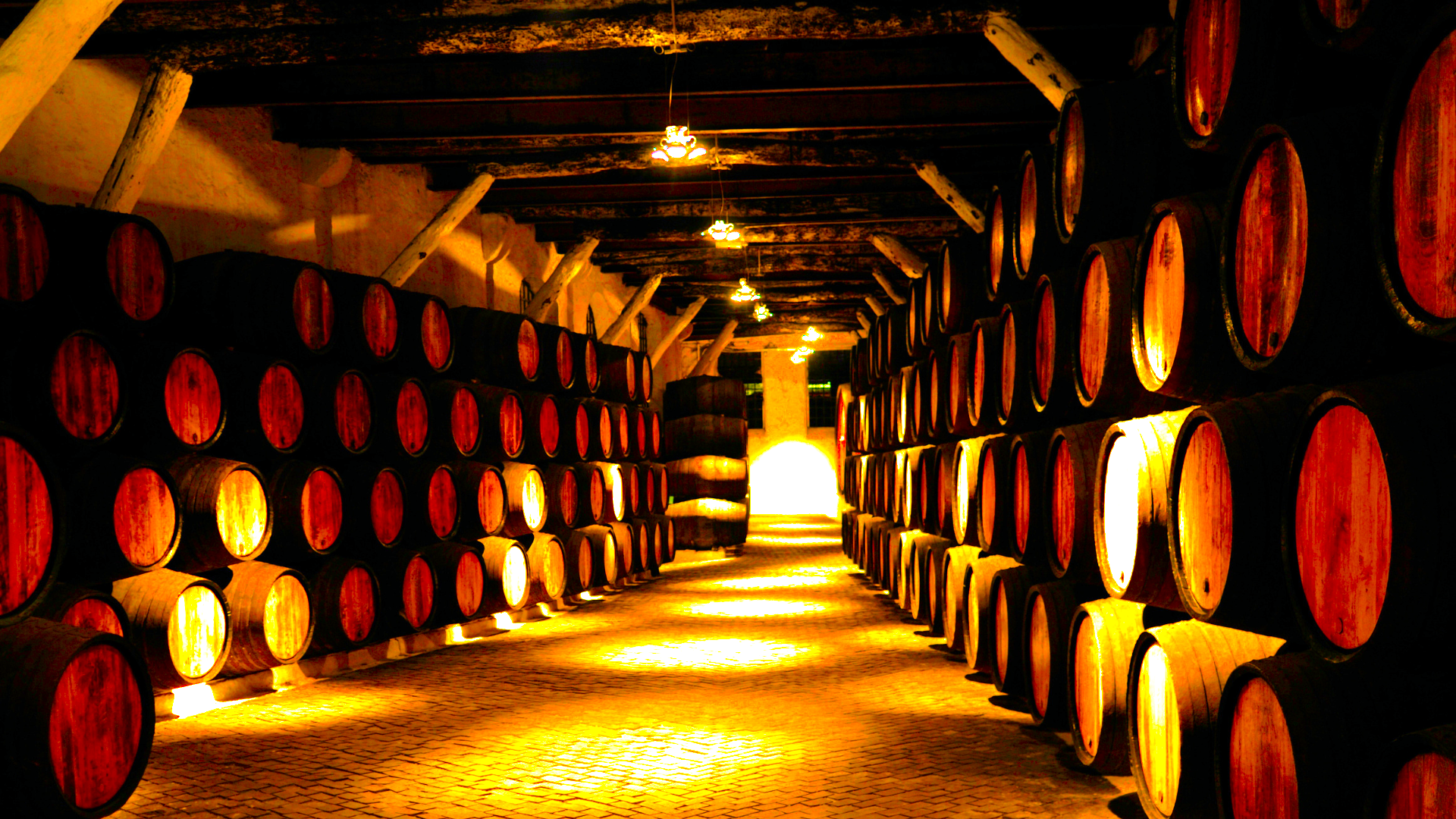
Gaia’s wine cellars are one of the strongest cultural symbols of Greater Porto. A visit can help connect the city, the Douro Valley and Port wine history.
Best classic experience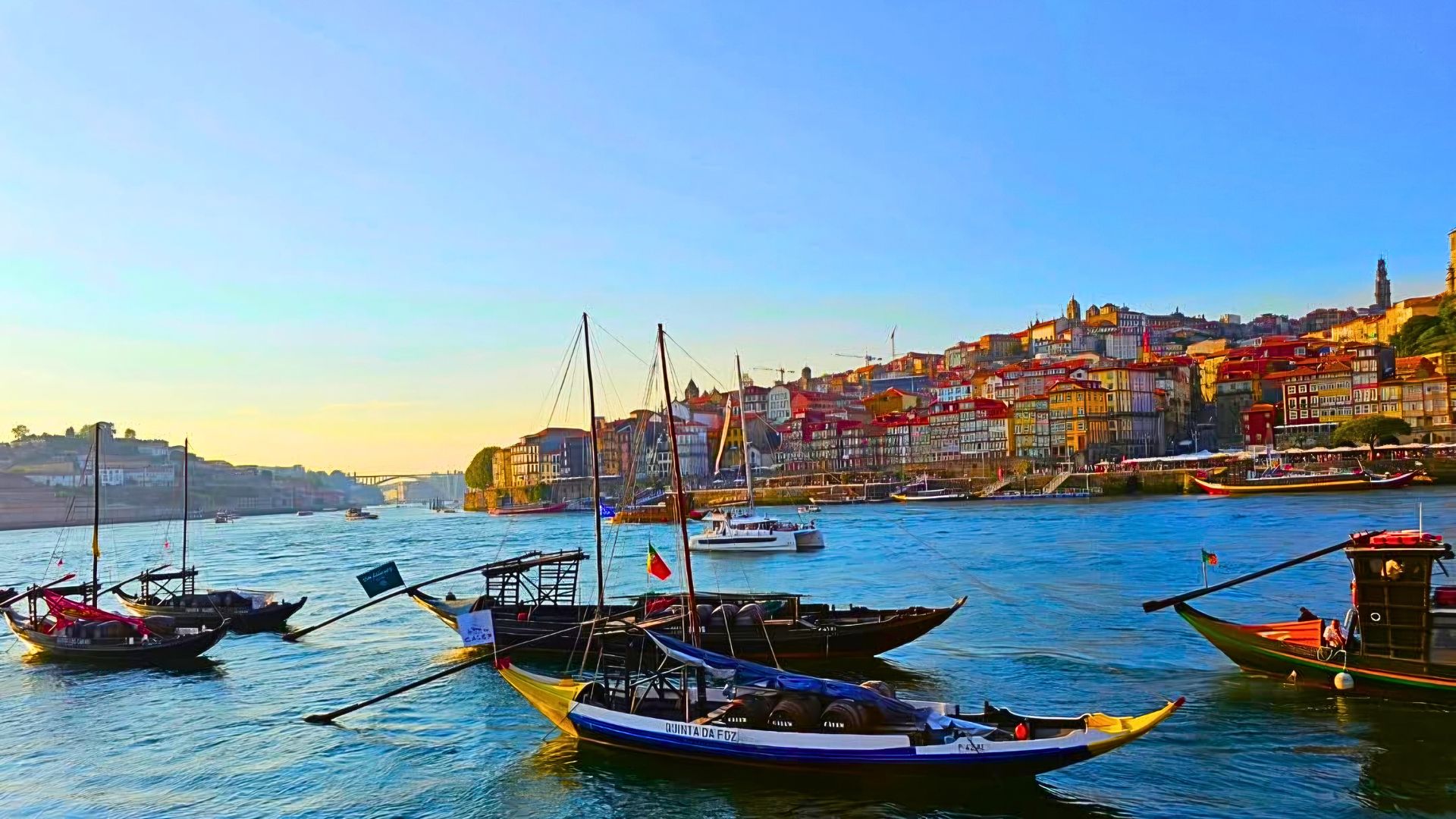
Rabelo boats are part of the visual memory of the Douro and Port wine trade. Today, they help keep that river heritage visible along the Gaia riverfront.
Best heritage detail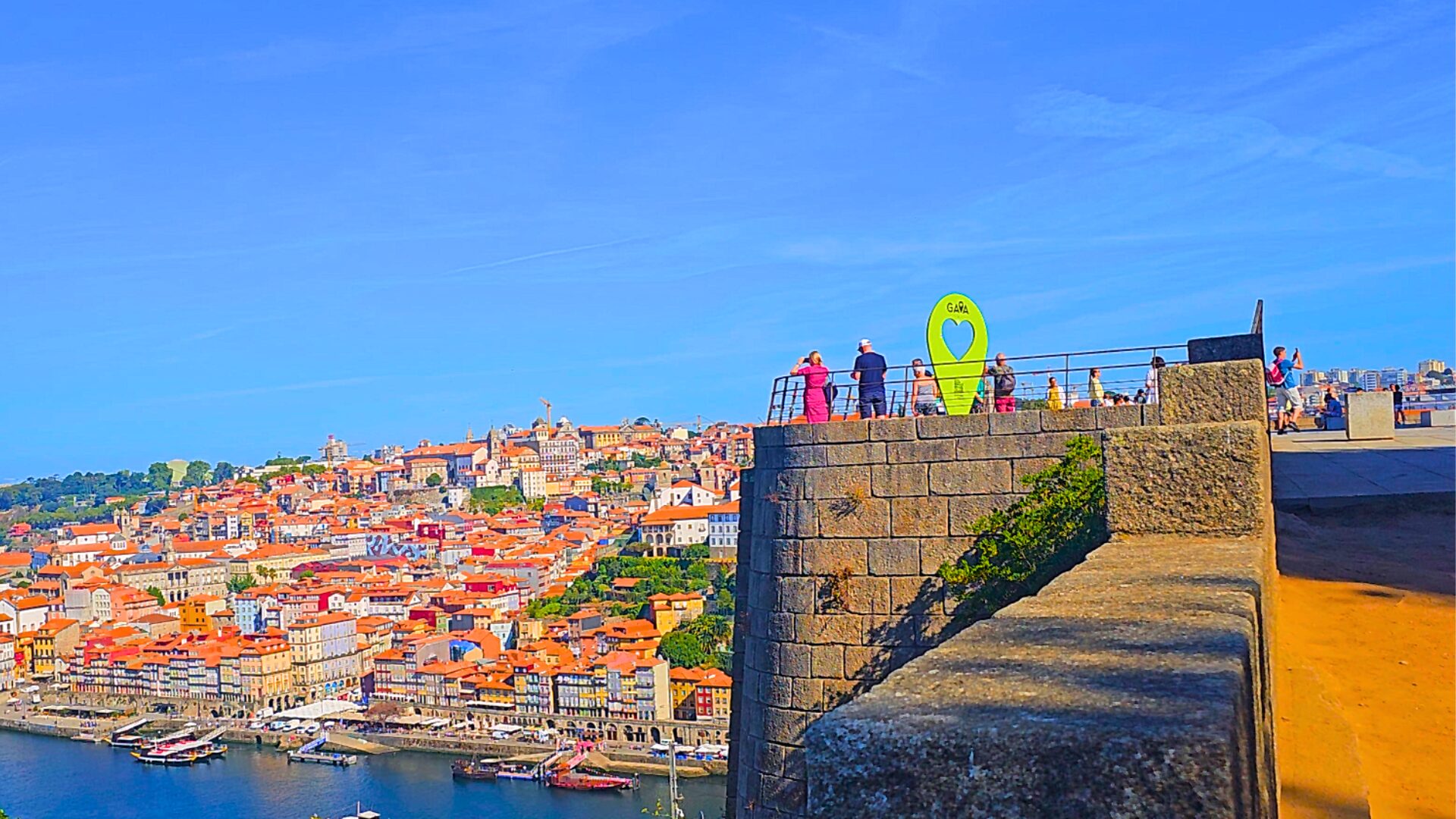
Gaia’s viewpoints are not just photo stops. They help you understand Porto as a river city, shaped by bridges, trade, hills, wine and the Douro landscape.
Best cultural view
A cultural view
From Gaia, Porto becomes a complete scene: the river, the bridge, the Ribeira, the cathedral, the old houses, the wine cellars and the light over the Douro.
Best advice
Gaia is essential to Porto’s cultural identity. It gives context to the river, the wine, the bridges and the views that make Porto feel so unforgettable.
Best for
The best cultural experience in Porto depends on your travel style. Some visitors want museums and gardens, others prefer churches, architecture, galleries, wine heritage or simply beautiful streets with a strong sense of place.
Choose Serralves if you want contemporary art, gardens, architecture and a calmer cultural experience away from the busiest streets.
Art, gardens and architectureChoose this area if you want tiles, churches, historic streets, viewpoints and landmarks that feel strongly connected to Porto’s identity.
Tiles and landmarksChoose this side of Porto for galleries, independent shops, cafés, design details and a more local creative rhythm.
Galleries and cafésChoose Boavista if you want to see a more modern Porto, with wider avenues and one of the city’s strongest contemporary architectural icons.
Modern architectureChoose Gaia for Port wine cellars, river heritage, rabelo boats, museums, views and the cultural landscape of the Douro.
Wine and river heritageChoose a slower route if you prefer atmosphere over checklists. Porto’s culture often appears in gardens, façades, cafés and ordinary streets.
Slow cultural rhythmSimple planning idea
Instead of trying to see every museum and landmark, choose one main cultural stop for each day and build a walk around it. That way, the city feels less rushed and more connected.
Culture with time
Choose a museum, notice the tiles, walk through creative neighbourhoods, cross to Gaia for wine heritage and leave space for the streets between each place. That is where Porto becomes truly memorable.