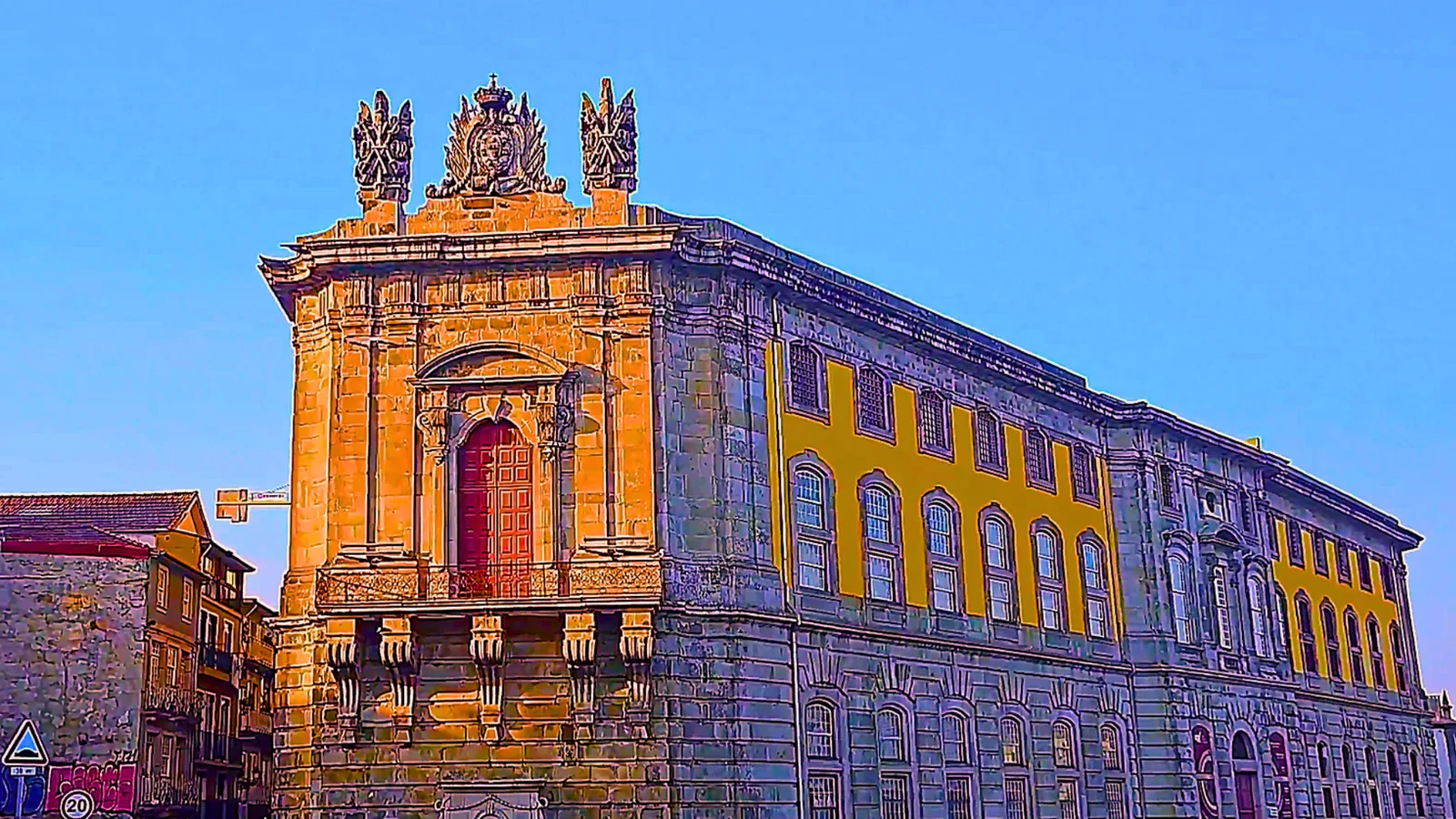
Old Cadeia da Relação square in Porto, connected to Amor de Perdição

GoldenPorto special route

Literary Porto

Explore Porto through historic bookshops, cafés, an old prison and gardens associated with Portuguese writers.

You do not need to know the authors beforehand. Start with the walkable city-centre route and save the gardens and Foz for an additional outing.

Porto is a city of literary layers

Porto has a literary history full of unexpected stories: a novelist imprisoned for adultery, two writers who fought a duel and a family home linked to one of Portugal’s best-known poets.

This guide begins at the former Cadeia da Relação, then explores bookshops and historic cafés. If you have more time, add Arca d’Água, the Botanical Garden and poetry beside the Atlantic.

Each stop explains who the people were, what happened there and what is worth noticing when you visit.

Literary pause

“Amou, perdeu-se, e morreu amando.”

In English: “He loved, lost his way, and died still loving.” Camilo Castelo Branco wrote these words about Simão Botelho, the central character in Amor de Perdição. They also introduce the author’s own dramatic story in Porto.

Camilo Castelo Branco, Amor de Perdição

A single sentence is enough to open the emotional door of the route. Near the former Cadeia da Relação, Camilo is not only a name from Portuguese literature. He becomes a writer whose life, scandal and fiction seem to meet in the same place.

Quick answer

What is the best Literary Porto route?

With two or three hours, focus on Livraria Lello, Cordoaria and the former Cadeia da Relação. You can also include Majestic and Guarany cafés on a central walk.

Arca d’Água, the Botanical Garden, Palácio de Cristal and the Eugénio de Andrade Poetry Library are in different parts of the city, not along one short walking route.

For a half-day, choose the historic-centre section. To visit the gardens and Foz as well, plan extra time and use public transport between neighbourhoods.

Sculptures connected to Camilo Castelo Branco and Ana Plácido in Porto
Camilo, Ana Plácido and literary drama
Cadeia da Relação and Amor de Perdição square in Porto

The dramatic heart

Camilo, prison and Amor de Perdição

Camilo Castelo Branco was a nineteenth-century Portuguese novelist, celebrated for dramatic stories about love and tragedy. His own life became headline material when he fell in love with Ana Plácido, a married woman, at a time when adultery could lead to criminal prosecution.

In 1860, both were imprisoned at Porto’s Cadeia da Relação. Camilo remained in pre-trial detention until 1861, and while there he wrote Amor de Perdição (published in 1862). The novel follows Simão and Teresa, young lovers kept apart by their families.

The former prison is now home to the Portuguese Centre of Photography. Even if you have never read the novel, the building and its history make this a compelling stop. Read the Centre’s account of Camilo’s imprisonment.

Camilo Castelo Branco Ana Plácido Amor de Perdição Cadeia da Relação

Books, cafés and public life

Where literature became part of Porto’s public life

In the city centre, a single walk links bookshops, historic cafés, monuments to writers and the former prison. Each stop has a clear reason to be part of the route.

Livraria Lello in Porto
Historic bookshop

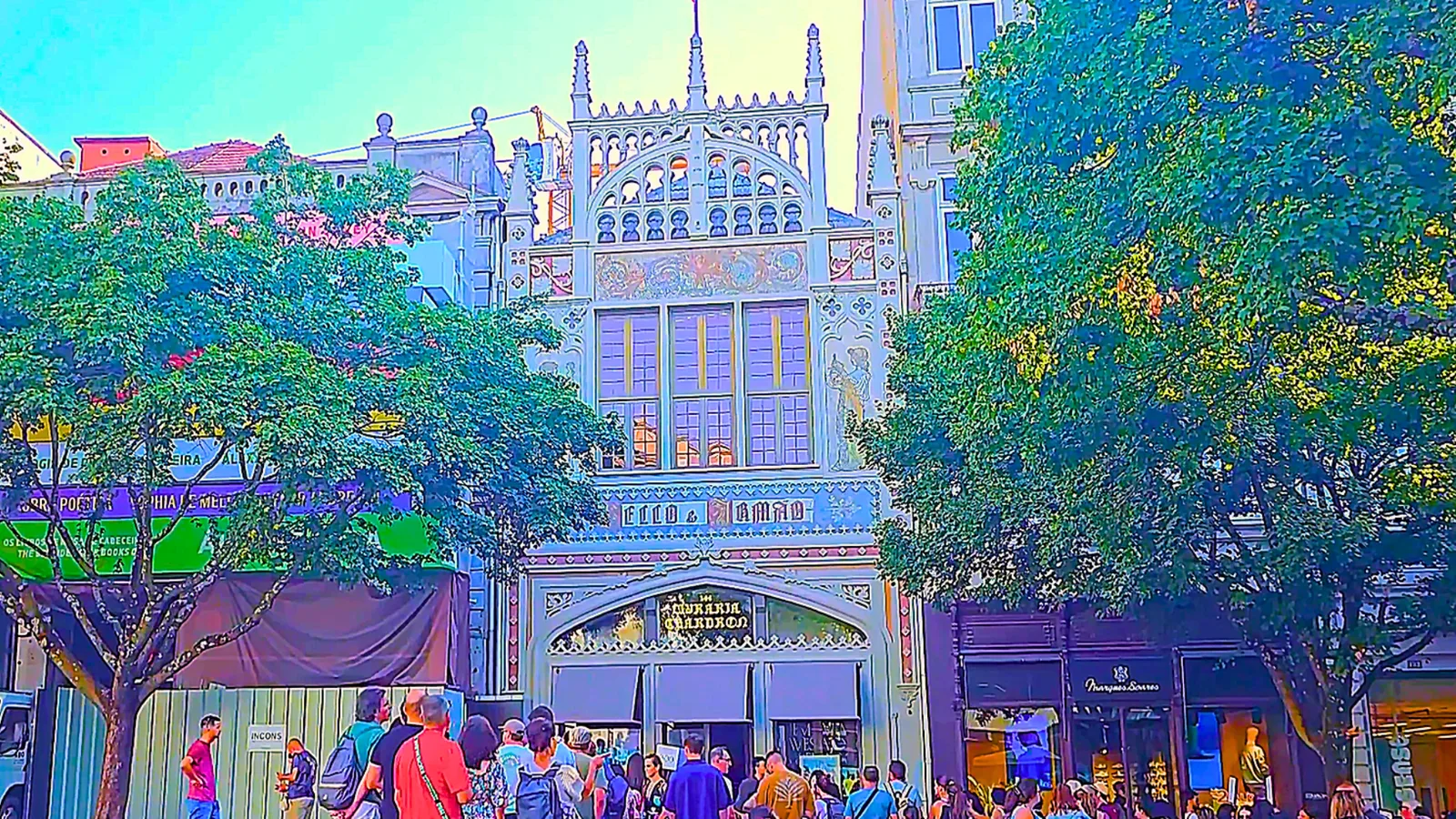
Livraria Lello

Opened in 1906, Livraria Lello is known for its ornate interior, staircase and stained-glass ceiling. Beyond the photographs, it tells a story about bookselling and architecture in Porto.

A useful myth to clear up: although often linked with Harry Potter, J. K. Rowling said she never visited the bookshop and it did not inspire Hogwarts. Check tickets and entry conditions on the official website.

Ticketed visit
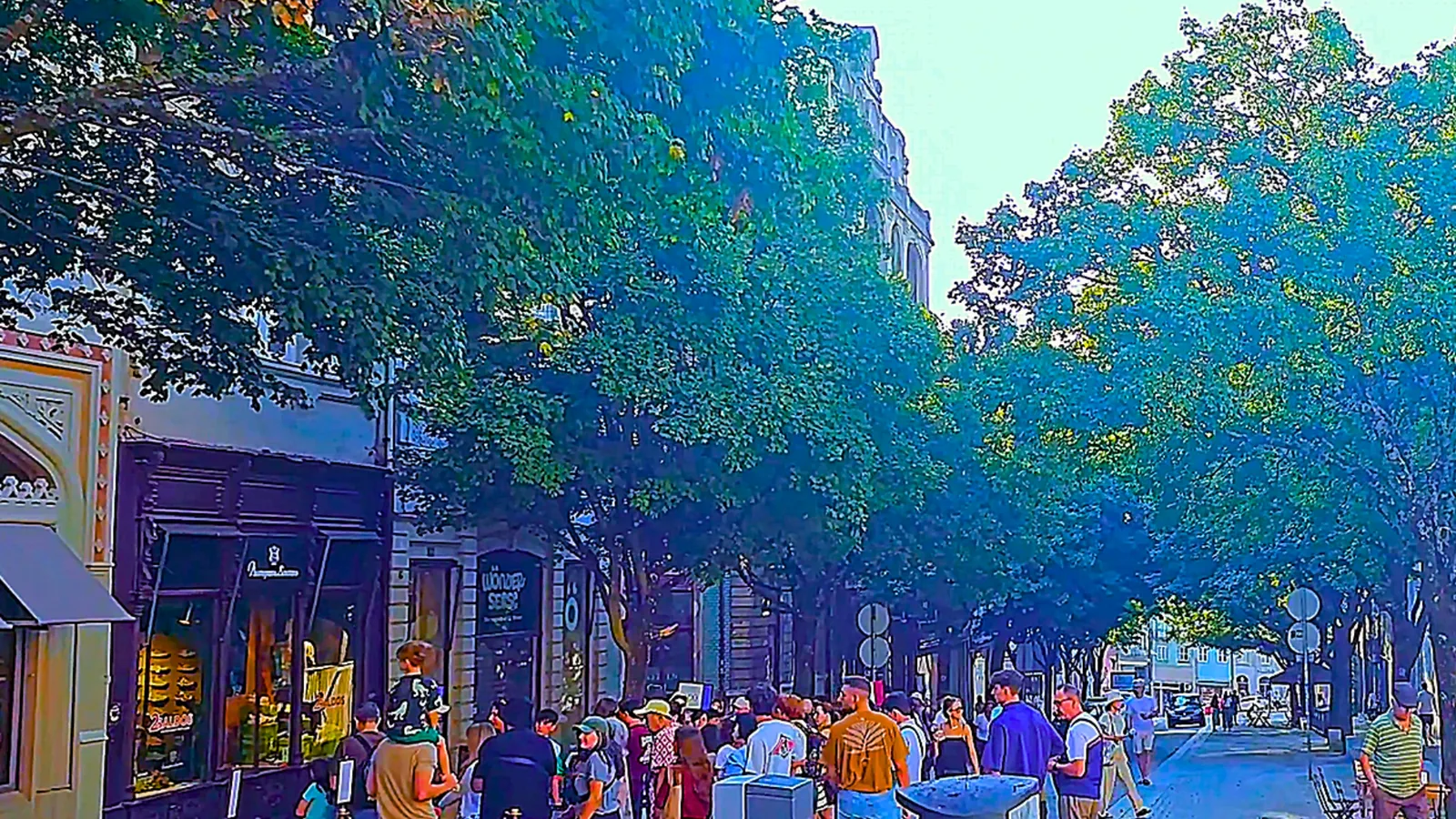
Street near Livraria Lello in Porto
Historic centre

Lello, Clérigos and Cordoaria

Rua das Carmelitas, Clérigos Tower and Cordoaria Garden are all close together. The area combines historic architecture, literary memorials and lively streets.

The former Cadeia da Relação is beside Cordoaria, so it makes sense to visit these places as one walk rather than separate excursions.

Walking route
Ramalho Ortigão sculpture in Porto
Writers in the garden

Ramalho Ortigão and António Nobre

At Cordoaria, look for Ramalho Ortigão, a writer and journalist known for social criticism, and António Nobre, a Porto-born poet best known for Só.

You can find a statue of Ramalho and a bust of António Nobre. These memorials make a good introduction to two writers you may never have encountered before. Garden information.

Literary memorials
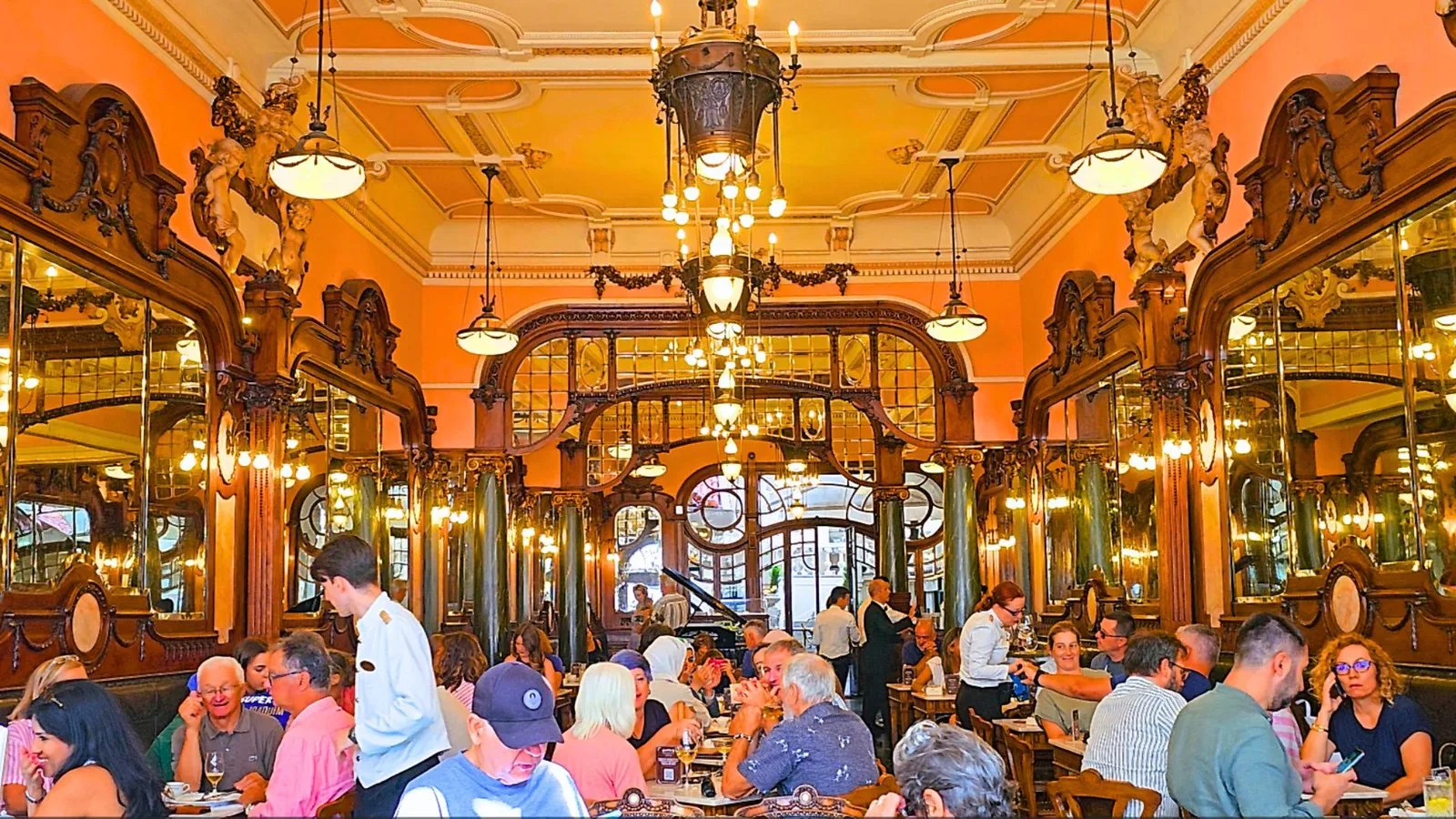
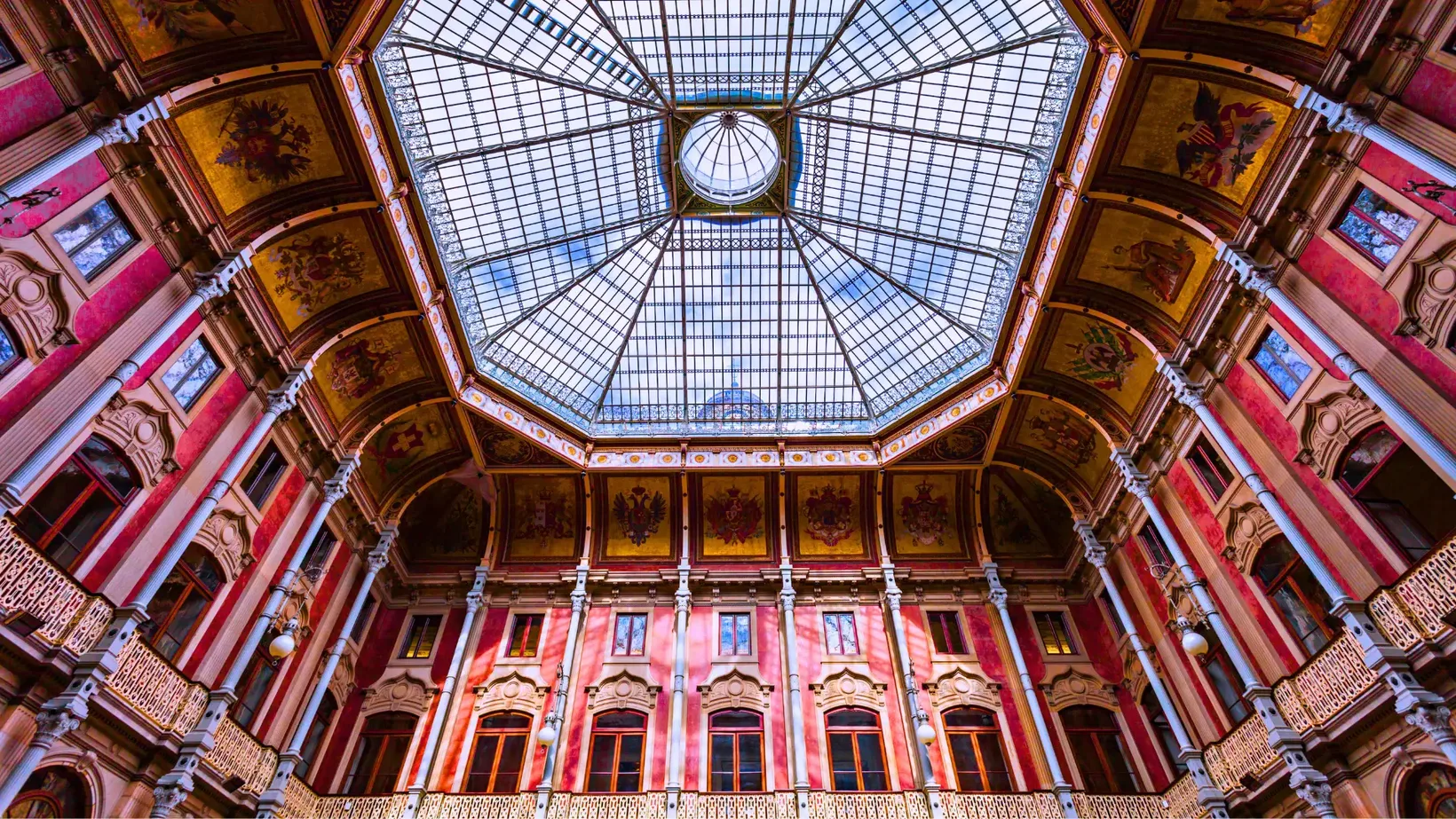
Majestic Café interior in Porto
Historic café

Majestic Café

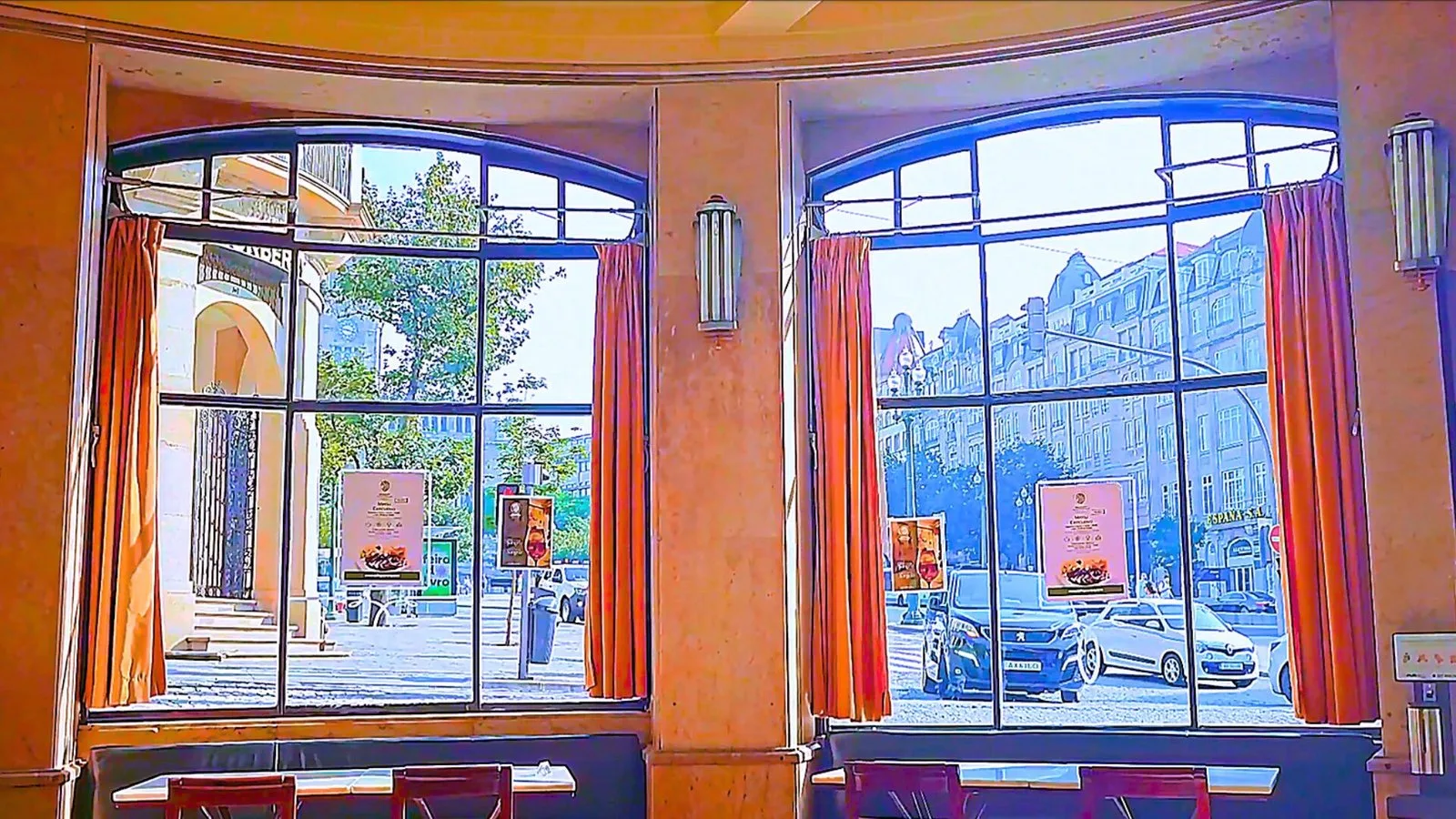
Developed from the Café Elite project and inaugurated as Majestic in 1922, this café reflects the grand café culture of early twentieth-century Porto. Notice the decorative interior and the setting for lively public conversation.

British author J. K. Rowling, who lived in Porto in the 1990s, confirmed that she wrote here on a few occasions. You can admire the façade without stopping for a meal.

City-centre stop
Café Guarany entrance in Porto
Music and culture

Café Guarany

Founded in 1933, Guarany became known as the “musicians’ café”. On Avenida dos Aliados, it has long been associated with music and Porto’s cultural life.

Inside, look for works by Graça Morais, a contemporary Portuguese artist. Check its website for opening hours and events.

Aliados
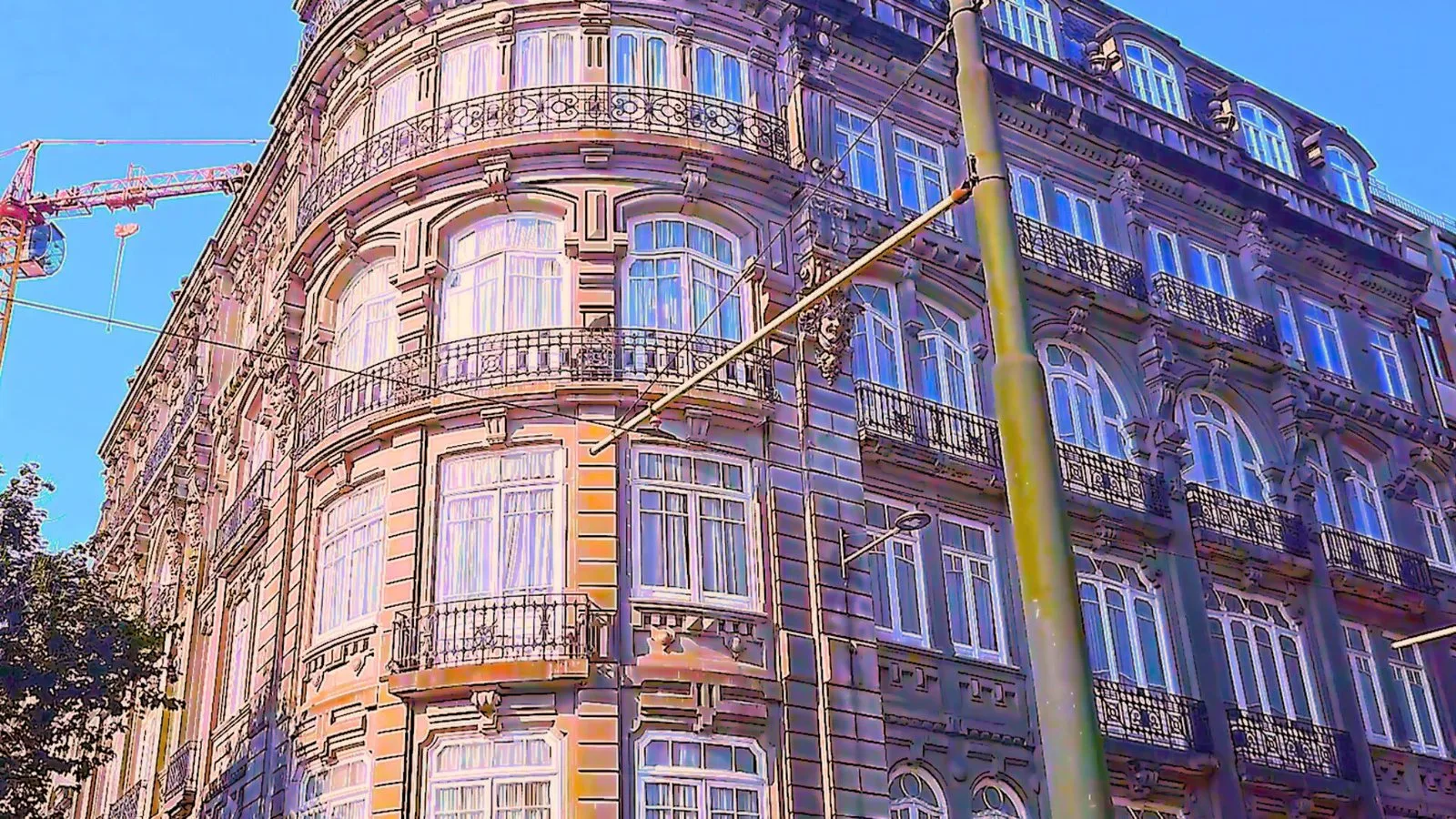
Café Guarany building in Porto
Cafés and bookshops

A walk through central Porto

Between Rua de Santa Catarina, Aliados and Cordoaria, you can combine early twentieth-century cafés with literary memorials and one of Porto’s best-known bookshops.

Choose one or two indoor visits and enjoy the streets in between. Livraria Lello may require a timed ticket.

Central route

A duel of ideas

Arca d’Água and the moment literature became honour

In 1866, poet and philosopher Antero de Quental fought writer and journalist Ramalho Ortigão with swords in the Arca d’Água area. The dispute was part of the Questão Coimbrã, a public argument about the future of Portuguese literature.

A younger generation challenged established literary authority. The exchange became so heated that it ended in a duel, an astonishing outcome for what began as criticism in print.

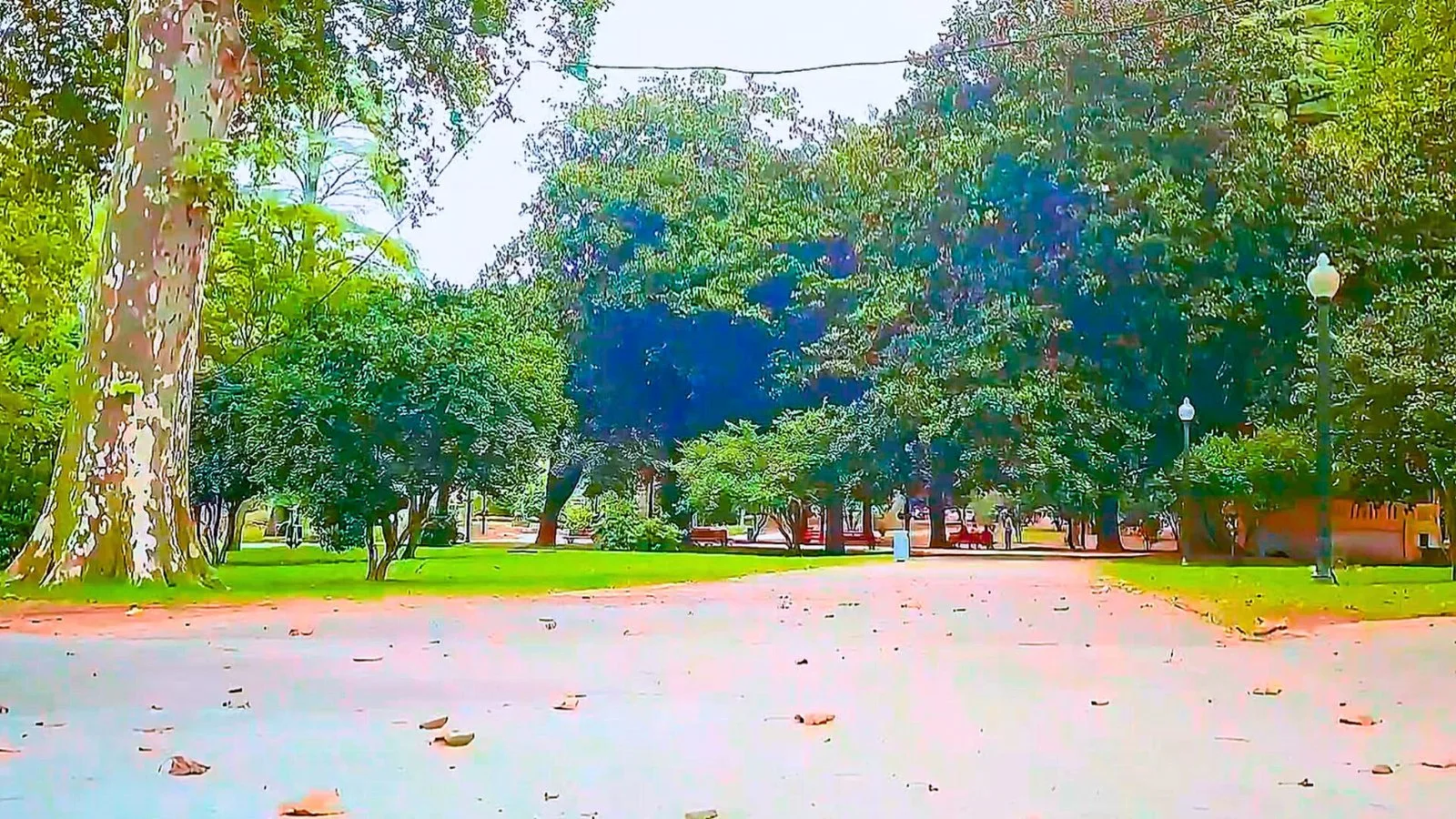
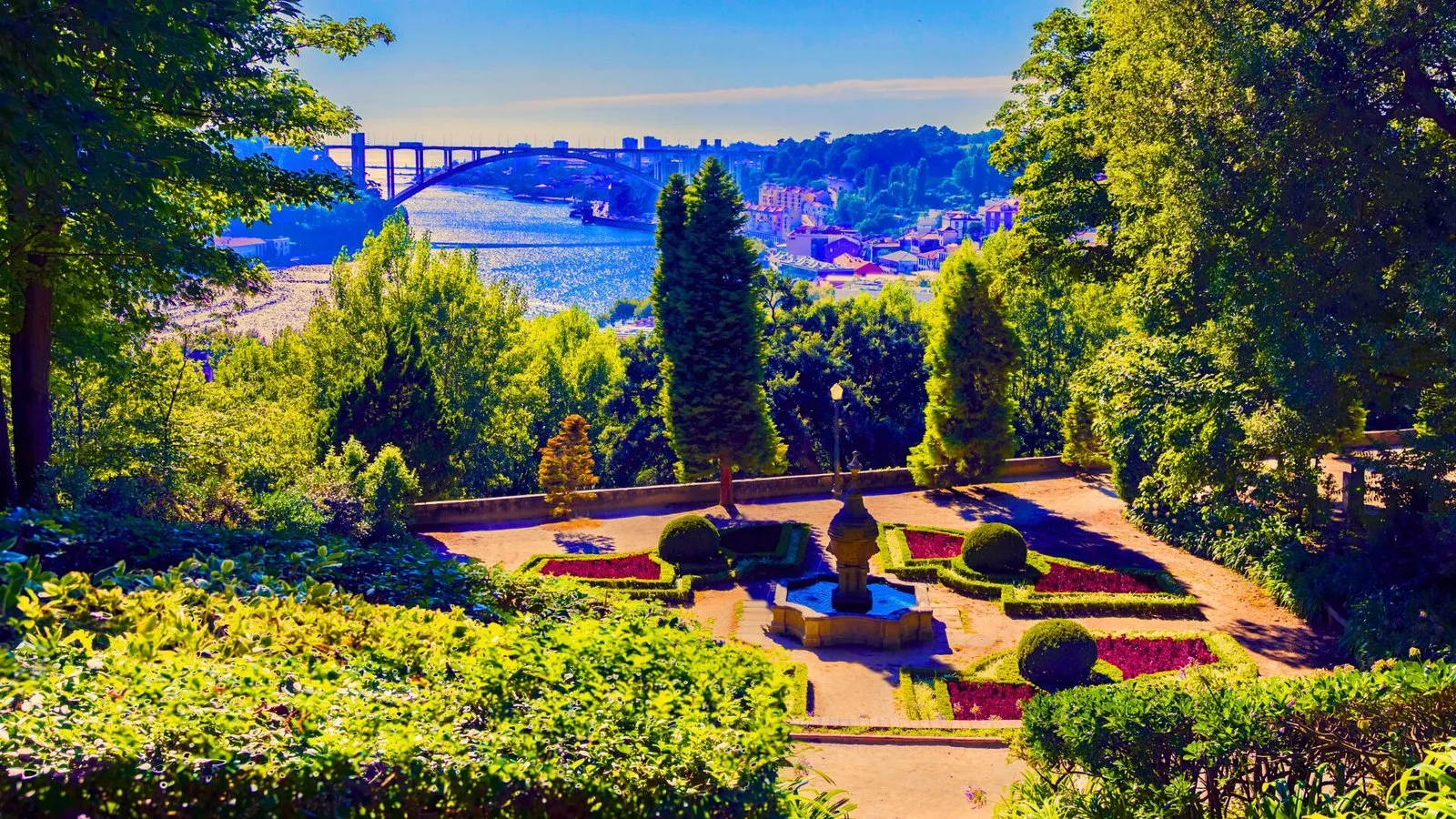
The garden you see today was developed after the duel. This is a separate excursion outside the central walking route. Learn about the garden’s history.

Arca d’Água Antero de Quental Ramalho Ortigão Questão Coimbrã
Jardim de Arca d’Água in Porto

Literary pause

“Tropeço, em sombras, na matéria dura…”

These words come from Tormento do Ideal, a sonnet by Antero. He championed new literary and philosophical ideas in an era when arguments between writers could become major public controversies.

Antero de Quental, Tormento do Ideal

This line fits Arca d’Água because Antero’s presence in the route is not only biographical. It is also intellectual: the tension between ideal and reality, new ideas and old structures, thought and confrontation.

Childhood, gardens and poetry

The softer literary Porto of gardens, memory and the sea

Three stops reveal another side of Porto’s literary life: a family home from Sophia’s childhood, Eugénio de Andrade’s former house and gardens that host an annual book fair.

Jardim Botânico do Porto
Sophia and the Andresen family

Botanical Garden and Casa Andresen

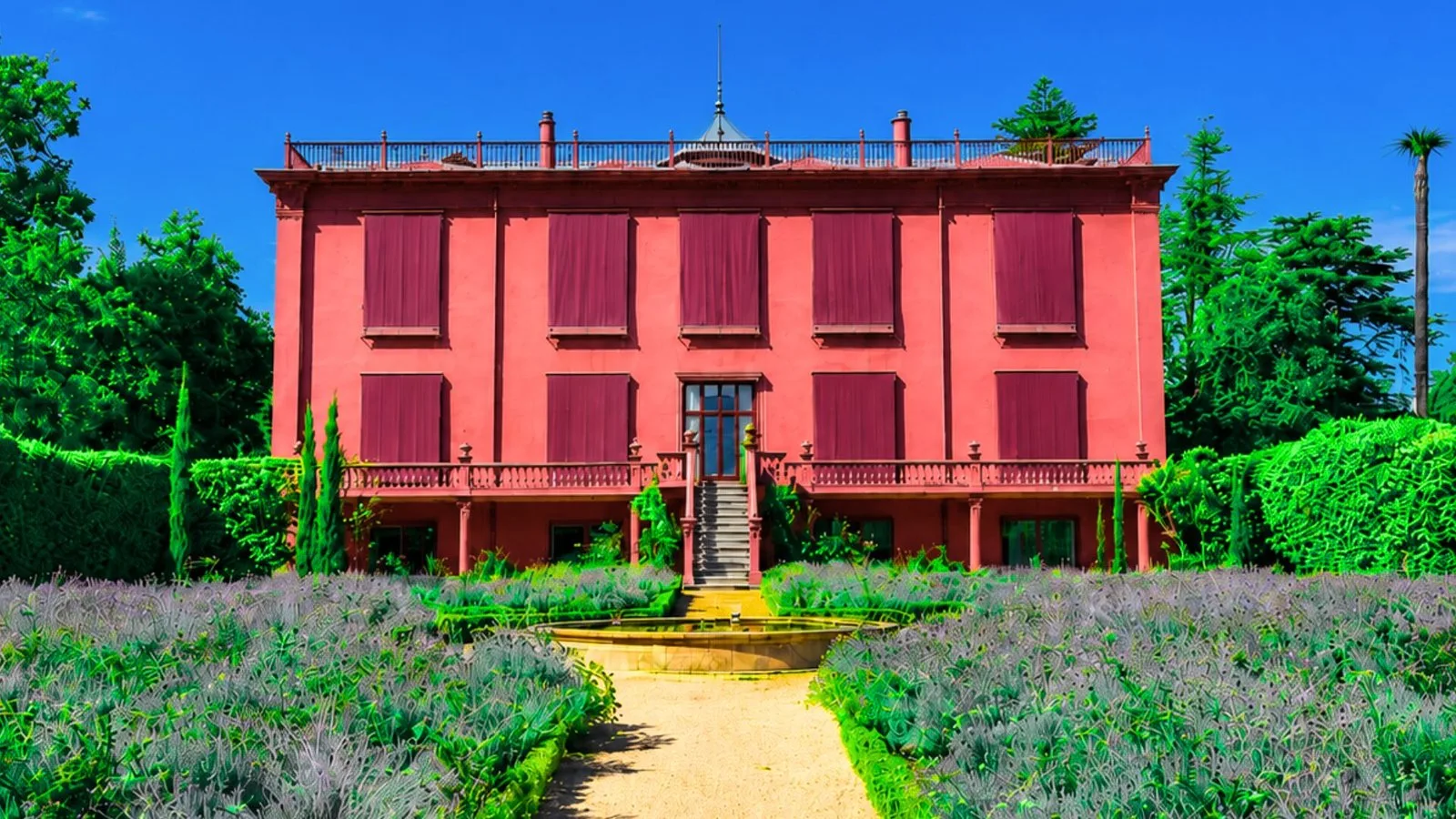
Sophia de Mello Breyner Andresen was one of Portugal’s leading twentieth-century poets. She spent part of her childhood at Quinta do Campo Alegre, now part of Porto’s Botanical Garden.

The Casa Andresen recalls the family’s history and houses a biodiversity gallery. Walk through the gardens to see the setting behind some of Sophia’s lifelong interest in nature. University of Porto information.

Garden visit
Biblioteca Poética Eugénio de Andrade in Porto
A home for poetry

Eugénio de Andrade Poetry Library

Eugénio de Andrade was a twentieth-century Portuguese poet who lived in Porto for many years. His former home on Passeio Alegre, in Foz, is now a library dedicated to poetry.

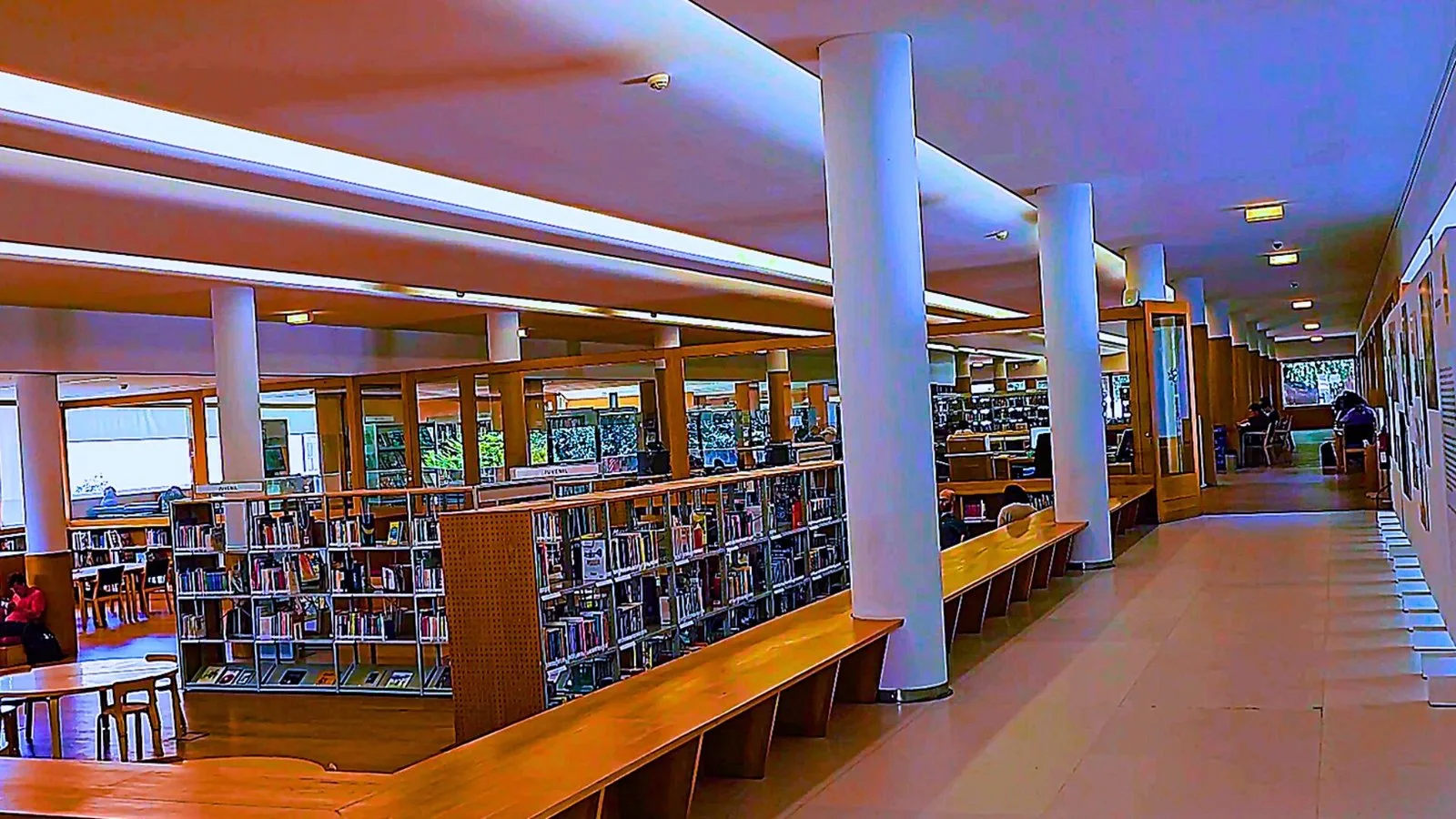
It is a living literary venue with books, readings and cultural events. Check opening hours through the Porto Libraries.

Poetry in Foz
Library inside Palácio de Cristal area in Porto
Books in the gardens

Palácio de Cristal and the Book Fair

The Palácio de Cristal Gardens host Porto’s annual Book Fair, with publishers, authors, discussions and cultural activities.

Outside the fair dates, the gardens are still worth visiting for the views and shaded paths. Check the official Book Fair programme for the next edition.

Seasonal event

Literary pause

“E eu vi-me só no mar com minha escuna…”

António Nobre (1867–1900) was a Porto-born poet whose work explores longing and the sea. This passage from Só offers a fitting introduction to an Atlantic ending.

António Nobre, Só

António Nobre helps carry the route towards the Atlantic. His presence gives the itinerary a more melancholic ending: the city, memory, solitude and the sea begin to belong to the same emotional landscape.

How to experience this route

Walk slowly and let the stories change the places

Not every stop has a sign telling you what happened. An old prison, a café or a garden becomes more interesting once you know about the people who lived, wrote or gathered there.

The former prison recalls Camilo’s life; Arca d’Água marks a literary quarrel that became a duel; Casa Andresen connects the Botanical Garden with Sophia’s childhood.

The city centre works as a compact walk. For the gardens and poetry library in Foz, choose the stops that interest you most and plan separate journeys.

Books in Porto

Literature still alive

Literary Porto is not only in the past

Literature remains part of Porto through libraries, author talks, book launches, readings and festivals. You do not have to visit during the big book fair to find cultural events.

The Porto Book Fair is usually held in late summer at the Palácio de Cristal Gardens. Exact dates change each year, so check the official programme.

Porto Libraries, including Biblioteca Municipal Almeida Garrett and the Eugénio de Andrade Poetry Library, run events that can add a reading, exhibition or author talk to your route.

Feira do Livro Libraries Poetry readings Cultural programming

Suggested itinerary

How to follow the Literary Porto route

Start with the city-centre walking route. The gardens, Arca d’Água and poetry library in Foz are optional extensions, not one continuous short walk.

Essential route

Literary Porto in the historic centre

  1. Rua de Santa CatarinaWalk along the busy shopping street towards Majestic, one of the city’s best-known historic cafés.
  2. Majestic CaféStep inside or admire the façade, and learn about the café culture where art, ideas and politics were discussed.
  3. Aliados and Café GuaranyContinue to the café founded in 1933, celebrated for music and its artistic interior.
  4. Livraria LelloWalk to the historic bookshop; check ticket requirements in advance.
  5. Cordoaria GardenLook for António Nobre’s bust and Ramalho Ortigão’s statue.
  6. Former Cadeia da RelaçãoFinish with Camilo and Ana Plácido at the building that now houses the Portuguese Centre of Photography.
Extended route

Gardens, poetry and the sea

  1. Arca d’Água GardenA separate trip to the site associated with the writers’ duel of 1866.
  2. Palácio de Cristal GardensEnjoy the gardens that host the Book Fair and check the dates if you are visiting in late summer.
  3. Botanical GardenSee Quinta do Campo Alegre and Casa Andresen, associated with Sophia’s childhood.
  4. Eugénio de Andrade Poetry LibraryIn Foz, visit the poet’s former home, now dedicated to reading and poetry.
  5. Foz do DouroEnjoy a walk along the Atlantic nearby to finish your day.
Open the central walk in Google Maps

The additional stops are outside the centre: plan separate trips by public transport or taxi.

Practical tips

How to make this route work

Keep the walk manageable and choose the outlying visits that interest you most.

01

Walk the centre

Majestic, Aliados, Lello, Cordoaria and Cadeia da Relação are walkable, but expect hills and uneven paving.

02

Check admission details

Livraria Lello uses tickets, while museums and libraries may have special opening hours. Verify before setting off.

03

Choose your café stops

Majestic and Guarany are historic landmarks. You do not need to have a meal at both to enjoy the route.

04

Plan separate excursions

Arca d’Água, the Botanical Garden and Foz are away from the centre. Choose one or two to avoid an overcrowded day.

05

Check the cultural calendar

The Book Fair and library events are a chance to experience literary life in Porto today.

06

Finish beside the sea

The Eugénio de Andrade library is in Foz, making it easy to combine the visit with a walk through Passeio Alegre.

Visual mood

Books, cafés, gardens and literary memory

A selection of real locations on the route, from central Porto’s bookshops to gardens and Eugénio de Andrade’s former home.

Livraria Lello Lello
Camilo and Ana Plácido sculptures Camilo
Guarany interior Guarany
Arca d’Água garden Arca d’Água
Eugénio de Andrade Poetic Library Poetry
Jardim Botânico do Porto Gardens
Street near Livraria Lello in Porto

Final note

Walk Porto like a story

From Camilo’s story to the Andresen family gardens, Porto has far more literary history than its famous bookshops. Choose the stops that interest you and check opening hours before you go.