Baroque landmark
A central Porto monument designed by Nicolau Nasoni, one of the key names associated with the city’s Baroque architecture.
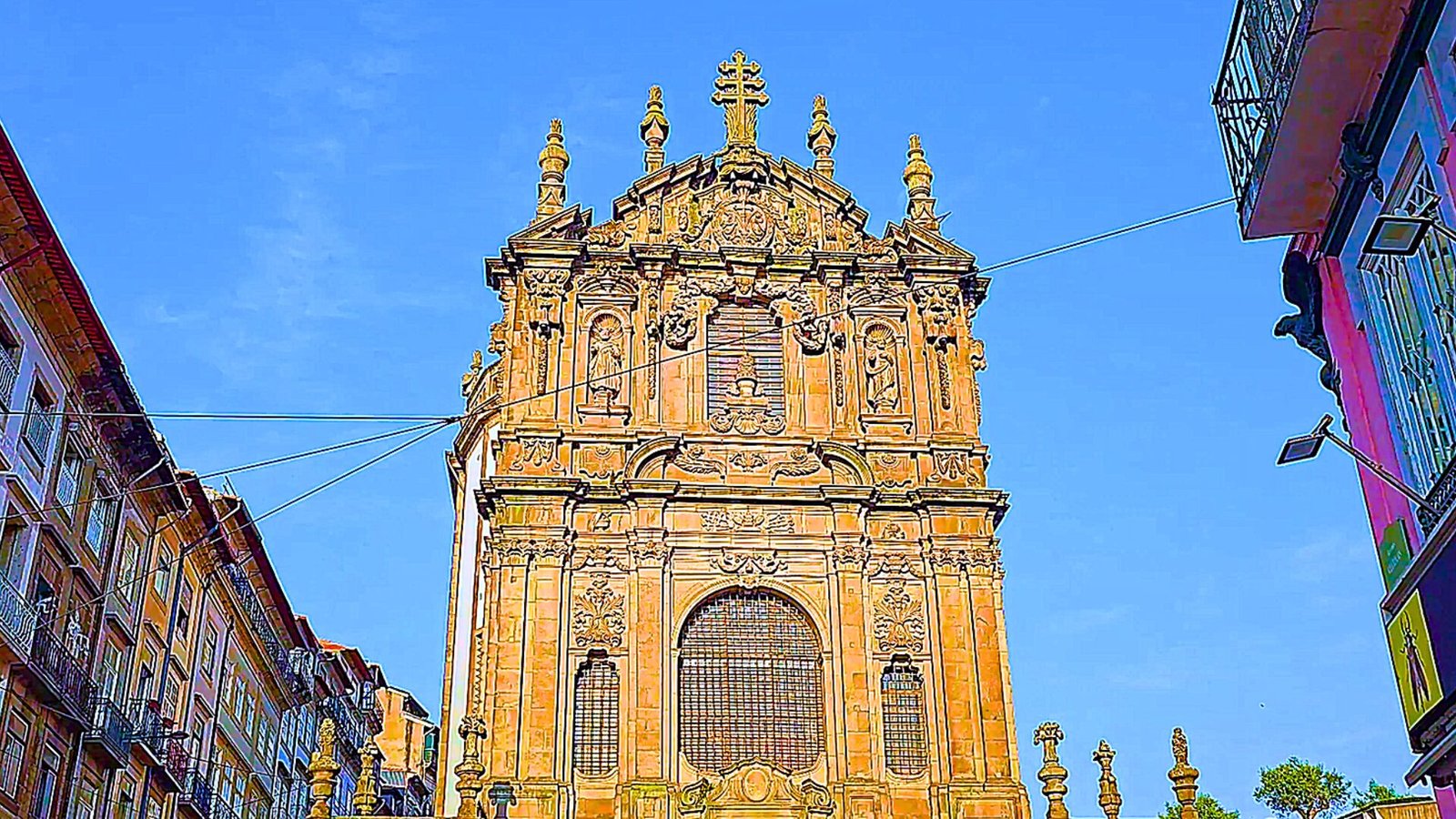
Porto landmark guide
Porto’s Baroque tower of views, stone, sacred detail and one of the city’s most unforgettable climbs.
Clérigos is not only a viewpoint. It is a church, a tower, a work of Baroque architecture and a vertical symbol of Porto’s historic centre.
The Clérigos complex brings together two very different experiences: the quiet drama of a Baroque church and the physical climb of a tall stone tower. From the streets below, the tower pulls your eye upward. From the top, Porto opens in every direction.
Designed by Nicolau Nasoni, the church and tower are among the city’s most important architectural landmarks. Visit for the views, but stay for the details: carved stone, narrow passages, sacred interiors, golden decoration and the feeling of moving through centuries of Porto.
Quick facts
Clérigos is famous for its Baroque church, its tall bell tower and the panoramic view from the top. It is also one of the places where Porto feels most vertical: streets, stone, stairs, rooftops and sky.
A central Porto monument designed by Nicolau Nasoni, one of the key names associated with the city’s Baroque architecture.
The tower rises above the historic centre and remains one of Porto’s most recognisable skyline elements.
The climb is narrow and physical, but the reward is one of the city’s most famous panoramic views.
The experience is not only the viewpoint. The church interior, museum spaces and architectural details also deserve time.
Video stories
Watch a filmed walk around Clérigos and the surrounding area, including the former prison, Porto’s historic streets and the story of Camilo Castelo Branco.
The Porto and Gaia video collection brings together landmarks, literary memory, local stories, historic streets and cultural walks filmed on location.
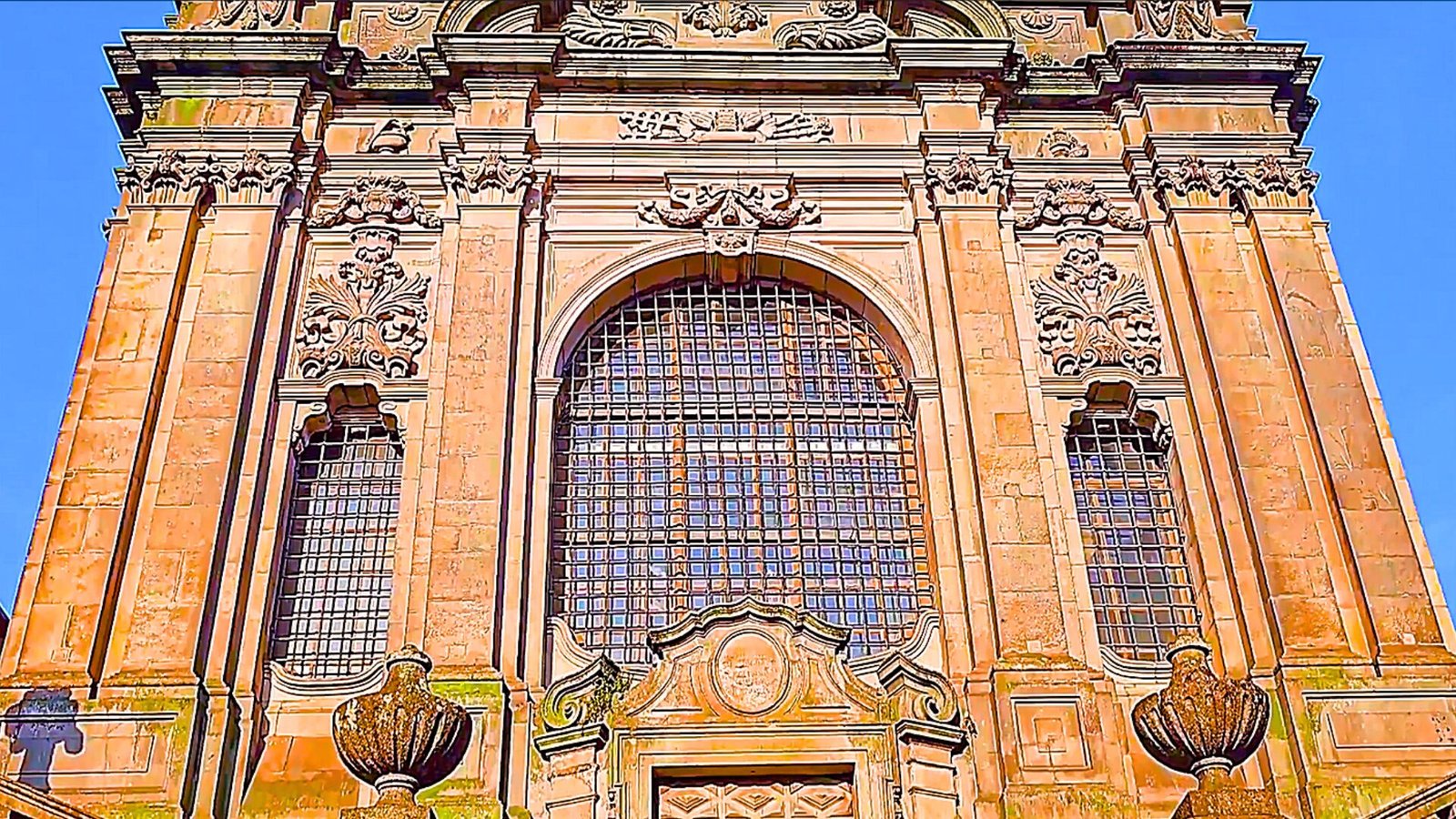
Architecture and identity
Clérigos is closely linked to Nicolau Nasoni, the Italian-born architect whose work helped shape the Baroque character of Porto and northern Portugal. The church and tower were built in the eighteenth century, and the tower soon became a landmark used to recognise the city from a distance.
What makes Clérigos powerful is the contrast between heaviness and elegance. Granite gives it weight, while the tower’s vertical rhythm, curved details and decorative stonework make it feel almost theatrical.
The climb
The tower is not a passive viewpoint. You feel the building as you climb: the stone, the narrow corridors, the small windows, the changing light and the anticipation of seeing Porto from above.
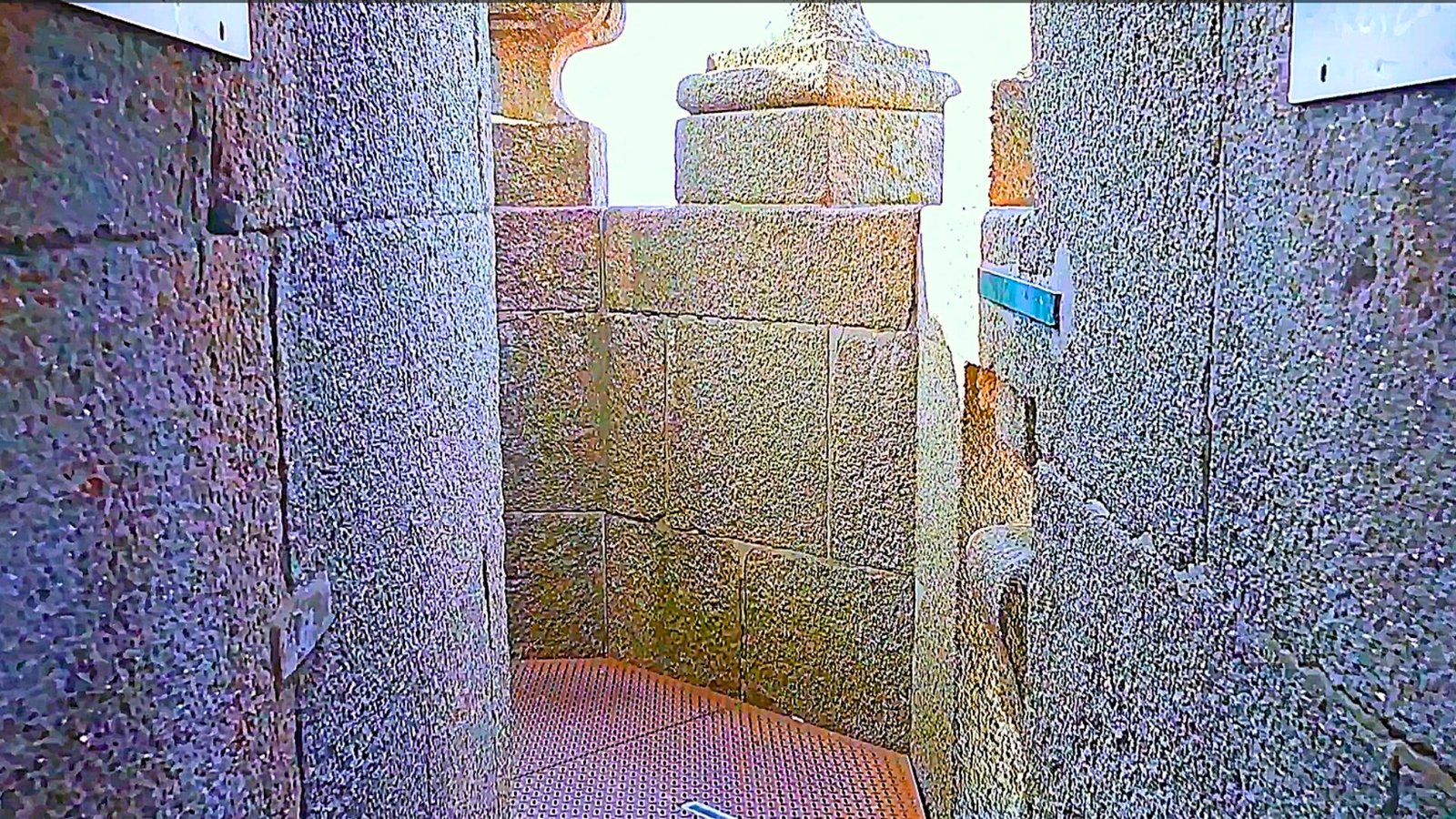
The interior route is part of the charm: narrow corridors, stairs and framed views make the climb feel like a small journey through the monument.
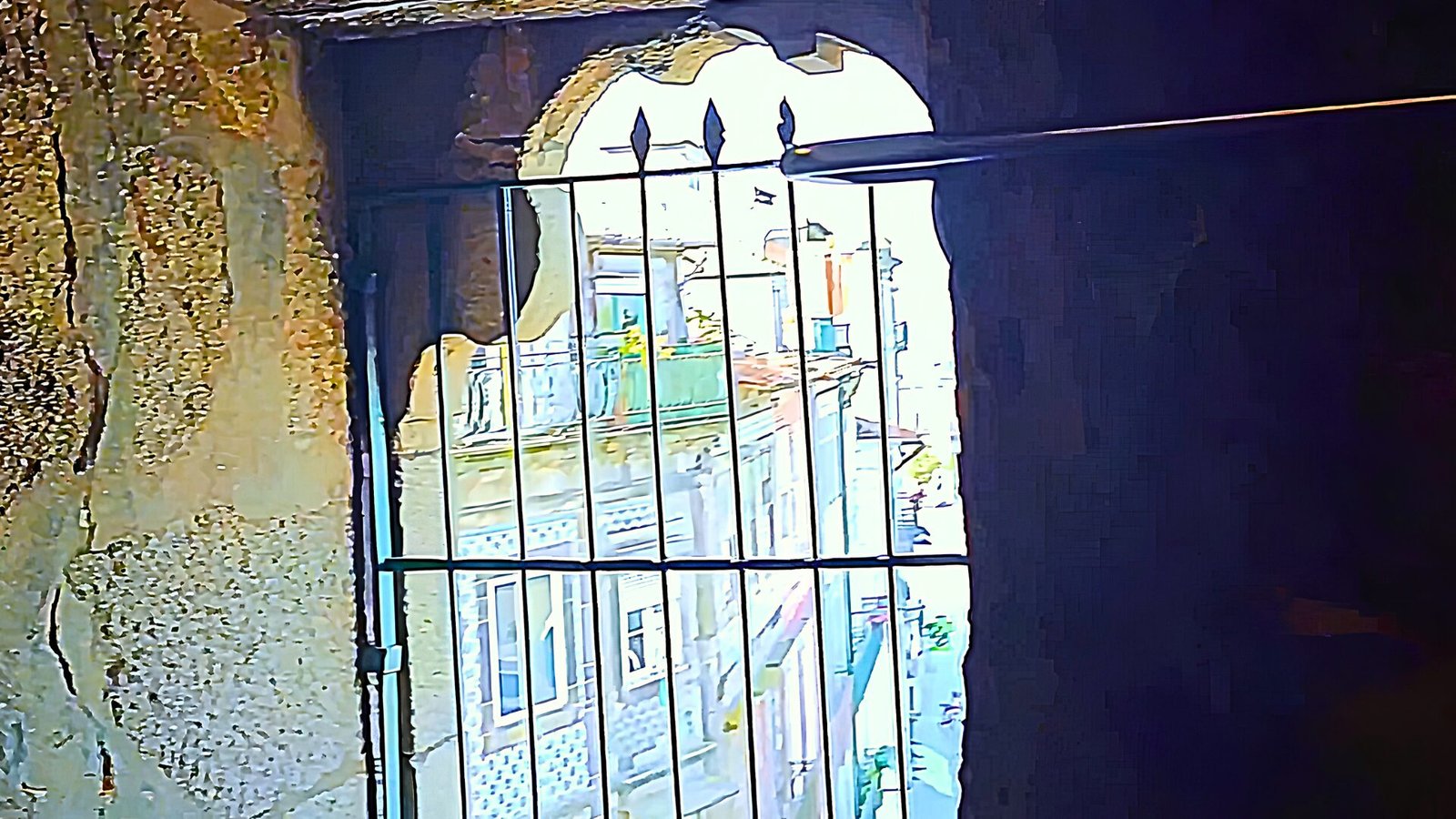
Before the top, small windows offer glimpses of Porto. They make the city appear in pieces: rooftops, streets, sky and stone.
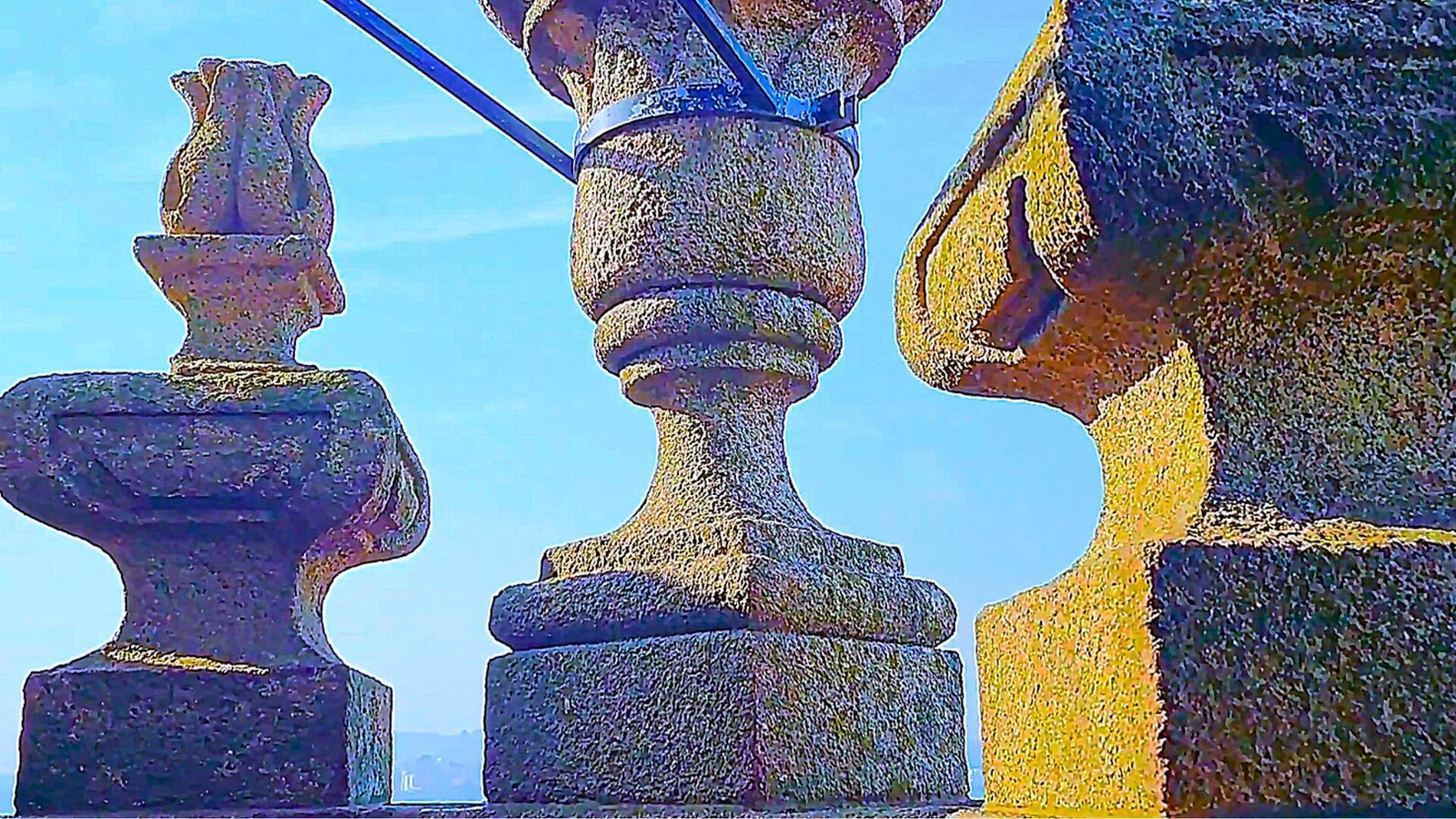
From the street, the tower gives Porto a strong vertical line. From above, it turns the city into a map of roofs, churches, bridges and river light.
Inside the church
The tower gets most of the attention, but the church interior gives the visit depth. Look for the curves, the vault, the organ, the golden details and the quiet theatricality of Baroque sacred space.
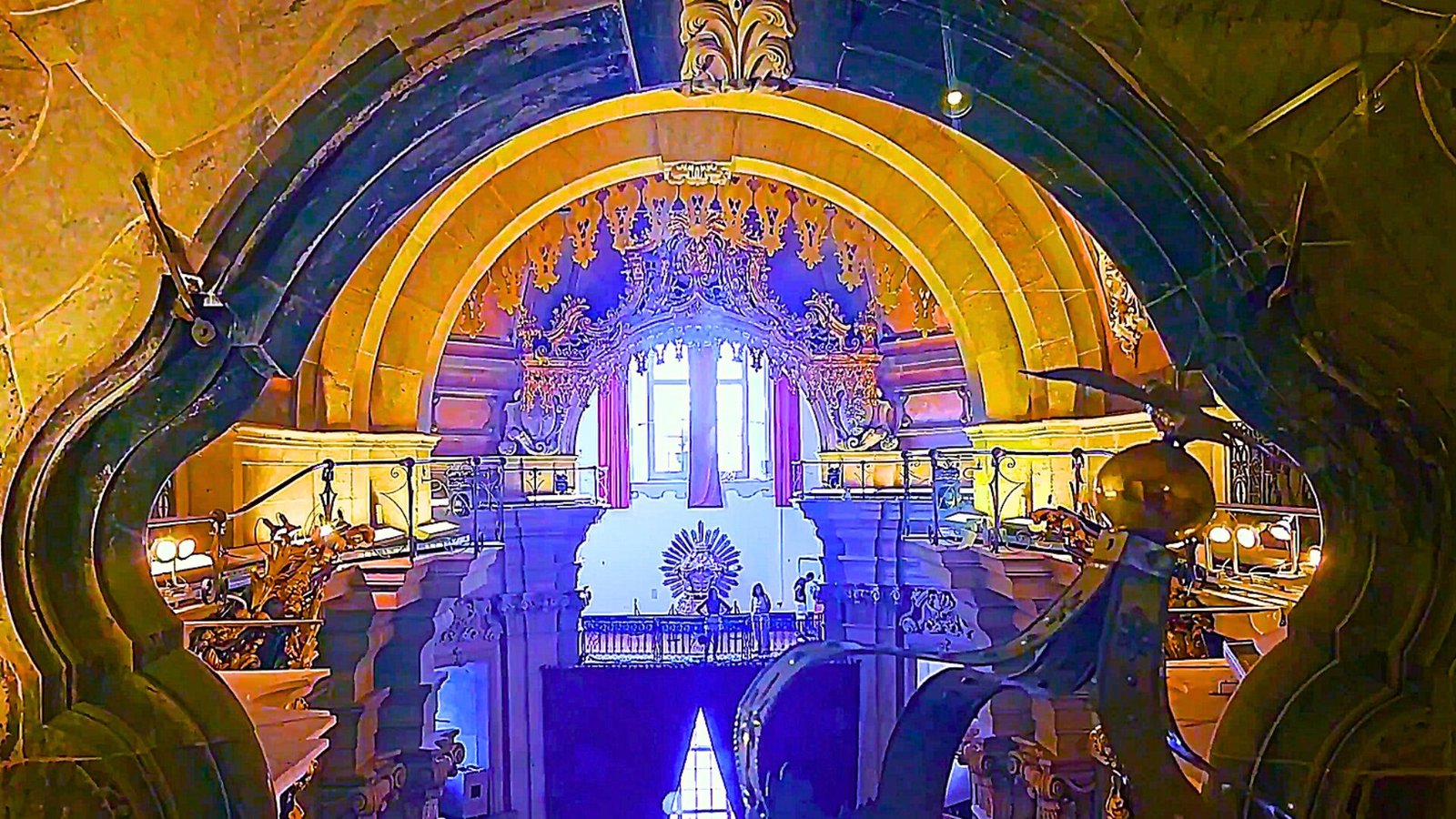
The church interior is designed to be felt as well as seen: stone, light, ornament and symmetry create a strong sense of atmosphere.
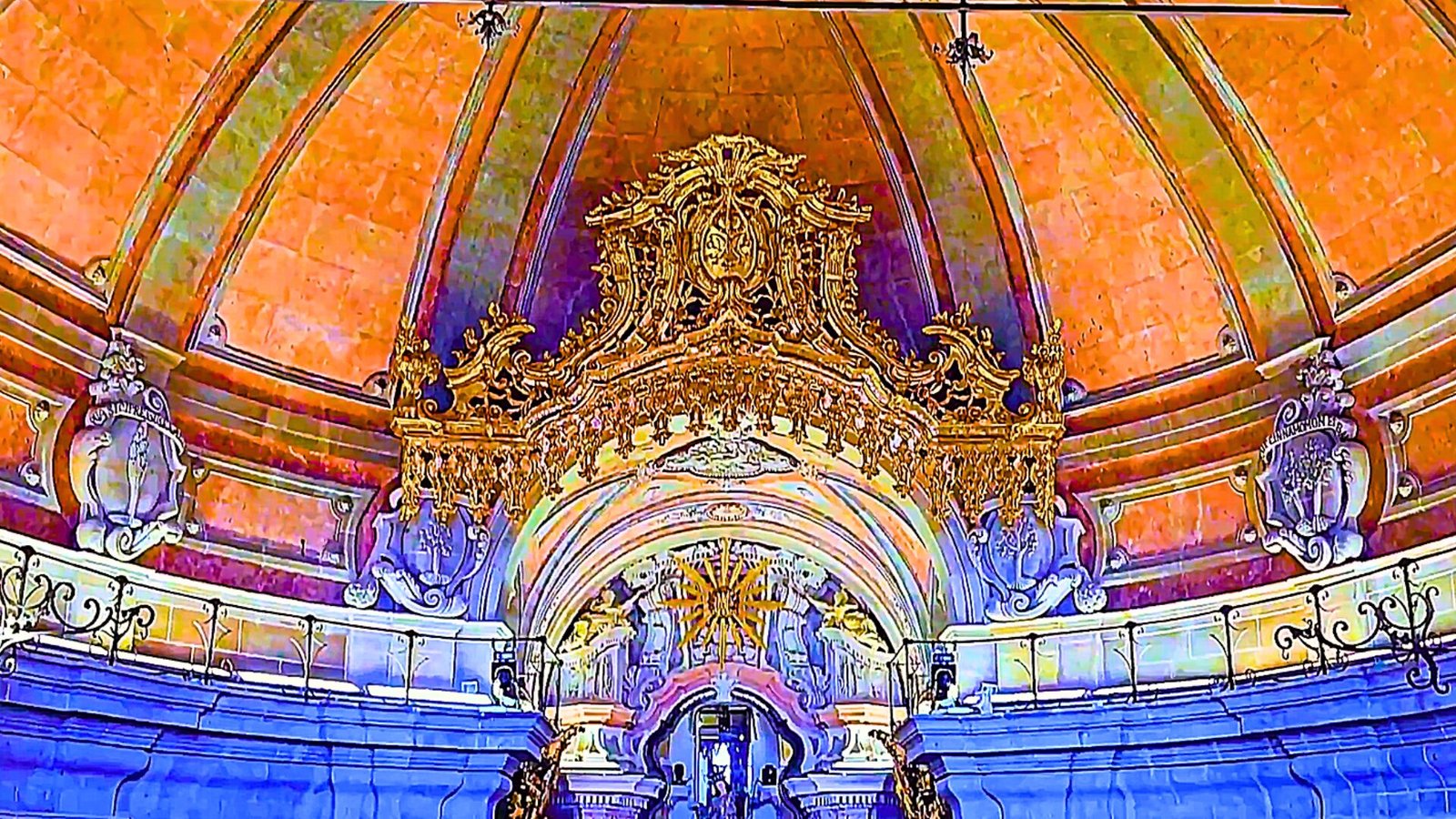
Look up. The ceiling and upper details help you understand the drama of the space.
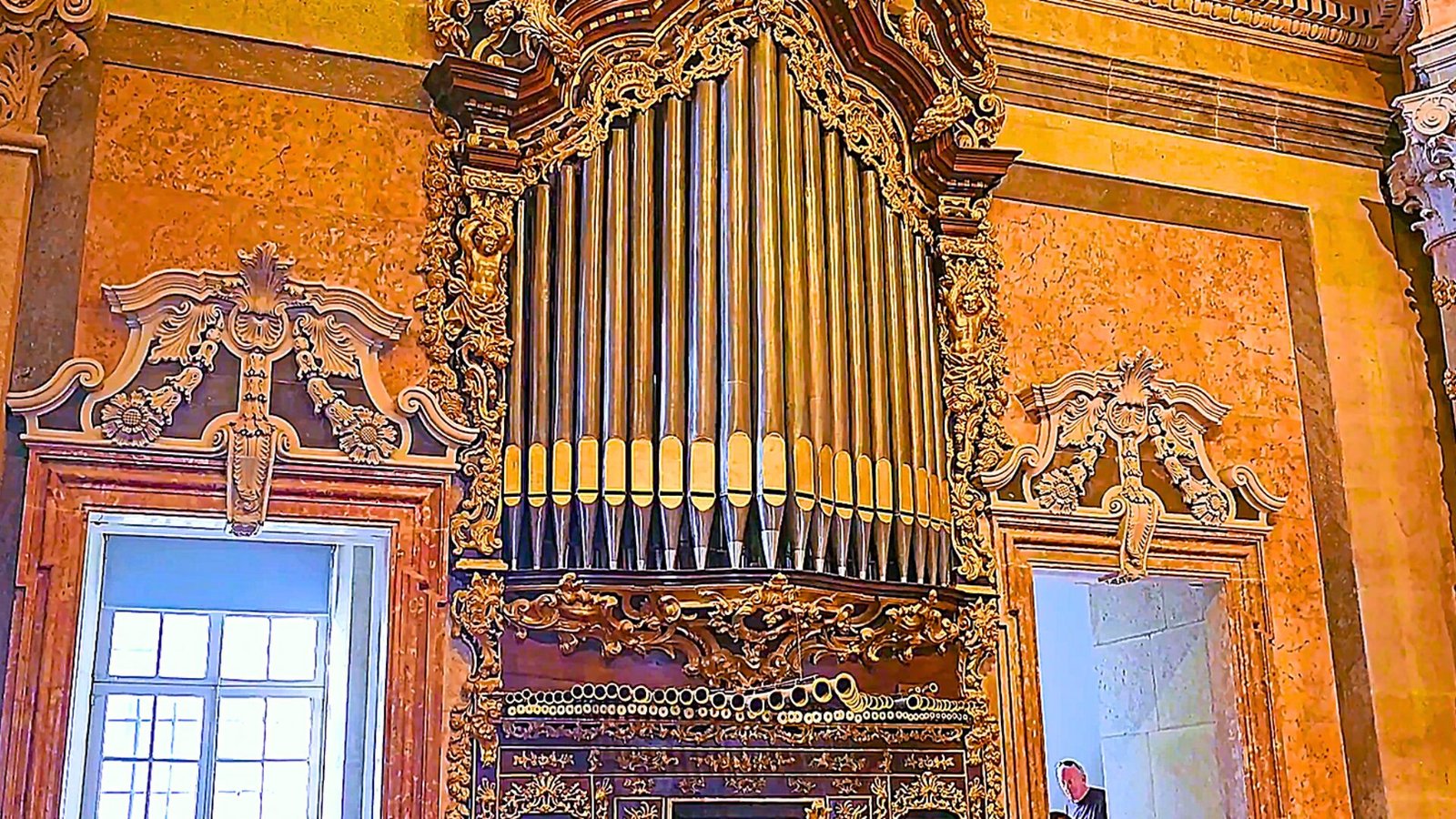
The organ and upper interior details add to the ceremonial feeling of the church.
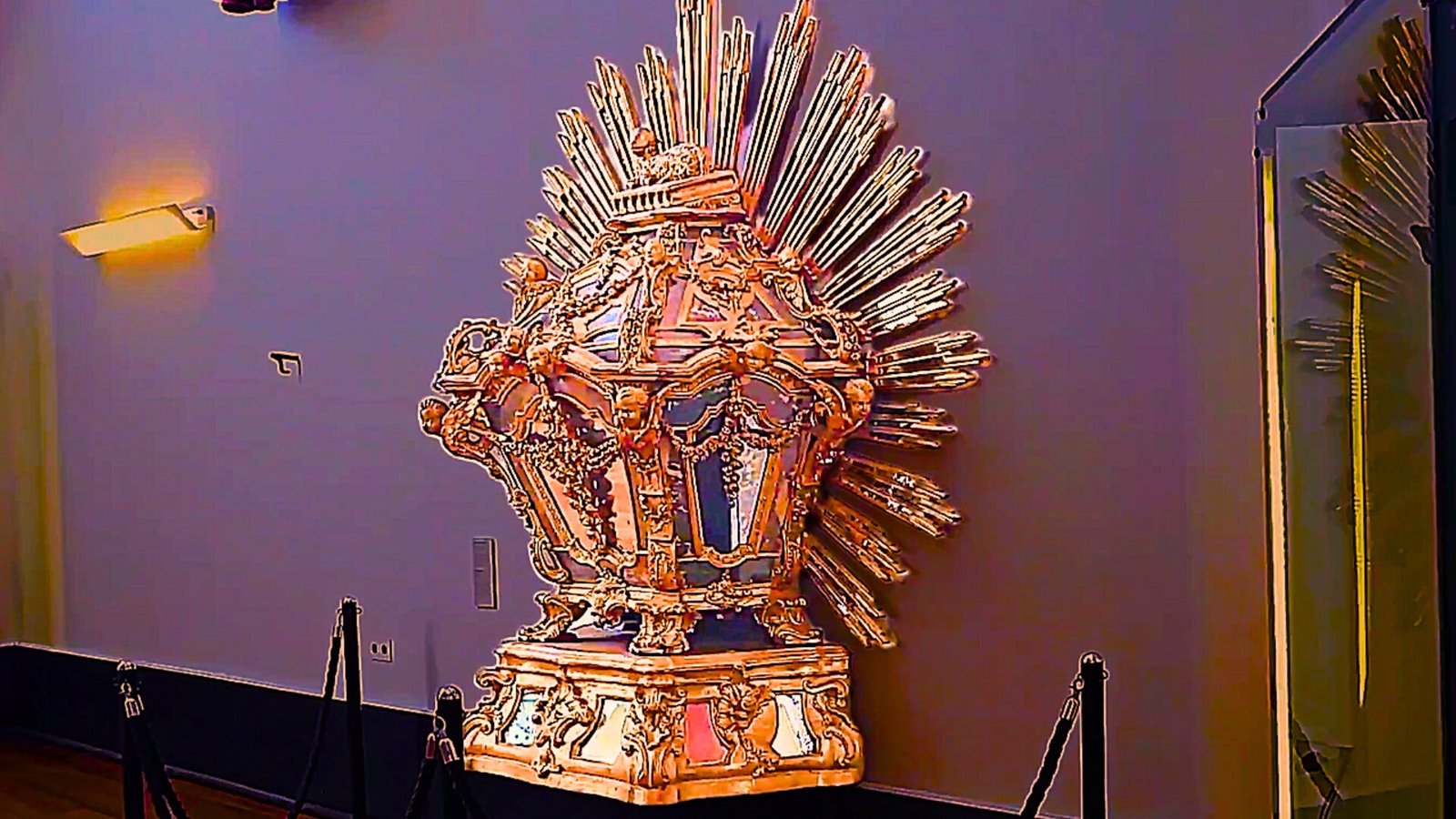
Small details make the interior richer, especially when light catches the gilded surfaces.
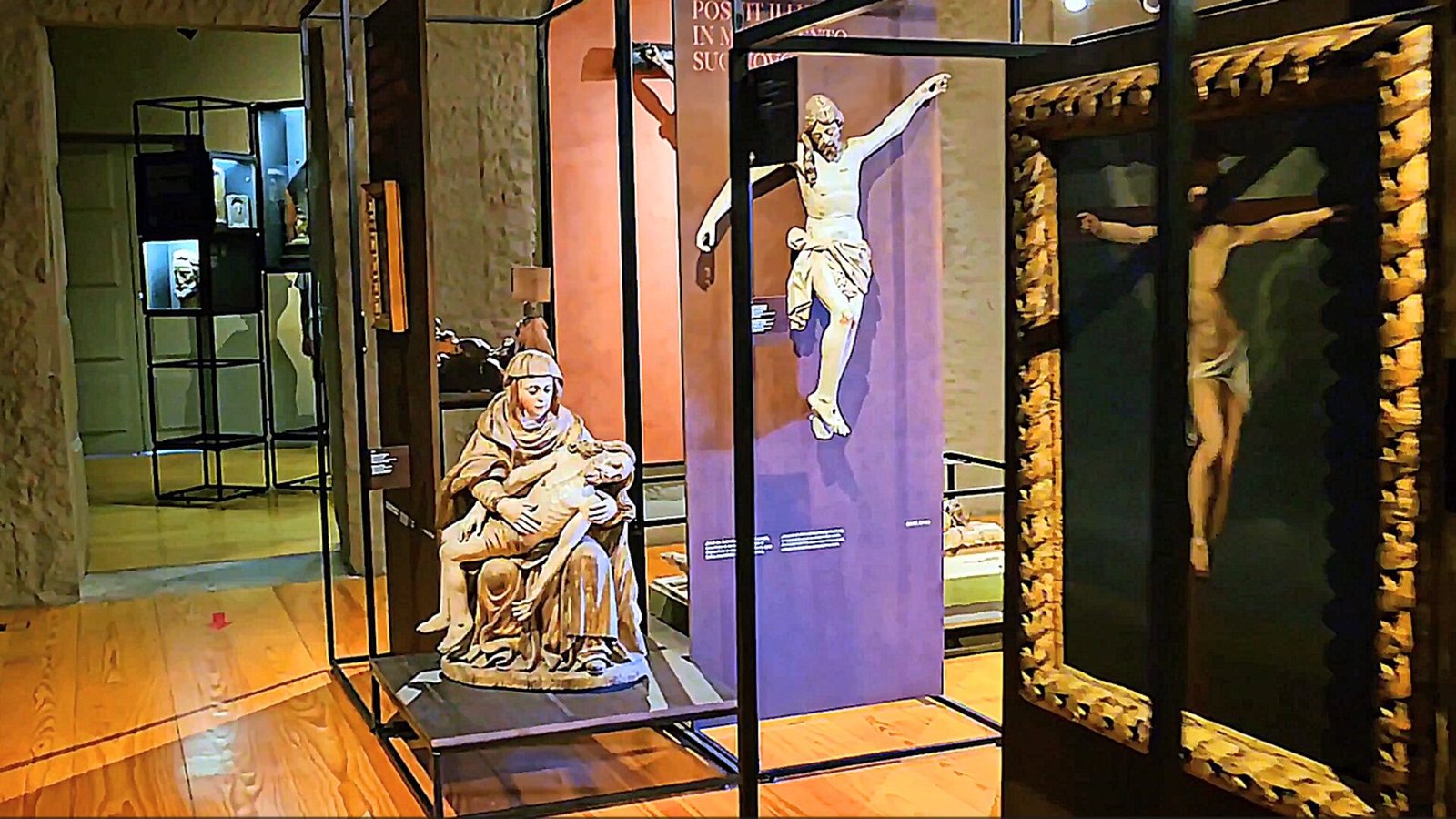
The sacred details remind you that this is not only a monument, but also a religious place.
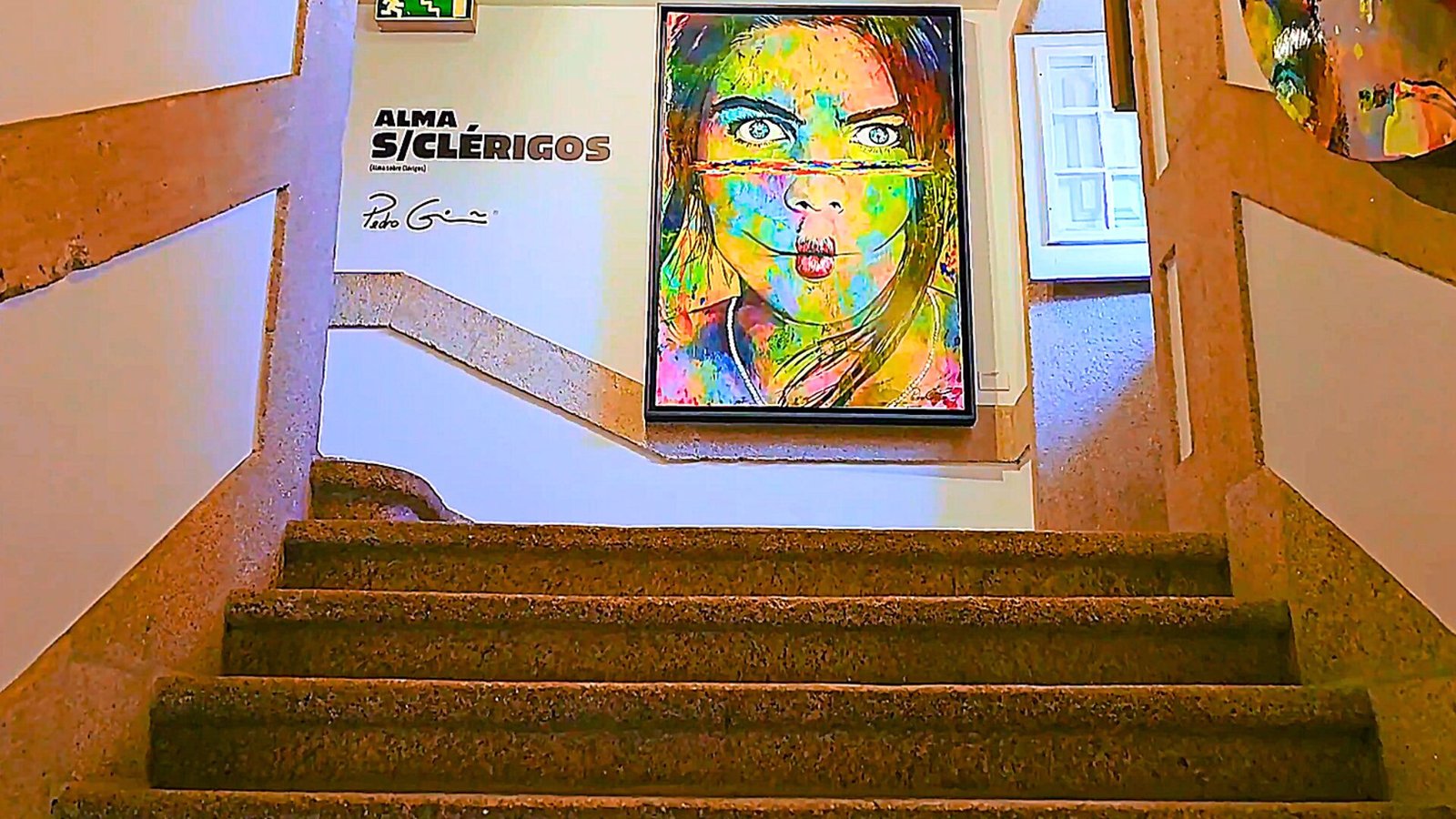
Hidden details
Between the church and the tower, Clérigos also has corridors, rooms, windows, doors, clocks, museum-like interiors and sacred objects. These details make the visit feel layered rather than rushed.
If you enjoy architecture, photography or old interiors, give yourself time to notice the in-between spaces. Clérigos is not only the final view from the top. It is the route up, the rooms around it and the changing light inside the building.
Visual gallery
A moving gallery through the tower, church, windows, stair halls and small details that make Clérigos more than a viewpoint.
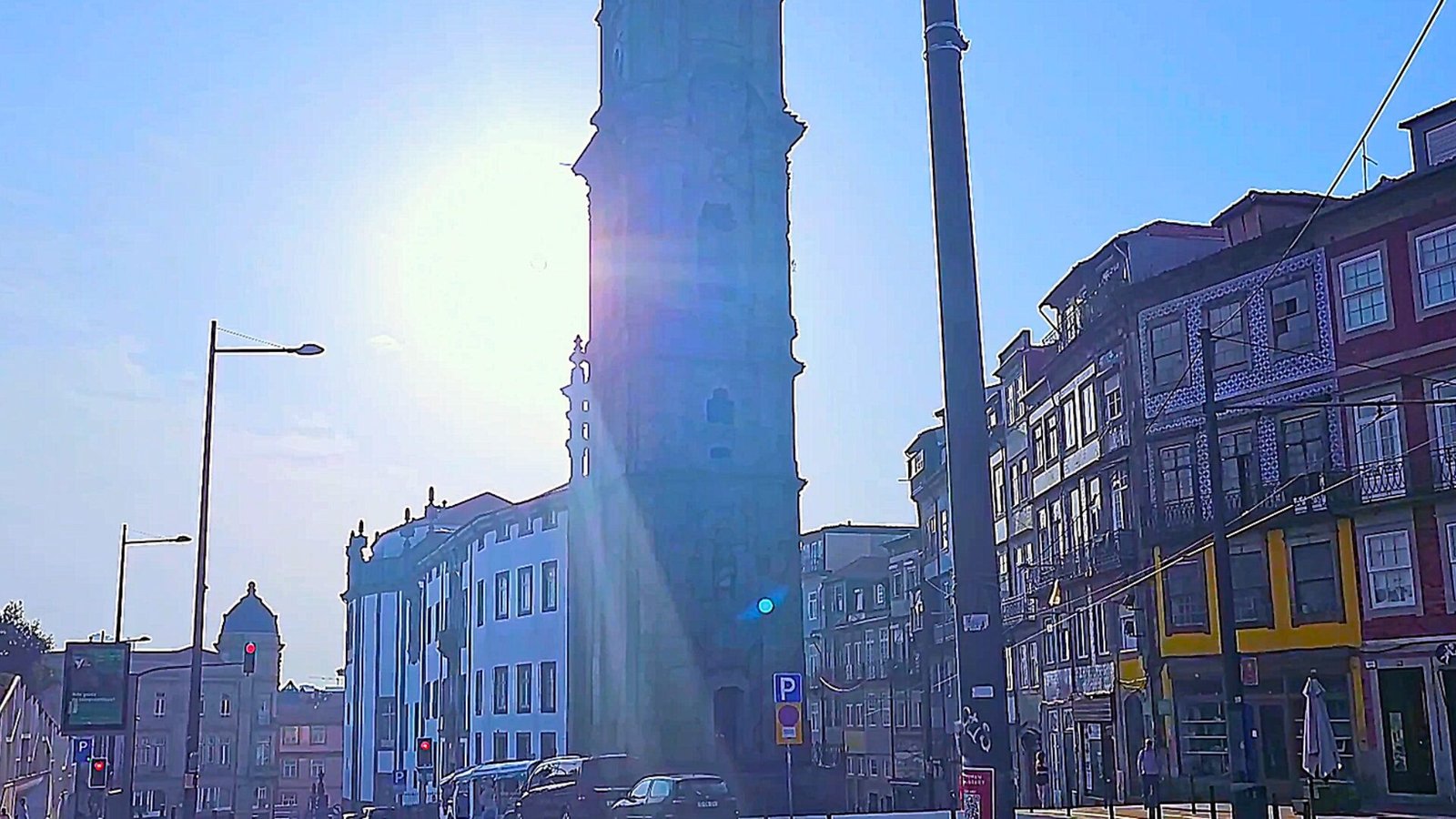 Tower exterior
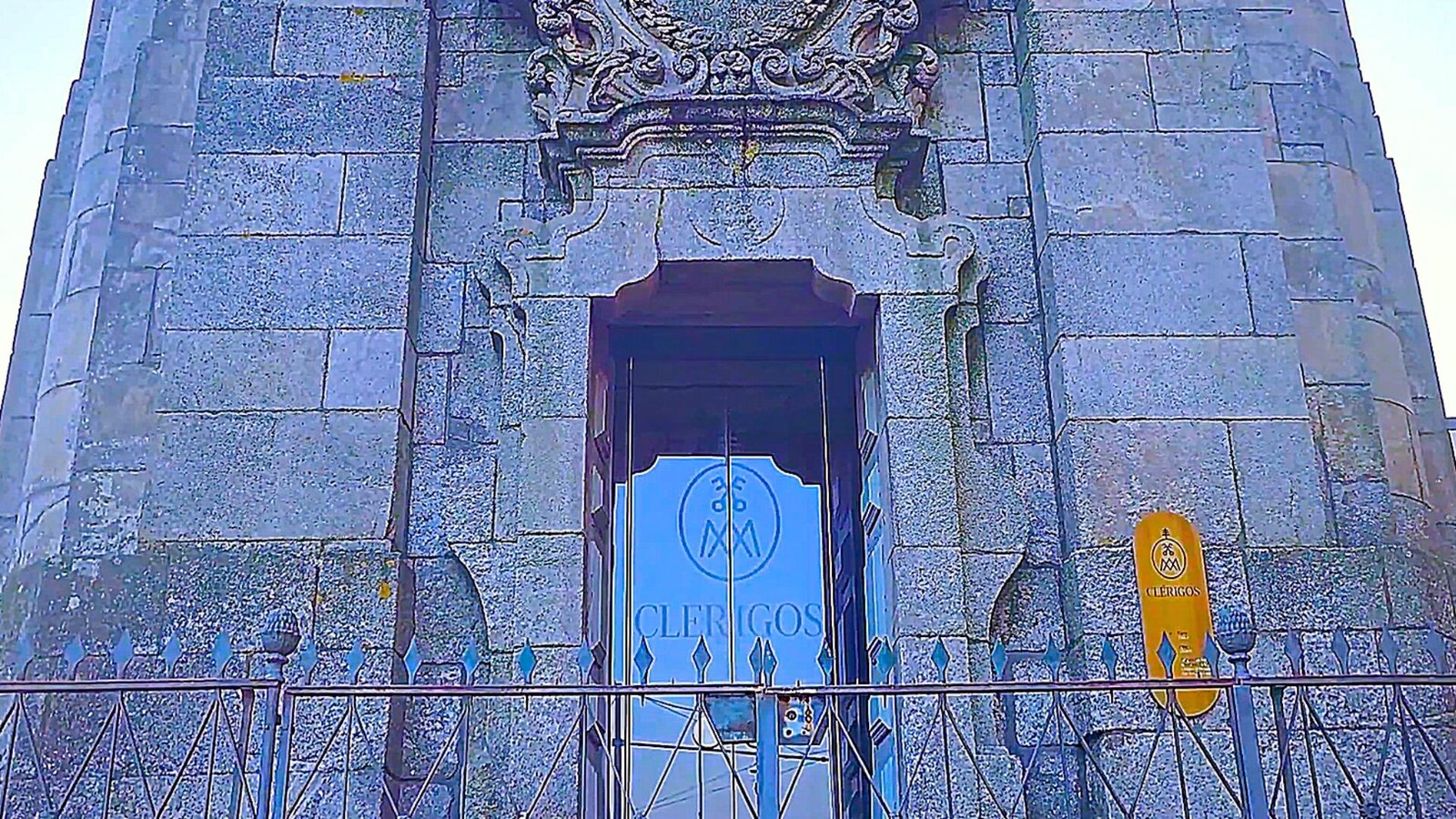 Stone doorway
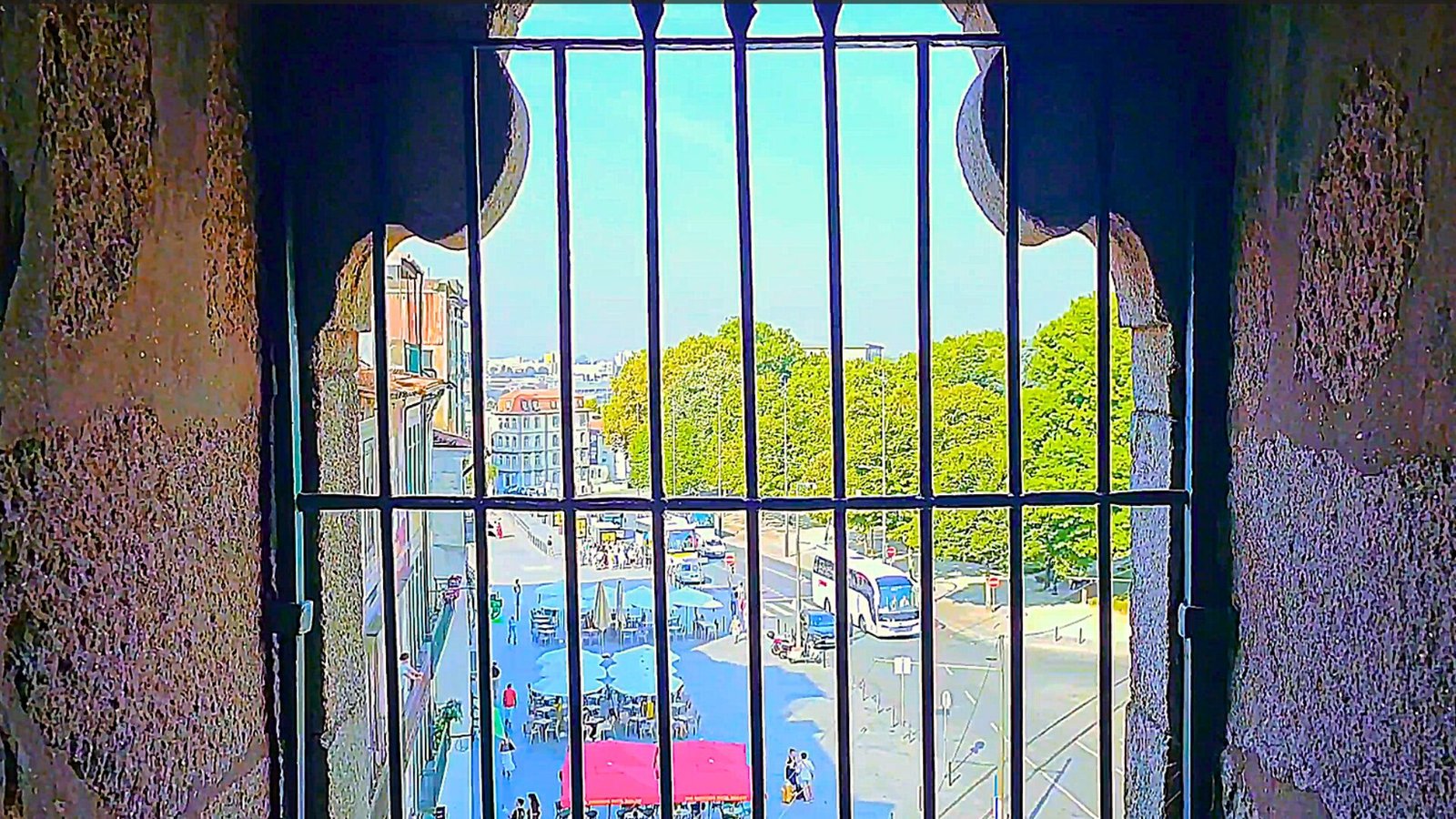 Tower window
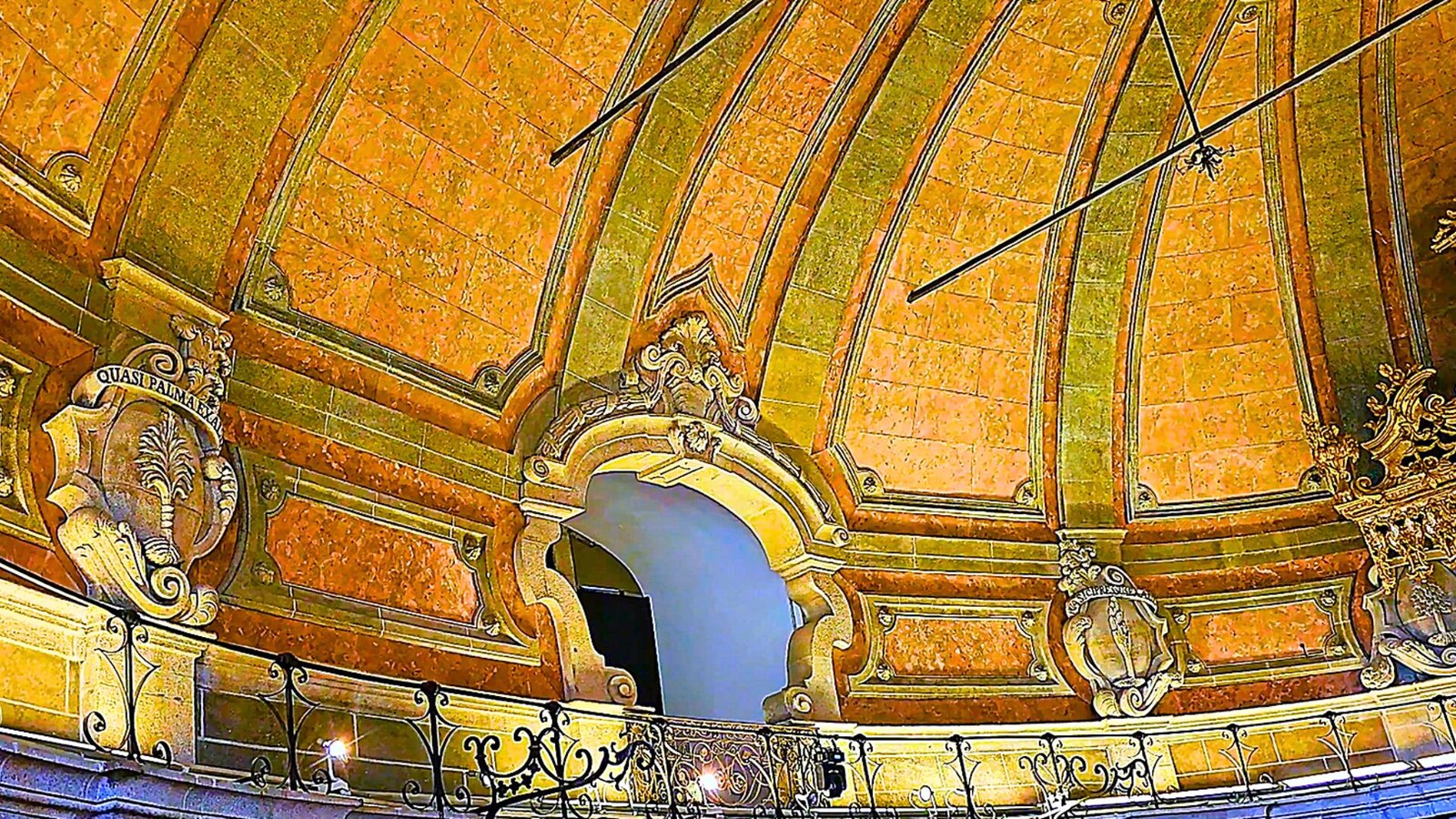 Church vault
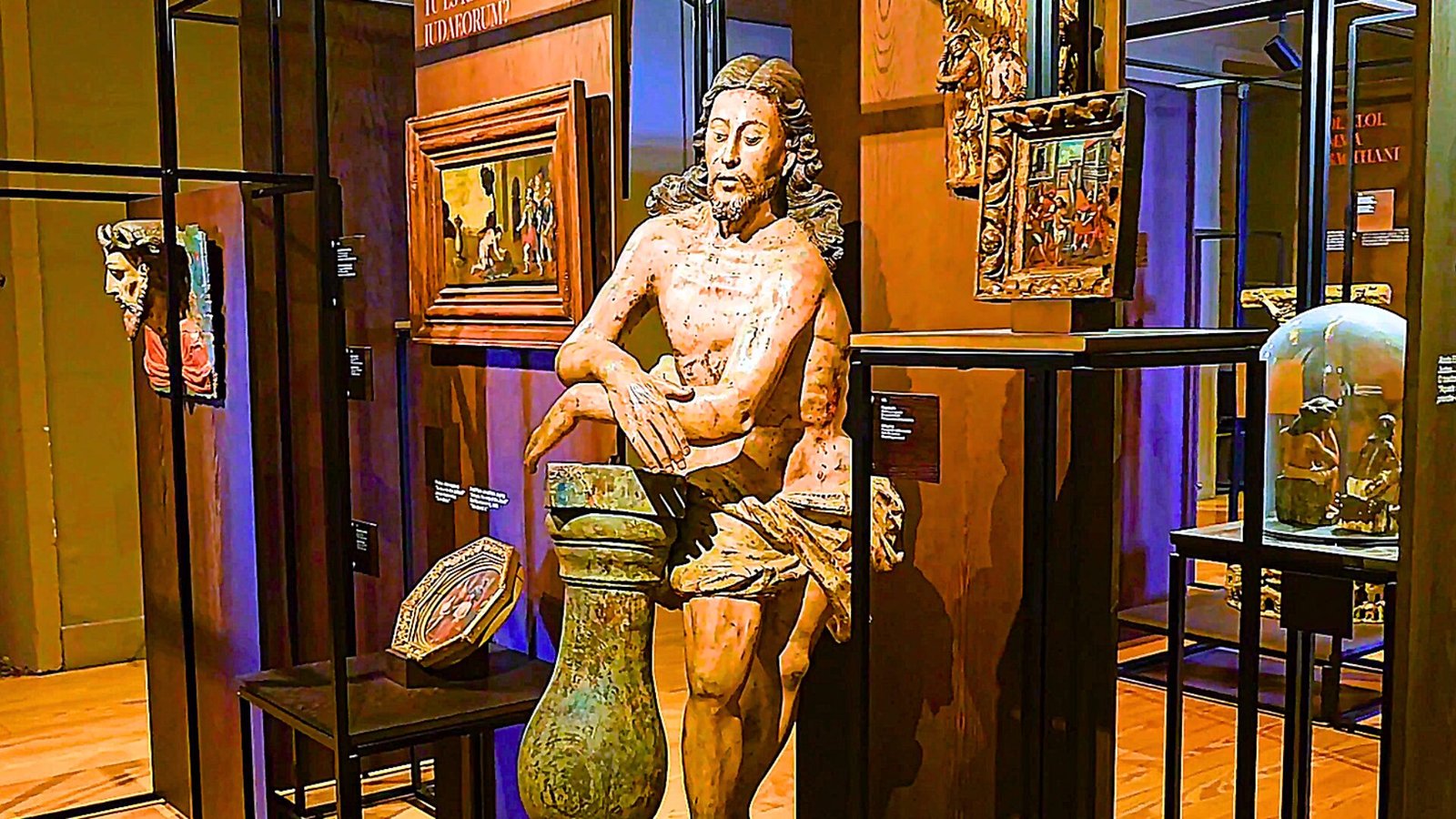 Sacred detail
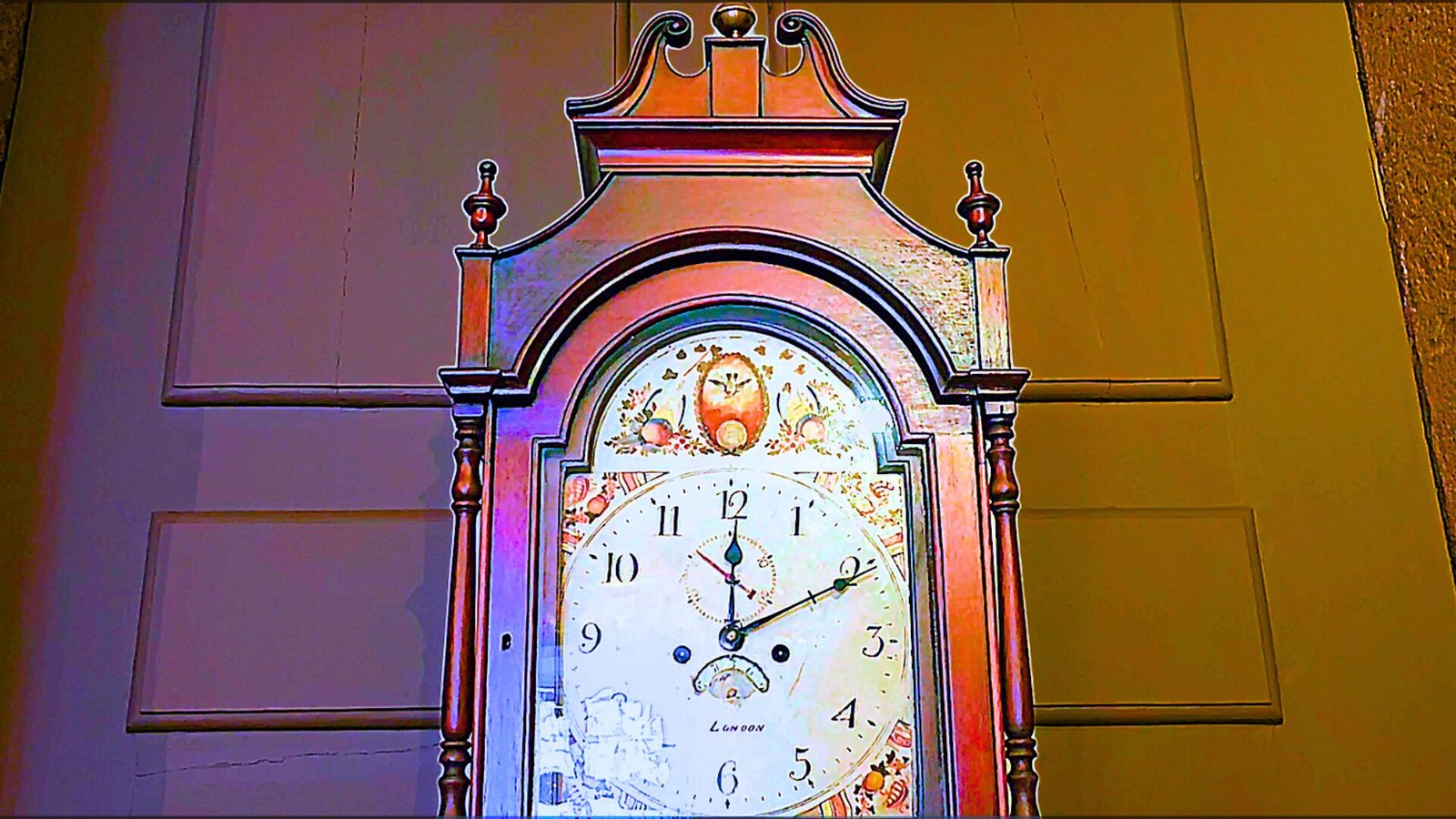 Clock detail
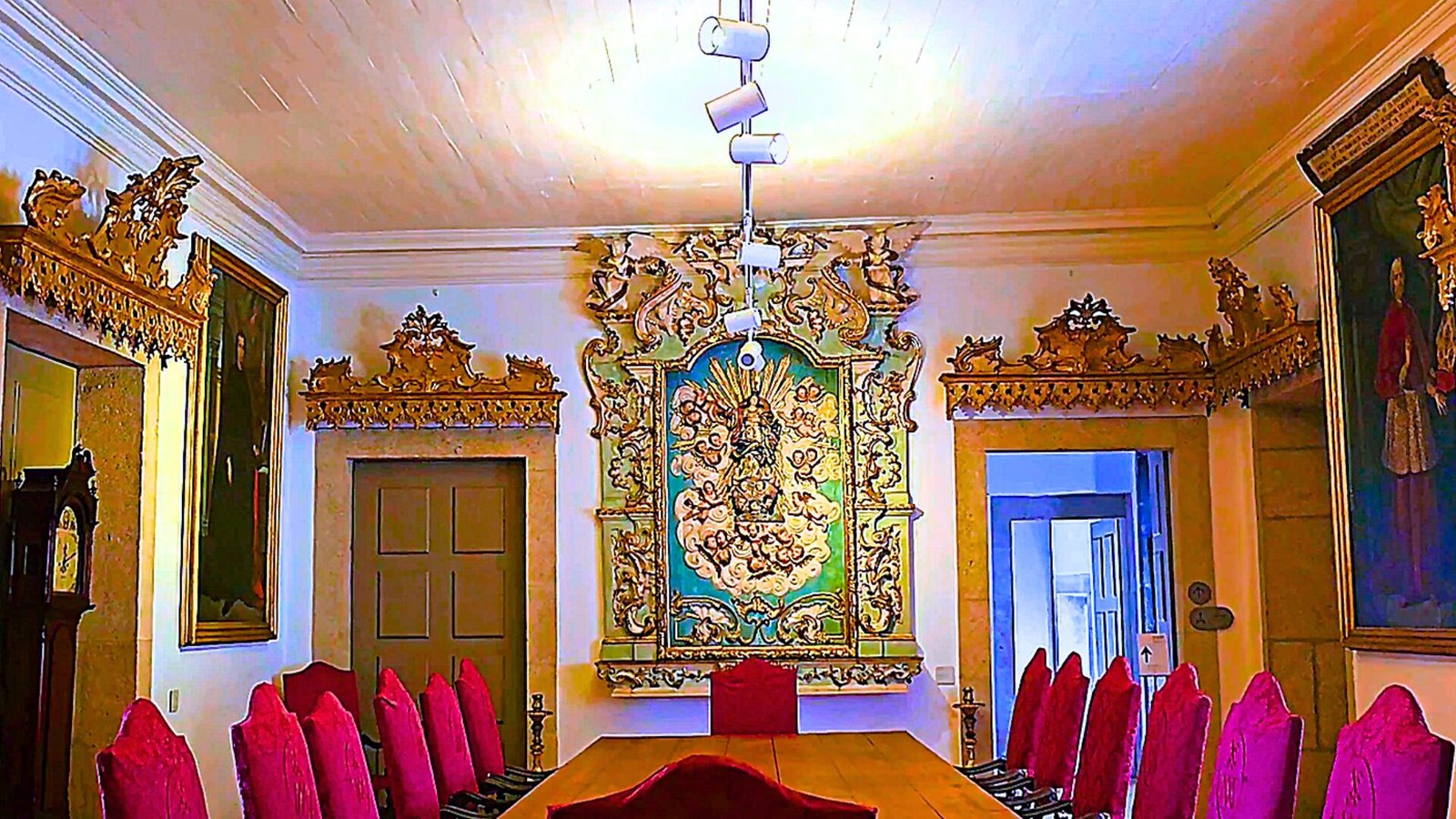 Interior room
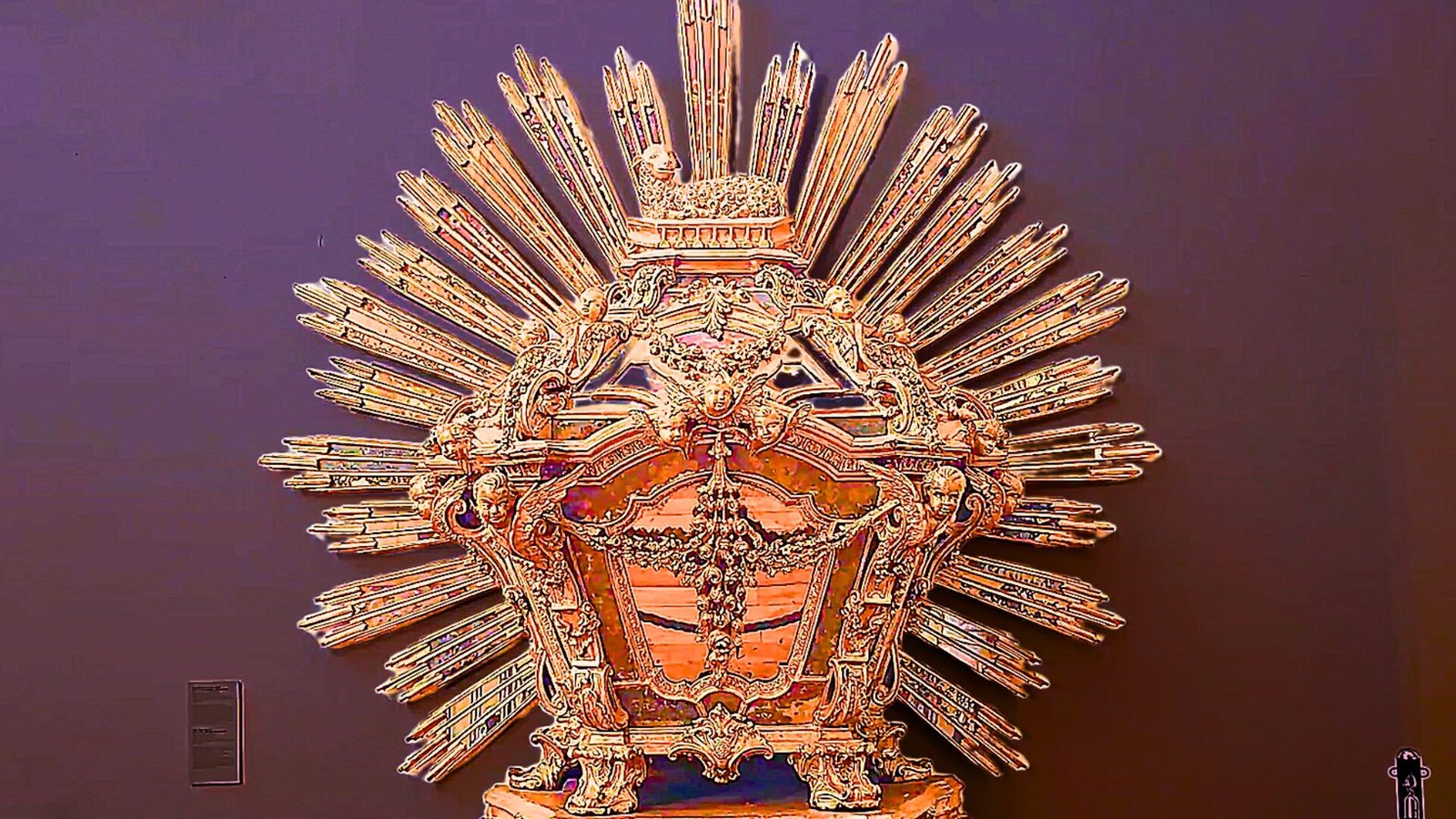 Golden detail
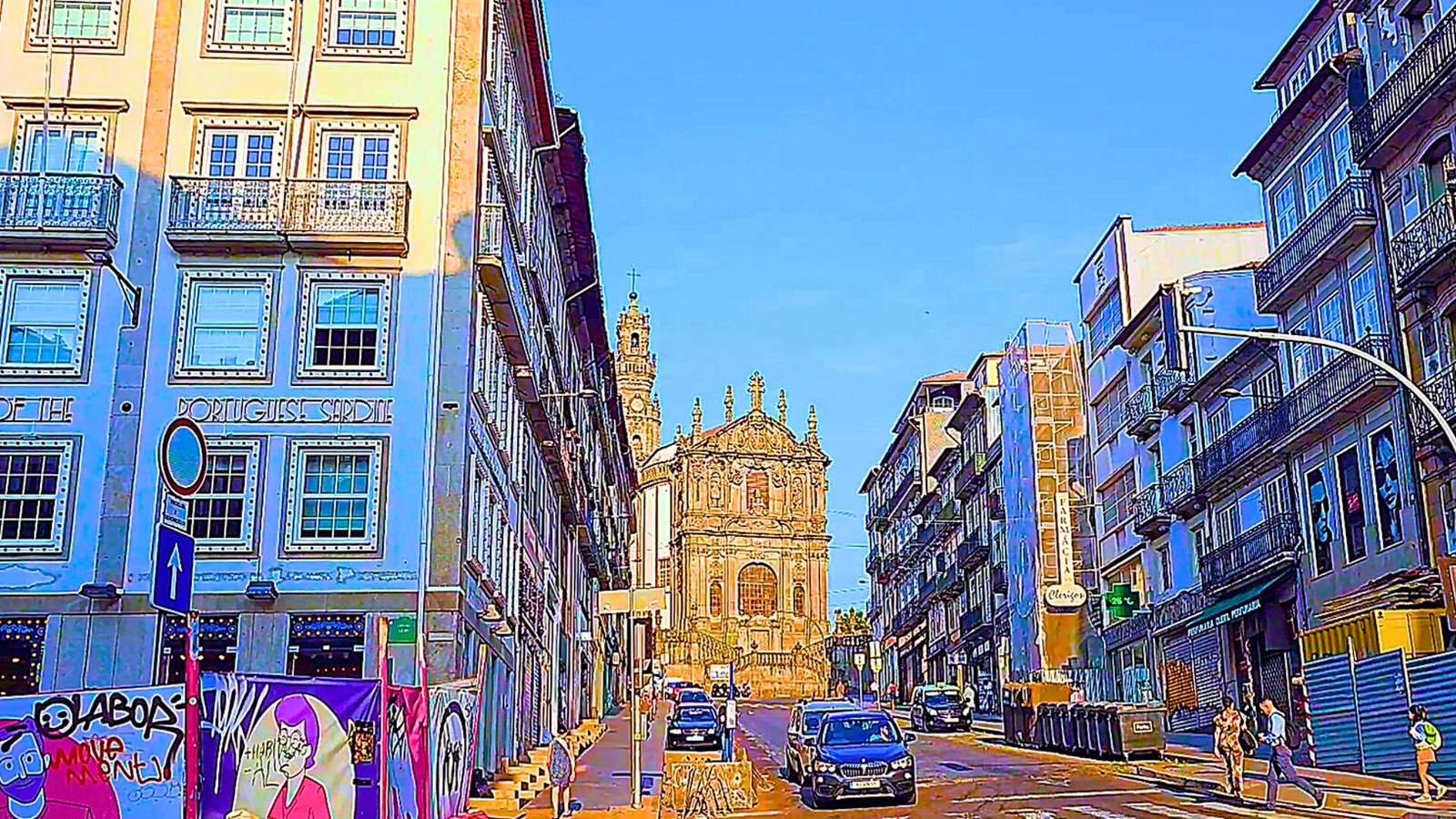 Nearby street
How to visit
Clérigos is central and easy to include in a Porto walk, but the tower climb is more demanding than it looks. Plan it for a moment when you are not too tired.
Plan around forty-five minutes if you want to climb, look around the church and enjoy the views without rushing.
The tower visit usually requires a ticket and practical details can change, so check the official Clérigos website before going.
The climb has many steps and narrow passages. It may not be ideal for visitors with mobility issues or strong discomfort with heights.
Early morning or late afternoon often feels better than the busiest middle of the day, especially if you want a calmer climb.
The views are beautiful, but the interior route, stone windows and church details are also worth photographing.
Clérigos is close to Livraria Lello, Carmo, Cordoaria, Aliados, São Bento and Rua das Flores.
Nearby
Clérigos sits in one of the easiest areas to connect with a walking route through Porto’s historic centre.
Perfect if you want books, azulejo façades, churches and some of the most photographed corners around Clérigos.
A short walk away, São Bento adds azulejos, railway history and one of the most beautiful station halls in Portugal.
From Clérigos, you can move naturally towards Aliados or descend through historic streets towards Ribeira.
Read next
Clérigos connects naturally with churches, viewpoints, architecture and classic walking routes through the city.
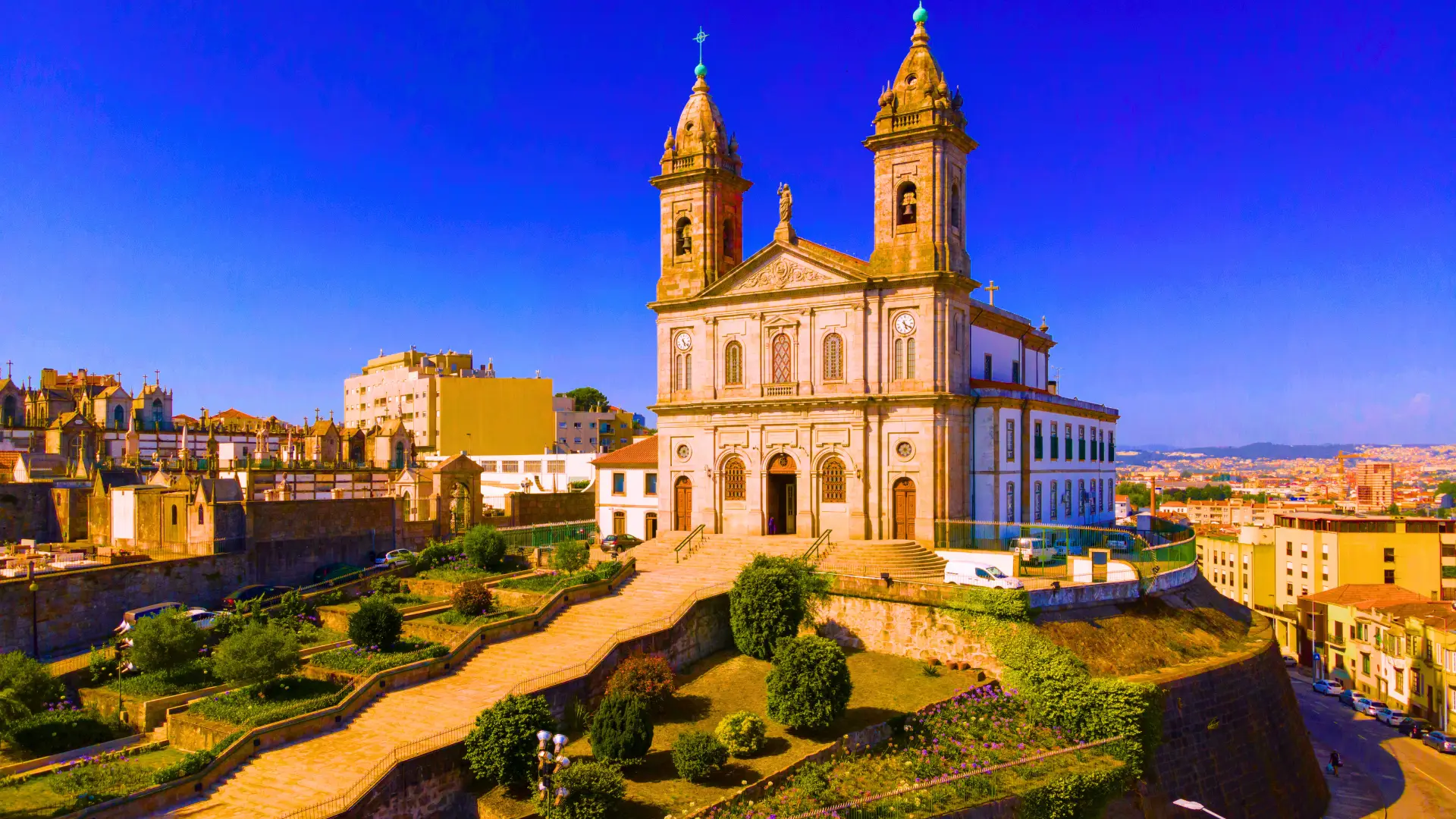
Explore towers, tiles, sacred interiors and less obvious churches around Porto.
Open guide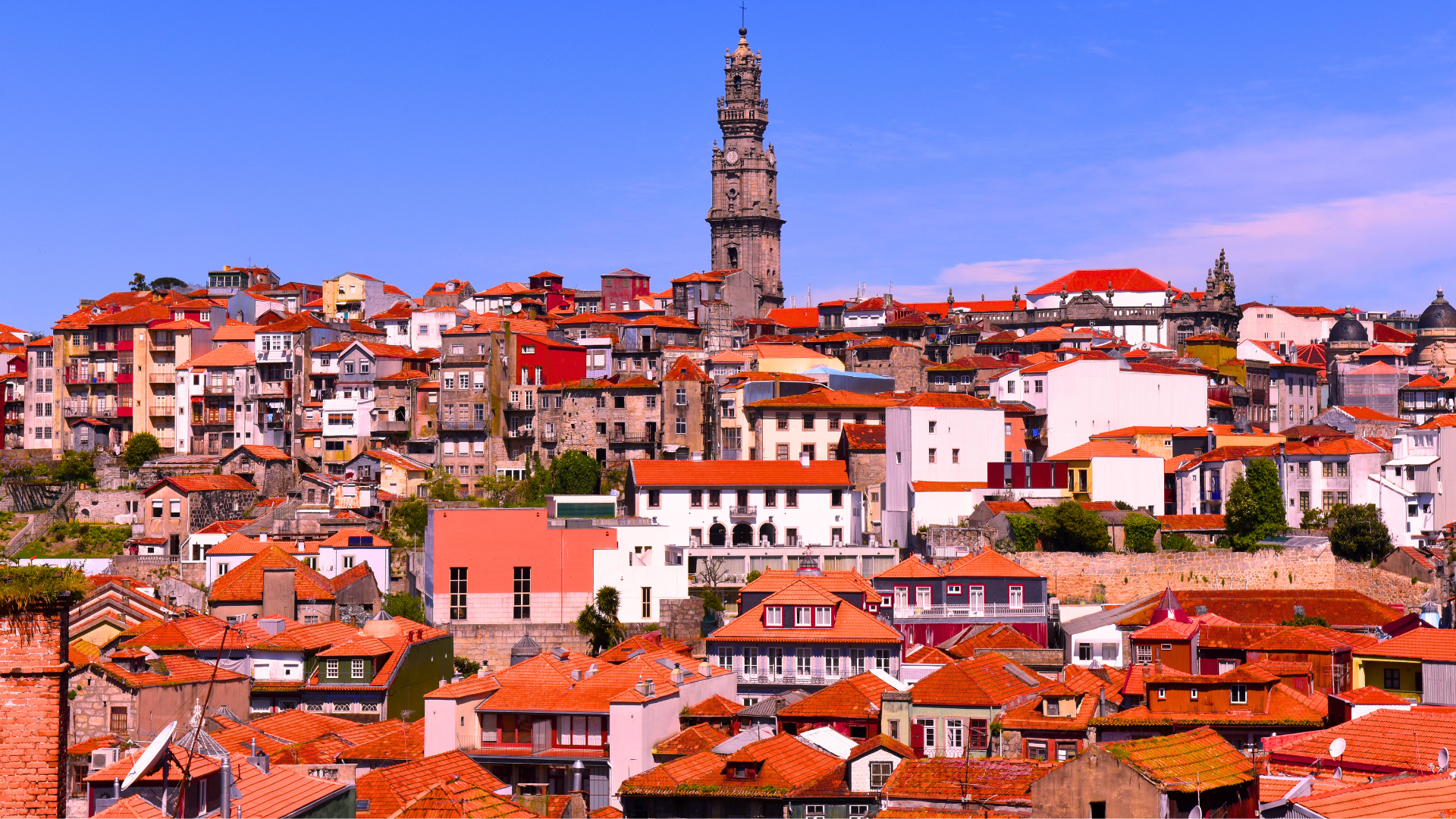
Find places to see Porto from above, across the river and beside the Douro.
Open guide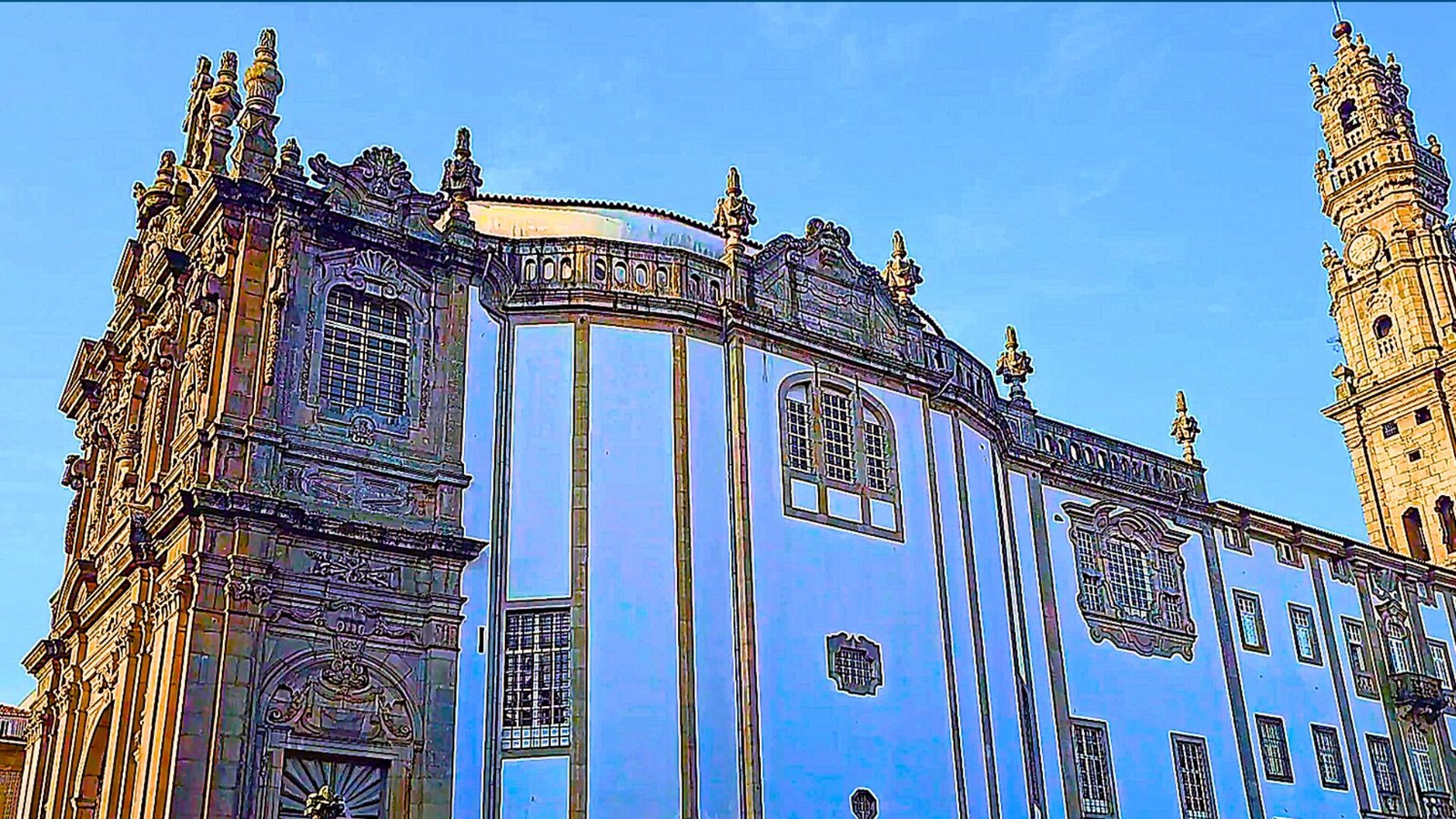
Follow Porto through façades, stone, towers, modern icons and historic buildings.
Open guide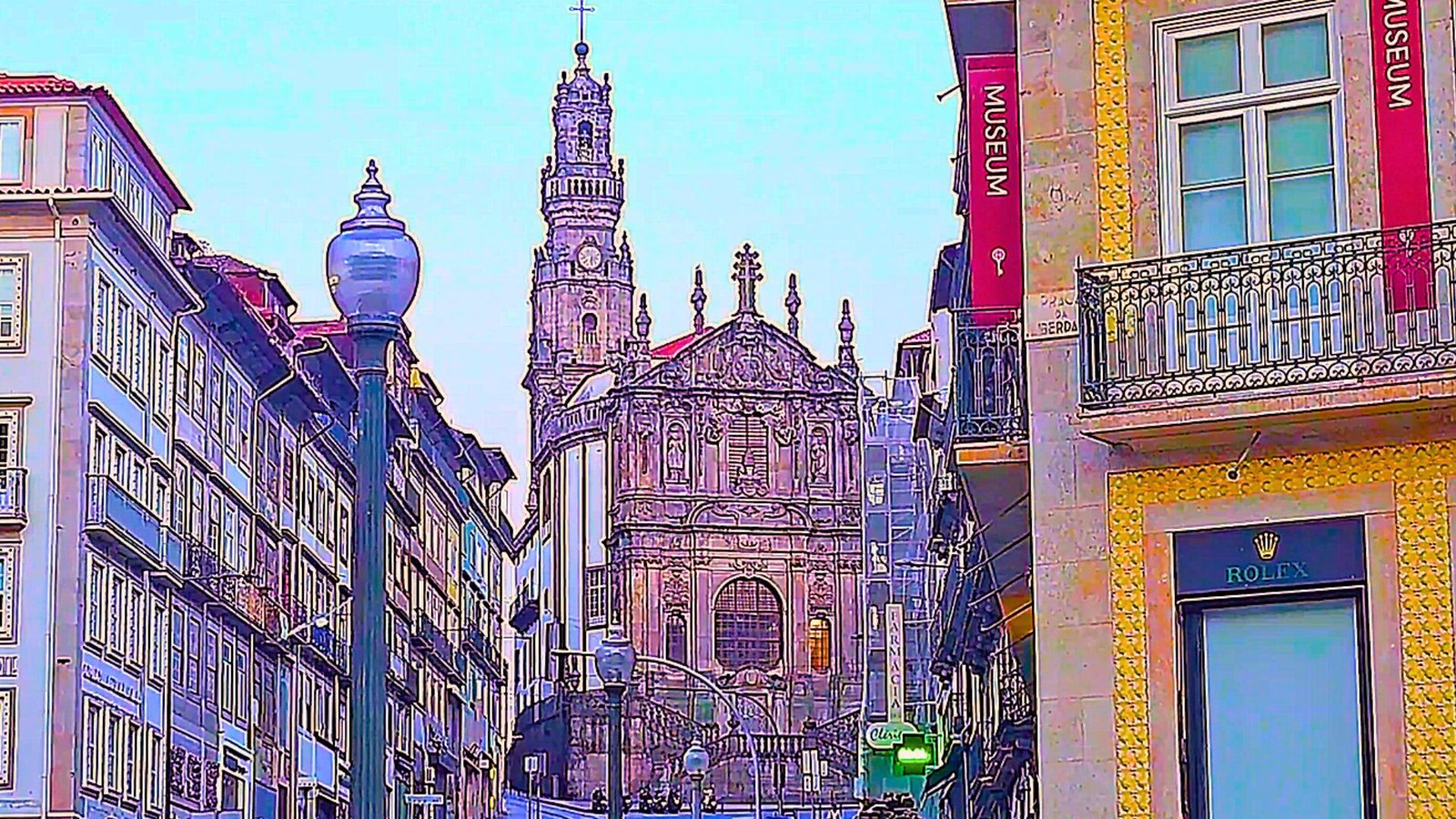
Final thought
Look at the tower from the streets, climb through the stone, pause inside the church and then let the city open around you from the top.