Topography before style
In Porto, the slope is never neutral. Height explains defence, religious power, river access, views and the drama of descent towards the Douro.
Special Porto route
A route for architecture lovers: read Porto through topography, granite, tiles, iron, narrow plots, civic axes and contemporary culture.
Porto is not best understood as a catalogue of styles. It is a city written in layers, where each century added structure, surface, infrastructure and meaning without fully erasing what came before.
Start with the ground. Porto is a city of slopes, granite edges, compressed streets, river crossings and buildings that often carry more than one period at once. Before asking whether something is Romanesque, Baroque, Neoclassical or contemporary, ask what the building is doing in the city.
Is it defending a hill, staging power, receiving trade, moving people, covering a market, turning a façade into public image, or reusing an older structure for a new civic life? This route is designed for visitors who enjoy looking carefully.
Architect’s lens
Use these six lenses while walking. They make the city more precise, less touristic and far more interesting.
In Porto, the slope is never neutral. Height explains defence, religious power, river access, views and the drama of descent towards the Douro.
Granite gives the old city its weight: walls, frames, steps, churches and civic façades. It makes Porto feel grounded, dense and resistant.
Azulejos should not be read only as decoration. They often act as a public skin, transforming façades into image, memory and urban signal.
Iron does not erase the stone city. It spans, suspends and connects it: bridges, markets, railway structures and the engineering of movement.
Ordinary façades matter. Thin, deep houses reveal land pressure, commerce, domestic life and the dense rhythm of the historic city.
Porto often adapts rather than deletes: convent to station, bridge to viewpoint, villa to cultural institution, old street to contemporary route.
Read Porto in layers
This is not a list of landmarks. It is a way of moving through problems, materials and urban intentions.
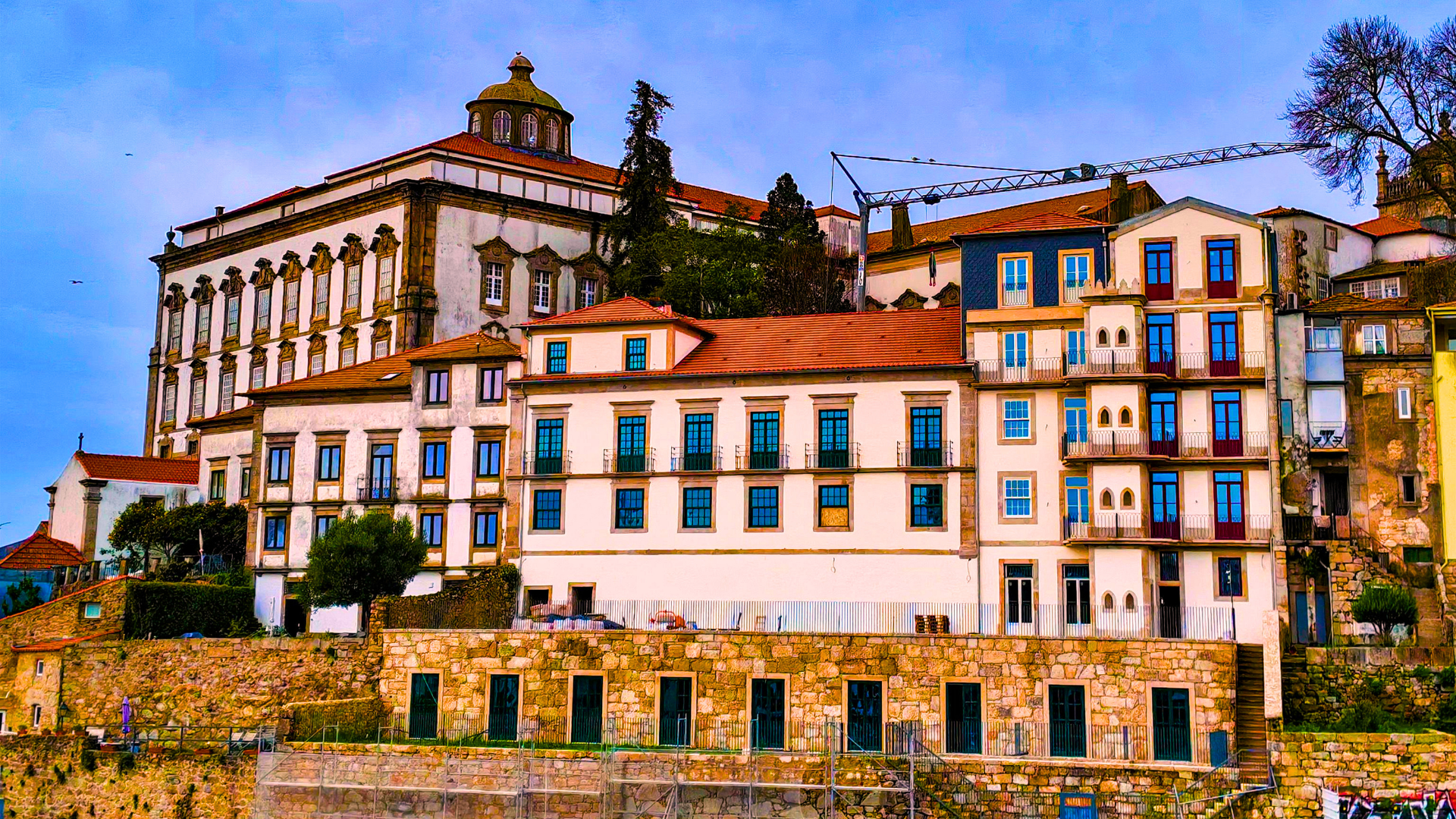
Around the Sé, architecture is inseparable from altitude. Before ornament, there is mass: granite, slope, enclosure and visual command over the river.
Look for: thickness, steps, walls, restricted openings and the way the building dominates the ground.
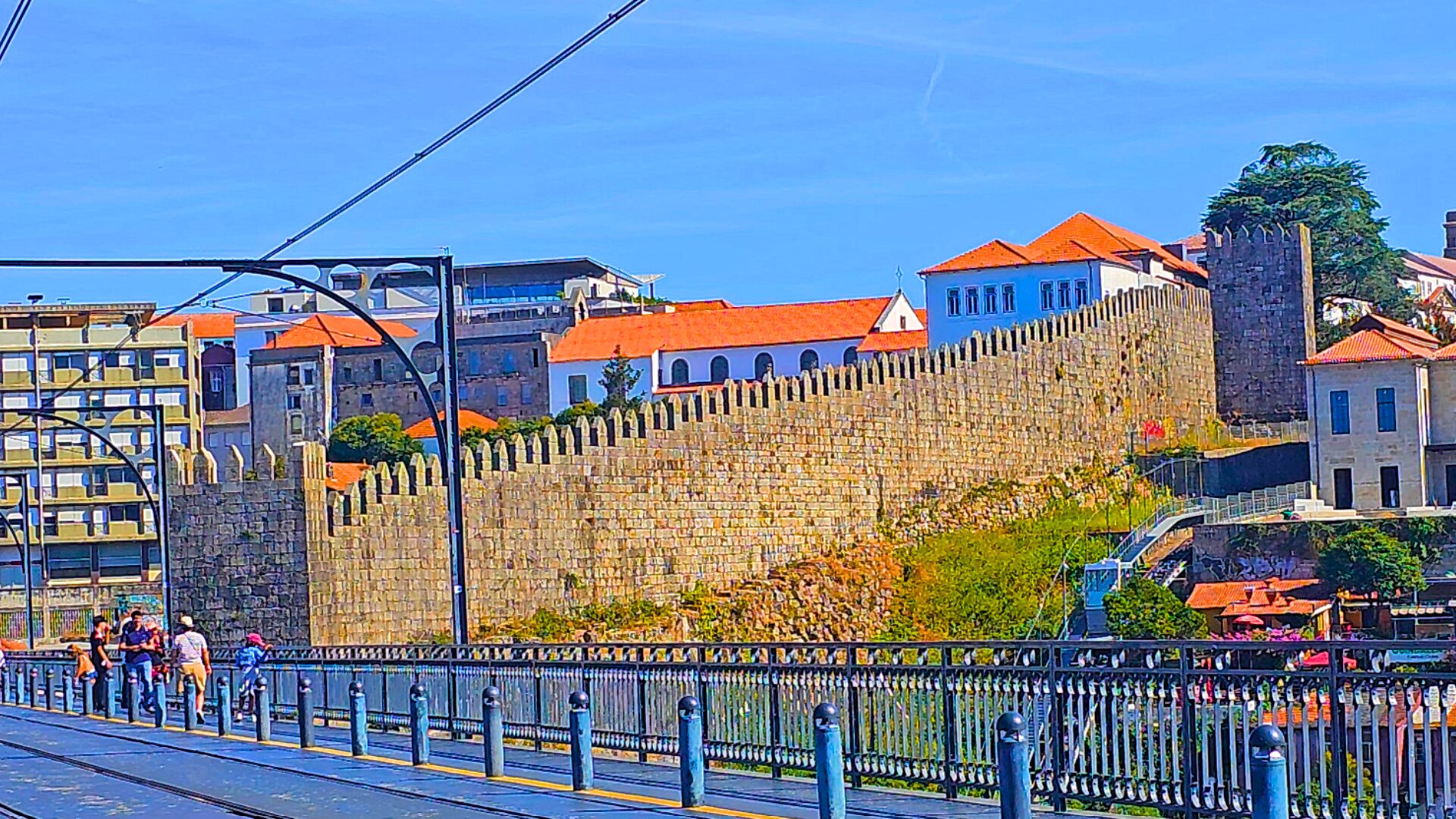
The medieval edge is still readable where wall, slope and viewpoint coincide. In Porto, the line of defence also becomes a line of vision.
Look for: where the city stops, drops, opens and frames the Douro.
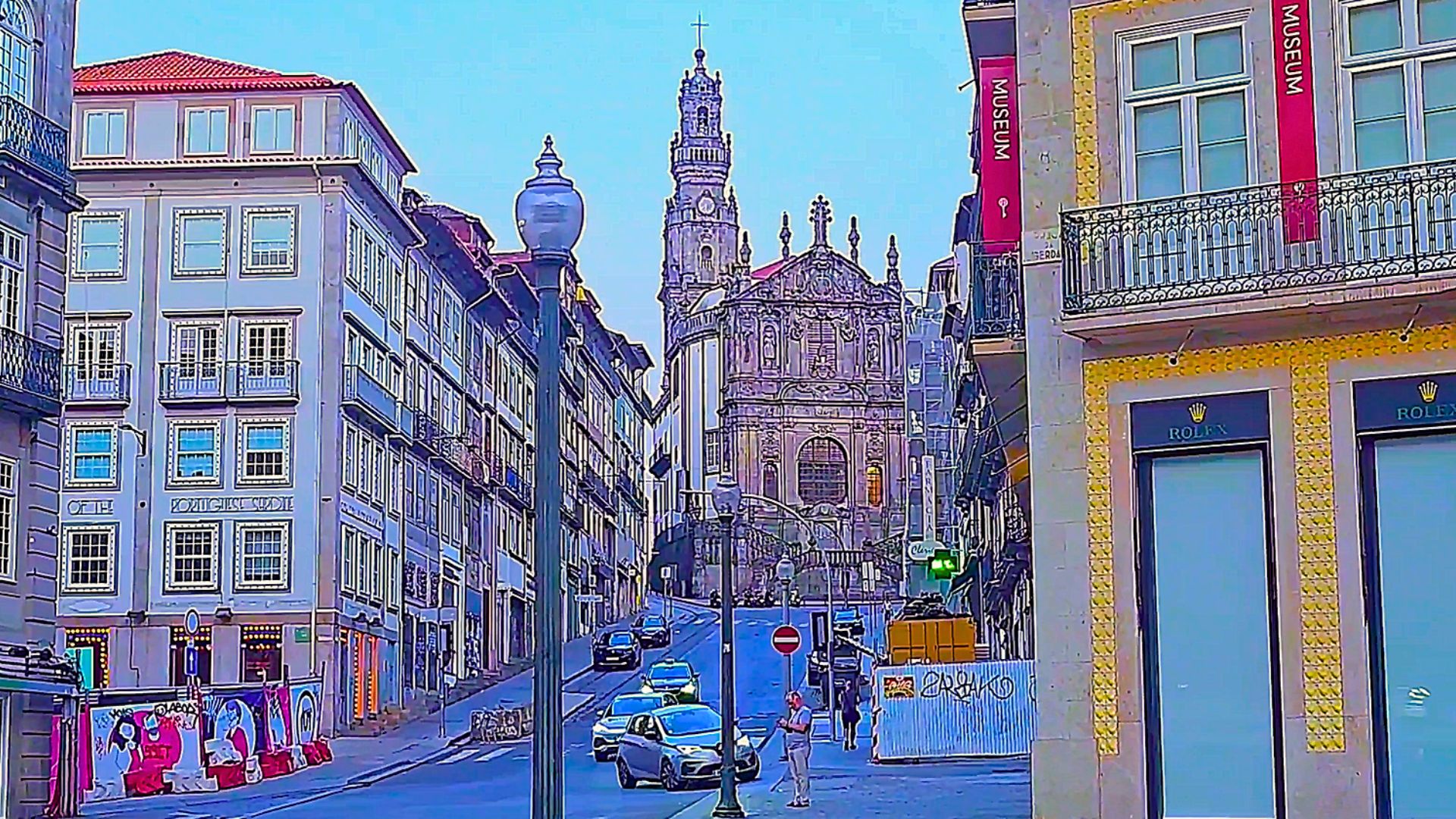
Clérigos is more than a monument. It is a vertical device in the city, a point of orientation and a way to recompose Porto from above.
Ask: does the tower work as architecture, landmark, urban compass or all three?
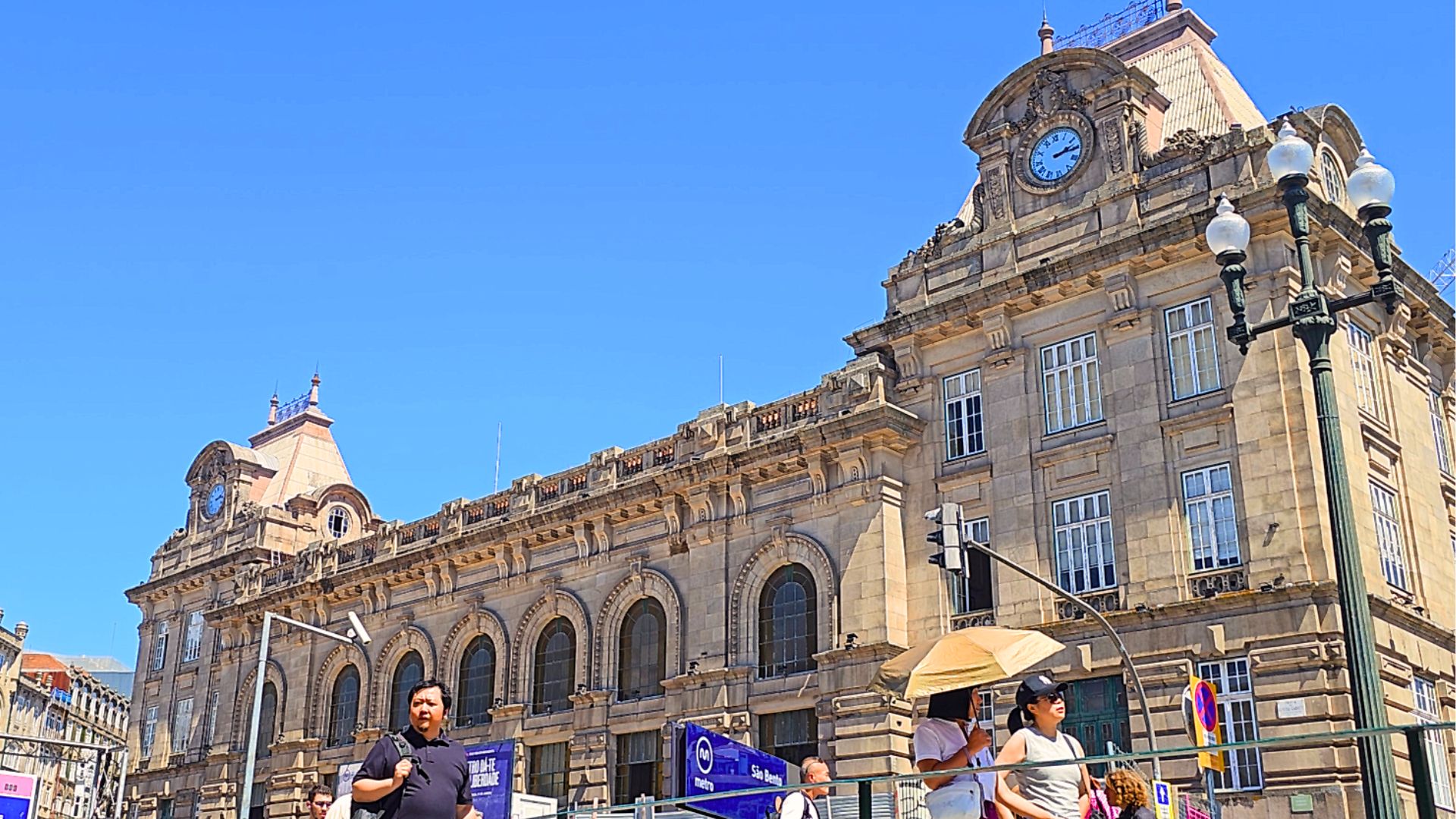
São Bento is a powerful hinge: convent site, railway station, tile narrative and public interior. It behaves as both infrastructure and civic room.
Look for: the contrast between railway machine and historical tile skin.
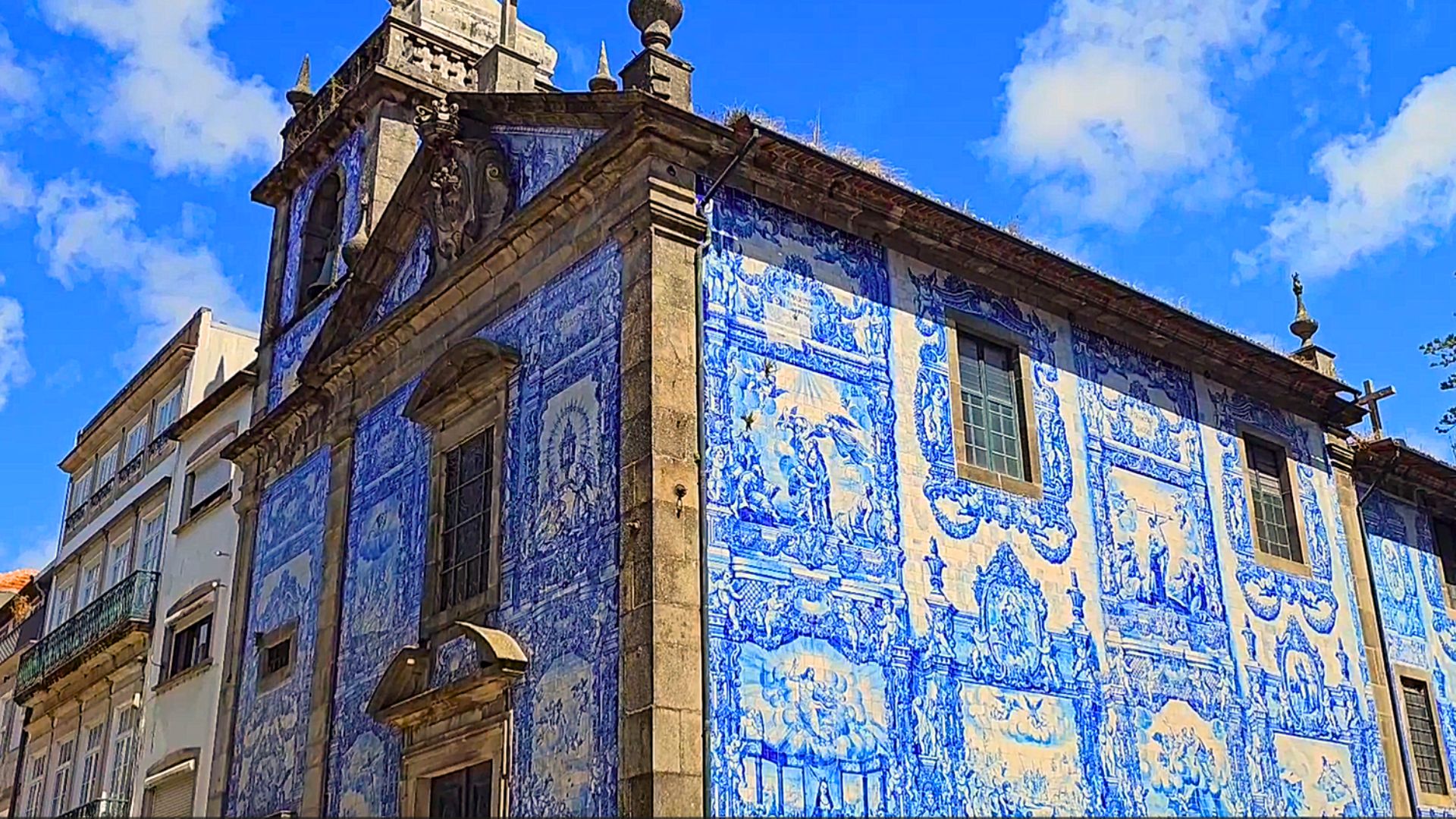
The blue tile façade makes a simple question visible: what came first, the architectural mass or the public image applied over it?
Look for: the edge between masonry, tile panel, street and urban spectacle.
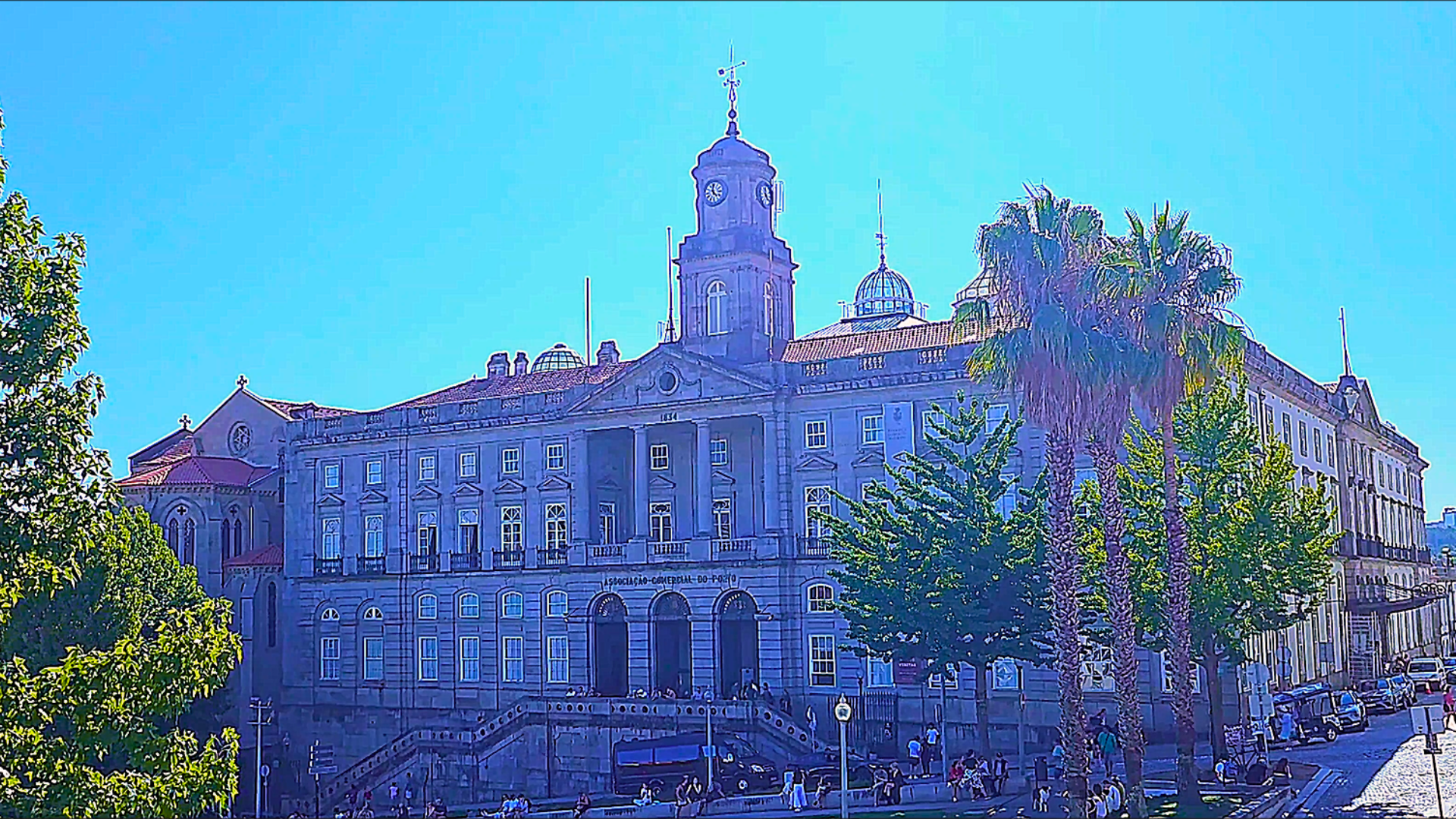
The mercantile city needed representation. Palácio da Bolsa stages commerce, authority and civic prestige through architecture.
Ask: what image of trade and power is being performed here?
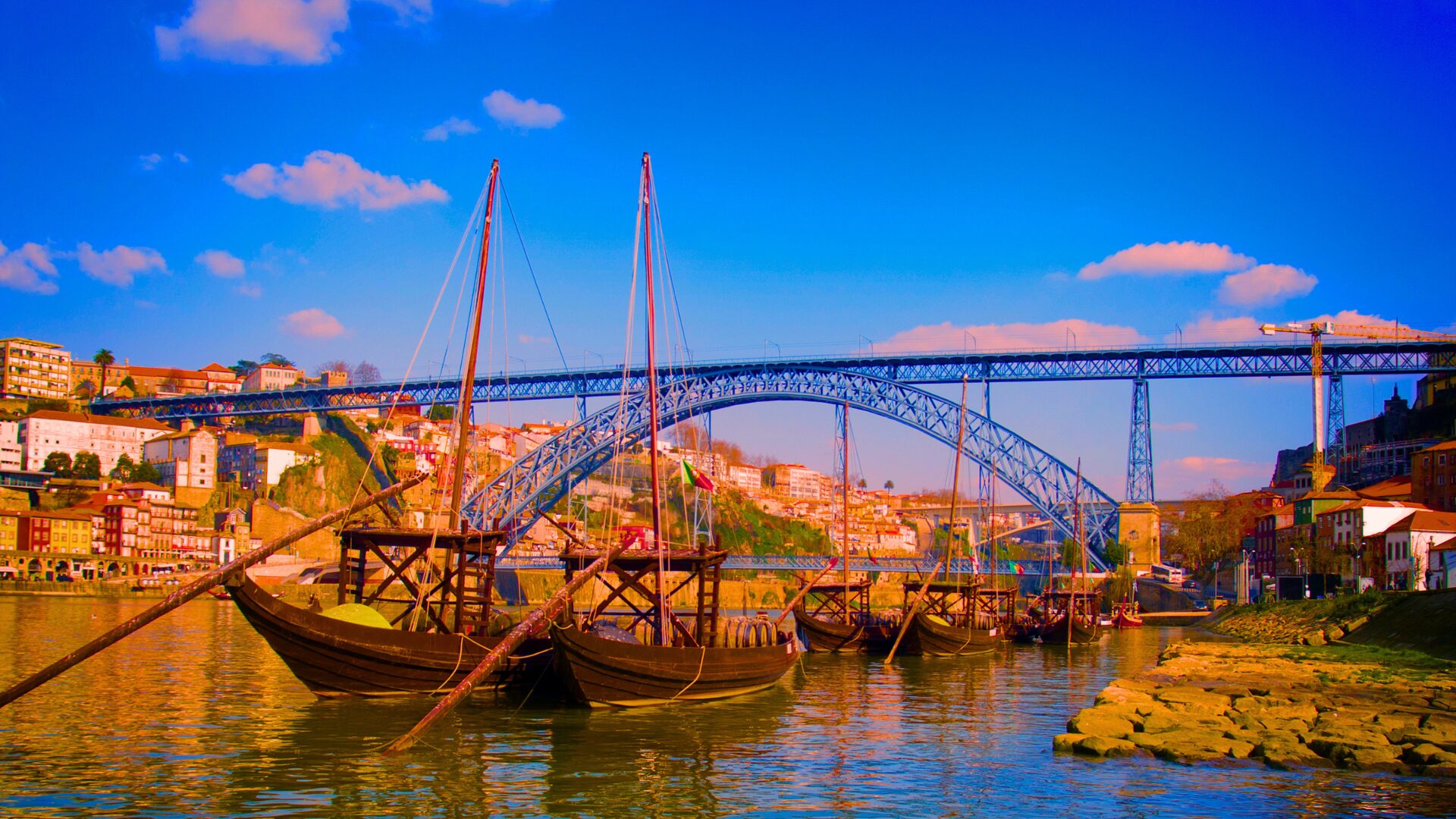
The bridge is not neutral infrastructure. It is an urban section, a viewpoint and a structural argument over a difficult landscape.
Look for: two decks, different speeds, river depth and the city seen as layers.
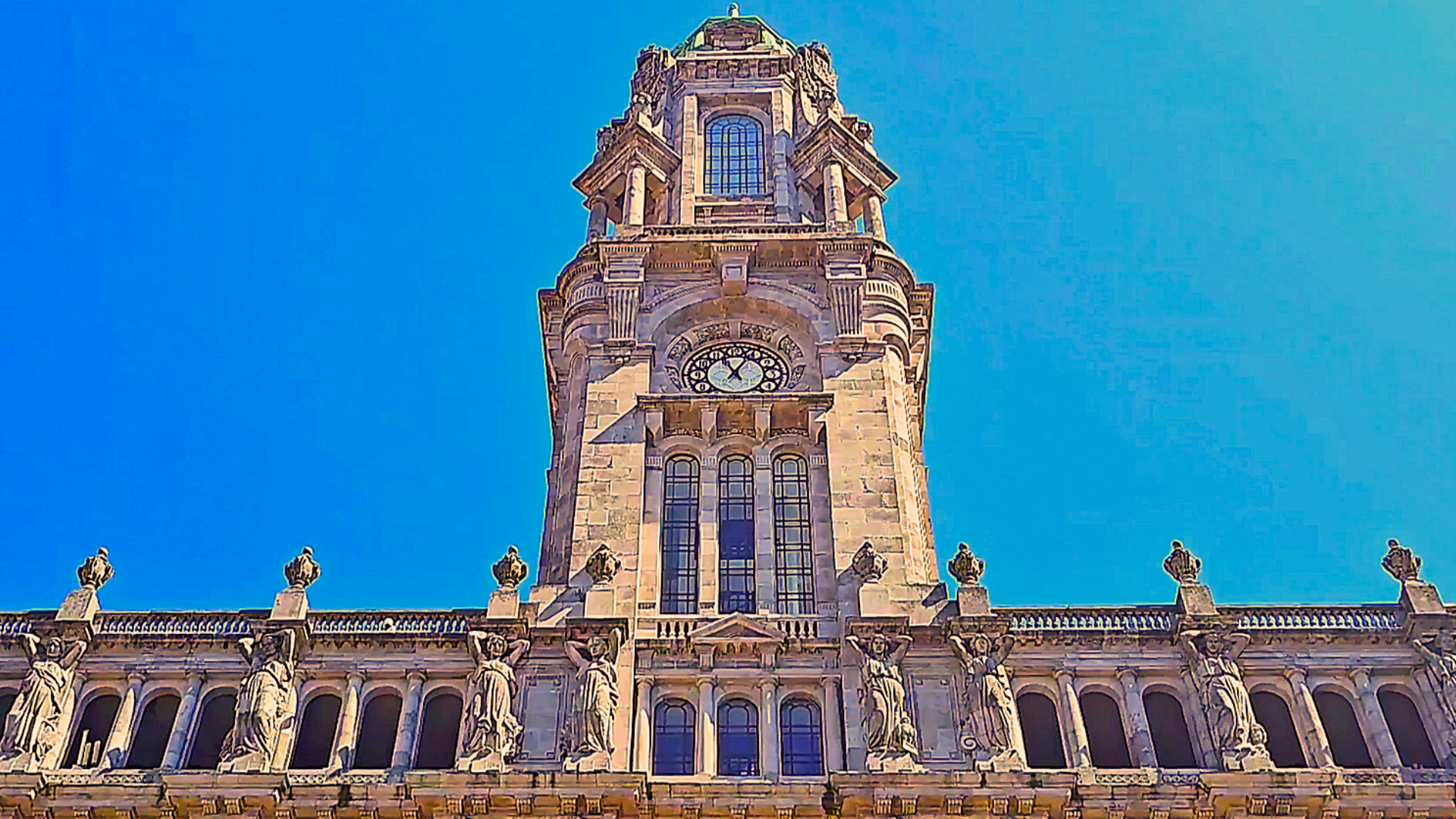
Avenida dos Aliados is not accidental. It is Porto presenting itself as civic centre: ordered, monumental, administrative and ceremonial.
Look for: scale, rhythm, granite façades and the choreography of public space.
Two architecture routes
The first route reads the old city from hill to river. The second reads the civic and contemporary city as a different architectural chapter.
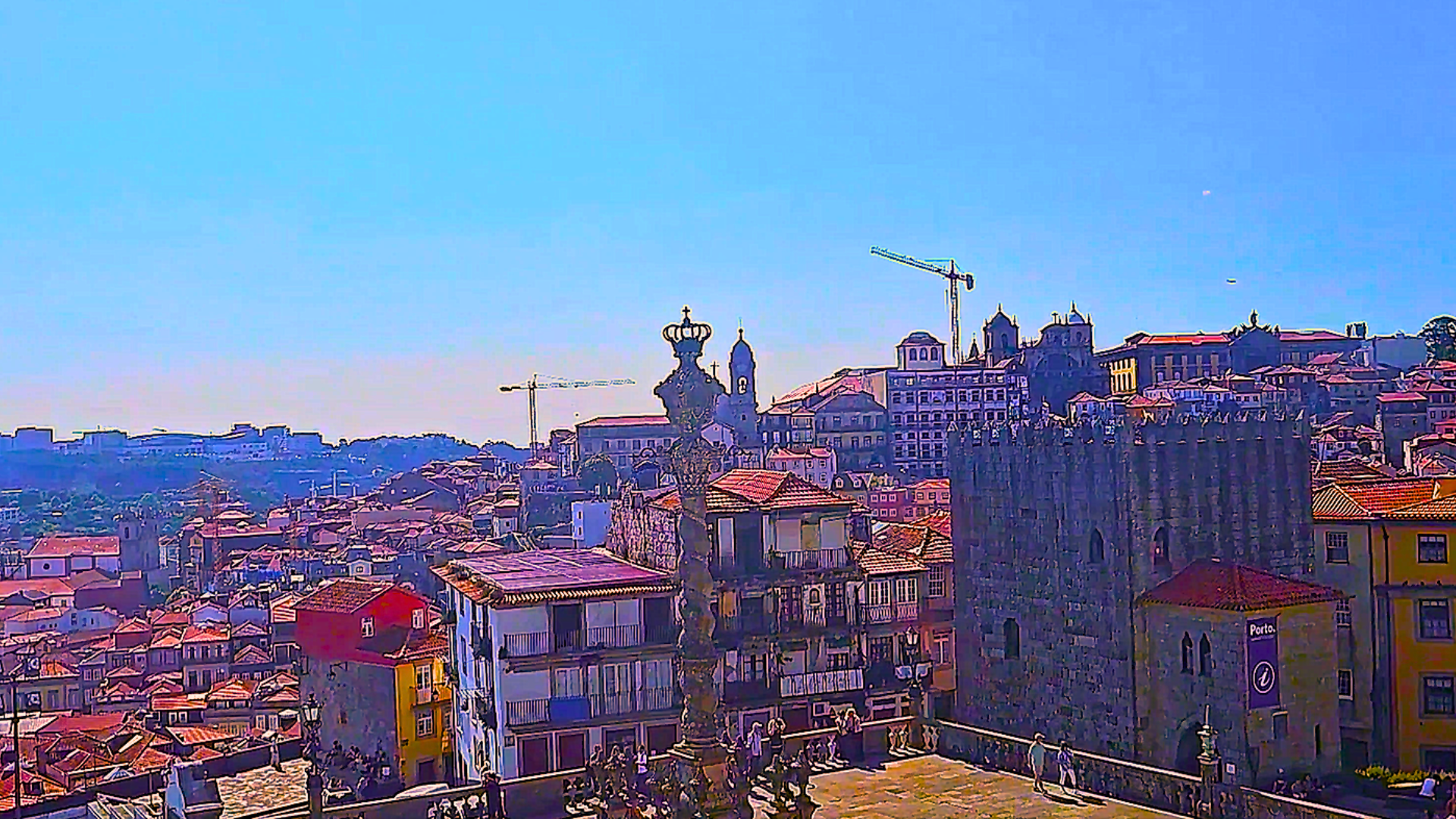
The strongest first reading of Porto: start at the episcopal hill, descend through medieval edges, cross visual layers and arrive at the mercantile riverfront.
Allow about two hours, more if you enter interiors or stop for drawings, photographs or viewpoints.
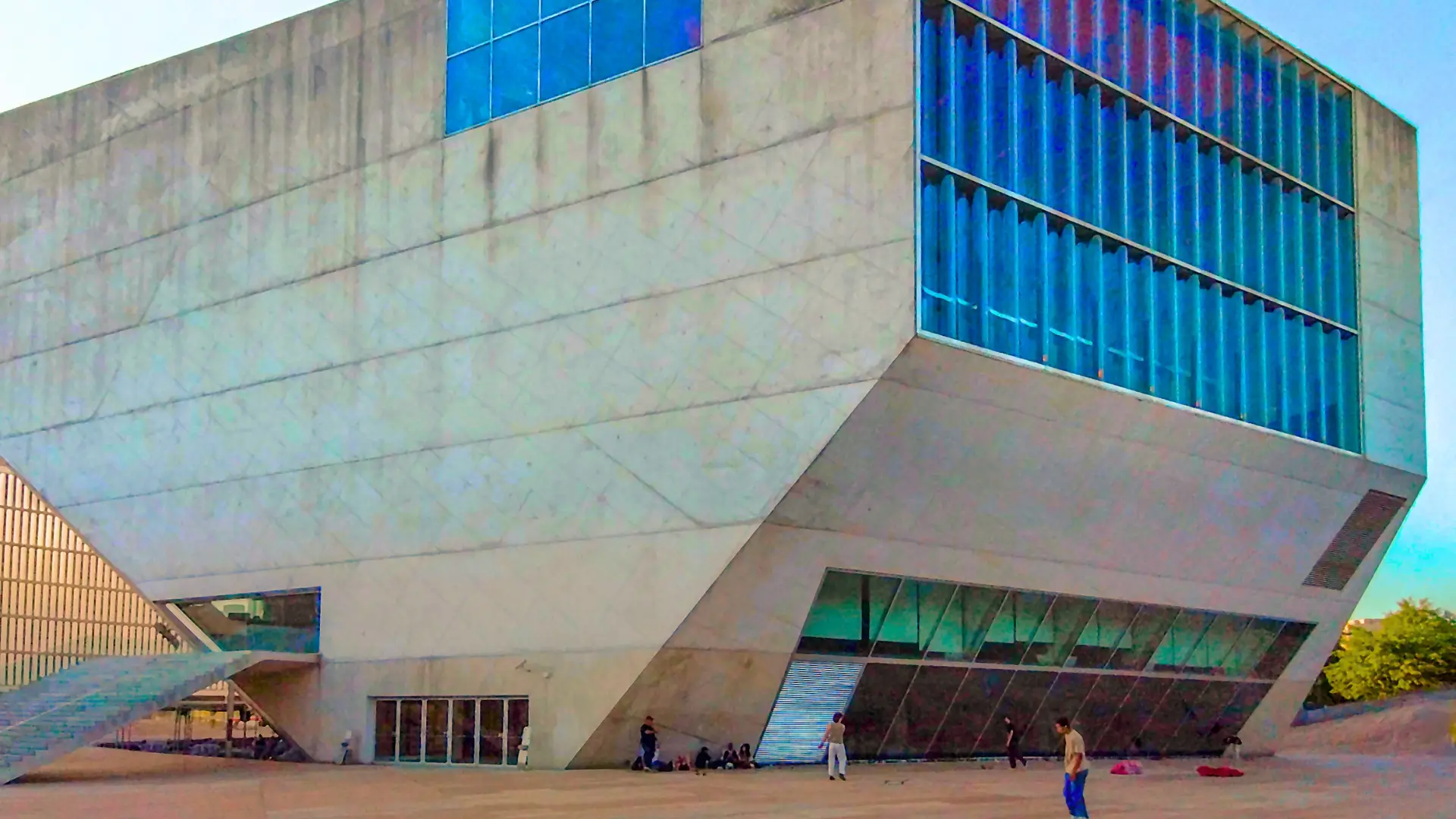
This route moves from the programmed civic centre to modern and contemporary cultural architecture. It works better with public transport between stages.
Use this as a conceptual route, not a forced walk. It is about understanding Porto beyond the postcard centre.
Material studies
These are not just details. They are the grammar of Porto’s built form.
Look at how stone frames openings, holds corners, forms steps and gives even ordinary buildings a sense of gravity.
Tile changes the relationship between building and street. It reflects light, tells stories and turns façades into urban surfaces.
Bridges, markets and railway structures show how engineering reorganised movement without deleting the older stone city.
The rhythm of small plots reveals a city of dense parcels, vertical houses, commerce at street level and domestic life above.
Porto rarely behaves like a blank slate. Older structures are reinterpreted, absorbed and made useful again.
Modern and contemporary Porto
The contemporary Porto that matters architecturally is not only about isolated icons. It is about institutions, public circulation, cultural programmes and the way new buildings negotiate older urban conditions.
Serralves connects museum space, light, garden and cultural institution through Álvaro Siza’s architecture. FAUP brings architectural education, composition and the Porto School into the city’s cultural geography. Casa da Música, designed by OMA / Rem Koolhaas, introduces a strong contemporary object that also works as foyer, plaza and public machine.
Visual mood
A moving glimpse of Porto’s architectural language, from churches and civic interiors to houses, tiles, cultural buildings and river crossings.
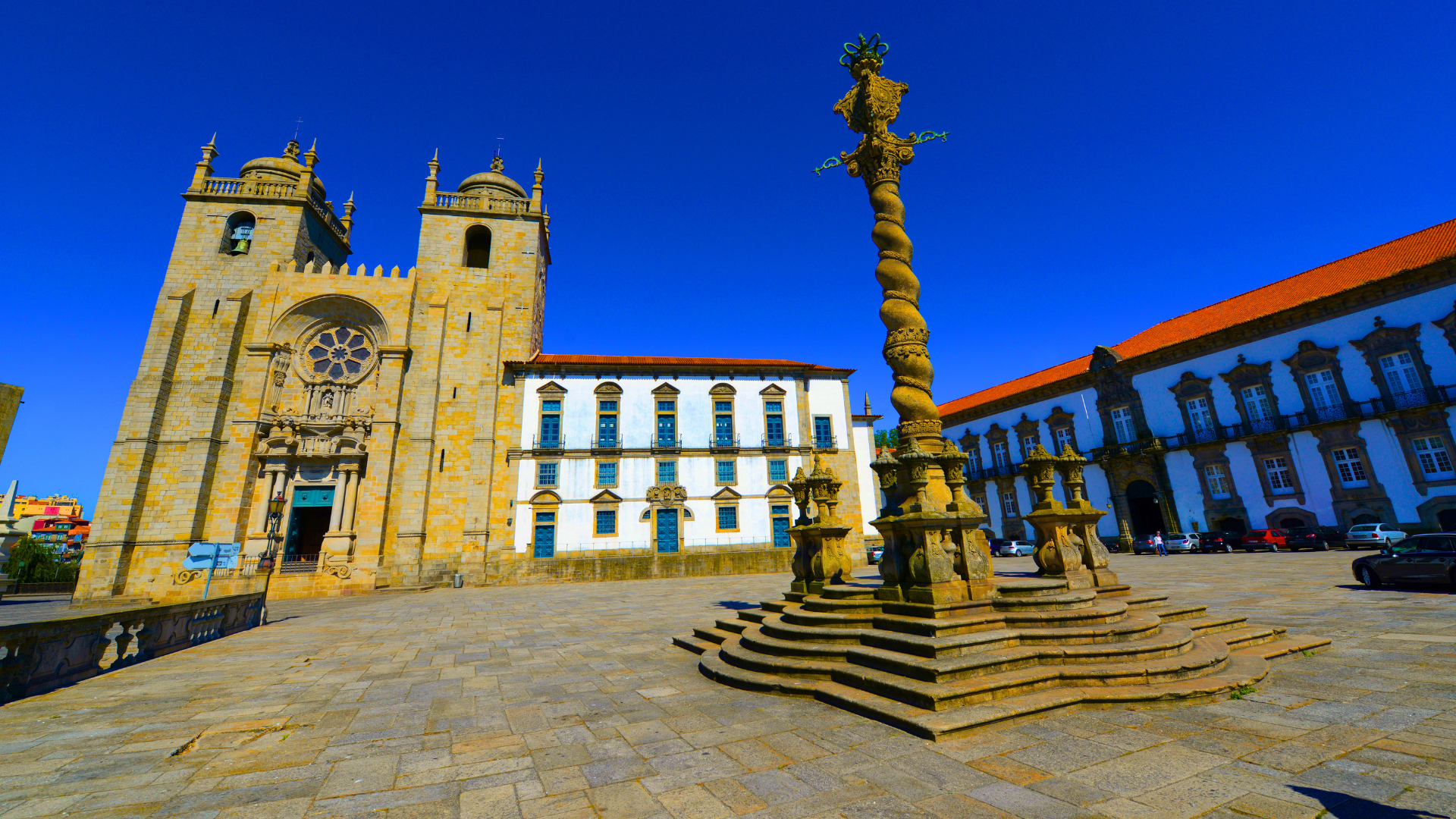 Medieval stone
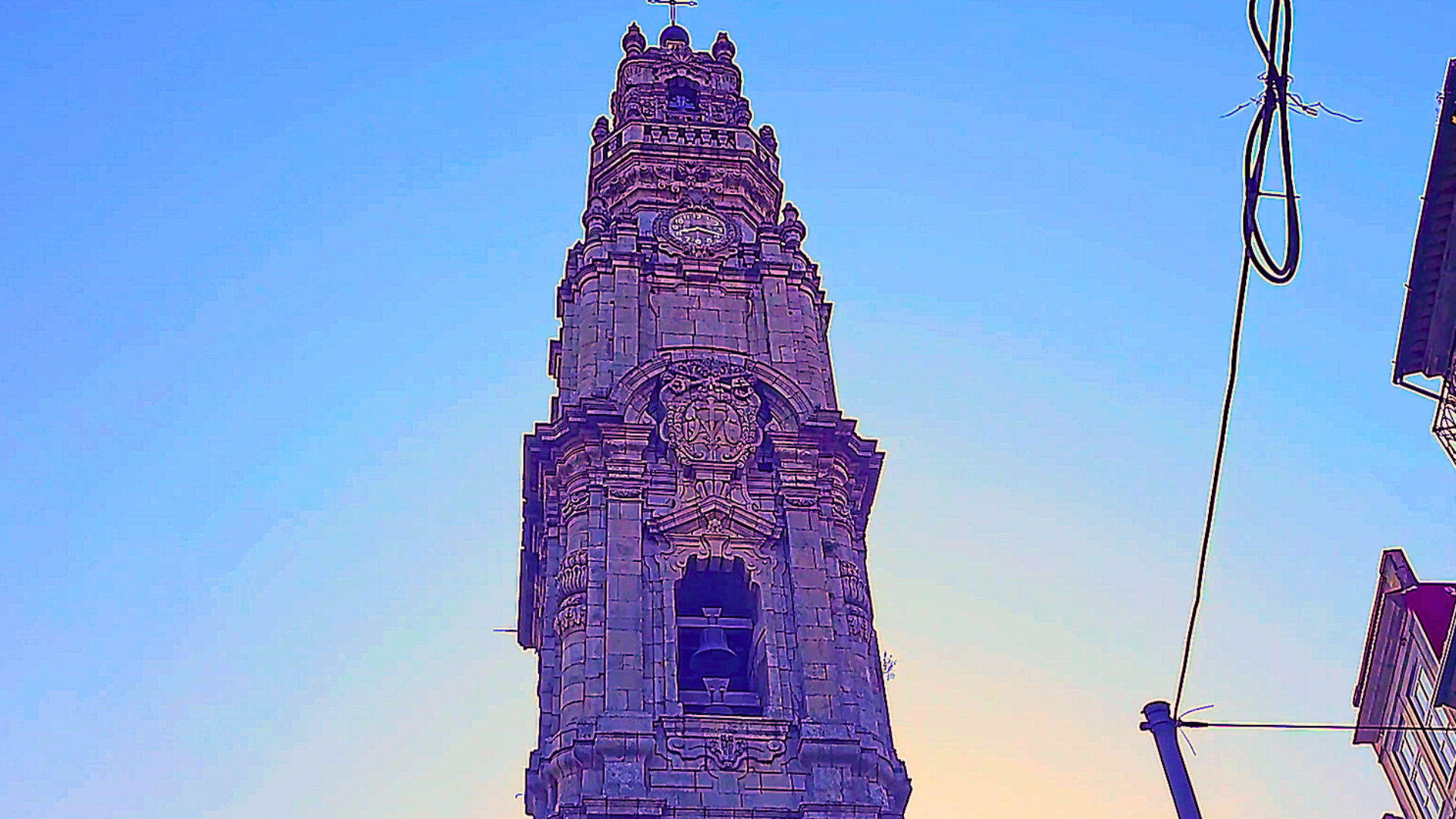 Vertical mark
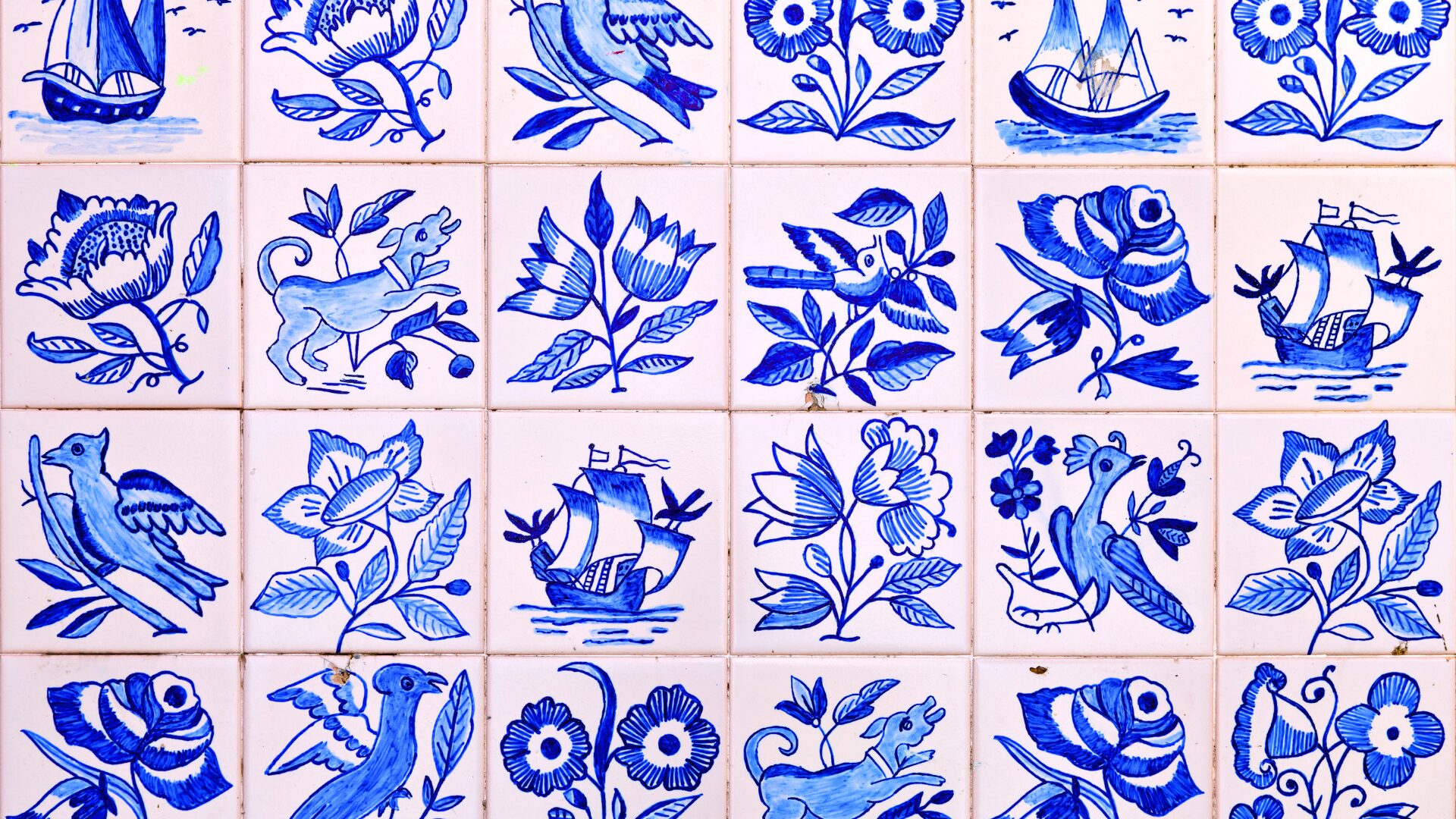 Surface
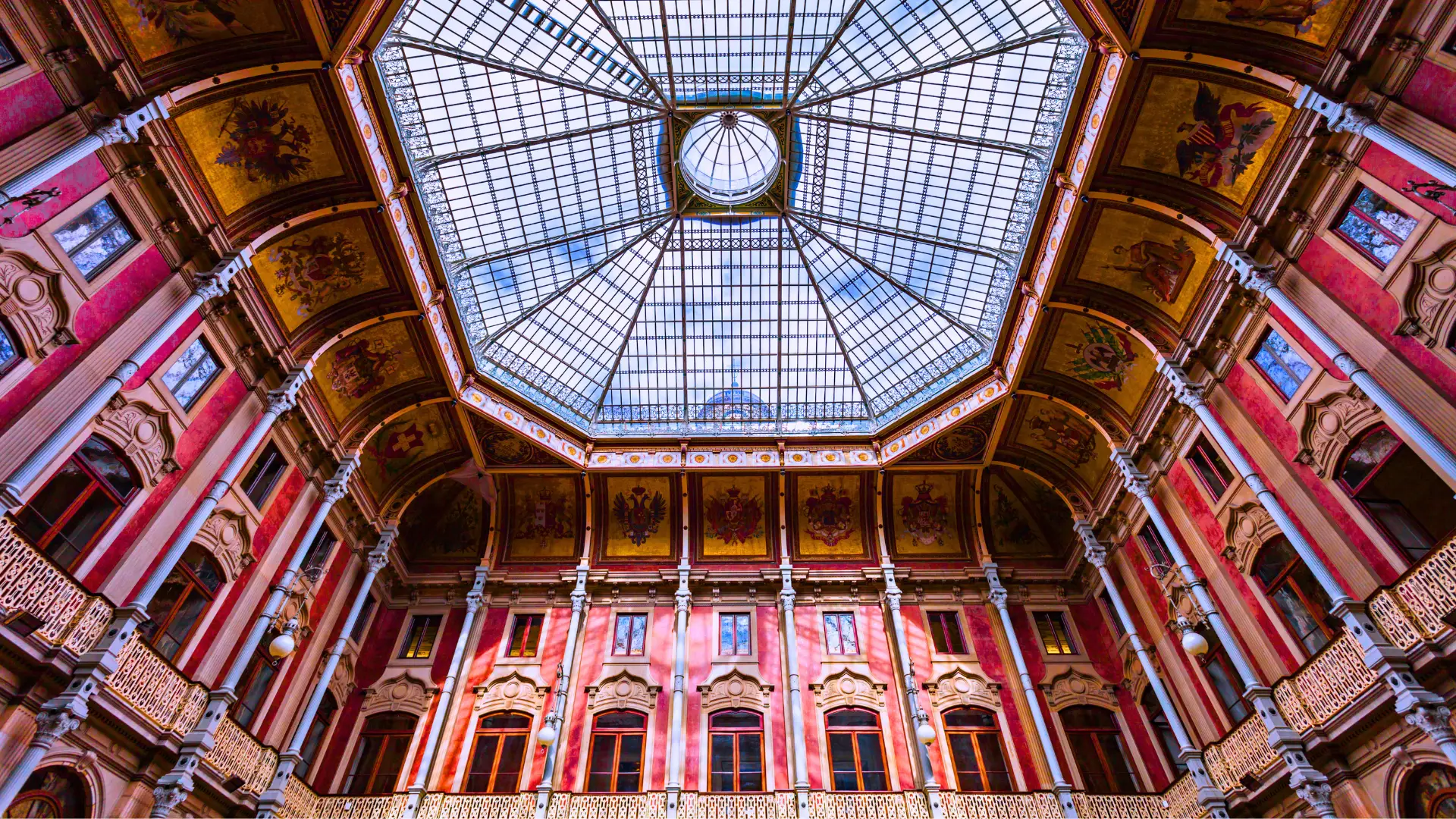 Interior power
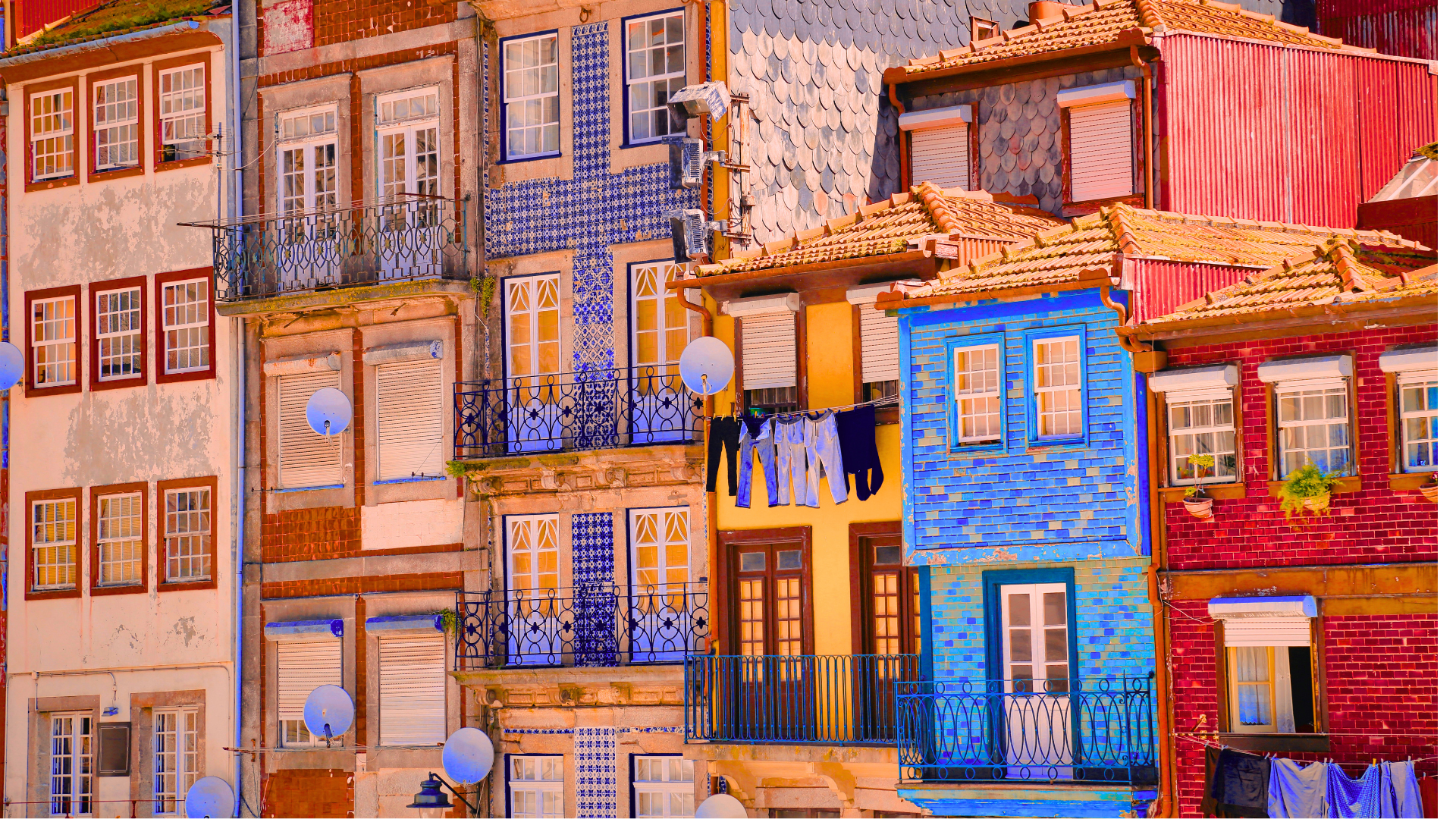 Narrow plots
Casa da Música
Narrow plots
Casa da Música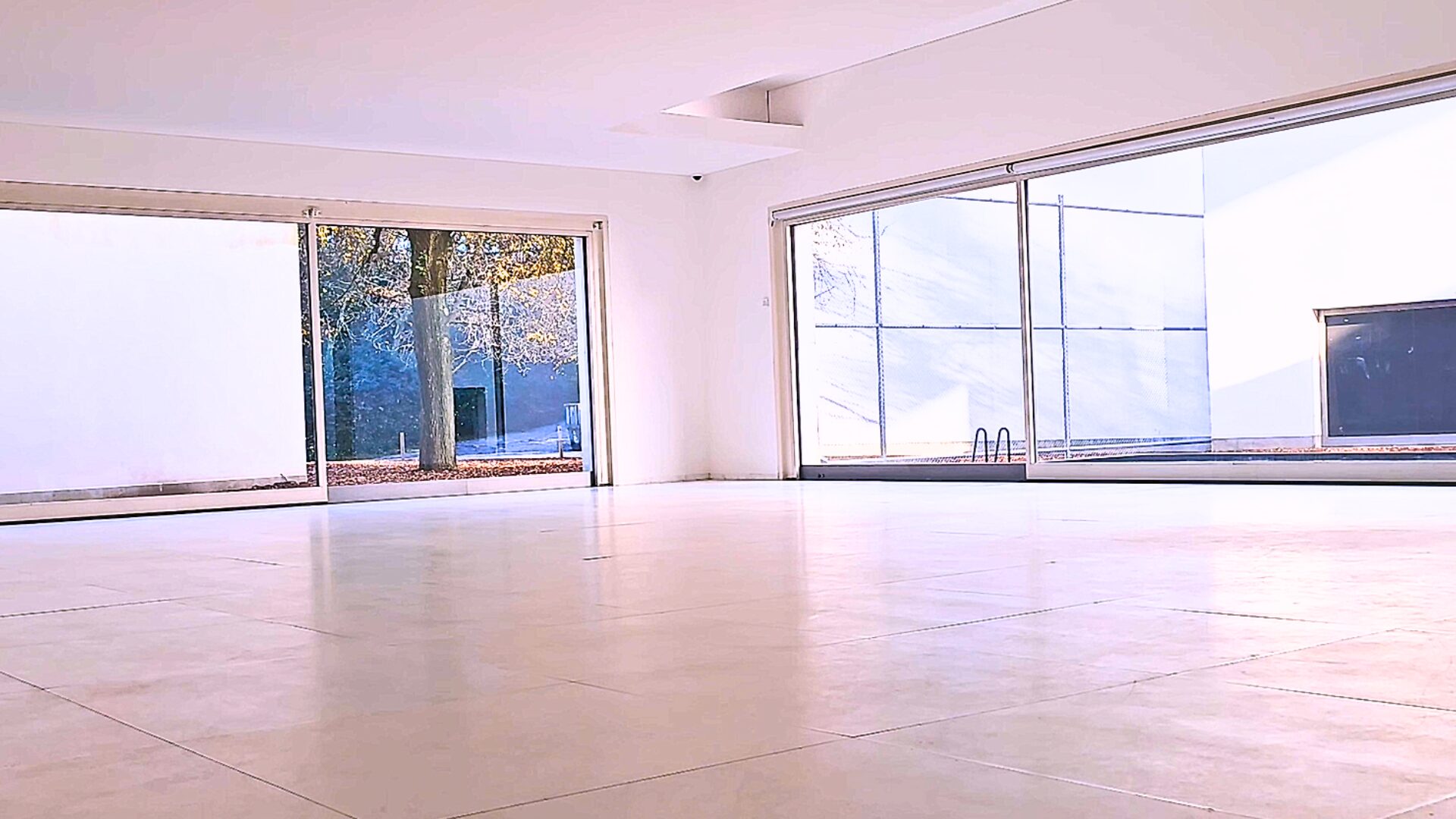 Siza interior
Civic axis
Siza interior
Civic axisWalking prompts
These prompts make the page useful for people who enjoy architecture, urban form and material reading.
Separate masonry, frame, cladding, tile, paint and later additions. Porto becomes clearer when you distinguish support from surface.
Look for stairs, retaining walls, terraces, viewpoints and façades that respond to slope instead of ignoring it.
Worship, trade, defence, transport, spectacle, housing and culture create different spatial behaviours.
Ask what previous layer remains visible. Porto often preserves traces instead of producing a completely clean break.
Read next
These guides connect naturally with the architectural route and help you keep looking at the city with more attention.
Azulejos, façades, doors, balconies, windows and small material encounters.
Open guide Photography RouteLight, viewpoints, surfaces, streets and architectural fragments.
Open guide Historic CentreSé, Ribeira, old streets, views and the oldest layers of Porto.
Open guide Culture and MuseumsInstitutions, interiors, cultural buildings and the city’s public memory.
Open guideFinal thought
First you see a beautiful city. Then you begin to read it: ground, stone, tile, iron, bridge, house, tower and river, all written over one another.