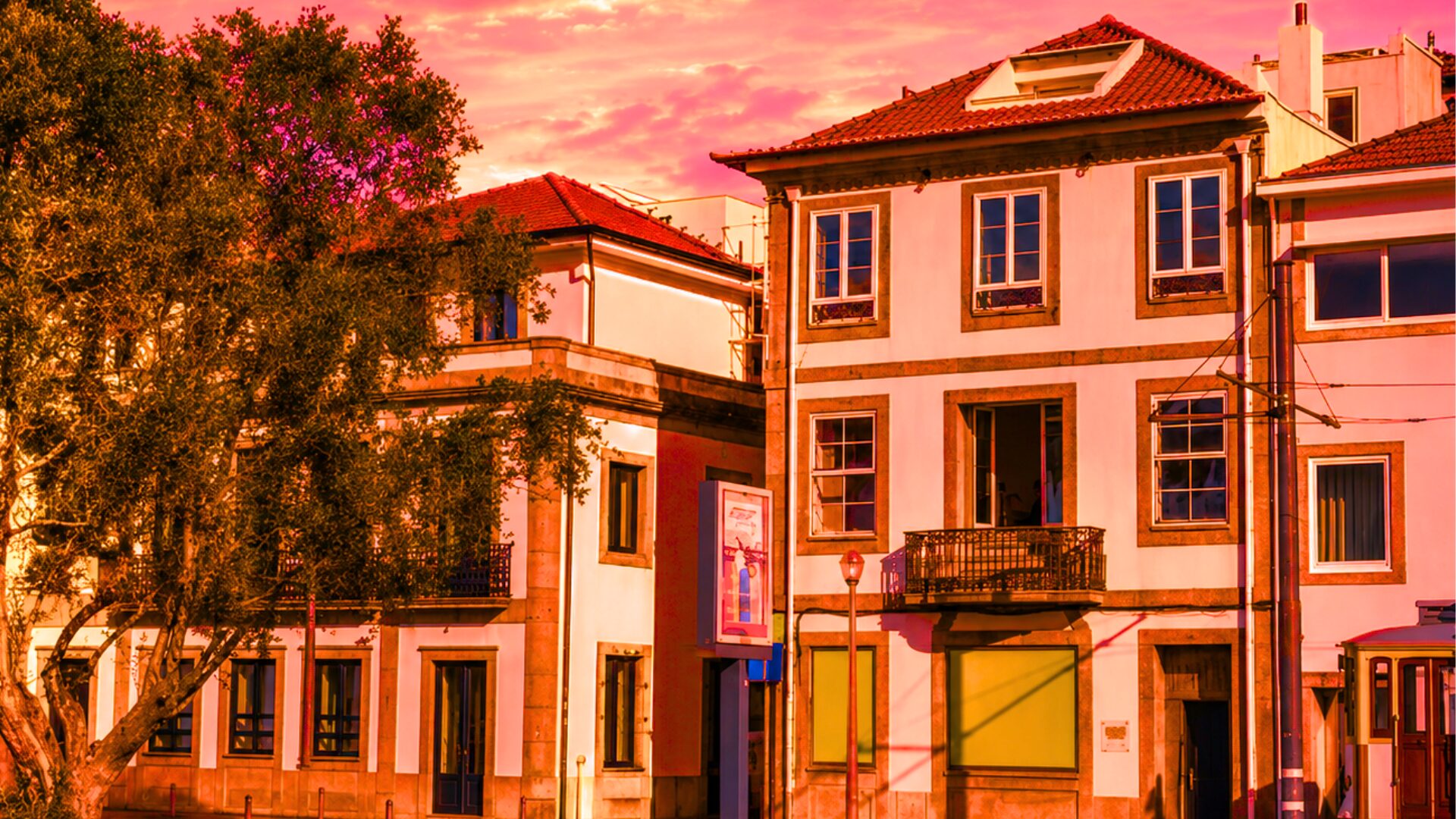
Old Cadeia da Relação square in Porto, connected to Amor de Perdição

GoldenPorto special route

Literary Porto

A route through writers, bookshops, cafés, poetry, scandal, memory and the places where literature still lives in the city.

This is not a route for travellers in a hurry. It is for readers, writers and curious people who enjoy discovering the stories behind places.

Porto is a city of literary layers

Literary Porto is not only made of books. It is made of lives, scandals, cafés, prisons, gardens, monuments, libraries, spoken poetry and streets where writers become part of the city’s memory.

This itinerary begins with the dramatic world of Camilo Castelo Branco, moves through Lello, Cordoaria, Majestic and Guarany, and then opens into a softer Porto of gardens, poetry, childhood and the sea. The goal is not only to visit literary places, but to understand what each place adds to the story.

If you love books, writing, old cafés, biographies and places with stories behind them, this route is meant to be read slowly. The more you know before arriving at each stop, the more interesting the city becomes when you stand there.

Literary pause

“Simão Botelho amava. Aí está uma palavra única…”

“Simão Botelho loved. There is one single word…”

Camilo Castelo Branco, Amor de Perdição

A single sentence is enough to open the emotional door of the route. Near the former Cadeia da Relação, Camilo is not only a name from Portuguese literature. He becomes a writer whose life, scandal and fiction seem to meet in the same place.

Quick answer

What is the best Literary Porto route?

The strongest route begins around Santa Catarina and the historic cafés, continues to Aliados, Livraria Lello, Cordoaria and the former Cadeia da Relação, then expands towards Arca d’Água, Palácio de Cristal, Jardim Botânico, Eugénio de Andrade’s poetic library and the Foz.

The essential version can be done mostly on foot in the historic centre. The extended version is more poetic and ambitious, adding gardens, memory, the sea and a softer side of Porto’s literary imagination.

If you only have a few hours, focus on Lello, Cordoaria and the former Cadeia da Relação. If you have more time, extend the route towards gardens and poetry. That is where Literary Porto becomes more personal and less obvious.
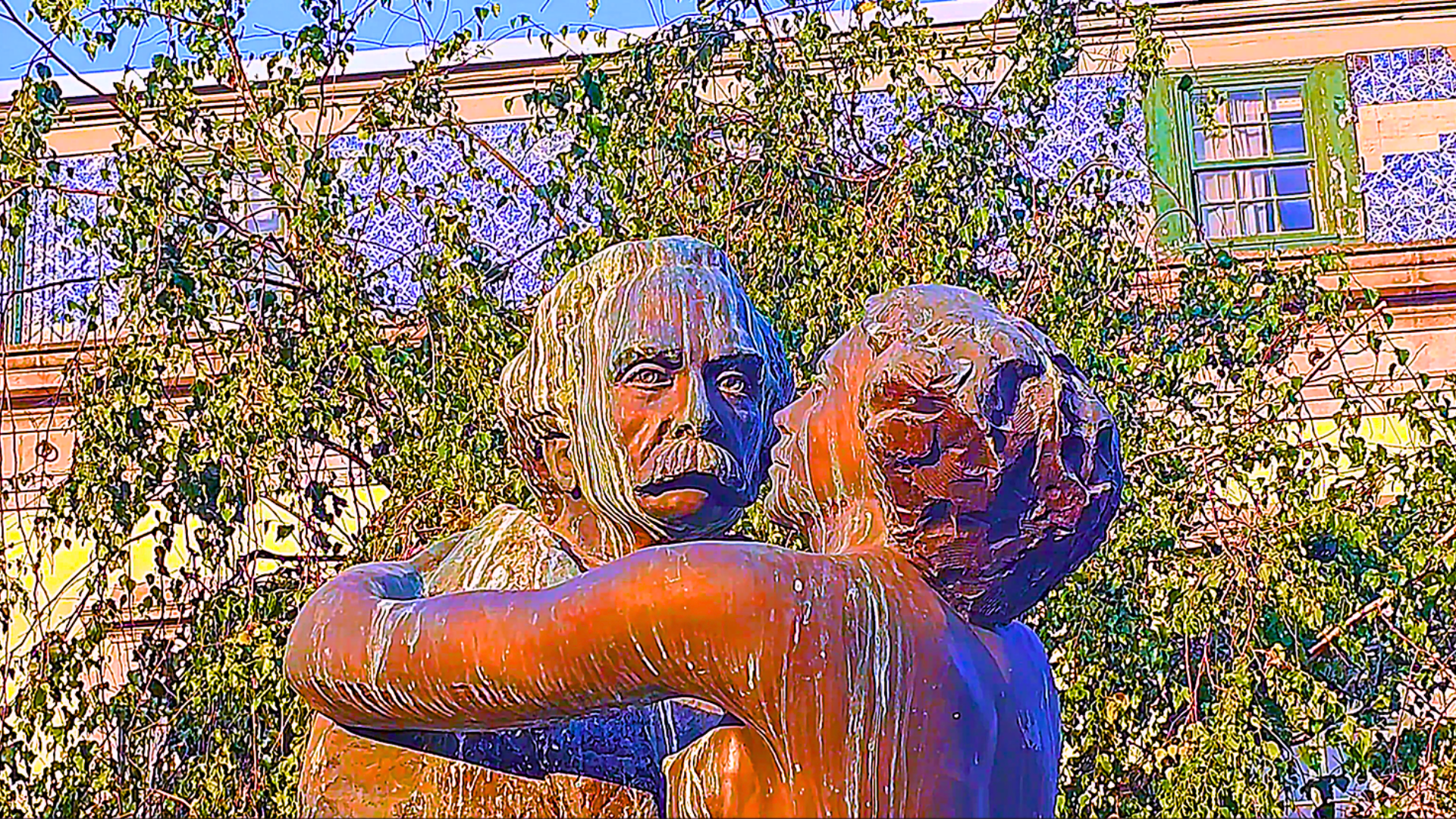
Sculptures connected to Camilo Castelo Branco and Ana Plácido in Porto
Camilo, Ana Plácido and literary drama
Cadeia da Relação and Amor de Perdição square in Porto

The dramatic heart

Camilo, prison and Amor de Perdição

A literary route through Porto should not begin with a postcard. It should begin with a scene: Camilo Castelo Branco, Ana Plácido, public scandal, a prison cell and one of the most famous love stories in Portuguese literature.

Camilo fell desperately in love with Ana Plácido, a married woman, and the two began a love affair. When their relationship was discovered, it became a public scandal. At the time, adultery was not only a moral offence, it was also treated as a crime.

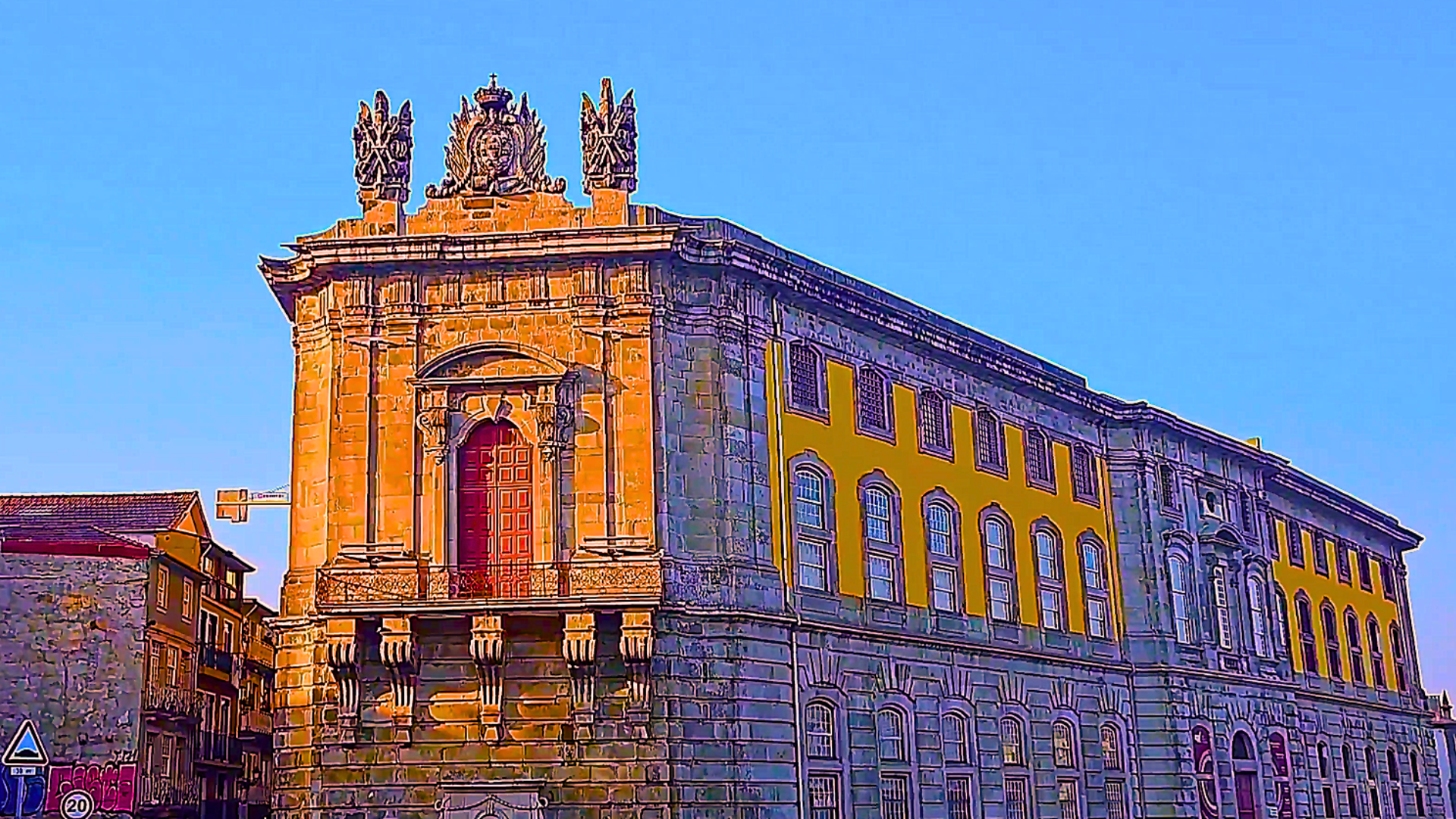
In 1860, Camilo was imprisoned in the former Cadeia da Relação, and Ana Plácido was also arrested. Their story mixed forbidden love, social judgement, morality and the law, turning their private passion into one of the most talked-about cases of the time.

During this period, Camilo wrote Amor de Perdição, a tragic love story that became one of the great works of Portuguese literature. This makes the former prison much more than a historic building: it becomes a place where biography, passion, scandal and fiction seem to overlap.

Today, the building is connected to the Centro Português de Fotografia, but for this itinerary it also works as the dramatic heart of Literary Porto. It is the stop where the city feels almost like a novel.

Camilo Castelo Branco Ana Plácido Amor de Perdição Cadeia da Relação

Books, cafés and public life

Where literature became part of Porto’s public life

In Porto, literature did not stay hidden inside books. It passed through cafés, bookshops, monuments, streets and public debates. This part of the route shows how writers and ideas became visible in the city.

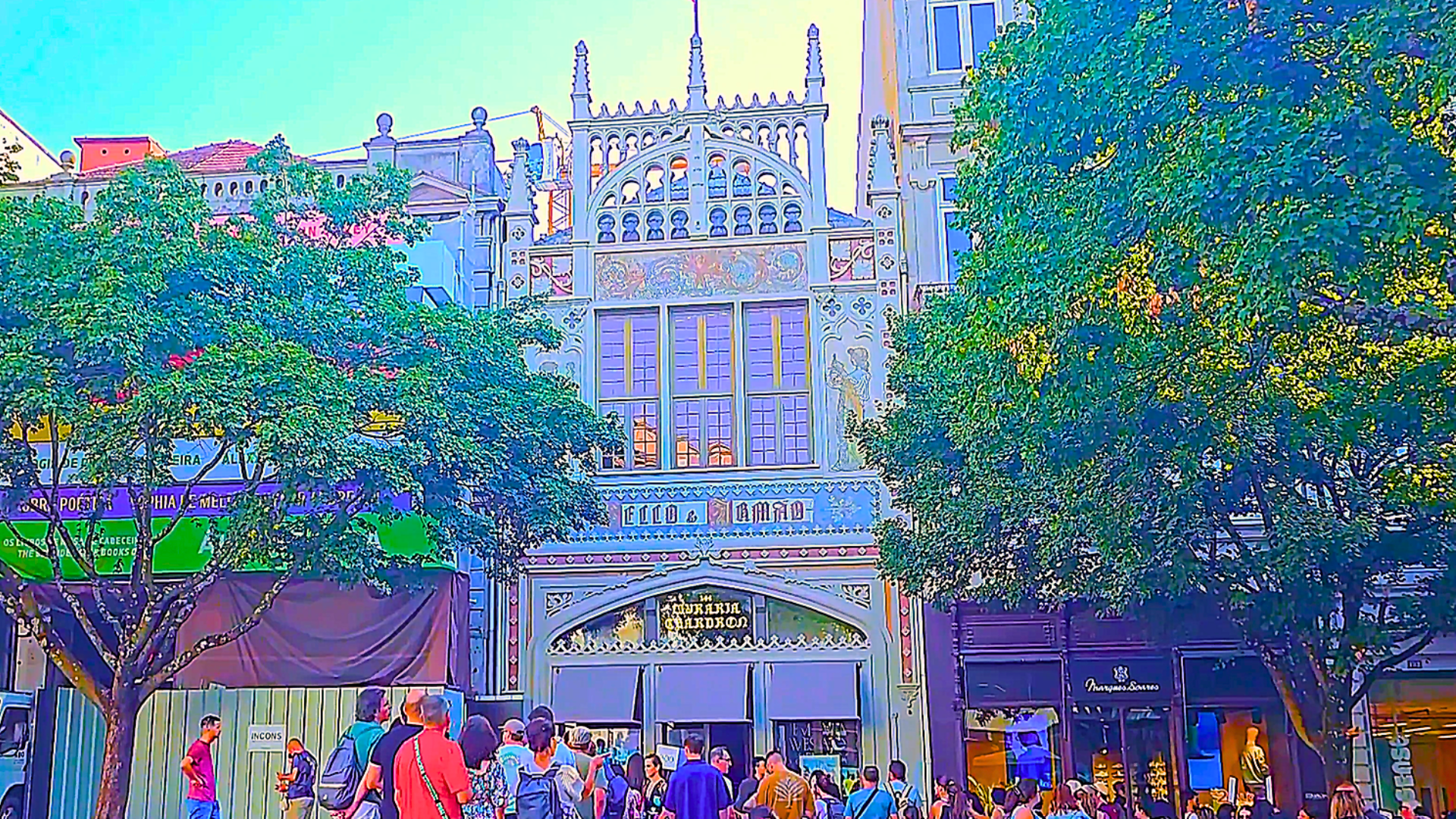
Livraria Lello in Porto
Bookshop icon

Livraria Lello

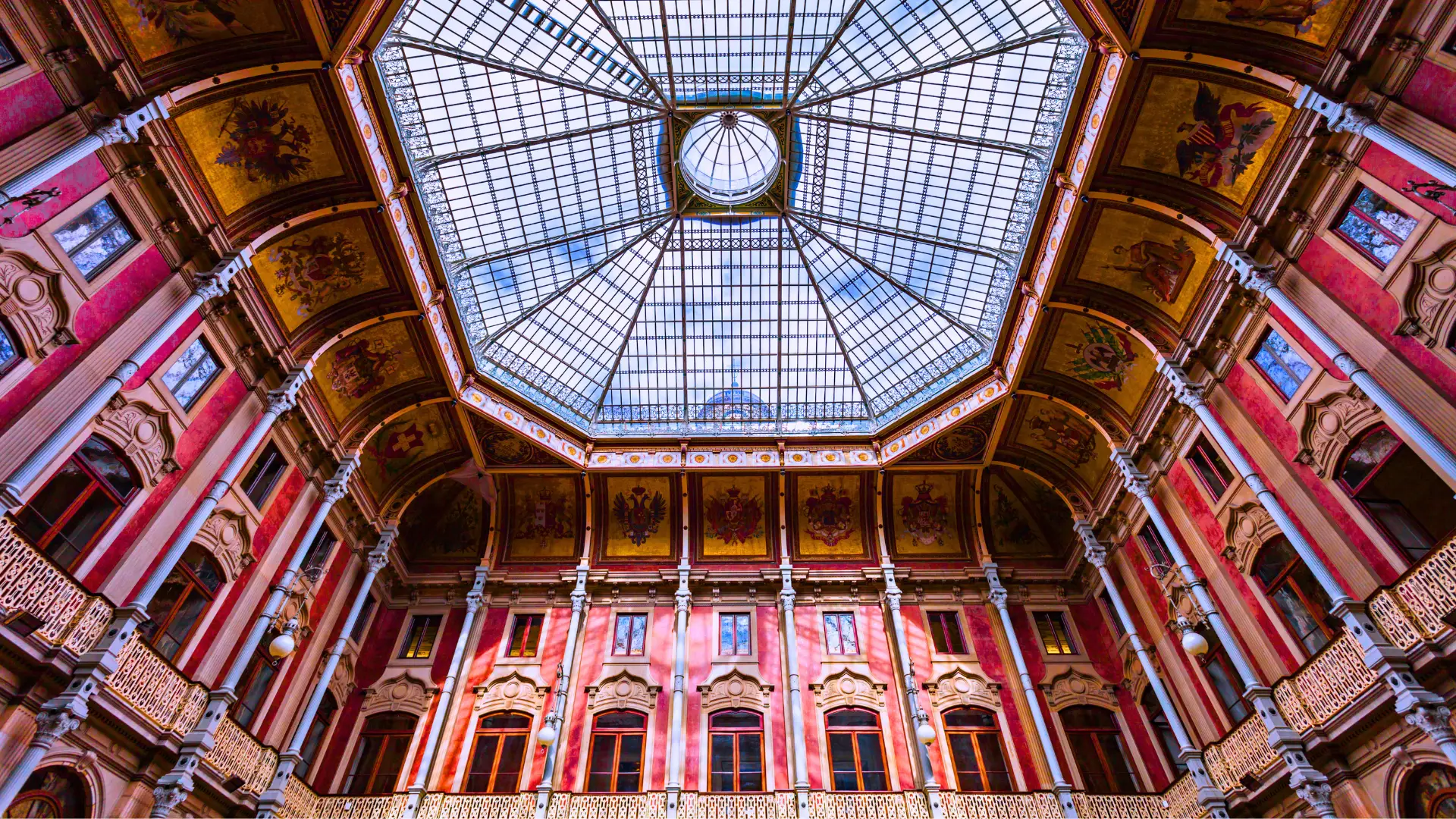
Livraria Lello is often seen as one of Porto’s most photographed places, but in this route it should be read differently. It represents the moment when a bookshop becomes architecture, cultural symbol, public stage and part of the city’s literary identity.

Instead of seeing it only as a beautiful interior, look at it as a place where books became spectacle, memory and tourism at the same time.

Route stop
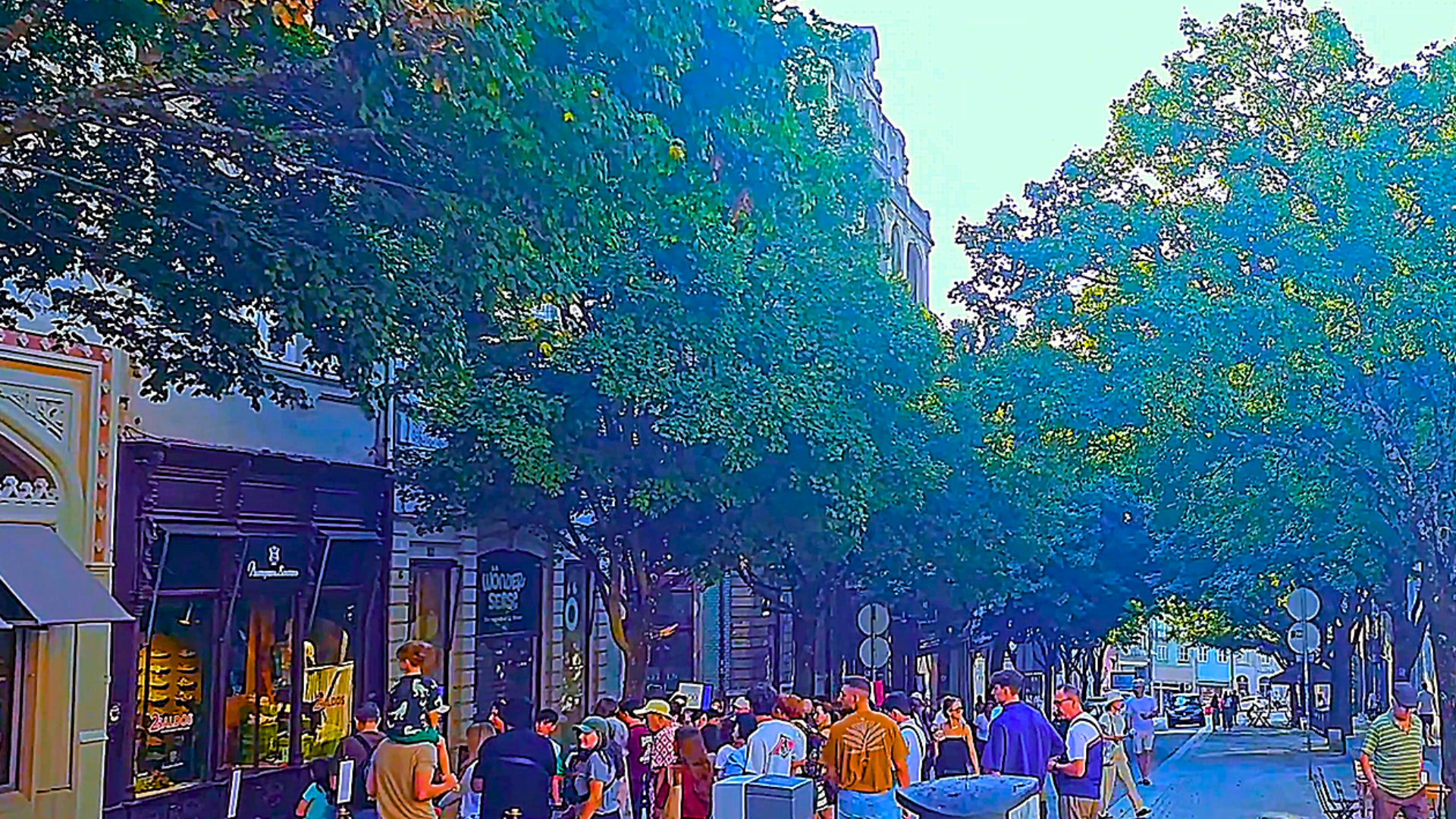
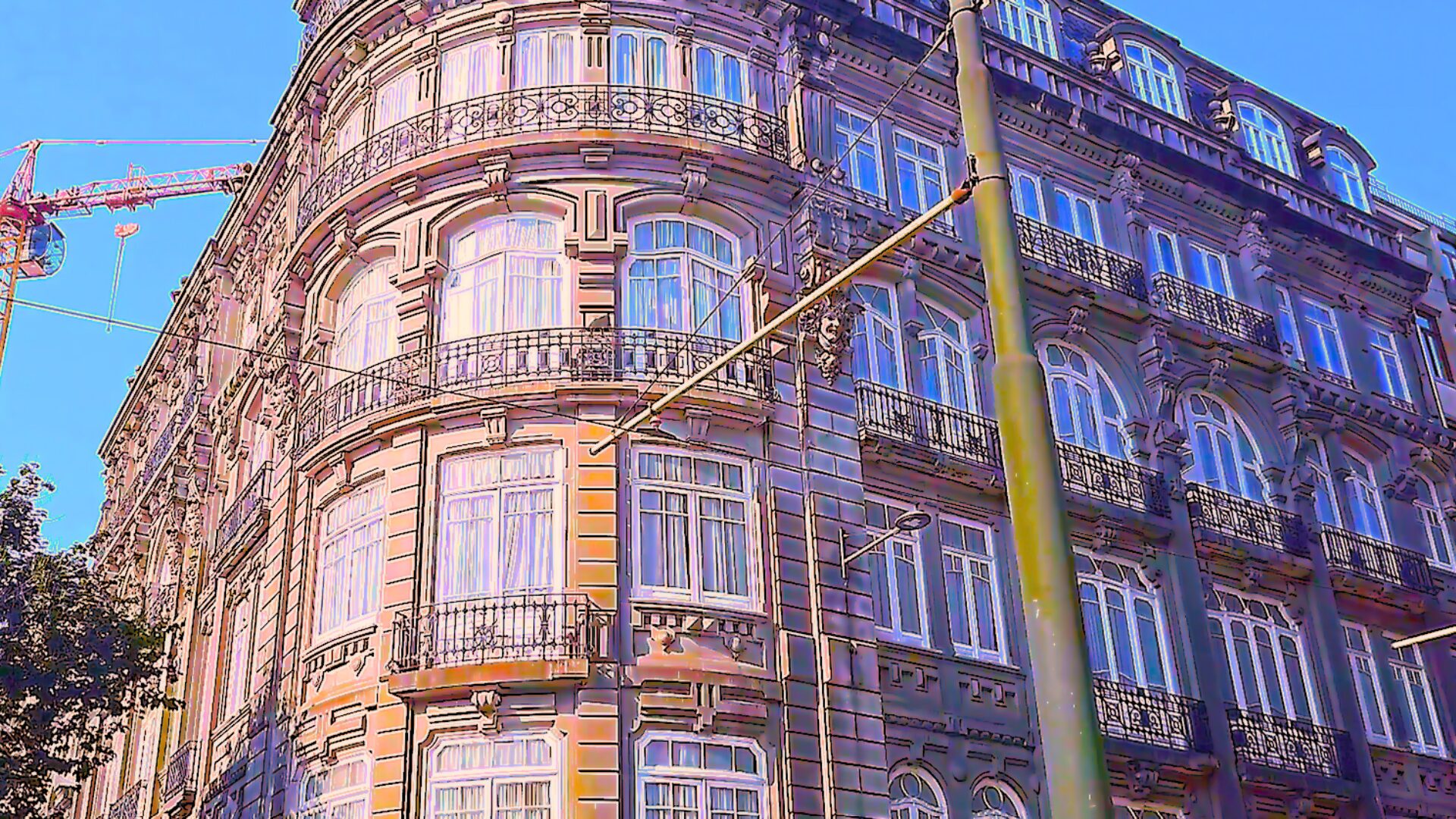
Street near Livraria Lello in Porto
Literary streets

Lello, Clérigos and Cordoaria

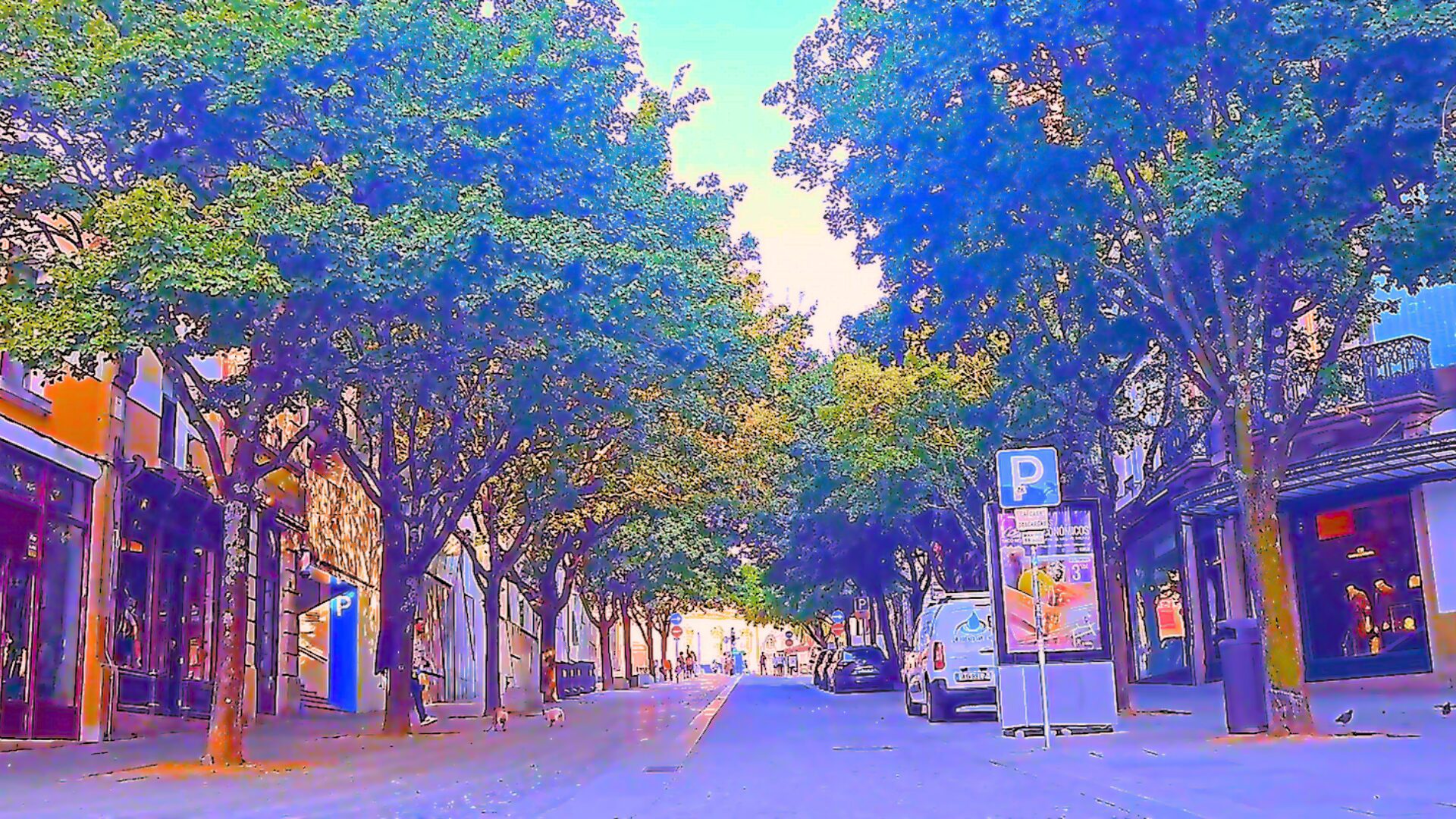
This area is the most walkable literary core of Porto. Within a short distance, you find Livraria Lello, cafés, old academic streets, monuments to writers and the former prison connected to Camilo Castelo Branco.

For visitors, this is where the route starts to feel layered: the city is no longer just scenic. It becomes biographical, intellectual and almost theatrical.

Route stop
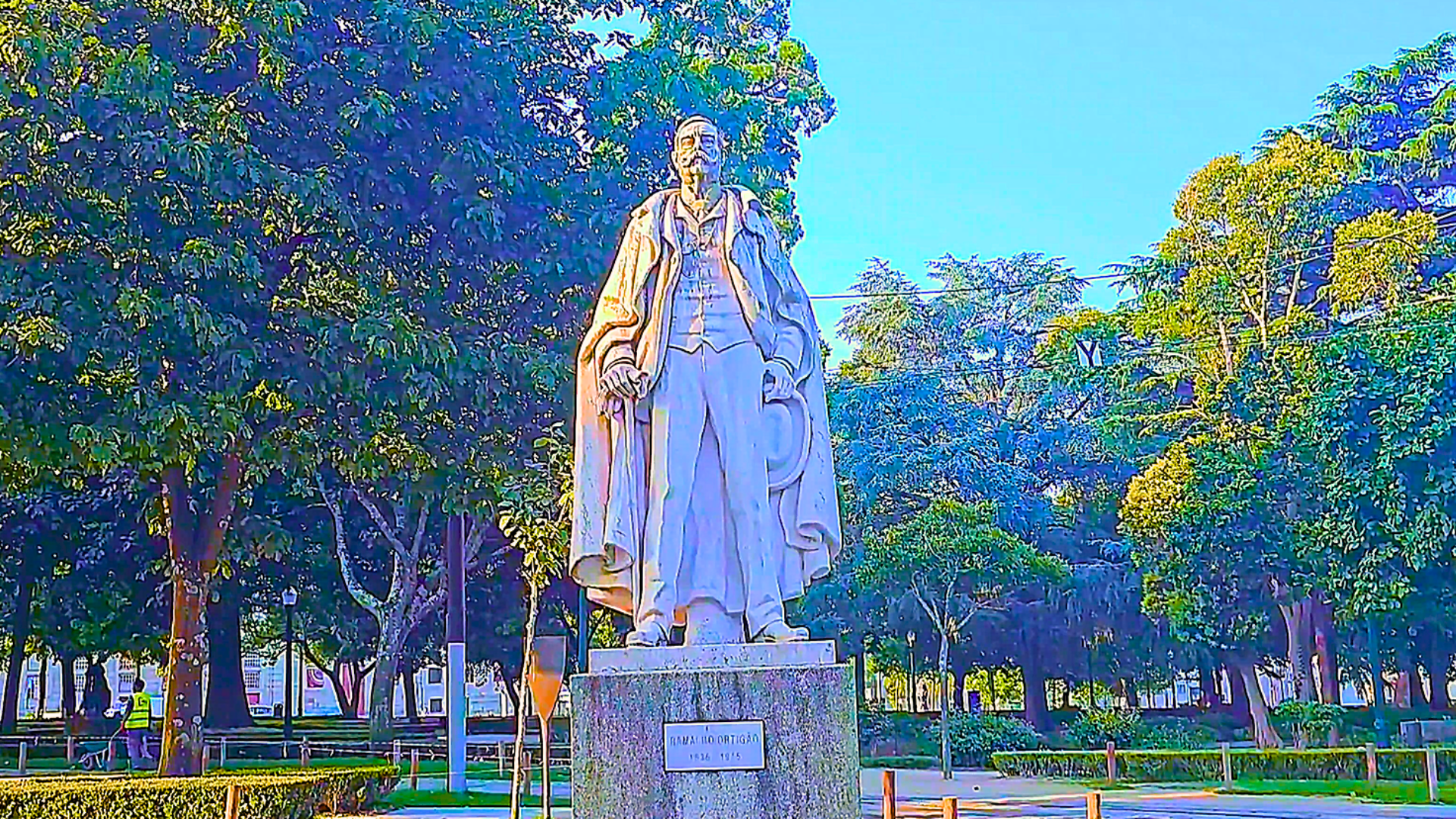
Ramalho Ortigão sculpture in Porto
Cordoaria memory

Ramalho, Júlio Dinis and António Nobre

Around Cordoaria, Porto almost becomes an open-air literary memorial. Ramalho Ortigão, Júlio Dinis and António Nobre help turn this area into more than a garden or a passing square.

This is where literature becomes civic memory: writers are no longer only names on book covers, but figures placed in the urban landscape, close to the old university, old cafés and the city’s intellectual life.

Route stop
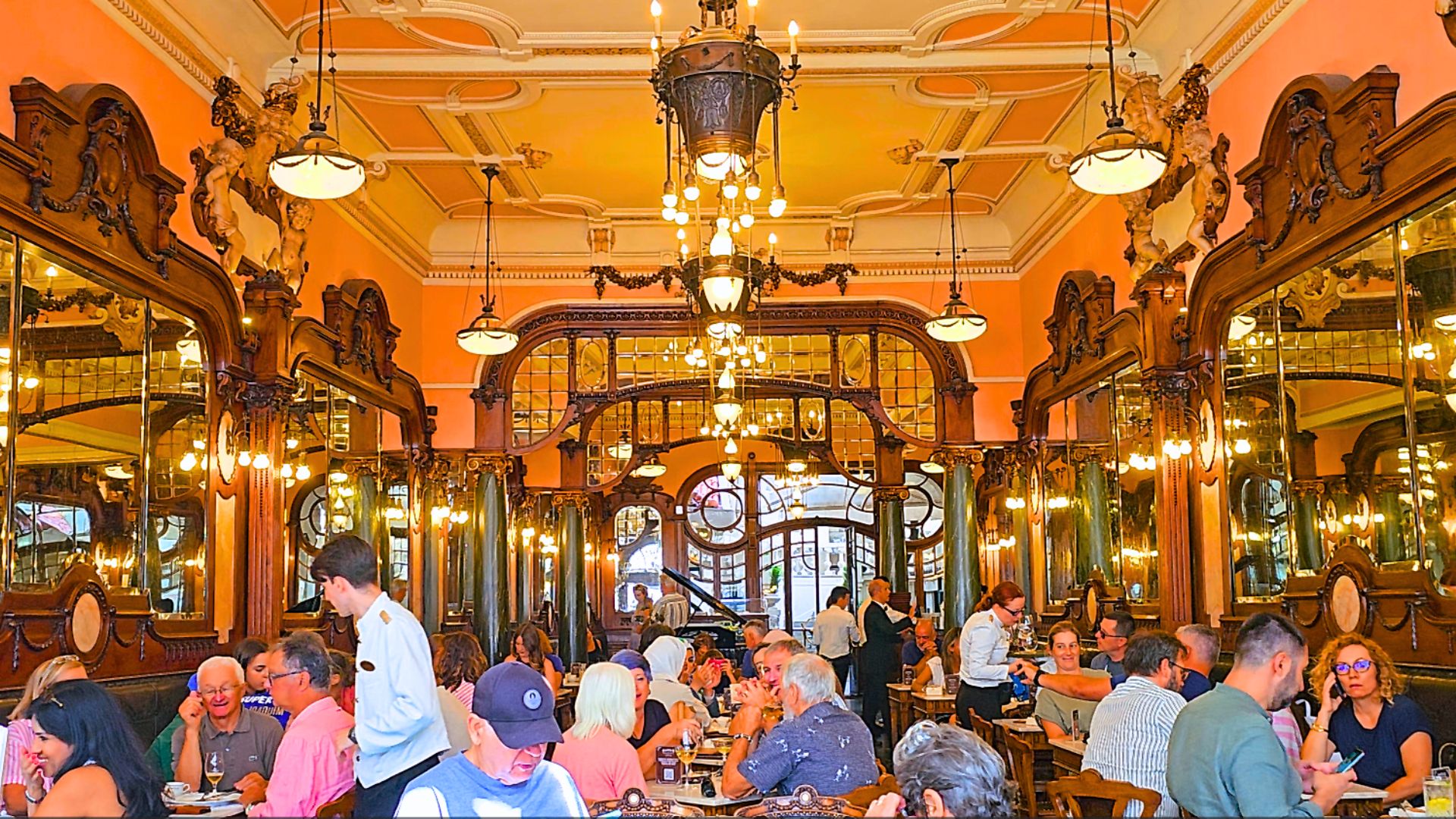
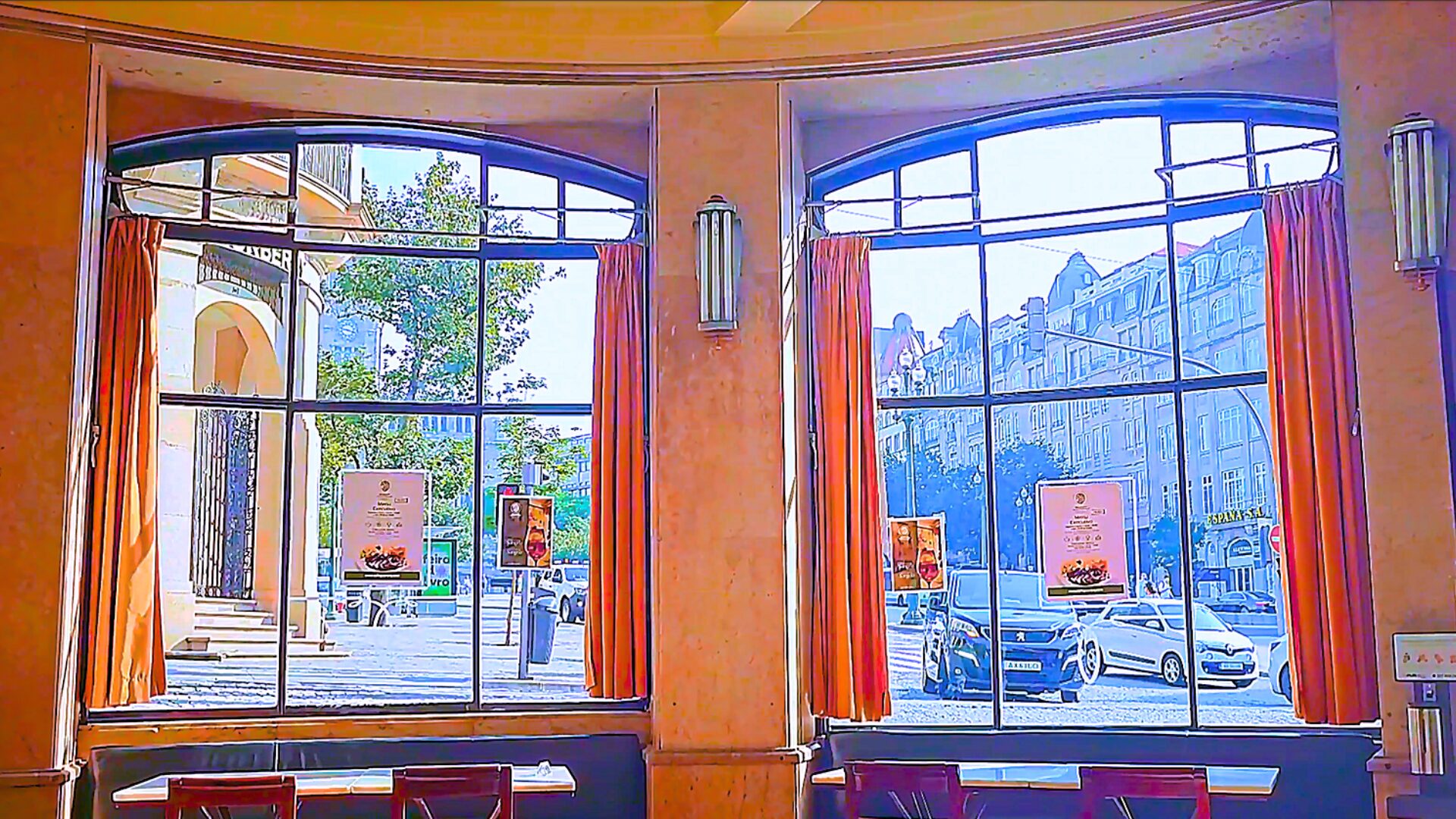
Majestic Café interior in Porto
Historic café

Majestic Café

Majestic is not only a beautiful café. In a literary route, it represents the elegant café as a place of conversation, debate, performance of status and intellectual sociability.

When you enter, imagine Porto in the early twentieth century: writers, artists, politicians, journalists and thinkers using cafés as public living rooms where ideas could circulate.

Route stop
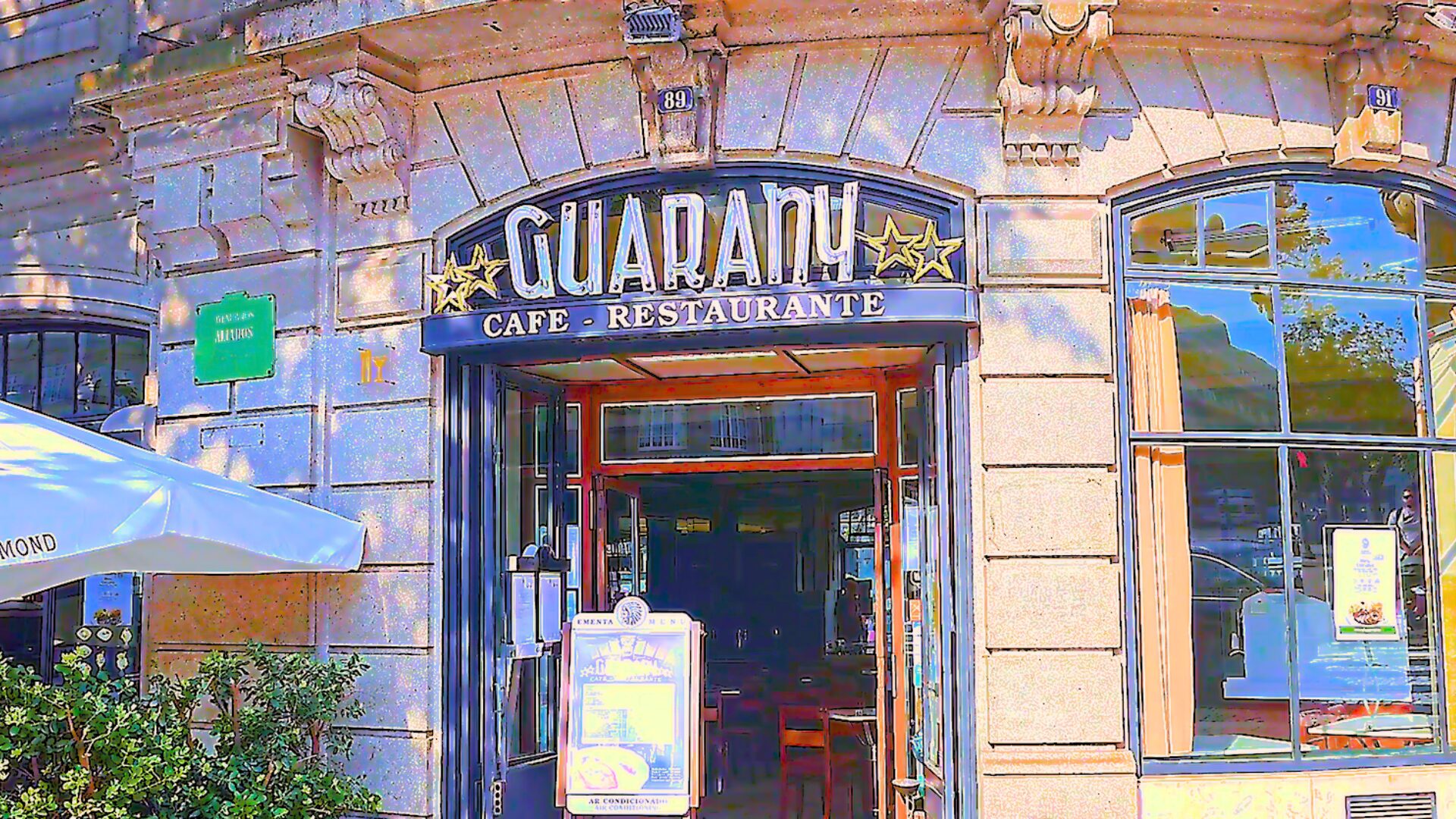
Café Guarany entrance in Porto
Word and music

Café Guarany

Guarany adds a different layer to the route. If Majestic evokes the elegant café of debate and literary conversation, Guarany opens the route to music, performance, spoken word and the cultural life of Aliados.

It helps visitors understand that Literary Porto is not only about silent reading. It is also about voice, rhythm, stage, song and the social life of words.

Route stop
Café Guarany building in Porto
Aliados

A literary pause in the city centre

Between Santa Catarina, Aliados, Clérigos and Cordoaria, the route becomes easy to walk and rich in atmosphere. This is the part of Porto where cafés, façades, bookshops and public squares turn literature into city life.

It is a good place to slow down, not just to take photos, but to imagine how conversations, books and reputations once moved through the centre.

Route stop

A duel of ideas

Arca d’Água and the moment literature became honour

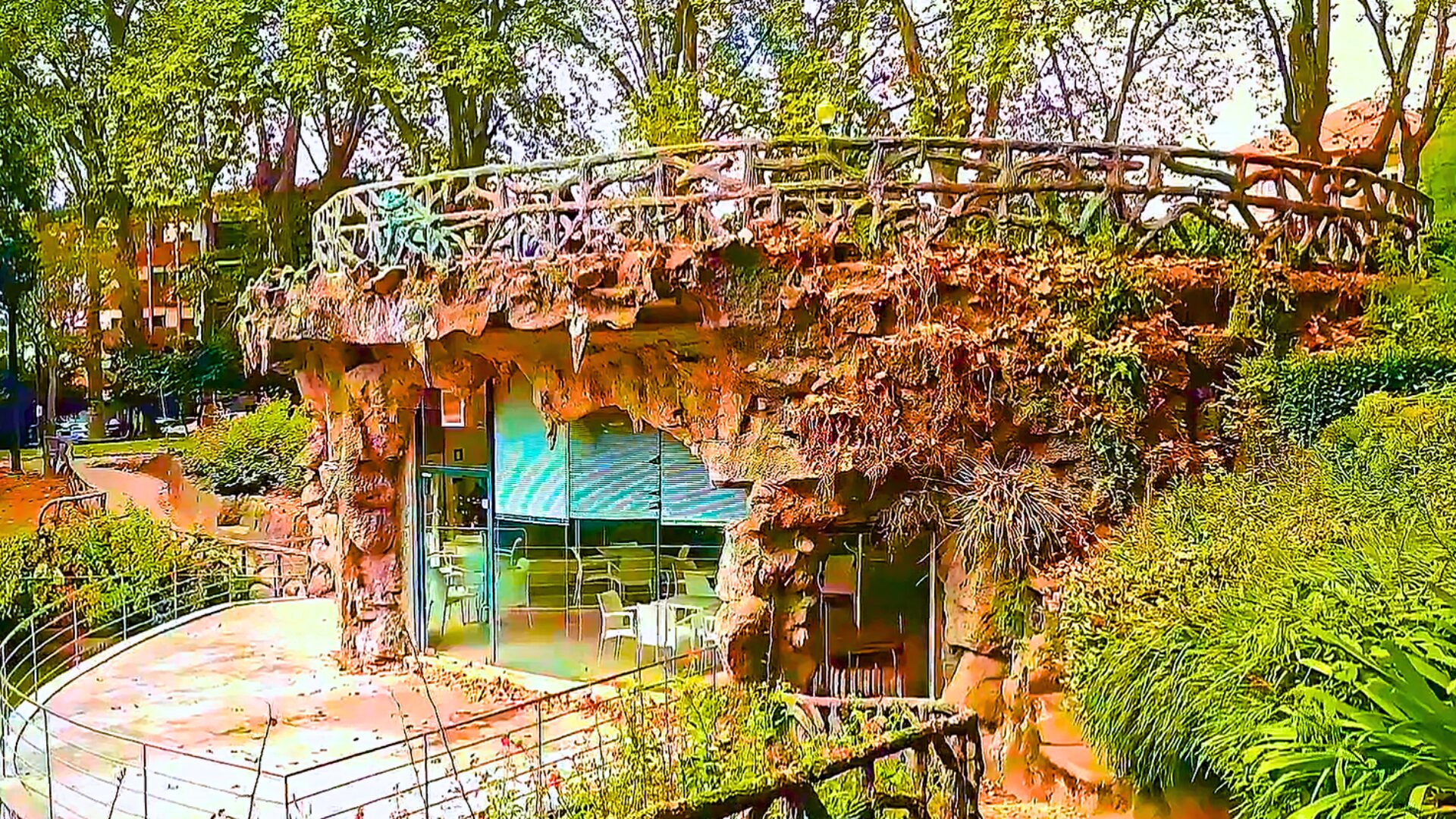
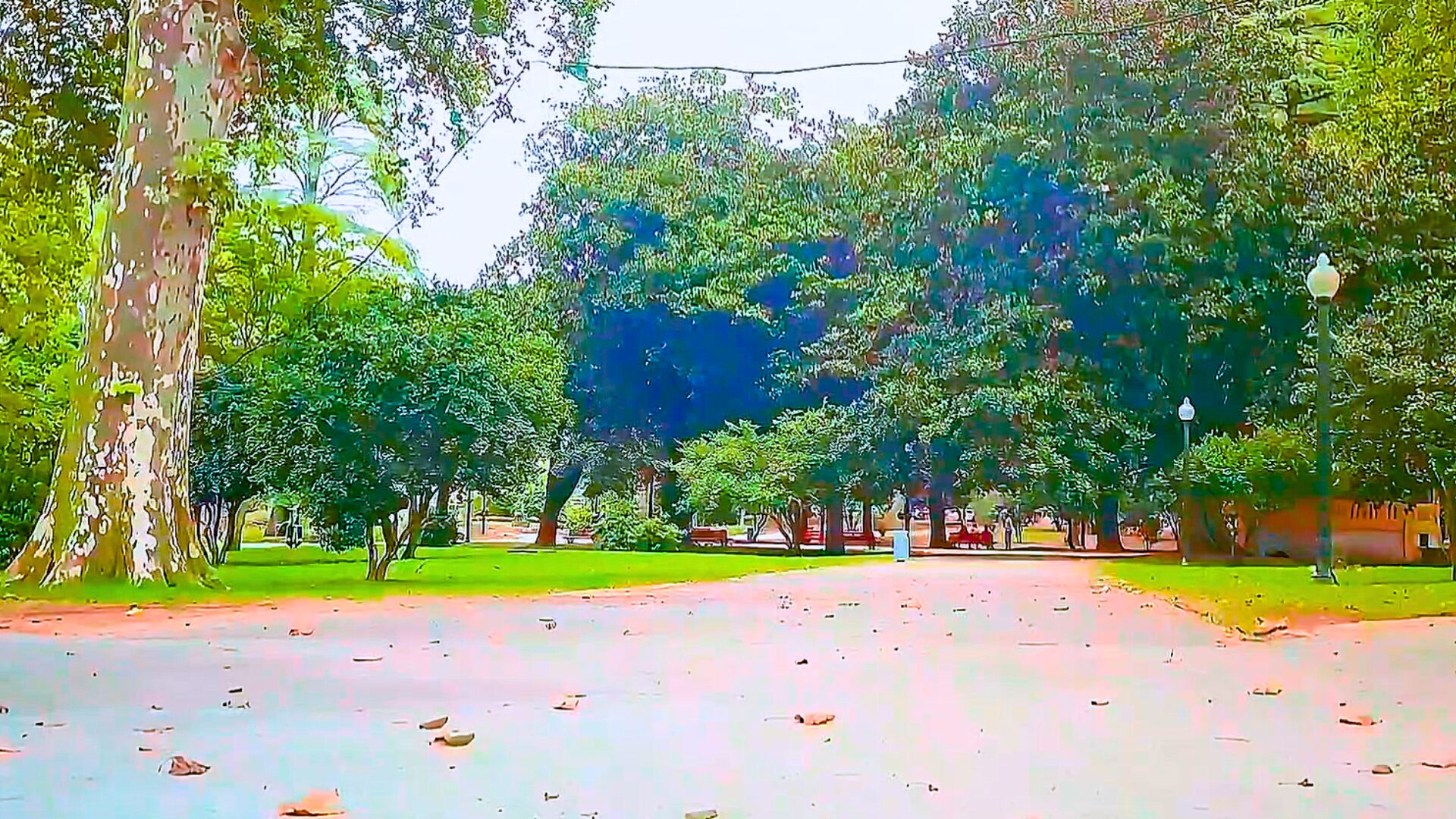
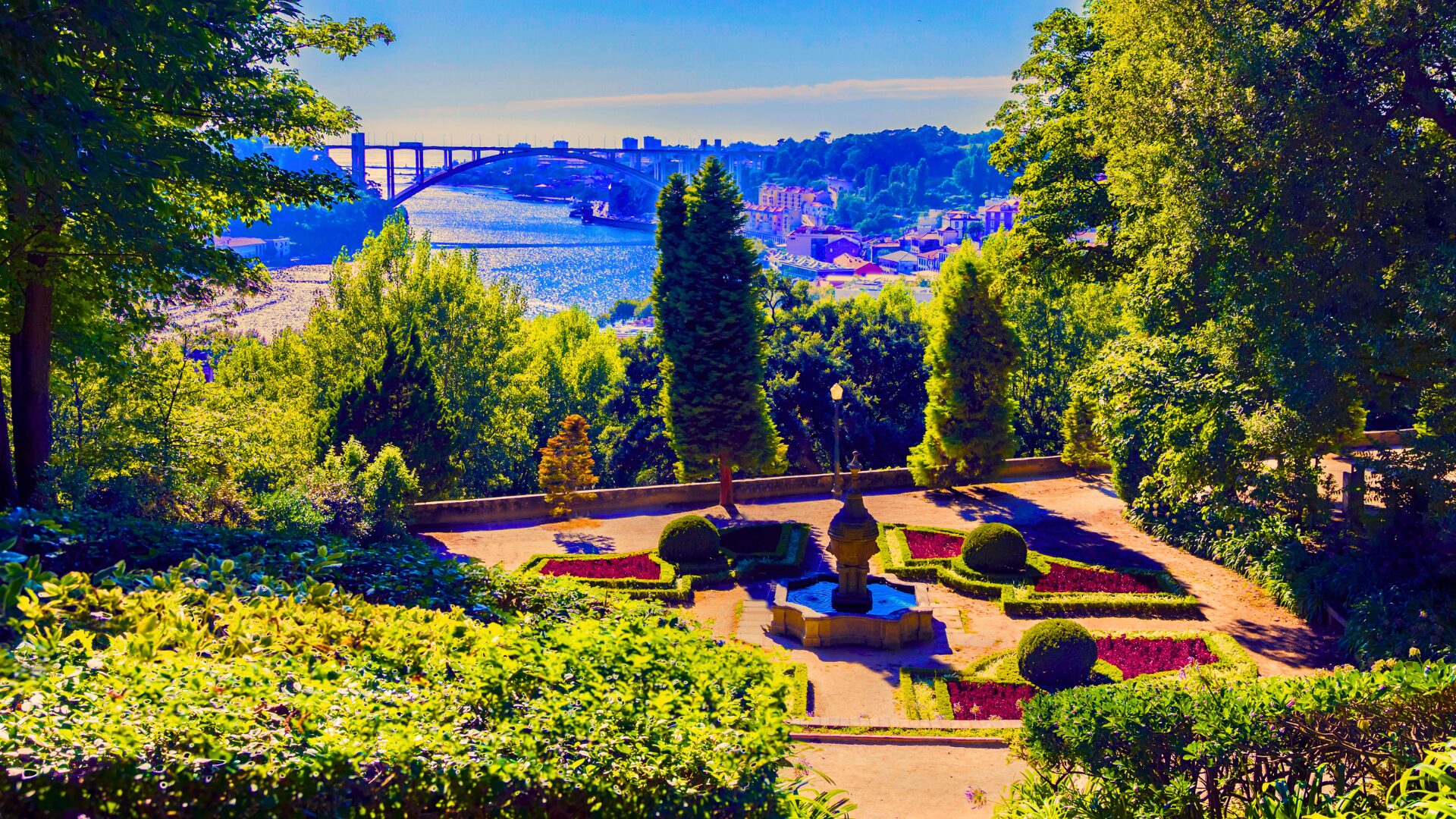
Arca d’Água adds one of the most unexpected chapters to Literary Porto. In 1866, Antero de Quental and Ramalho Ortigão faced each other in a duel connected to the Questão Coimbrã, a famous literary and intellectual dispute between generations.

What began as a debate about literature, criticism and new ideas became a matter of public honour. For this route, Arca d’Água is powerful because it shows a Porto where words were not just written or read. They could provoke, divide and even lead to a duel.

This stop gives the itinerary a more unusual dimension. It is not the obvious Literary Porto of cafés and bookshops. It is the Porto where arguments, reputation and literature became almost theatrical.

Arca d’Água Antero de Quental Ramalho Ortigão Questão Coimbrã
Jardim de Arca d’Água in Porto

Literary pause

“Tropeço, em sombras, na matéria dura…”

“I stumble, in shadows, against hard matter…”

Antero de Quental, Tormento do Ideal

This line fits Arca d’Água because Antero’s presence in the route is not only biographical. It is also intellectual: the tension between ideal and reality, new ideas and old structures, thought and confrontation.

Childhood, gardens and poetry

The softer literary Porto of gardens, memory and the sea

After Camilo’s drama and the cafés of public life, the route can become more luminous. This is the Porto of Sophia, Eugénio de Andrade, António Nobre, gardens, childhood, poetry and the Atlantic.

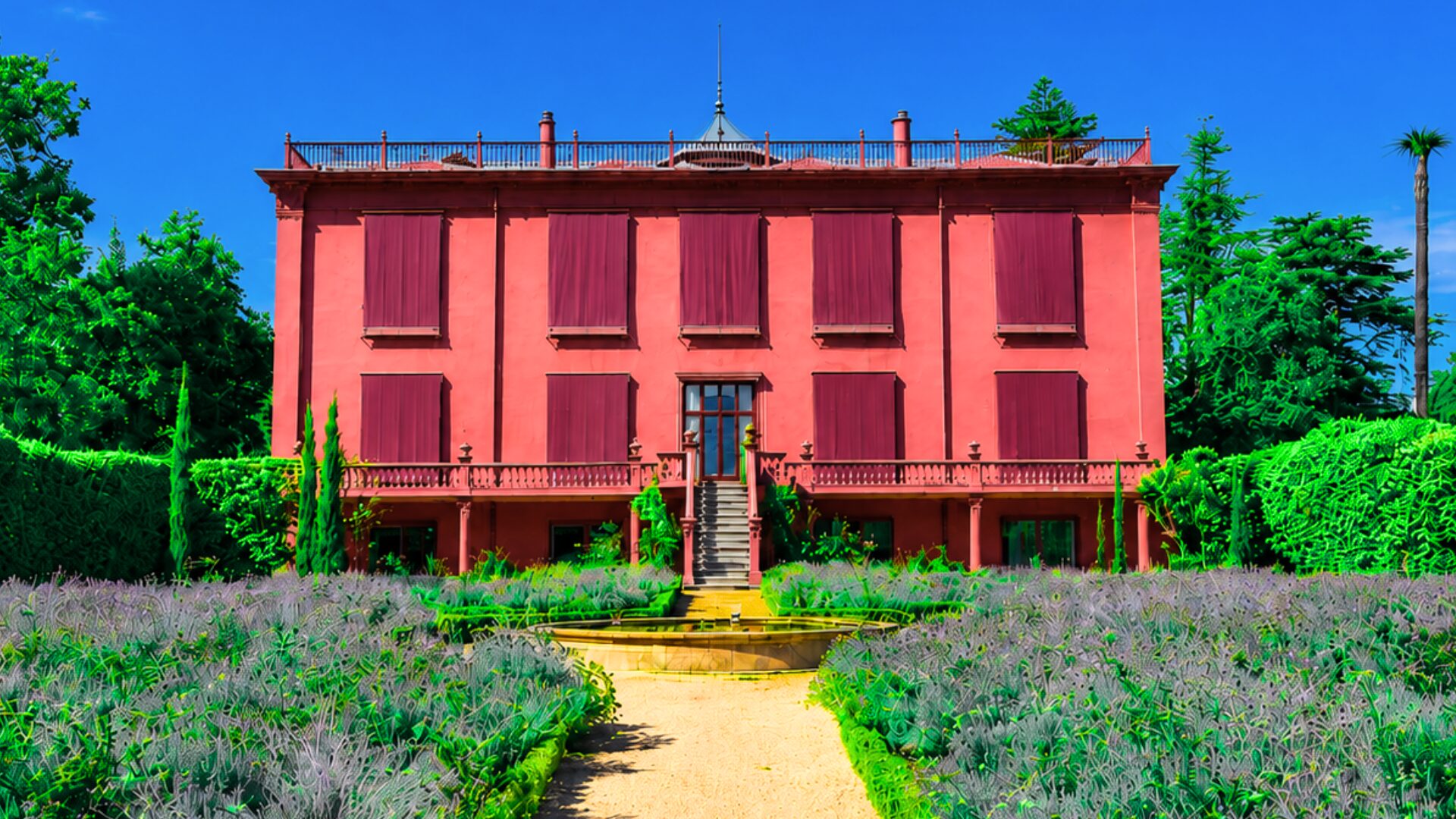
Jardim Botânico do Porto
Sophia and memory

Jardim Botânico and the Andresen world

Sophia de Mello Breyner Andresen brings a different literary atmosphere to the route. Through the memory of the Andresen family, the gardens of Campo Alegre and the world of childhood, nature and light, Porto becomes less dramatic and more contemplative.

This is why the Jardim Botânico is such an elegant stop. It connects literature with gardens, family memory and the poetic imagination of a Porto made not only of streets and monuments, but also of silence, trees and childhood.

Extended route
Biblioteca Poética Eugénio de Andrade in Porto
Poetry alive

Biblioteca Poética Eugénio de Andrade

Eugénio de Andrade adds another important layer: the idea that Literary Porto is not only about the past. His poetic library, installed in his former house, turns poetry into a living space.

This stop matters because it connects memory with the present: reading, archive, voice, workshops, conversations and contemporary programming. It shows visitors that poetry in Porto is not only something remembered. It is still practised.

Extended route
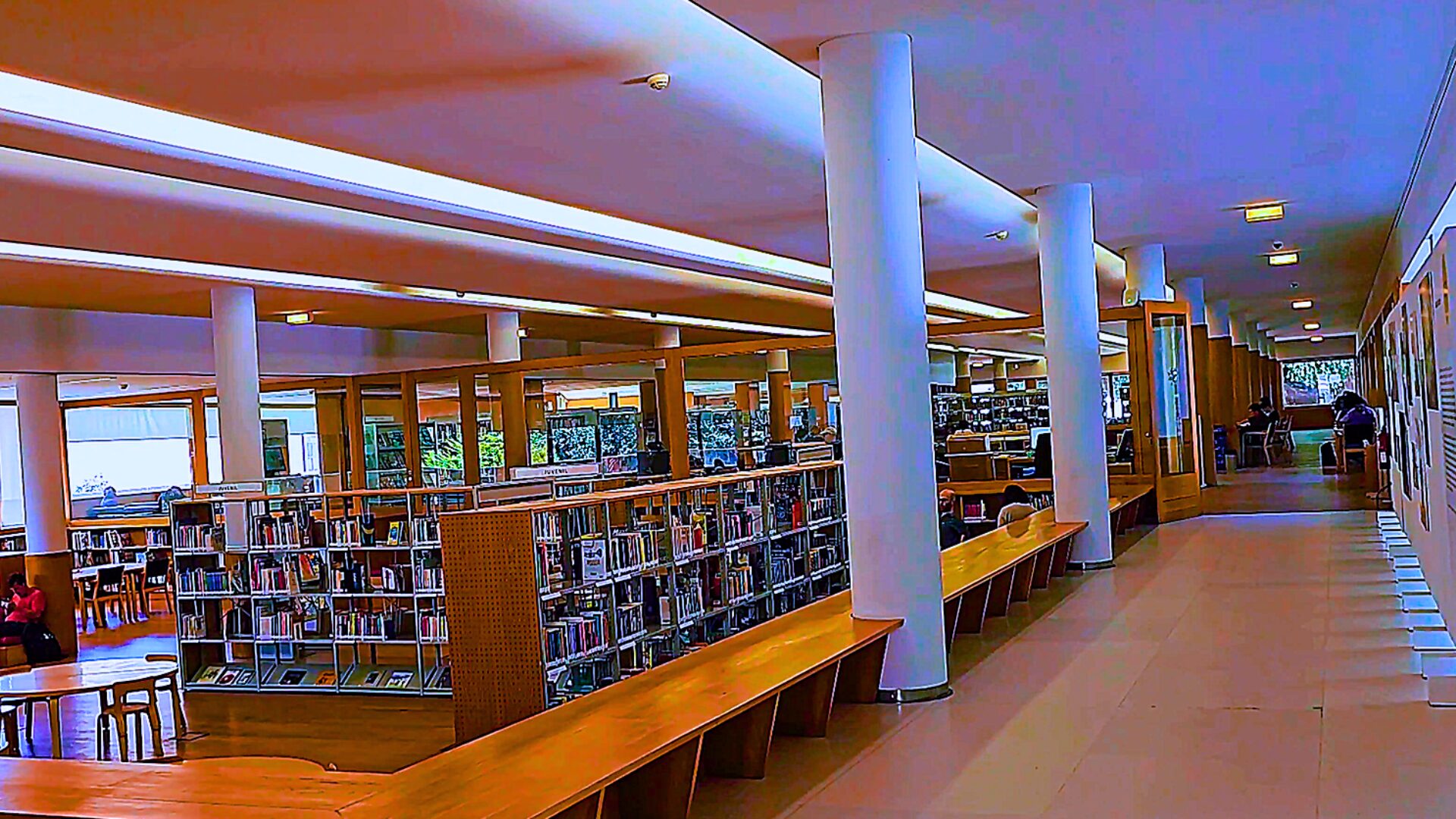
Library inside Palácio de Cristal area in Porto
Books and gardens

Palácio de Cristal and the book fair spirit

Palácio de Cristal brings books back into the open air. During the Feira do Livro, the gardens become one of Porto’s most important literary stages, mixing publishers, readers, talks, concerts, poetry and family programming.

Even outside the fair, this area works beautifully as a literary pause: gardens, views, benches, quiet corners and the feeling that reading can belong to the city’s outdoor life.

Seasonal stop

Literary pause

“E eu vi-me só no mar com minha escuna…”

“And I found myself alone at sea with my schooner…”

António Nobre,

António Nobre helps carry the route towards the Atlantic. His presence gives the itinerary a more melancholic ending: the city, memory, solitude and the sea begin to belong to the same emotional landscape.

How to experience this route

Walk slowly and let the stories change the places

Literary Porto is not a route where the meaning is always obvious at first sight. Some stops may look like a café, a garden, a square or an old building until you know what happened there.

That is why the stories matter. Knowing about Camilo and Ana Plácido changes the way you look at the former Cadeia da Relação. Knowing about Antero and Ramalho changes Arca d’Água. Knowing about Sophia changes the Jardim Botânico. Knowing about Eugénio de Andrade changes a quiet library into a living poetic space.

This itinerary is for travellers who enjoy that kind of discovery: the moment when a place stops being only beautiful and becomes meaningful.

Books in Porto

Literature still alive

Literary Porto is not only in the past

A strong literary itinerary should not end with statues, cafés and old scandals. Porto’s literary life continues through book fairs, libraries, poetry sessions, readings, cafés and cultural programming.

The Feira do Livro gives the route a powerful annual moment, especially in the gardens of Palácio de Cristal. It turns books into a public celebration, with readers, publishers, debates, poetry, concerts and family activities.

Spaces such as Biblioteca Municipal Almeida Garrett, Biblioteca Poética Eugénio de Andrade, Quintas de Leitura and poetry venues like Pinguim Café help bring the itinerary into the present. They show that Porto’s literary identity is not only remembered. It is still performed, read and heard.

Feira do Livro Libraries Poetry readings Cultural programming

Suggested itinerary

How to follow the Literary Porto route

Start with the walkable literary core, then add the extended route if you want the full poetic arc from the city centre to gardens and the sea.

Essential route

Literary Porto in the historic centre

  1. Rua de Santa CatarinaBegin with António Nobre’s biographical layer and the commercial, bourgeois Porto where the route first touches the life of a poet.
  2. Majestic CaféPause in one of Porto’s most atmospheric cafés and imagine the city as a place of conversation, debate and intellectual sociability.
  3. Aliados and Café GuaranyMove into the civic centre and add the layer of music, spoken word, performance and cultural life.
  4. Livraria LelloRead the bookshop not only as a beautiful interior, but as a cultural symbol where books became architecture and public spectacle.
  5. CordoariaWalk through a compact literary landscape of monuments, writers and civic memory, close to the academic heart of the city.
  6. Cadeia da RelaçãoEnd the central route with Camilo, Ana Plácido, Amor de Perdição and the place where biography, scandal and fiction overlap.
Extended route

Gardens, poetry and the sea

  1. Jardim de Arca d’ÁguaAdd the unexpected chapter of the duel between Antero de Quental and Ramalho Ortigão, where literary conflict became public honour.
  2. Palácio de CristalUse the gardens as a pause and, during the Feira do Livro, as one of the city’s great open-air literary stages.
  3. Jardim BotânicoBring Sophia de Mello Breyner Andresen into the route through childhood, family memory, gardens, light and nature.
  4. Biblioteca Poética Eugénio de AndradeMove from memory into living poetry, with a space dedicated to reading, archive, voice and contemporary programming.
  5. Foz do DouroFinish with António Nobre, the Atlantic, light, melancholy and the feeling of Porto opening towards the sea.

Practical tips

How to make this route work

Literary Porto is best experienced as a route with atmosphere, not as a rushed checklist.

01

Do the centre on foot

Santa Catarina, Aliados, Lello, Cordoaria and Cadeia da Relação work best as a walking route.

02

Book or check ahead

Some places may need tickets, reservations or timetable checks, especially Lello, museums, cafés and programmed events.

03

Leave time for cafés

The cafés are not only practical stops. They are part of the literary mood of the itinerary.

04

Extend only if you have time

Arca d’Água, Jardim Botânico, Eugénio de Andrade and Foz are worth it, but they turn the route into a fuller literary day.

05

Visit during literary events

If your trip overlaps with the Feira do Livro, poetry readings or cultural programming, the route becomes much more alive.

06

End near the sea

The Foz gives the route a beautiful ending: light, Atlantic air and the poetic feeling of Porto opening towards the ocean.

Visual mood

Books, cafés, gardens and literary memory

A moving glimpse of the places that make Literary Porto feel like a story you can walk through.

Livraria Lello Lello
Camilo and Ana Plácido sculptures Camilo
Guarany interior Guarany
Arca d’Água garden Arca d’Água
Eugénio de Andrade Poetic Library Poetry
Jardim Botânico do Porto Gardens
Street near Livraria Lello in Porto

Final note

Walk Porto like a story

Literary Porto is not just about authors. It is about drama, memory, public life, gardens, poetry, childhood and the sea. Follow the route slowly, and the city begins to read like a book.