Best for the centre
Walking
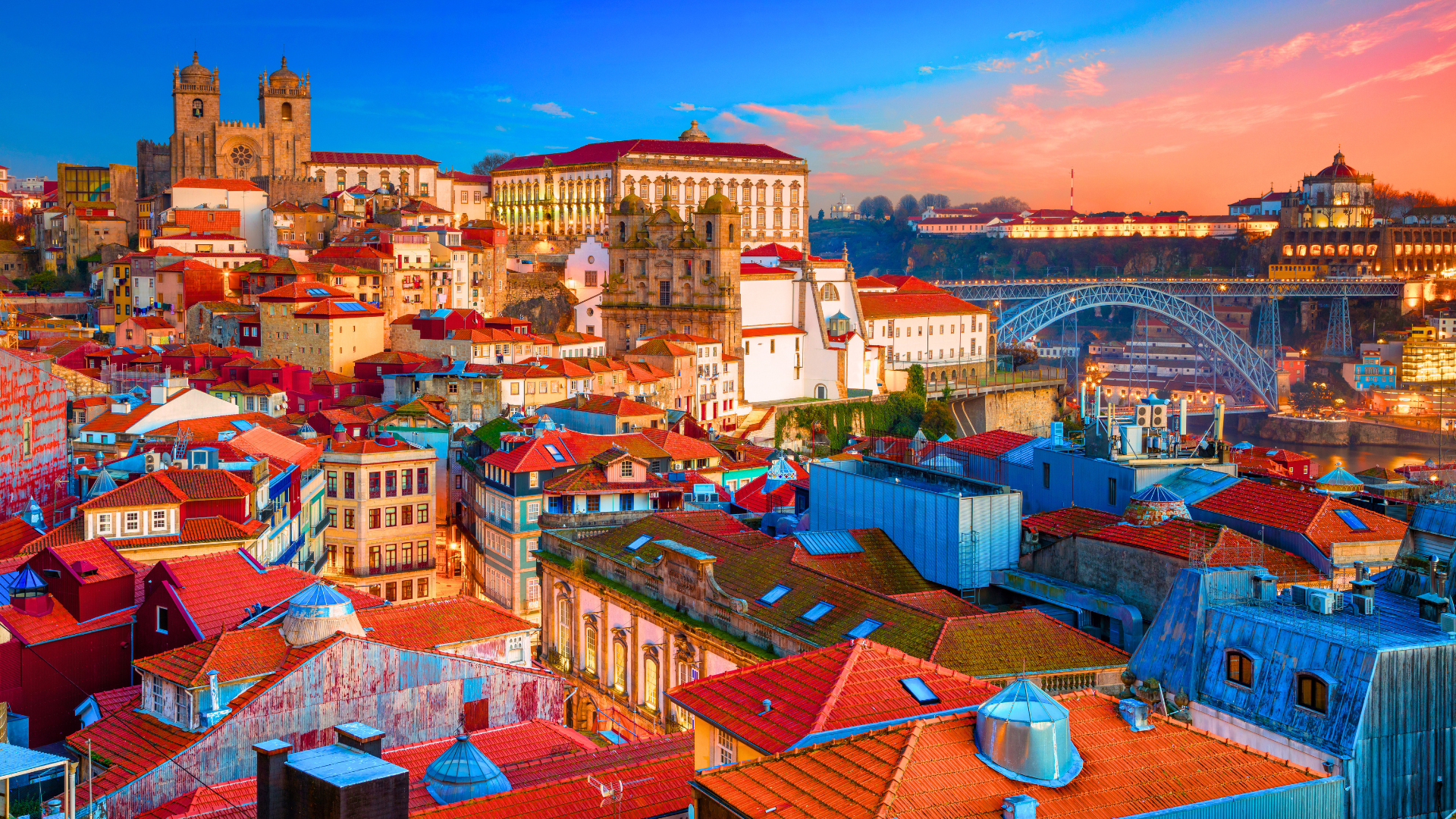
The historic centre is best explored slowly on foot. It is the easiest way to feel the city, discover details and move between places like São Bento, Sé, Ribeira, Clérigos and Rua das Flores.
Beautiful, but hilly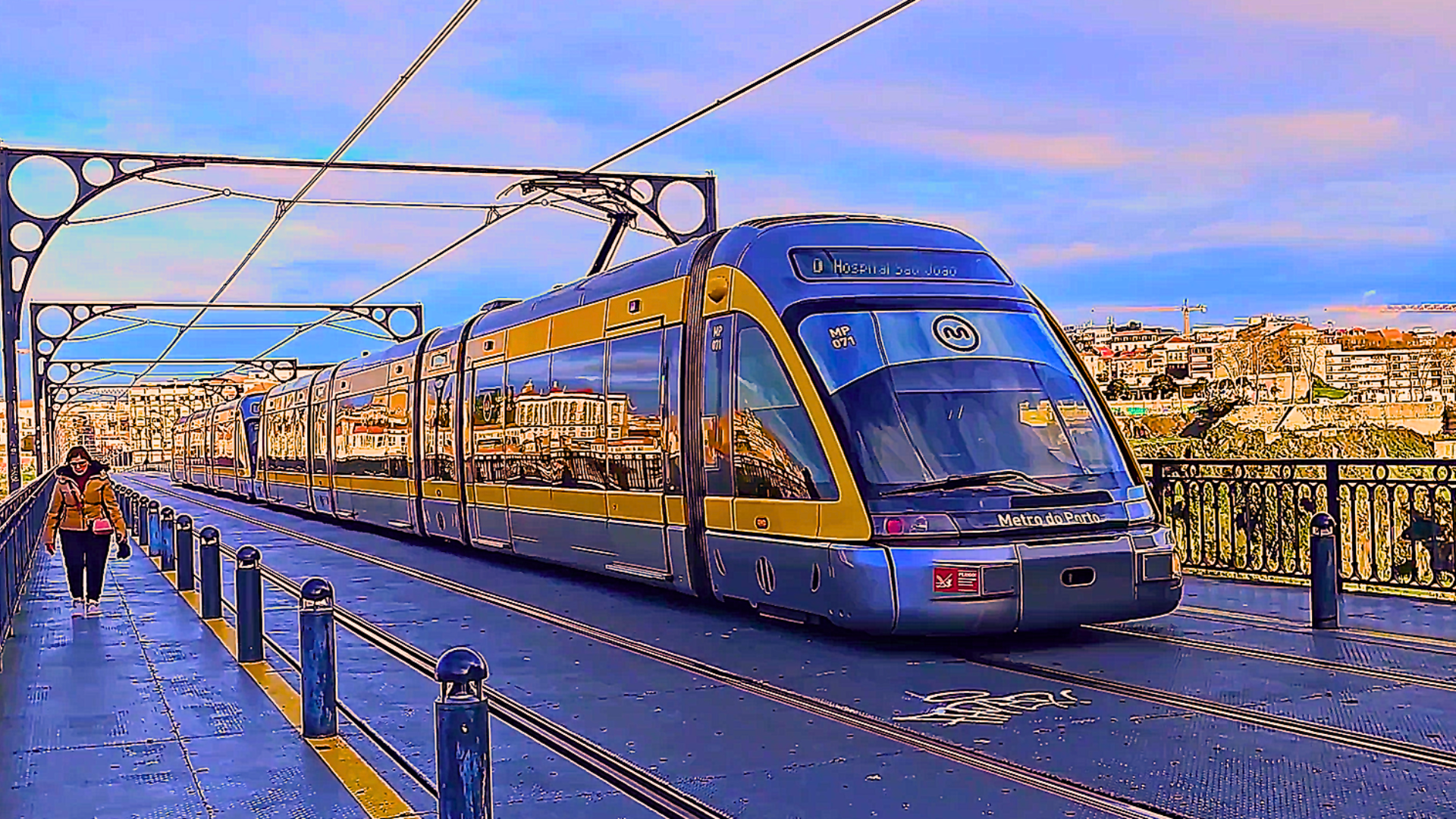
Porto travel guide
Porto is compact and walkable, but the hills are real. This guide helps you understand when to walk, when to use the metro, and how to move around the city without wasting time or energy.
Best ways
Porto is a city where the best transport choice changes depending on the moment. Some routes are best on foot, others are easier by metro, and sometimes a short taxi or app ride is simply the most comfortable option.
The historic centre is best explored slowly on foot. It is the easiest way to feel the city, discover details and move between places like São Bento, Sé, Ribeira, Clérigos and Rua das Flores.
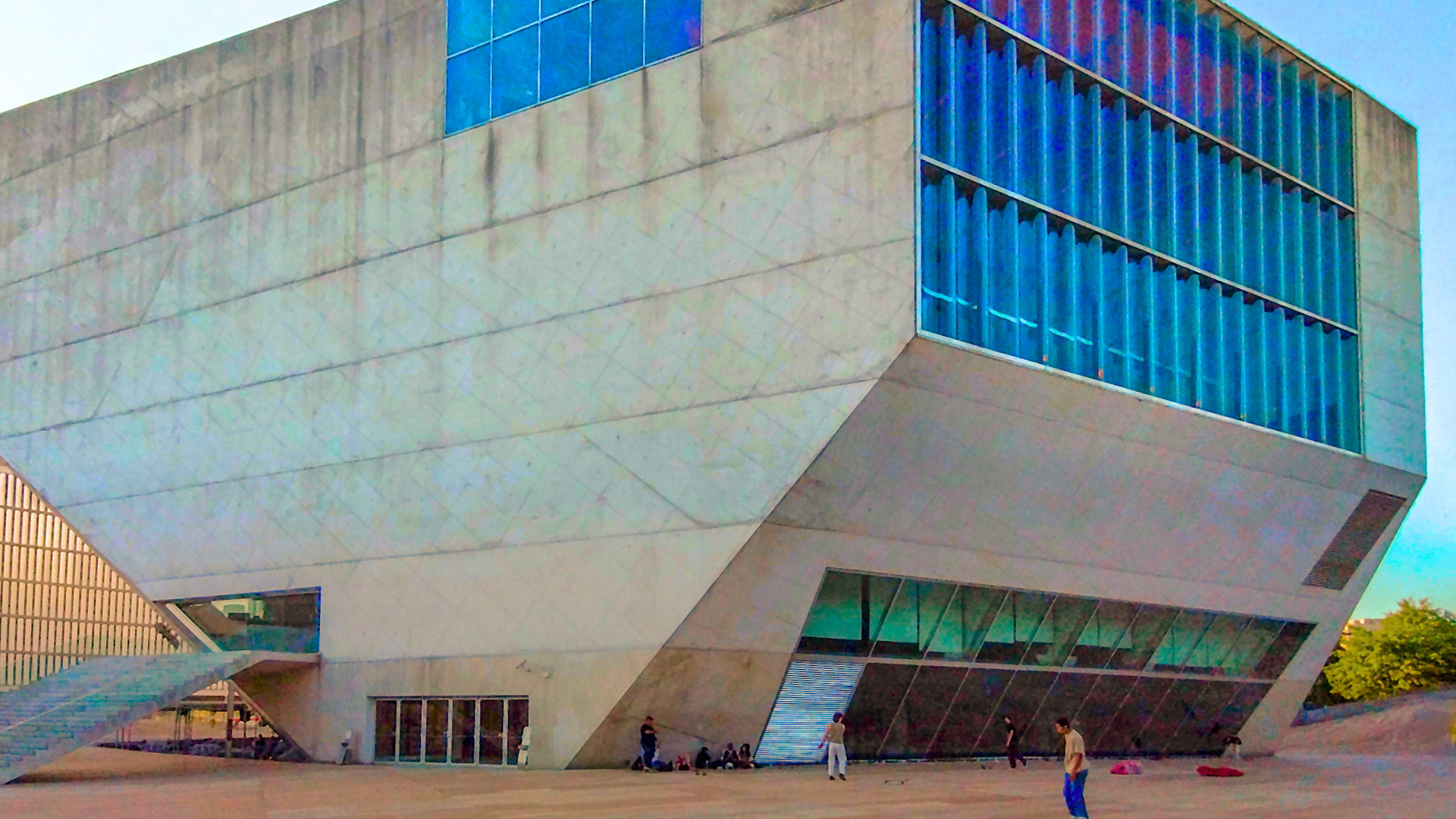
Beautiful, but hillyThe metro is useful for the airport, Campanhã, Casa da Música, Matosinhos and Vila Nova de Gaia. It is especially practical when you want to save energy or avoid traffic.
Simple and practical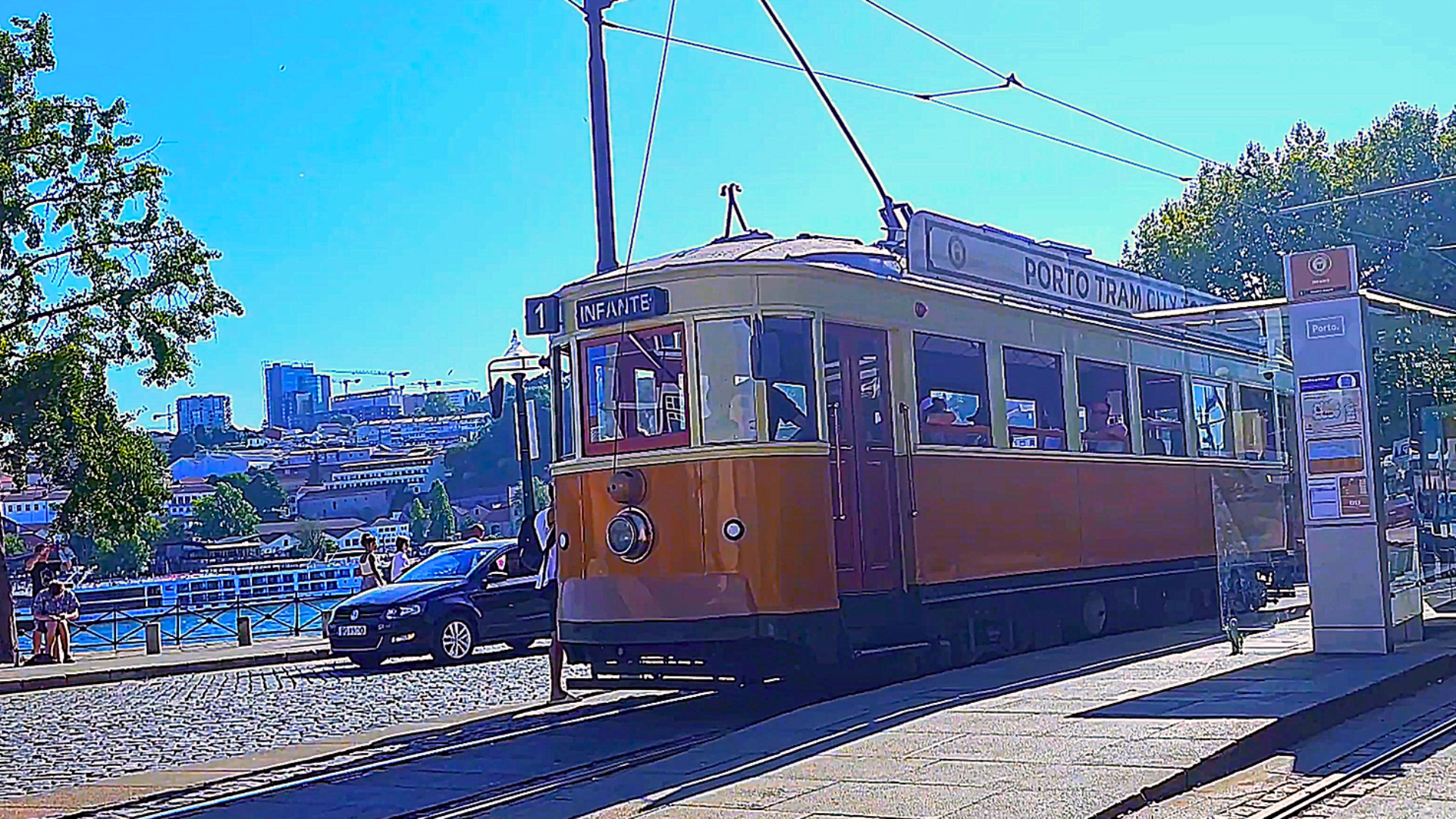
Porto’s historic tram is more scenic than essential. It can be a lovely experience if it fits your route, especially near the river, but it is not the main way to move around the city.
More experience than shortcut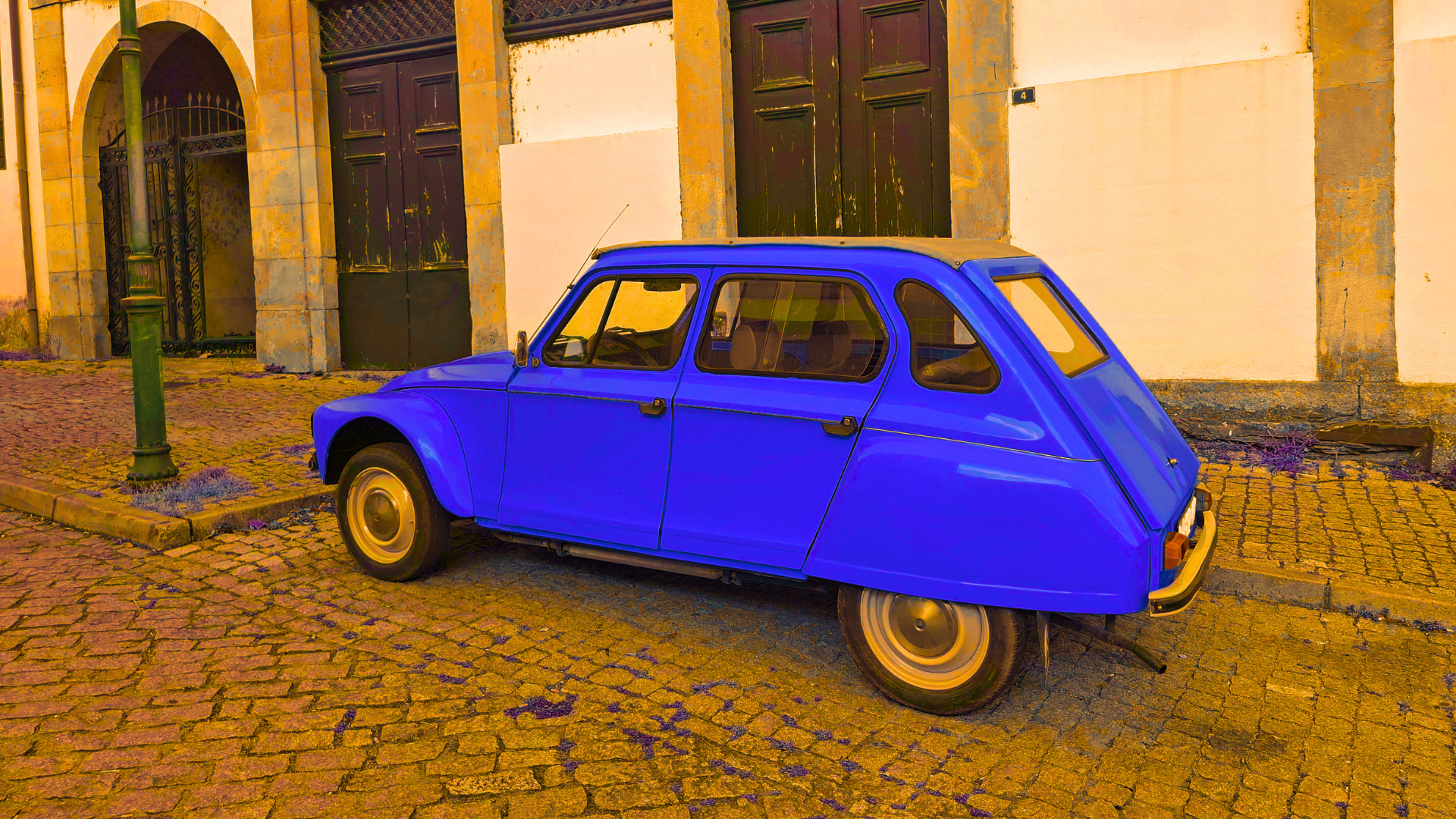
Short rides can be very helpful when you are carrying luggage, travelling late, moving between distant areas or simply tired after walking up and down the city.
Useful for hills and luggageLocal logic
A place may look close on the map, but the climb can change everything. In Porto, it is often smarter to combine walking with metro or a short ride than to try to do everything on foot.
Metro
Porto’s metro is one of the most useful ways to move between the airport, the city centre, Campanhã, Casa da Música, Matosinhos and Vila Nova de Gaia.
For visitors, the metro is especially helpful when you want to save energy, avoid traffic or connect places that are too far apart to walk comfortably.
The metro is usually one of the simplest ways to reach the city from Porto Airport, especially if your accommodation is near a metro station.
It is useful when you want to reach areas like Casa da Música, Campanhã, Matosinhos or Gaia without spending too much energy walking.
Always check the final destination shown on the platform or train. Some lines share parts of the same route before separating.
Validate before travelling and keep your ticket or card with you during the journey, especially if inspectors check passengers.
Walking
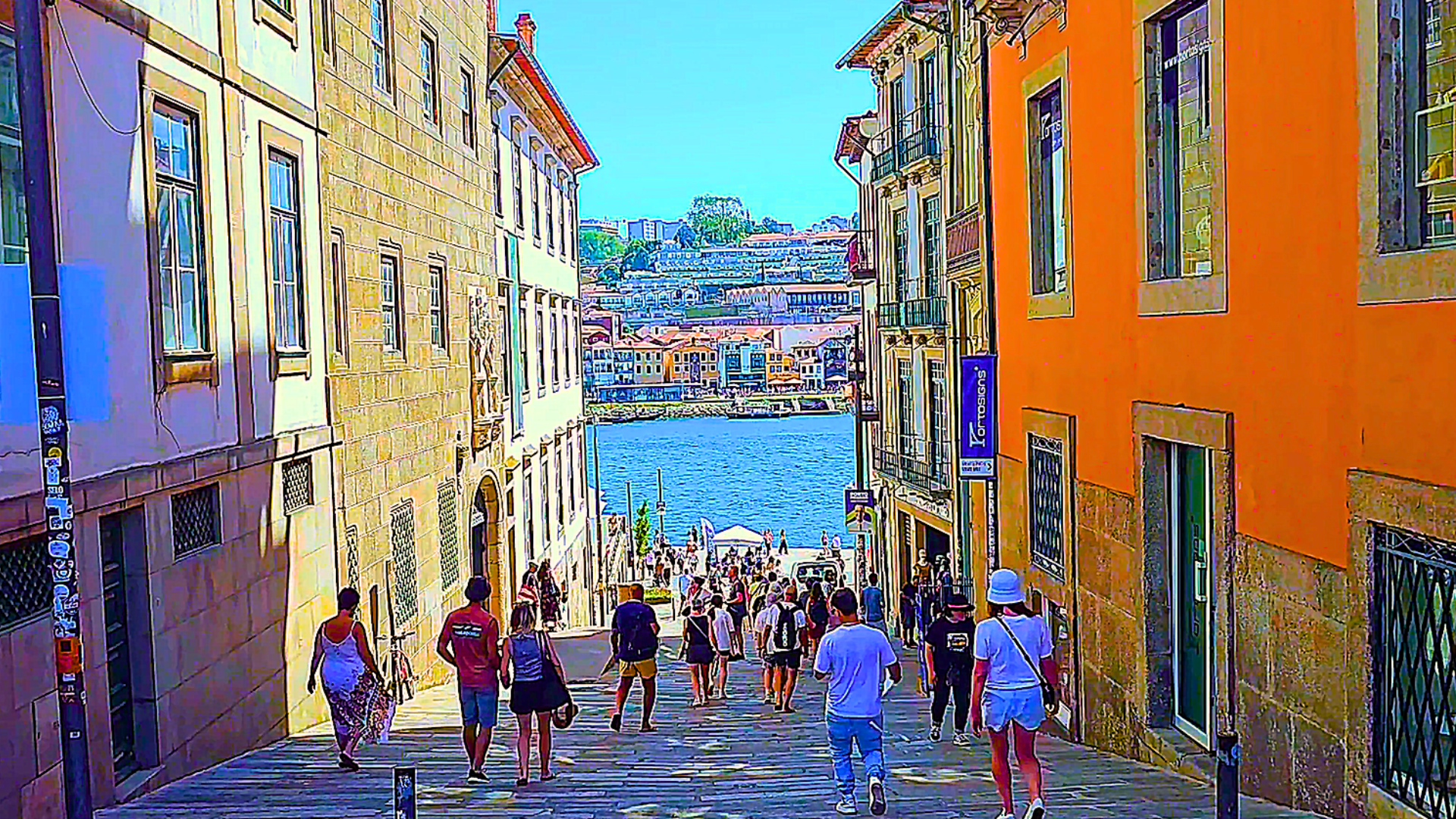
Porto is one of those cities where walking is not just transport. It is how you notice the tiles, balconies, narrow streets, viewpoints, old signs, cafés and small details that make the city feel alive.
The historic centre is where walking makes the most sense. São Bento, Rua das Flores, Sé, Ribeira, Clérigos, Aliados and many surrounding streets are close enough to connect on foot, especially if you enjoy slow discovery.
Porto can look small on the map, but some routes include steep climbs. Plan breaks, wear comfortable shoes and avoid trying to cross too many areas on foot in one day.
A smart way to enjoy Porto is to walk downhill when the route is scenic, then use metro, taxi or an app ride when the climb back feels unnecessary.
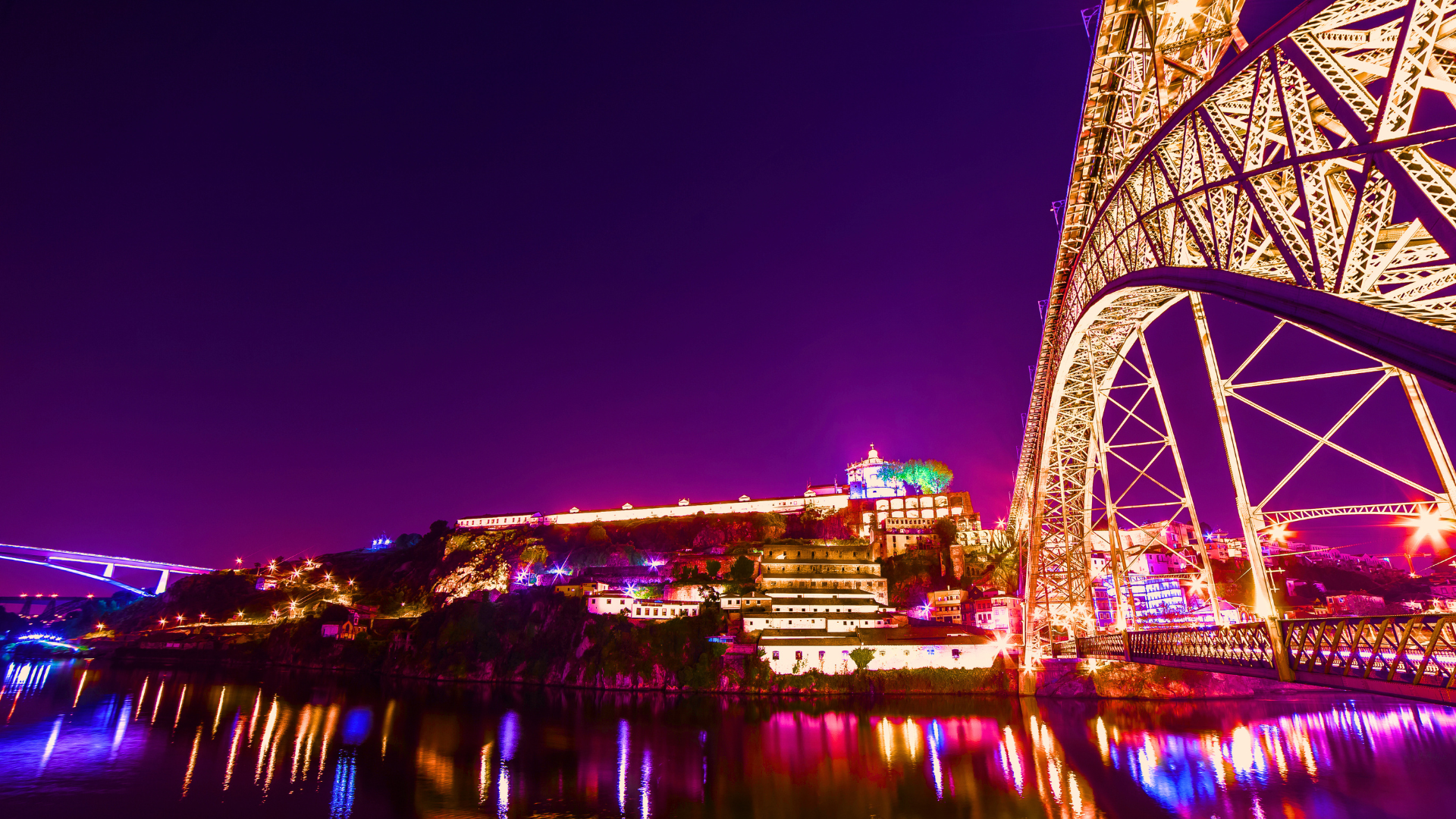
Walking across Luís I Bridge is one of the classic Porto moments. It connects the city with Gaia and gives you some of the most memorable views over the river.
Simple walking route
This is one of the easiest routes for a first visit because it connects transport, history, river views and Gaia in a natural sequence. Just remember that the way back up can feel very different from the way down.
Bus & tram
Porto’s buses are useful for reaching places that are not always as direct by metro, while the historic tram is more about the experience than speed. For most visitors, buses are practical transport; trams are a charming extra when they fit the route.
Porto’s historic tram can be a beautiful experience, especially if you want a slower, more nostalgic way to see part of the city. It is lovely for atmosphere, but it is not usually the fastest way to move around.
Scenic, not essential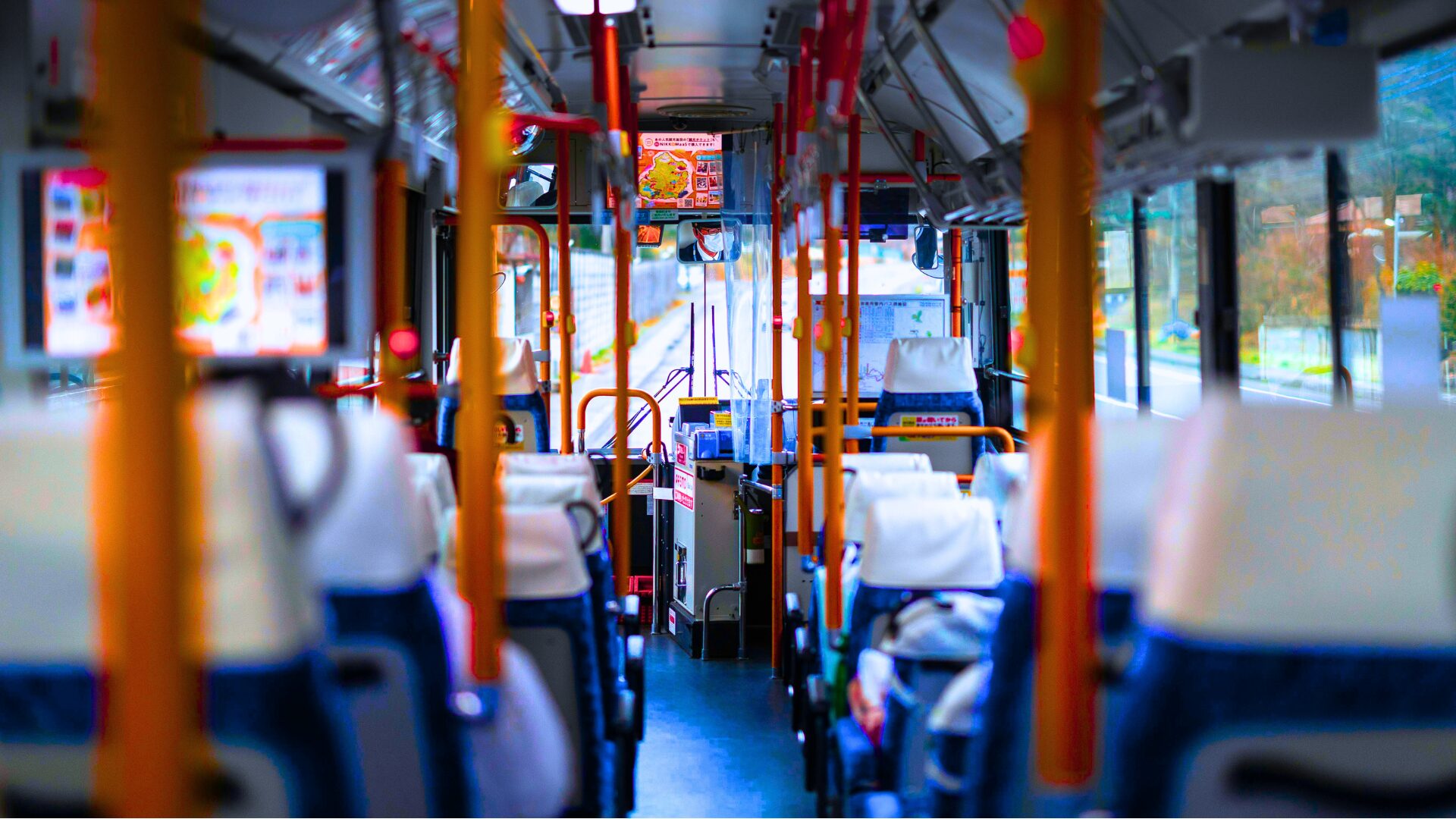
Buses are useful for areas and routes where the metro is not the most direct option. They can help with neighbourhoods, coastal areas, hospitals, universities, residential zones and parts of the city that are less convenient on foot.
Useful for wider PortoBus routes can be very useful, but they are less intuitive for first-time visitors than the metro. It is better to check your route before leaving.
When possible, check the stop information, route planner or real-time schedules before waiting, especially outside the most central areas.
Buses share the road with city traffic, so journeys can take longer during rush hour or when there are roadworks, events or service changes.
If you are short on time, do not depend on the tram as your main transport. Use it when you want the experience, not when you need the fastest route.
Taxi & apps
Porto is very walkable, but there are moments when a short ride makes more sense than forcing yourself to walk. Taxis and ride-hailing apps can be useful when you have luggage, arrive late, travel with family, or simply want to save energy after a long day.
Use a taxi, Uber or Bolt when you are carrying luggage, travelling at night, going uphill after a long walk, or moving between areas that are not directly connected by metro.
Useful for hills and luggageAt Porto Airport, app pickup locations can change, so it is better to follow the instructions shown directly inside the Uber or Bolt app after requesting your ride.
Follow app instructionsPrices can change depending on traffic, demand, time of day and distance. Always check the estimated fare in the app before confirming the ride.
Check before bookingIf you have already walked a lot, taking a short ride back to your hotel can be smarter than ending the day exhausted. Porto is more enjoyable when you save energy for the views.
Comfort is part of planningSimple rule
If the route is scenic, walk. If the route is mostly uphill, far from the metro, late at night or uncomfortable with bags, take a taxi or app ride. In Porto, mixing transport is usually better than choosing only one method.
Tickets
Andante is the ticket system used across Porto’s public transport network. For most visitors, it is useful for metro, buses and some train journeys within the metropolitan area.
The most important thing to remember is simple: choose the right zone, validate before travelling, and validate again when you change line or transport.
Quick rule
The Andante card is rechargeable, but it should be used individually. If two people are travelling together, each person needs their own valid ticket or card.
Do not share one cardOccasional Andante tickets work by zones. The number of zones you need depends on where you start and where you want to go.
On metro and trains, validate at the station before boarding. On buses, validate when entering the vehicle.
If you change line or transport, validate again. This is one of the details tourists often forget.
Keep your card or ticket until the end of the journey, because inspectors may check it during the trip.
Tourist tip
If you are unsure, start by choosing your destination at the ticket machine or asking at a station. For the airport, Campanhã, Matosinhos or Gaia, checking the correct zone before buying saves confusion later.
Choose quickly
The easiest way to plan transport in Porto is not to choose one method for everything. Use the option that fits the moment: metro for longer routes, walking for the historic centre, taxis or apps when comfort matters, and trains for nearby coastal or regional trips.
The metro is usually the simplest option if your hotel is near a metro station. A taxi, Uber or Bolt may be easier if you arrive late, have luggage or want door-to-door comfort.
Metro or app rideWalking is usually the best choice here. Distances are short, the streets are beautiful, and many of the best details are easier to notice on foot.
Walk slowlyFor Foz, buses, taxis or app rides can be practical depending on where you start. It is a lovely area for coastal walks once you arrive.
Bus or rideThe metro is usually one of the most practical ways to reach Matosinhos. It is a good option if you want beach time, seafood or a longer coastal walk.
Metro works wellIf you are near the centre, walking across Luís I Bridge is part of the experience. The metro can also be useful, especially if you want to save energy.
Walk or metroMetro and train connections make Campanhã easier to reach than it may seem on the map. It is especially relevant if you are arriving from or leaving for another Portuguese city.
Metro or trainIf it is late, you are tired or you are staying outside the most central areas, a taxi or app ride can be the most comfortable and simple solution.
Taxi or app rideFor places outside Porto, trains are often useful, especially when visiting nearby cities or coastal areas. Always check the route and station before planning the day.
Train or organised tourSimple planning rule
Porto is more enjoyable when you do not arrive everywhere exhausted. Walk the beautiful parts, use the metro for longer routes, and take a short ride when the hills, luggage or timing make it worth it.
Tourist tips
Porto is not difficult to move around, but a few small choices can make your days much easier. The main mistake is trying to walk everywhere without thinking about hills, weather, luggage or how tired you will feel later.
A route may look short on the map, but in Porto the climb can matter more than the distance. Always consider elevation, especially around Ribeira, Sé, Clérigos and Gaia.
If you use public transport, remember to validate before travelling and when changing line or transport. This is one of the easiest mistakes to avoid.
Porto has stone pavements, narrow streets, steps and steep slopes. Comfortable shoes can completely change how much you enjoy the city.
A short ride is not a failure. Sometimes it is the smartest way to save energy, especially after a long walk, at night or when carrying bags.
Driving in the historic centre can be stressful because of narrow streets, traffic, parking and pedestrian areas. For most visitors, walking and public transport are easier.
Even when metro or train gets you close, the final walk may include a hill. Before choosing accommodation or planning a route, check the last few minutes carefully.
Local mindset
Start the day with a plan, but do not be afraid to change it. If the weather turns, your feet hurt or the climb feels too much, adjust. Porto rewards curiosity, not exhaustion.
Plan smarter
The best way to experience Porto is not to use one transport method for everything. Walk the beautiful parts, use the metro for longer distances, and save taxis or app rides for comfort, luggage or late moments.