First-time visitors
If it is your first time in Porto, this is the easiest area to begin. You can understand the city’s history, slopes, river and atmosphere in one walk.
Classic Porto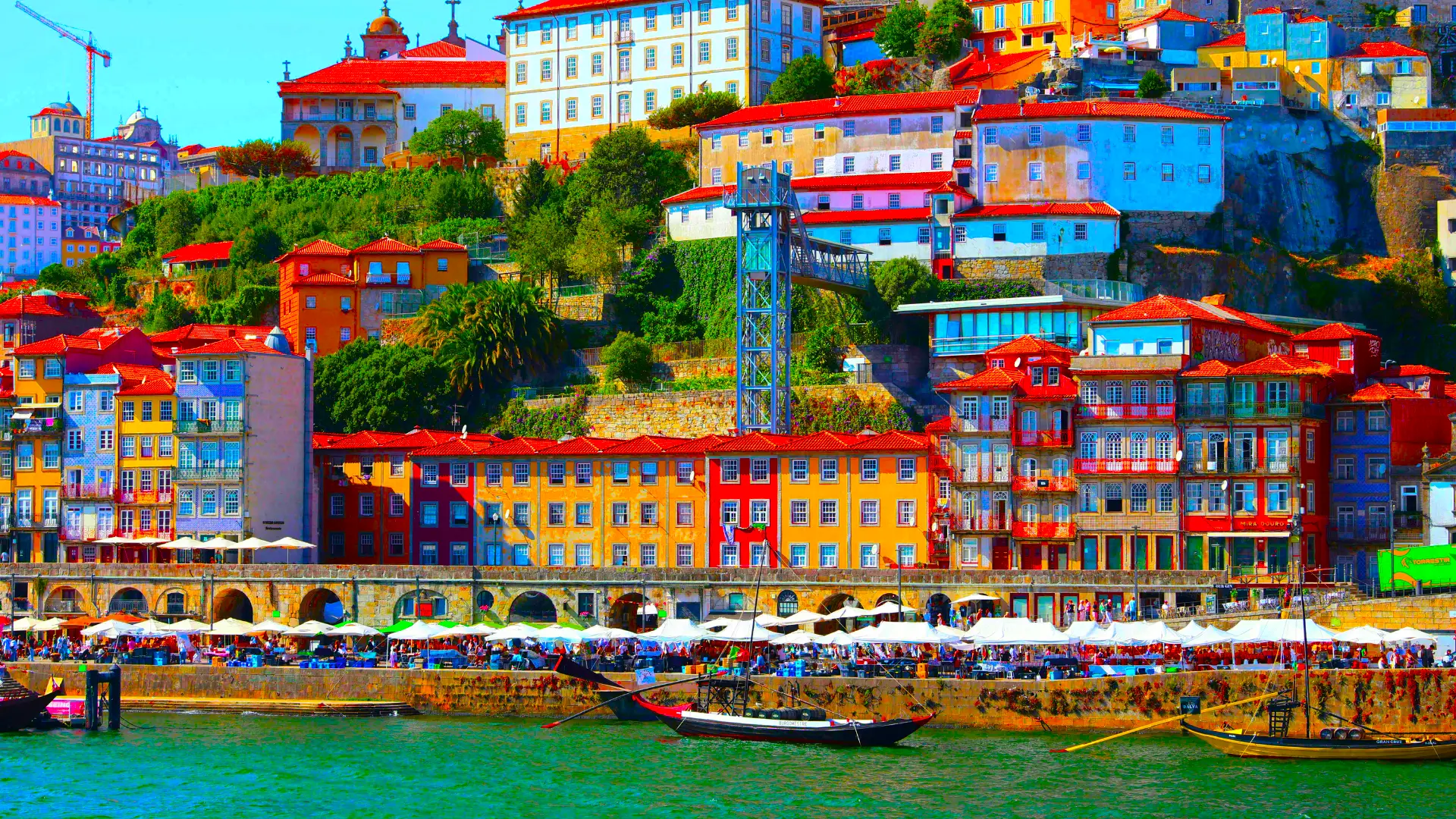
Historic Porto
Discover the most atmospheric part of Porto, from grand squares and tiled landmarks to medieval streets, river views and the timeless energy of Ribeira.
Quick answer
Yes. Ribeira and the historic centre are essential for a first visit to Porto. This is where you find many of the city’s most memorable places: São Bento Station, Sé Cathedral, Rua das Flores, Ribeira, the Douro River and Luís I Bridge.
If it is your first time in Porto, this is the easiest area to begin. You can understand the city’s history, slopes, river and atmosphere in one walk.
Classic PortoThe historic centre is best explored on foot. The beauty is in the streets, tiles, balconies, viewpoints, old façades and small details between the landmarks.
Do not rush itA simple route can take you from Avenida dos Aliados to São Bento, Sé, Rua das Flores and down to Ribeira, ending by the Douro.
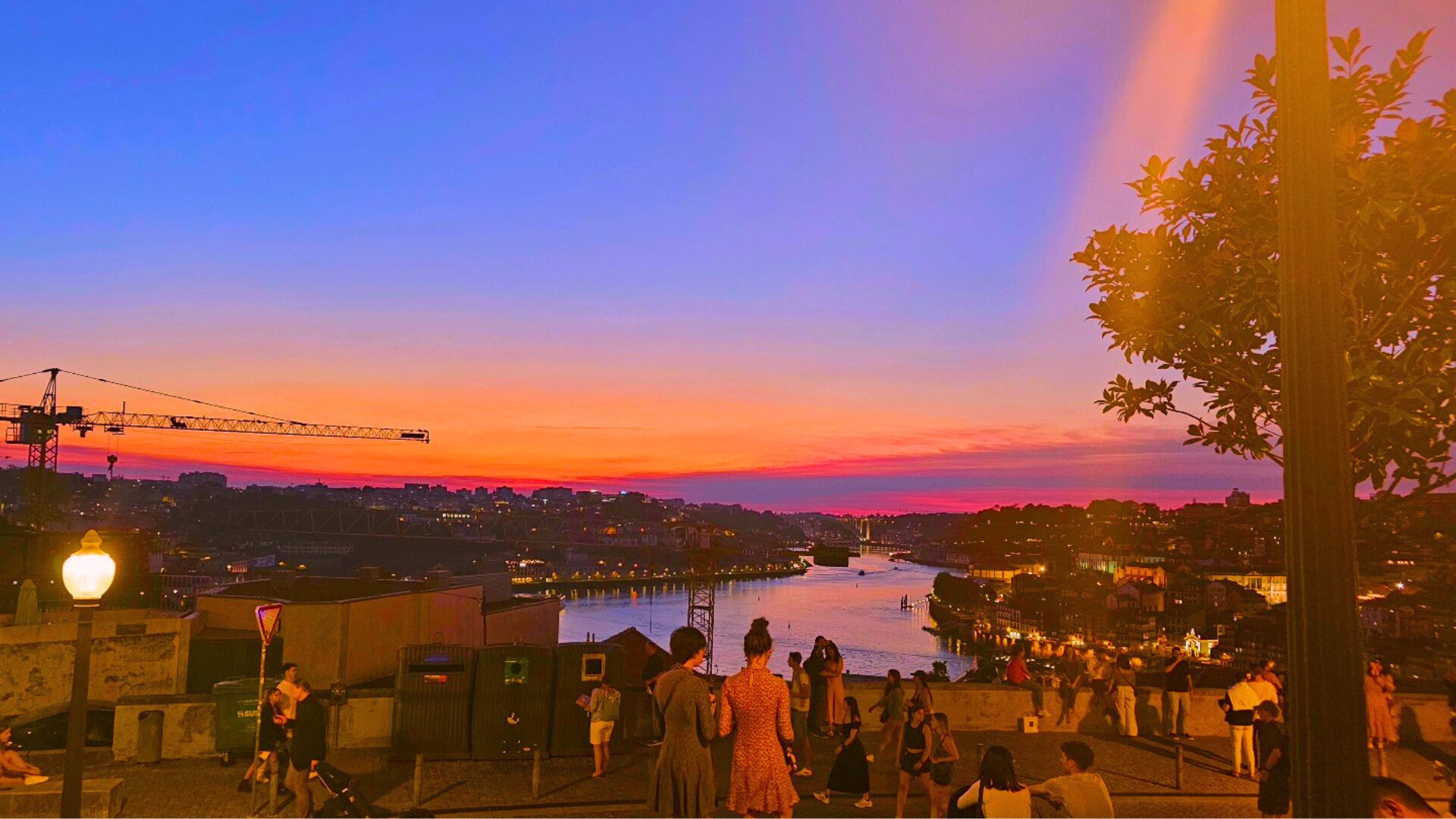
Natural routeMorning is calmer for walking and photos. Late afternoon is beautiful near the river, especially if you want to continue towards Gaia for sunset.
Best lightSimple answer
Do not treat Ribeira and the historic centre as a fast checklist. Walk, pause, look up, notice the tiles and let the route down to the river feel like part of the experience.
Suggested route
One of the easiest ways to explore the historic centre is to begin around Avenida dos Aliados, pass through São Bento, continue towards the Sé, walk down through the old streets and finish in Ribeira by the Douro River.
This route works well because it moves naturally from the grander city centre to the older, narrower and more atmospheric side of Porto.
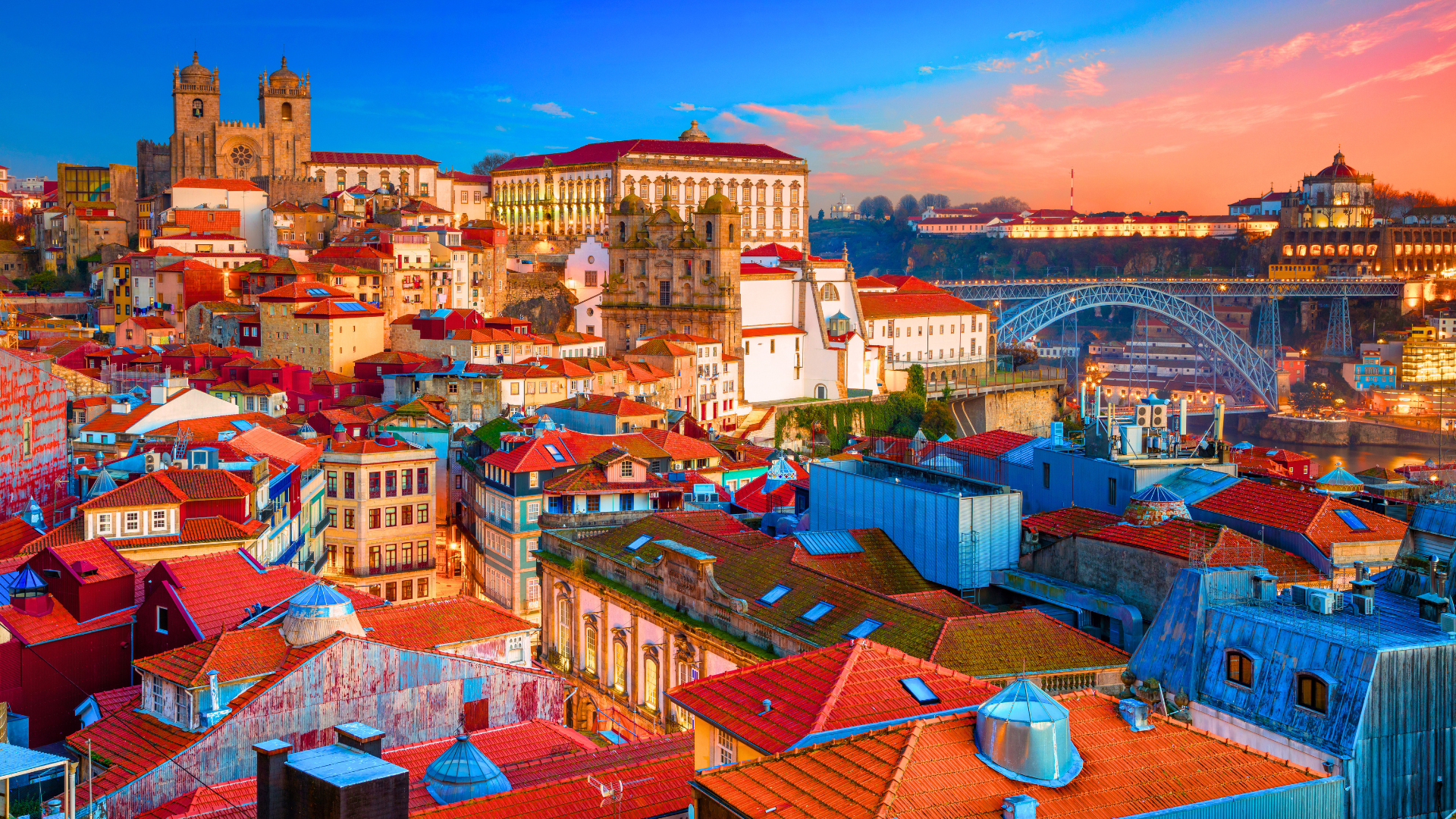
Start in the grand civic centre of Porto, with open space, monumental architecture and an easy connection to the rest of the historic centre.
Step inside one of Porto’s most memorable interiors, where tile panels turn a train station into a cultural landmark.
Move towards one of the oldest parts of the city, with stone, views, narrow passages and a stronger medieval feeling.
Walk through one of the most charming streets in the centre, with shops, façades, cafés and a natural route towards the river.
Arrive by the Douro, where the city becomes colourful, busy, scenic and deeply connected to the river.
Finish by the bridge or cross to Gaia for one of the most iconic views back to Porto.
Route tip
The route from the centre down to Ribeira is beautiful, but remember that returning uphill can feel very different. You can walk back, cross to Gaia, use the metro, or take a short taxi or app ride if you are tired.
Video stories
Explore Ribeira, Luís I Bridge, Rua das Flores, Rua Mouzinho da Silveira, Mercado Ferreira Borges, Palácio da Bolsa and the surrounding historic streets through filmed walks and local storytelling.
The full Porto and Gaia video collection brings together historic streets, river views, local memories and cultural walks filmed on location.
Main places
These are the places that help the historic centre make sense: grand entrances, tiled interiors, old stone areas, elegant streets, river views and the bridge that connects Porto to Gaia.
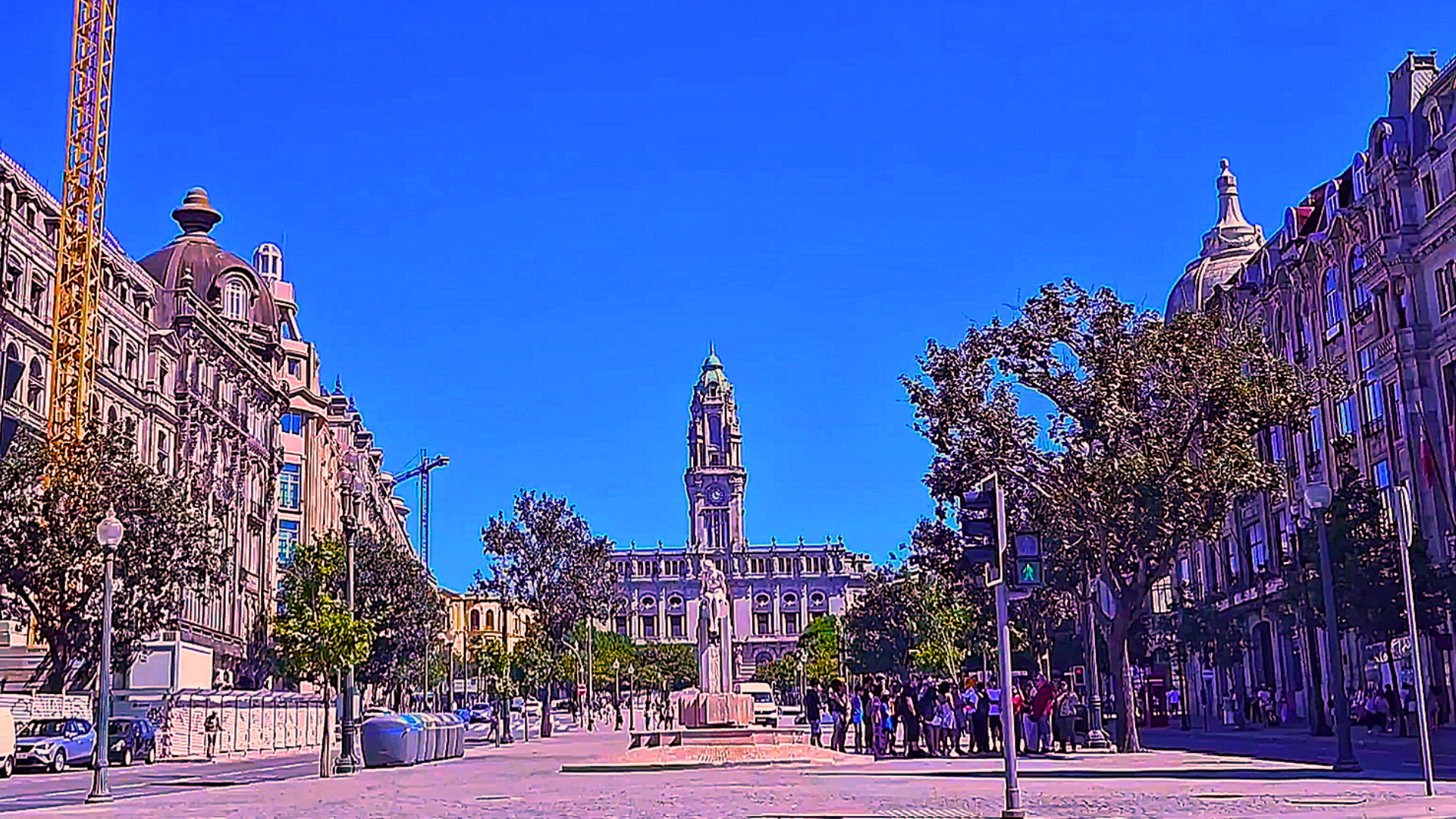
A good place to begin if you want to feel the grander side of Porto before entering the older streets.
Best starting point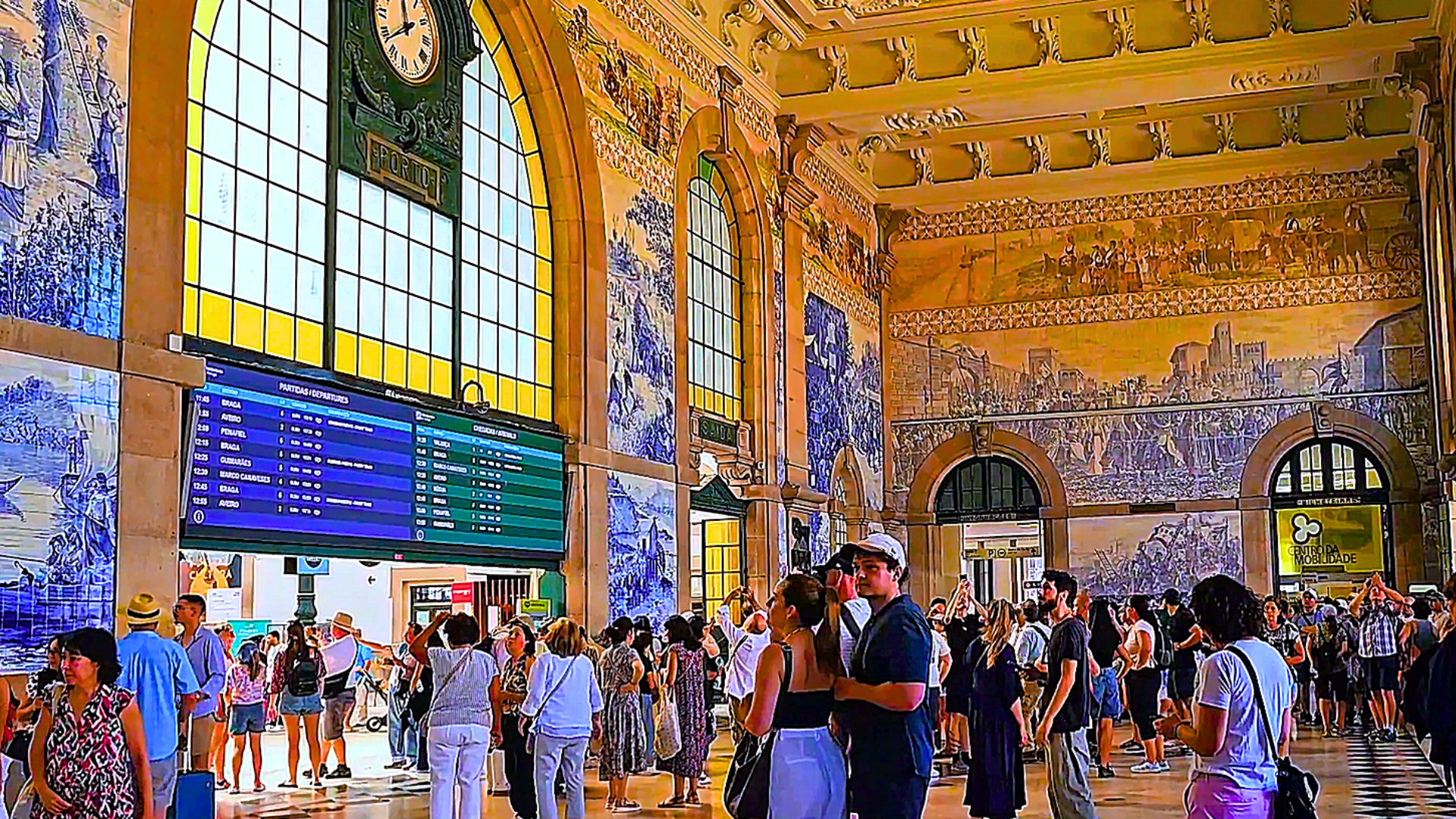
One of Porto’s most memorable interiors, where everyday travel meets history, tile panels and atmosphere.
Best interior stop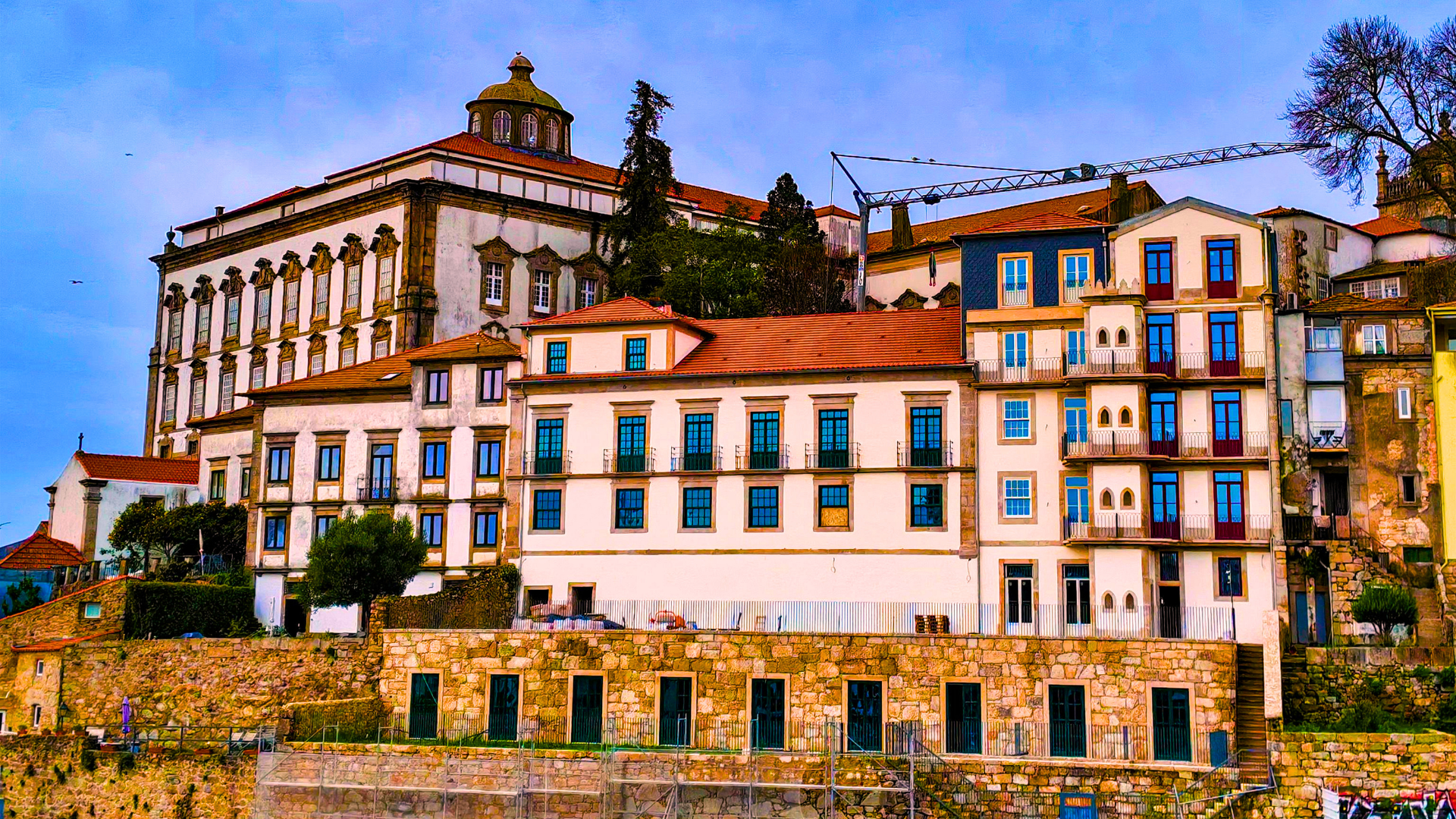
One of the oldest and most atmospheric parts of Porto, with stone, viewpoints and narrow passages.
Best historic mood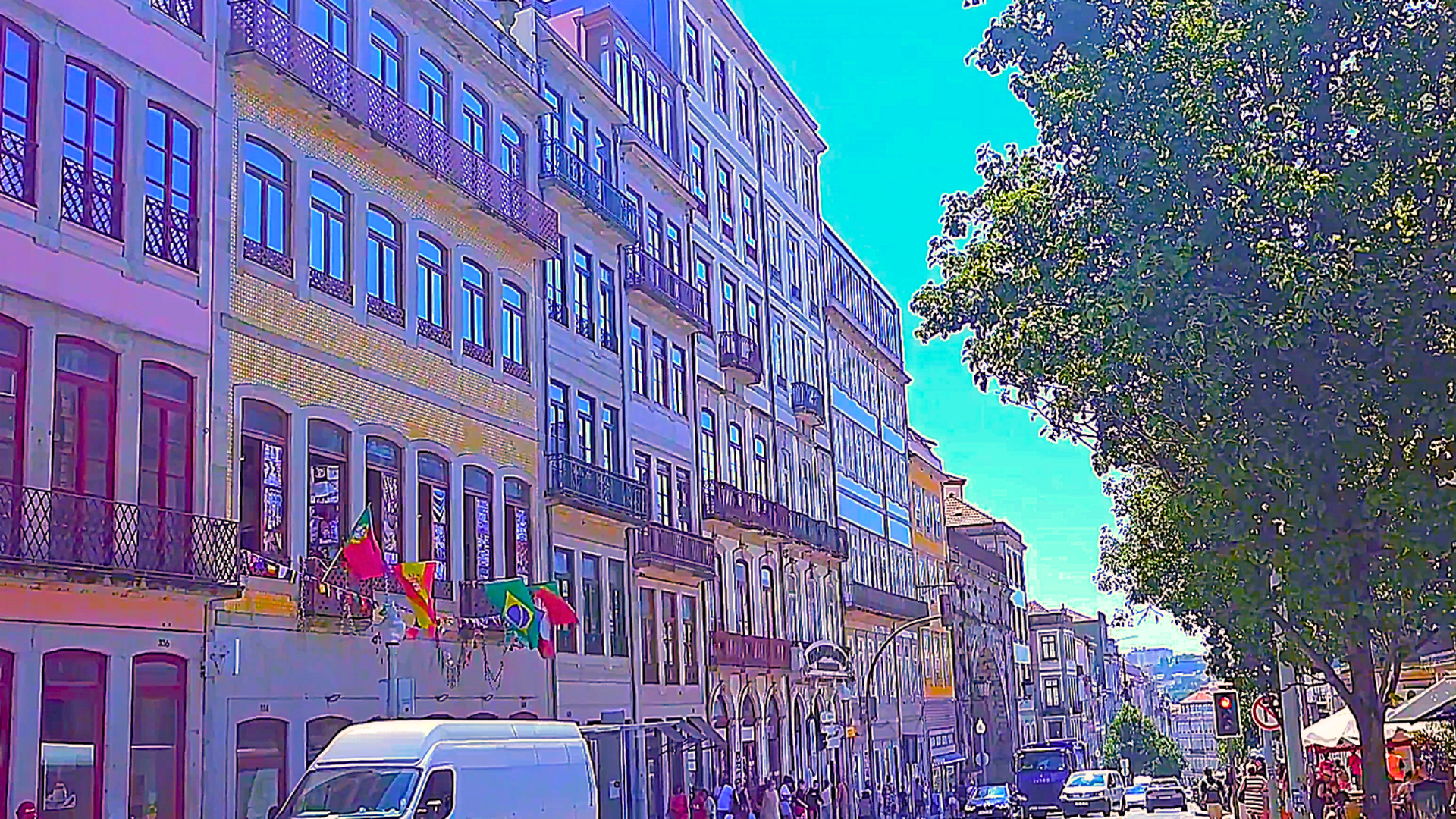
A beautiful area for slow walking, façades, shops, cafés and the natural descent towards Ribeira.
Best slow walk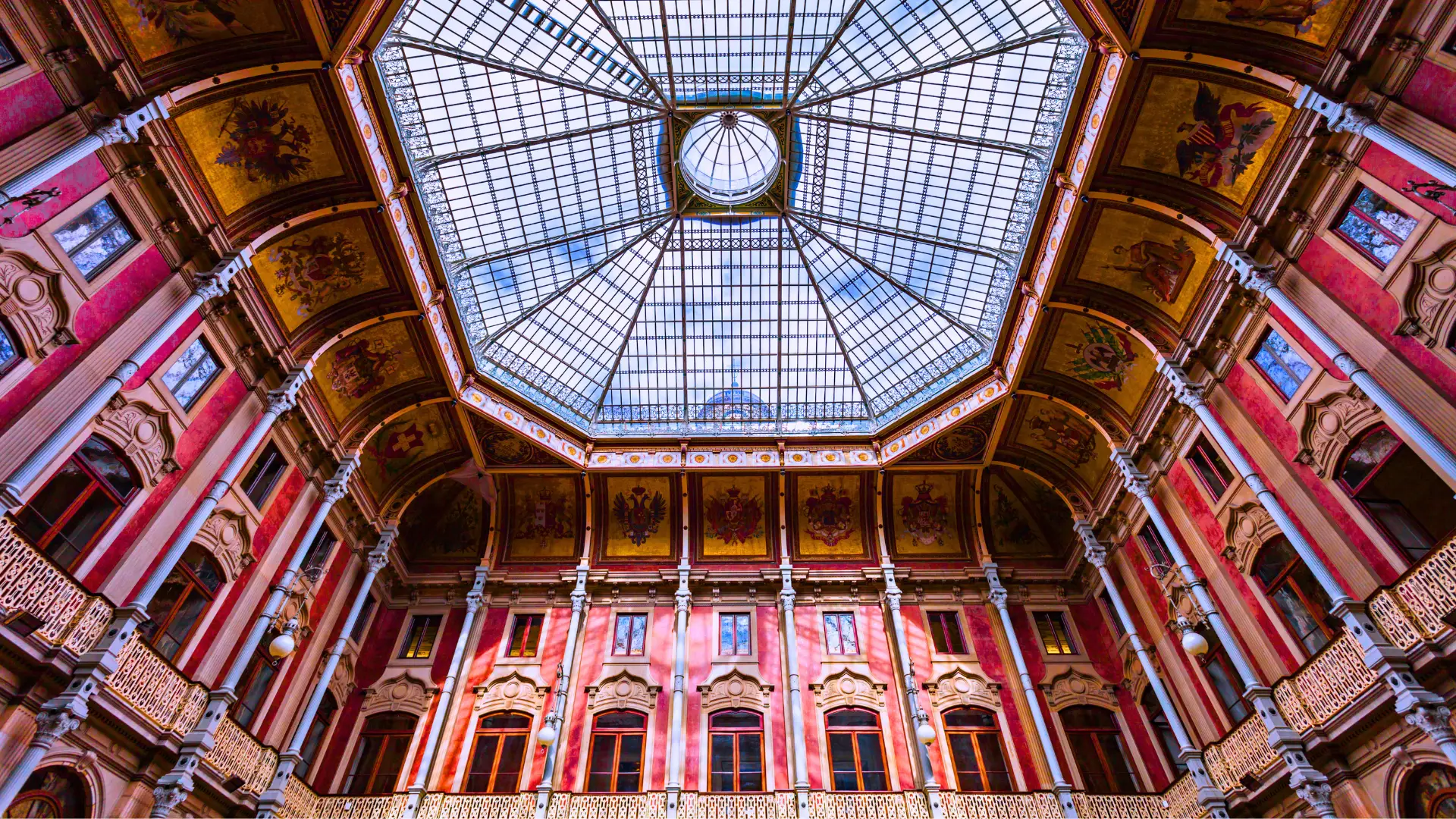
A landmark of Porto’s civic and commercial history, close to Ribeira and the riverfront.
Best for architecture
A striking red iron building beside the historic centre, useful as a visual landmark near Ribeira.
Best nearby stop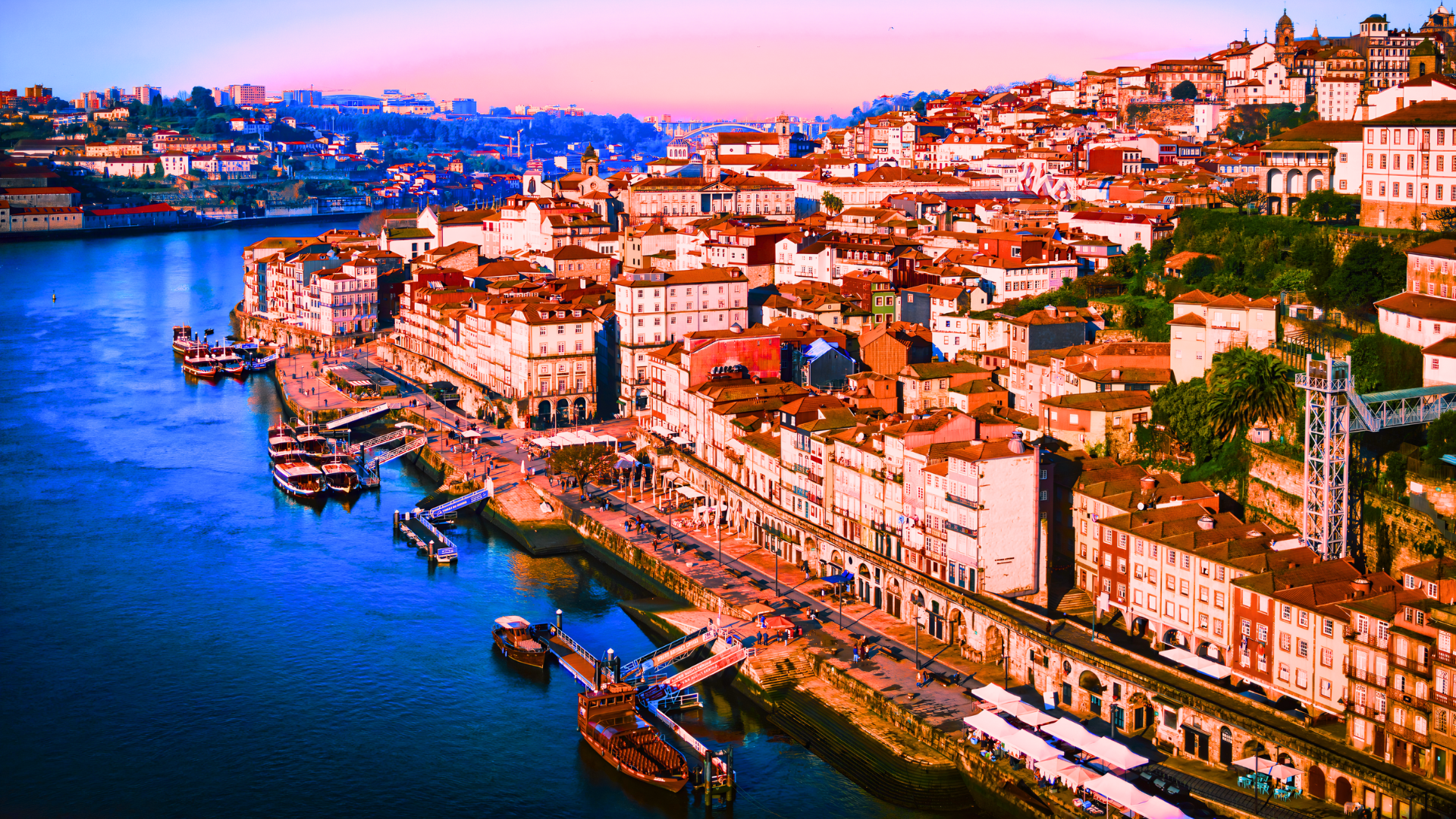
The classic Porto riverfront, with colour, movement, terraces, boats and views across the Douro.
Best atmosphere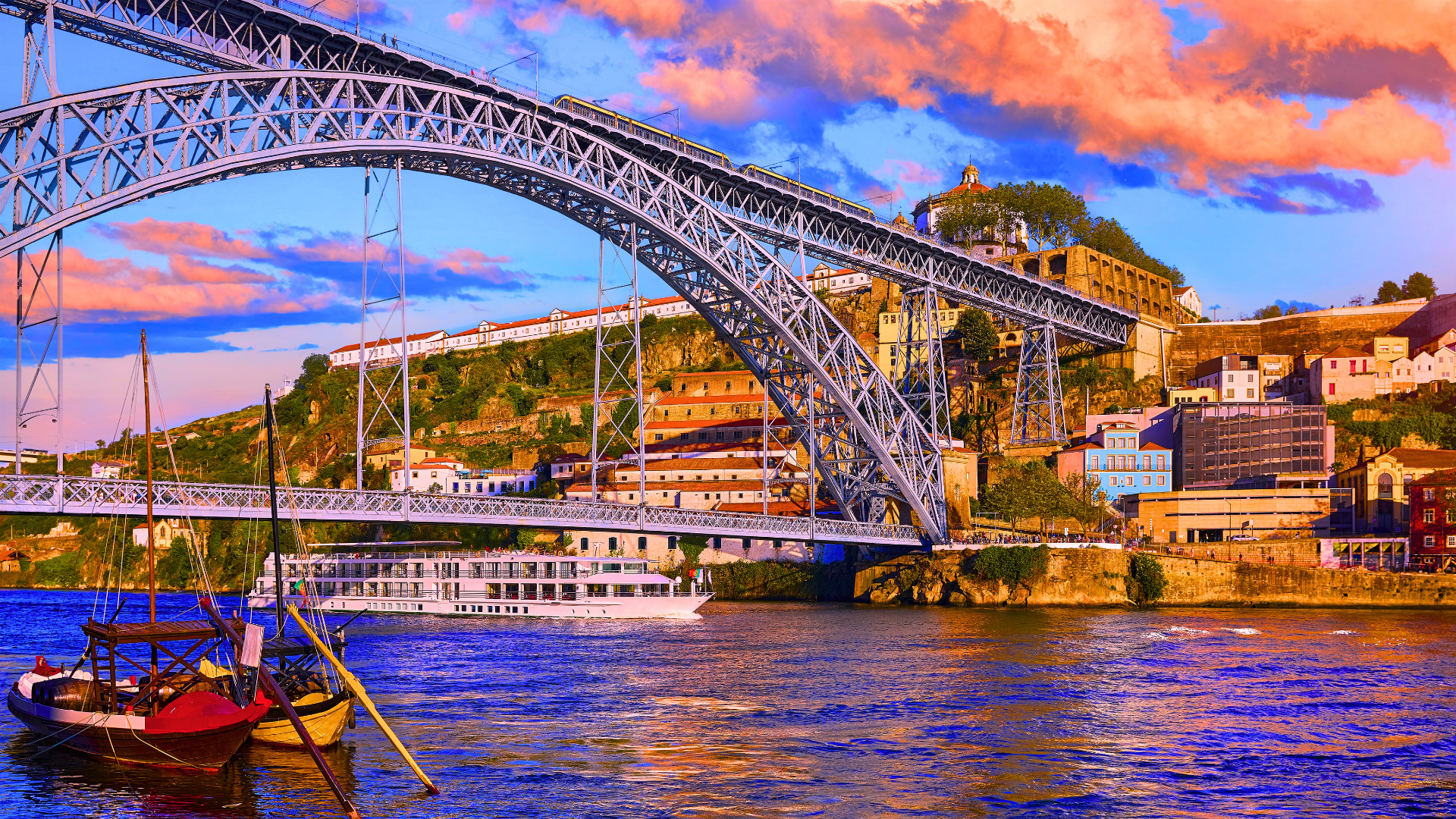
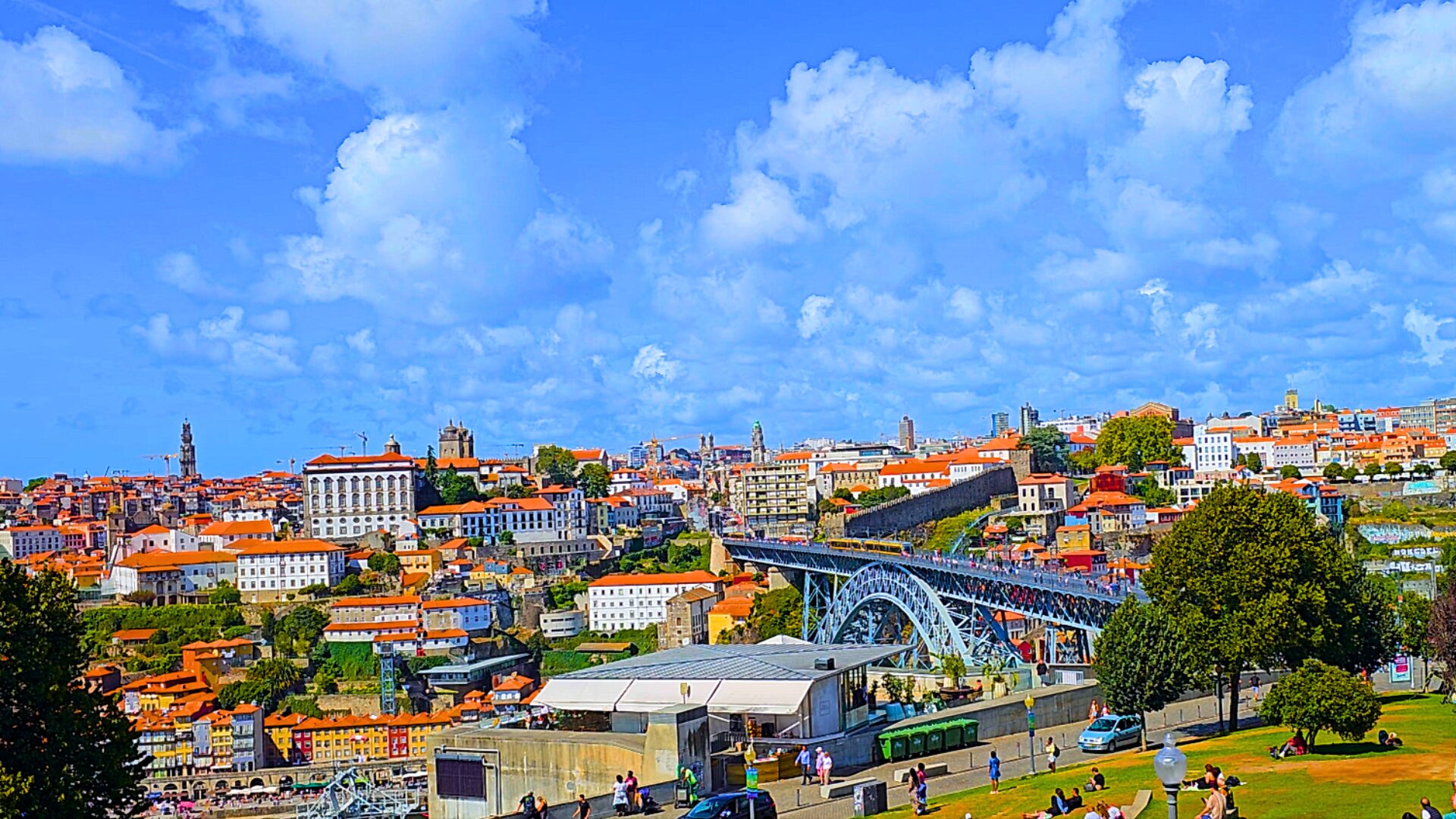
The bridge is both a landmark and a route, connecting the historic centre with Gaia and some of the best views of Porto.
Best crossingRibeira
Ribeira is one of the most recognisable parts of Porto. It is colourful, lively, scenic and deeply connected to the Douro River. This is where the city feels close to the water, with terraces, old façades, boats, views of Gaia and the constant presence of Luís I Bridge.
It can be busy and touristy, but that does not make it less important. Ribeira is part of the classic Porto experience, especially if you slow down and notice the details beyond the postcard view.
Ribeira is much better when you do not treat it as only a photo stop. Walk slowly, look at the buildings, notice the river and give yourself time to feel the atmosphere.
Some of the best views of Ribeira are actually from the other side of the river. Cross to Gaia and you will see Porto rising above the Douro.
Morning can feel calmer. Late afternoon brings warmer light, more atmosphere and an easy connection to sunset in Gaia.
Local perspective
You can sit by the river, cross the bridge, watch the boats, climb back through the old streets or continue into Gaia. The beauty of Ribeira is that it connects many versions of Porto in one place.
Practical tips
Ribeira and the historic centre are easy to enjoy, but the hills, stone streets, crowds and timing can change the experience. A little planning makes the walk much more comfortable.
The historic centre has stone pavements, slopes, steps and narrow streets. Comfortable shoes make a huge difference, especially if you plan to walk down to Ribeira and back up again.
Porto can look small on the map, but the climbs are real. Walking down to the river is easy and beautiful, but returning uphill can feel much harder.
If you want a quieter experience, start in the morning. Ribeira and the most central streets usually become busier later in the day.
Do not rush from landmark to landmark. The best part of this area is often what happens between places: façades, balconies, tiles, cafés, street corners and river glimpses.
After arriving at Ribeira, it is easy to cross Luís I Bridge or walk along the lower bridge level towards Gaia for views, wine cellars and sunset.
Like in any busy tourist area, keep an eye on your phone, wallet and bag, especially around crowded viewpoints, terraces and narrow streets.
Best advice
The historic centre rewards curiosity. Look up at the balconies, notice the old signs, pause for the views and allow yourself to take small detours. Porto is often more beautiful when you stop trying to optimise every minute.
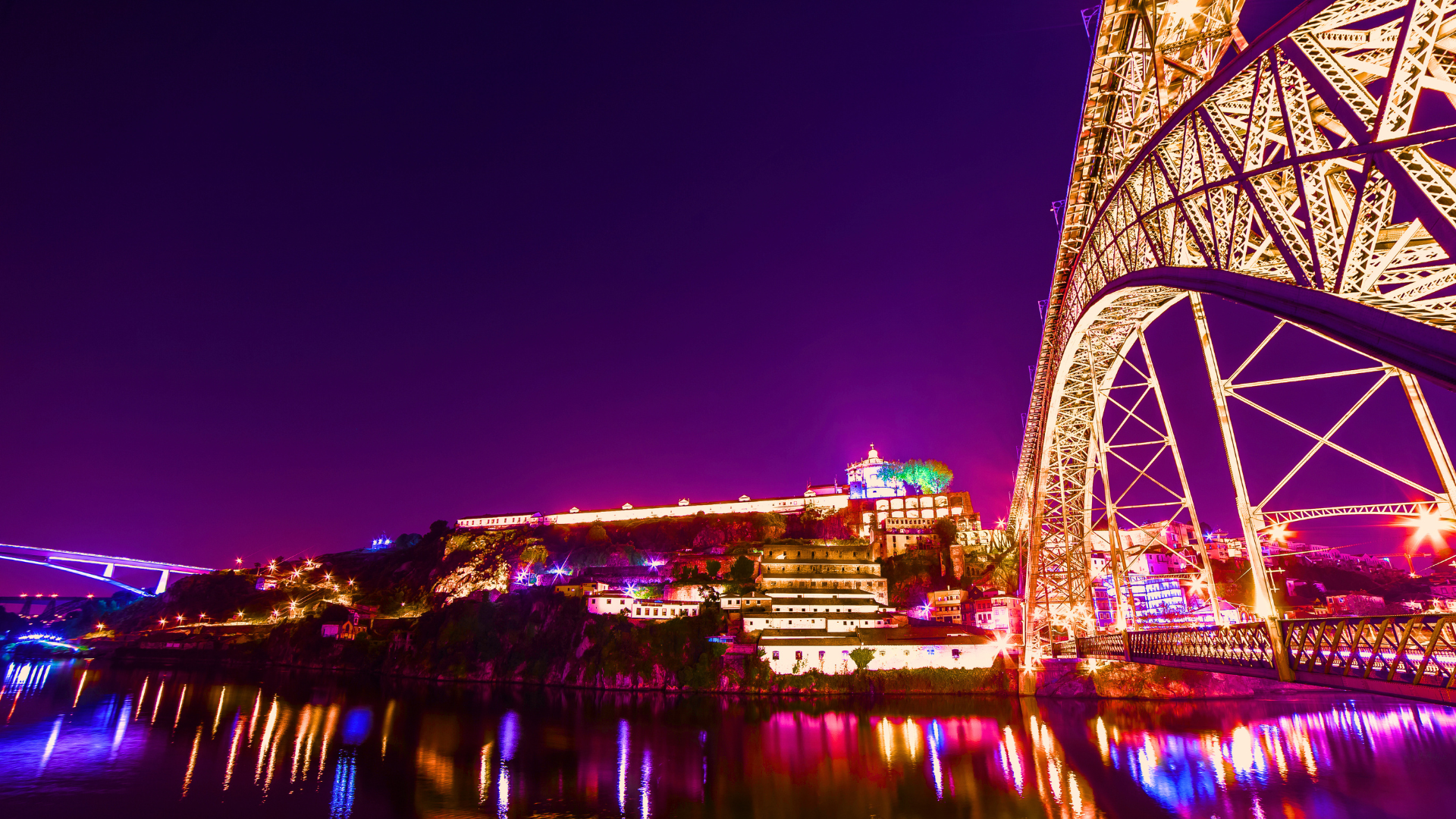
Historic Porto
Ribeira and the historic centre are not only places to see. They are places to feel Porto through stone streets, tiled landmarks, river light, old façades and the views that connect the city to Gaia.