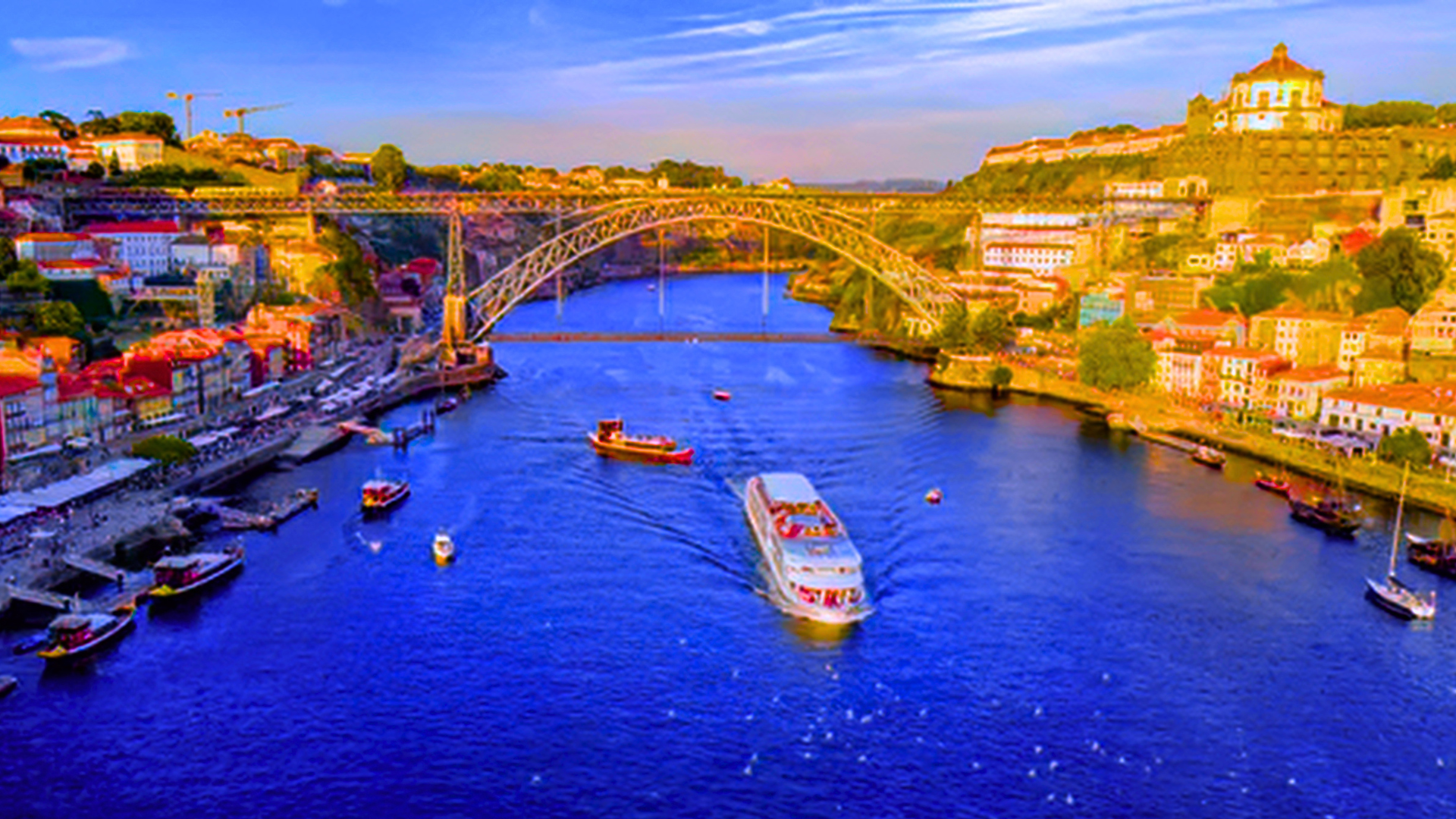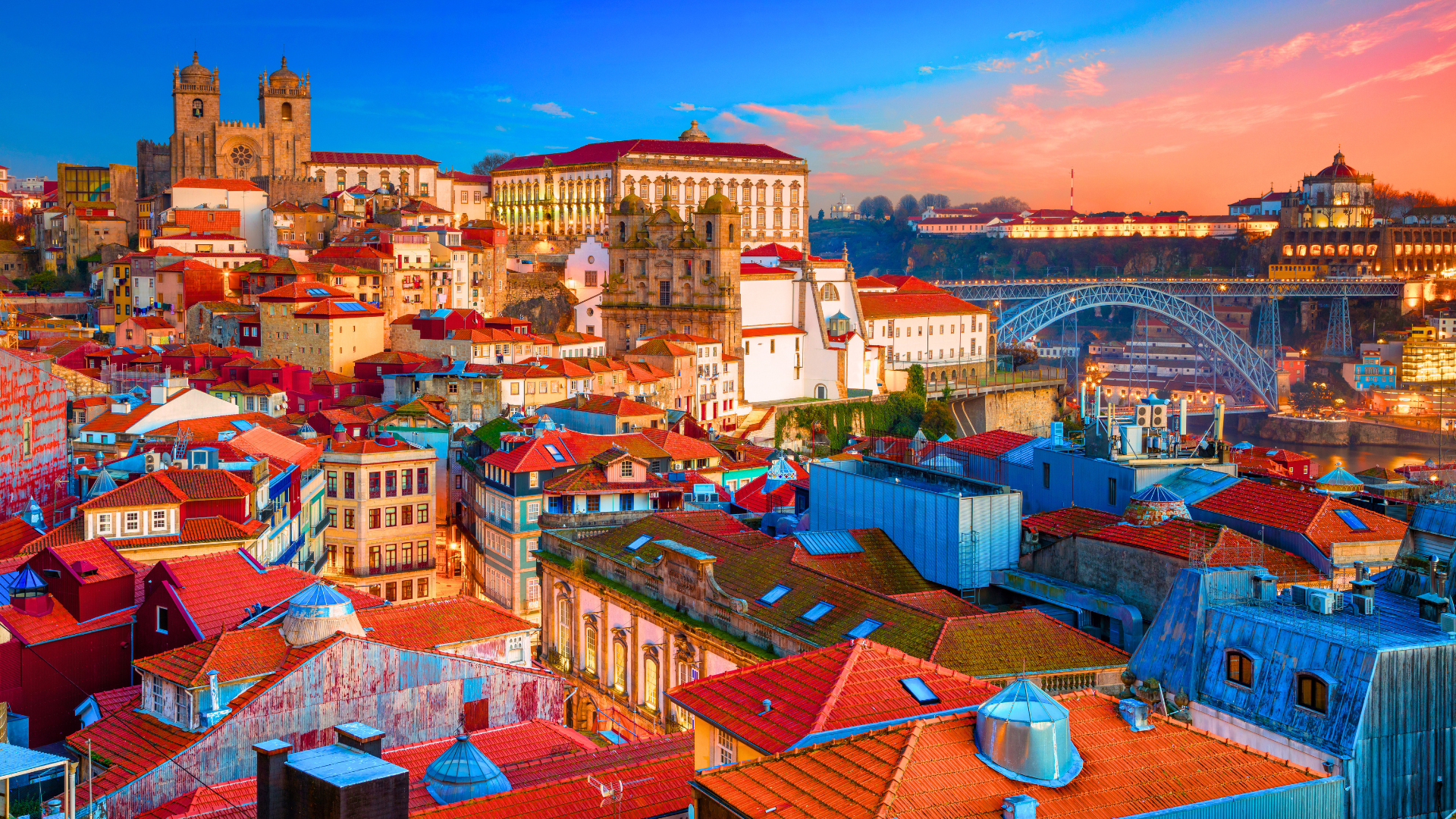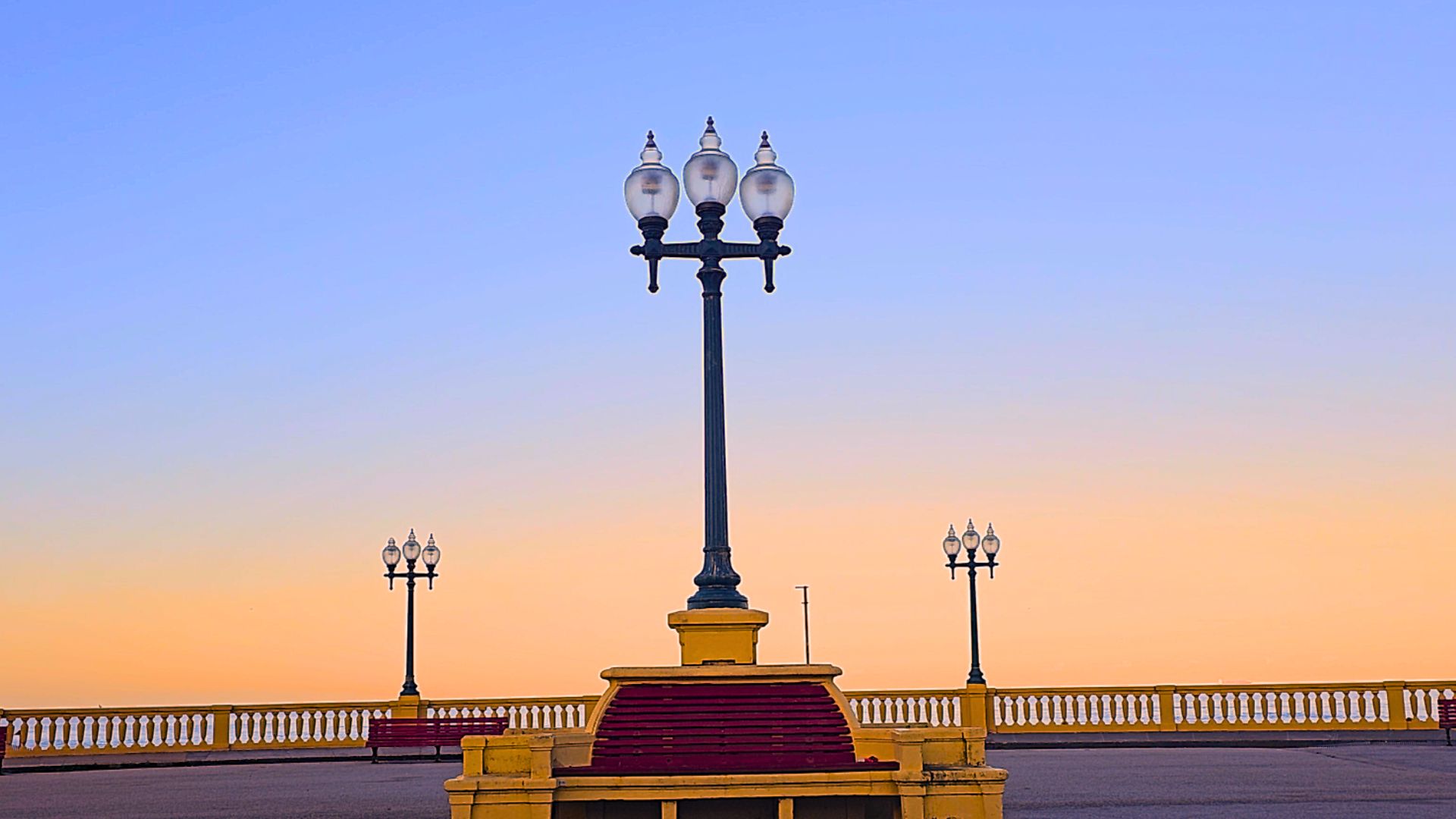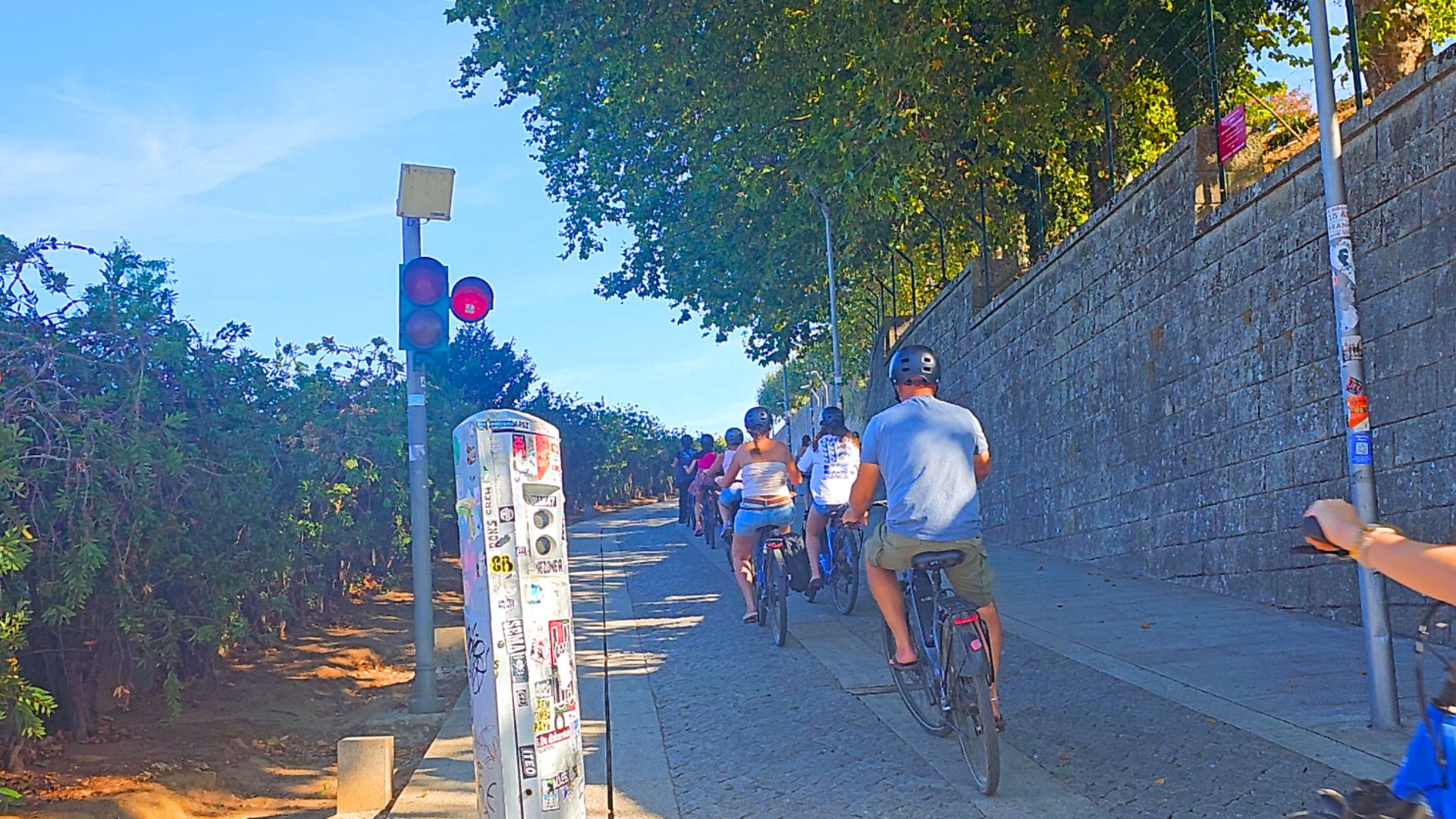
Spring
Fresh and easy to explore
Mild weather, flowers, easier walks and a fresh feeling across the city.
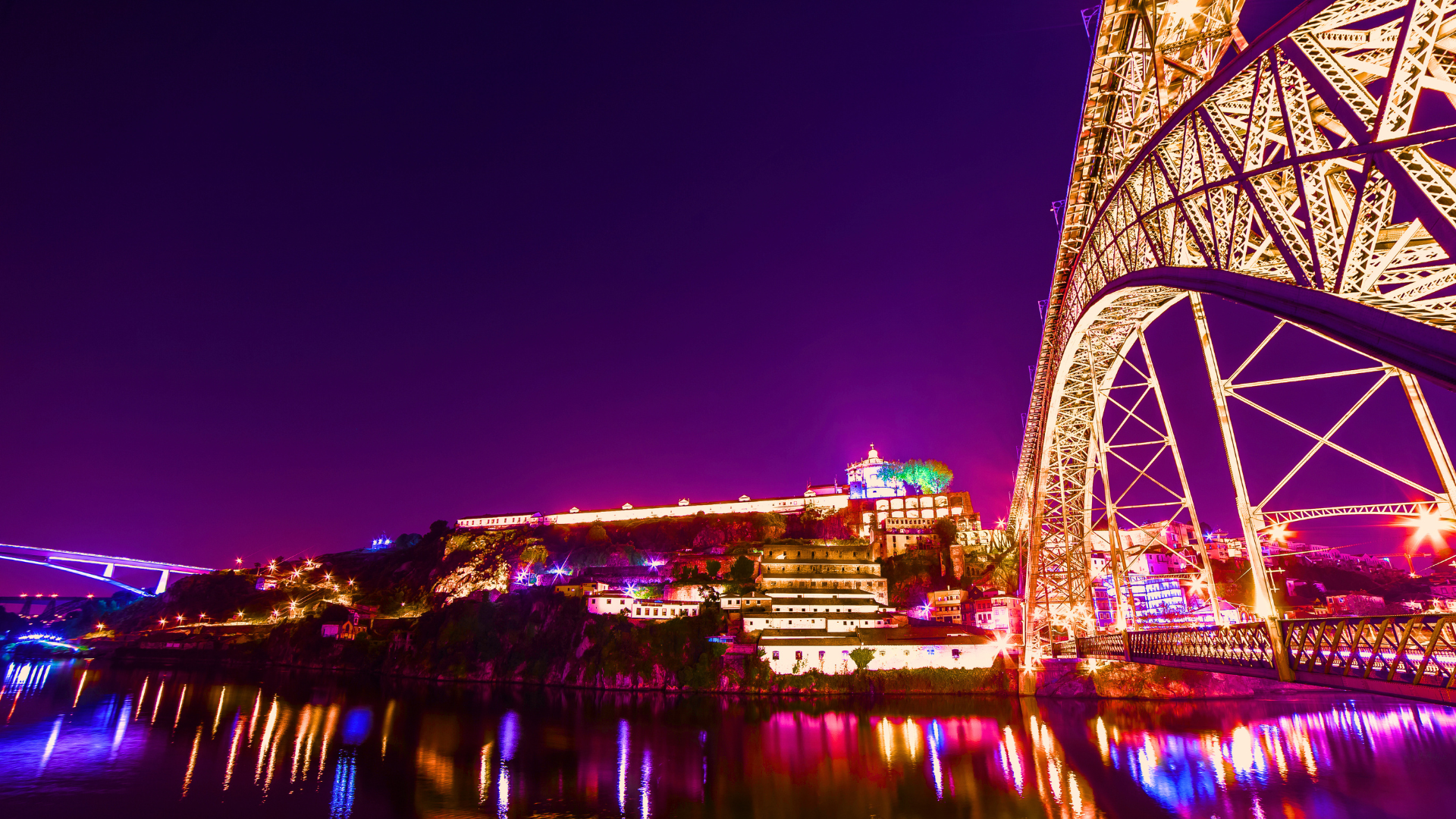
Porto travel guide
Everything you need to know before visiting Porto, from the best time to go to where to stay, how to move around and what to expect.
Porto is compact, walkable and full of character, but it is not a flat or predictable city. Streets rise and fall, weather can change quickly, and some of the best moments happen when you slow down instead of trying to see everything at once.This guide is designed to help you make simple decisions before your trip: when to visit, how to move around, where to stay and how many days you need.
Choose your starting point
This page is the main gateway. Use this small planner if you want a quick path to the most useful goldenporto guides for your type of trip.
If this is your first Porto trip, start by choosing your route, understanding the main experiences and picking the right base. Then add transport, food and viewpoints.
Video stories
See Porto and Gaia through filmed walks, historic streets, river views, Atlantic light, local memories and cultural stories filmed on location.
The video collection helps you understand the feeling of the city before choosing where to stay, what to do and how to shape your route.
Before you go
Porto is a city best explored on foot, but comfortable shoes are not optional. The historic centre has steep streets, stone pavements and many viewpoints that require a bit of climbing.
You do not need to plan every minute, but it is worth deciding your base area, how many days you have and whether you want a classic route or a slower experience.
When to visit
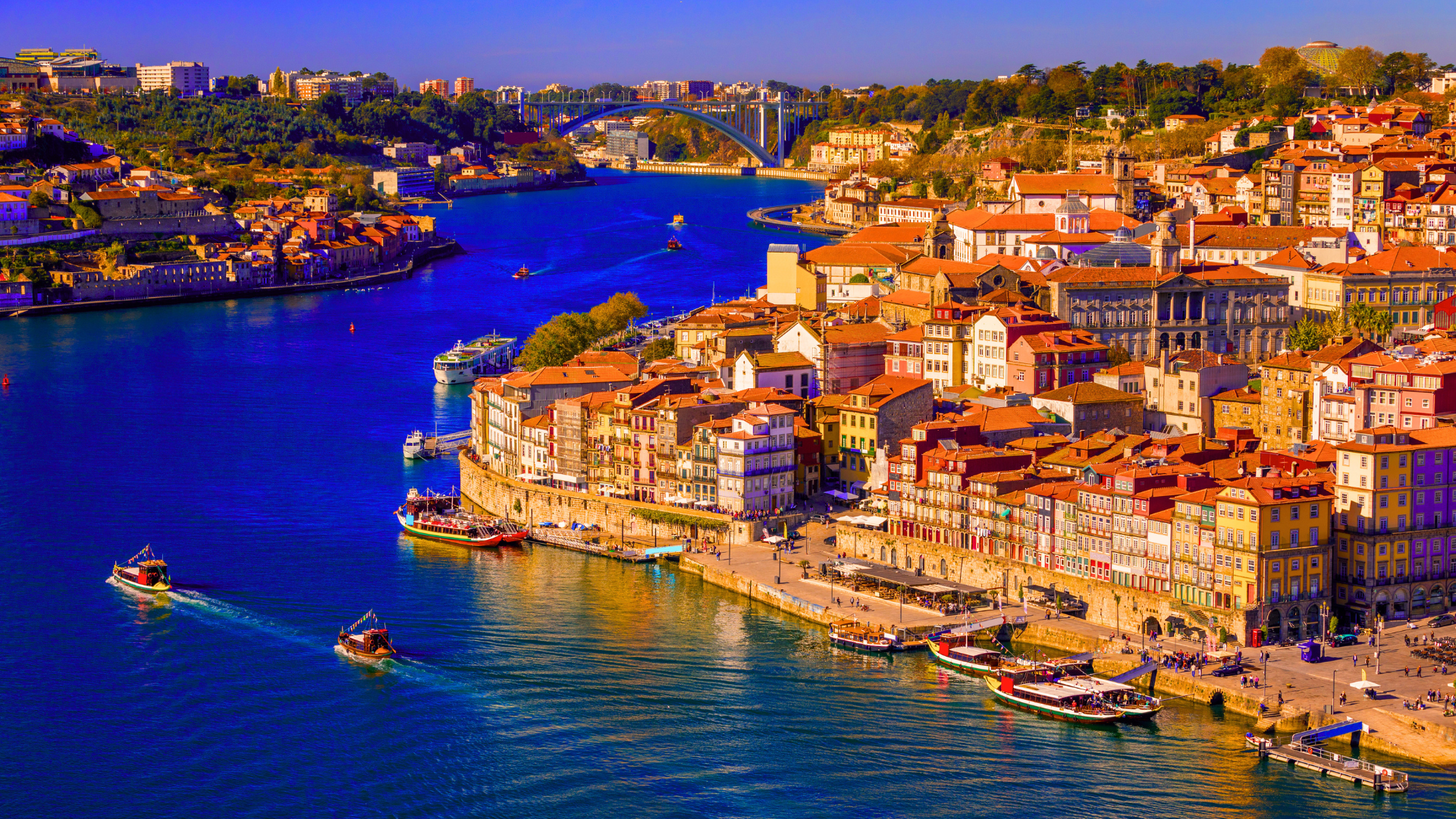
Porto can be visited all year, but the experience changes depending on the season. Spring and autumn are often the easiest months for walking, with milder weather and a more relaxed rhythm. Summer brings longer days, busier streets and a livelier atmosphere. Winter is quieter, moodier and can be beautiful if you enjoy softer light and fewer crowds.
Mild weather, flowers, easier walks and a fresh feeling across the city.
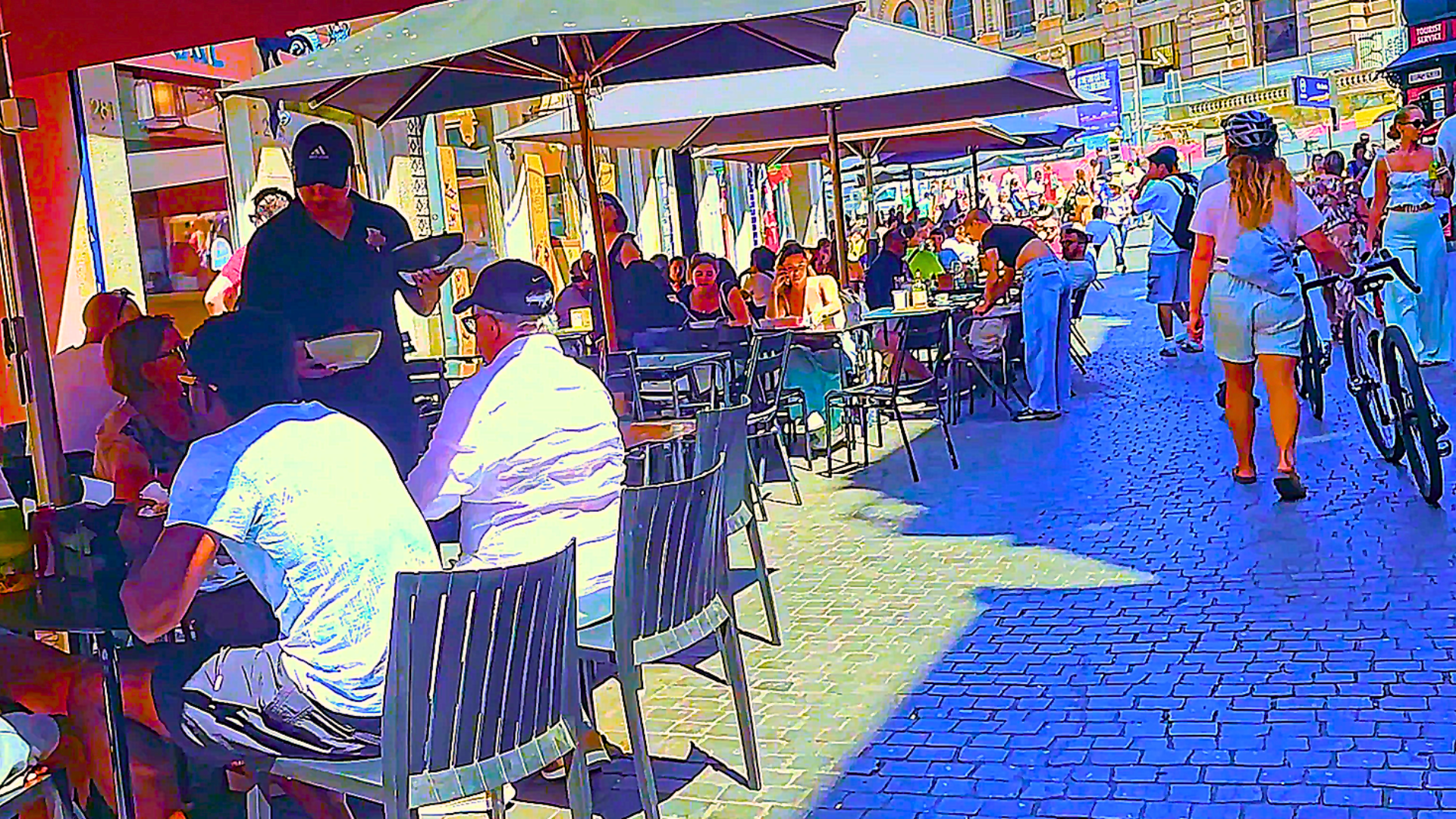
Longer days, river views, outdoor terraces and more people around the main attractions.
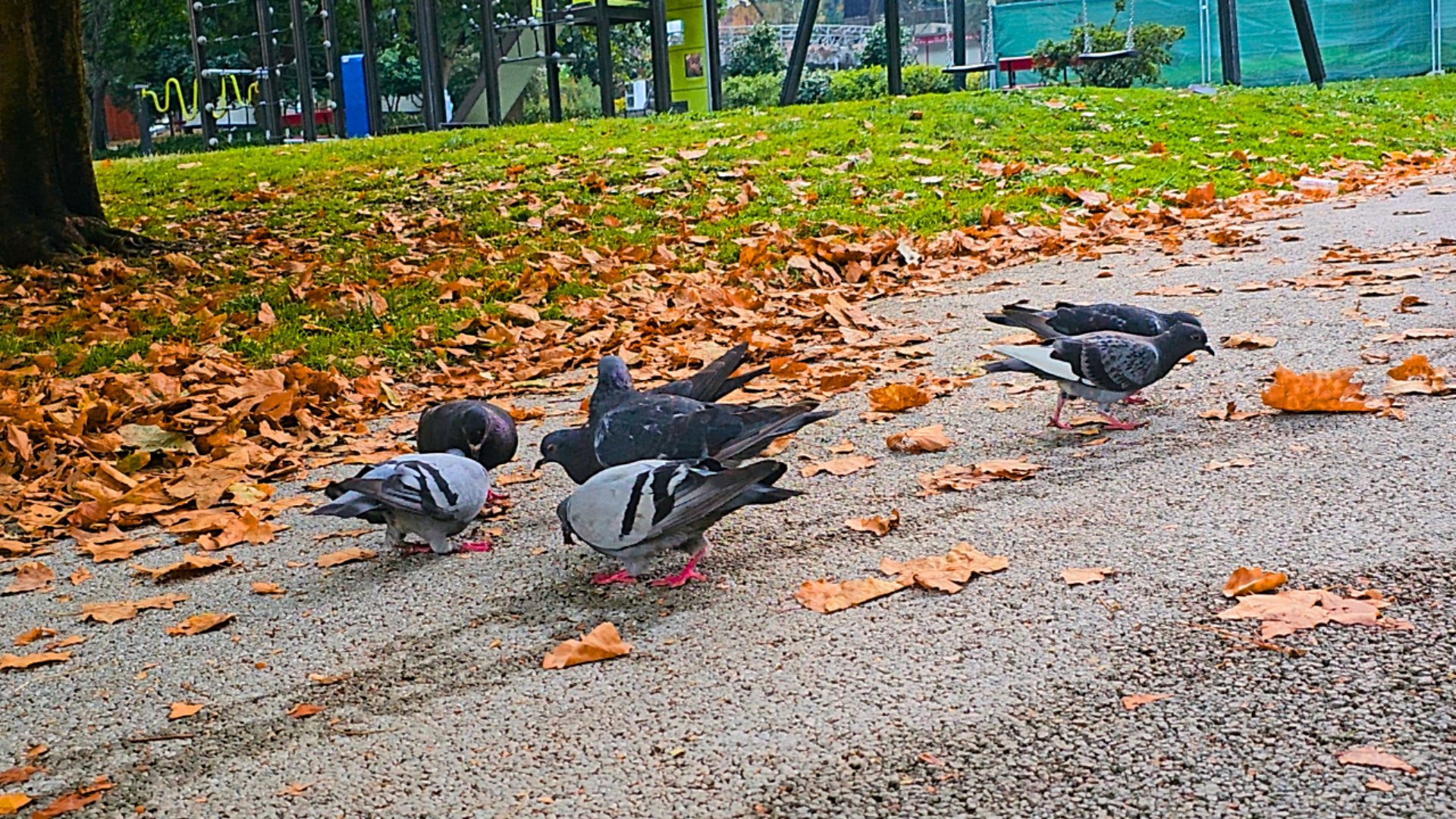
A beautiful balance of atmosphere, softer light and comfortable city walks.
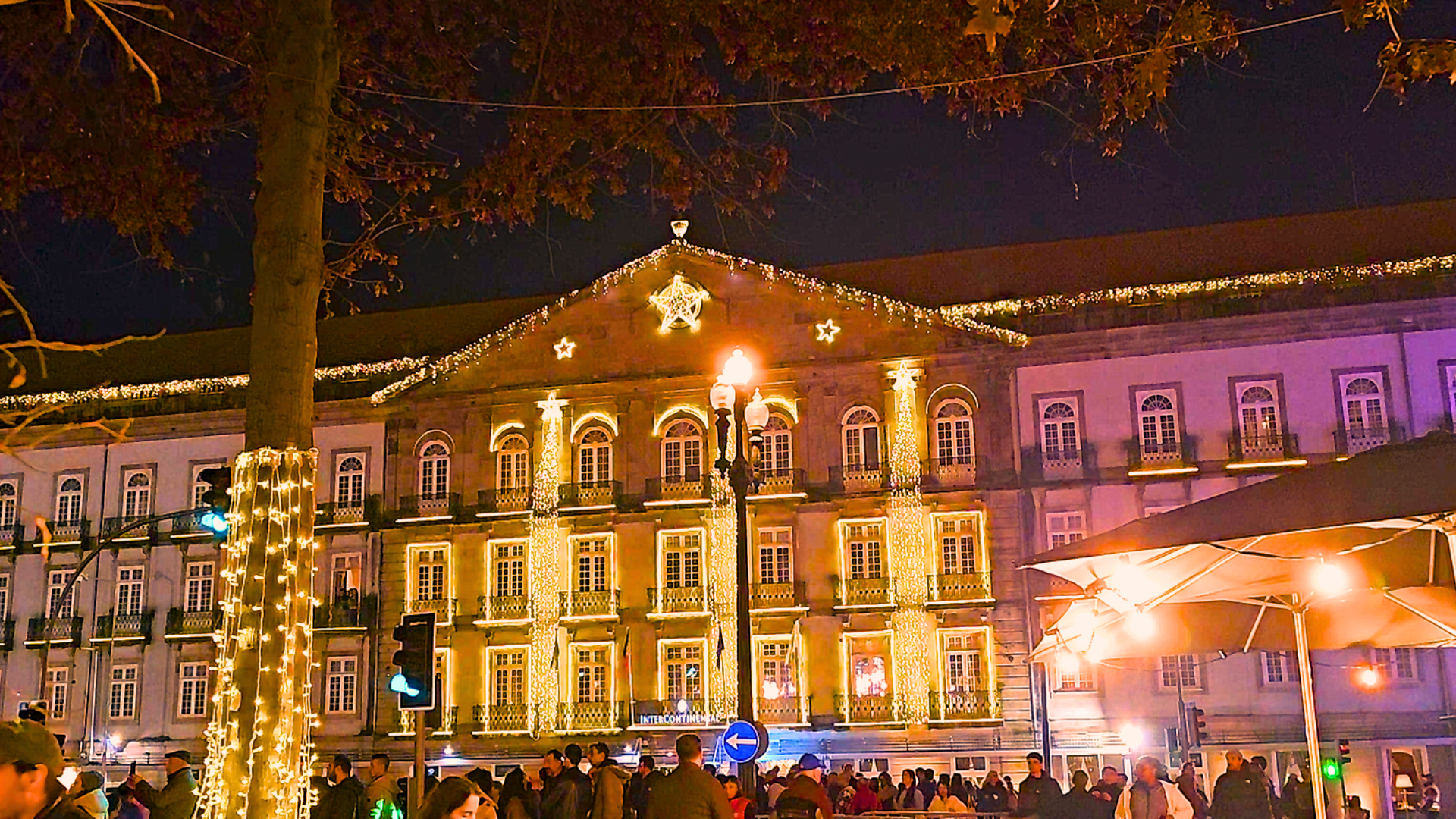
Quieter streets, cosy cafés, dramatic skies and a more intimate side of Porto.
If you want to experience Porto at its most festive, São João is the celebration to know about. If you prefer a calmer trip, avoid planning only around the busiest moments.
Arrival
Most visitors arrive by plane, train or car. Once you are in the city, the centre is easy to reach and the main areas are connected by metro, bus, taxi or ride-hailing services.

Porto Airport is connected to the city by metro, taxi and ride-hailing services. For many travellers, the metro is the simplest option if they are staying near a central station.
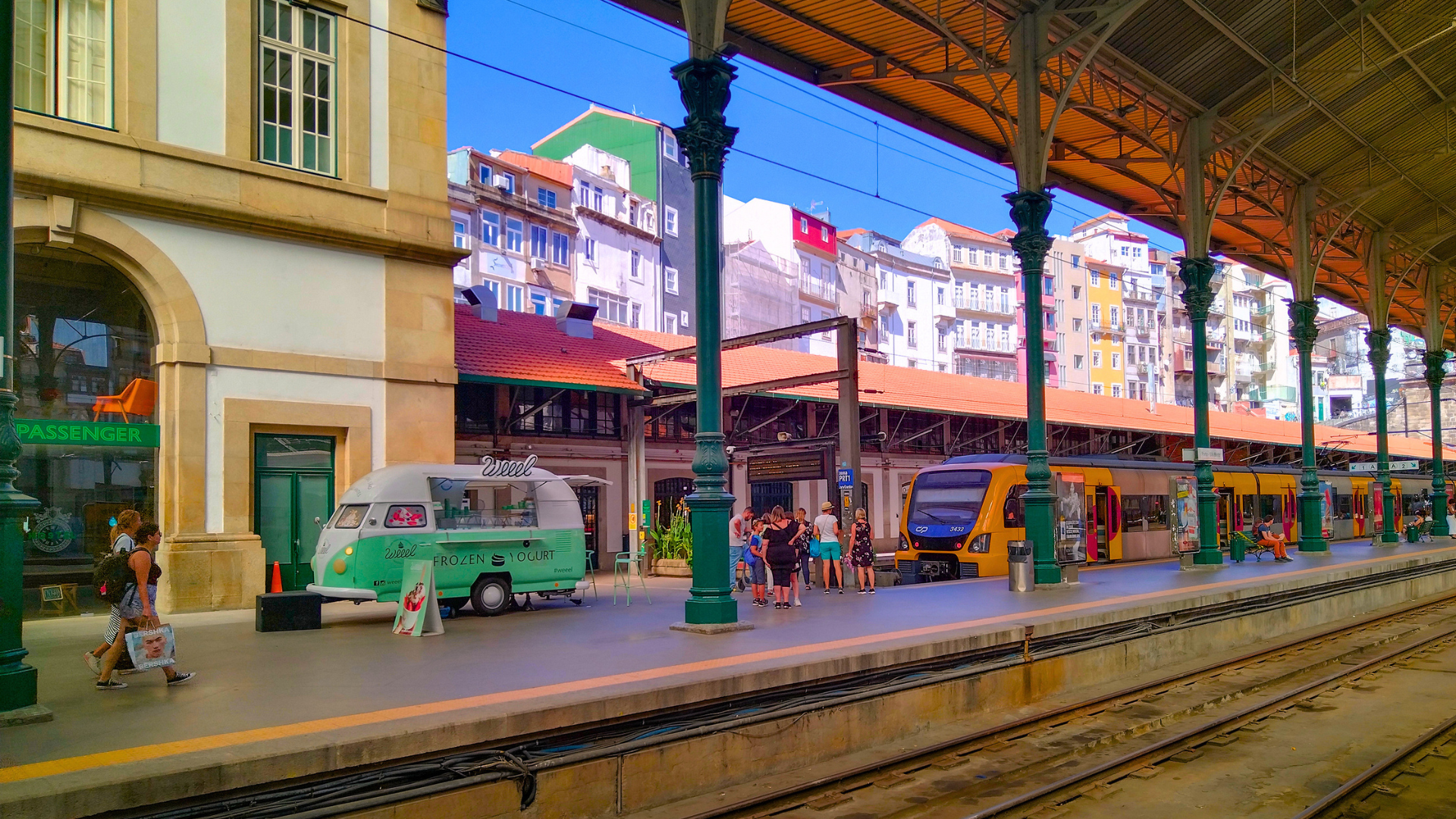
São Bento is the most iconic station in the historic centre, while Campanhã is the main railway hub for longer connections to and from other Portuguese cities.

A car is useful for exploring northern Portugal, but not always necessary inside Porto. Parking and narrow streets can make driving less relaxing in the historic centre.
Getting around
Porto is one of those cities where walking is part of the experience. The historic centre is compact, but the hills can be demanding, so the best approach is to combine walking with metro, taxis or short rides when needed.
Do not try to cross the whole city on foot just because distances look short on a map. In Porto, elevation matters.
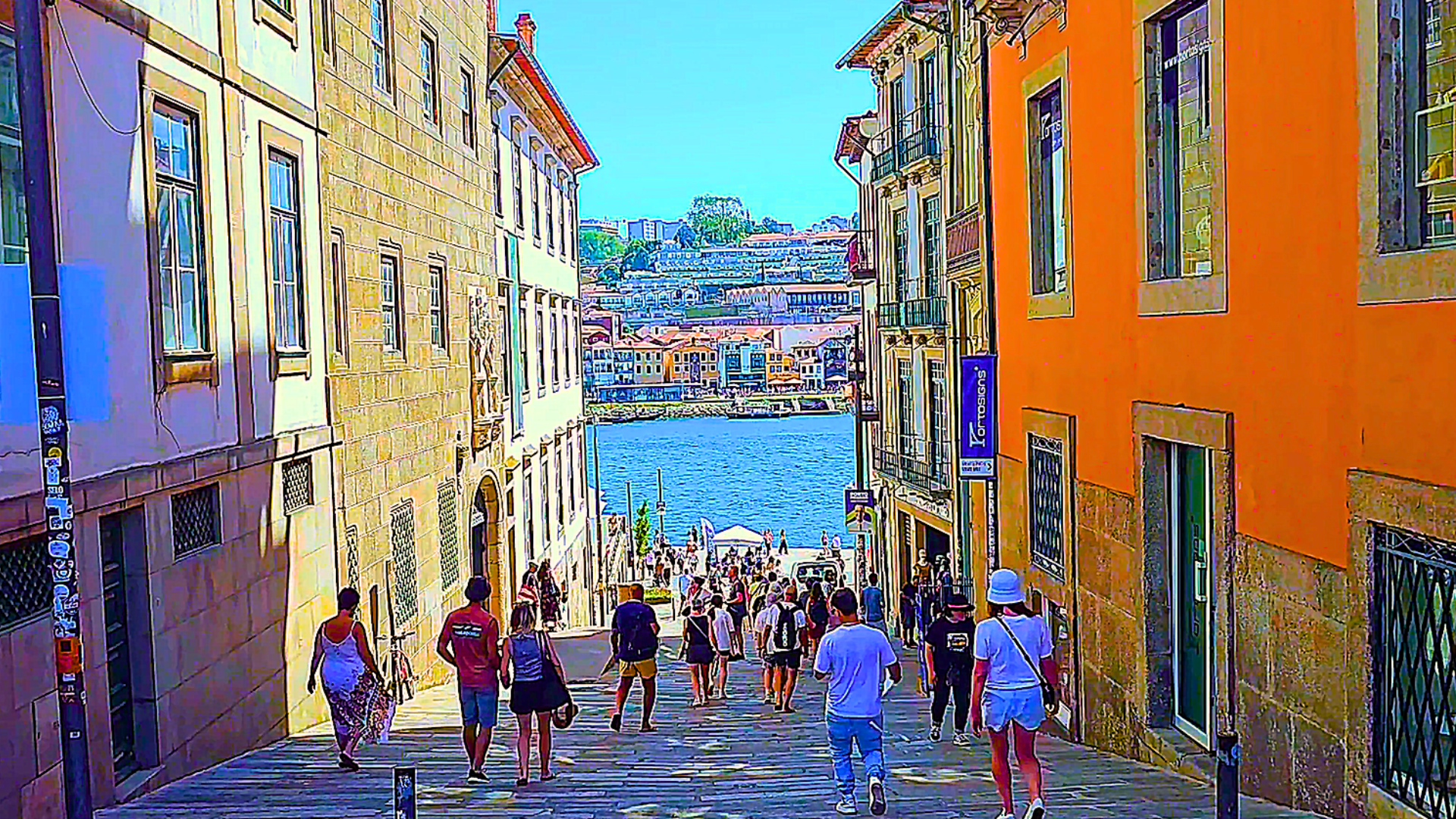
Ideal for Ribeira, Sé, Clérigos, Rua das Flores, São Bento and many viewpoints, as long as you are ready for hills and stone pavements.
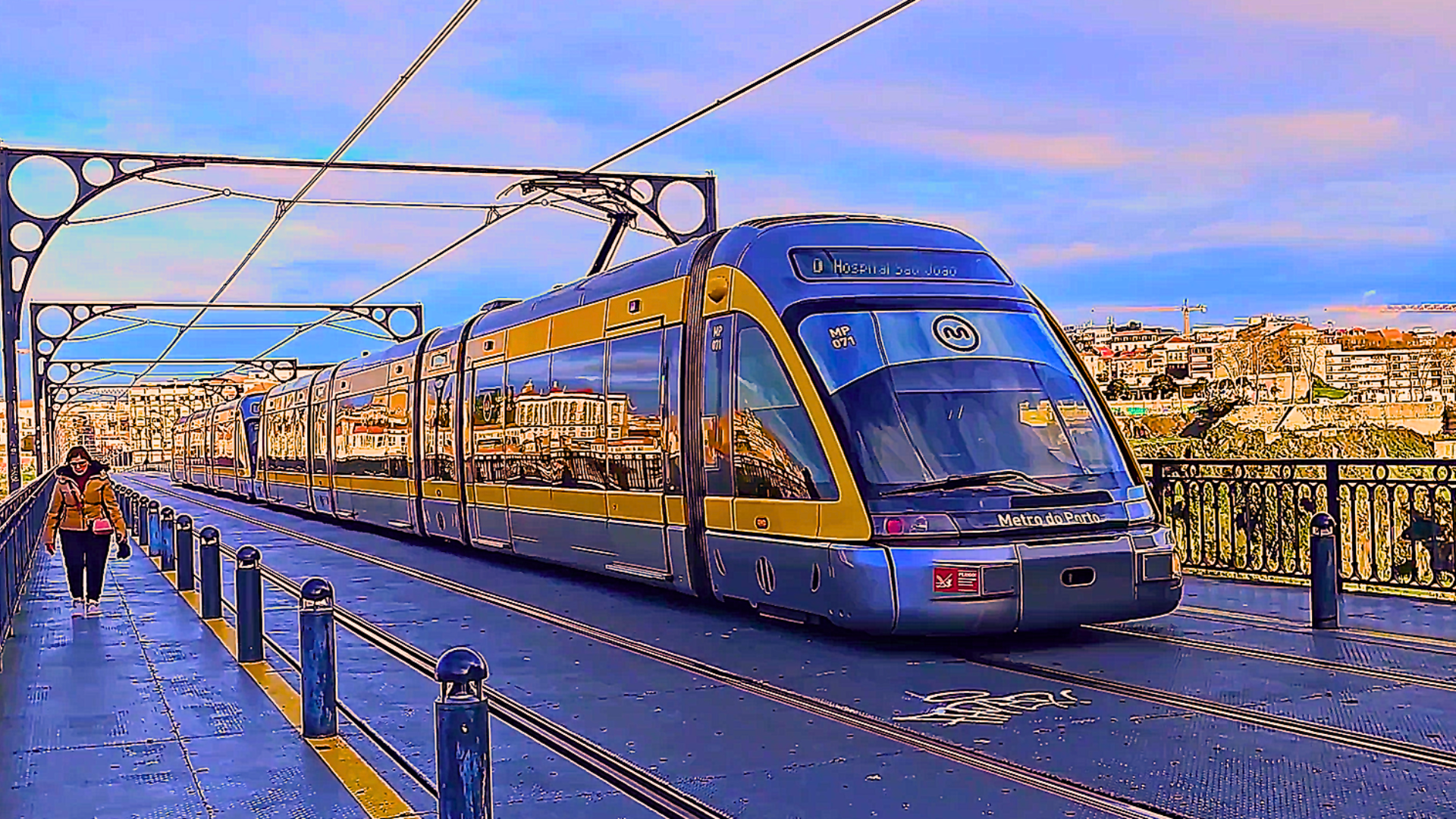
The metro is useful for the airport, Campanhã, Casa da Música, Matosinhos and wider city connections, especially when walking would take too much energy.
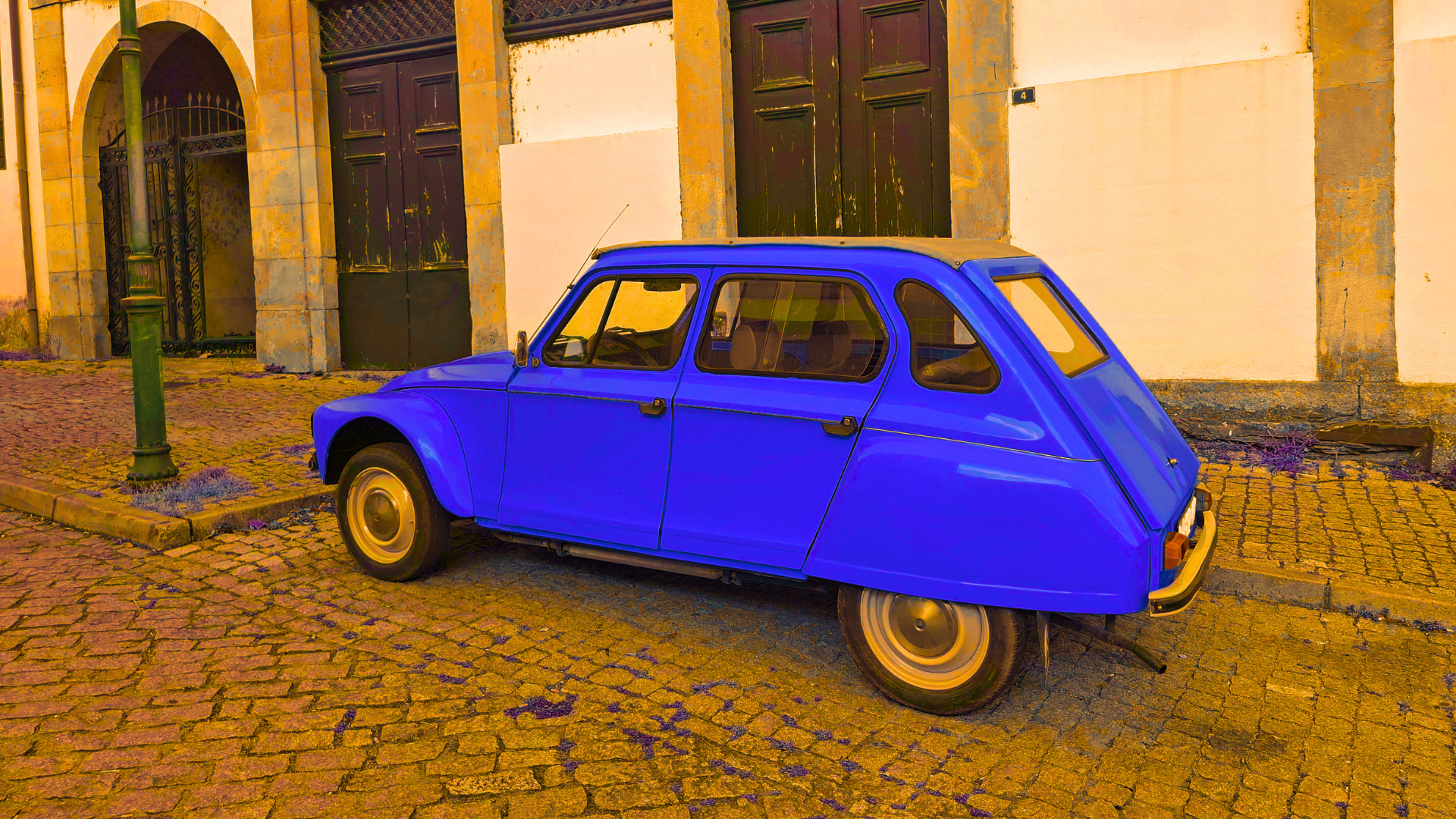
A short ride can be the smartest choice when you are tired, carrying luggage or moving between areas that are not ideal for walking.
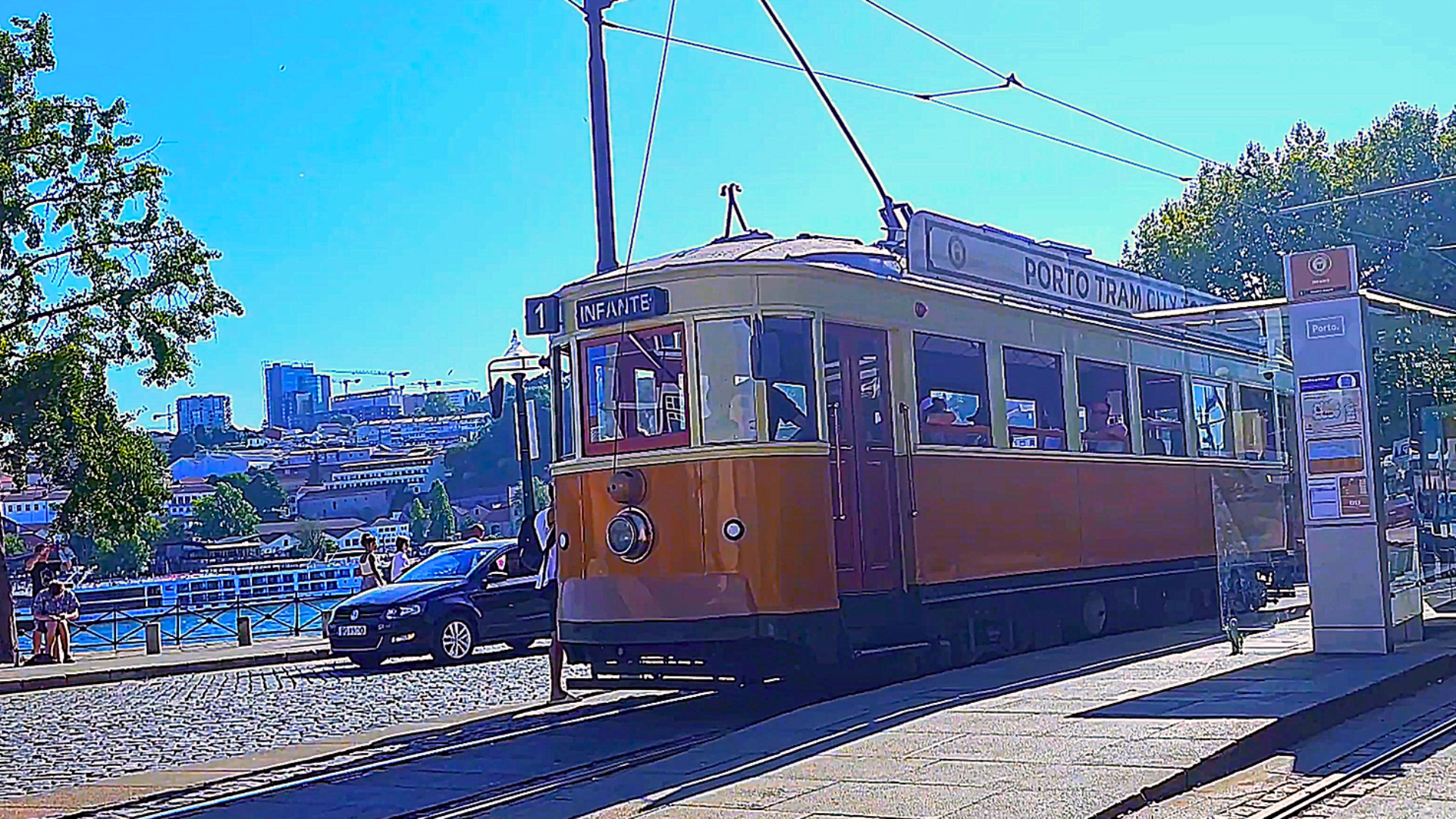
Porto’s historic tram is more of an experience than a full transport solution, but it can be beautiful when it fits your route.
Where to stay
Where you stay changes the way you experience Porto. The historic centre is practical and atmospheric, but not always the calmest option. Foz is more relaxed and closer to the ocean. Boavista can be a good balance for travellers who prefer space, easier access and a less touristy base.
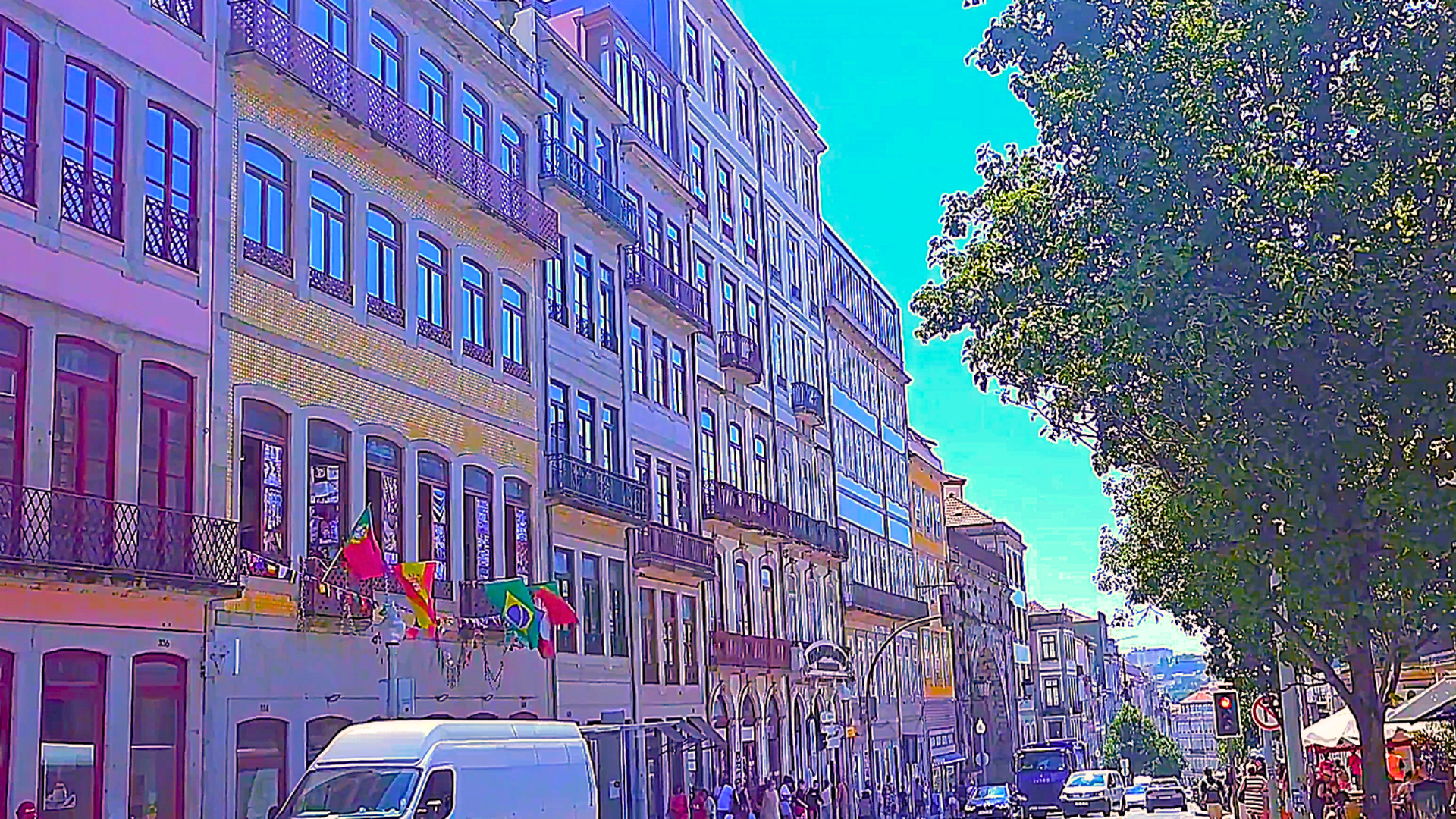
Stay here if you want to walk to the main attractions, feel close to the old city and be surrounded by streets, cafés, shops and historic buildings.
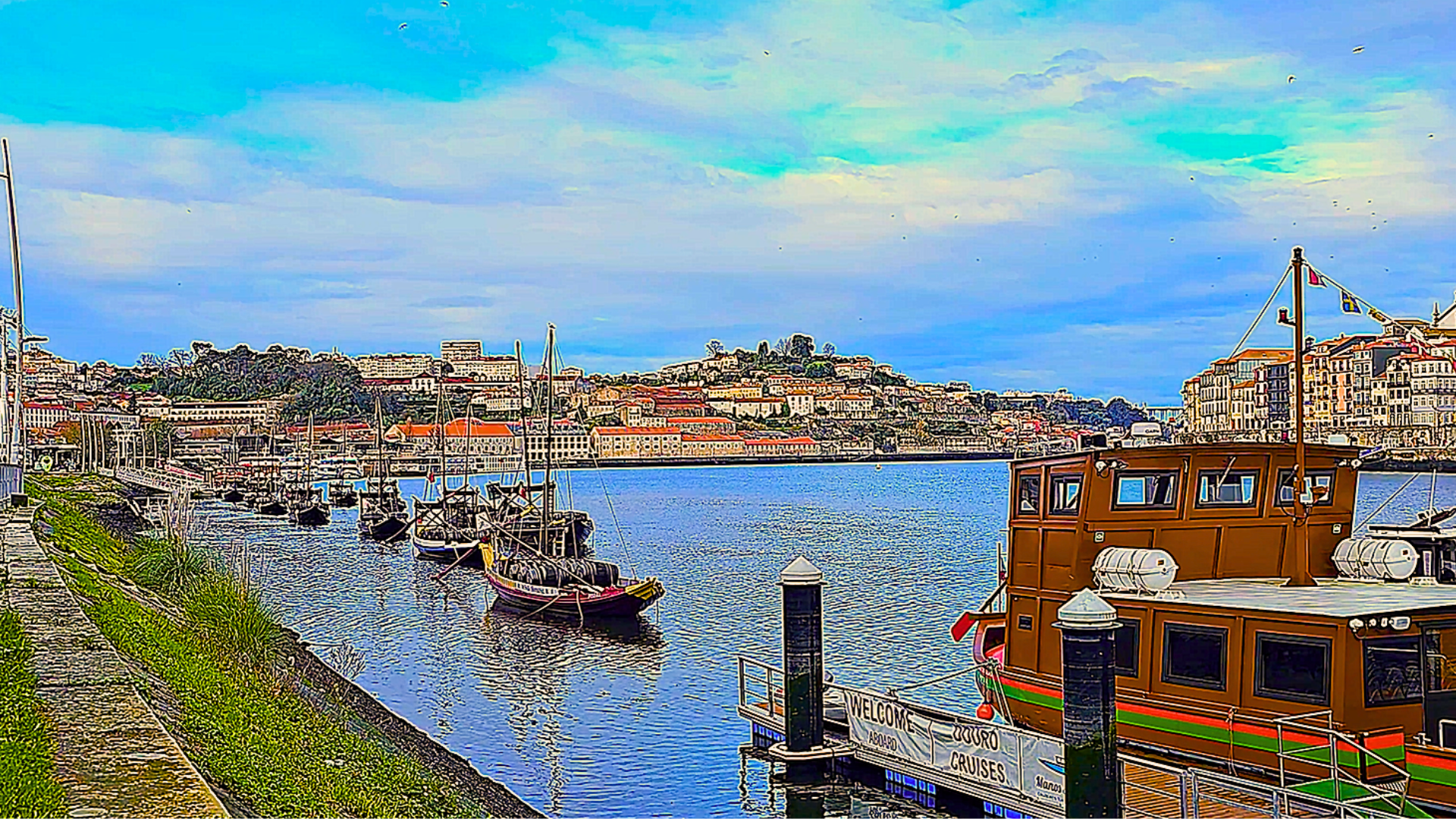
Choose this area if you want atmosphere, postcard views and easy access to the Douro. It can be busier, but the scenery is difficult to beat.
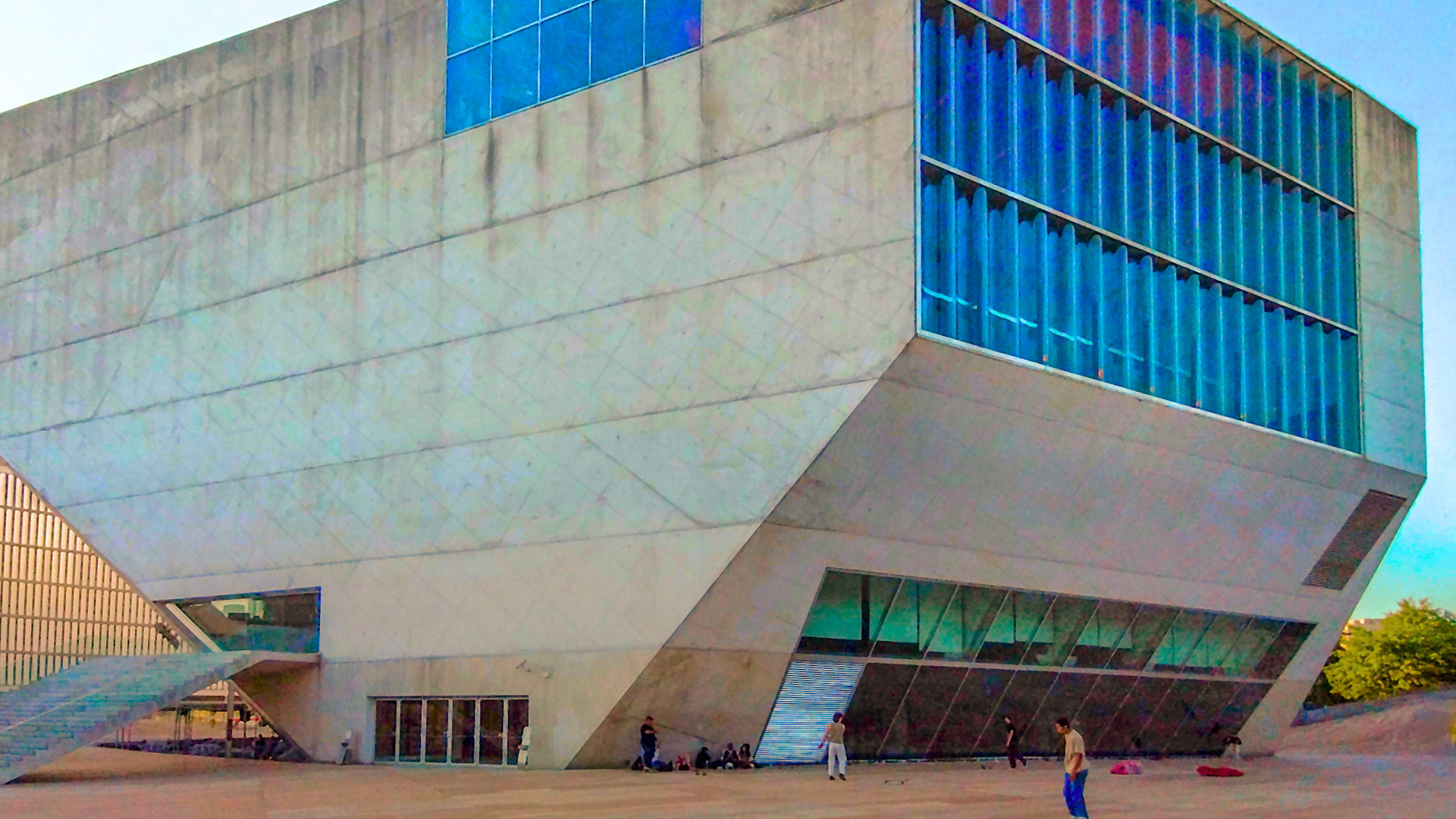
Boavista can be a good option if you prefer a more modern and spacious area, with easier access to different parts of the city and less tourist pressure.
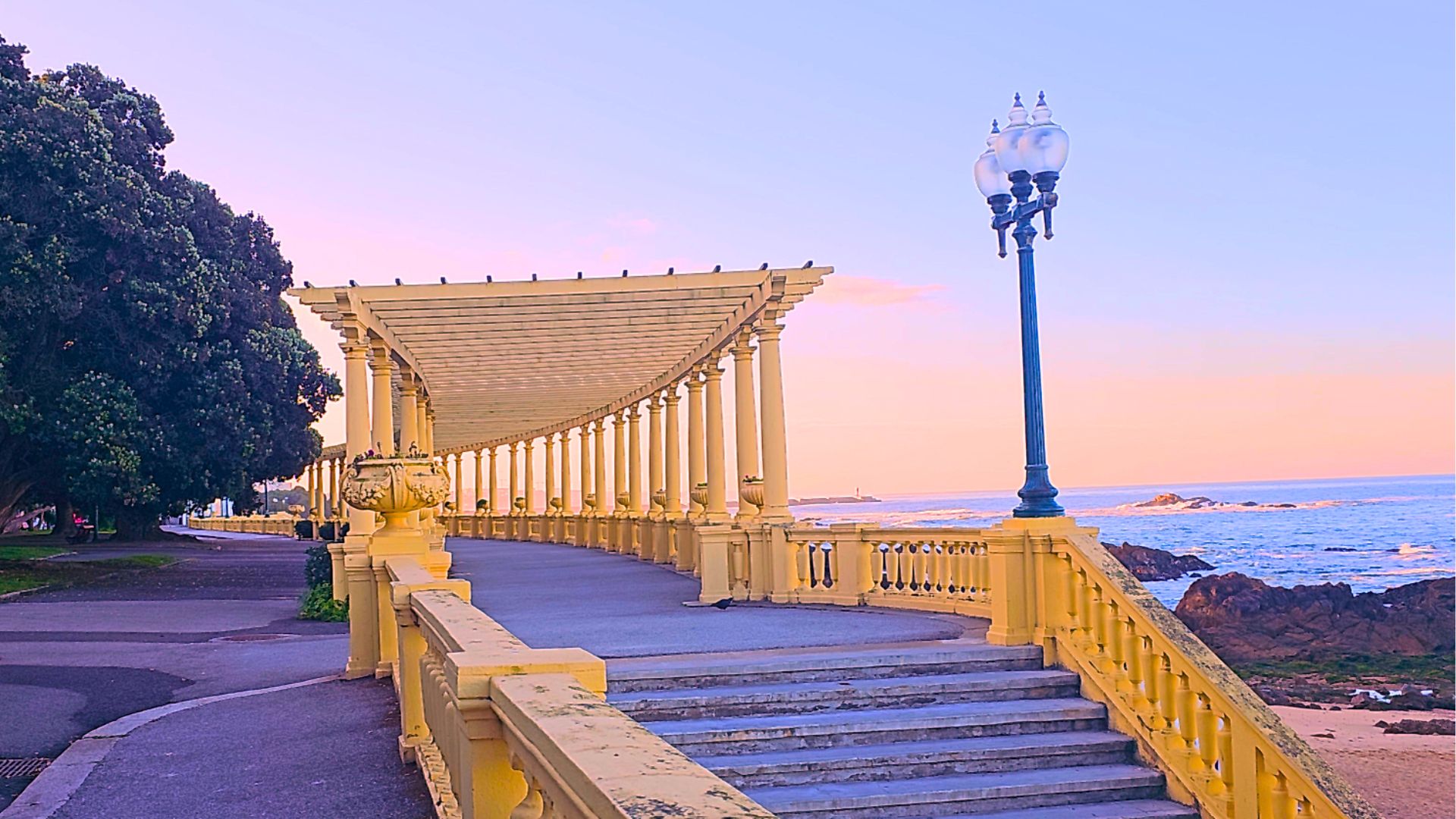
Foz is ideal if you want calmer evenings, sea views, coastal walks and a softer rhythm, while still being connected to the rest of the city.
Porto at a glance
A quick visual walk through transport, stations, river views, historic streets, tiled churches and everyday corners of Porto.
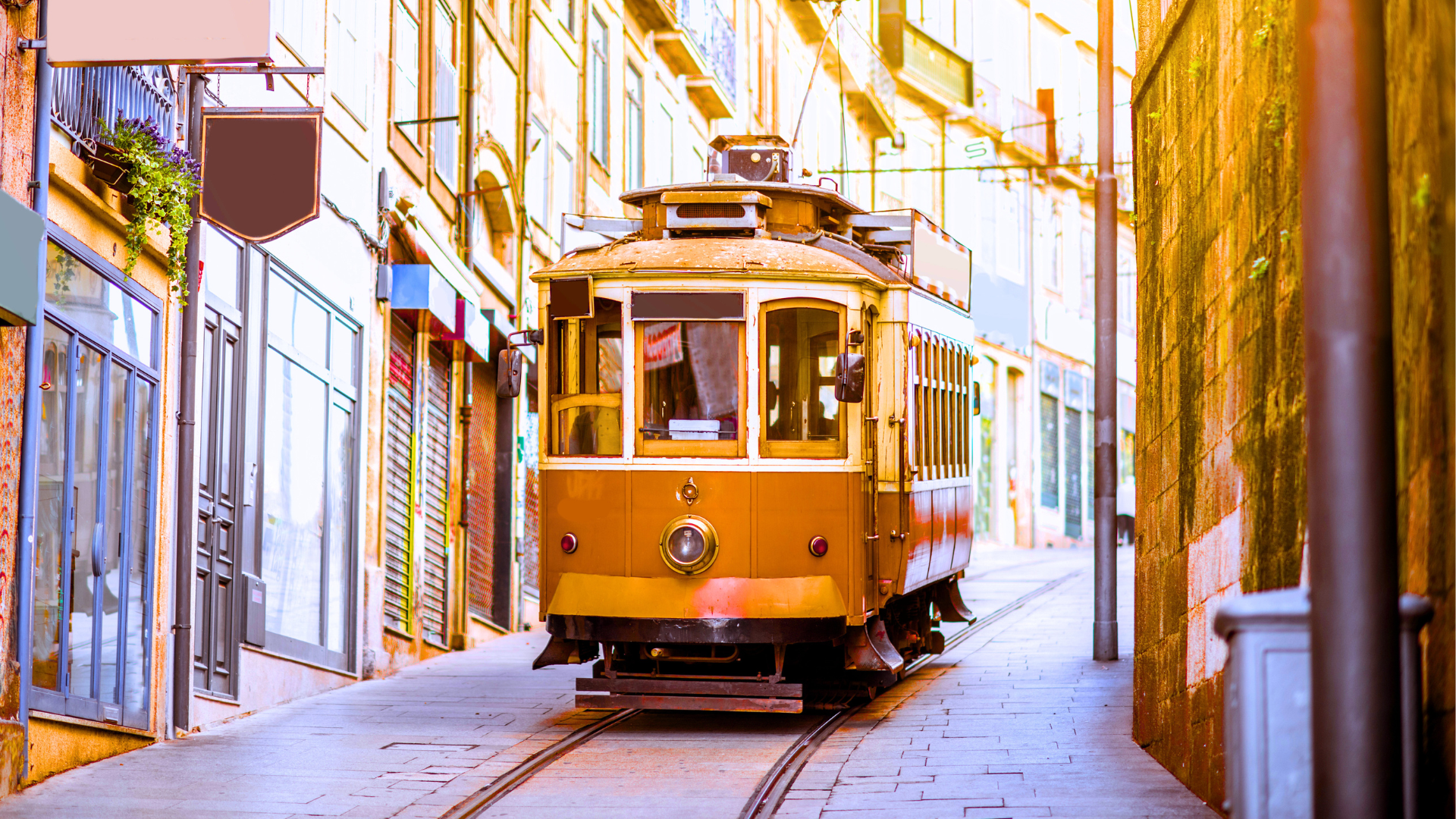 Historic tram
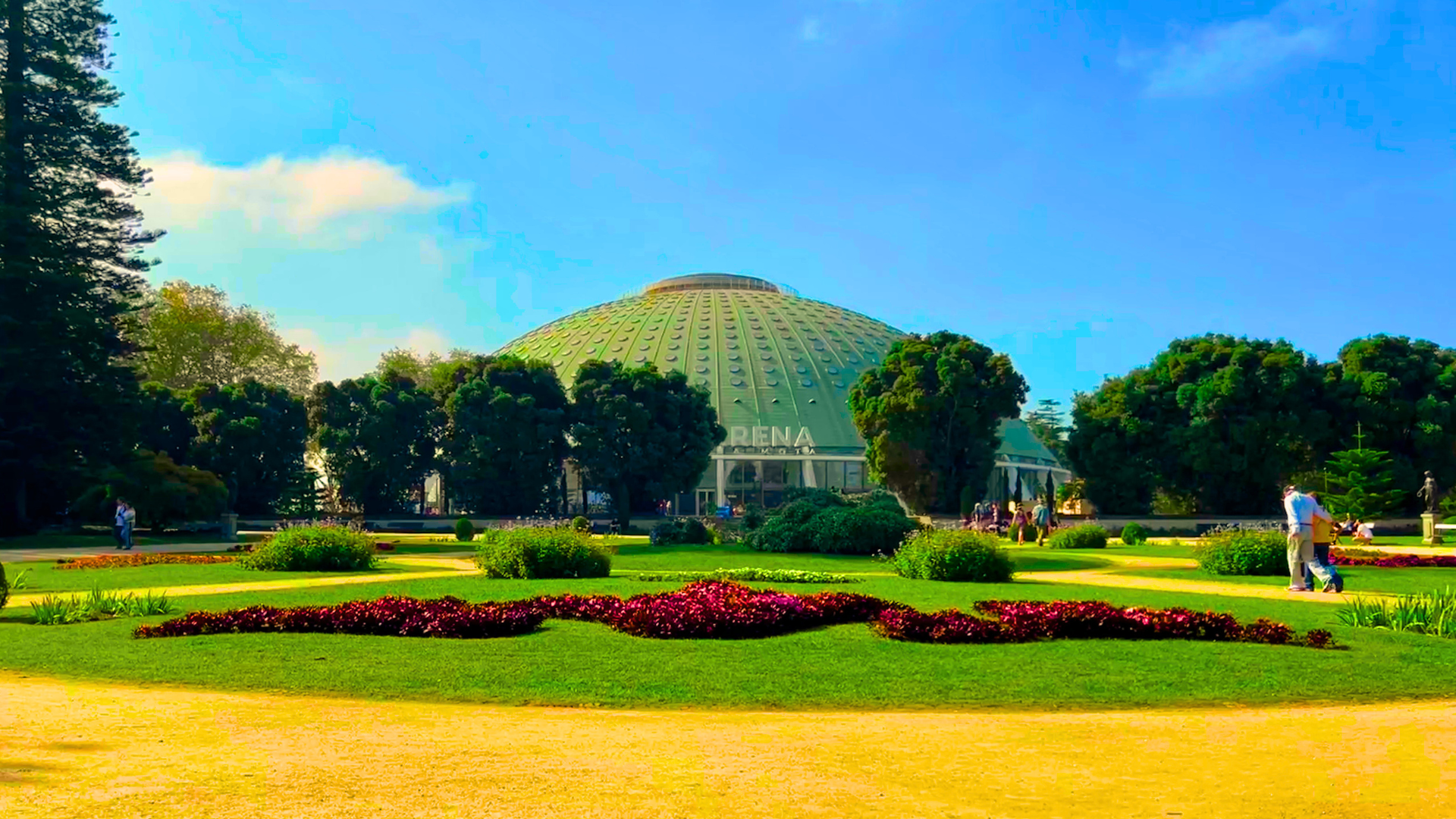 City gardens
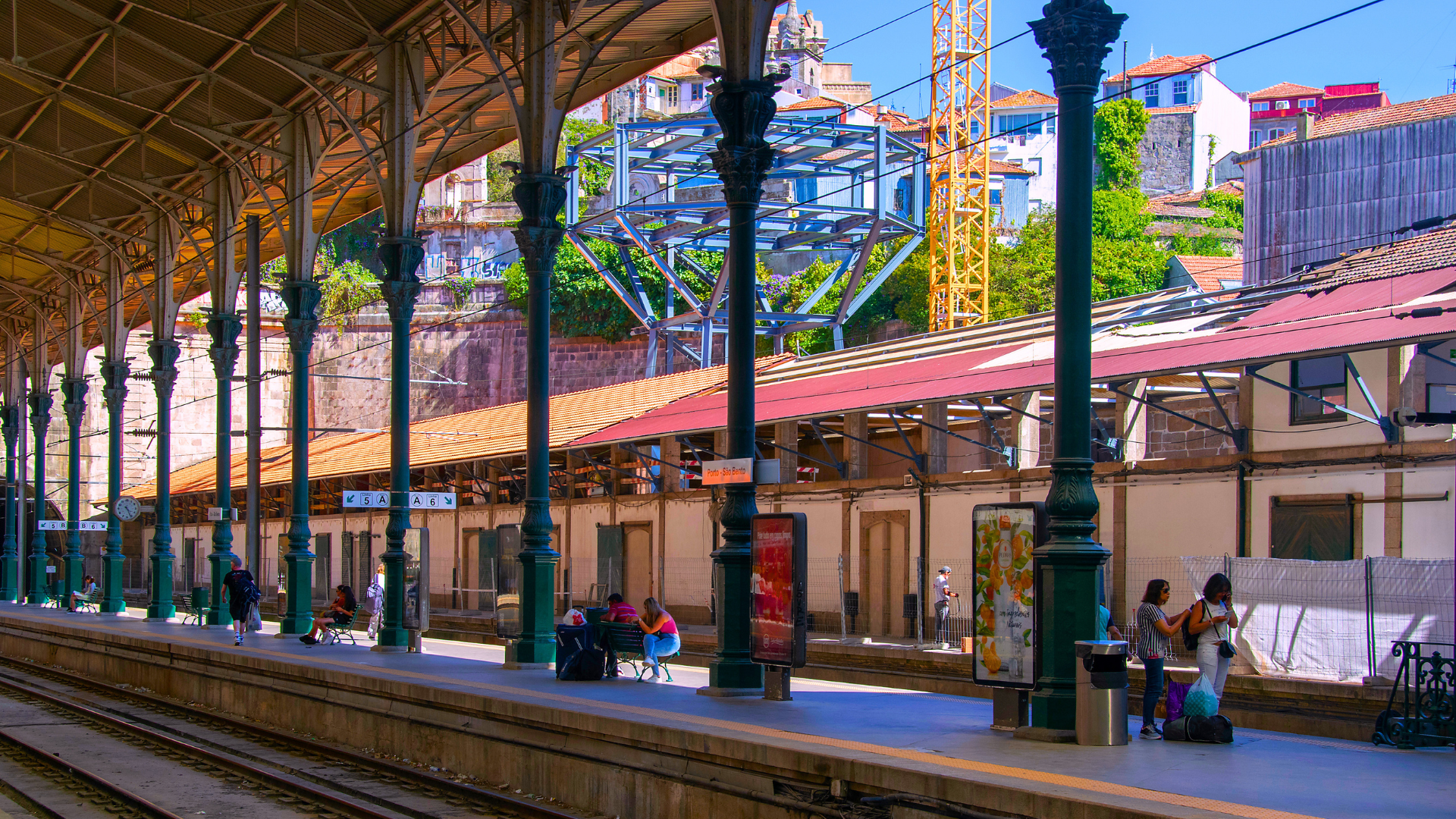 São Bento
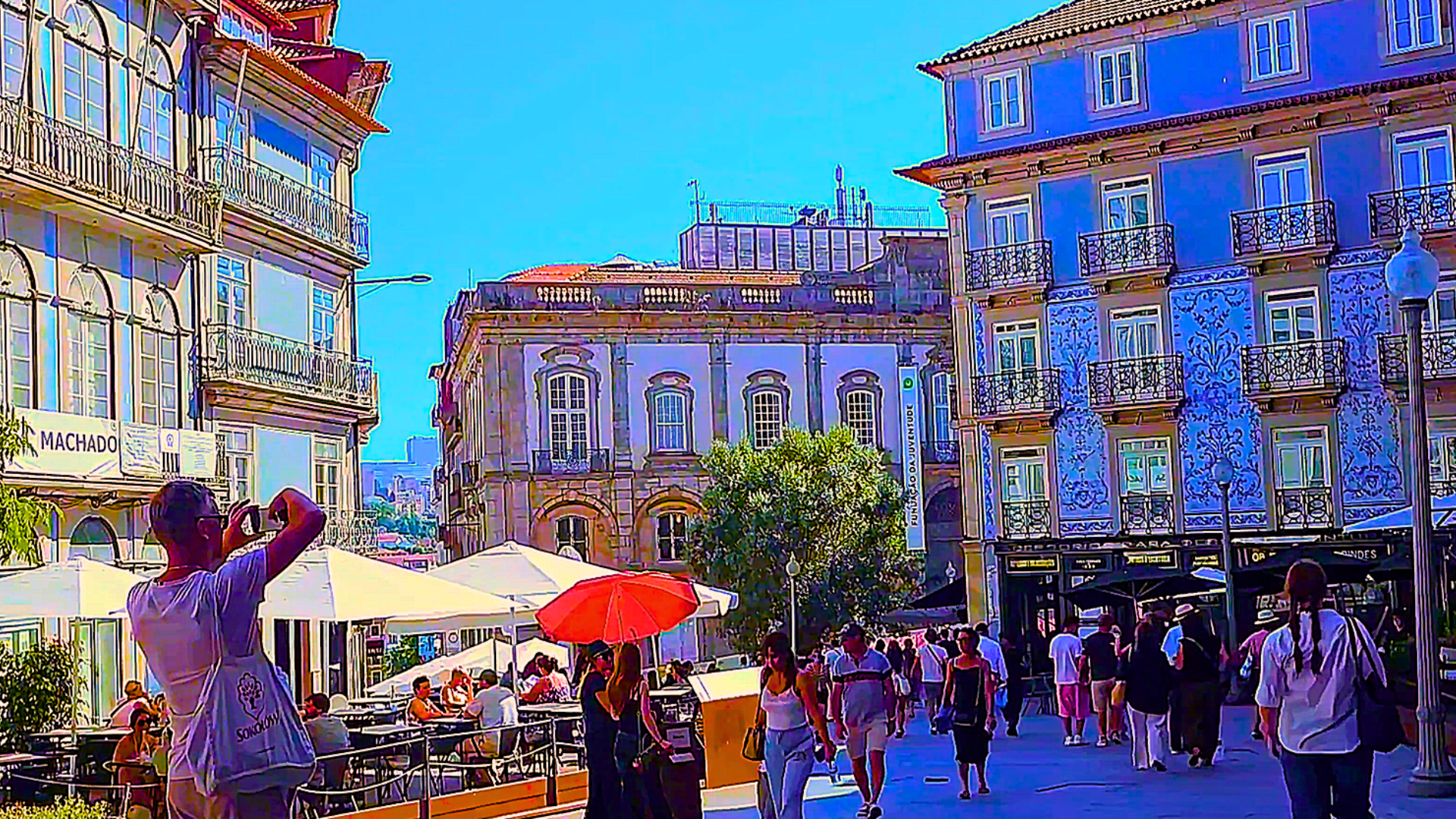 Historic squares
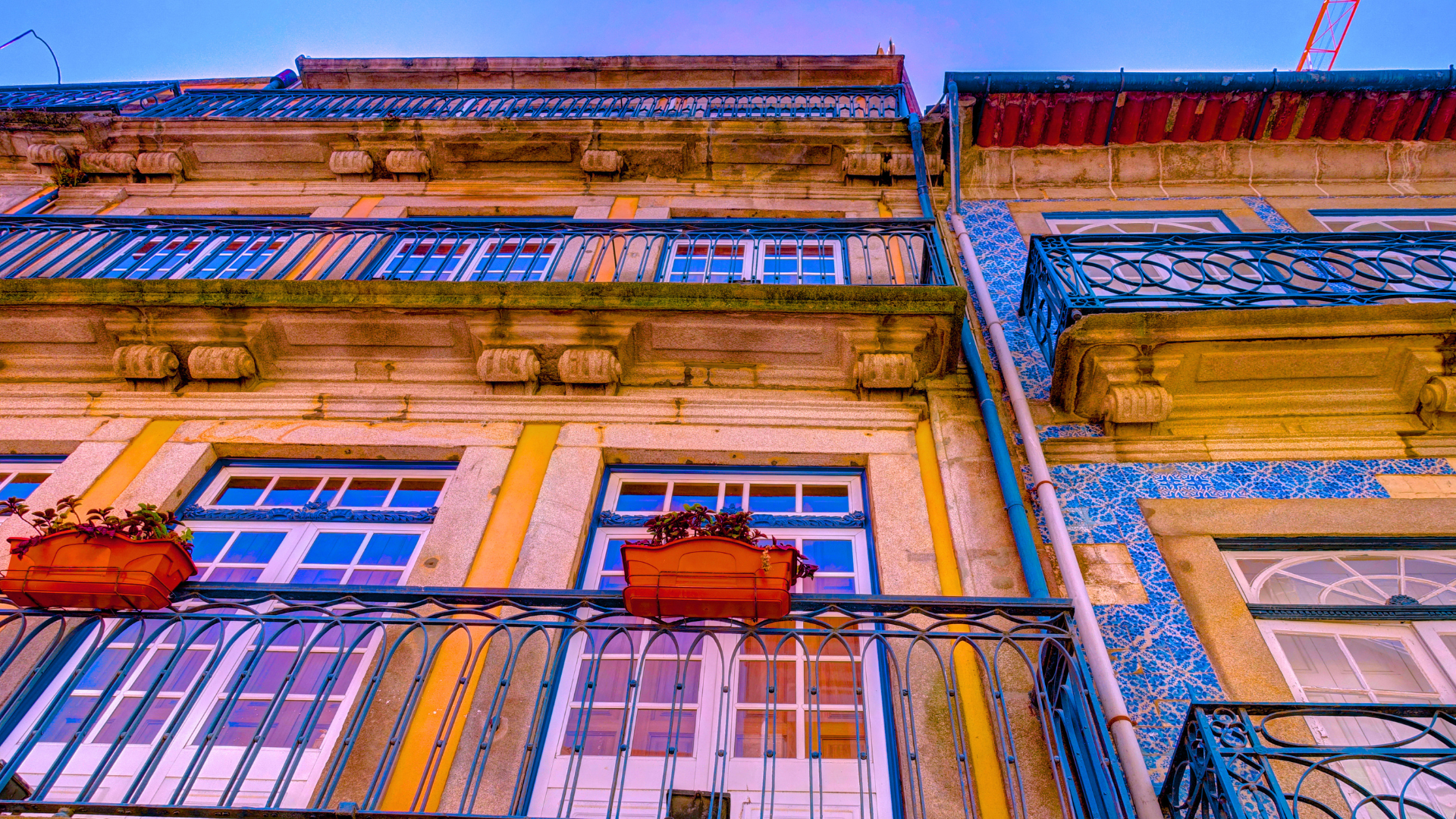 Old façades
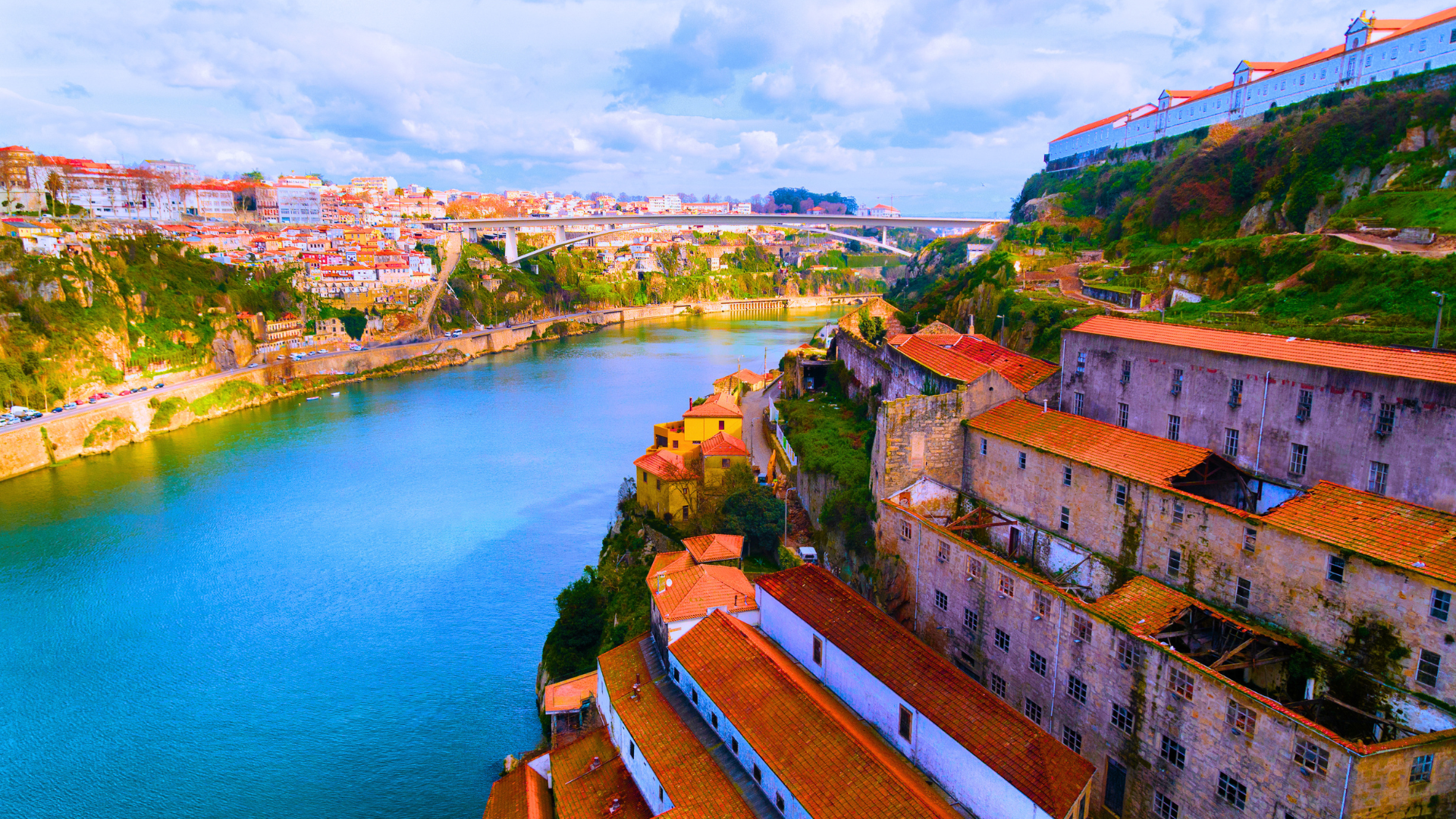 Douro views
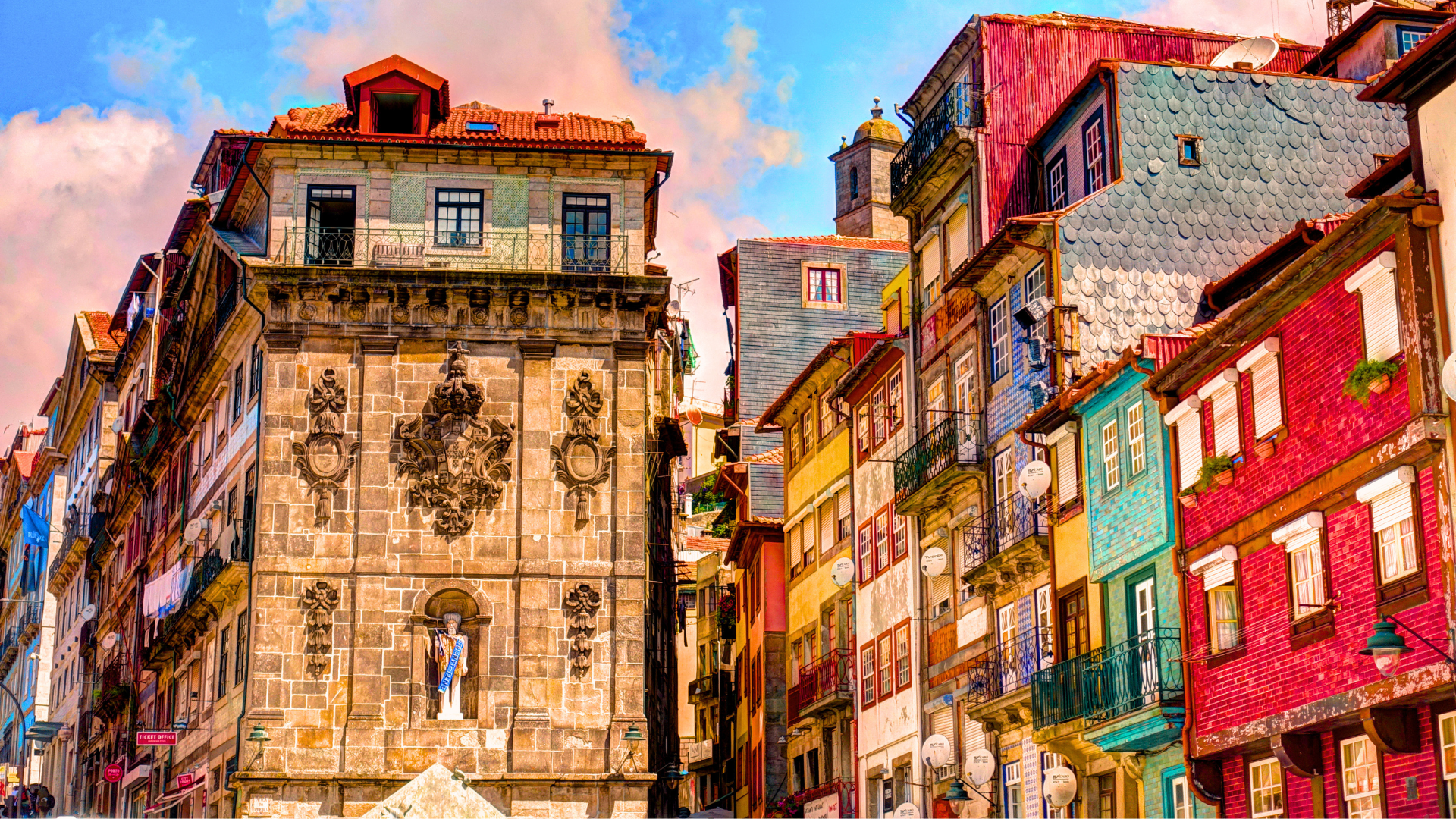 Ribeira corners
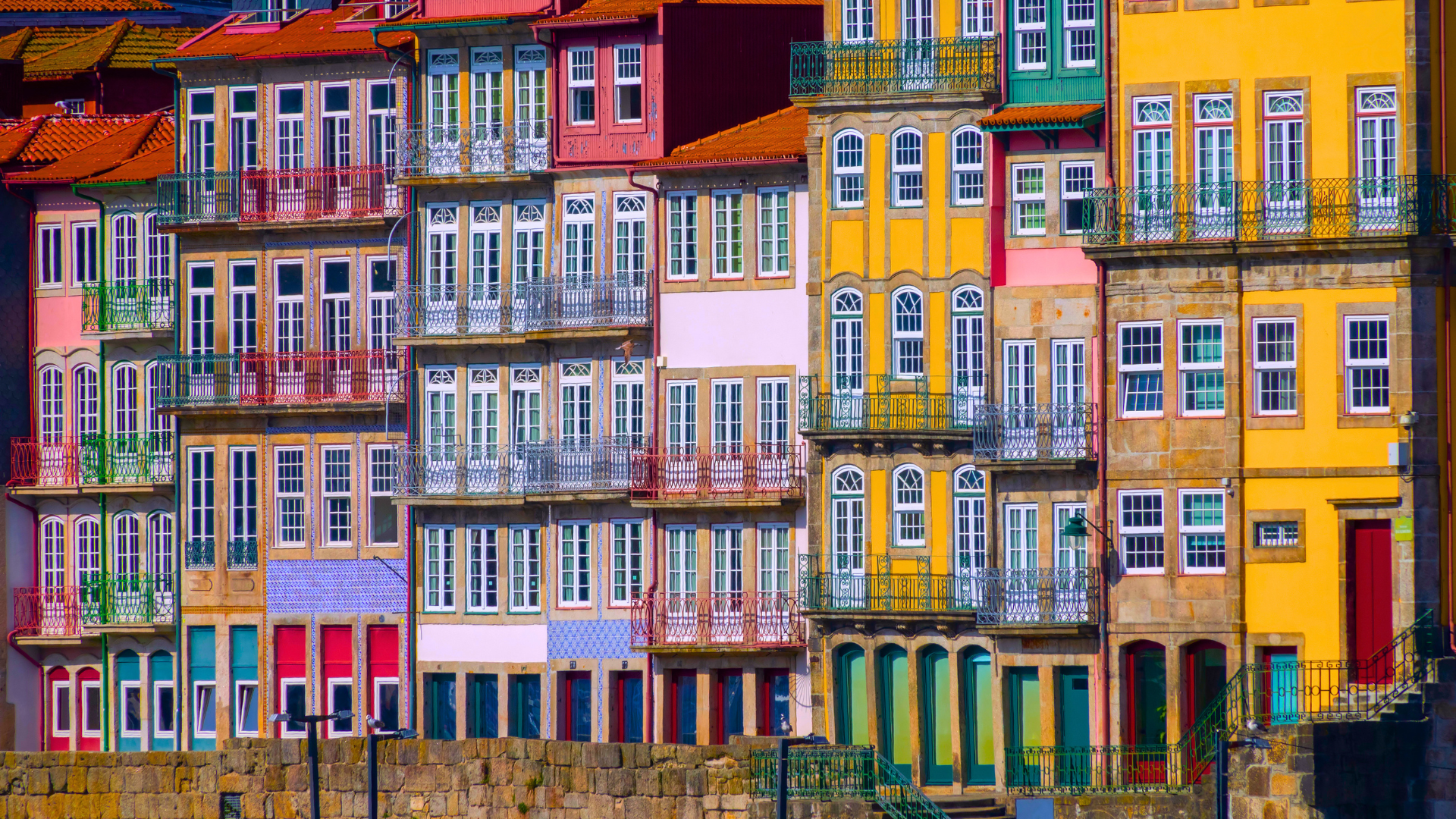 Colour details
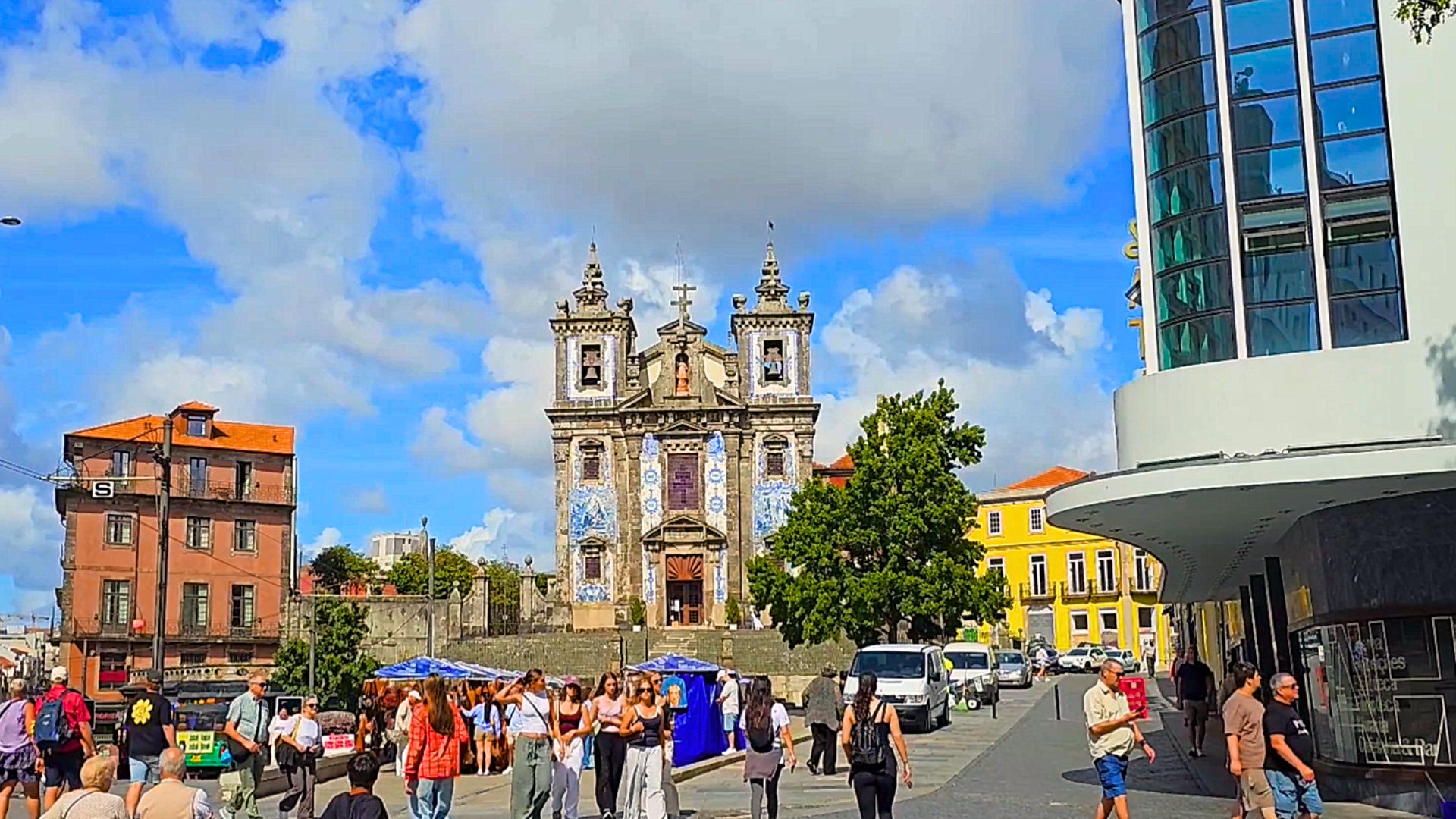 Tile churches
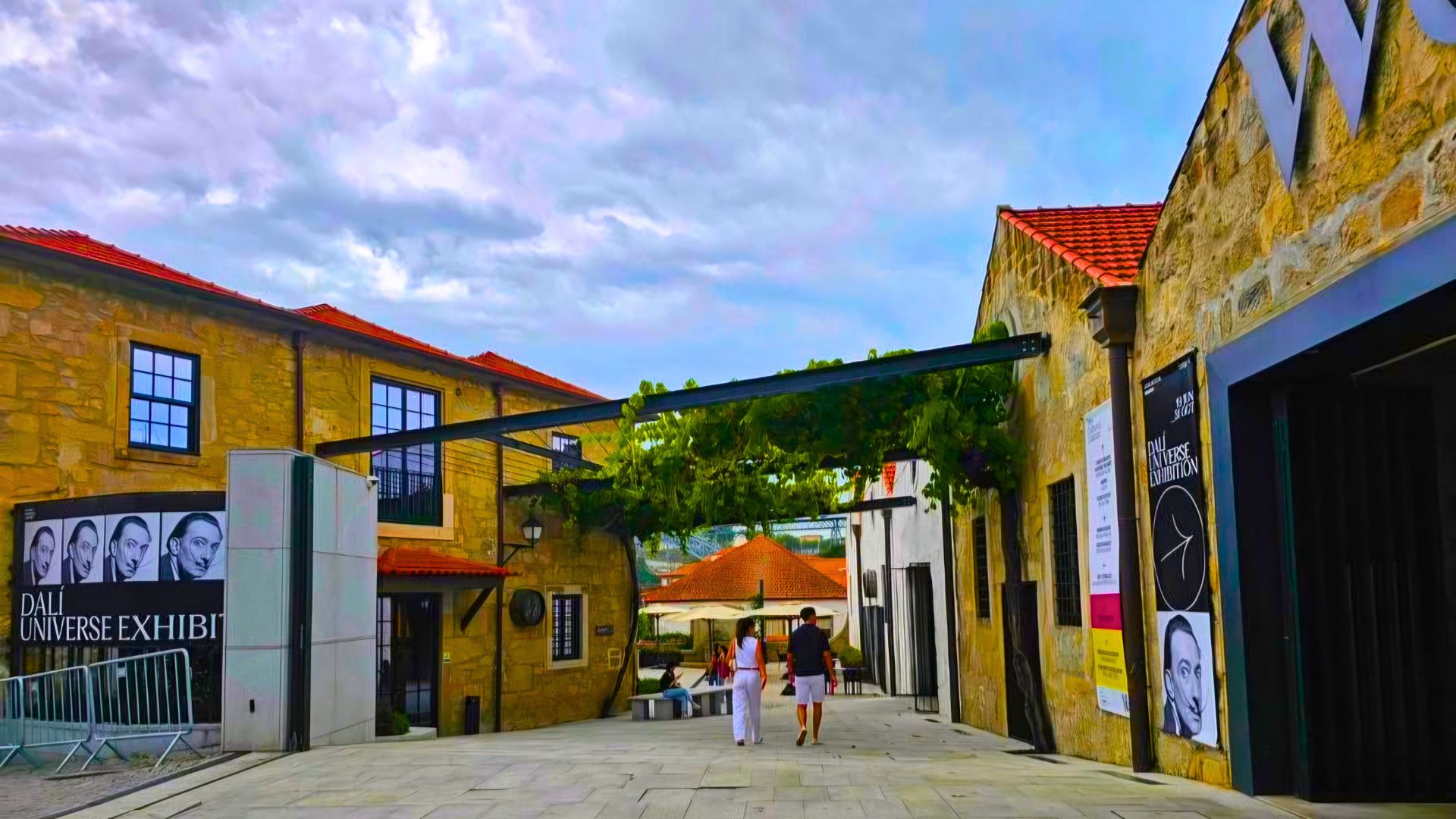 Gaia riverside
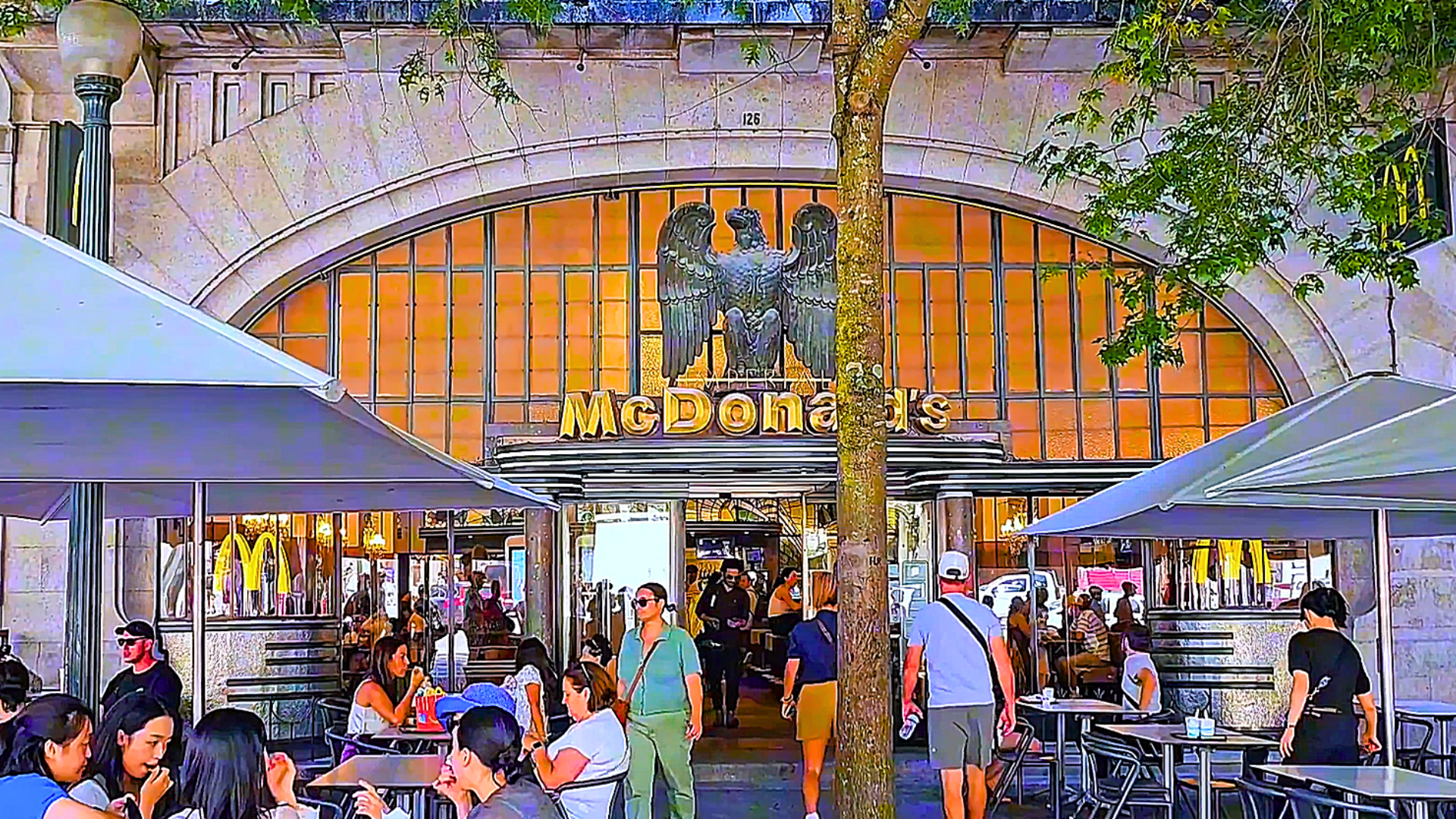 Aliados detail
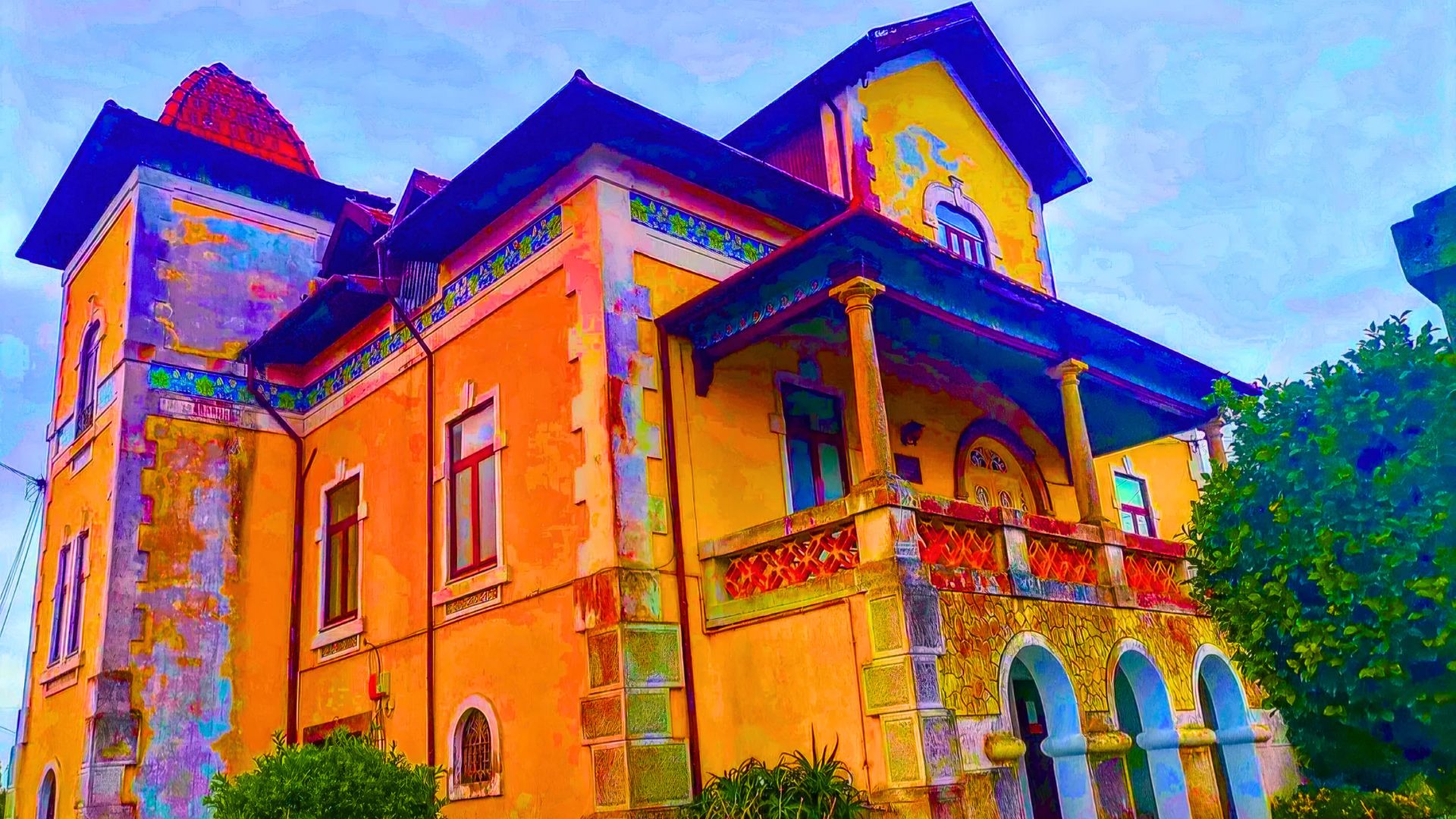 Gaia streets
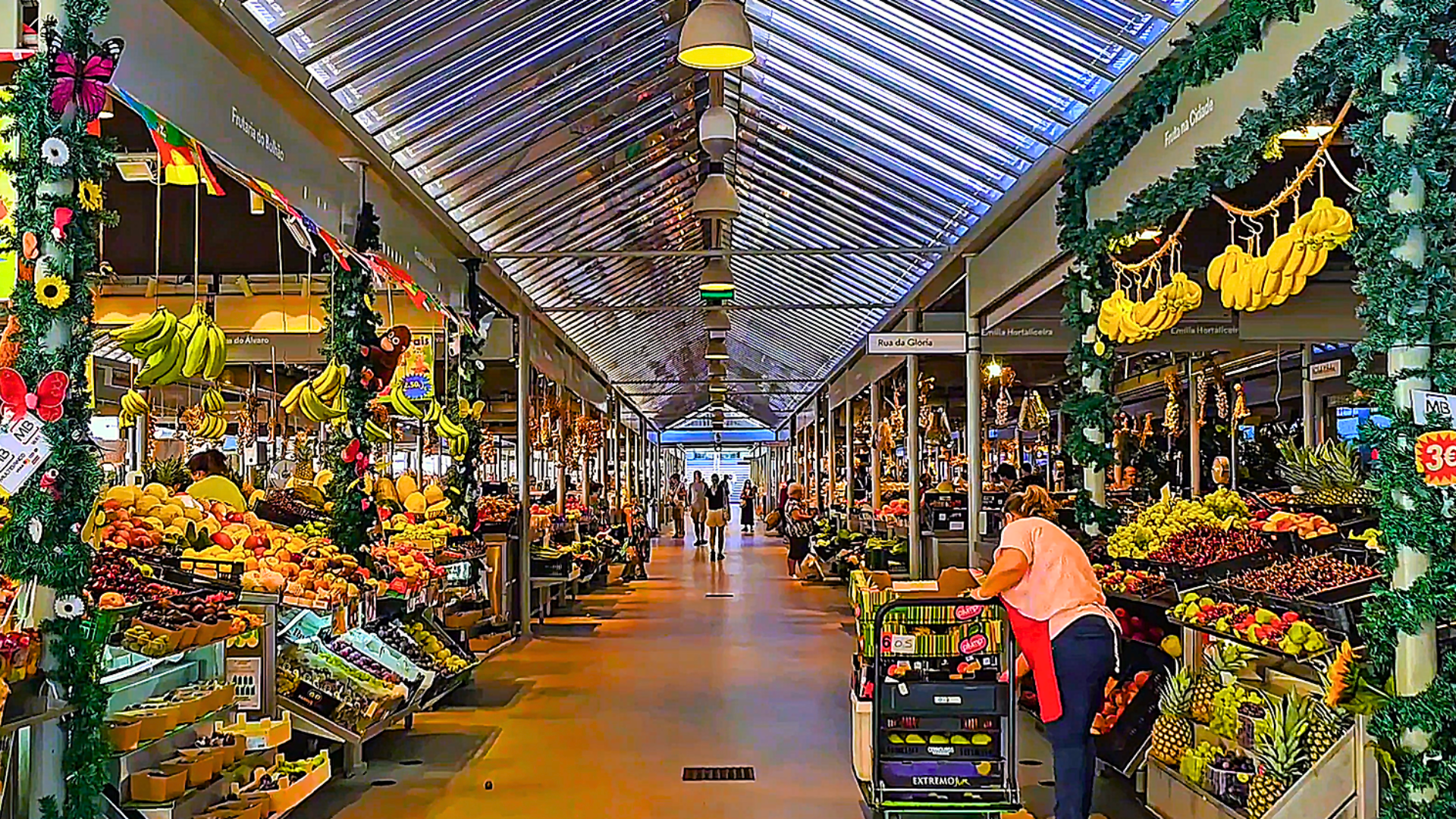 Bolhão market
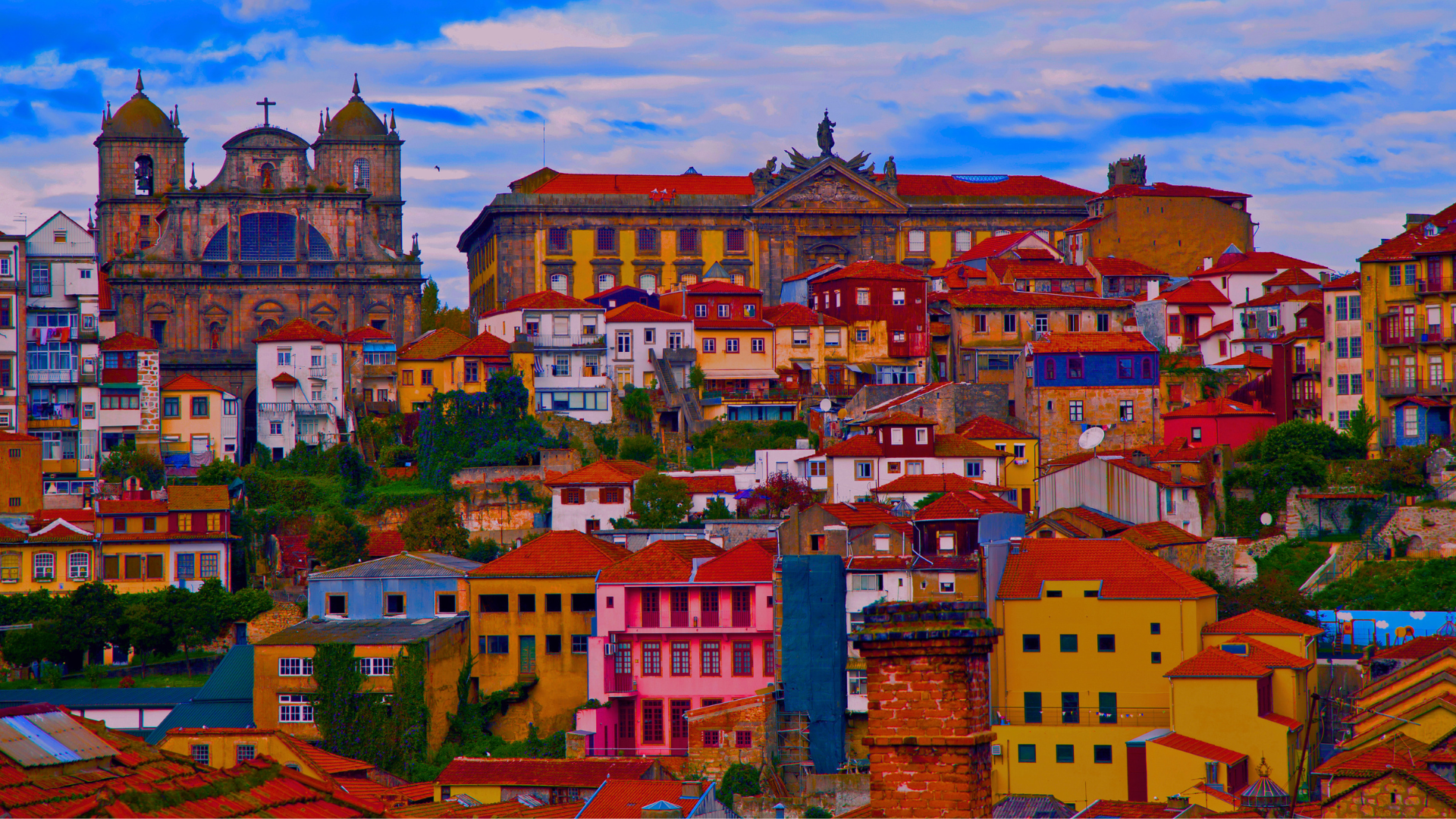 Colourful houses
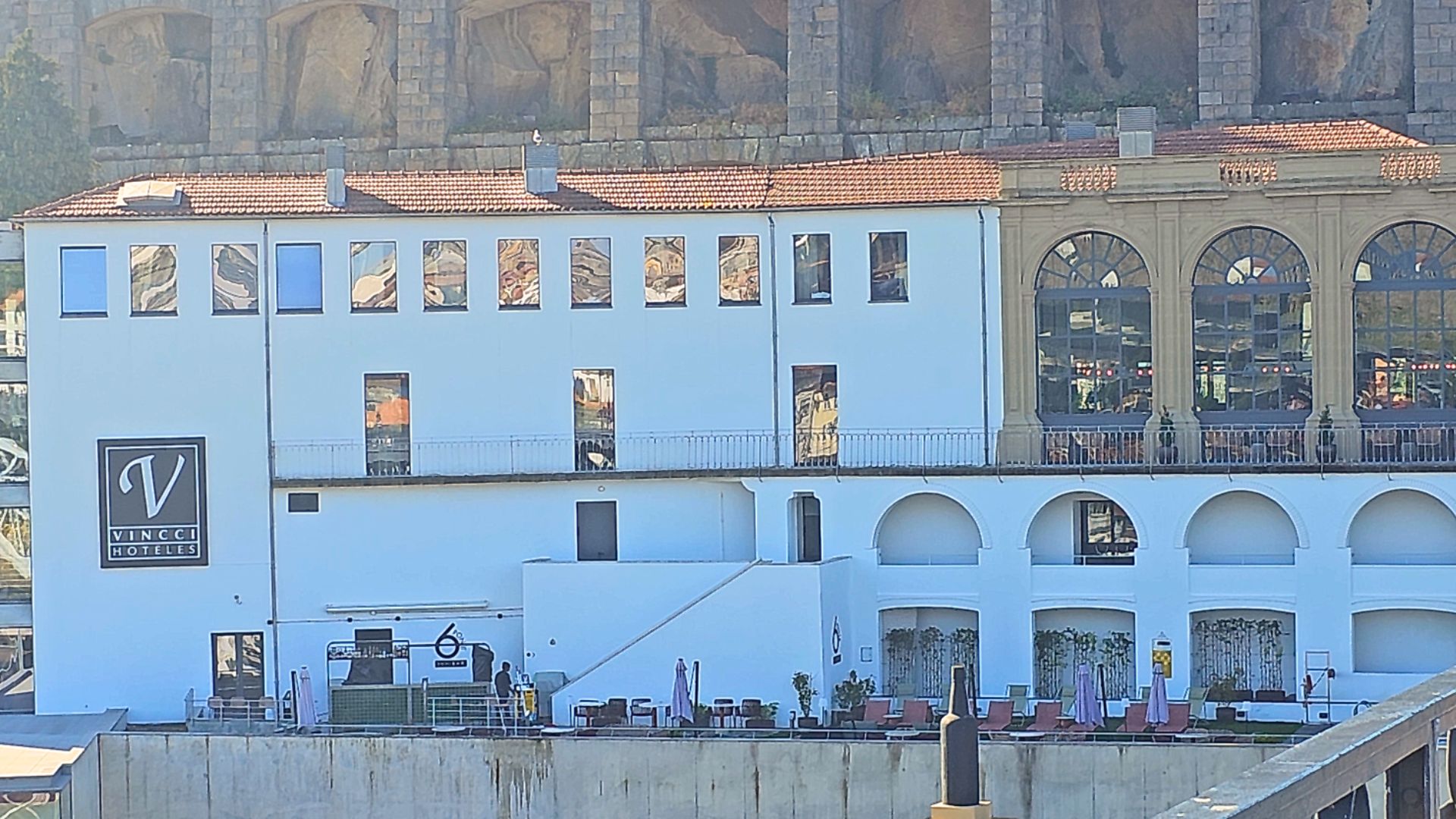 River architecture
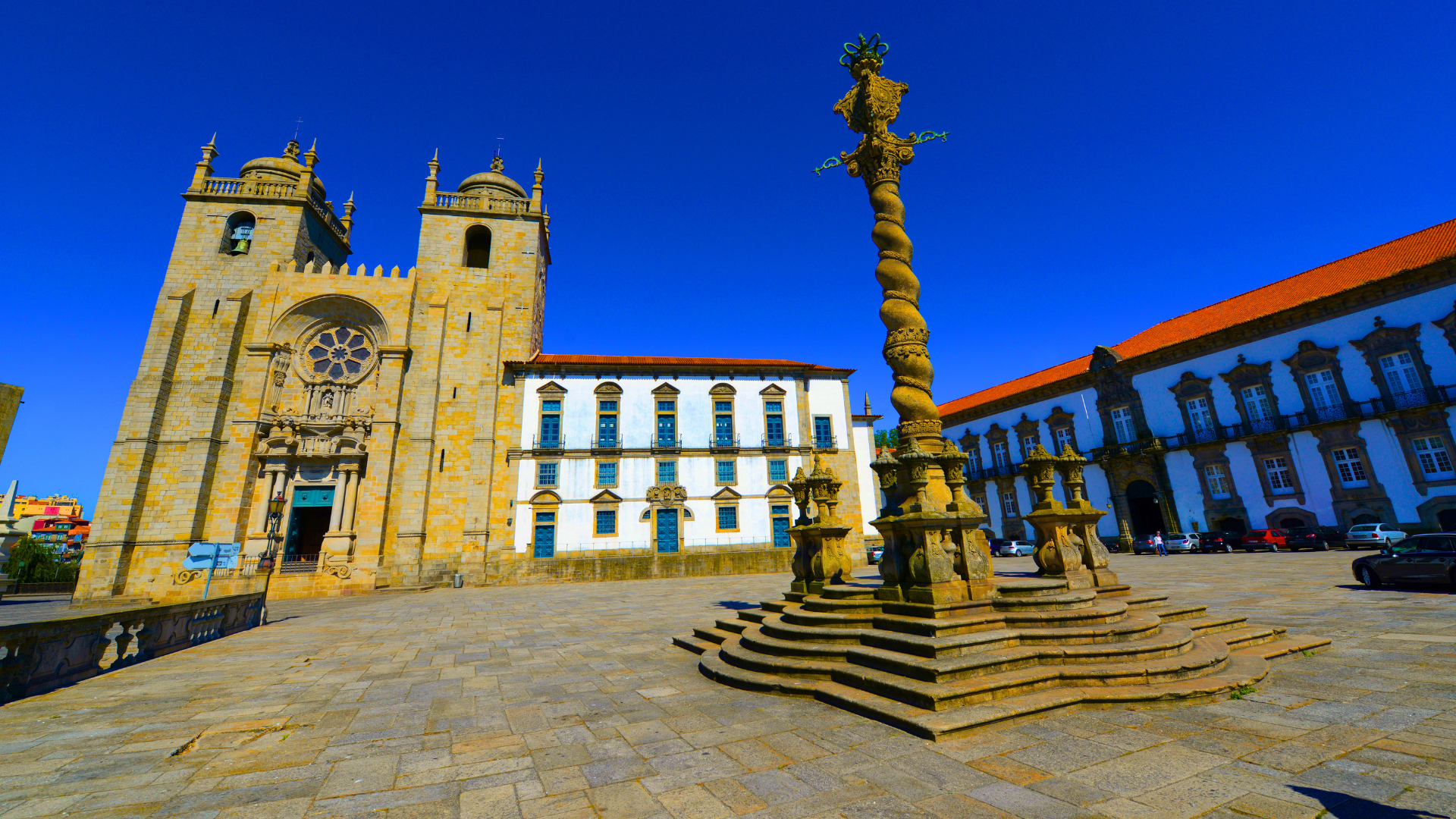 Porto Cathedral
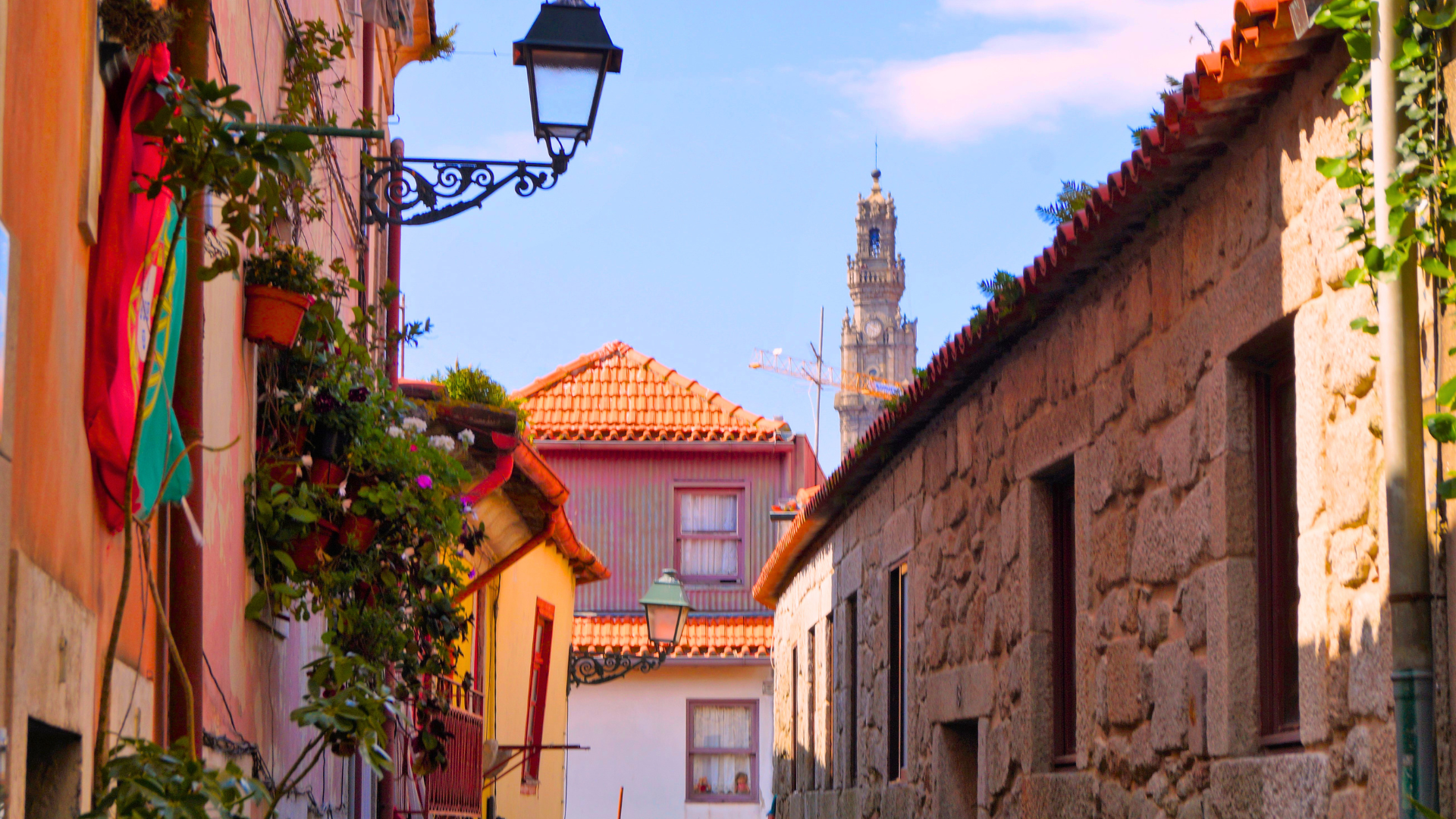 Clérigos skyline
Local tips
Porto is not complicated, but a few small choices can make your trip much better.
The city is made for walking, but the pavements and hills are real.
It is touristy, yes, but it is still one of the places where Porto feels most alive.
Some of the best details are above eye level: tiles, balconies, signs, windows and old façades.
Porto is not only about monuments. Sometimes the best pause is part of the itinerary.
Some of the best views of Porto are not in Porto, but from the other side of the river.
Distances can look small, but the city is vertical. Plan your route with that in mind.
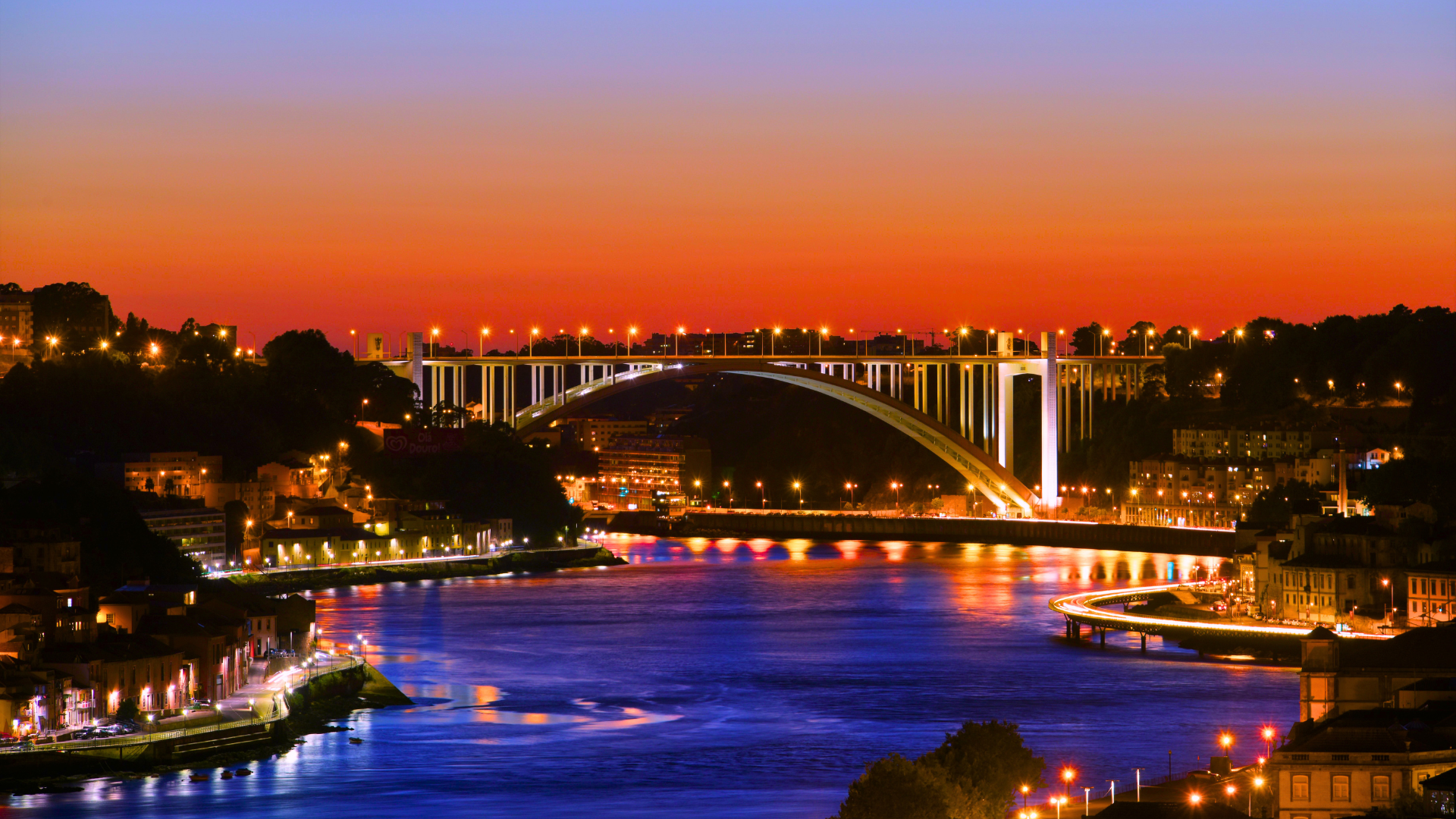
First step
The best way to plan Porto is not to control every moment. Choose a good base, follow a route that makes sense, and leave space for the city to reveal itself.